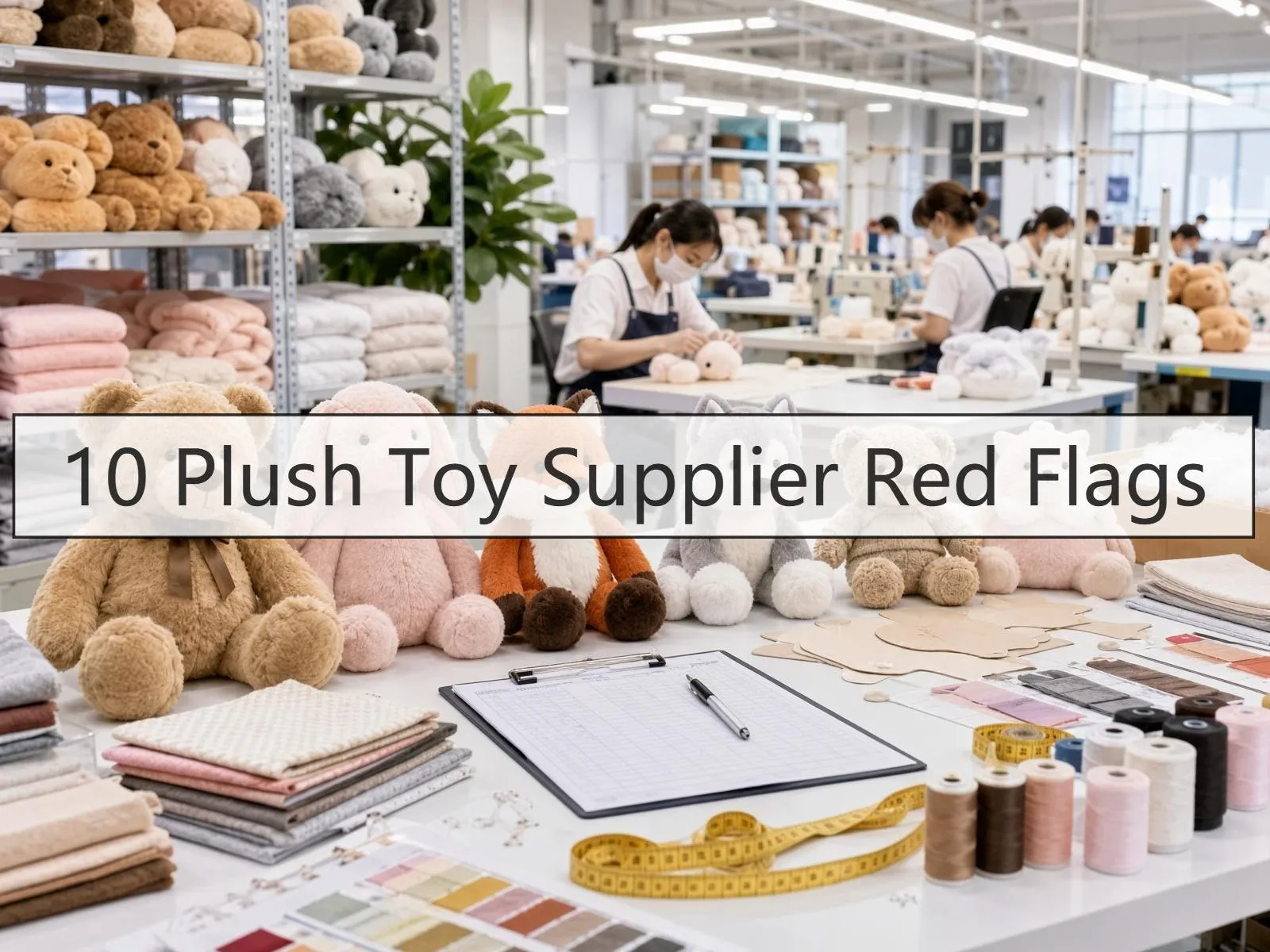

We audit plush factories in Guangdong and Zhejiang. The ten Plush Toy Supplier Red Flags below are led by five highest-risk failures: mismatched legal and payment identity, quotes far below market, generic test reports, sample-to-bulk mismatch risk, and 100% prepay pressure.
Our audit standards come from years of factory-floor experience. We manage complex manufacturing runs across major Chinese industrial clusters. Proven audit protocols guide every inspection. Each section shows what the red flag looks like, why it is dangerous in plush, and how to verify it before mass production. Use the quick-reference checklist later.
10 Supplier Red Flags That Kill Plush Toy Orders
Real factory or trading shell? Spot plush toy supplier red flags in quotes, reports and payment terms. Use our audit steps today, plus safe payment terms.
1. The Quote Is 30% Lower Than Comparable Suppliers—But No One Can Explain Why
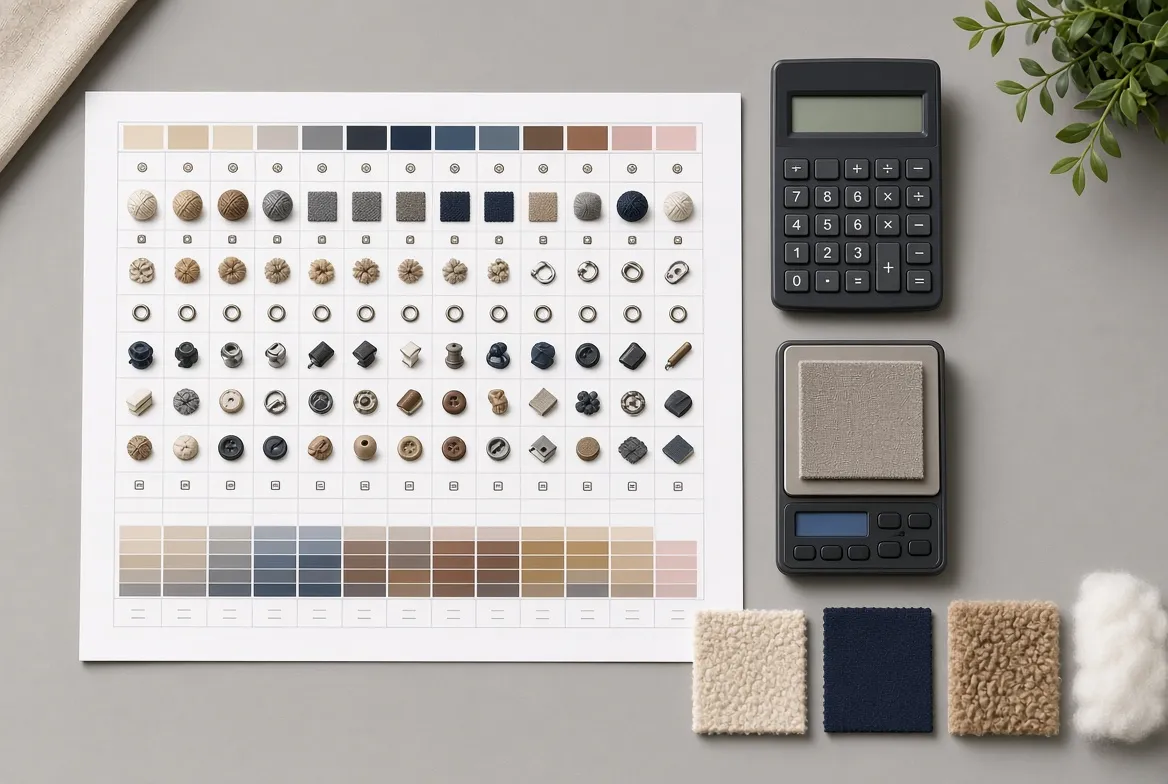
A quote 30% below three comparable plush factories is a question, not a deal. In my experience, the danger shows before samples: the rep never asks about size, fabric GSM, embroidery stitch count, accessories, packaging, or destination market.
That vague all-in price usually hides lighter fill, lower-pile fabric, weaker seam specs, or excluded packaging or testing costs. Require a line-by-line breakdown for fabric, stuffing, trims, labor, packaging, sampling, and test support. Use our toy cost breakdown article to compare inputs.
Serious factories explain MOQ and lead-time logic. Lowball ones say “anything is possible” and cannot trace the material or labor behind that number.
🚀 Actionable Insight: Reject any plush quote that fails line-item review. A low price is not a spec.
2. The Legal Name, Business License, Contract, and Bank Account Do Not Match
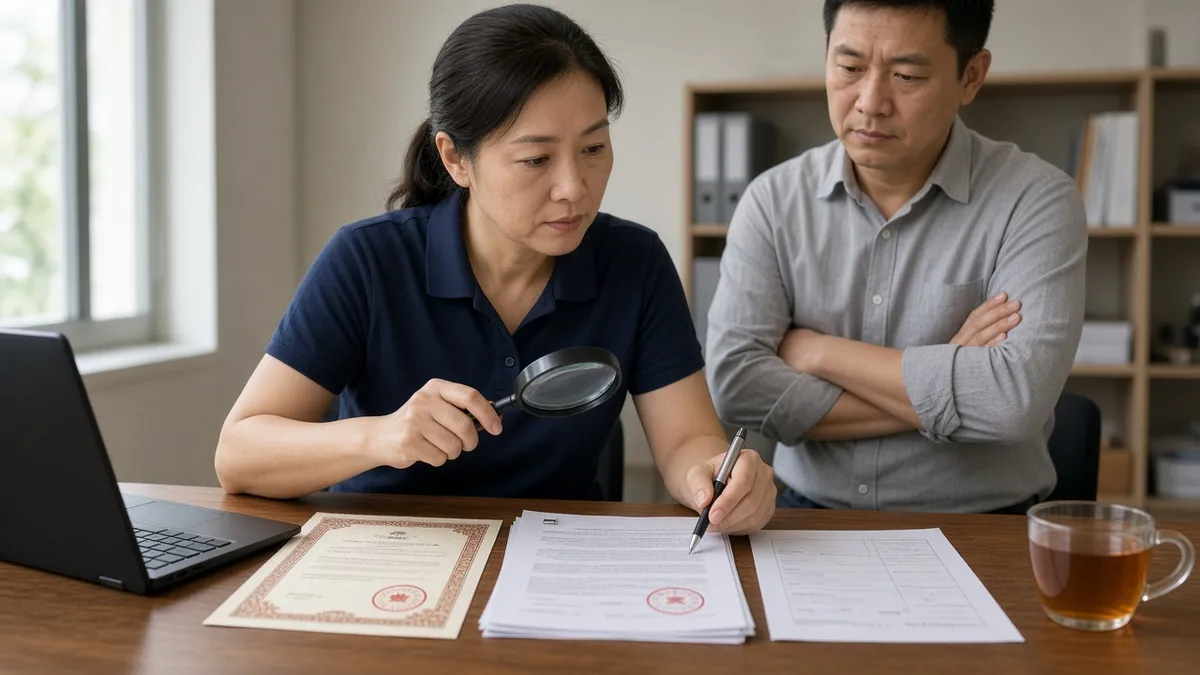
Never send money to mismatched bank accounts. We verify official business licenses in government registries. Your payment beneficiary must match the contract signer. Payment instructions point to a personal account.
That is an identity break, not a paperwork quirk. It is where fraud starts. We see this pattern in hidden trading shells. The payee must match the contract signer.
Before any deposit, verify the Chinese legal name and business scope in the national enterprise credit registry (GSXT), confirm the entity is active, and match the bank beneficiary to that name. A disclosed sister export company can be legitimate, but only with a written, verified relationship before payment.
🛡️ Our Verdict: We walked from a Guangdong source when the contract named one company and the invoice pointed to a personal account. No explanation held up. Require the license, contract, and payee to match.
3. They Call Themselves a Factory but Refuse a Live Floor Walkthrough
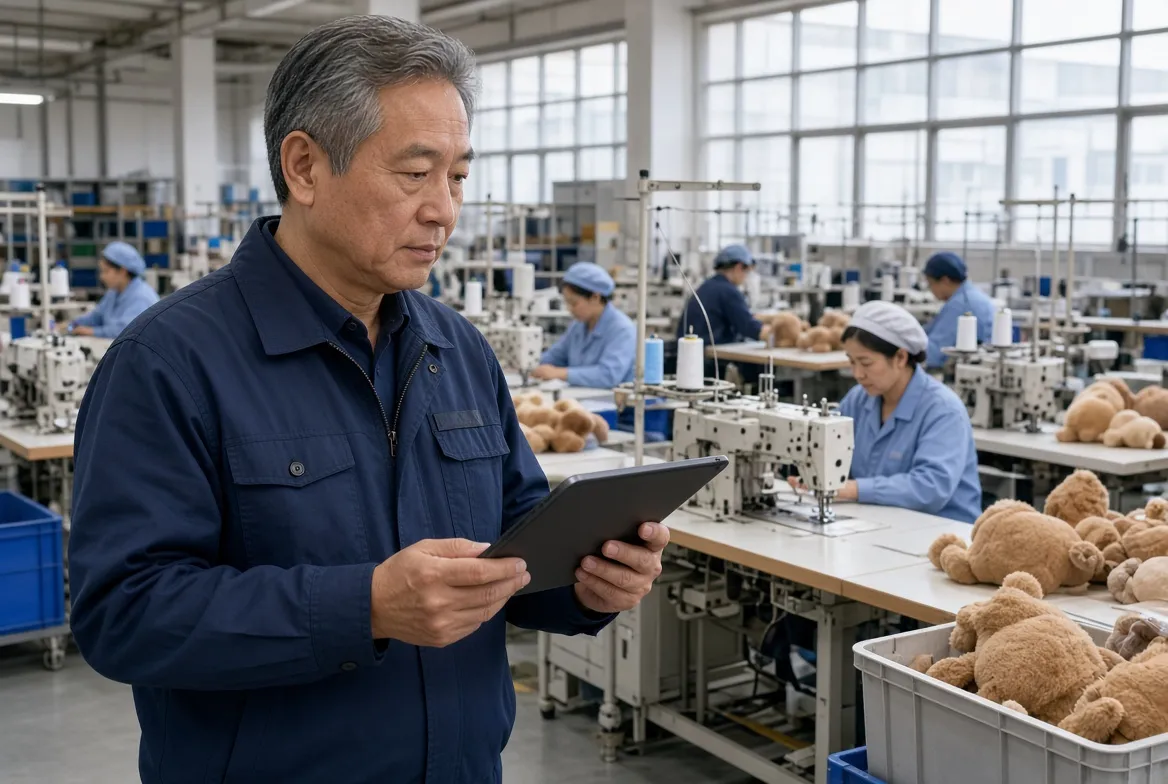
Ask for a live video of the production floor. They send a polished showroom clip. That is a red flag.
Our Toy Sourcing & QC Expert Rainie Qiu always demands live video calls. Fake factories send polished showroom clips. We inspect active sewing lines with our own eyes. Not staged glam shots of finished toys. Live, never pre-recorded.
Last month, a client's "factory" refused a live call. We walked. The real workshop ran 22 sewing machines, not the 60 claimed. Ask for worker count, sewing lines, machine mix, and peak-season output. I bring a stopwatch and count machines myself. A trading company is not automatically bad. Pretending to own production is.
🛡️ Our Verdict: No live floor walkthrough, no deposit. Use our plush factory audit checklist and toy supply chain management guide to test capacity claims.
4. Their Test Reports Are Generic, Expired, or Do Not Match Your Exact Plush SKU
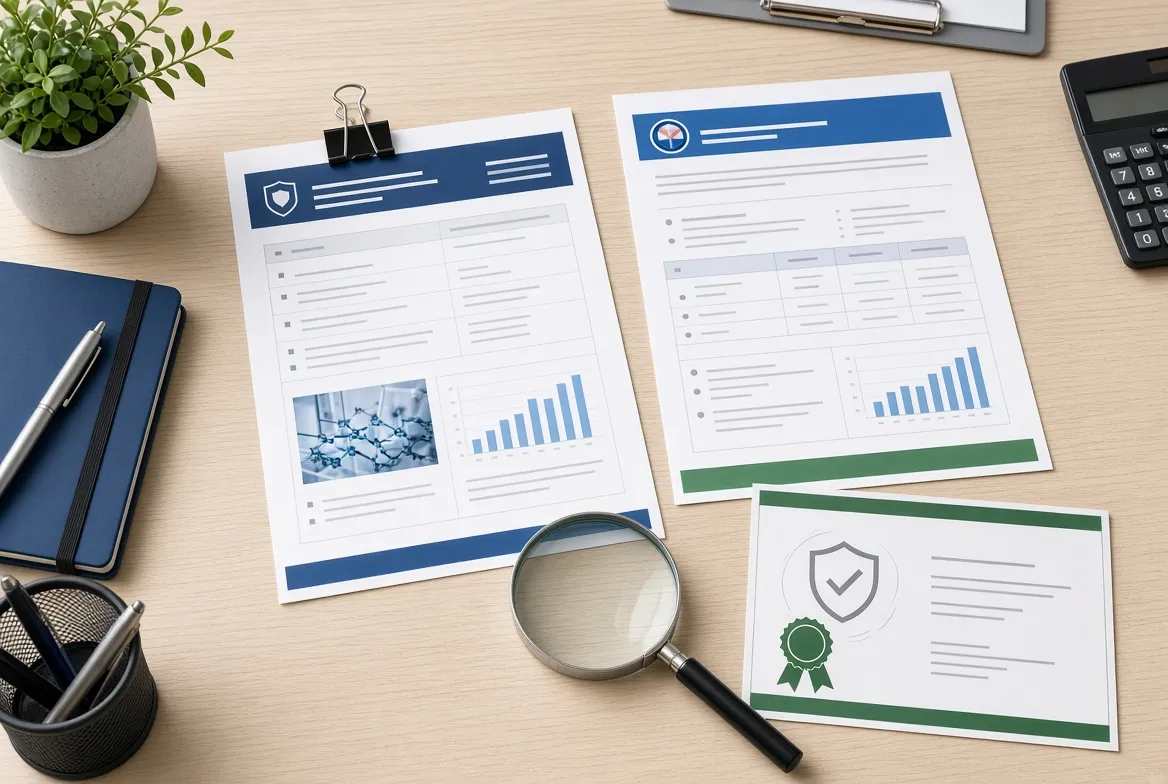
A generic EN71 PDF is not proof for your plush. I reject reports that belong to another client, altered PDFs, or reports with the wrong product, applicant, lab, date, or model. "Risky factories recycle old reports to make new SKUs look pre-cleared," Toy Sourcing & QC Expert Rainie Qiu told me. Verify the report names your materials and construction.
Trace the lab. Confirm it supports your market under EN71 compliance, CE marking for toys, and CPSIA compliance for plush toys. Ask for the full report, not a cover, and check the report number on the lab's portal. Match the model reference and photos to your plush. If the lab cannot confirm it, walk.
Our Verdict: I caught a 2021 report on a 2024 plush batch. Applicant and model fields failed. Treat any mismatch as a stop sign.
5. They Cannot Explain Plush-Specific Safety Controls for Eyes, Seams, Fill, and Labels
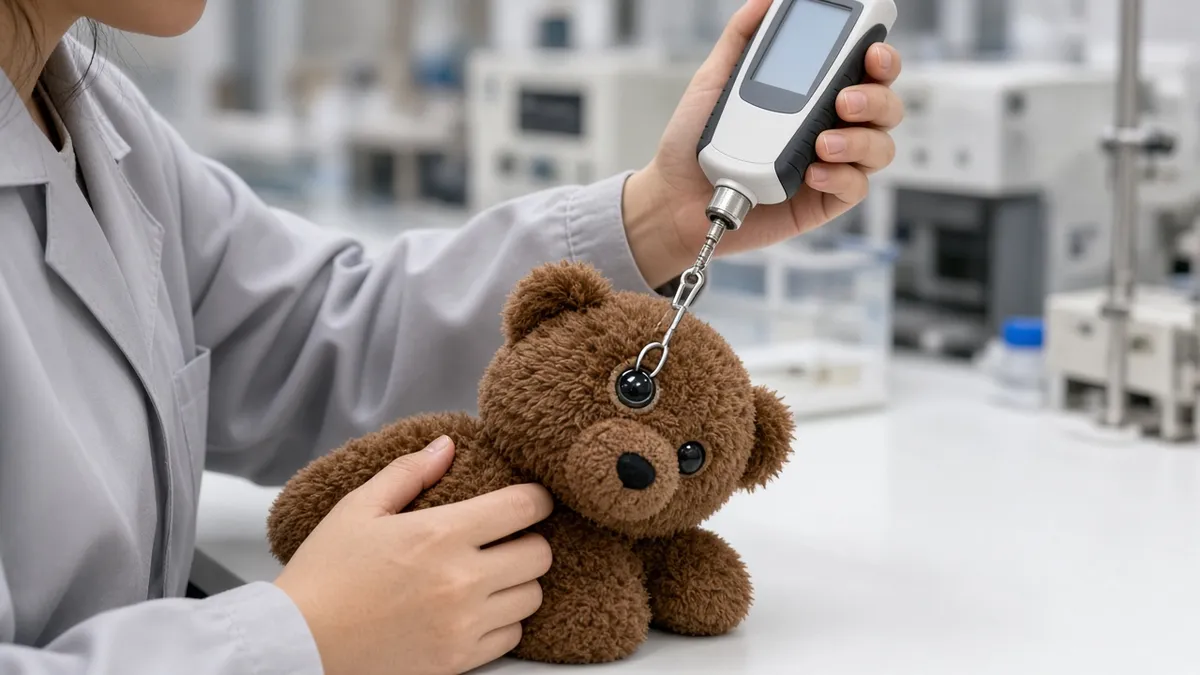
Ask: "What keeps the eye on?" If they say "we pass CE," stop.
Safe plush toys need strict physical testing. We measure eye pull-force limits and seam strength. Weak seams allow filling to escape and create choking hazards. Ask who writes tracking labels and which state or market rules apply.
Then ask: do you support testing, or own certification? The importer usually owns it. If they cannot explain that split plainly, they are outsourcing compliance thinking.
Last quarter, a Ningbo rep said "CE approved" three times but could not name one eye pull-force value. We walked.
Read our guides on non-toxic toy materials, toy safety standards, and plush toy label requirements and CPSIA.
🛡️ Our Verdict: If they cannot discuss safety logic, they cannot build it. Next step: request one pull-force report and one closing-seam test before sharing your spec.
6. The Sample Looks Great, but There Is No Pre-Production Sample, Golden Sample, or Revision Log
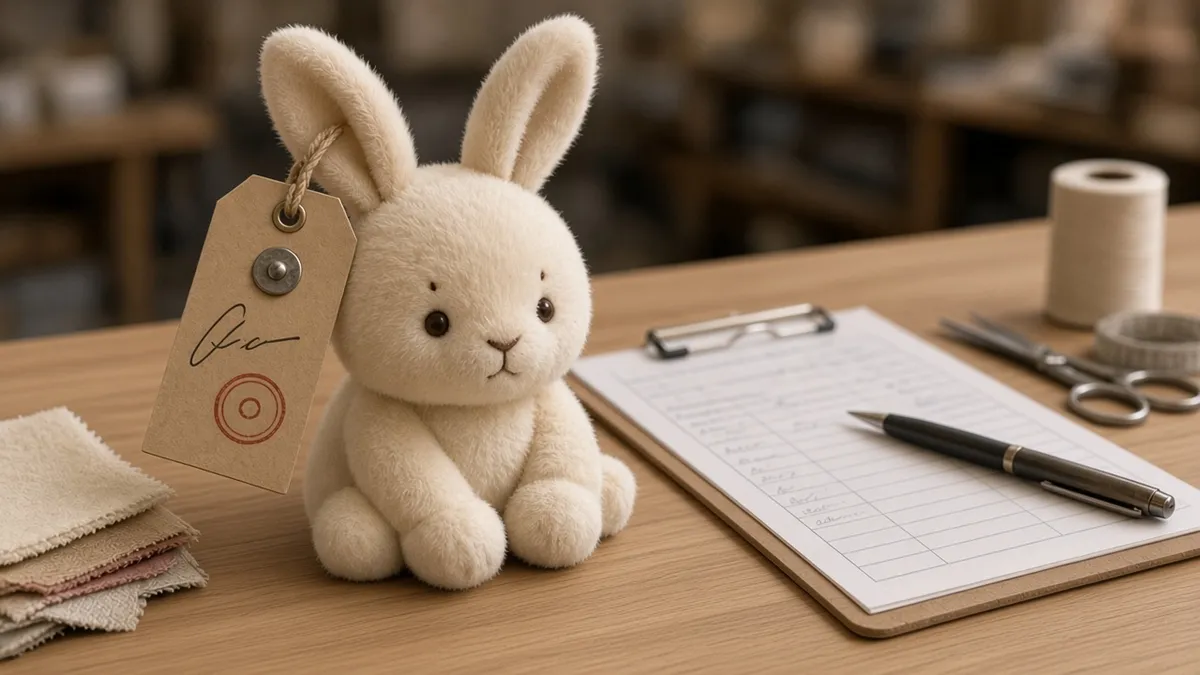
Hand-made samples hide bulk flaws. We once approved a sample without a golden seal. The bulk shipment arrived with crooked eyes. Fixing it cost thousands of dollars. The best sample-maker cannot guarantee bulk consistency. I have seen beautiful one-offs fail on symmetry, embroidery placement, and stuffing across thousands of units.
Insist on three controls: documented revision history, a sealed golden sample signed by both sides, and a pre-production sample made with bulk materials on the actual line. Skip them and expect repeat symmetry issues, drifting embroidery, stuffing inconsistency, and approval disputes.
Author's Take: We approved a sample without a golden seal. Bulk arrived with eyes 2mm off-center. Fixing it cost $4,000 and three weeks. See our toy production process and custom toy manufacturing pages.
⚡ Power Move: Lock the golden sample and revision log before bulk.
7. They Dodge Questions About Stuffing Source, Dye Lots, or Material Traceability
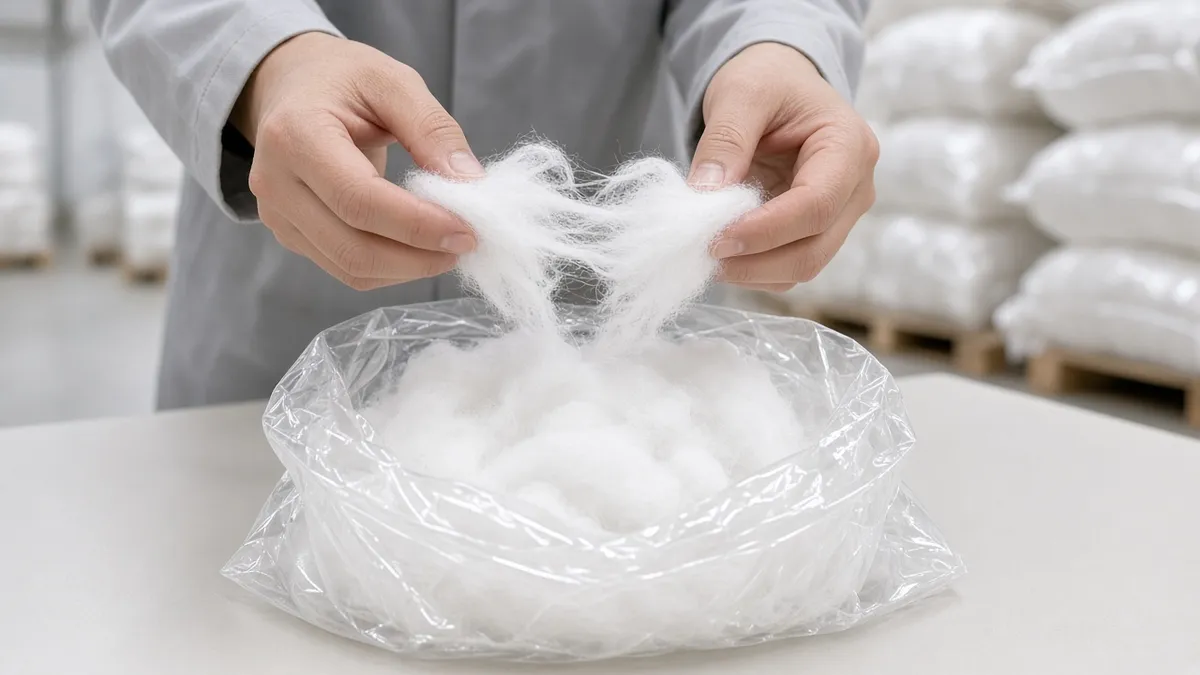
Sewn plush hides everything. The fill is sealed inside; the dye looks fine in daylight.
Suppliers often mix cheap recycled fill into standard polyester. We demand strict BOM declarations and dye-lot records. Material locks stop hidden quality drops.
Uncertified fill and unverified dye chemistry are invisible failures. Both pass visual checks, then fail EN71 and ASTM F963 screening.
Weak suppliers avoid paperwork. Demand BOM-level material declarations, stuffing supplier records, and dye-lot traceability. Sign a pre-production material lock before mass cutting starts. See our guides on eco-friendly toy manufacturer sourcing and custom plush manufacturer standards.
🛡️ Verdict: No material lock, no cutting. We traced one fill lot to an uncertified recycler three weeks into a run.
⚡ Power Move: Make signed material lock your PO condition.
8. They Resist Third-Party Inspection or Have Weak Needle-Detector and Seam-Strength Controls
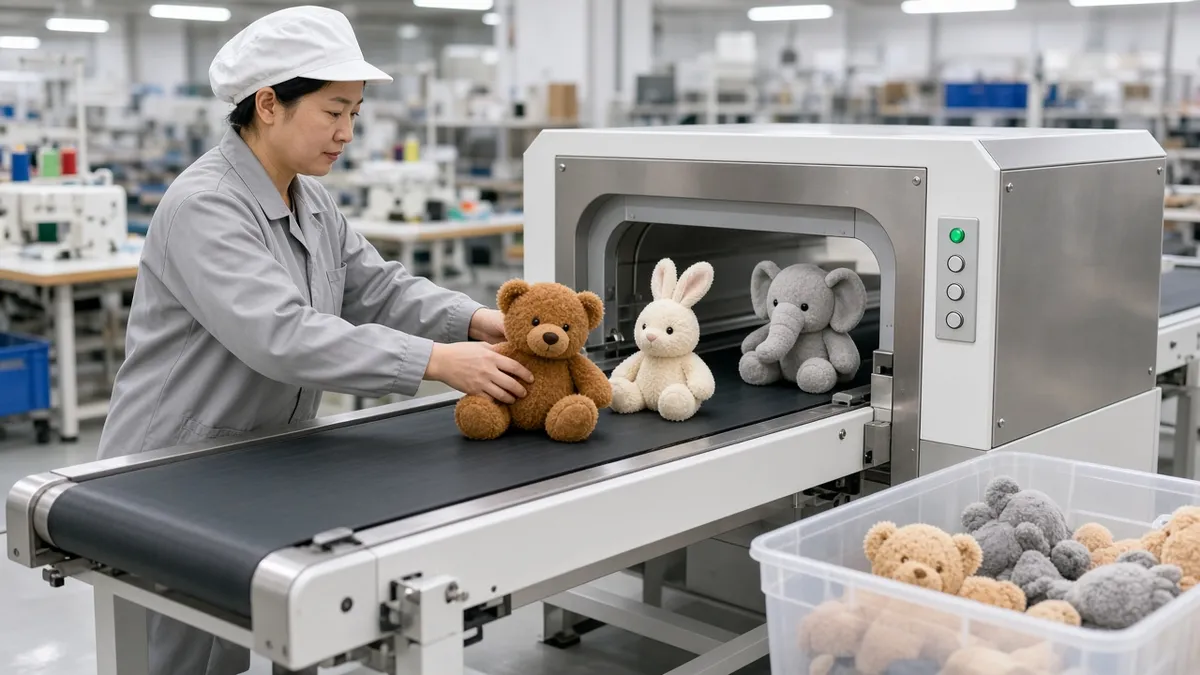
Our quarterly QC logs show a harsh truth. Broken needles and weak seam tensile strength are the two failures behind most of the plush rejections we see. Good factories keep strict calibration logs for every detector. Both are catastrophic. A broken needle fragment can injure a child.
A weak seam spills stuffing, creating a choking hazard. Neither shows up in a visual check. A needle fragment hides in the stuffing. A seam looks tight until a child pulls it. Good factories keep detector calibration logs, enforce broken-needle accountability, and re-screen after every break.
They run seam pull tests at the force required for the product's age group under 16 CFR 1500.51–.53 — 15 lbs for toys for children over 18 months — and welcome DUPRO and final third-party inspections, including unannounced audits. Get re-screening rules in writing. If a supplier dodges inspection or cannot show these controls, walk. Use our toy quality control guide to verify.
🛡️ Our Verdict: We dropped a Zhejiang supplier that refused a DUPRO inspection. Their detector log had a 12-day gap. No log, no order.
9. They Want 100% Upfront, Change the Payee Mid-Deal, or Push You to Move Fast

Scammers often rush payments and change bank details by email. We always confirm account changes via known phone numbers. Milestone payments protect your capital.
I never approve a new payee by email. Confirm account changes on a known video call and call a number already on file. Link payments to milestones: sample approval, material readiness, inspection clearance. Mature factories explain deposit logic without panic. Scammers rush you past verification. See FBI IC3 BEC guidance and FTC payment scam advice.
🛡️ Our Verdict: We froze an order when a spoofed boss emailed new bank details. A five-minute call saved a $12,000 deposit. Verify through a known channel before any account change.
10. The PO or Contract Omits AQL, Change Control, Subcontracting, and Ownership Terms
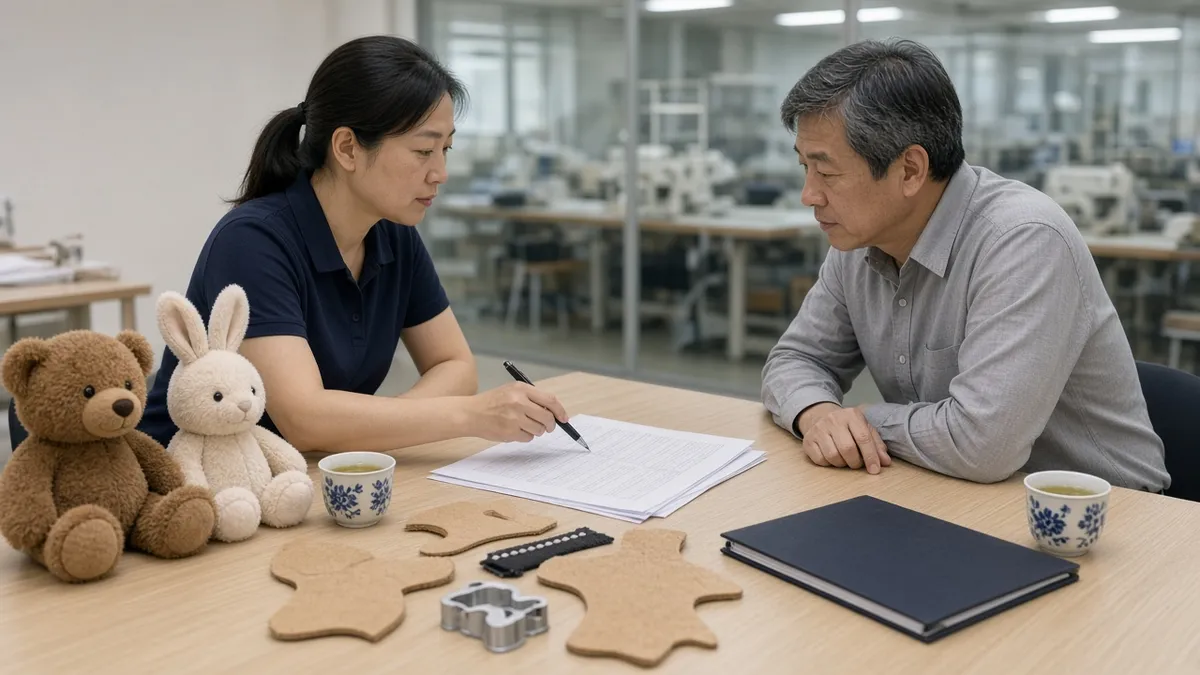
Clear contracts prevent costly shipping disputes. We write explicit AQL levels and defect classes into every purchase order. Written terms protect your rights. Spell out AQL levels and defect classes (critical, major, minor) against ANSI/ASQ Z1.4, the standard sampling table, and use our AQL sampling guide to set the inspection plan. Require written change control before any material or process swap.
Demand disclosure of subcontracted sewing or stuffing. Secure inspection rights in writing, including unannounced audits. Nail down ownership of patterns, molds, artwork files, and custom trims.
That gap separates a recoverable mistake from a legal argument. Pull clause templates from our toy sourcing risks, toy ODM/OEM, and how to choose a toy manufacturer pages.
🛡️ Our Verdict: I reviewed a PO that omitted AQL. The factory shipped 4% defective plush, and we had no contractual ground to reject. Fix the contract before you cut the first pattern.
How to Audit a Plush Toy Supplier Before Bulk Production?
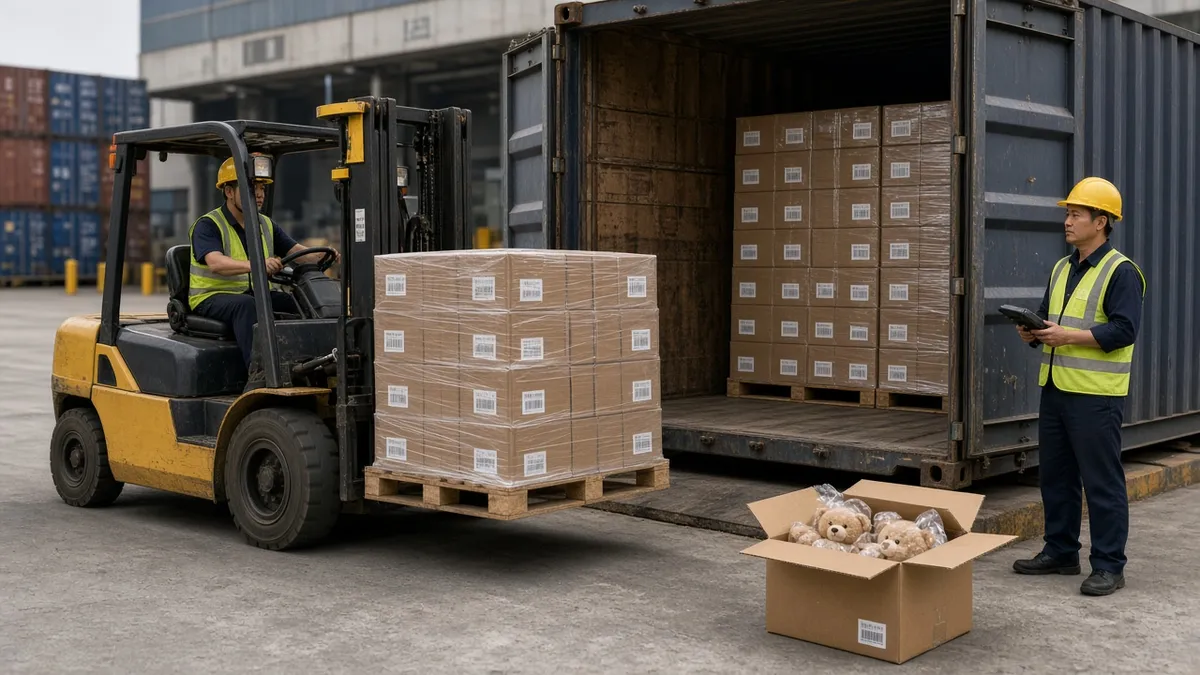
We apply a strict five-point pre-bulk audit SOP. Our seasoned inspectors verify entities, lock materials, and check machine logs. Systematic checks ensure zero surprises. Run in order. Stop at any failed check.
The 5-Point Pre-Bulk Audit SOP
-
Verify legal/entity and site. Match business license, contract signer, bank beneficiary, and live floor address. Reject any mismatch. In our experience, a payee change mid-deal is payment fraud.
-
Lock raw materials. Get BOM, fabric GSM, fill supplier invoices, dye-lot records, and trim specs. Sign a material lock before bulk.
-
Match compliance documents. Check the report number on the lab portal. Confirm product photos, applicant, model, lab, and date match your plush SKU. They must meet EN71 or ASTM F963.
-
Review line readiness. Inspect cutting, sewing, stuffing, and QC lines. Check needle-detector calibration logs, broken-needle records, and a seam pull test at the applicable age-group force (15 lbs for children over 18 months).
-
Sign the sealed sample and process. Approve a signed golden sample, revision log, first-off sample, and line-ready sheet. No sign-off, no cutting.
Red Flag to Pass Checklist
Save this checklist.
| Red flag | Risk | How to verify | Pass standard |
|---|---|---|---|
| Legal mismatch | Fraud | License, contract, bank match | All match |
| No live video | Trading shell | Unedited live call | Live walkthrough |
| No breakdown | Material swap | Line-item quote | Clear breakdown |
| Generic report | Failed compliance | Lab portal number | Matches SKU |
| No material lock | Fill/dye swap | BOM, invoices | Signed lock |
| No golden seal | Bulk drift | Sealed sample, log | Locked |
| No needle log | Needle fragment | Calibration records | Zero gaps |
| Weak seam | Stuffing escape | Seam pull test | Age-group force (15 lbs 18m+) |
| No inspection clause | Hidden defects | PO clause, audit | Written right |
| Payee change | Payment fraud | Known video, known phone | Verified payee |
| No AQL | Defect dispute | PO AQL, subcontracting terms | Signed before cut |
| No ownership | IP loss | Contract pattern, mold, artwork | Factory assigns |
Need a factory that passes? Contact LeelineToys with your product brief and target market.
People Also Ask About Plush Toy Supplier Red Flags
-
How do I know if a plush supplier is a real factory or a trading company?
Ask for one unedited live video call. It must show cutting, sewing, stuffing, needle detection, and packing in one take. In our last 12 supplier audits, three “factories” could not do this. Match the legal name, business license, contract, and bank account. A disclosed trading partner can be fine. A hidden shell is not. Use our toy manufacturer guide to check capacity claims.
-
What test reports should a plush supplier give me for the US and EU?
For the US, ask for a current ASTM F963 report for your exact SKU. For the EU, ask for EN71-1, EN71-2, and EN71-3 reports. The report must name your materials, applicant, model, lab, and date. Check the report number on the lab portal. We reject recycled PDFs. A 2021 report on a 2024 plush batch is a stop sign.
-
Is a very low plush quote always a red flag?
No. A low quote is a red flag only when the supplier cannot explain it. Ask for line items for fabric GSM, fill, embroidery, trims, labor, packaging, and testing. In my experience, a 30% gap usually means lighter fill or weaker seams. If the rep says “anything is possible,” walk. Use our toy sourcing guide to compare costs.
-
What payment terms are safest with a new supplier?
Start with a small deposit, then pay against milestones. A safe structure is 30% deposit, 40% after material readiness, and 30% after passing inspection. Never pay 100% upfront. Never approve a new bank account by email. Confirm changes on a known video call and a phone number on file. Link the balance to QC clearance.
-
Should I pay for a third-party inspection on a small plush order?
Yes, if the order carries child safety risk. We paid $300 for a final inspection on a 500-piece run. It caught a 12-day needle-detector log gap. On small orders, use a focused checklist instead of a full audit. Check eyes, seams, fill, labels, and packing. The cost is small against a recall or a bad launch.
-
What should I do if bulk does not match the approved sample?
Stop the shipment and quarantine the batch. Compare it to the sealed golden sample and revision log. Document defects with photos, counts, and AQL results. In our last case, eyes sat 2mm off-center. We held 4,000 units and required 100% eye pull tests before release. Do not accept a verbal fix. Put the remedy in writing. If the gap is critical, reject the lot.
Rely on seasoned manufacturing experts to secure your supply chain. LeelineToys helps global brands build safe products. Let our specialists audit your next plush run. See our how to find a toy manufacturer guide before you request quotes. Need a factory that passes? Contact LeelineToys.