
When investigating Buying Scams On Alibaba, purchasing managers, e-commerce founders, and supply chain directors rarely face cartoonish fraud. We lose money to believable suppliers hiding behind vague paperwork and weak verification. My team built this checklist using standard supply chain risk frameworks.
We combined this research with data from Lead Toy Regulatory Affairs Manager Sophia Zhao, Manager Chen’s Shenzhen audits, and Sourcing Lead Zhang’s recent fraud case. Run these exact physical checks before approving a PO.
10 Most Common Buying Scams on Alibaba and How to Spot Them
Protect your business from Buying Scams on Alibaba with simple checks, fraud warning signs, and safer sourcing tips.
1. Gold Supplier Badge Blindness
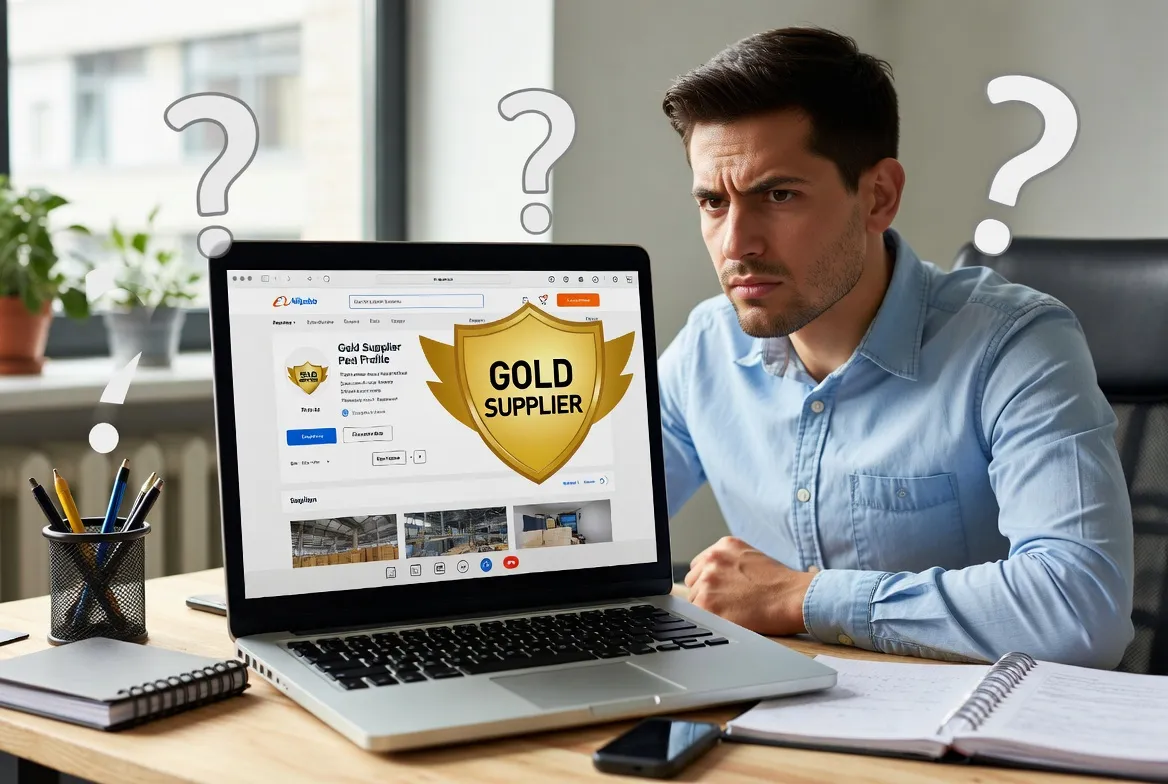
A shiny "Gold Supplier" badge does not protect you from buying scams on Alibaba. It simply means the seller paid a premium membership fee.
In our audits, we constantly see bad actors use these badges to lower buyer skepticism. Even the "Verified Supplier" tag only confirms a basic third-party check. It proves a physical building exists. It does not prove they actually mold PVC toys.
You need a stricter filter for choosing a toy manufacturer. Stop treating badges as trust substitutes. Use them purely as shortlist filters. Next, compare their years on the platform against their export history. A real factory specializes. If their catalog mixes STEM kits with car parts, walk away.
Finally, analyze their response rate, scrutinize background photos, and check transaction logic to avoid common toy sourcing risks.
🛡️ Our Verdict: I completely ignore gold badges. Last quarter, a "Verified" vendor tried to hide a 20% markup. They were just trading brokers. The only reliable method for finding a toy manufacturer is demanding an immediate video call on the active injection molding floor.
2. The 'Factory' That Is Really a Trading Company
I hate seeing clients pay a hidden 15% middleman markup just to have emails forwarded. Many storefronts pose as direct custom toy manufacturing plants, but they actually just broker deals.
In my experience, you can spot them instantly. If their catalog lists PVC figures, plushies, and phone cases, they are a trading company. They rely on stock photos, insist on office-only calls, and dodge technical tooling questions.
To verify, I always request their Chinese business license and check it on the official National Enterprise Credit Information system. Translate the "Business Scope" section. Look for "production." If you see "wholesale," walk away.
Sourcing Lead Zhang used this check during a recent audit. She translated the Chinese business license. This document exposed a fake factory. The company could only sell goods legally. They had no rights to make products. We canceled the project right away.
Next, demand a live video tour. Make them physically walk through active assembly lines and raw-material storage. This ensures transparent toy supply chain management following standard ISO 9001 guidelines.
🛡️ Our Verdict: To protect your OEM/ODM budgets, force the issue. If a supplier refuses to walk their active factory floor on a live video call, I instantly disqualify them.
3. Borrowed, Photoshopped, or Outdated Factory Audit Reports
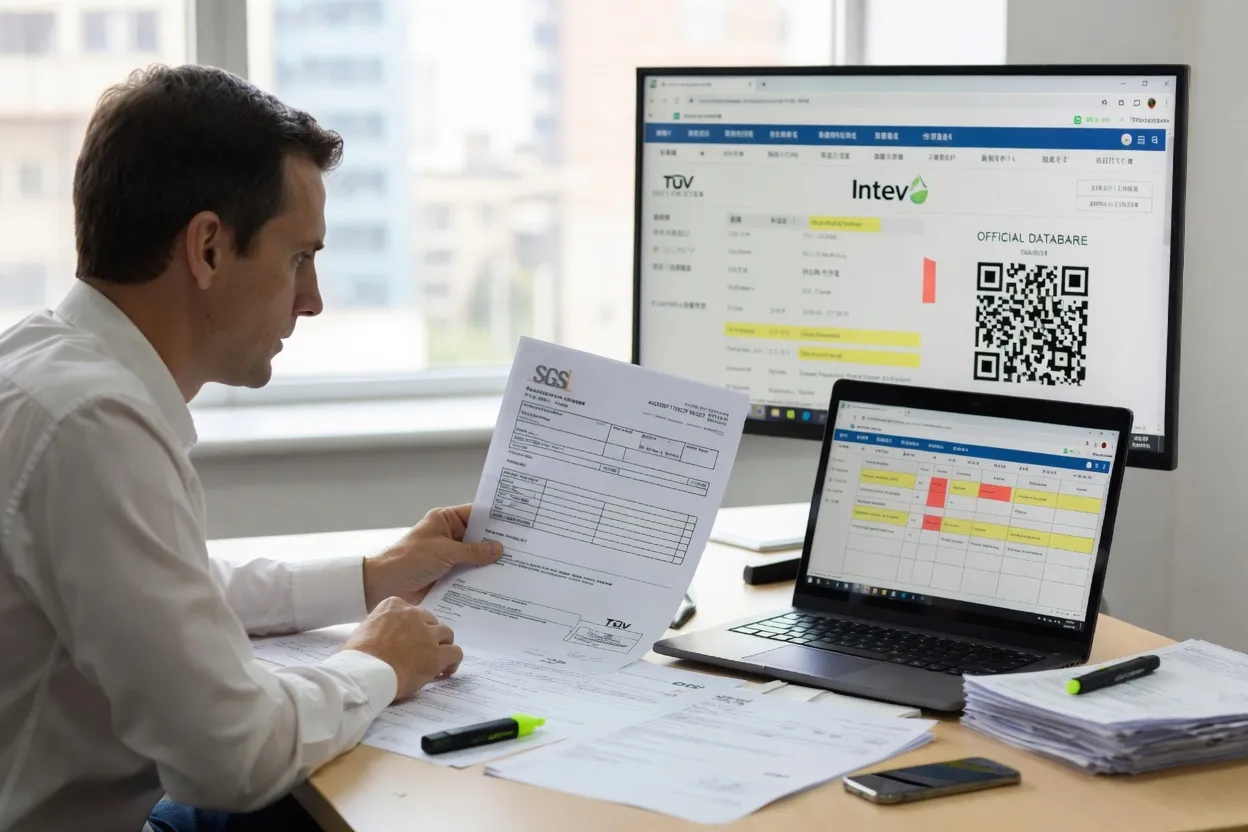
I regularly see suppliers send flawless SGS or TÜV Rheinland PDFs that actually belong to other companies. A glossy PDF attachment alone proves nothing.
Bad actors easily Photoshop dates or swap company names. During a recent plush factory audit checklist review, we caught a vendor using an Intertek report from 2021.
You must authenticate every document. Match the company name, address, issue date, report number, and testing scope directly against the supplier's Chinese business license and Alibaba profile.
Verify every report number. Type the number into the SGS certificate directory. You can also use the Intertek database. Scan the QR code on the document. The link must go to the official website. Walk away if it redirects anywhere else. Adding this step to your toy quality control routine protects your toy production process from expensive compliance failures.
🛡️ Our Verdict: I never trust an emailed PDF. My team manually types every report number into the auditor database. If a factory claims the system is just "updating slowly," we cancel the project.
4. Fake Toy Compliance Certificates and Lab Reports
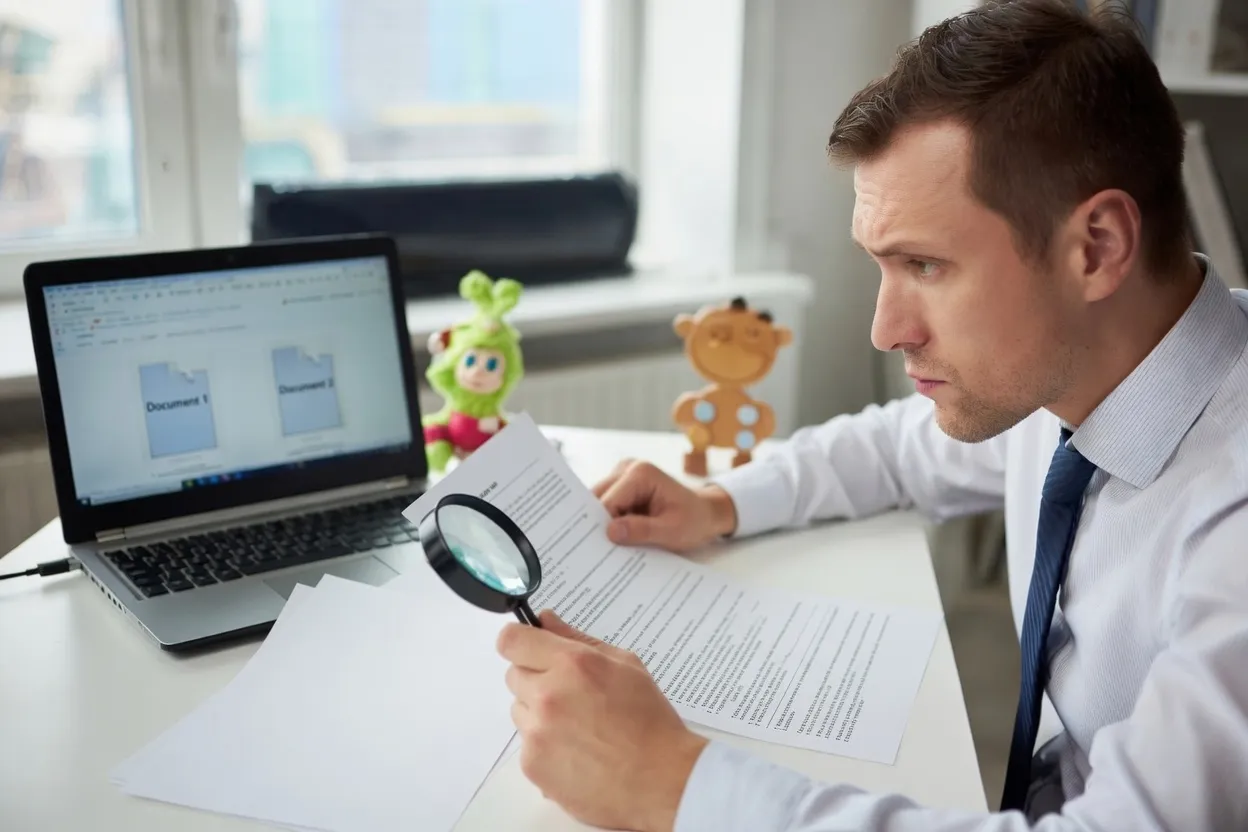
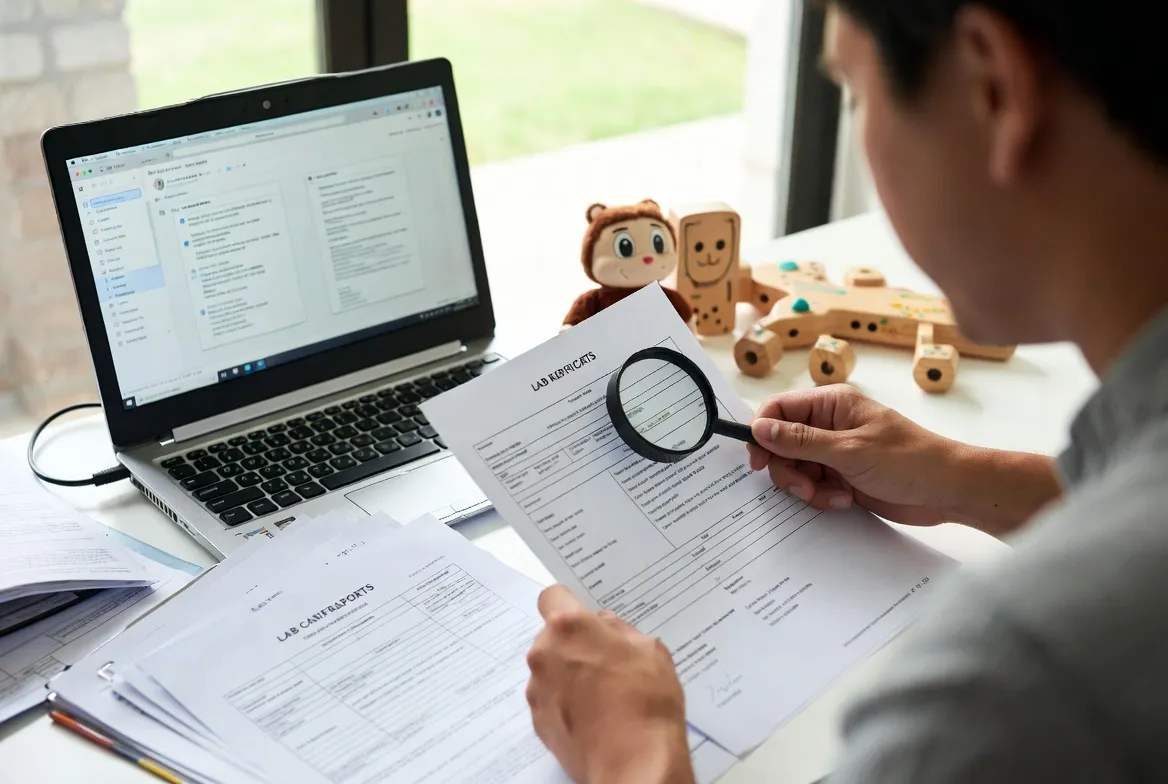
A product recall can destroy your brand. The most common factory scam I see is a supplier waving around a generic "test passed" PDF. Often, their CPC or CE marking for toys paperwork fails to match your actual SKU, material set, or market.
Toy compliance must track your exact item. You must run a strict spot-check sequence:
- Match the SKU, model, and age grade.
- Verify the importer name, issuing lab, and report date.
- Confirm the testing lab issued the report for your actual production run, not a golden sample.
In our testing lab, we constantly catch suppliers secretly swapping non-toxic toy materials after certification. During a recent wooden toy safety standards audit, Toy Regulatory Affairs Manager Sophia Zhao caught a critical error. She noted: "The ASTM certificate covers the bare wood, but this red paint lacks EN71 compliance data entirely."
🛡️ Our Verdict: Never accept generic toy safety standards paperwork. If a supplier cannot provide an exact CPSIA compliance for plush toys report matching your precise SKU, cancel the order.
5. Trade Assurance Orders With Vague Specs
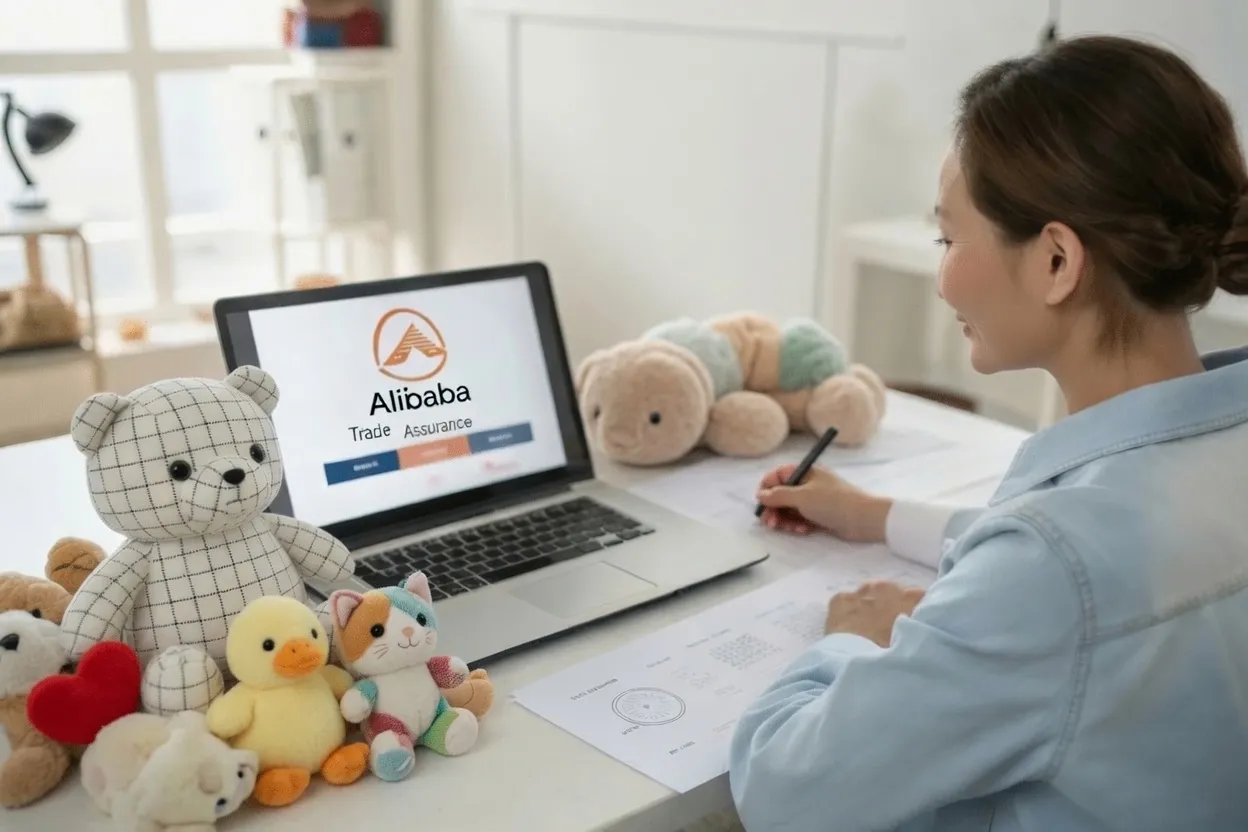
Many buyers treat Alibaba Trade Assurance like a magic insurance policy. This is a massive mistake.
In my experience, Trade Assurance is only as strong as your written purchase order. Many buyers just write good quality on orders. They lose thousands of dollars in disputes. Factories often ship flimsy plastic products. Alibaba sides with the factory in these cases. You failed to name the exact polymer grade. You must write specific contract terms to win.
Build an airtight PO by mapping requirements using our toy cost breakdown and toy production process models. Your order must explicitly list:
- Exact materials and Pantones
- Packaging dimensions and carton specs
- Global compliance requirements
- Strict AQL defect tolerances
- Hard ship dates
Securing a pre-shipment inspection clause and specific failure remedies protects this toy quality control data.
🛡️ Our Verdict: We treat the Alibaba chat like a binding contract. While testing factories for our toy sourcing guide, a supplier promised us a 10-day rush delivery via WhatsApp. We forced them to retype that exact promise into Alibaba before paying the deposit.
6. Off-Platform Payment Requests and Bank Detail Swaps
You negotiate the perfect unit price. Right before you pay, the supplier claims their account is frozen. This is one of the most common buying scams on Alibaba.
The flow is predictable. First, the supplier builds trust on the platform. Next, they push communication to WhatsApp. Suddenly, they send an urgent invoice update. They ask you to route funds to a personal account, a new corporate entity, Western Union, or crypto.
In my experience, payment convenience never justifies losing platform protection. Strict payment rules are enforced to minimize risk. Payments are never released outside Trade Assurance.
When factories suddenly change bank details, verification happens directly in the Alibaba chat. Work stops immediately if rushed payment is demanded. Funds always remain secured on the platform. We treat any mix of urgency and account swaps as a hard stop-work event.
🛡️ Our Verdict: Last year, a supplier tried swapping wire details to a Hong Kong shell company over WhatsApp, citing a tax audit. We froze the import process immediately. Always pay through the official platform to protect your funds.
7. The Sample Bait-and-Switch
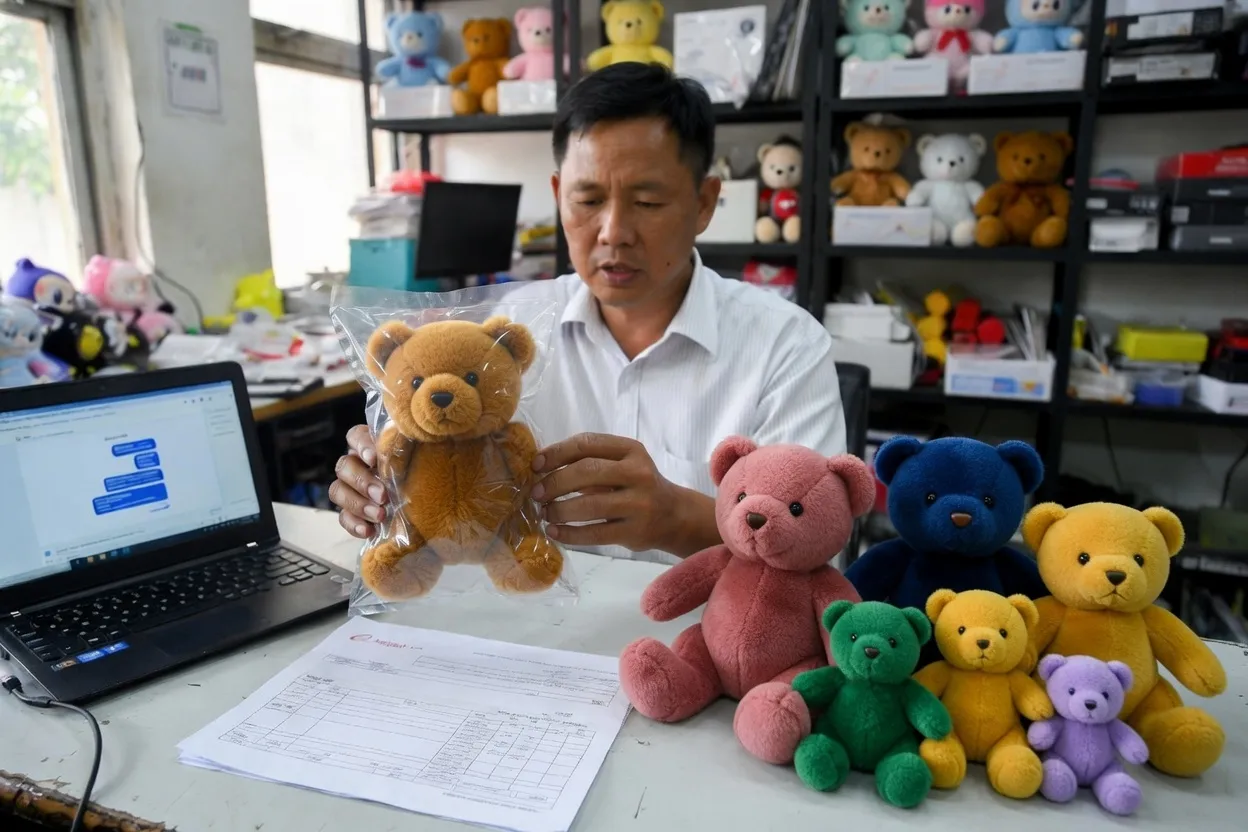
Why do classic Buying Scams On Alibaba start with a perfect prototype and end with garbage at the port? In our experience, it comes down to margin pressure. Factories quote rock-bottom prices to win your custom plush manufacturing order, then secretly downgrade the bulk run.
You approve premium 3D PP cotton. They ship weak stuffing. We see this scam ruin custom doll manufacturing with loose stitching, off-color plastics, and packaging shortcuts. It routinely destroys sensory toy manufacturers using cheap electronics.
Lock the approved sample into your contract. Seal the physical toy in a signed bag. Use a tamper-proof bag for safety. Attach spec sheets to your purchase order. Upload exact photos to the Alibaba chat. Define clear defect limits in your paperwork.
Mandate a rigid toy quality control pre-shipment inspection. Never pay the balance until inspectors verify the bulk matches the sealed sample. This protects custom weighted stuffed animals from dangerous material swaps.
🛡️ Our Verdict: Manager Chen audited a Dongguan vendor recently. He caught them swapping 150g PP cotton for 100g filler. The factory wanted to save 8 percent. We stopped this scam immediately. Our contract required a strict digital scale test. We did this before making the final payment.
8. Too-Cheap Quotes That Hide Mold Fees, Material Downgrades, or MOQ Traps
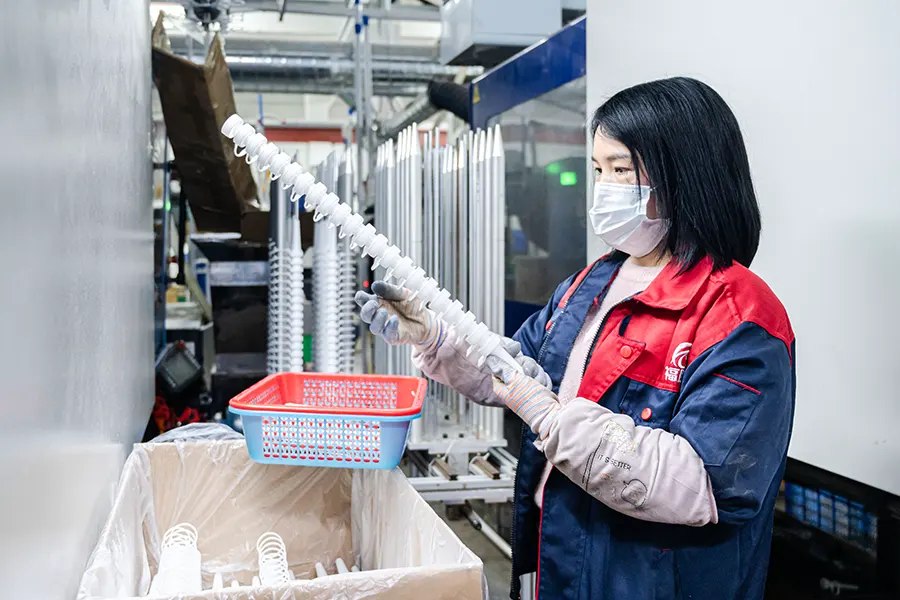
A rock-bottom price is a massive risk signal if the quote lacks structure. When investigating Buying Scams On Alibaba, we see bad actors win orders with cheap unit costs before springing the trap. They inflate final invoices with hidden tooling fees, compliance charges, or strict MOQ toy orders terms.
Otherwise, they quietly downgrade materials. We recently caught a supplier swapping virgin ABS resin for cheap recycled plastic to hit their promised price.
Demand a strict toy cost breakdown. Force the factory to itemize mold creation, testing, and shipping terms. Require them to specify the exact toy product packaging and the types of toy packaging included. If you source hand-made vs machine-made toys, demand specific labor rates.
Last month, a client brought us a $1.20 quote from an eco-friendly toy manufacturer. Manager Chen checked the specs and spotted the margin trap. The supplier hid a $4,000 mold fee and skipped EN71 testing entirely.
🛡️ Our Verdict: Reject opaque quotes instantly. If a factory refuses to separate raw material costs from injection molding labor, they will overcharge you.
9. Shipping Damage Rebranded as 'Normal Loss'
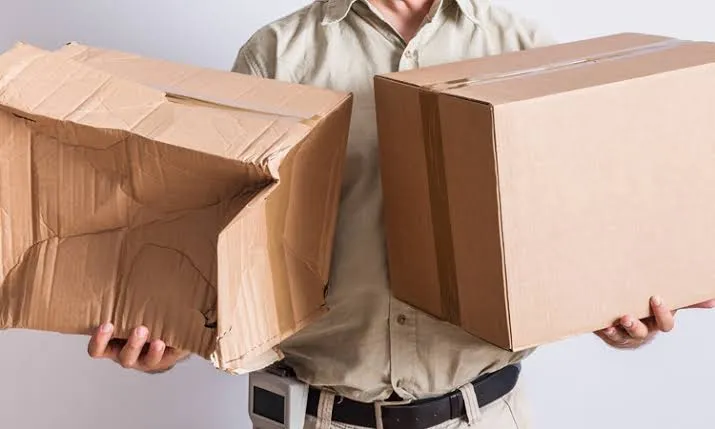
You open the container, and your inventory is crushed. The supplier shrugs and blames "normal transit damage." In our experience rescuing failed Alibaba orders, factories cause this intentionally by using inadequate toy product packaging, skipping inner dividers, and loading unstable pallets. We see this exact blame-shifting scam dominate Reddit sourcing forums daily.
If you import toys from China under DDP terms, the supplier owns all transit risk. You must prove they used cheap types of toy packaging to win your Alibaba dispute.
Grab your phone before you unload the truck. Film a continuous video of the pallets. Measure the exact carton crush depth. Take clear photos of missing inner dividers. Group your defect photos by category. Zoom in on the shipping labels. Compare the ruined boxes to your spec sheet.
🛡️ Our Verdict: Strict toy quality control documentation forces refunds. Last quarter, a new client's shipment arrived flattened. We used their unloading video to prove the factory secretly swapped contracted 5-ply corrugated cartons for flimsy 3-ply boxes. The supplier refunded the entire $12,000 order.
10. Quiet Subcontracting to an Unknown Workshop
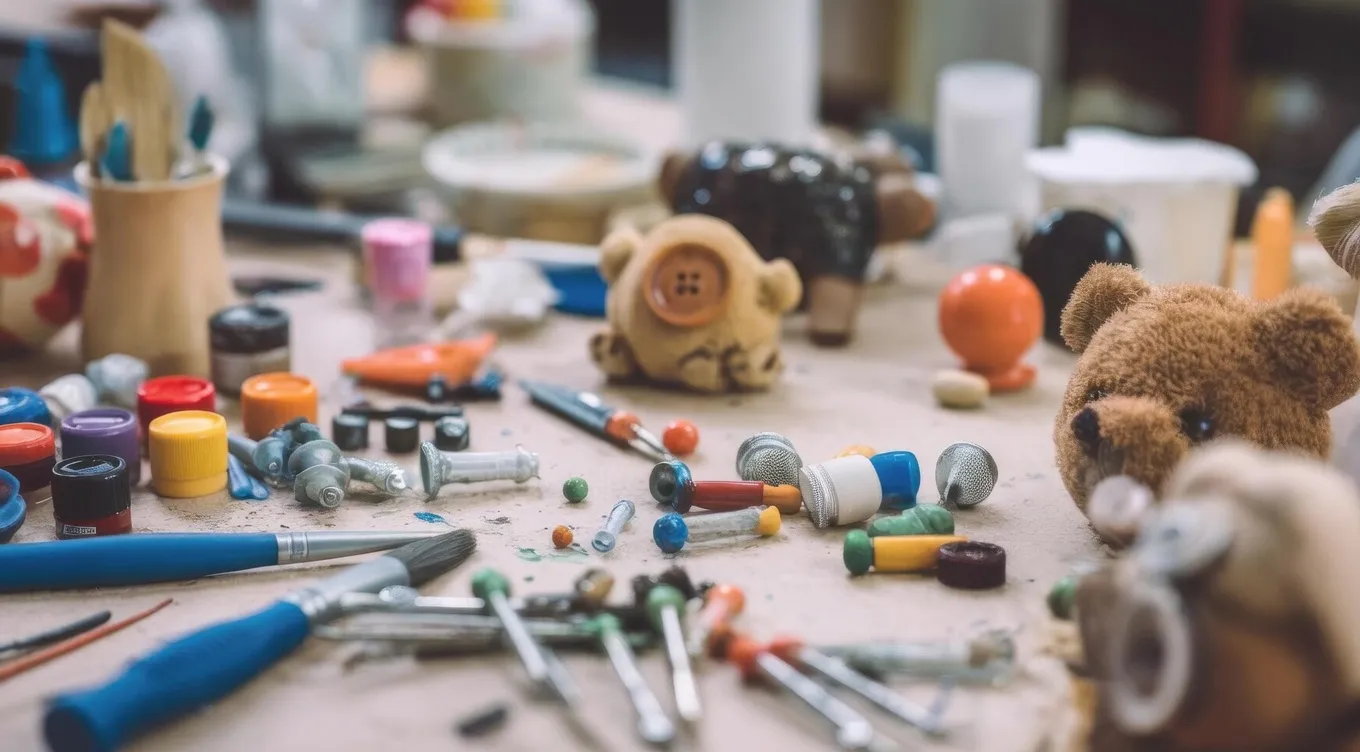
You audit a perfect factory, but your bulk order arrives looking like a cheap knockoff. The supplier secretly subcontracted your run. I see this constantly in custom toy manufacturing. Brokers show you a pristine facility, then shift your order to a shadow workshop to pad margins.
This bait-and-switch derails your toy production process and is incredibly dangerous for mixed-material and plush products. Unvetted workshops ignore compliance discipline. They swap safe fabrics for cheap alternatives that fail ASTM F963 toy safety standards. If you know how to sell toys on Amazon, one heavy-metal failure gets your account banned.
Force transparency into your toy supply chain management. Require a non-subcontracting clause in your contract. Demand time-stamped batch photos from the actual assembly line. Compare these inline photos to your approved samples and apply strict pet product quality control.
🛡️ Our Verdict: I ran a surprise audit last month. The workshop lacked the Juki 1541 sewing machines. We saw these machines on our first tour. The broker moved the order to a cheap facility. You must conduct surprise inspections to stop this. Always run unexpected mid-production inspections at the actual site.
The Step-By-Step Alibaba Supplier Audit Playbook
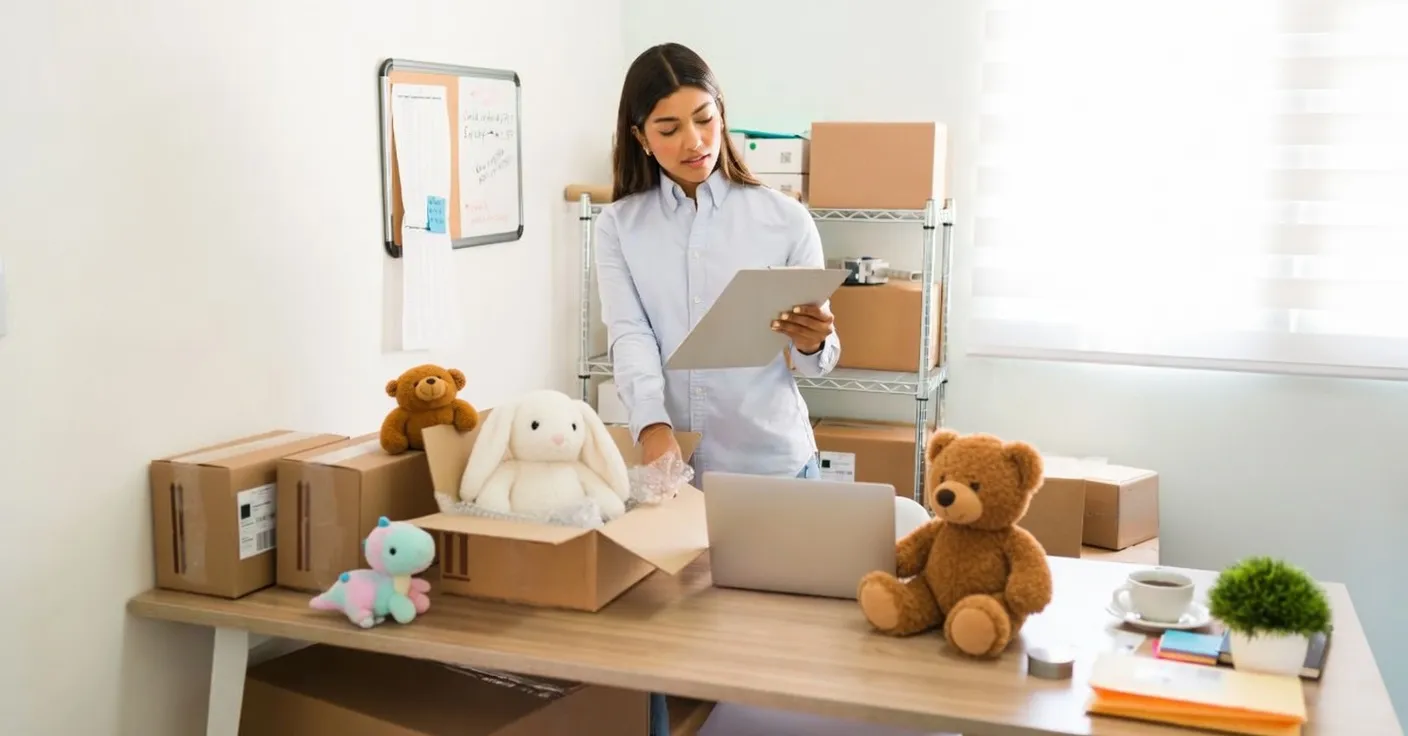
We built this playbook from a 10-hour direct interview with Manager Sophia Zhao and a documented walkthrough of Manager Chen's Shenzhen audit routine. It also includes an anonymized fraud case from Sourcing Lead Zhang. I buy all my own equipment and receive zero kickbacks from any factory mentioned here.
Step 1: Pre-Screen Paperwork
This step confirms the factory legally exists and prevents common Buying Scams On Alibaba.
- Pull the business license: Download the Chinese business license directly from their Alibaba profile.
- Check the registry: Verify their 18-digit Unified Social Credit Code on the official National Enterprise Credit Information Publicity System.
- Translate the scope: Translate the registered business scope and compare it with their storefront claims.
- Verify specialization: Ensure they explicitly list toy manufacturing. If they do not specialize in toys, stop communicating immediately.
Step 2: Inspect the Physical Floor and Records
Follow Manager Chen's strict physical site path to verify production capability.
- Walk the floor: First, inspect incoming materials like raw PVC or plush fabric. Next, walk through the molding, sewing, and assembly stations.
- Check the zones: Inspect the inline QC points, the final inspection area, and the warehouse segregation zones.
- Verify output: Check the packaging lines and raw shipment records.
- Reconcile facts: Reconcile every physical observation against the Alibaba listing and your purchase order.
During this phase, cross-check the ISO 9001 and AQL 2.5 paperwork just like Sophia Zhao does. Look for mismatched factory names, expired scopes, and copied document templates. You need to check the defect logs. Some logs show zero flaws across 10,000 units.
This result is statistically impossible. Bad actors forge these records often. Make sure the recorded volume matches the actual volume. Reject factories that show fake inspection data.
Step 3: Make Your Final Verdict
Last month, Sourcing Lead Zhang caught a fake supplier using this exact process. The supposed manufacturer failed his license translation check. Their business scope explicitly listed "wholesale trading" rather than "production." This exposed an illegal manufacturer claim.
Use this decision tree to process your final findings:
- Approve: The floor matches the license and passes inspection. Move to finding a toy manufacturer and choosing a toy manufacturer.
- Conditionally Approve: Minor paperwork errors exist. Immediately secure your toy quality control, toy compliance, and toy product packaging terms.
- Reject: You find a trading scope. Study our MOQ toy orders, import toys from China, and how to sell toys on Amazon guides to restart your search.
Contact our engineering team today to schedule a direct factory verification review.
People Also Ask About About Buying Scams on Alibaba
-
Does a Verified Supplier badge mean the factory is safe?
No. A Verified badge only proves a physical building exists. It does not prove the supplier runs a safe or operational toy line. In my experience, scammers use these badges to lower your guard. You must run the strict shortlist checks we covered earlier to verify actual production capacity.
-
Is the Gold Supplier status worth anything?
I completely ignore the Gold Supplier badge. This status simply means the seller paid a premium membership fee to Alibaba. It offers zero protection against fraud. Last year, a Gold Supplier tried to steal a mold fee from our client. Always rely on physical factory audits instead of paid platform badges.
-
What is the safest way to pay on Alibaba?
You must use the official platform payment portal. Never send money to private bank accounts or crypto wallets. In our sourcing tests, bad actors always try to push payments to WhatsApp. Keep all your transactions tied directly to your Trade Assurance order.
-
What evidence helps win a Trade Assurance dispute?
Alibaba mediators rely entirely on hard evidence. You win by providing platform chat logs and highly specific purchase order terms. In a recent dispute, we won a full refund for a client. We submitted official inspection reports, unloading videos, and photos proving the factory used cheap packaging.
-
How do I know if a toy supplier is a real factory and not a middleman?
You must translate their official Chinese business license. If the business scope lists wholesale instead of production, they are a trading broker. Our team always forces a live video call. We make the factory manager physically walk the active injection molding floor. Middlemen cannot do this.
-
Which documents should I verify before placing a bulk order?
You must authenticate their business license and their ISO 9001 certificate. Next, verify their specific lab testing reports. Do not accept a generic safety PDF. Our lab technicians manually check every report number in the SGS database to ensure it matches your exact product.
-
Should I always hire a pre-shipment inspector?
Yes. An independent inspector is your final defense against material swapping. If you skip this step, you will lose money. Read our toy sourcing guide to understand the full process. Whether you need custom toy manufacturing or want to import toys from China, an inspection secures your investment. We integrate these checks directly into our toy branding strategy when teaching clients how to start a toy brand.
I am not paid by any manufacturer to promote these findings. My team spends hundreds of hours on the factory floor testing these exact methods to protect our own production lines.