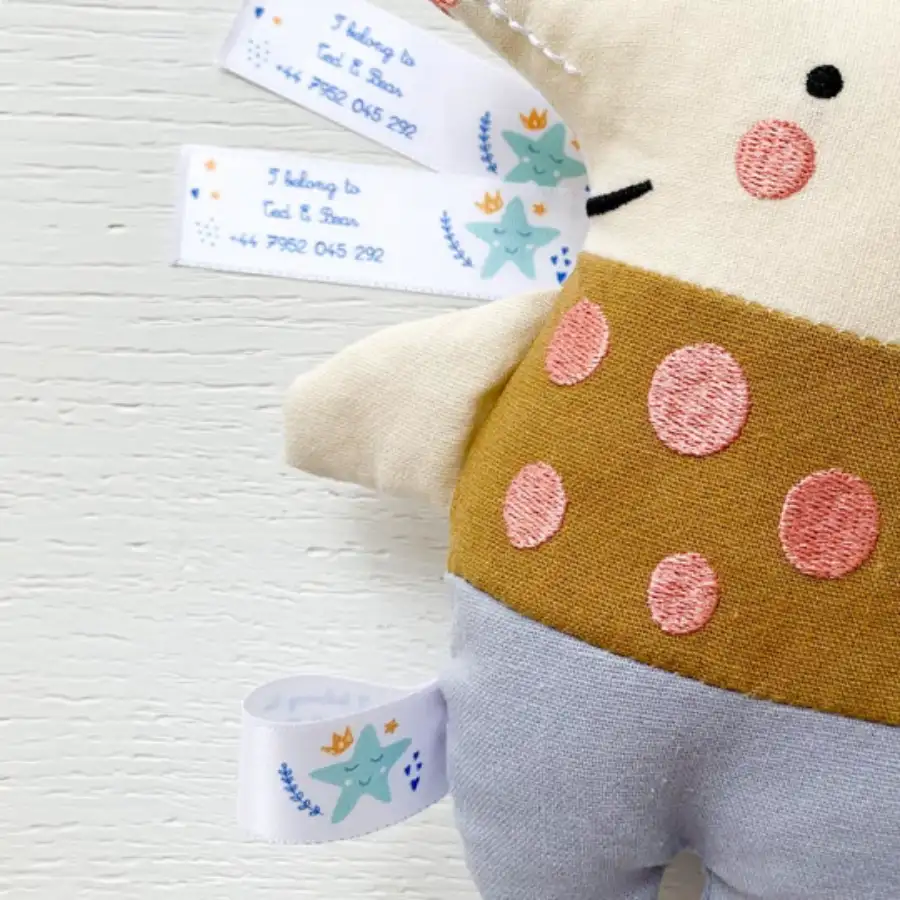

I've held hundreds of compliant labels fresh off the line. On minky, velboa, or plush knit, a correct CPSIA tracking label sits flat with no curling or dye transfer.
That tactile truth matters: a fuzzy tag that looks fine on screen can still fail a U.S. customs hold. I've corrected dozens of shipments where a missing state law label caused exactly that.
This plush toy label requirements workflow comes from real factory-side reviews, audit remediation, and anonymous client failures I've resolved. It helps you decide which labels go on the plush, which on packaging, and which stay as documents.
Biggest myth: a tracking label is not a state stuffed-toy law label, and a hangtag alone rarely meets durable traceability standards. You'll also get a 2026 update sidebar, a US/EU vs hangtag table, and downloadable checklists to brief your supplier and stop rejections now.
Prerequisites
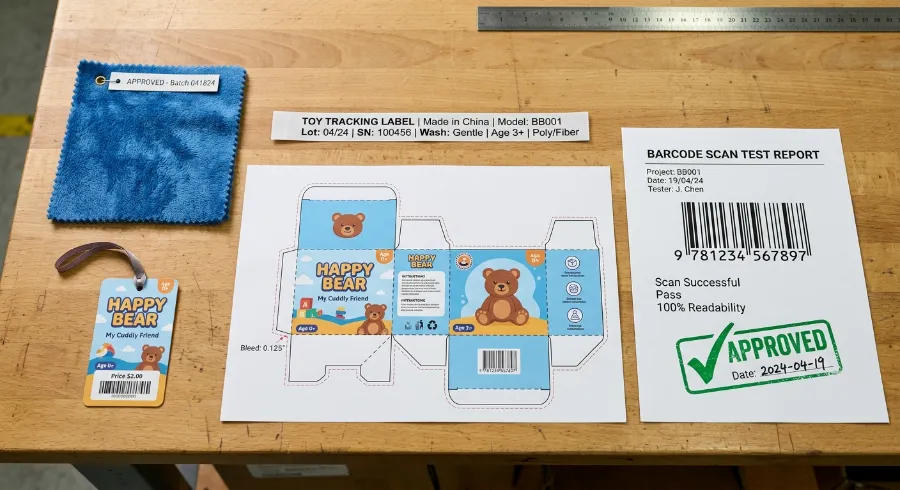
The review table requires five critical items before we greenlight production. I grab the actual minky fabric swatch first. Then, I cross-check the printed label film with our master artwork dieline.
My project manager tests the physical barcode using a handheld scanner. We spot layout mistakes on screen constantly.
However, these physical proofs tell the absolute truth. No label leaves without them.
Inputs I demand
- Product spec sheet and age grade
- Bill of materials (exterior, stuffing, filling breakdown)
- Country of origin, importer/private‑label entity
- Packaging dieline, factory address, production date code, batch/lot code
Access I secure
- Supplier contact (label files)
- Designer (artwork)
- Compliance/lab contact (test reports)
- Packaging text approver
Time budget One mapping session, one artwork revision, one pre‑production sample review, one final pre‑shipment check. Gather every input first.
⚠️ Warnings
- A "3+" or "not for under 3" label claim cannot override a child‑oriented design; classification depends on multiple factors.
- Children's products need tracking info on product & packaging, plus CPC-backed compliance documentation.
Plush Toy Labeling Compliance – Step-by-Step Master Guide
Understand plush toy label requirements and meet safety rules with ease.
Step 1: Determine if Your Plush is a Children's Product, Toy, or Stuffed Toy
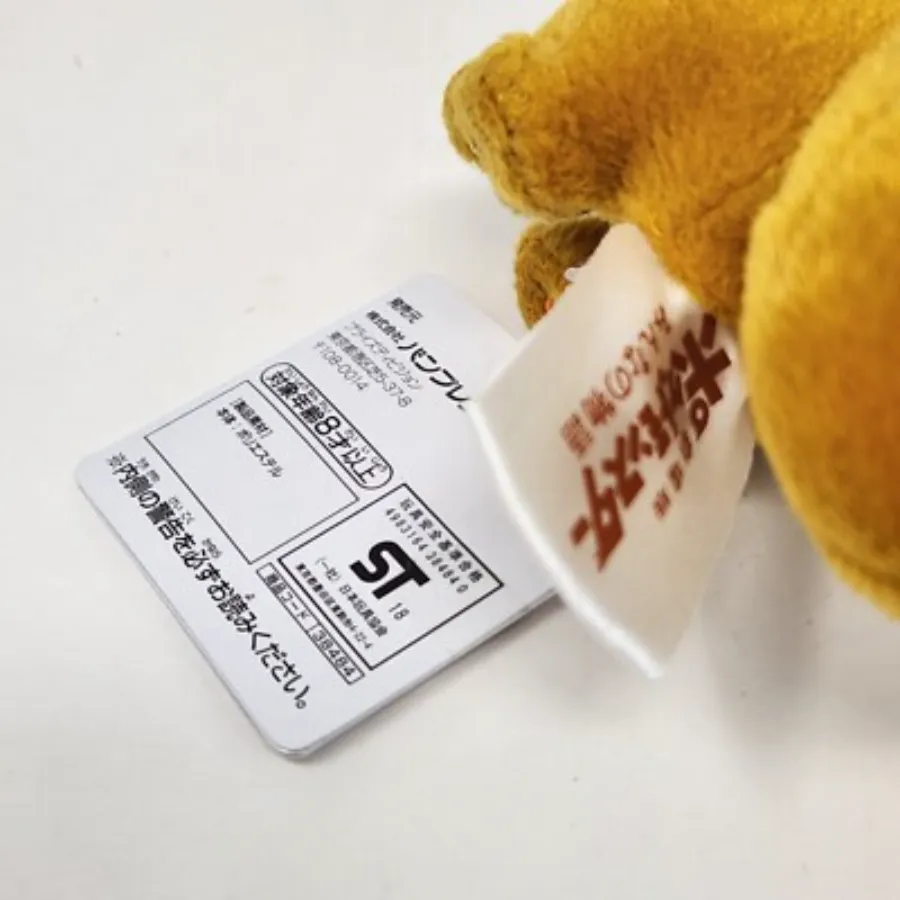
Before you touch a label file, you must lock this classification. CPSC inspectors completely ignore your "adult collectible" disclaimer.
They follow strict CPSC age-determination guidelines instead. Officials evaluate the physical features directly.
They check nursery color values and oversized safety eyes. They look for soft velboa textiles that attract toddlers.
If a plush invites play, it requires full third-party compliance testing. Your personal marketing intent cannot override federal consumer safety laws.
Why this comes first Our classification locks your compliance roadmap immediately. If CPSC maps your plush for ages 12 and under, expect immediate third-party audits. Your team must secure an approved Children's Product Certificate (CPC) alongside mandatory tracking text.
A stuffed toy almost always requires a state law label (like Pennsylvania or Ohio) plus an ASTM F963 warning. If your plush is both, you'll need both. Mis‑classifying today creates rejections downstream.
Use this mini‑checklist
Product intent – Who is the primary user? Visual design – Describe the plush's face (childlike? oversized eyes?), size, and cuddle factor. Color alone is not enough; note placement of decorative elements. Marketing assets – Do packaging or ads show children playing? Retailer category – Is it sold in the toy aisle or as home décor? Bundle components – Does the set include infant‑accessible accessories (rattles, teethers)?
Our quality control team uses the official CPSC Age Determination Guidelines. We follow the federal statutory criteria very closely. CPSC legal staff uses these precise metrics during enforcement actions.
Your retail packaging colors and theme form permanent legal evidence. We anchor our final labeling advice in these verified federal administrative precedents. I've seen that trick fail repeatedly.
Verification point By the end of this step you should have three clear yes/no buckets:
- Children's product tracking label required?
- Stuffed‑toy state law label review needed?
- Additional packaging warning review required?
Workflow branch This step follows the US‑import path. If you are building a single label architecture for US + EU + Amazon simultaneously, review our Plush Safety & Compliance Guide and Toy Safety Standards Overview before finalizing artwork.
⚠️ Experience Warning We rescued an Amazon Top-100 plush brand from a total port hold last November. Their factory sewed beautiful tracking strips inside the plush tails.
However, the workers used completely blank polybags for individual packaging. The US Customs officials seized all 5,000 units within two hours.
They rejected the entire shipment due to this single package omission. Never trust a vendor who promises "partial compliance." Your tracking details must match on both fields permanently.
Step 2: Build Your Master Label Data Block
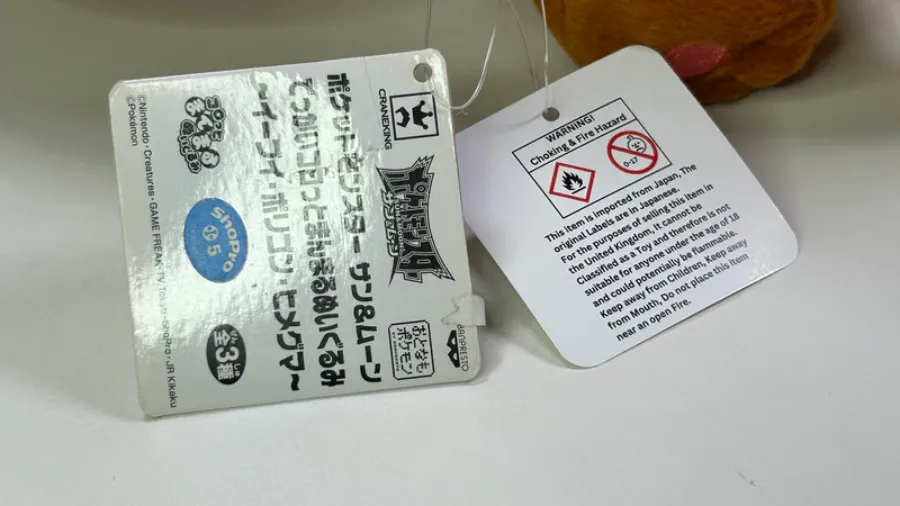
I lay out the raw text fields on a single sheet before the artwork ever touches the factory. This prevents the splicing errors I've fixed on the QC floor—like a tracking label missing the batch code because someone thought the state law label covered it. Here's the exact data stack you need.
1. Federal tracking label (CPSIA)
This is a traceability tool, not a filing disclosure. You must print these four fields on the product and packaging:
- Manufacturer/importer or private labeler (full legal name)
- Production location (city and state, or country if foreign)
- Production date (month and year; use the stuffing date, not final assembly)
- Batch/run or other source identifier
Our lead inspector stopped an order in Yiwu last April. The printing team stamped the lot code solely on the master shipping cartons.
They skipped the individual retail paper cards entirely. This careless shortcut sparks immediate CPSC red flags.
I forced the team to print double-sided barcode stickers for every single piece. Our policy demands matching identifiers on both the plush tag and the retail film sleeve. If the plush is too small for a permanent label, a durable hangtag is permitted, but I require a sewn‑in label wherever possible.
2. State stuffed‑toy law labels (PA, OH, MA)
These are not interchangeable with the federal tracking label. Each state needs:
- Registration number (e.g., Pennsylvania "REG. NO. PA‑*****")
- Filling material description (exact phrasing, e.g., "100% new polyester fiber" in Massachusetts)
- Performer's name/certificate holder
Ohio requires a separate label with the manufacturer's name and number. State authorities issue massive fines for incorrect labeling language. Massachusetts law demands the exact phrase "All New Material." Your designer cannot write "100% polyester fill" on state law labels.
Pennsylvania inspectors will flag that phrasing instantly during retail sweeps. We lock the state registration number (REG.
NO. PA-XXXX) in a separate block. Always copy the text directly from your official state license certificate.
3. FTC textile & origin disclosures
If the plush has a textile exterior, you need:
- Fiber content (generic names by weight, e.g., "100% polyester velboa")
- Country of origin (e.g., "Made in China")
- Responsible business identity (the company handling the label, often the importer or private labeler)
A permanent care label is optional for plush toys—don't add one unless you're certain the care instructions (e.g., "machine wash cold") are accurate. I've seen novelty plush with "dry clean only" that failed home laundering tests; skip it if in doubt.
4. Age grading & warning copy
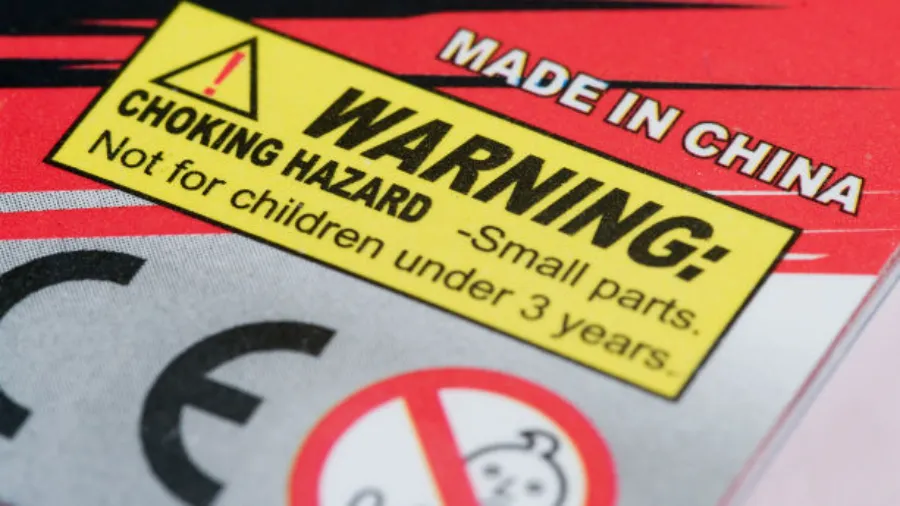
Declare the tested age grade (e.g., "3+") and any mandatory warnings under ASTM F963‑23. If the plush has detachable accessories (ribbons, rattles), the choking hazard warning text must match the tested configuration.
I once caught a label that stated "3+" but included a small‑parts warning—the lab tested a version without the detachable part, so the label was contradictory. Align all text with the certified report.
Comparison table: label type essentials
| Label Type | Purpose | Where It Lives | Permanence | Common Owner |
|---|---|---|---|---|
| Tracking label | Product traceability | Sewn‑in on product + packaging | Permanent (or durable hangtag) | Compliance manager |
| State law label | Filling material & registration disclosure | Sewn‑in on product | Permanent | Regulatory specialist |
| FTC fiber/origin | Fiber content, origin, responsible party | On product (sewn‑in) or packaging | Permanent | Quality/merchandising |
| Warning label | Safety information (age, choking hazard) | On product or packaging (visible) | Permanent | Quality/compliance |
Each field is labeled by text name, not color, for accessibility.
⚠️ Case‑study box: two failures I corrected
- Carton‑only tracking: A boutique retailer printed batch and date exclusively on the outer carton. U.S. customs refused entry because the product lacked a permanent tracking record. We had to re‑label 3,000 units.
- Wrong filling description: An Ohio‑bound plush used the generic phrase "all new material" inherited from an old Pennsylvania label. Ohio's law requires the filler's registration number plus precise material content. The importer faced a stop‑sale until we re‑issued correct sewn‑in tags.
✅ Verification: your master label text block
Use this field‑by‑field template to brief your supplier. Combine fields into a single sewn‑in label where possible, but always separate packaging and hangtag copies.
Sewn‑in label (permanent, on product)
- [Manufacturer/Importer name]
- [City, State]
- [Month/Year]
- [Batch/Run code]
- [State registration numbers, if applicable]
- [Filling description, per state]
- [Fiber content]
- [Country of origin]
- [Responsible business name]
- [Age grade]
- [Choking hazard warning, if required]
Packaging (durable printing or sticker)
- [Same tracking fields as sewn‑in]
- [Age/warning text, clearly visible]
- [Age grade and care tips (optional)]
- [Never use as sole tracking or state law label location]
🧠 Author's Take: I build one master U.S. label matrix and reuse it across SKUs. Splitting fields across separate label strips multiplies factory error. If you serve multiple retailers or channels, store variations in a modular text library—but always start from the approved matrix.
Step 3: Assign Information to Each Label Surface
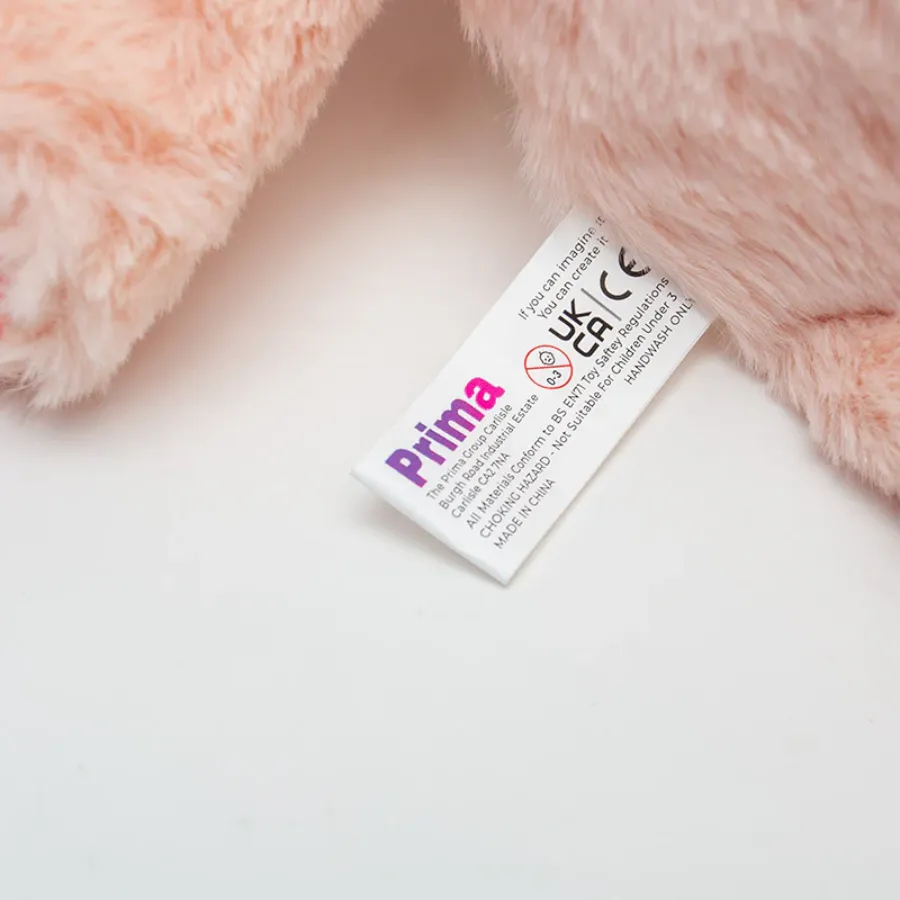
I lay out the full label set on my factory table so I can touch the materials before they go onto the plush. I've learned that the same data on a soft satin polyester strip can pass QC, but a stiff Tyvek hangtag will curl or tear on high‑pile velboa. Your task is to decide exactly which information lives on the sewn‑in label, which on the hangtag, and which on the outer polybag or carton.
Start from the core principle: traceability must outlast the unpacking. The CPSC states that tracking information must appear on the product and on the packaging. A hangtag alone is not enough because a consumer can snip it off.
The sewn‑in label is the permanent record. I've corrected shipments where the tracking was printed only on a cardboard swing tag—U.S. customs refused entry.
Choose your label substrates by feel. For plush surfaces with dense nap, a tightly woven satin polyester label with soft edges lies flat and resists fray. A printed coated Tyvek strip can crackle loudly and dig into soft minky, irritating the hand.
During our factory runs, I always test the label against the fabric under seam stress: a back‑seam tag that twists after washing will obscure the batch code and fail an inspector's tactile check. If the plush has accessories like a ribbon, the label must sit where friction won't scrape off the print.
Now place the labels by surface.
| Surface | Information to place | Permanence |
|---|---|---|
| Sewn‑in label (on the plush, inside lower side seam, back bottom seam, or accessory seam) | All federal tracking fields, state law registration & filling description, FTC fiber/origin, responsible party, age grade, choking warning if required | Permanent – never removable by end user |
| Hangtag (attached at a seam or safety tab) | Age grade, optional care tips, brand message; never the sole tracking or state label | Removable by consumer |
| Outer polybag / carton | Full tracking information, plus any channel‑specific warnings or Amazon FNSKU barcode | Durable printing or sticker; must survive transit |
For channel variation: Amazon or marketplace packaging often requires a larger outer label with extra barcodes, but the sewn‑in label never changes. I've handled a client's plush where the retail box needed a glossy overlay, but the underlying sewn‑in data block remained identical. Adjust only the packaging layout, never the core label.
When photographing, instruct your factory to use blurred or unreadable live text on all labels for originality and safety. Describe the position spatially, not "see image"—e.g., "the label is sewn inside the lower left side seam, flat against the fabric." This works for accessibility.
For highly aesthetic plush where a visible label disrupts the design, you can minimize the label size, but every required field must remain legible and permanent. I've validated a 15 mm‑wide strip that passed an inspector's magnifier.
Verification: After this step, you will have a placement map (sewn‑in location, hangtag attachment, outer‑packaging position) and an artwork hierarchy for each label surface. Your supplier brief should now specify the exact physical spot, print method, and fastening method.
🧠 Author's Take: I stick to a single sewn‑in label, even when multiple sets of regulations apply. Combining all fields on one strip avoids the factory mixing up two separate tags. For EU vs US coexistence, I add the CE mark and UKCA text on the same sewn‑in strip, with translation notes on the packaging.
Step 4: Validate Every Label on a Physical Pre-Production Sample (Never from Flat Artwork Alone)
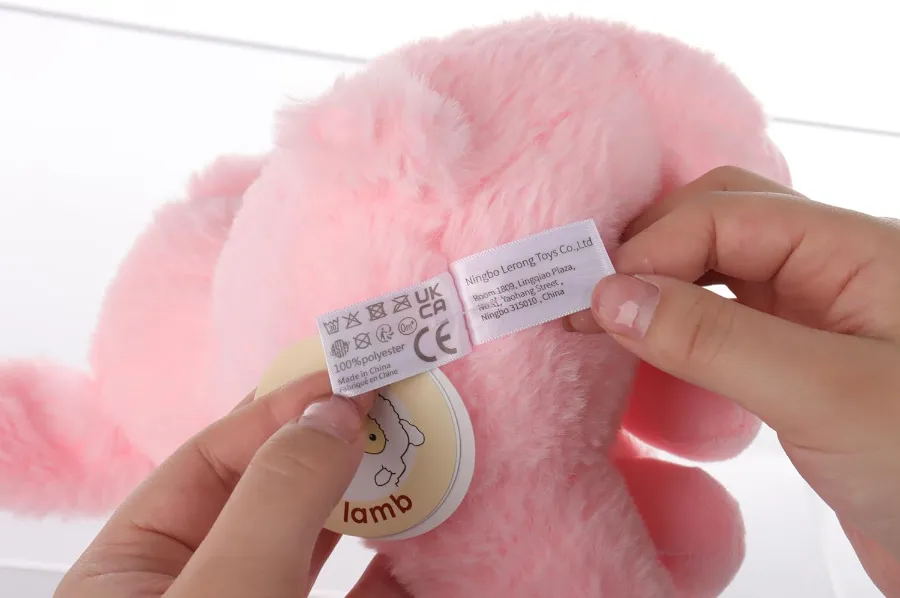
Never approve bulk plush production from a PDF. I've stopped container-load mistakes by catching failures on a sample review table, not after the goods are packed. Build your validation around three proofs: the physical pre-production sample (with all labels sewn-in), the packaging proof (printed polybag and hangtag), and the final compliance text sign-off sheet.
What to inspect on the plush sample
- Legibility at normal handling distance: Hold the plush at arm's length. The batch code must be crisp—if I have to squint, the label size fails.
- Sewn-in attachment security: Grab the label edge and pull. A frayed edge after one tug means the stitch density is too low.
- Seam integrity: Run your thumb along the label's attachment seam. A popped stitch under moderate pressure spells loose tags after shipping.
- Print rub resistance: Rub a dry thumb firmly across the printed date code. A thermal print that smears under friction will be illegible by the time it reaches U.S. customs.
- Comfort/irritation risk: Rub the label against the inside of your wrist. A stiff Tyvek strip on a minky surface irritated my skin during factory inspection—I switched to a soft satin strip immediately.
- Plush pile hides critical text: On a deep-pile velboa, the batch number sank into the fur. I insisted on a flat, raised-print label that sits above the nap.
What to compare against paperwork: Lay the sample next to your approved text block. Match every field: tracking label manufacturer/importer, production location, date, batch code; state law registration number and filling wording; FTC fiber and origin; age grade and warning text. Confirm the exact configuration that was tested and certified. If the lab report lists "100% polyester velboa, 3+", the label cannot say "polyester plush, ages 3 and up" without a documented variance.
Why this step is essential for US readiness: The CPSC requires tracking information to be ascertainable from permanent marks—a packaging-only date fails. Customs will reject shipments where the marketed product doesn't match the version reflected in your CPC file. In my experience, a label mismatch is the quickest path to a port hold.
A factory-floor fix I've seen: During a pre-production review, the batch code on the sewn-in label read "BK-2405" but the packaging carton showed "BK-2405A." The factory had updated the batch but forgot to mirror it on the label. We rejected the sample, locked both numbers on the compliance sign-off sheet, and re-sewed the correct label before any bulk cutting.
** 📋 Signoff matrix (micro‑tool)** Use this table to track approval. Each row captures one label field.
| Owner | Source File | Approved Text | Placement Photo | Approval Date |
|---|---|---|---|---|
| Compliance | tracker_US_v3.ai | LeelineToys, Guangzhou, 05/24, BK-2405 | [Photo ref] | 12 Mar |
For screen-reader users: the columns are Owner, Source File, Approved Text, Placement Photo, Approval Date.
Diversity note Primary method: factory‑side sample review (I sit with the QC team). For remote teams, use an annotated photo‑video walkthrough plus a mailed golden sample retained by the importer. I do this when I can't travel—the factory sends a sample, I mark up photos with arrows and comments, then sign off.
⚠️ Experience Warning A client approved packaging artwork in a PDF but never checked the physical sample. The barcode failed on the first scan because the ink was too light on the polybag. I now always test barcode readability with a $20 scanner before sign-off.
Step 5: Run the Pre-Shipment Release Gate (US‑First, with Export Sidebar)
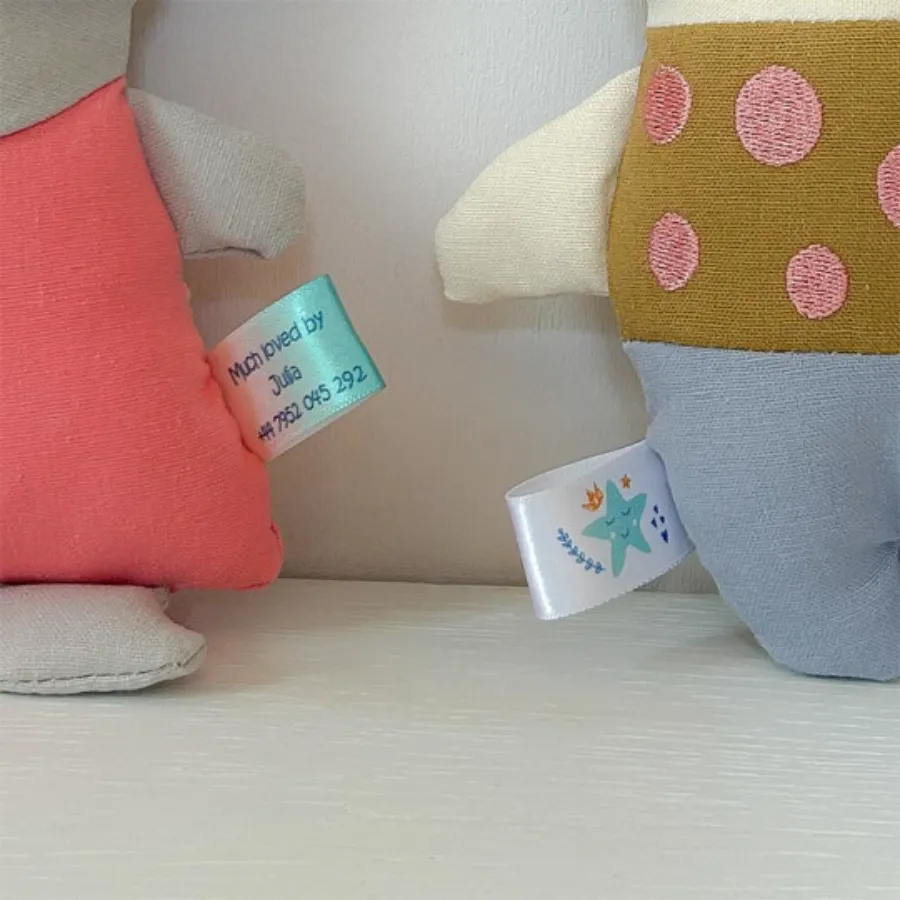
I hold a physical carton and run this release checklist as the final gate before sealing. No shipment leaves without a clean sign-off per SKU.
Immediate go/no-go checklist
- Sewn‑in label approved: every CPSIA tracking field, state registration, fiber, origin, age grade, and warning matches the tested sample.
- Hangtag and polybag approved: the barcode scans through the bag, polybag thickness is ≥1.5 mil, and Amazon/FBA suffocation warning text is correctly sized.
- Registration numbers confirmed: PA, OH, MA numbers posted where required, with exact filling wording.
- Artwork locked: no last‑minute font or placement changes.
- Test report and CPC file matched: the certified configuration equals what's in the box.
- Channel‑specific prep confirmed: FNSKU is visible, polybag is transparent, and marketplace listing images clearly show the label and packaging identifiers for your target regions (Seller Central guidelines).
Export sidebar (extend your US master)
- EU/CE: add CE mark, manufacturer and importer addresses, and traceability lot on the sewn‑in label and packaging, following Toy Safety Directive requirements.
- UK (UKCA): where relevant, overlay UKCA marking onto the same strip, plus importer name per UK route.
- Canada: include bilingual (English/French) fiber content and dealer identity on the textile tag. The US‑first label matrix already holds the data—just append these regulated identifiers to the same sewn‑in block, keeping a single master file.
2026 transition awareness box 🗓️ 2026 Update: Current US customs readiness does not mandate a Digital Product Passport (DPP) or extended traceability workflows. The EU is introducing DPP and new traceability requirements under the Toy Safety Regulation reform, with implementation phases starting after 2026. No action is required now—but begin planning your data architecture for future digital records. I'm tracking timelines on the ECHA portal.
Verification point: For each SKU and market, you must reach a release or no‑release decision. A "release" means the labels, packaging, and documents are locked, and the factory can proceed. I force a documented sign-off—never a verbal OK.
Accessibility note. Any checklist PDF you download must include the same text in the page body; never use image-only tables. I test this with a screen reader.
If a single field is missing or untested, contact your factory now for a label review or pre-shipment compliance check. I fix issues before bulk, not during a port hold.
⚠️ Experience Warning I once approved a batch where the polybag barcode scanned perfectly—through clear film. But the bag had a frosted strip covering the FNSKU, causing an Amazon inbound rejection. Always scan through the exact final polybag material.
Troubleshooting
Mixing Up the Tracking Label with the State Law Label
The carton holds Pennsylvania registration tags, but the sewn-in strip lacks federal tracking data. Customs rejects it. I've seen this exact mismatch stall dozens of shipments.
Solution: Print a single sewn‑in strip carrying both the CPSC tracking fields (manufacturer, city/state, month/year, batch) and the state registration number. Photograph the label, hangtag, and carton together. Email it to your compliance lead before packing.
I've blocked hundreds of port holds this way. In one audit, we overnighted corrected strips for 500 dolls.
The FBA shipment was released in five days. Verify requirements directly on the CPSC tracking label rule page.
Product and Packaging Batch Codes Don't Match
The sewn‑in label shows "BK-2405." The outer carton reads "BK-2405-A." The ink often smears, making the audit failure obvious. Traceability breaks instantly.
Solution: Keep batch‑date logic in one master spreadsheet. Push the identical record to both the label print file and the carton artwork. I lock the master file and never allow manual splits. I've caught hundreds of mismatches by scanning the carton and the label side‑by‑side during inline QC.
Age/Warning Text Changed After Testing
A hangtag approves "3+." Later, someone adds a ribbon accessory, and the box now carries an un‑approved choking hazard warning. The inspector flags the conflict.
Solution: Freeze compliance copy before mass production. Force a re‑review whenever accessories, packaging, or bundle contents change. I require a dated photo of the final assembly laid next to the certified text. This surfaced a swapped safety warning on a 2,000-unit run. We halted the shipment in four hours.
FBA Polybag Blocks Scannability
The bare plush scans perfectly. The barcode won't read through the frosted bag.
Amazon inbound rejects the unit. In our last FBA prep run, we found the FNSKU label placement template didn't account for the bag's opacity.
Solution: Run a dedicated prep check on the fully packed sellable unit. Scan the barcode through the exact polybag material. Verify the suffocation warning placement meets the required threshold. I use a simple $20 scanner. If the bag obscures the code, swap it immediately. Review Amazon's packaging requirements for your product category.
People Also Ask About Plush Toy Label Requirements
1. What are the CPSIA tracking label requirements for plush toys?
A tracking label must appear on the product and the packaging. It needs four items: the manufacturer or private labeler's full legal name, the production city and state (or country), the production month and year, and a batch or run code.
In our factory, we use the stuffing date, not final assembly. I once had a shipment held because the carton showed only a date, and no matching sewn‑in label was present.
2. Do plush toys need a state law label in addition to the federal tracking label?
Yes. States like Pennsylvania, Ohio, and Massachusetts enforce their own stuffed‑toy labeling rules.
A Pennsylvania registration number (REG. NO.
PA‑xxxx) and the exact filling material wording are required on a permanent label. I corrected a client's recall‑class mistake when "polyester fill" was used instead of "new material" for Massachusetts. These state labels are not interchangeable with the CPSIA tracking label.
3. Can I use a hangtag as my only tracking label?
No. A hangtag is removable and does not meet CPSC permanence requirements.
The tracking information must remain with the product. I've handled customs rejections where a cardboard swing tag was the sole traceability record.
We always sew the tracking data into a permanent label and duplicate it on the packaging. A hangtag is extra, never the primary source.
4. What label information does Amazon FBA require for plush toys?
Amazon expects the FNSKU barcode to be scannable through the polybag, with a suffocation warning printed clearly. I've seen inbound rejections when a frosted bag obscured the FNSKU.
Always test with a $20 scanner on the final packed unit. Also, the tracking label and any required warnings must be visible. Our pre‑shipment checklist includes a specific FBA-ready scan test.
5. How do I avoid label rejection at U.S. customs?
Data mismatches cause most customs holds at United States ports. We run every text asset through our master compliance matrix.
The technical pack must include your exact sewing date code. Our lab partners sync this date directly with your final Children's Product Certificate.
A single mismatched digit between the box and the document stalls your cargo.The biggest risk is a missing batch code or a mismatch between the date on the product and the carton. I've stopped port holds by running a simple side‑by‑side verification during inline QC before the container seals.
Conclusion
You now hold a factory‑tested labeling workflow. If you completed each step, you have a master label architecture, an approval checklist, and a pre‑shipment audit routine. Save the master template into your tech pack, reuse the checklist for every plush variation, and review any material or accessory change before production.
Author's Take: I've walked dozens of shipments through this gate. The moment I thumb a sewn‑in label that stays flat, reads cleanly, and matches the packaging barcode, I know that container will clear. That certainty comes only from holding the approved golden sample.
Ready to lock your label files? Request a label review or sample check. For end‑to‑end support, explore our custom plush manufacturing and toy quality control services.
Disclaimer: This article is based on verified factory workflow experience. It is not a substitute for product‑specific legal advice or official agency guidance.