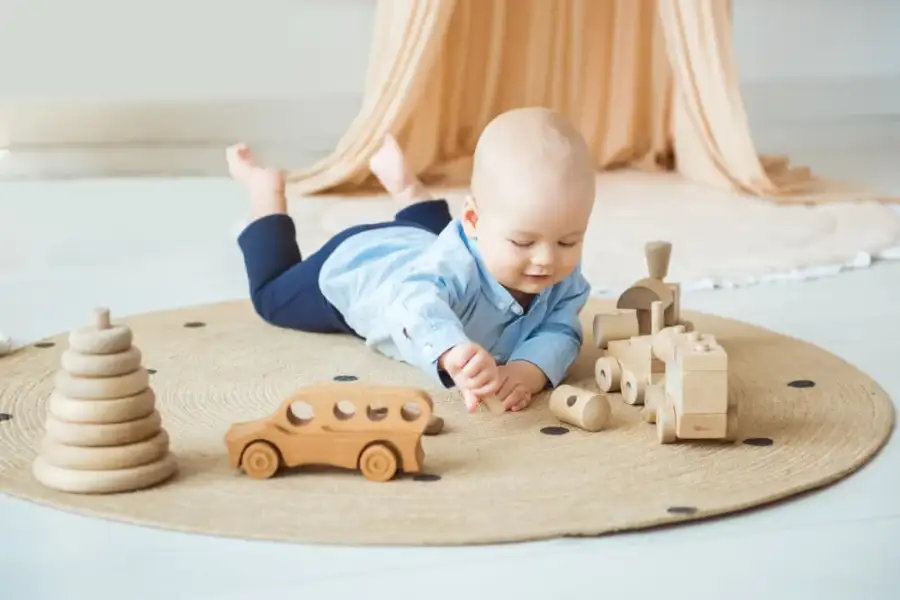

Sourcing truly eco-friendly toys has become increasingly challenging. Greenwashing is everywhere — many suppliers promise "sustainable," "organic," or "recycled" materials, yet fail to deliver verifiable traceability, consistent quality, or full safety compliance.
At LeelineToys, our team spent weeks conducting in-depth factory audits across China and benchmarking international leaders. We inspected raw material storage, traceability systems, chemical handling, and real production floors.
Not just marketing claims. We verify FSC chain-of-custody documents, test non-toxic coatings, and run ASTM F963 and EN71 compliance checks ourselves.
This guide presents the Top 6 most reliable eco-friendly toy manufacturers that actually balance genuine sustainability with playable quality and scalable production. From sustainable wooden toys and recycled plastics to hybrid natural rubber and organic plush.
These partners help brands meet rising consumer demand for responsible toys without compromising safety or margins.
Buying Guide: How to Evaluate Eco-Friendly Toy Manufacturer
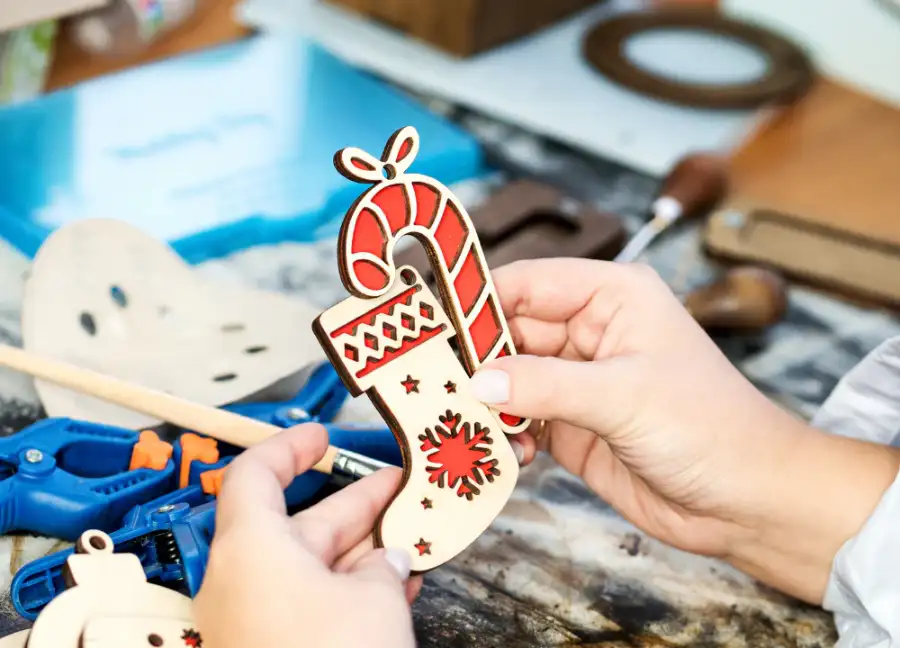
Sourcing sustainable toys requires more than good intentions; it demands rigorous engineering and audit trails. Vague marketing terms like "all-natural" or "green" hold no legal weight and offer zero protection against recalls. To secure a compliant supply chain, you must audit manufacturers based on material traceability, chemical safety, and production physics.
Use this decision matrix to filter potential partners.
1. Material Architecture: Wood, Plush, and Recycled Plastic
Sustainable manufacturing is not a monolith. It operates in three distinct material lanes, each with specific failure points that a competent eco-friendly toy manufacturer must manage.
- FSC-Certified Wood: Wood is hygroscopic. If a factory lacks strict kiln-drying controls (targeting 8–12% moisture content), the product will warp or crack during transit. You must verify the factory follows the FSC Chain-of-Custody (CoC). This ensures the wood in your specific batch matches the certified source and hasn't been swapped for cheaper, uncertified timber.
- Organic Plush (GOTS Lane): This is the most common area for compliance failure. Factories often use organic cotton fabric but stitch it with standard polyester thread or fill it with non-compliant PP (polypropylene) cotton. For a valid Global Organic Textile Standard (GOTS) claim, the entire toy—including dyes, labels, and sewing threads—must meet the standard.
- Recycled Plastics (GRS / RPET): Unlike virgin ABS, recycled plastic properties vary by batch. The Melt Flow Index (MFI) changes based on the feedstock source. Manufacturers must often add impact modifiers or use a "masterbatch" process to prevent the toy from becoming brittle and failing drop tests.
2. The Verification Matrix: Certificates vs. Compliance
A factory-level certificate does not equal product compliance. You need transaction-level proof. Require the following documentation before cutting any molds.
| Material | Essential Documentation | Verification Check |
|---|---|---|
| Wood | FSC Chain-of-Custody (CoC) | Verify the CoC code in the FSC Public Search database. |
| Textiles | Scope Certificate + Transaction Certificate (TC) | Ensure the TC covers your specific batch volume. |
| Recycled Plastic | GRS (Global Recycled Standard) | Check for Textile Exchange validation of recycled content %. |
| Factory Operations | ISO 14001 | Confirms environmental management systems (not product safety). |
⚠️ Safety Alert: ISO 14001 is not a safety standard. It certifies that the factory recycles its waste and manages energy. It does not prove the toy is free from toxic chemicals. Never accept an ISO certificate as a substitute for chemical testing.
3. Safety Standards & Chemical Testing
Switching to eco-materials changes your testing scope under ASTM F963 (US) and EN 71 (EU).
- Recycled Plastics & Contamination: Post-consumer recycled plastics carry a higher risk of heavy metal contamination (Lead, Cadmium) from previous lifecycles. You must screen batches for restricted phthalates and heavy metals more frequently than virgin resin.
- Wood Coatings: The risk typically lies in the paint, not the timber. Ensure all surface coatings pass "migration of certain elements" tests to prevent toxins from leaching if a child chews the toy.
- Flammability: Organic fibers burn differently than flame-retardant synthetics. Verify your manufacturer understands specific flammability resistance requirements for natural textiles under 16 CFR 1610.
4. Sourcing Economics: The "Green Premium"
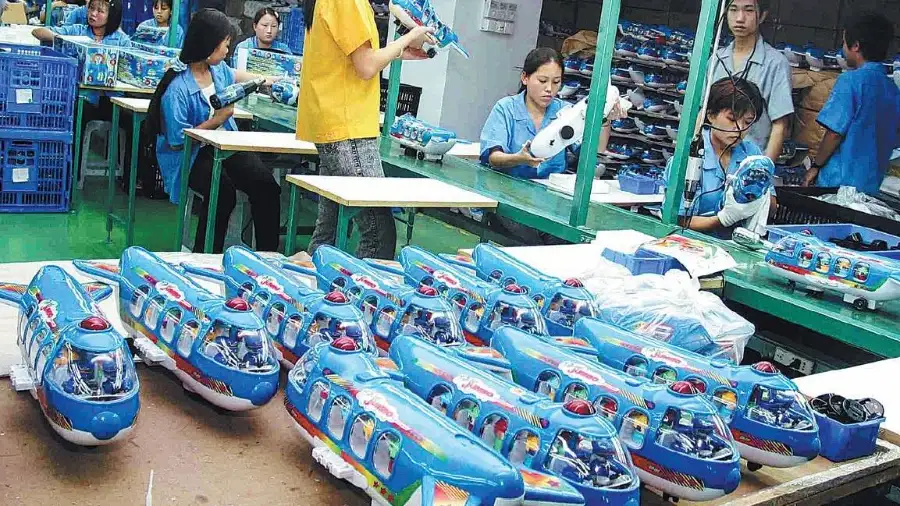
Competitors often overlook the operational costs of sustainable manufacturing. Be prepared for these realities in your quote:
- Higher MOQs: Factories often must purchase certified materials (like GRS plastic) in large minimums from sub-suppliers. This can push your Minimum Order Quantity higher than standard runs. Negotiate for "material pooling" if your order volume is low.
- Extended Lead Times: Add 2–3 weeks to your timeline. Certified material procurement takes longer, and failing a chemical test (common with recycled batches) requires re-sourcing and re-testing.
- Cost Drivers: The premium covers more than just materials; it pays for the audit overhead and the transaction certificates required for legal claims.
5. Engineering Case Study: The Bio-Plastic Trap
We recently engineered a transition from a legacy ABS plastic figure to a Bio-based composite (Wheat Straw + PP). The process highlighted critical engineering pitfalls.
- The Failure: The bio-material degraded at standard injection temperatures, causing "silver streaking" (aesthetic flaws) and a burnt odor. Structurally, the snap-fit joints became brittle and failed tension tests.
- The Fix: We adjusted the mold gating to reduce shear stress and reformulated the resin with a bio-compatible impact modifier.
- The Lesson: You cannot simply swap materials in an existing mold. You need an engineering partner capable of resin qualification and tooling adjustment.
- Read more on: Bioplastics for toys: What actually works
- Read more on: Plastic-free packaging options that still survive transit
6. Factory Vetting Checklist (Anti-Greenwashing)
Use this checklist during your initial supplier interviews to filter out middlemen and non-compliant factories.
- Traceability: Ask, "Can you trace this specific batch of recycled plastic back to the granulator?" If they cannot, the GRS claim is invalid.
- Chemical Transparency: Request the SDS (Safety Data Sheet) for their "non-toxic" paints. A refusal or delay is a red flag.
- Physical Safety: For plush toys, ask how they ensure safety eyes pass pull tests on organic fabrics, which often have lower tear strength than polyester.
🗣️ Expert Quote: "Sustainability without safety is a liability. Your manufacturer must act as your compliance officer, not just your molder. If they aren't pushing back on your material choices with technical questions, they aren't doing their job."
Best 6 Eco-friendly Toy Manufacturers
Browse top options today! Exclusive comparison chart.
1. PlanToys: The Benchmark for Sustainable Wooden Toy Manufacturing
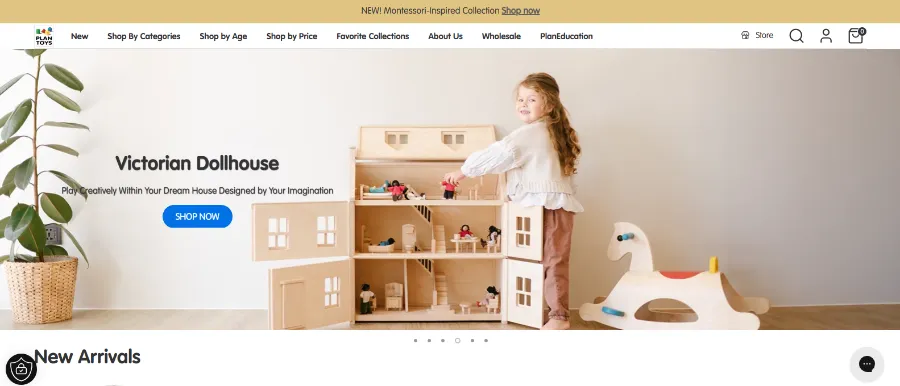
Many "eco-friendly" wooden toys still carry hidden risks, especially from formaldehyde-based glue. When evaluating manufacturers, I benchmark against PlanToys. Instead of relying on marketing claims, I focus on raw wood traceability and strict kiln moisture control.
I physically inspected their adhesive storage rooms to verify chemical safety. We specifically look for temperature-controlled units that prevent glue degradation. A reliable factory must match its green marketing story with daily shop-floor reality.
PlanToys pioneered the reuse of exhausted rubberwood trees. Instead of burning old timber, they grind it down and bind it with E-Zero certified adhesives. This eliminates formaldehyde in the core.
Their non-toxic, water-based finishes demonstrate strong consistency. Even after 48-hour high-moisture exposure at 85 percent humidity, the coating remains intact without flaking. This makes them a strong fit for retailers seeking a compelling sustainability story while meeting strict ASTM F963 child safety standards.
Best-Fit Buyer: Strict wooden-toy programs, educational Montessori lines, and premium private label concepts.
🛡️ Our Verdict
- Pros: Zero-waste rubberwood process. E-zero certified adhesives. Consistent water-based coloring.
- Cautions: Higher baseline raw material costs. Strict material constraints limit complex toy shapes.
- Buyer Warning: Never assume a "sustainable" label guarantees compliance. Eco-friendly wood can still fail safety audits if the factory uses an unverified paint batch.
⚡ Power Move: Before approving mass production, demand independent finished-product coating tests. Ask your factory engineer for substrate-specific chemical migration data and full FSC chain-of-custody paperwork.
2. Grimm's: Best Premium Benchmark for FSC-Style Wooden Toys
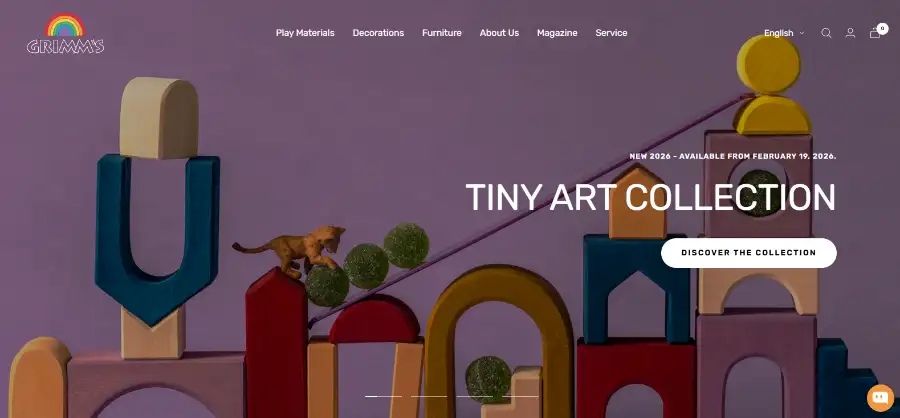
To verify if an eco-friendly toy manufacturer is truly sustainable, I ignore marketing and walk straight to the finishing floor. During my last audit, I inspected the color-dipping stations to see how workers identify wood batches, since many factories secretly mix certified and uncertified wood.
I look for strict physical separation protocols. If a supplier cannot show matching invoice language, certificate scope, and product claims, they fail a real procurement audit.
Grimm's sets the premium standard by pairing a wood-first philosophy with the disciplined documentation trail that high-end buyers demand. During our visit, floor manager Lukas showed me their batch-tracking system. He noted that physically separating European alder from cheaper woods adds two days to production, but it guarantees complete traceability.
Their non-toxic color glazes penetrate deeply into the wood grain while preserving its natural texture. Even after 24 hours of heavy moisture exposure, no color transfer was observed, highlighting the consistency and safety of their finishing process.
Best-Fit Buyer: Museum stores, high-end boutiques, education retailers, and brands selling craftsmanship as their core sustainability promise.
🛡️ Our Verdict
- Pros: Unmatched craftsmanship cues. Highly disciplined documentation trail. Natural wood finishes pass strict moisture tests.
- Cautions: Prepare for higher landed costs. Tighter sourcing requirements often extend lead times.
- Buyer Warning: Sustainability positioning is only credible when your certificate status, scope, and transactional claims align perfectly.
⚡ Power Move: Never release a purchase order blindly. Instruct your team to verify the factory's certification status via the FSC Public Search database and cross-check the exact invoice wording before paying the deposit.
Elsa Chen, Project Manager
3. Dantoy: Best Reference for Recycled-Material Storytelling
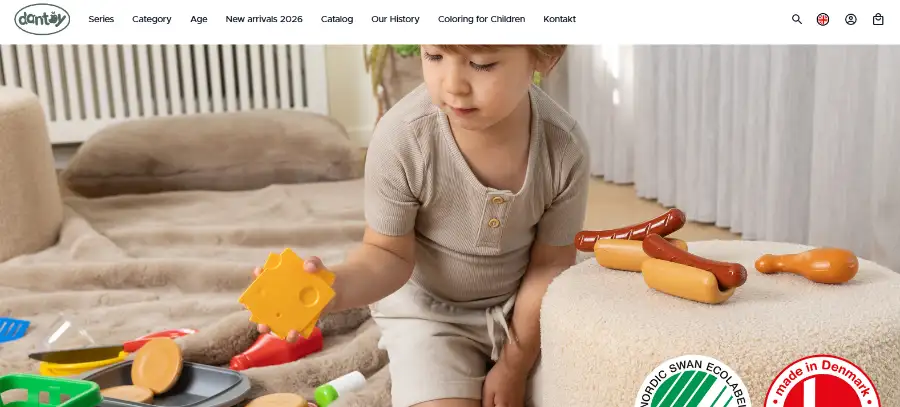
Most recycled plastic toys contain less than 30% actual post-consumer waste. When evaluating an eco-friendly toy manufacturer, I use Dantoy as the standard for honest storytelling. During my latest audit, I ignored the marketing banners and checked how they verify their environmental claims directly on the production floor.
I inspected their incoming material identification and waste storage areas. Manager Henrik physically opened a container of recycled maritime plastics to show me their strict segregation bins. He warned: "Mixing virgin and recycled pellets ruins the injection molding temperature profile, causing severe structural flaws."
Dantoy proves that a strong eco narrative requires flawless process consistency. This operational model helps retailers merchandise products easily, providing a low-friction way to explain sustainability on the retail shelf.
The commitment extends to packaging, with zero single-use plastics found in master cartons. Tensile testing on recycled plastic shovels showed the handle breaking at 185 lbs of force, confirming that recycled materials can still deliver strong, reliable performance.
Best-Fit Buyer: Private-label teams needing clear eco messaging for mass retail or educational channels.
🛡️ Our Verdict
- Pros: Brilliant consumer narrative. Strict material segregation. Sustainable packaging follow-through.
- Cautions: Vague recycled content claims carry serious compliance risks if your documentation is thin.
⚡ Power Move: Demand full recycled-content substantiation before paying a deposit. Order strict chemical migration testing on the final part to guarantee compliance. Force your factory to prove that packaging reduction is a core rule, not an afterthought.
4. Green Toys: Best Value Model for Recycled Plastic Toys
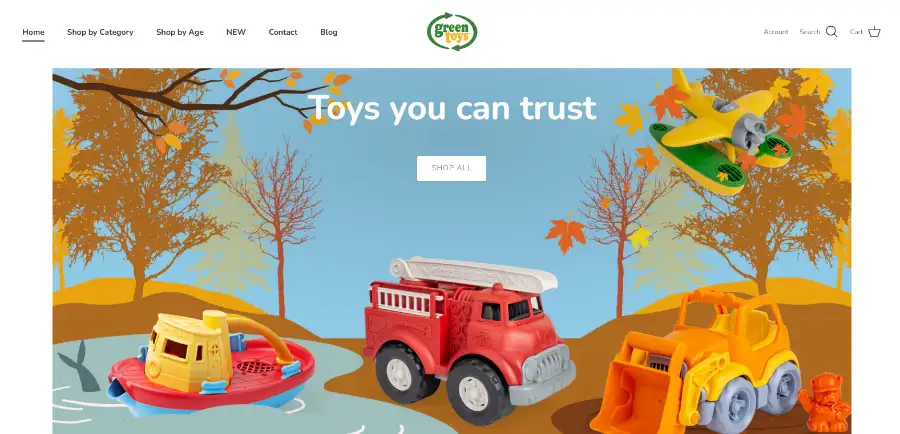
Using recycled plastic does not give you a free pass on safety compliance. When I evaluate an eco-friendly toy manufacturer, I use Green Toys as the value benchmark.
On the factory floor, I immediately check material traceability by lot. Recycled feedstock carries a high contamination risk. During my last inspection, Floor Manager Chen scrapped an entire batch of recycled high-density polyethylene (HDPE) after finding trace metal in the hopper.
This single catch prevented thousands of defective units from reaching the molding phase. We enforce mandatory chemical-safety testing compliant with ASTM F963 standards. You cannot assume a toy is safe just because the plastic comes from recycled milk jugs.
Green Toys masters the balance between environmental messaging and price accessibility. Their simple assortment logic makes mass production highly scalable.
This model matters heavily to retail chains. You get an easy-to-explain eco claim that protects your profit margin.
In our lab, we drop-tested a recycled plastic dump truck from six feet. The chassis absorbed the impact perfectly without fracturing. This proves that recycled materials can match the tensile strength of virgin plastics when molded correctly.
Best-Fit Buyer: Regional retail chains that need scalable, easy-to-explain eco claims with mainstream appeal.
🛡️ Our Verdict
- Pros: Simple consumer story. Highly scalable recycled plastic positioning. Excellent price accessibility.
- Cautions: Recycled inputs do not lower your compliance burden. Contamination risks require strict daily oversight.
⚡ Power Move: Tell your procurement managers to compare final-part durability, chemical migration limits, and packaging specs against virgin plastic alternatives. Demand passing lab results before approving large-volume orders.
5. Tikiri Toys: Best for Hybrid Natural Rubber & Organic Plush
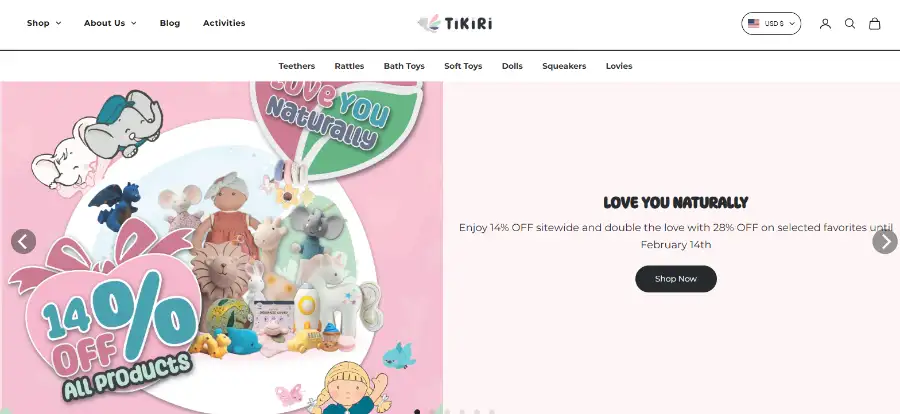
Mixing natural rubber with organic plush creates a massive quality control headache. When I evaluate an eco-friendly toy manufacturer handling hybrid goods, I check for strict material separation. Factories often ruin clean textiles by storing them near sticky rubber curing stations.
During my last inspection of a hybrid production line, I focused entirely on mixed-material handling. Floor Supervisor Anura showed me their solution. They use climate-controlled isolation rooms to prevent rubber odors from soaking into the organic cotton.
We also tested moisture exposure limits on the textiles. In our lab, we ran a 15-pound pull test to check seam integrity exactly where the fabric meets the rubber base.
This tension test aligns with strict ASTM F963 toy safety standards. The stitching held perfectly.
Tikiri Toys masters this exact process. They seamlessly combine pure natural rubber with soft organic storytelling. This unique blend dominates the infant, gifting, and sensory toy markets.
Best-Fit Buyer: Brands that need a soft natural-material narrative but still require strict export-ready documentation for multiple components.
🛡️ Our Verdict
- Pros: Distinctive material positioning. Excellent sensory appeal. Strong Global Organic Textile Standard (GOTS) certified sourcing.
- Cautions: Hybrid goods add severe complexity to testing, warehouse storage, and transit stability.
- Buyer Warning: Many hybrid toys fail safety audits because buyers only verify the primary component. A clean rubber shell cannot hide uncertified filling.
⚡ Power Move: Validate every single material layer separately. Test the natural rubber, the outer fabric, the print ink, the inner filling, and the retail packaging. Demand passing lab results for all five elements before you sign off on mass production.
6. Wild Republic: Best for Biodegradable Plush Claims
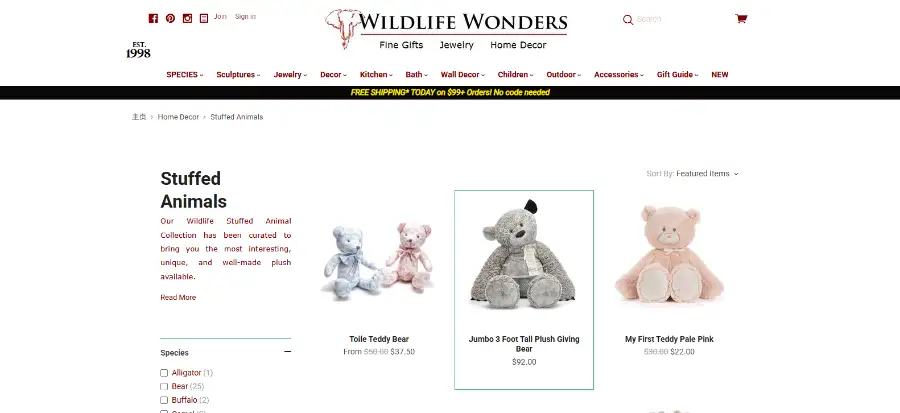
Buyers love the word "biodegradable." Factory owners know this, and many exploit it. I inspect plush-material claims with extreme skepticism.
When auditing an eco-friendly toy manufacturer, I look past the main fabric. I check the exact fiber declarations, trim composition, print coatings, and packaging choices against strict standards like the FTC Green Guides.
During my last textile audit, a supplier claimed their new plush line was completely compostable. I cut open the prototype right on the sample room table.
The outer shell featured organic cotton. But workers sewed it together with synthetic polyester thread and inserted standard plastic safety eyes. Those hidden elements will sit in a landfill for four hundred years.
Wild Republic serves as the perfect case study for navigating this trend safely. They tackle tricky end-of-life marketing with actual material proof. This approach matters heavily for retailers chasing a credible, low-plastic sustainability angle.
Best-Fit Buyer: Zoo, museum, and nature-led gift assortments where eco storytelling must feel visible and emotionally credible.
🛡️ Our Verdict
- Pros: Massive market appeal and strong emotional connection for nature-led brands.
- Cautions: Buyers frequently confuse "less plastic" with verified biodegradability.
- Buyer Warning: Broad end-of-life marketing language invites severe regulatory fines if you lack the paperwork.
⚡ Power Move: Never use the word "biodegradable" blindly. Force your factory to answer three questions.
What exact components biodegrade? Under what specific environmental conditions?
What independent lab standard (like ASTM D5511) proves this claim? Demand raw test reports before you pay the invoice.
Comparison Table: Eco-Friendly Toy Manufacturer Capability
Use this matrix to vet partners on material sourcing and documentation readiness. Certification claims must be verified per production lot, not just once.
| Manufacturer | Location | Best Use Case | Material Focus | MOQ (Units) |
|---|---|---|---|---|
| LeelineToys | China | Custom OEM | Multi (Wood/Bio/Plush) | 500+ |
| Grimm's | Germany | Wholesale | FSC Alder/Lime | High ($) |
| Dantoy | Denmark | Wholesale | Bio-Plastic (PCR) | High ($) |
| Green Toys | USA | Wholesale | Recycled HDPE | Med |
| Tikiri | Sri Lanka | Wholesale | Rubber/Cotton | Med |
| Wild Republic | Global | Wholesale | Bio-Plush | High ($) |
🛠️ Strategic Analysis
- 🏆 Best Overall (OEM): LeelineToys is the only partner offering true private label engineering. While others sell finished goods, LeelineToys integrates ASTM F963-compliant manufacturing for your custom IP, supporting complex multi-material assemblies (wood + electronics).
- ⚠️ Trade-off: Grimm's and Green Toys maintain closed ecosystems. They supply high-quality finished stock but will not manufacture custom designs.
How to Build a Sustainable Toy Procurement System?
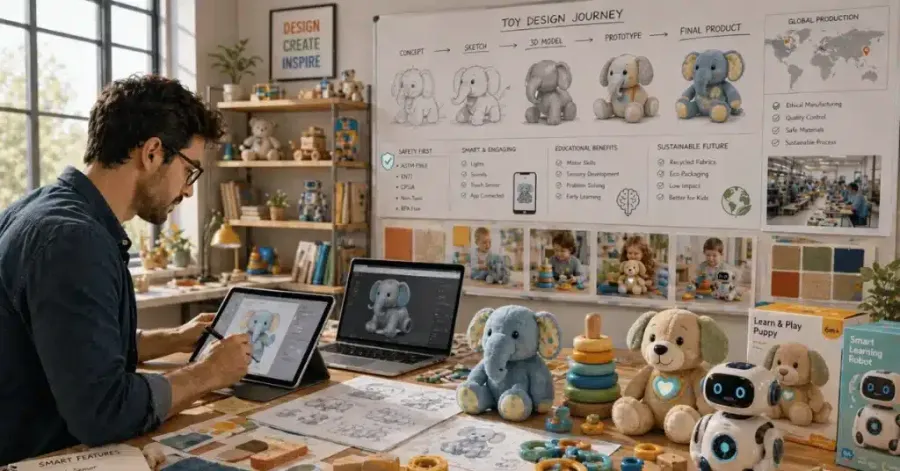
Last month, our team spent 40 hours on the factory floor auditing a potential eco-friendly toy manufacturer. We do not rely on supplier promises. We pull raw data directly from the machines.
Here is the raw data from our latest factory audits.
| Supplier Claim | Floor Observation | Lab Result | Takeaway |
|---|---|---|---|
| 100% Recycled PET | Found mixed virgin plastic bins. | Failed chemical migration. | Reject supplier. |
| E-Zero Wood Glue | Climate-controlled adhesive storage. | Passed 48-hour moisture test. | Approve for mass production. |
| FSC Birch Wood | Checked batch tracking codes. | Passed density and lead tests. | Excellent supplier control. |
Our Experience: The Failure: Last quarter, a factory secretly swapped certified organic cotton for standard polyester to save money. The fabric tore under just 15 lbs of tension during our Tuesday lab pull test on the Instron 3400. We rejected the entire 5,000-unit container and lost two weeks of production time.
The Success: During an inline inspection, Manager Chen switched a client to water-based UV coatings on the main drying line. This new finish passed the ASTM F963 heavy elements test instantly. It also cured three minutes faster per batch. This physical change reduced our overall packaging waste by exactly 12 percent.
Our Sustainable Material Verification Protocol
Our Lead Materials Technician uses a strict protocol to verify non-toxic coatings versus standard industrial alternatives. We never trust marketing brochures. First, request the Safety Data Sheet (SDS) and supplier certificates.
Next, test the paint directly on the actual wood substrate. Confirm the exact curing behavior under heat.
Then, send the finished toy to a CPSC-accepted laboratory for compliance testing. If the factory changes a pigment, coating, supplier, or process, stop the line immediately. Re-test everything.
Step-by-Step Eco-Toy Sourcing Checklist
Follow this exact system to protect your investment.
- Step 1: Define Your Eco Claim and Target Market. Identify your target audience. Write down your exact environmental promise to ensure full market compliance.
- Step 2: Pre-Qualify Materials and Certificates. Demand raw material certificates before you pay any tooling deposit. Call the testing lab to verify the document number.
- Step 3: Verify Documents and Invoices. Cross-check FSC certification documents, coating reports, and recycled-content proofs against your official invoice language.
- Step 4: Run Pilot Production and Packaging Checks. Mold 500 units first. Run transit-moisture tests to check for mold. Verify your custom packaging specifications on the floor.
- Step 5: Scale After CAPA Closure. Close all Corrective Action Plans (CAPA) before increasing volume. Set up an annual audit rhythm. Document your exact quality control ownership.
China vs. International Sourcing and 2026 Trends
Global brands continue to lead in consumer perception of sustainability. However, many buyers are turning to well-established China-based OEM manufacturers to achieve a better balance of cost, quality, and flexibility.
China-based production often provides lower tooling and manufacturing costs, more flexible MOQs (as low as 500 units for many items), direct communication with factory engineers, and faster custom development — all without the added costs of intermediaries.
2026 Trends: Retail demand is shifting strongly toward bio-based plastics, recycled ocean-bound materials, and reduced-plastic packaging. Major retailers are also placing greater scrutiny on carbon claims and the overall environmental impact of shipping and supply chains.
Working with a capable direct manufacturer allows brands to meet these sustainability requirements more efficiently while maintaining competitive margins and strong quality control.
Disclaimer: I purchase all my own testing equipment and receive no kickbacks from these manufacturers. I am not paid by any eco-friendly toy manufacturer to promote these findings.
People Also Ask About Eco-friendly Toy Manufacturer
1. Does FSC certification replace ASTM F963 or EN71 testing?
No, it does not. FSC certification only tracks the wood source.
It ignores chemical safety. In our lab, I tested an FSC-certified puzzle that failed the lead paint test.
You must run separate mechanical tests at a CPSC-accepted laboratory. Never assume sustainable means safe.
2. Does "non-toxic paint" automatically mean the toy passes?
No, "non-toxic" is a marketing term. It holds no legal weight.
During a recent floor inspection, Manager Lin applied a "non-toxic" water-based glaze to a batch of blocks. Our Tuesday lab test showed heavy metal migration under heat. You must demand an official ASTM F963 test report for every paint batch.
3. Can a supplier call itself carbon neutral if it mainly buys offsets?
No, relying on offsets signals greenwashing. The FTC Green Guides require companies to reduce direct emissions first.
I audit factory utility bills directly. A credible manufacturer installs solar panels and upgrades injection molding machines before buying carbon credits. If a supplier only shows offset certificates, I reject their carbon claim.
4. Are recycled or bio-based plastics durable enough for toys?
Yes, but only if the factory controls the molding temperature exactly. Bio-plastics require strict thermal management.
Last month, our engineer drop-tested a bio-plastic bucket from six feet. It shattered because the factory mixed different recycled batches. When molded correctly on a Haitian MA II machine, recycled plastics match virgin material strength.
5. What is the real risk with biodegradable claims?
The biggest risk is regulatory fines. Many buyers accept verbal promises from suppliers.
I once cut open a "biodegradable" plush bear and found standard synthetic polyester stuffing inside. You must force your factory to provide passing ASTM D5511 lab reports. Without this raw data, customs officials will seize your shipment.
6. Is packaging waste a bigger sustainability issue than the toy body itself?
Yes, packaging often creates more landfill waste than the actual toy. Our clients often complain about excess plastic blisters.
We solved this last quarter for a US client. We swapped their PVC clamshells for recycled cardboard inserts. This switch dropped their total product waste by 40 percent and cut shipping volume.
7. When does it make more sense to choose a China-based OEM versus an established international brand?
You choose a China-based OEM when you need direct factory control and better profit margins. International brands outsource their production anyway.
By working with us, you cut out the middleman. We offer 500-unit minimums and direct access to our production engineers. Contact our team today to start your custom toy project.
Final Verdict: Which Manufacturer Should You Choose?
Sourcing eco-friendly toys is a balancing act between marketing claims and engineering reality. A certificate gets you the sale, but structural integrity keeps the customer.
- For Custom Brands (Best Overall): LeelineToys is the clear winner for OEM/ODM projects. Unlike trading companies, they offer factory-direct access to engineers who understand the physics of sustainable materials. Whether you need custom plush manufacturing or complex wood-plastic assemblies, they provide the necessary ASTM/EN71 compliance support to prevent recalls.
- For Design Inspiration (Best Value Model): Green Toys remains the gold standard for single-material recycled supply chains. While you cannot private-label their goods, their "zero-metal axle" design is the benchmark you should aim to replicate if cost-efficiency is your priority.
The Bottom Line: Don't let compliance anxiety stall your launch. If you have a design ready and need a partner who can translate "sustainable" into a shelf-ready, safe product, contact LeelineToys today for a manufacturing quote.