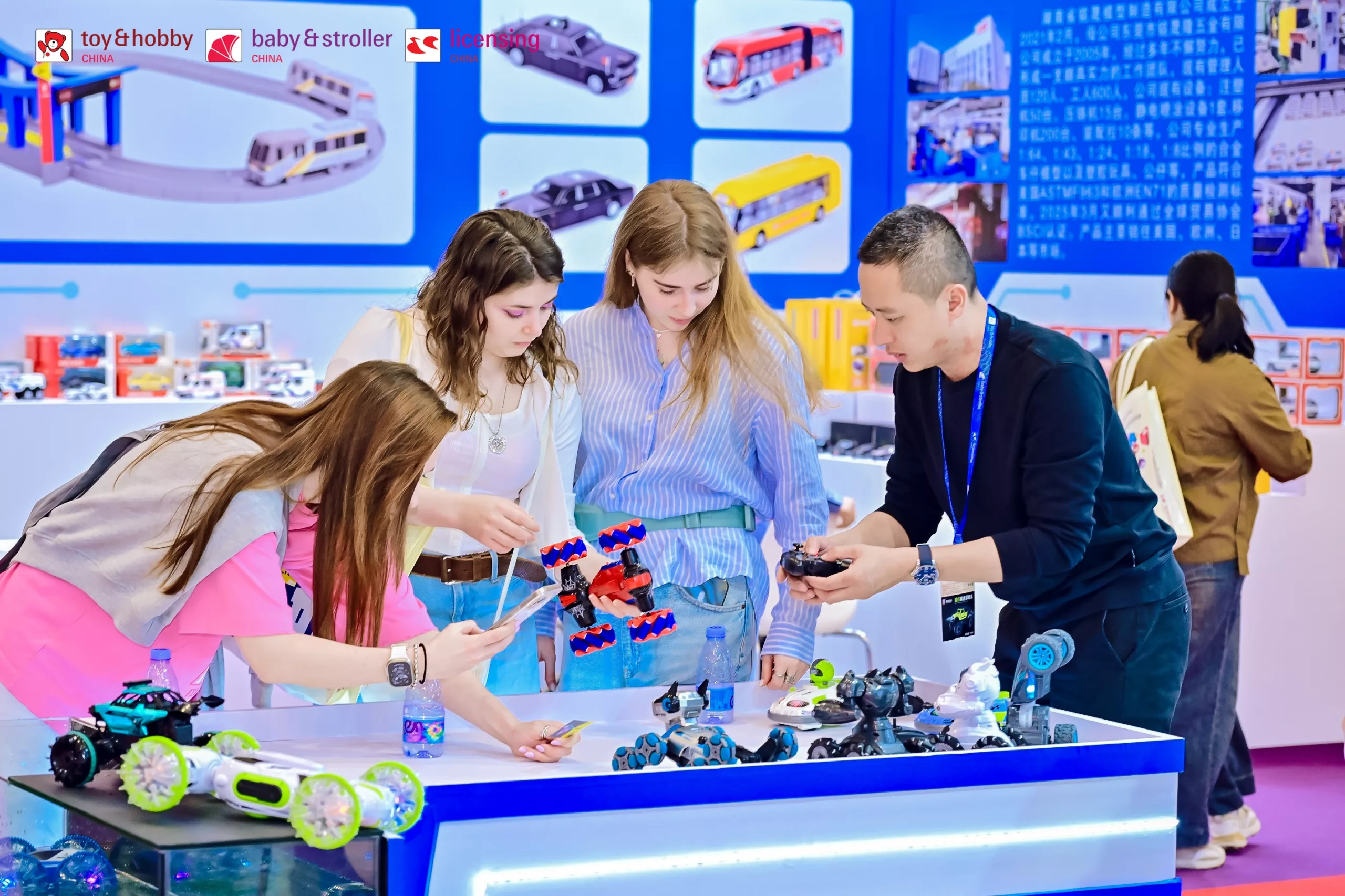

Sourcing safe products requires more than a generic Alibaba search. If you ignore compliance, you risk expensive customs seizures and brand-damaging recalls. To correctly learn how to find a toy manufacturer in China, you must navigate specific industrial clusters like Shantou (Chenghai) for electronics or Yiwu for commodities.
Most buyers underestimate the complexities of quality control and tariffs. We bridge the gap between design and delivery by ensuring every plush or plastic component meets strict ASTM F963 safety specifications.
This guide provides private label brands and FBA sellers with a repeatable sourcing engine. You will gain a strategy to identify genuine factories, a valid testing plan, and the shipment documentation required to clear customs without delays.
How to Find a Toy Manufacturer in China (Step-by-Step)
Sourcing toys involves unique liabilities. A single missing safety test, specifically ASTM F963 for the US or EN 71 for Europe, can result in total cargo seizure.
Learning how to find a toy manufacturer in China requires rigorous vetting rather than simply browsing generic supplier directories. You must target the correct industrial hub, such as Shantou (Chenghai) for high-end electronics and plastics or Yiwu for bulk commodities.
If you prefer a sourcing partner that guarantees safety compliance and handles logistics, review LeelineToys.
For those managing the supply chain directly, this guide outlines a repeatable workflow. We explain how to build a vetted shortlist, calculate true landed costs, and execute a typical 1 to 3 week sampling process. You will gain the tools to verify factory legitimacy, conduct quality control, and place a low-risk first order.
What You Need Before Sourcing?
Estimated Time: 3–5 Hours | Difficulty: Intermediate
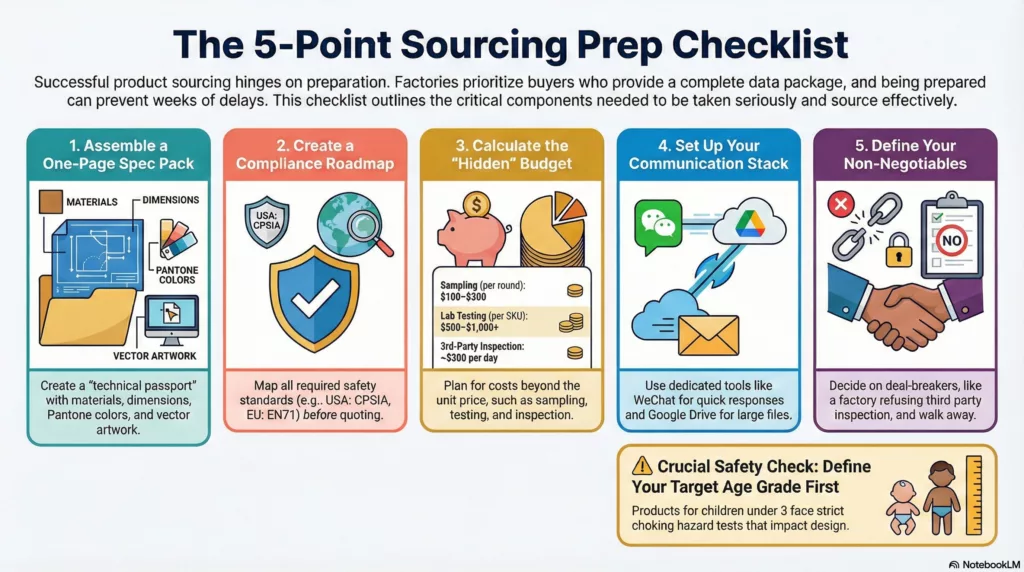
Most sourcing failures occur because buyers lack preparation. Factory sales reps prioritize buyers who submit complete data packages over those with vague ideas. Assemble these five items to prevent weeks of silence.
- One-Page Spec Pack (PDF) Create a "technical passport" for your product:
- Plastic: Specify resin (ABS vs. PP), finish (matte vs. glossy), and tolerances.
- Textiles: Define fabric (crystal velvet vs. long pile) and fill density. When working with a custom plush manufacturer, specify "safety eyes" (washer-backed) versus stitched eyes.
- General: Dimensions, weight targets, Pantone colors, and vector artwork (.AI).
- Compliance Roadmap Map your safety standards before quoting.
- The "Hidden" Budget Do not rely solely on unit cost (FOB). Allocate specific funds for:
- Sampling: $100–$300 per round (expect 2–3 rounds).
- Lab Testing: $500–$1,000+ per SKU/material.
- Inspection: ~$300 per man-day for third-party QC.
- Communication Stack
- WeChat: Mandatory for rapid responses from Chinese reps.
- Google Drive: Use shared links for heavy design files rather than email attachments.
- Dedicated Email: Segregate sourcing threads from your primary inbox.
- Non-Negotiables Define red flags immediately. If a supplier refuses Third-Party Inspection or will not disclose their Factory Location, walk away.
⚠️ Safety First: Always define a target Age Grade (e.g., 0+ vs. 3+) before designing. Products for children under 3 face strict small-parts testing (choking hazards) that will dictate your mold structure and material choices.
Step 1: Match Your Product to the Right Supplier Type
Open your sourcing spreadsheet. Add a column labeled Supplier Type. You must categorize every candidate immediately to prevent mismatching your order volume with their actual capabilities.
Define your candidates using these three categories:
- Direct Factory: Owns machines, molds, and assembly lines.
- Trading Company: Aggregates products from multiple sources; does not manufacture.
- Hybrid Partner: Owns key assembly and QC lines while sourcing components to ensure flexibility and safety compliance.
- Complex Plastics & Electronics: Prioritize a Direct Factory. You require direct access to engineers to manage expensive molds and tooling tolerances.
- Custom Soft Toys: Select a hybrid partner or specialized plush toy manufacturers in China. These partners understand Western compliance (e.g., ASTM/EN71 pull tests) and often accept lower MOQs for custom runs.
- Simple Commodities: Use a Trading Company. This is acceptable for generic items like fidget spinners, where low cost outweighs customization needs.
[Image: Flowchart showing "Product Complexity" vs. "Supplier Type" (e.g., High complexity → Factory; High customization/Compliance → Hybrid)]
Verify the Source
Do not trust Alibaba labels. Validate the facility via WeChat: Can you show me a live video walkthrough of the production line making this specific product right now?
- Pass: The contact walks immediately onto a noisy factory floor.
- Fail: The contact stays in a quiet showroom or offers excuses.
✅ Success Check: You can confidently label each candidate as Factory, Trader, or Partner in your spreadsheet based on video evidence.
⚡ Power Move: Do not automatically dismiss Hybrid Partners. For startups, they are often safer than direct factories because they employ English-speaking project managers who effectively translate your design files for the factory floor manager.
Step 2: Target the Right Industrial Cluster

Chinese manufacturing relies on hyper-specialized "clusters." Sourcing outside these zones increases unit costs because factories must ship sub-components—like motors, molds, or fabrics—from distant cities. To secure direct pricing and faster lead times, you must align your search with the region that owns your product's specific supply chain.
Map Your Product to a Hub
Identify your product category below and target the corresponding city.
- Shantou (Chenghai), Guangdong: The global capital for electronic and plastic toys. If you source RC cars, drones, or ABS figures, you must look here. The ecosystem for injection molds and circuit boards exists within a 10-mile radius.
- Yiwu, Zhejiang: The center for small commodities. Focus here for low-value, high-volume accessories, party favors, or generic wholesale items suitable for market testing.
- Dongguan: The hub for high-end collectibles (vinyl art toys) and silicone products.
- Yunhe: The primary base for wooden toys.
- Yangzhou & Qingdao: Traditional plush centers. Note that navigating these massive textile cities can be complex; partnering with specialized teddy bear manufacturers in China often provides a faster shortcut to verified fabric sub-suppliers.
Execute the Geographic Filter
Refine your lead generation strategy to exclude middlemen.
- Modify Search Queries: Append the hub name to your keywords on Alibaba or Google (e.g., type Chenghai remote control car factory instead of generic terms).
- Target RFQs: Mention the region in your subject lines to signal industry knowledge (e.g., "RFQ: Solar Robot Kit - Shenzhen/Dongguan Standard").
✅ Success Check: You have added a "Hub Location" column to your supplier tracker. Every candidate on your list is located in the correct cluster for their category.
⚠️ Red Flag: If a supplier claims to manufacture complex robotics but lists a Yiwu address (a trading hub) instead of Chenghai (production), they are likely an arbitrageur. Always cross-reference the address on Google Maps.
Step 3: Select Your Primary Sourcing Channel

Avoid defaulting to Alibaba. Select the channel that matches your risk profile, timeline, and budget.
1. Online B2B Platforms (Speed)
Search Alibaba or Global Sources to build a longlist without traveling.
- Best For: Validating product ideas with low MOQs (100–500 units).
- The Trade-off: Verification is difficult. You must rely on video audits and third-party inspections to filter out middlemen.
2. Trade Shows (Trust)
Attend the Canton Fair or Hong Kong Toys & Games Fair.
- Best For: High-volume launches. You can physically handle samples and negotiate prices face-to-face.
- The Trade-off: Requires high upfront investment for flights and accommodation.
3. Local Sourcing Partner (Safety)
Delegate vetting, testing, and logistics to a "boots on the ground" expert.
- Best For: Buyers fearing safety recalls or customs seizures. Partners like LeelineToys function as compliance-first manufacturers, managing ASTM/EN71 testing and DDP shipping to remove legal risks.
Decision Logic
Apply this criterion to your current status:
- Low Budget / Testing MVP: Choose Online B2B.
- High Budget / Enterprise Scale: Choose Trade Shows.
- Strict Compliance / Risk Averse: Choose a Sourcing Partner.
Action: Write down one Primary Channel and one Backup Channel.
✅ Success Check: You can articulate why you chose the channel (e.g., "I chose a partner because I cannot risk a failed safety audit").
⚡ Power Move: Hybridize your approach. Use Online Platforms to find a factory, then hire a Sourcing Partner solely for final audits and quality control before wiring the deposit.
Step 4: Build and Filter Your Candidate Longlist

Target a Longlist of 6–10 candidates. Relying on fewer options destroys your negotiation leverage.
1. Source Candidates
Populate your sourcing spreadsheet using these specific channels:
- Export Platforms: Search Alibaba, Global Sources, and Made-in-China. These offer English interfaces and trade assurance tools.
- Domestic Platforms: Use 1688.com for lower pricing tiers (requires Chinese language support).
- Verification: Cross-reference company names on Google and LinkedIn to confirm they exist outside sourcing portals.
2. Apply Pre-Contact Filters
Discard any supplier failing these visual checks before you send a message:
- Product Focus: Ensure the factory specializes. If sourcing pet products, locate dedicated dog toy manufacturers in China rather than generalists producing "kitchenware and plushies."
- Compliance History: Scan profiles for ASTM F963, EN71, or CPSIA. If a toy factory lacks these specific keywords, it likely lacks certification.
- Facility Proof: Look for video of active sewing lines or injection molding. Avoid listings that feature only polished showroom photos.
3. Demand Proof of Capability
Do not ask, "Can you make this?" Request these three artifacts in your opening message:
- Business License: Verify the registered name and address match their profile.
- Lab Reports: Ask for a recent (redacted) sample report from SGS or Intertek.
- Process Visuals: Request raw photos or videos of their specific production equipment.
Expected Result: You have a shortlist of 6–10 candidates, each with a saved business license and safety certificate.
⚠️ Red Flag: Legitimate factories have these documents ready. If a supplier claims "confidentiality" regarding a business license, delete them from your list immediately.
Step 5: Vet Candidates with a "One-Day" Audit

Most online listings are middlemen, not factories. To avoid weeks of wasted communication, turn your due diligence into a strict, executable checklist. Run this three-point audit on every candidate immediately.
1. The Capability Test
Verify they possess the actual machinery. Send a technical query that a middleman cannot answer without consulting a third party.
- Plush Toys: Ask, "Can you execute 2mm embroidery on crystal velvet? Do you utilize internal metal detection for needle control?" Reliable custom plush manufacturers will confirm stitch densities instantly.
- Plastics: Ask, "Do you handle injection molding in-house? What is your standard tolerance for ABS parts?"
2. The Credibility Check
Factories focused on domestic sales often lack the infrastructure for global compliance.
- Export Volume: Ask, "What percentage of your output ships to the USA or EU?"
- Safety Standards: Verify they routinely test to official ASTM F963 (US) or ISO 8124 (Global) specifications.
- Audit Access: State clearly, "We require third-party inspections (e.g., QIMA, SGS) before final payment."
3. The Communication Signal
Quality suppliers communicate with data, not emotion. Evaluate how they answer.
- Pass: The supplier provides a structured Quote Sheet, a detailed Bill of Materials (BOM), and separated lead times (e.g., "Sample: 7 days, Molding: 25 days").
- Fail: They reply with a generic "Yes, we can do it cheapest."
Verification: The Live Video Walkthrough
Static photos are easily faked. Schedule a WeChat video call during China business hours (typically 9 PM – 5 AM EST).
- Direct the Contact: "Walk to the finished goods warehouse and show me the production signage."
- Verify Identity: Check that the logo on the factory wall matches their email signature.
- Check Activity: Look for active assembly lines and safety protocols, not just a quiet showroom.
✅ Success Check: Score each supplier (A, B, or C). Eliminate the bottom 50%. Aim for 3–5 high-confidence candidates ready for sampling.
⚠️ Warning: If a supplier blocks a video walkthrough or refuses inspection documents, this is a critical failure. (See the Warning Signs checklist below).
Step 6: Integrate Safety Compliance Before Ordering
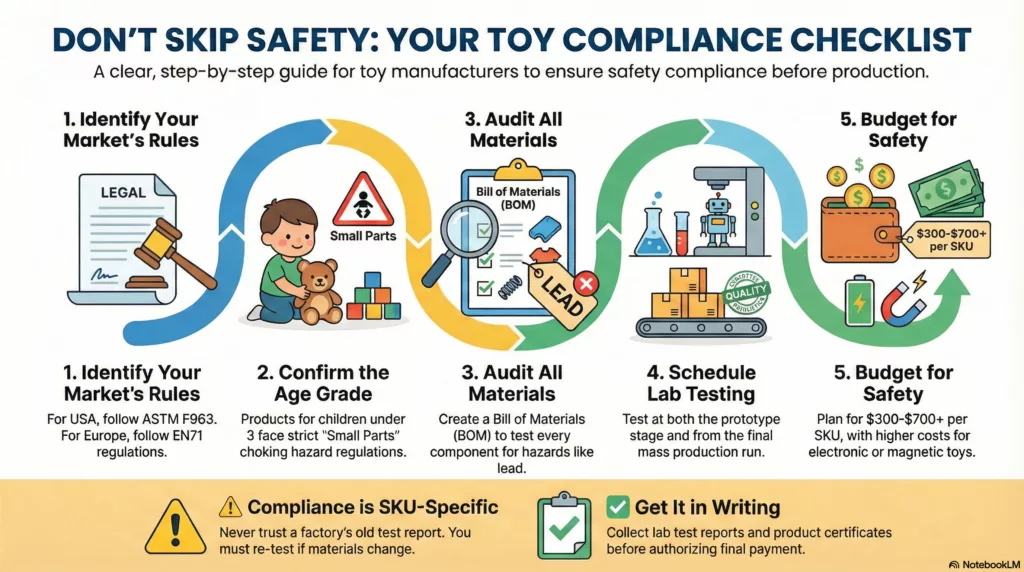
Toys are high-scrutiny products. Missing documentation triggers customs seizures, Amazon listing takedowns, or costly recalls. You must bake compliance into the design phase—not treat it as an afterthought.
First, identify the non-negotiable regulatory framework for your target market:
- USA: ASTM F963 (Standard Consumer Safety Specification for Toy Safety). Consult the CPSC's ASTM F963 guidance for specific mandatories.
- Europe: EN71 (Safety of Toys) under the EU Toy Safety Directive.
Execution: The Compliance Workflow
- Confirm Age Grading: Determine if your product is for 0–36 months or 3+ years. Products for children under 3 face strict "Small Parts" regulations to prevent choking hazards.
- Audit Materials: Create a Bill of Materials (BOM). You must test every distinct component, including fabrics (flammability), coatings (lead/heavy metals), and plastic housings (phthalates).
- Define Testing Schedule:
- Prototype Stage: Test early concepts to ensure the design can pass.
- Production Stage: Mandatory. You must test a unit from the final mass production run to generate a valid Children's Product Certificate (CPC).
- Engage a Lab: Request test plan quotes per SKU from CPSC-accepted labs like SGS, Intertek, or TUV SUD.
Budgeting for Safety
Compliance testing is not free. Budget $300 to $700 per SKU for standard mechanical and chemical panels. Complex items with batteries or magnets will cost significantly more.
If managing lab protocols and technical files feels risky, partners like LeelineToys integrate these compliance checks directly into the manufacturing timeline, ensuring no non-compliant goods leave the factory floor.
✅ Success Check: You should have a written Compliance Checklist for every SKU and a list of required documents (e.g., Lab Test Report, CPC) to collect before authorizing the final payment.
⚠️ Safety First: Never trust a factory's "old" test report for a different product. Compliance is SKU-specific. If you change a material, color, or supplier, you must re-test.
Step 7: Request "Apples-to-Apples" Quotes (RFQs)
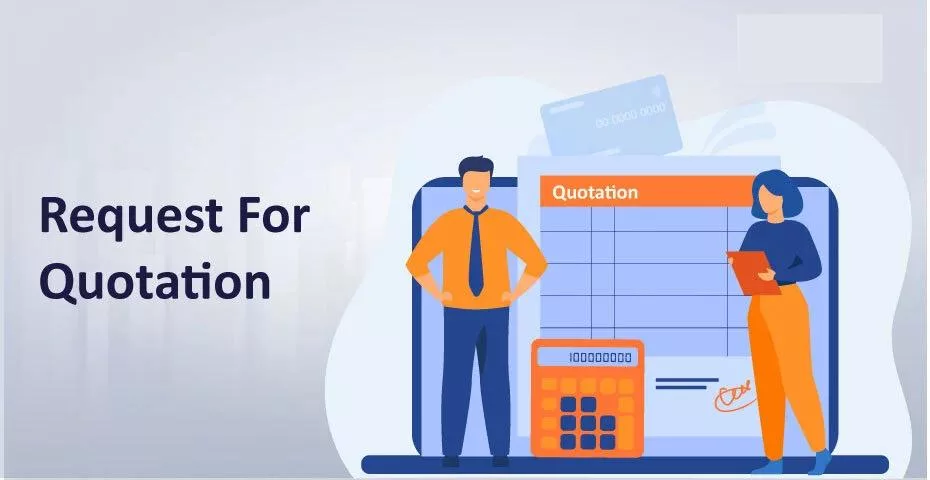
A generic "What is your best price?" email guarantees failure. One factory might quote a bare unit sitting on their loading dock (EXW), while another quotes a packaged unit delivered to the port (FOB). You cannot compare them effectively.
Send a structured Request for Quotation (RFQ) that demands these specific data points from every candidate:
- MOQ Tiers: Request pricing for 100, 500, and 1,000 units. This reveals price breaks and "micro-run" availability.
- Incoterms: Specify FOB (Free on Board) pricing. This ensures the factory covers export documentation and transport to the Chinese port.
- Packaging Specs: Define the packaging immediately (e.g., Full Color Retail Box vs. Polybag).
- Timelines: Ask for both sample lead time and mass production lead time, specifically noting peak season constraints (e.g., Pre-Chinese New Year).
Calculate the "Hidden" Costs
Once quotes arrive, input the data into a comparison matrix. Look beyond the unit price to spot specific traps:
- Mold/Tooling Fees: Is the $3,000 mold fee charged upfront, or amortized into the unit cost?
- Sample Refunds: Will they deduct the sample fee (often $100–$300) from the final bulk order?
- Duty Estimates: Factory quotes rarely include destination import tariffs. Search the Official US HTS Database for your product's classification code, then consult a customs broker to confirm the exact duty rate.
✅ Success Check: You can rank your top 3 suppliers based on Total Landed Cost, ensuring you are comparing identical terms, packaging, and testing assumptions.
🚀 Actionable Insight: Isolate Testing Costs. Ask the factory to line-item the cost of "Lab Testing Assistance." If they claim testing is "free" or "included," they are likely offering a generic, pre-existing report that may not be valid for your specific batch.
Step 8: Establish a Strict Sampling and Approval Loop
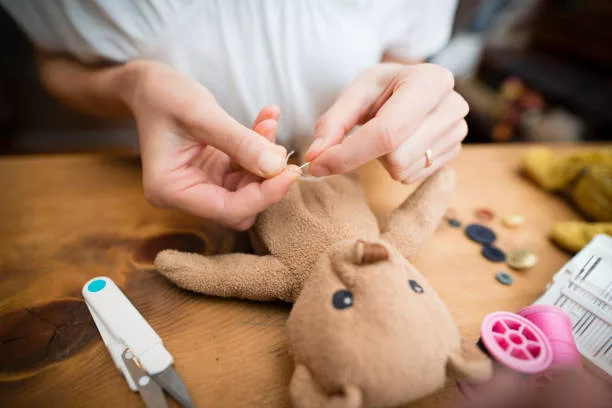
Prevent "quality fade" by establishing a technical approval process before mass production begins. Do not rely on a single visual prototype.
Request Specific Sample Types: Require distinct validations based on your product category:
- Visual Sample: Confirm aesthetics, material texture, and Pantone color accuracy.
- Functional Sample: Test circuit boards, motors, and moving parts for operational consistency.
- Packaging Sample: Verify box durability, barcode scannability, and legal warning placement.
Execute a Pass/Fail Inspection: Scrutinize the sample using a category-specific checklist:
- Plush: Verify seam strength and embroidery alignment with your custom plush manufacturer. Pull washer-backed safety eyes firmly to test attachment security.
- Plastic: Check for chemical odors and sharp edges (burrs). Ensure parts fit tightly without gaps.
- Electronics: Cycle power switches 50+ times. Verify the battery compartment closes securely without excessive force.
Enforce the "Golden Sample" Protocol: The Golden Sample is the sealed standard for production. Never authorize mass production via email alone.
- Approve: Confirm the sample meets all specs and safety standards.
- Sign & Seal: Write the date and your signature on a non-removable tag attached to the sample.
- Duplicate: Keep one signed sample for your records; send the second signed sample to the factory as the binding production reference.
⚠️ Safety First: If a sample fails a safety check (e.g., an eye detaches), demand a technical root cause analysis (e.g., "Change to 12mm washer"). Consult the CPSC Toy Safety Guidance for mandatory compliance limits.
✅ Success Check: You possess a signed Golden Sample and a detailed Revision Log.
Step 9: Lock in Terms with a Bulletproof Contract

Do not wire a deposit based solely on a Proforma Invoice. You must convert your IP concerns into concrete operational controls before production begins.
Establish the Timeline
- Pre-Data Transfer: Sign a Non-Disclosure, Non-Use, Non-Circumvention (NNN) Agreement before sharing CAD files or patterns. Unlike standard NDAs, NNN agreements specifically prevent the factory from using your designs for their own clients.
- Pre-Payment: Execute the Manufacturing Agreement before transferring the 30% tooling deposit.
Draft the Bilingual Checklist: Create a contract in both English and Chinese. Ensure the Chinese version is the controlling language for local enforcement. Include these five mandatory clauses:
- IP & Confidentiality: Explicitly prohibit the factory from sharing 3D files or patterns with sub-suppliers without written consent.
- Mold Ownership: Stipulate that you own the tooling immediately upon payment. Include a "Right to Retrieve" clause that permits you to physically remove the molds if you switch manufacturers.
- Quality Standards: Bind product acceptance to the Golden Sample (from Step 8). Define specific defect tolerances (e.g., "Max 1mm glue gap") rather than using subjective terms like "good quality."
- Inspection Rights: Mandate factory access for third-party auditors. Link pass/fail criteria to the ISO 2859-1 standard for Acceptable Quality Limits (AQL).
- Defect Remedies: Define the consequences of failure. State that if the defect rate exceeds AQL, the manufacturer pays for re-inspection and rework.
Expected Result: You have a countersigned Manufacturing Agreement stamped with the factory's official red chop (seal), stored alongside your Golden Sample photos.
⚠️ Warning: If a supplier refuses to sign IP protections or strikes out third-party inspection rights, stop immediately. This signals an intent to cut corners.
Note: This checklist is for operational guidance. Consult a qualified attorney for legal compliance.
⚡ Power Move: Attach high-resolution photos of your Golden Sample as "Exhibit A" in the digital contract. This makes the physical visual standard legally binding, removing "he said, she said" disputes regarding aesthetics.
Step 10: Execute a 3-Tier Quality Control Plan
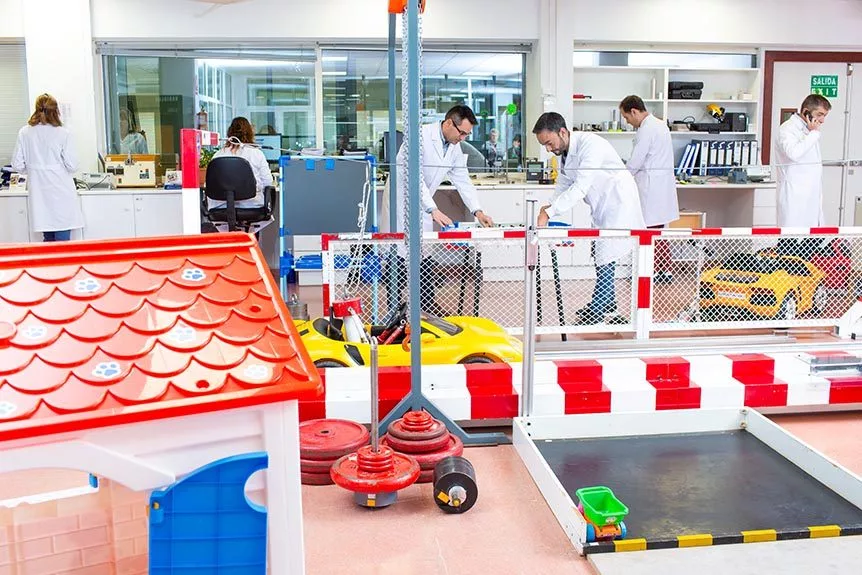
Inspection is your only leverage before releasing the final 70% payment. Once goods leave the factory dock, you own every defect. To prevent unsellable inventory, implement a 3-Tier Inspection Strategy, mirroring the risk-management workflow used by partners like LeelineToys.
1. Define the Inspection Moments
- Raw Material Check: Verify fabric density, plastic resin quality, and non-toxicity before production begins.
- In-Line Inspection (DUPRO): Inspect when 10–20% of inventory is finished. Catch systemic errors (e.g., wrong thread color) while they are still fixable.
- Pre-Shipment Inspection (PSI): The final gate. Execute this when 80–100% of goods are packed.
2. Set Your Standards (AQL) Adopt the Acceptable Quality Limit (AQL) Level II standard (consult ISO 2859-1). Define "Pass/Fail" criteria clearly:
- Critical (0 Allowed): Safety hazards (sharp edges, loose parts). One defect fails the shipment.
- Major (2.5 AQL): Functional failures (broken LEDs, non-rolling wheels).
- Minor (4.0 AQL): Aesthetic flaws (scratches, messy glue).
3. Direct Category-Specific Checks: Instruct your third-party inspector to target these high-risk areas:
- Plush Toys: Run a Tension Test on eyes and buttons to ensure they withstand pulling force. Check seam strength.
- Plastic Toys: Perform a Drop Test (from 1 meter) to verify shatter resistance. Inspect for sharp "burrs" on mold lines.
- Electronics: Verify battery compartment security (screw retention is mandatory under ASTM F963). Test function rates for sound and light.
4. The Documentation Gate: Demand a complete document pack before authorizing shipment:
- Signed Inspection Report (marked "PASS").
- Lab Test Results (CPC/EN71).
- Final Packing List & Commercial Invoice.
⚠️ Safety First: Never release the final payment if the Pre-Shipment Inspection report says "Pending" or "Fail." Force the factory to rework the goods at their expense.
Step 11: Calculate the True "Landed Cost"
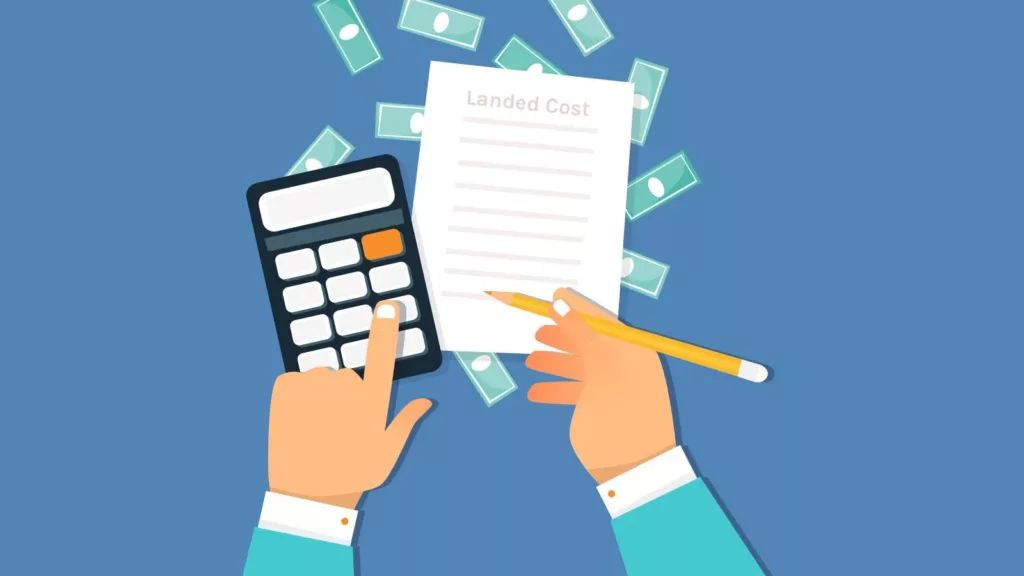
Never treat the factory quote (FOB) as your final price. To ensure profitability, you must calculate the Landed Cost—the total price to get the product to your door—before placing a deposit.
1. Extract Precise Logistics Data
Estimates cause budget overruns. Demand these specific metrics from your supplier:
- HS/HTS Classification: This code determines your tariff rate. A misclassified "Educational Kit" could jump from 0% to 25% duty. Search the official USITC HTS Database and confirm the code with a licensed customs broker.
- Volume Metrics: Ask for Master Carton Dimensions and Gross Weight. Sea freight is often charged by volume (CBM). Calculate CBM by multiplying Length x Width x Height (in meters) of all cartons.
2. Select Your Shipping Term
Choose the Incoterm that matches your risk tolerance:
- FOB (Free on Board): You hire the freight forwarder and customs broker. This offers maximum transparency and control over costs.
- DDP (Delivered Duty Paid): The supplier handles freight, duties, and delivery. This is the "frictionless" option for beginners.
- Resource: LeelineToys provides integrated DDP/Fulfillment services, allowing you to lock in a final price without managing customs paperwork.
3. Factor in Amortization
Don't ignore fixed costs. Divide one-time fees by your order quantity to see the real unit cost:
- Formula: (Mold Fees + Lab Testing + QC Inspections) / Total Units
- Example: $2,000 in fees / 500 units = +$4.00 per unit added to your cost.
✅ Success Check: You have a spreadsheet showing Net Profit under both FOB and DDP scenarios.
🚀 Actionable Insight: If your shipment volume is low (under 2 CBM), Air Express might be cheaper than LCL sea freight once port fees are added. Always compare both modes for small batches.
Troubleshooting Common Sourcing Failures
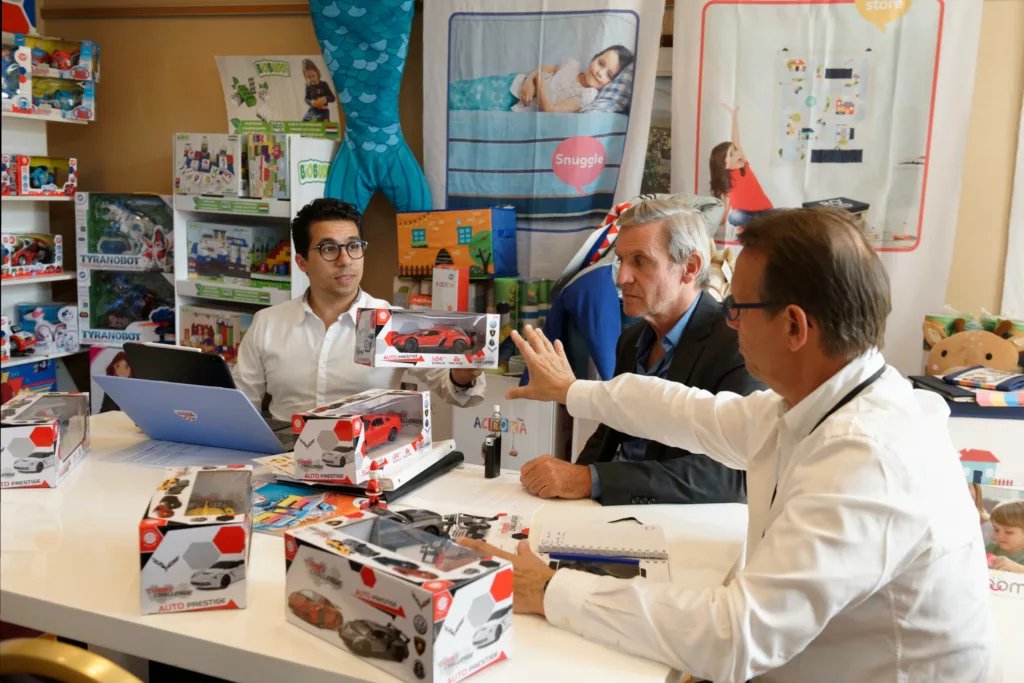
Even with strict vetting, sourcing friction is inevitable. The difference between a minor delay and a capital loss is your reaction speed. Use this diagnostic framework to resolve critical failures immediately.
⚠️ The "Walk Away" Checklist
Stop negotiation immediately if a supplier exhibits these red flags. These are non-negotiable indicators of fraud or negligence:
- Refuses Third-Party Inspection or a live video walkthrough of the factory floor.
- Provides a business license address that differs from their invoice or email signature.
- Cannot produce verifiable ASTM F963 or EN71 test reports from an accredited lab.
- Demands 100% upfront payment or insists on personal bank transfers.
- Claims ISO 9001 certification but refuses to share the certificate number for verification.
1. Sample Looks Great, Bulk Production Fails
Likely Cause: The factory used a master technician for the prototype but assigned unskilled temporary labor for the mass run. The Fix:
- Reference the Golden Sample: Compare the bulk unit against the signed, sealed sample you approved in the development phase.
- Trigger Defect Clauses: Enforce contract terms requiring the factory to rework or reproduce defective units at their own cost.
- Freeze Capital: Warning: Do not wire the final balance until the batch passes inspection.
🛡️ Prevention: Never approve mass production based on photos. Always require a physical "Pre-Production (PP) Sample" made on the actual assembly line.
2. Lab Test Failure (ASTM / EN71)
Likely Cause: A specific component (usually paint, zipper, or button) contains lead or phthalates. The Fix:
- Isolate the Component: Ask the lab to identify exactly which material failed. It is rarely the entire toy.
- Swap and Retest: Instruct the factory to source that specific part from a compliant sub-supplier.
- Re-submit: Send the revised unit back to the lab. Do not ship until you possess a passing report.
3. Supplier Swaps Materials Unannounced
Likely Cause: The factory attempted to increase margins by substituting your specified fabric or resin for a cheaper alternative. The Fix:
- Audit Invoices: Demand incoming material purchase records to verify the origin of the raw stock.
- Establish Control: Implement an "Incoming Material Check" where an inspector validates raw fabric rolls before cutting begins.
4. DDP Quote Increases Post-Shipment
Likely Cause: The freight forwarder misclassified the HTS Code or omitted last-mile delivery fees. The Fix:
- Audit the Quote: Compare the original invoice against the new demand item-by-item.
- Verify Classification: Use a third-party customs broker to confirm the correct duty rate.
- Switch Terms: If they refuse to honor the price, switch to FOB terms and hire your own forwarder to take control at the port.
5. Suspected "Trader Posing as Factory"
Likely Cause: Delays occur because they must relay technical questions to the real manufacturer. The Fix:
- Force a Live Audit: Request an immediate video call. Ask them to walk to the injection molding machine.
- Check the License: Zoom in on the factory license on the wall. If the address does not match their email signature, they are a middleman.
- Pivot: If they add value through service, keep them. If they add cost and confusion, switch to a verified partner.
If you want a partner that accepts third-party inspections and manages compliance/QC, contact LeelineToys.
People Also Ask About How to Find a Toy Manufacturer in China
1. How do I confirm my sourcing process is complete?
You have successfully finished the sourcing phase only when you possess four specific assets: (1) a vetted supplier shortlist, (2) negotiated RFQs with landed costs, (3) physical samples in motion, and (4) a finalized compliance and Quality Control (QC) plan. Without a predefined safety testing strategy, you are not ready to manufacture.
2. What is a realistic 7-day sourcing action plan?
To secure a partner quickly without cutting corners, execute this weekly sprint:Day 1: Finalize your technical spec pack and identify target hubs.Day 2–3: Build a longlist of candidates and send initial outreach.Day 4: Conduct video vetting calls and demand document proof.Day 5–7: Order samples and scope your testing plan.
3. Should I use a sourcing partner for custom projects?
Specialized categories often require hybrid partners to navigate safety protocols. Unlike rigid factories, LeelineToys operates as a compliance-first partner. We offer low-MOQ entry points for custom plush manufacturing and manage the entire safety certification process on your behalf.
Ready to launch? If you want a compliance-managed, low-MOQ path to market, contact LeelineToys today to start your risk-free sourcing journey.