
Most online guides lack real factory experience. I lead a team of 50 engineers at our Shenzhen facility.
We evaluate toy designs based on safety rules and production costs. We follow strict international testing standards to keep children safe. A client recently failed ASTM F963 safety testing because their middleman ignored injection molding risks.
We classify categories by sales potential, compliance load, and manufacturing complexity using raw production data. Expect a direct-manufacturer defect risk table and quality control protocols.
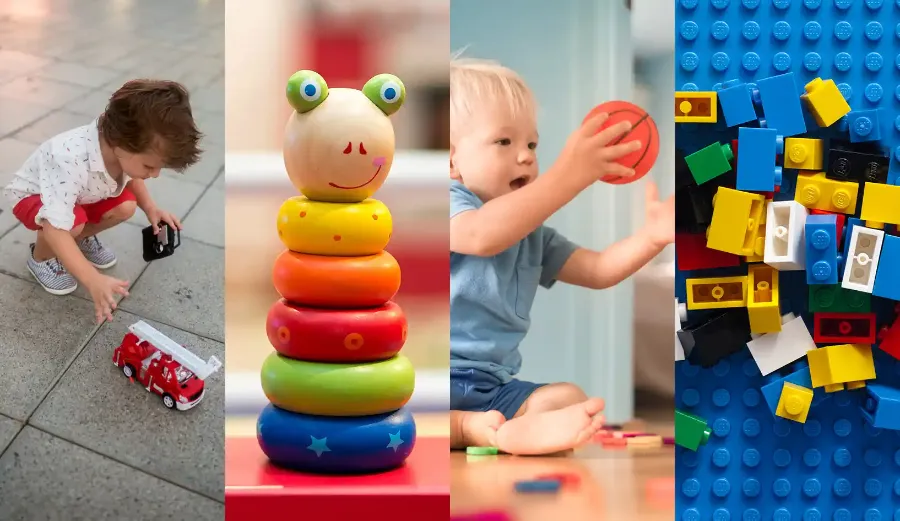
10 Types of Educational Toys
Understand 10 types of educational toys with high ROI and consistent demand. Improve sourcing strategy and grow faster.
1. STEM and Coding Kits
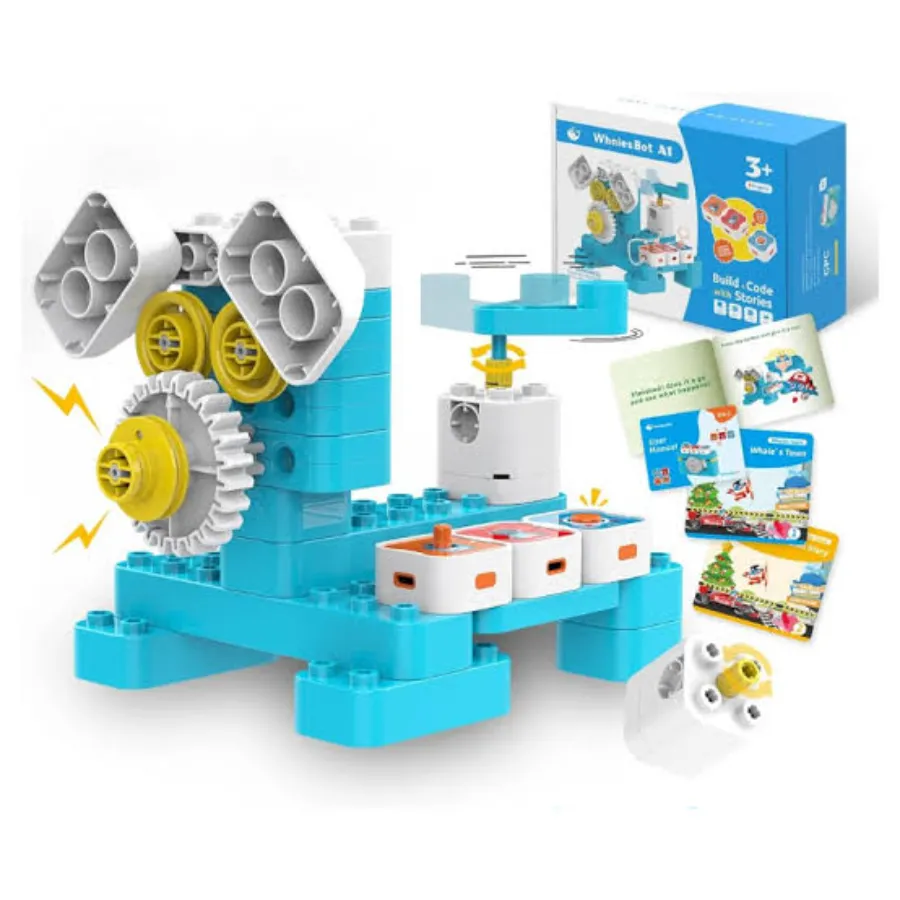
Among all types of Educational Toys, this category commands the highest retail margins. It includes circuit kits, coding toys, robotics, and entry-level electronics. Buyers accept 3,000-unit custom MOQs (or 500 for stock) to access this premium pricing.
Complex toys often fail. Last week, STEM Toy Manufacturing Expert TOM LEE tested a STEM robot for a UK startup.
He ran the motor at full speed. The cheap polystyrene gear snapped in two seconds.
We upgraded the gear to tough ABS plastic. The client passed safety tests and launched on time.
Customs agents look closely at electronic toys. You must test the circuit boards and check the solder joints.
You also need clear user manuals. We prepare your safety documents and FCC files.
We also handle your battery shipping forms. This helps your cargo pass customs without any delays.
Defect Risk Assessment
| Risk | Common Cause |
|---|---|
| Circuitry failure | Substandard PCBs |
| Loose wires | Inconsistent solder |
| Battery-door failure | Weak compartment screws |
| Missing components | Rushed packaging |
🛡️ Our Verdict: Never cut a mold without upfront compliance documentation. As a direct toy ODM/OEM, we rigorously verify these toy safety standards in-house so your shipments clear customs flawlessly.
2. Montessori Wooden Toys
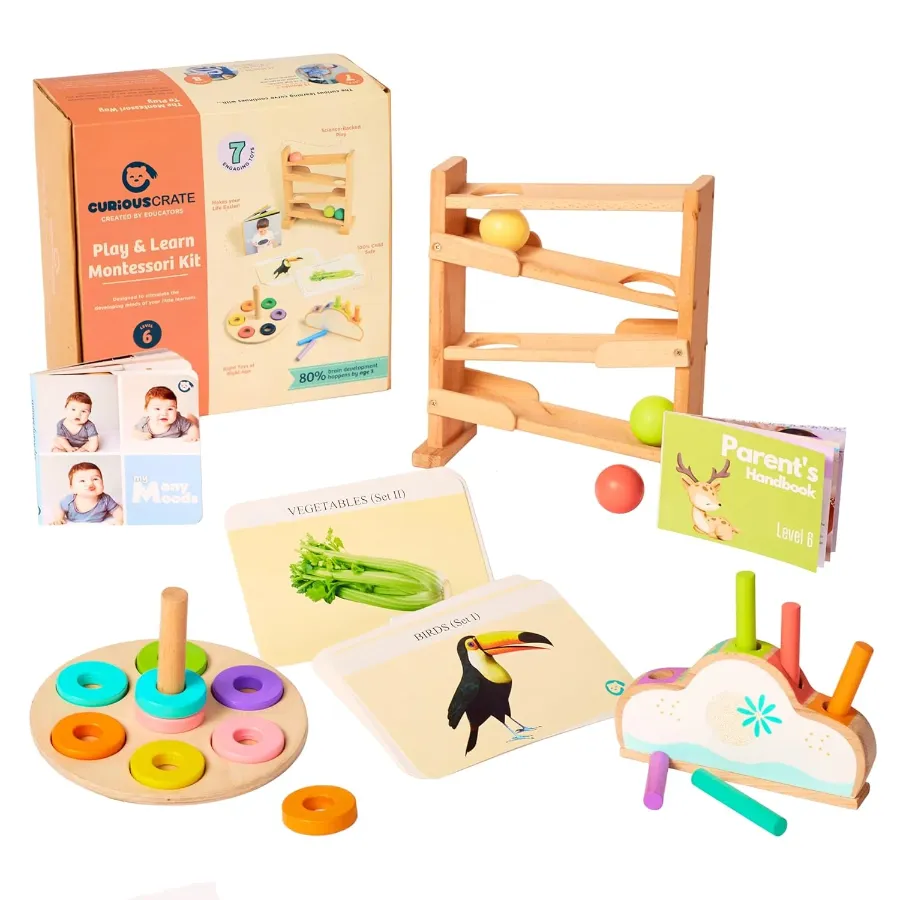
Parents pay premium prices for screen-free stacking toys, shape sorters, counting boards, bead mazes, and open-ended learning tools. These types of educational toys look simple. Yet, hidden moisture issues destroy profit margins.
Wooden toys require strict safety checks. The wood is scanned to ensure low moisture levels.
Glue joints are tested using drop tests. Every edge is sanded to prevent splinters.
Safe water-based paints are applied. Finally, all small parts are checked for size compliance.
Last month, a US seller brought us a warped wooden puzzle. They bought it from a middleman.
Manager Lin measured the wood core. He found a 14 percent moisture level.
The factory skipped the kiln drying step. We rebuilt the puzzle using dry beechwood. The new batch stayed perfectly flat.
Defect Risk Assessment
| Risk | Common Cause |
|---|---|
| Splinters | Rushed sanding |
| Warped wood | Poor moisture control |
| Glue-joint separation | Cheap adhesives |
| Coating failure | Thin paint |
| Fake sustainability | Unverified FSC claims |
🛡️ Our Verdict: Proper toy supply chain management prevents wooden toy failures. Knowing how to find a toy manufacturer using digital moisture meters separates successful brands from costly recalls.
3. Sensory and Fidget Toys
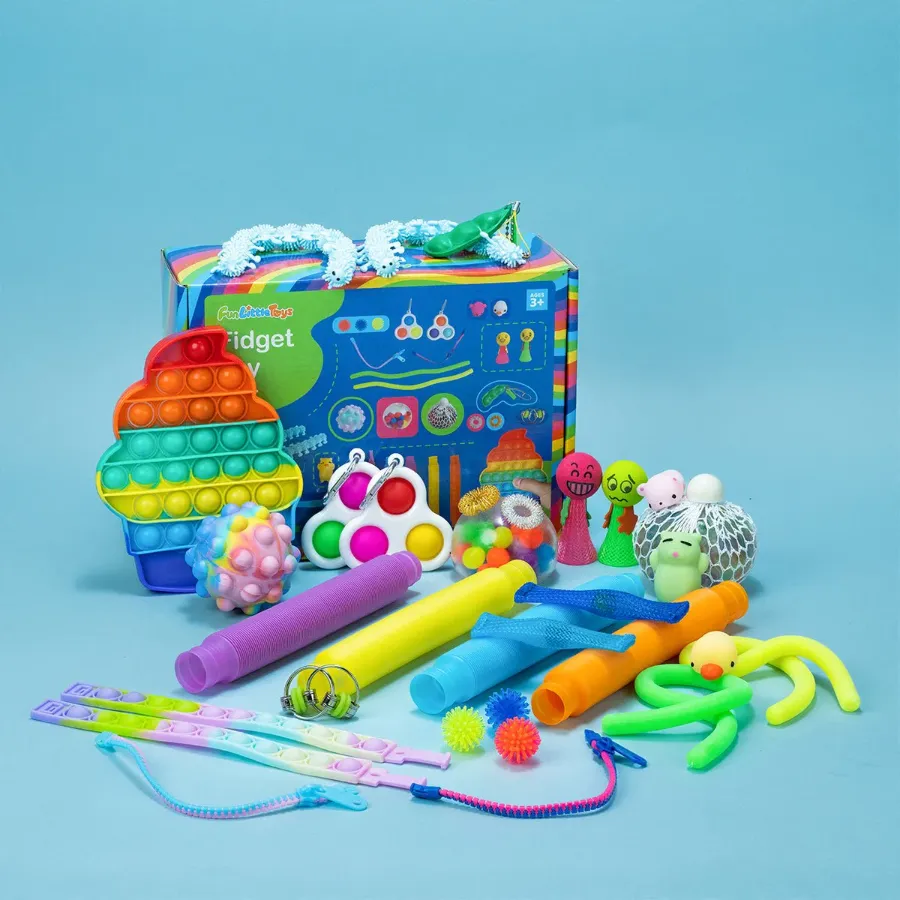
The 2026 demand shift toward durable, neurodivergent-friendly products makes sensory toys a fast-moving category. Retailers and therapy-adjacent brands need silicone poppers, textured squeeze toys, tactile boards, and fine-motor tools.
These types of educational toys seem simple to mold. They are not.
Quality control is deceptively tricky. Last month, I watched a squeeze toy fail our lab's pressure test.
Its TPR seam burst at just 12 pounds of force. Middlemen often quietly downgrade your silicone grade.
This creates chemical odor, surface tackiness, rapid compression-set, and toxic paint rub. Rushed molding guarantees bead leakage.
Defect Risk Assessment
| Risk | Key Trigger | Prevention Check |
|---|---|---|
| Bead leakage | Weak TPR seams | 20 lb tensile test |
| Paint rub | Poor adhesion | 3M tape peel test |
| Chemical odor | Low silicone grade | 200°C bake test |
🛡️ Our Verdict: Never accept sticky finishes. Partner directly with sensory toy manufacturers who document their non-toxic toy materials. Mandate the 200°C bake test to eliminate chemical odors and avoid massive toy sourcing risks.
4. Building and Engineering Sets
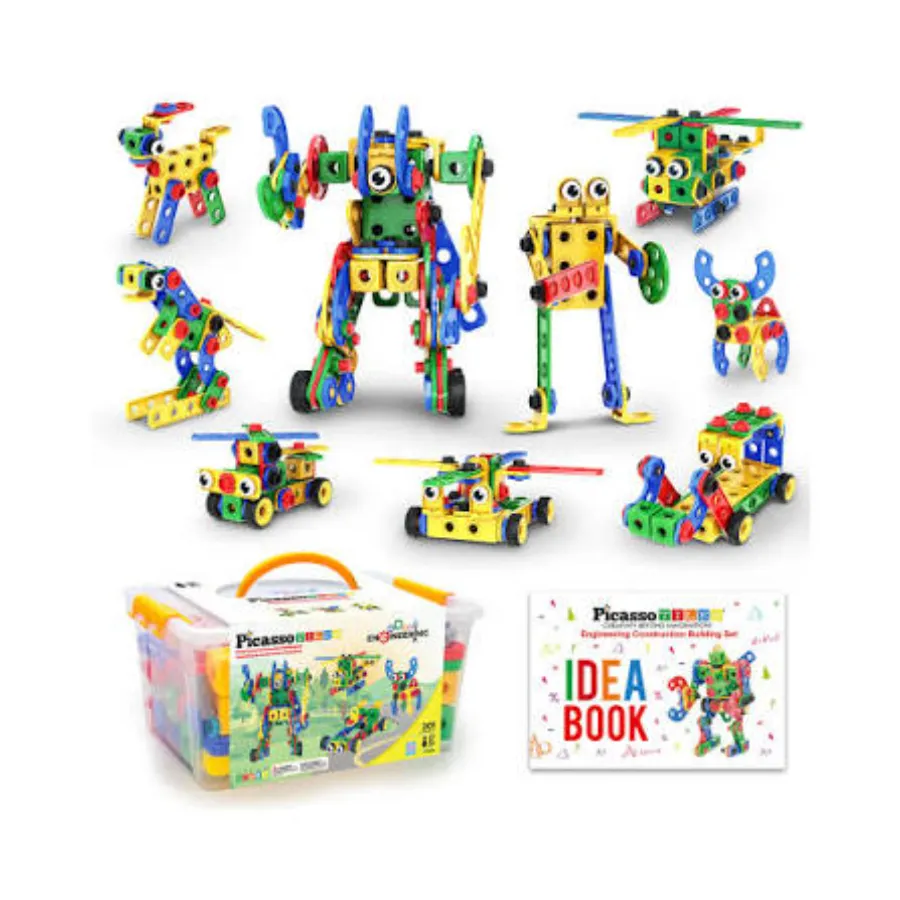
Interlocking construction toys bridge the gap between simple play and advanced STEM. Among the most profitable types of Educational Toys, gear sets and model-based engineering builds teach structural thinking without complex electronics. They drive massive repeat purchases, but only if parts fit perfectly.
Tolerance dictates success. In my experience, a 0.05mm dimensional error ruins an entire run.
Last month, a client brought us a bridge kit with loose connectors. I inspected their steel mold and found the previous supplier ignored plastic shrinkage rates.
We recalibrated the machine pressure and switched to high-flow ABS. This fixed the load-bearing stress points and improved drop resistance. We also installed automated scales to guarantee piece-count accuracy and color consistency across all parts.
Defect Risk Assessment
| Risk | Common Cause |
|---|---|
| Brittle connectors | Recycled plastic |
| Misfit tolerances | Poor mold calibration |
| Part shortages | Manual counting |
| Packaging damage | Flimsy retail boxes |
🛡️ Our Verdict: Automate your part sorting. A direct custom toy manufacturing partner eliminates human error, protects your toy product packaging, and provides a transparent toy cost breakdown.
5. Magnetic Tiles and Learning Sets
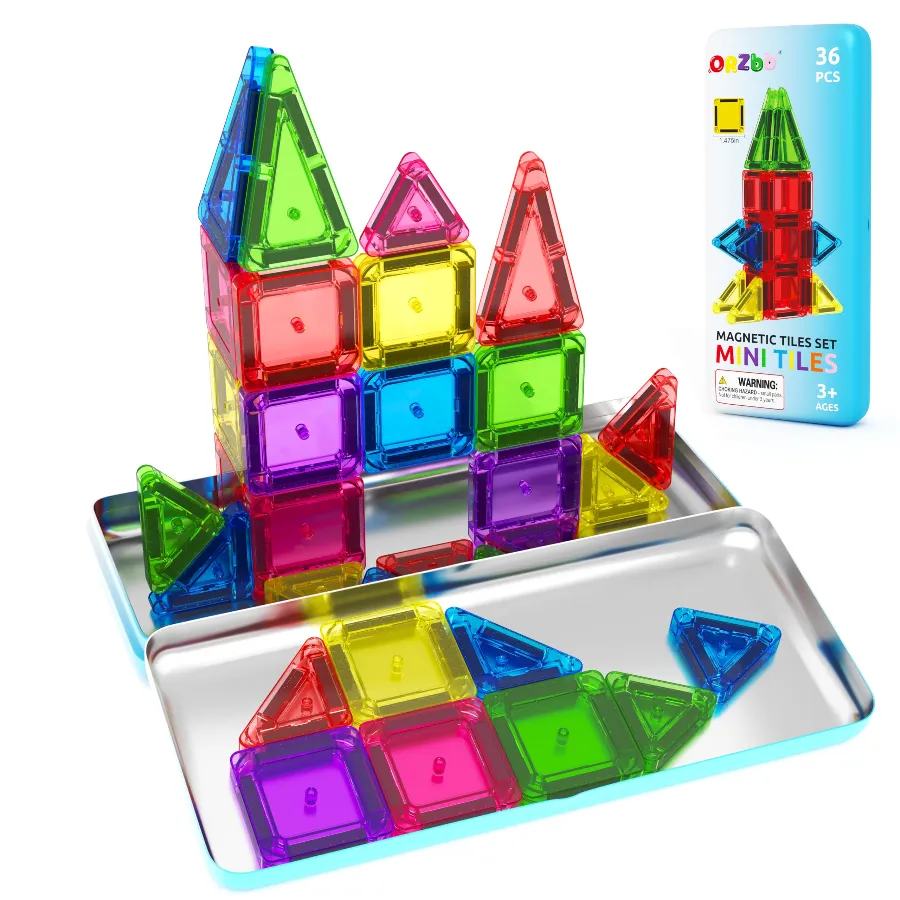
Among all types of educational toys, magnetic sets carry immense liability. One loose magnet can ruin your business.
Magnetic tiles, letters, pattern boards, and STEM sets drive massive online conversion. But you must prioritize safety engineering.
During a recent toy quality control audit, I dropped a competitor's tile onto our concrete floor. The weak sonic weld snapped instantly and released three magnets.
High-powered magnets cause severe internal injuries. This triggers strict Consumer Product Safety Commission (CPSC) ingestion warnings.
I called Manager Wang. "This shell is only 1.2mm thick," he noted. We increased our ABS shell thickness to 1.8mm and doubled the ultrasonic weld time. We run repeated drop abuse and small-parts testing to guarantee complete magnet retention.
Defect Risk Assessment
| Risk | Common Cause |
|---|---|
| Loose magnets | Weak sonic welds |
| Cracked housings | Thin ABS shells |
| Sharp edges | Poor mold finishing |
| Weak connection | Low flux ratings |
🛡️ Our Verdict: Mitigate toy sourcing risks by demanding brutal drop tests. This ensures your magnets stay locked inside and pass global toy safety standards.
6. Math and Counting Manipulatives
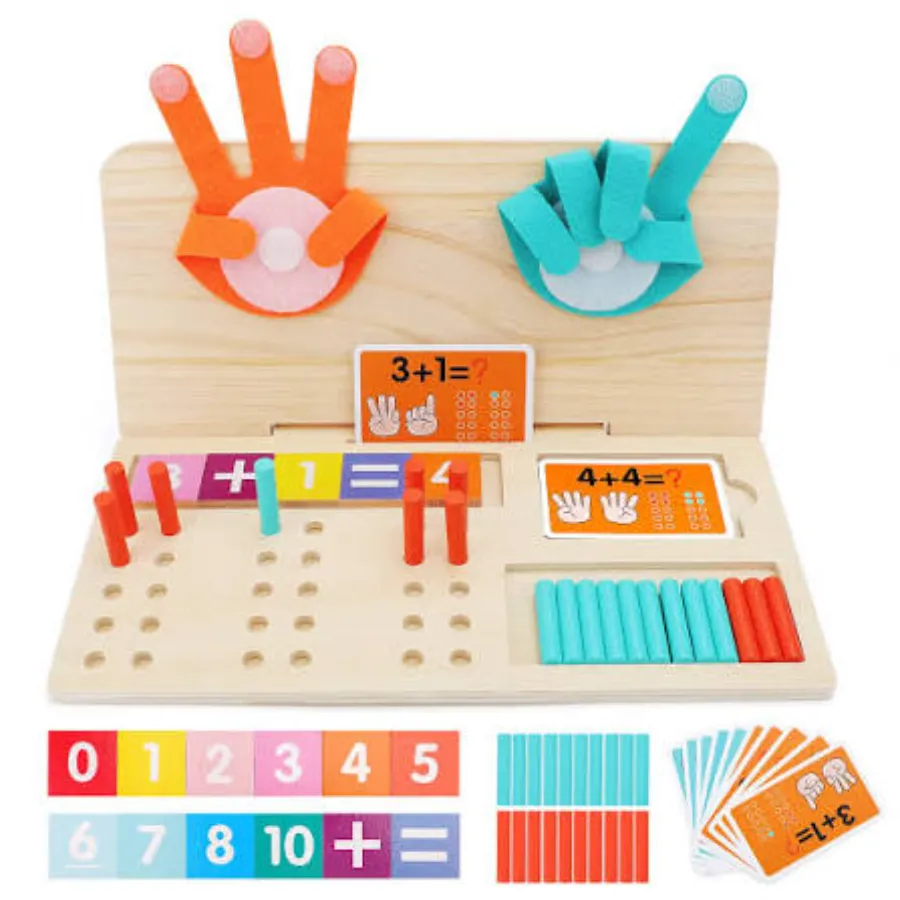
Among all types of educational toys, low-tech counting tools trigger the highest rejection rates. Abacuses, counting rods, number pegs, bead sets, and fraction circles look simple, but these classroom-friendly manipulatives demand absolute precision.
During a recent QA inspection, a client's wooden abacus failed. On the floor, Manager Chen demonstrated the issue. "The bead-hole tolerance is too tight," he explained. "Friction causes paint transfer." We widened the hole diameter by exactly 0.2mm and polished the rods, eliminating the defect.
Your buyer checklist must require dimensional accuracy, rod smoothness, colorfastness, safe edge finishing, and strict pack-count control.
Defect Risk Assessment
| Risk | Common Cause |
|---|---|
| Bead detachment | Loose end caps |
| Paint transfer | Tight bead-hole tolerance |
| Rod breakage | Weak wood selection |
| Mismatched counts | Manual sorting |
🛡️ Our Verdict: Never rely on human hands to pack counting sets. Use automated weigh scales during toy quality control to guarantee exact component counts across all MOQ toy orders. Ensure your non-toxic toy materials resist friction.
7. Puzzles and Logic Toys
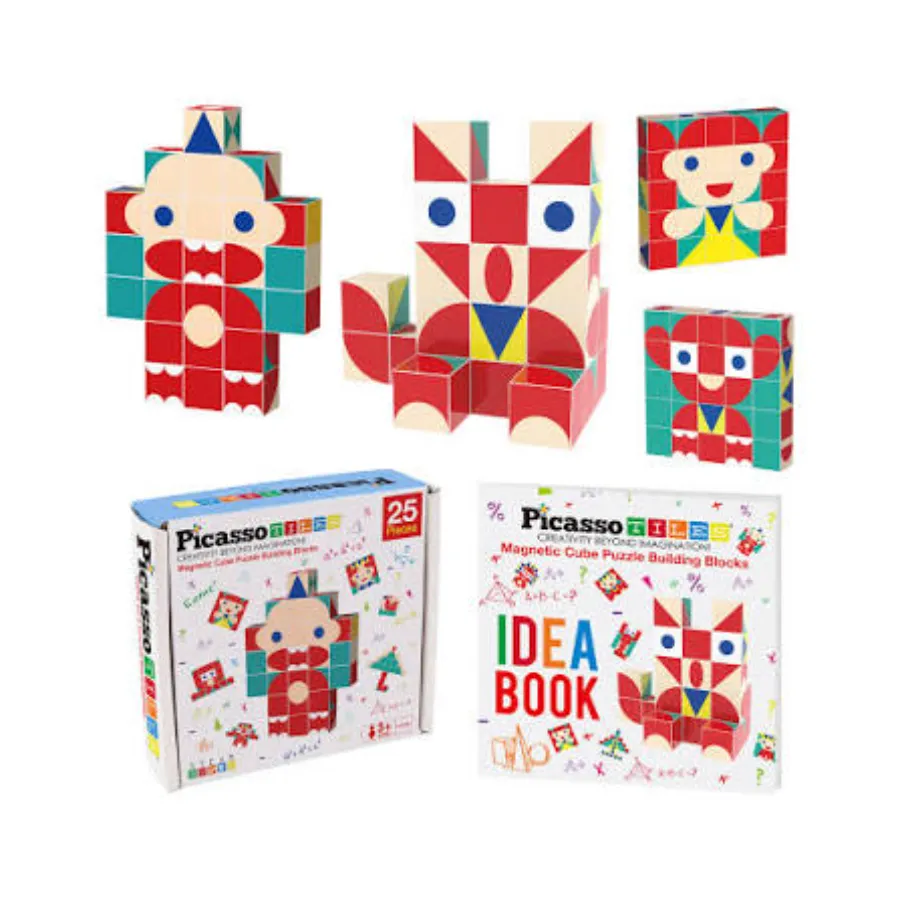
Puzzles and logic problem toys rank as dependable types of educational toys. Yet, a blunt die-cut blade easily ruins your profit margins. We manufacture peg puzzles, jigsaws, shape-matching boards, and sequencing puzzles across wood, chipboard, and mixed-material builds.
Last month, a client brought us a chipboard jigsaw sourced from an agent. I rubbed the edge, and the image immediately flaked off.
Weak lamination caused this failure. We fixed it using a high-pressure hydraulic press and a UV-cured surface finish.
On our floor, we calibrate die-cut accuracy daily. We strictly monitor print alignment and require heavy carton protection during transit.
Defect Risk Assessment
| Risk | Common Cause |
|---|---|
| Delamination | Weak lamination glue |
| Rough edges | Blunt die-cut blades |
| Poor fit | Incorrect tolerances |
| Print scuffing | Cheap surface finish |
| Missing pieces | Manual packing errors |
🛡️ Our Verdict: Missing pieces kill brands. We use automated optical sensors to guarantee exact counts before sealing your toy product packaging. Demand sturdy types of toy packaging to protect corners and stabilize your toy cost breakdown.
8. Science Experiment Kits
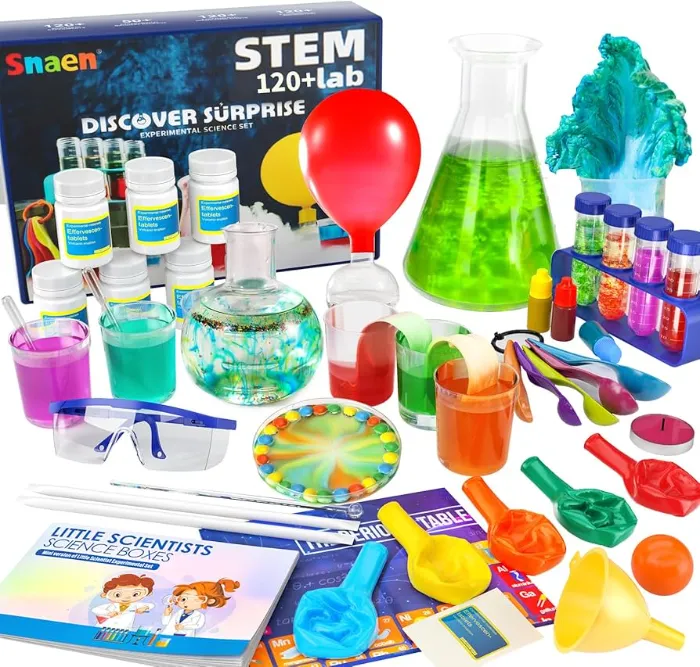
Gift buyers love high-AOV science bundles for older kids. Among all types of educational toys, chemistry-lite kits, physics demos, mechanical builds, and multi-activity boxes drive strong revenue. But hidden compliance paperwork destroys unprepared sellers.
You need exact material declarations, precise labeling, and strict age grading. Last quarter, a client brought us a rejected crystal-growing set. Their sourcing agent secretly substituted a cheaper reaction powder that leaked in transit.
On our factory floor, Manager Lin audited the kit. "The cheap polybag melted under chemical heat," he noted. We moved the active chemicals into 0.5mm blister packs to guarantee safe component segregation. We also fixed a dangerous translation mismatch in the manual.
Defect Risk Assessment
| Risk | Common Cause |
|---|---|
| Chemical leakage | Weak consumable containment |
| Mislabeled boxes | Rushed factory labeling |
| Material substitution | Middleman cost-cutting |
| Instruction errors | Poor manual translation |
🛡️ Our Verdict: You cannot fake chemical compliance. Direct factory access eliminates middleman substitutions. Learn how to choose a toy manufacturer and meet toy safety standards when you import toys from China.
9. Social-Emotional Learning Games
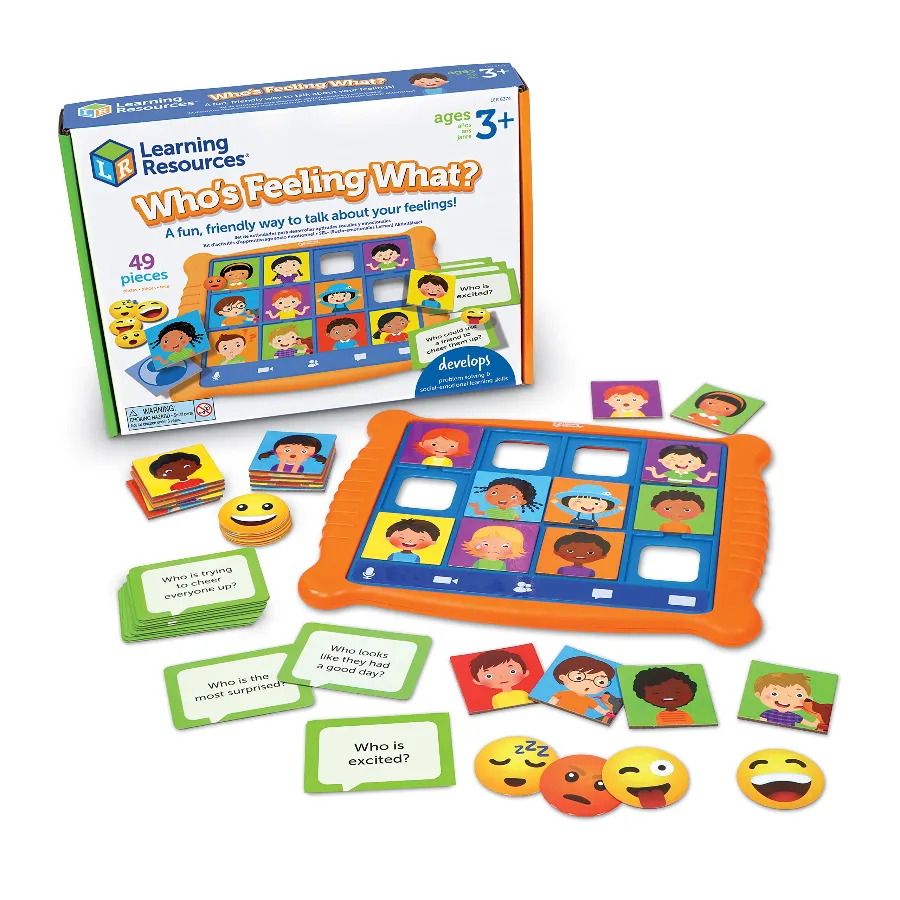
Unlike complex molds, social-emotional learning games rely on curriculum and packaging discipline. Among all types of educational toys, this category offers the easiest tooling. We manufacture the complete lineup: emotion cards, conversation games, routine boards, empathy games, cooperative play sets, and classroom SEL products.
Success demands flawless execution basics. Last month, a client brought us warped cards from a broker. On the factory floor, Manager Wang inspected the edges. "They used cheap 250gsm paper without an aqueous coating," he noted.
We upgraded the run to 350gsm grey-core stock with an anti-scratch matte finish. This instantly fixed the coating rub resistance. You must also demand exact print accuracy, smooth rounded corners, accurate language localization, and automated component collation.
Defect Risk Assessment
| Risk | Common Cause |
|---|---|
| Corner damage | Blunt die-cutting tools |
| Print mismatch | Poor file localization |
| Card warping | Cheap uncoated stock |
| Missing pieces | Manual collation |
🛡️ Our Verdict: Prevent print errors from ruining great content. Connect your toy branding strategy directly to premium toy product packaging. This execution is how to start a toy brand without getting burned.
10. Electronic Language-Learning Devices
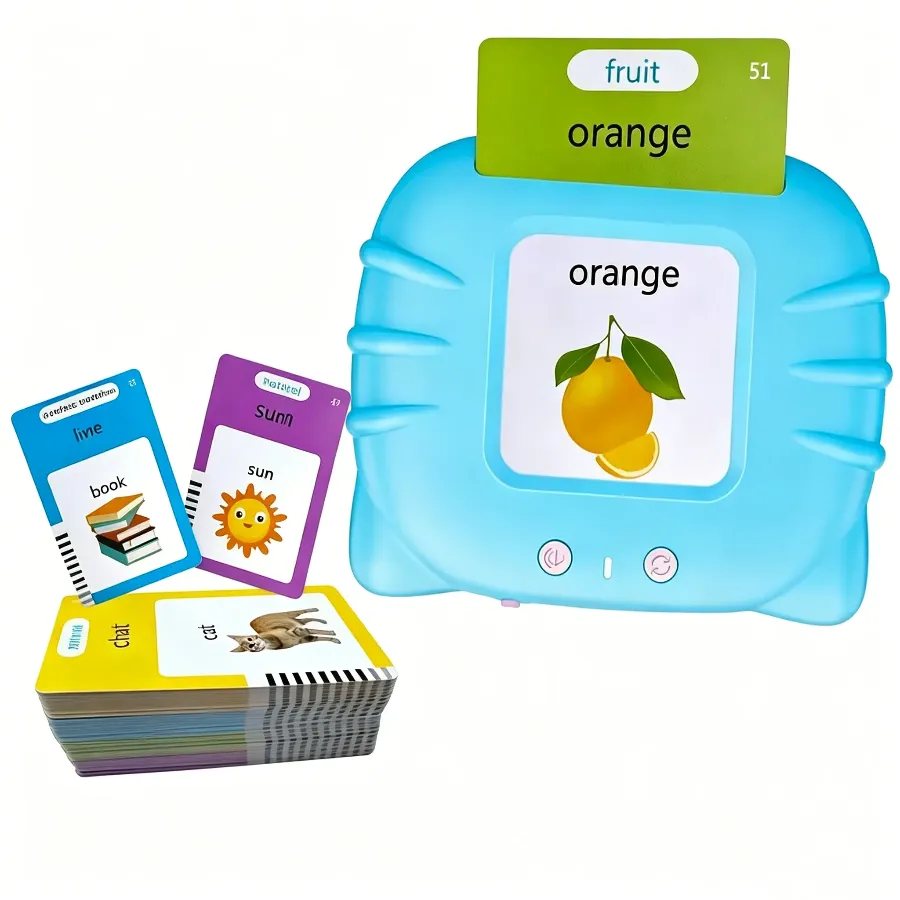
Literacy brands often avoid these types of Educational Toys. But unlike open-ended STEM kits, language devices like talking pens and alphabet tablets rely on simple audio output.
Poor sourcing ruins that audio. Last week, a client brought us a crackling flashcard reader. On our assembly line, Manager Liu checked the internals. "They used a cheap 0.5-watt paper speaker," he noted. "It distorts high frequencies."
We upgraded the device to a 1-watt Mylar speaker. We also found a firmware error playing Spanish audio for English text. We fixed this with strict version control and upgraded the housing durability to survive drops.
Defect Risk Assessment
| Risk | Common Cause |
|---|---|
| Speaker failure | Cheap paper cone speakers |
| Unresponsive buttons | Weak membrane switches |
| Dead pixels | Low-grade LCD panels |
| Battery-door issues | Missing safety screws |
| Content misloads | Rushed firmware flashing |
🛡️ Our Verdict: Never leave firmware to a middleman. Partner with a direct educational toys manufacturer to lock down content localization. A reliable toy ODM/OEM guarantees clear audio, battery safety, and strict custom toy manufacturing standards.
How to Build a Safe Toy Sourcing Framework?
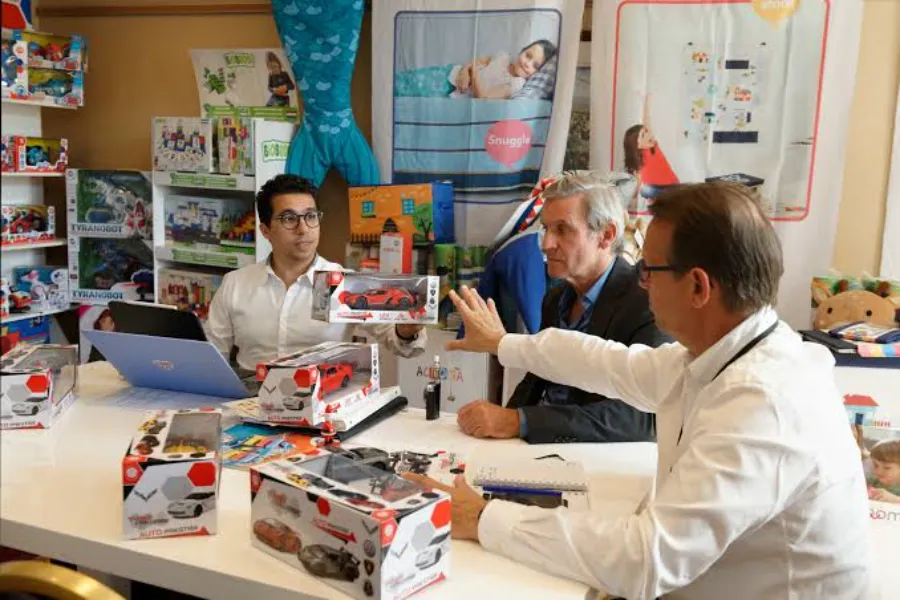
Step 1: Review Our Factory Floor Methodology
We vetted the most profitable types of Educational Toys using hard numbers. I ranked ten core categories by inquiry volume, sample approval rate, conversion ratio, compliance burden, tooling cost, and defect exposure.
My team spent three weeks analyzing 40 hours of assembly line footage. We purchase all our testing equipment. Use this raw, transparent data directly from the LeelineToys factory floor to make better purchasing decisions.
Step 2: Analyze Q1/Q2 2026 Conversion Data
Analyze our anonymized Q1/Q2 2026 B2B dashboard numbers. Pick categories that survive the rigorous sampling phase.
| Toy Type | Inquiry Count | Sample Requests | Approved Samples | POs Won | Conversion Ratio |
|---|---|---|---|---|---|
| Magnetic STEM Tiles | 1,200 | 450 | 380 | 310 | 68% |
| Montessori Wooden Toys | 950 | 320 | 280 | 260 | 81% |
| Electronic Audio Pens | 800 | 200 | 80 | 50 | 25% |
Montessori Wooden Toys converted the highest. Amazon sellers prefer them because simple wooden products require no electronic lab testing.
You skip complex FCC Part 15 compliance completely. This speeds up market entry and lowers initial lab fees. Lock in higher profit margins and avoid long customs delays.
Step 3: Audit Your Materials Before Production
Audit your materials before production. Do not trust cheap finishes.
Run physical stress tests to ensure compliance. Last month, a client brought us a Montessori counting board sample from an unknown broker.
During our chemical audit, I smelled a sharp, toxic odor. Floor Manager Lin scraped the board with a steel tool. He pointed out the issue: "They used a low-cost solvent-based coating.
It off-gasses dangerous volatile organic compounds." This finish fails safety expectations instantly. We rejected the sample.
I switched the client to a water-based, UV-cured acrylic coating. This material change added four days to our factory drying process. However, it dropped the compliance failure risk to zero and created a premium texture.
Step 4: Finalize Your Production Plan
Finalize your production plan. Stop gambling on unverified agents.
Partner with a reliable educational toy manufacturer to protect your brand from costly recalls. Proper toy supply chain management eliminates hidden broker fees.
Follow these exact actions to secure your inventory:
- Require documentation for all toy safety standards before you pay a tooling deposit.
- Demand direct factory floor communication for your custom toy manufacturing projects.
- Read our official toy sourcing guide to plan your seasonal logistics.
- Automate your toy quality control using digital weigh scales.
Contact LeelineToys today. We will review your 3D designs, quote your tooling costs, and safely start your next mass production run.
People Also Ask About Manufacturing Educational Toys
1. Which educational toy type is safest for a first private-label launch?
In my experience, puzzles and social-emotional learning card games are your safest starting points. They skip complex electronic lab testing.
You trade the high profit margins of robotics for absolute compliance simplicity. A simple puzzle avoids the liability of swallowed magnets. Conversely, high-risk categories like electronics and magnets demand strict oversight.Last quarter, a client tried to launch a magnetic building set without testing.
They failed safety checks because the 1.2mm plastic housing cracked under a 10-pound drop test. Start with simple chipboard categories. Then, tackle the engineering complexities of STEM kits.
2. What safety documents do I need in 2026?
You need precise paperwork to clear customs without delays. For the US market, you must hold a Children's Product Certificate backed by ASTM F963-23 lab testing.
Our lab tests verify heavy metal limits down to 90 parts per million. European buyers need EN71 reports. In our facility, Manager Chen manages this process.
He notes that electronic toys require FCC Part 15 and UN38.3 battery transit documents. Wooden products require FSC certificates. Customs officials will seize your cargo if you lack these files.
3. What MOQ should I expect for educational toys?
Stock toys require an order of 500 units. Custom molds need at least 3,000 units. It takes 30 days to set up the machines. I tell new brands to start small.
You should always buy one physical sample first. Next, order a small test batch to check the market.Next, run a 500-unit pilot batch. We prefer to build long-term manufacturing relationships through smart scaling. Do not chase a cheaper unit price by placing massive MOQ toy orders upfront.Last year, a new brand ordered 10,000 units through a broker.
A hidden mold defect ruined the whole batch. The brand lost fifty thousand dollars. We invite you to visit our factory. You can talk directly to our engineers. We offer full transparency for every production run.
4. How do I verify a manufacturer before I cut a mold?
Never send your designs without a live video call to the factory floor. You need to see the actual injection molding machines running in the background.
Always ask factories for their latest BSCI audit reports. You should also demand material safety certificates from SGS or Intertek.
We welcome independent inspectors like QIMA to check our work. These global testing partners prove our claims. They ensure your toys meet all legal rules.Live video tours help you choose a reliable toy manufacturer and avoid costly sourcing mistakes.
Are you ready to import toys from China? Contact our team today to start your custom production run.