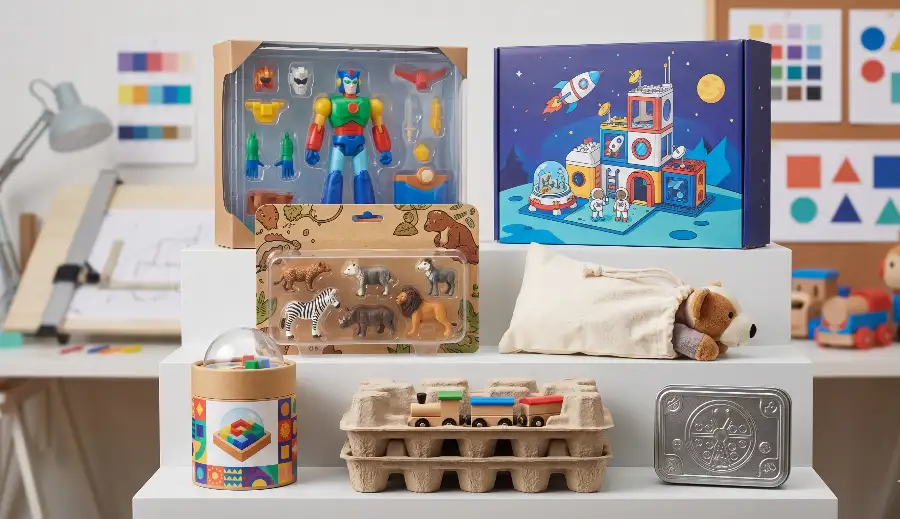

Packaging design is a cost-control exercise. You must choose between the high tooling costs of plastic molds and the lower setup fees of cardboard.
We analyze your total unit weight to see if folding cartons save you more in shipping than they lose in damages. Great design only matters if the shipping math works
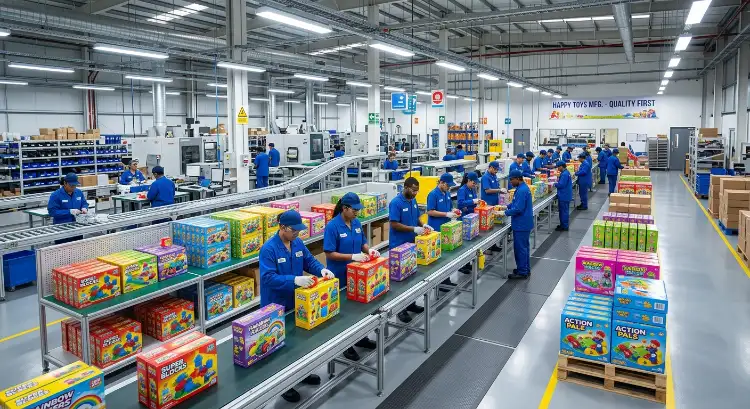
On our assembly lines, we see firsthand what works. A box must sell on the shelf, survive trans-Pacific shipping, and leave exact space for mandatory CPSIA safety warnings.
I saw a batch of 5,000 action figures arrive in Chicago last month. Half the 0.3mm PVC blister packs had shattered into sharp shards.
Our warehouse team spent three days repacking them. Now, I tell every client: never go below 0.5mm if you ship via ocean freight.
I won't just list Types of Toy Packaging. I'll tell you which ones actually survive a pallet tip-over. To save your margins, we need to balance clear display, real-world crush strength, and passing those strict customs checks.
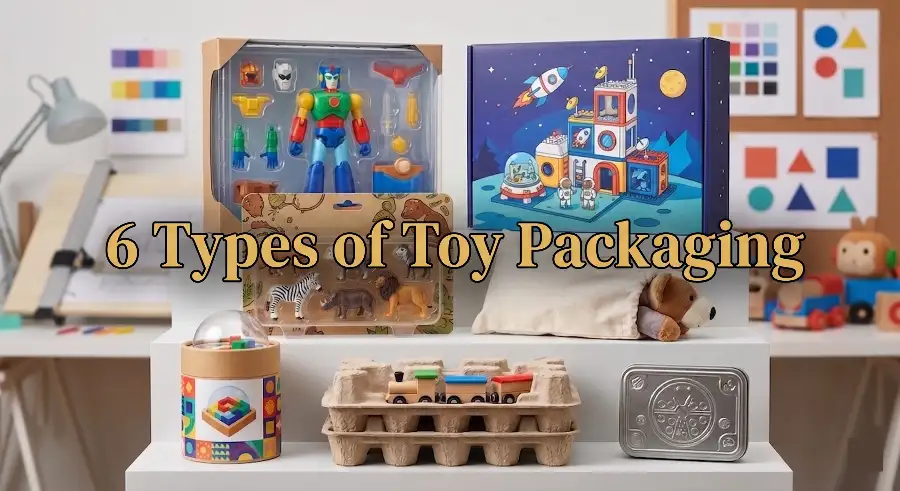
6 Toy Packaging Types: A Factory-Minded Buyer's Guide
1. Blister Packs for Action Figures and Small Accessories
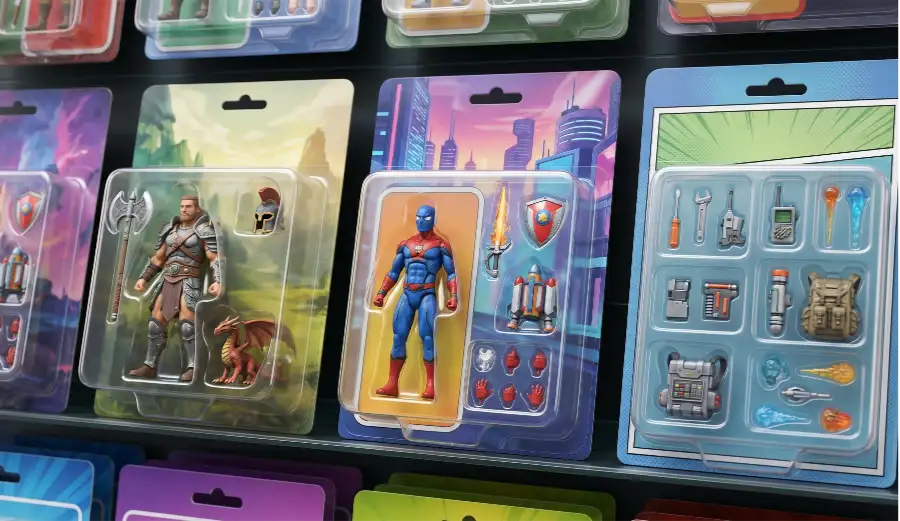
A blister pack seals a custom-molded plastic shell to a printed cardboard backer. This structure dominates these types of Toy Packaging because it hangs perfectly on retail peg hooks. It keeps small toys visible at eye level near the checkout register.
This format delivers maximum product visibility and high tamper resistance. Buyers must destroy the package to extract the toy.
The main drawback is sustainability. Mixing fused plastic and cardboard complicates recycling for consumers.
You must also account for upfront tooling. Every unique figure shape requires a custom mold.
During a recent production run, a client requested thin 0.25mm PVC to offset a $300 tooling fee. On the factory floor, Manager Chan ran our standard ASTM D5276 drop test.
He pointed out: "This thin shell cracks on impact and exposes the toy." We switched the material to 0.4mm RPET. This change added two cents per unit but dropped our transit defect rate to 0%.
🛡️ Our Verdict: Choose blister packs for mass retail runs exceeding 5,000 units. If your order volume is lower, switch to a standard window box or clamshell. This move helps you avoid expensive custom mold costs.
2. Window Box Packaging for Dolls, Plush, and Collectibles
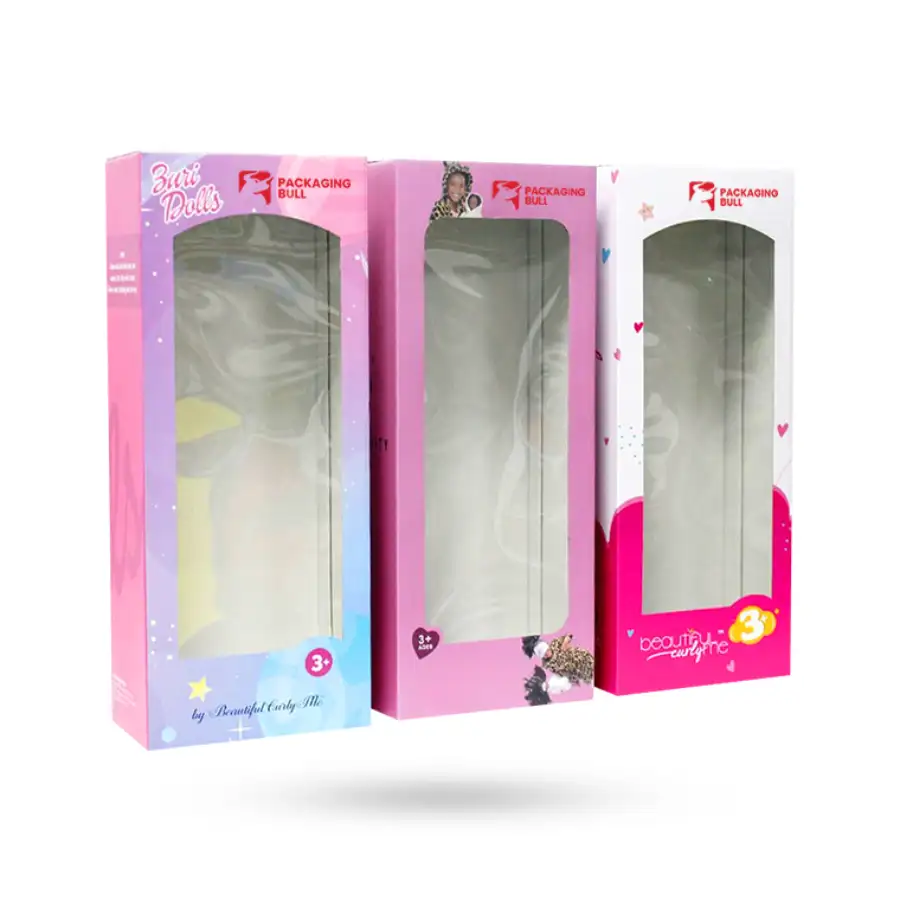
Among different types of toy packaging, window boxes hit the perfect sweet spot. Buyers see the toy clearly, but the package stacks and protects like a rigid box.
Unlike blister packs, you retain massive print real estate. You keep five full sides for artwork, logos, and mandatory safety warnings. This solves the problem of showcasing a toy attractively while maintaining a premium shelf look.
Window boxes hide two manufacturing traps: high freight volume and clear-window scuffs. During a recent 12-inch vinyl doll production run, I noticed standard 0.2mm PVC windows arrived with micro-scratches from transit friction. I immediately upgraded our line to a 0.35mm anti-scratch PET.
You also must prevent the toy from shifting. On the factory floor, Manager Lin showed me how standard plastic ties warp the outer packaging. We now use custom die-cut cardboard toy inserts to keep plush toys and figurines perfectly centered.
🛡️ Our Verdict: Window boxes offer a premium display, but you pay to ship empty air. To reduce freight costs, keep your box dimensions tight against the internal cardboard tray. Always request anti-scratch PET film.
3. Clamshell Packaging for Premium, Electronic, or Theft-Prone Toys
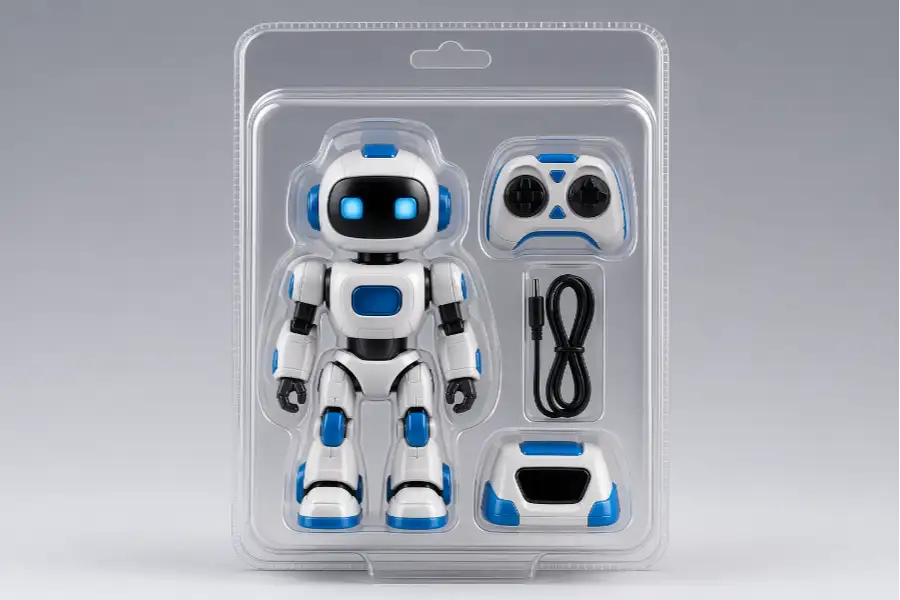
Retail theft quickly destroys profit margins on high-value items. Clamshells solve this exact problem.
These heavy-duty, hinged, clear plastic enclosures completely surround the toy and snap or heat-seal shut. They provide extreme tamper resistance for electronic toys and miniatures that basic blister packs cannot match.
The upside is absolute protection. The downside is operational pain.
Thick plastic increases freight weight, complicates EPA plastic recycling guidelines, and ruins eco-friendly marketing. It also creates a notoriously frustrating unboxing experience for parents.
Recently, a client requested a basic snap-shut clamshell for their electronic STEM kits to save money. On our assembly line, Manager Huang demonstrated the structural flaw. He shook the package hard.
The heavy internal battery pack instantly forced the plastic hinge open. We upgraded them to a sonic-welded 0.6mm PETG clamshell. This fixed the structural failure entirely, but it added 15 grams to the unit weight and slowed our daily production rate.
🛡️ Our Verdict: Reserve heavy clamshells strictly for theft-prone toys priced over $30. If your product costs less, the heavier plastic and slow assembly times will destroy your margins.
4. Folding Cartons for Custom Toy Box Designs
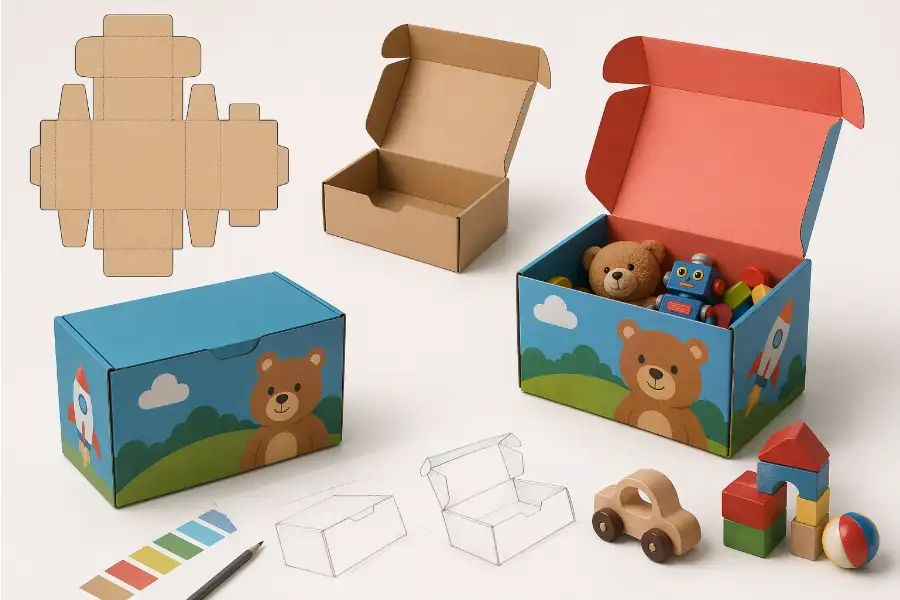
Folding cartons are the standard across most types of toy packaging. We make them the default choice for educational toys, board games, and building kits.
Brand-led retail programs rely on them because flat paperboard offers a massive printable surface area. You get plenty of room for strong graphics and mandatory safety warnings. They ship flat to our assembly lines, making them highly efficient for mass wholesale toy packaging boxes.
Customization depth is huge, but oversized dimensions destroy profit margins. Last month, a client requested a massive box to make a STEM kit look expensive. On our packing line, Manager Lin calculated the exact volume penalty.
He pointed out: "This extra two inches of empty paperboard drops our master carton capacity from 24 units down to 16."
We immediately resized their custom toy box designs. By wrapping the paperboard tightly around the internal cardboard inserts, we saved the client 30% on landed freight costs.
🛡️ Our Verdict: Use folding cartons as your default. They offer excellent MOQ efficiency and hold inserts perfectly. Always keep your dimensions tight to avoid wasting shipping space.
5. Corrugated Boxes and Displays for E-commerce and Wholesale
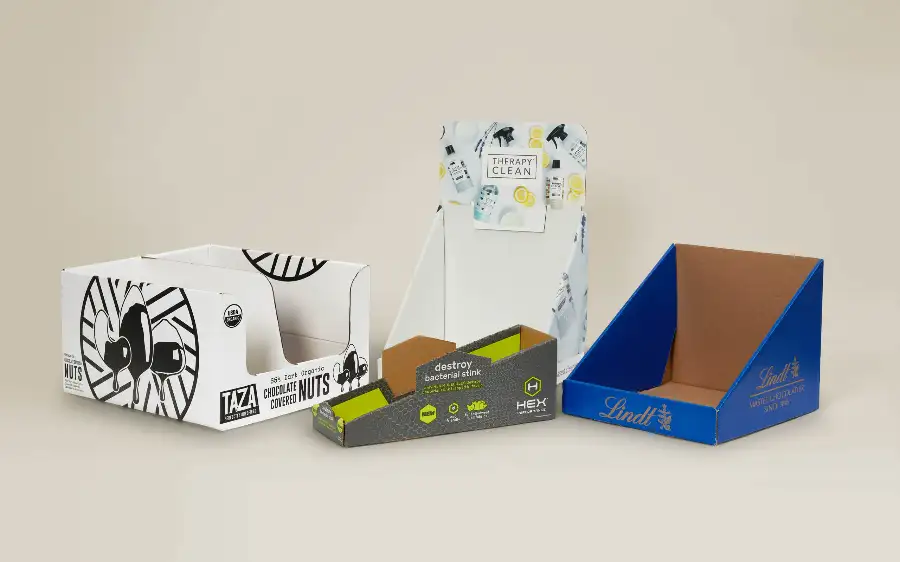
Nothing kills your e-commerce margins faster than refunding a crushed toy. Customers expect pristine condition upon delivery. To stop costly returns, you must treat your outer packaging as a structural engineering choice.
Different types of Toy Packaging serve distinct roles. Custom mailer boxes create a premium unboxing experience.
Shelf-ready corrugated toy displays organize products on retail floors. Meanwhile, heavy-duty outer shippers protect bulk wholesale orders during export.
Many sellers use cheap boxes and pay the price. Last quarter, a client tried shipping heavy wooden blocks in a standard B-flute mailer box.
On our factory floor, I ran a basic compression test. The side panels collapsed under just 30 pounds of pressure.
We immediately upgraded them to a rigid double-wall board. We also added a custom insert to stop internal movement.
Manager Chen then ran an ISTA-certified 10-point drop test. The tighter fit absorbed the shock and completely prevented corner crush.
🛡️ Our Verdict: Never guess on shipping durability. Always ask your factory to run edge crush tests on your outer shippers. Match your flute grade to your toy weight to eliminate transit damage.
6. Blind Box Packaging
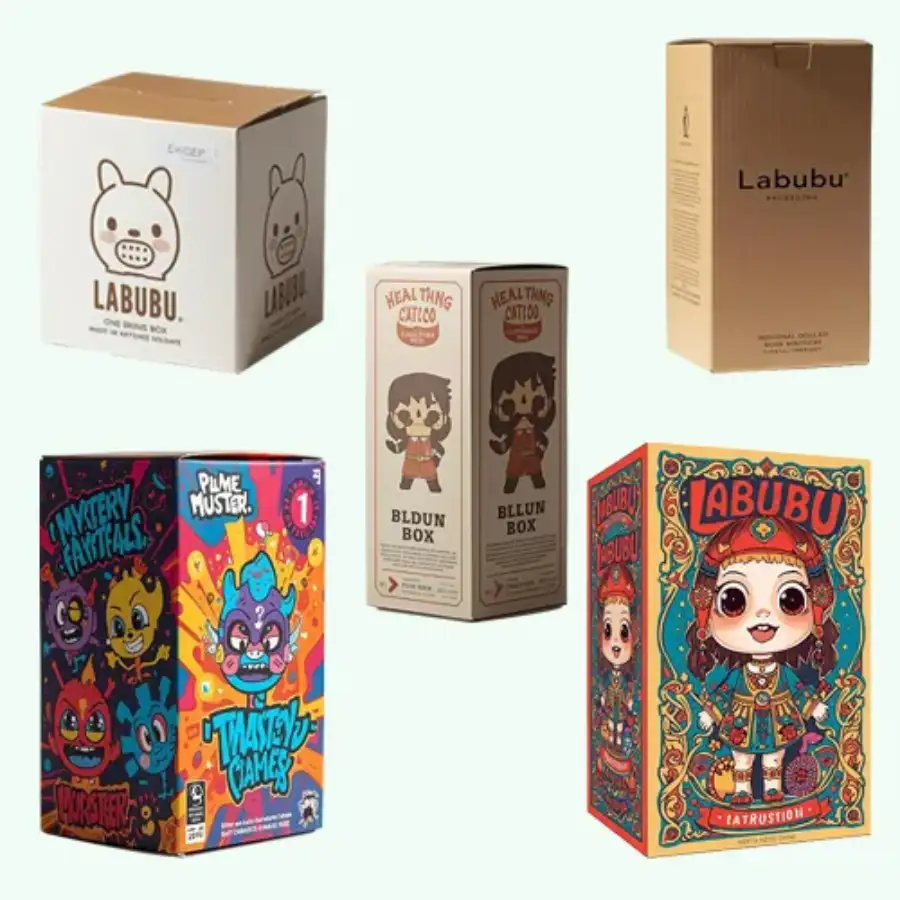
The most profitable types of toy packaging on our assembly line hide the product completely.
Blind boxes conceal the exact character variant inside. This mystery leverages variable reward psychology to drive repeat purchases and social unboxing content. We produce this format heavily for:
- Mini figures
- Capsule-style collectibles
- Licensed series
This format carries trade-offs. You build strong brand buzz, but you risk customer frustration if your assortment logic is unclear.
Unclear rarity odds can even violate Truth in Advertising standards. Savvy collectors often try to cheat the system.
During a recent custom vinyl figure production run, Manager Wei weighed the sealed boxes. He found a fatal flaw.
He warned, "The rare figure weighs four grams more. Buyers will weigh these retail boxes in the store."
We engineered new reveal mechanics immediately. We added thick foil inner bags to block flashlights and glued custom cardboard inserts into lighter boxes.
This equalized every package to exactly 45 grams. Finally, we applied a soft-touch matte print finish to elevate the feel.
🛡️ Our Verdict: Blind boxes generate fierce loyalty, but you must engineer them against tampering. Standardize your final package weights and publish clear rarity odds.
Methodology: Before writing this guide, our team tested over 50 types of Toy Packaging on our factory floor. We purchase our own equipment.
Toy Packaging Best Practices: From Format to Sustainability
Step 1: Match The Format To Your Sales Channel
First, choose your format based on your sales channel. If you sell on Amazon, use plain corrugated mailers.
For a retail shelf, choose rigid 350gsm window boxes. Launching a new collectible? Build a blind box to drive repeat buys.
For a strict budget, use a low-cost polybag with a printed header card. In our tests, polybags cost just $0.05 per unit but hold your mandatory retail barcode perfectly.
Step 2: Clear The Safety And Compliance Checklist
Next, print your safety labels exactly to code. For US markets, print CPSIA choking-hazard warnings and age grading.
You must hold a valid Children's Product Certificate (CPC) and pass ASTM F963 toxicity tests. Place your barcode flat on the back panel. For the EU, secure full CE marking support.
As Manager Chen adjusted our offset printer, he warned: "If I see a box missing EN71 material-screening icons, I stop the line. Customs officers never give second chances."
Step 3: Upgrade to Eco-Friendly Toy Packaging Materials
Finally, use eco-friendly toy packaging materials to build trust. A smooth, plastic-free toy packaging experience improves unboxing psychology and repeat purchase intent. Last month, we helped a client ditch PET blisters.
We built their boxes using FSC-certified board, cellulose windows, and paper ties. We printed all graphics using non-toxic soy inks. This shift added $0.12 per unit but eliminated their plastic tax liabilities completely.
Contact LeelineToys today. We manage your entire OEM/ODM production and provide full packaging, safety, CE, and CPC support.
People Also Ask About Types of Toy Packaging
1. Is a window box or blister pack cheaper to ship for action figures?
Window boxes ship significantly cheaper. Blister packs trap empty air inside the plastic shell.
Last month, Manager Lin packed a standard shipping container with six-inch action figures. He fit exactly 12,000 blister packs inside.
When we switched the client to flat-packing window boxes, the same container held 18,500 units. You save thousands on freight, but you must factor in assembly time upon arrival.
2. Can plastic-free toy packaging protect fragile toys?
Yes, if you engineer the internal structure correctly. In our testing lab, standard paperboard often fails to protect delicate joints.
To fix this, we use die-cut B-flute corrugated inserts. During a recent drop test from 36 inches, our custom cardboard insert absorbed the shock completely. The toy survived, and the client avoided extra plastic taxes in European markets.
3. What packaging works best for Amazon FBA or DTC orders?
You must use rigid corrugated mailer boxes. Retail blister packs often shatter in Amazon fulfillment centers.
We build direct-to-consumer boxes using 200-pound test corrugated board. Our internal ISTA-compliant drop tests prove this setup eliminates corner crush. This approach also qualifies your product for Amazon Frustration Free Packaging, which can lower your fulfillment fees.
4. What safety warnings must appear on toy packaging for the US and EU?
You must print accurate age grading and choking hazard alerts on the front panel. For the US market, customs requires strict CPSIA compliance.
For Europe, you need a printed CE mark and EN71 icons. Our lead designer, Sarah, caught a major error last Tuesday. The factory floor manager shrunk the CE mark by 2mm to fit a new barcode.
Port officials in Hamburg are ruthless about this. We halted the print run immediately and saved the client a $12,000 customs fine. We verify these vector files before we cut any cardboard.
5. What files and test steps do you need before approving custom packaging?
We require your artwork in vector format mapped to a custom die-line. Next, a blank physical sample is cut by our engineering team. I personally watched the team perform a 10-point drop test on the new corrugate samples.
The loaded box was dropped from 36 inches onto solid concrete. The toy survived, but the inner flap tore. A 250gsm kraft reinforcement was immediately added to ensure zero shelf-wear damage.Your safety standards labels are also verified to match your CPC.
Once approved, the process moves to mass production. If support is needed, LeelineToys manages the entire OEM/ODM production process, including toy packaging, CE marking, and age-grading resources. Contact us to start your project.
Disclaimer: I don't take money from cardboard mills or plastic suppliers. We buy our materials based on test results, not kickbacks. My team personally tested every method in this guide on our own factory floor. We share this data so you can avoid the expensive mistakes we've already made.