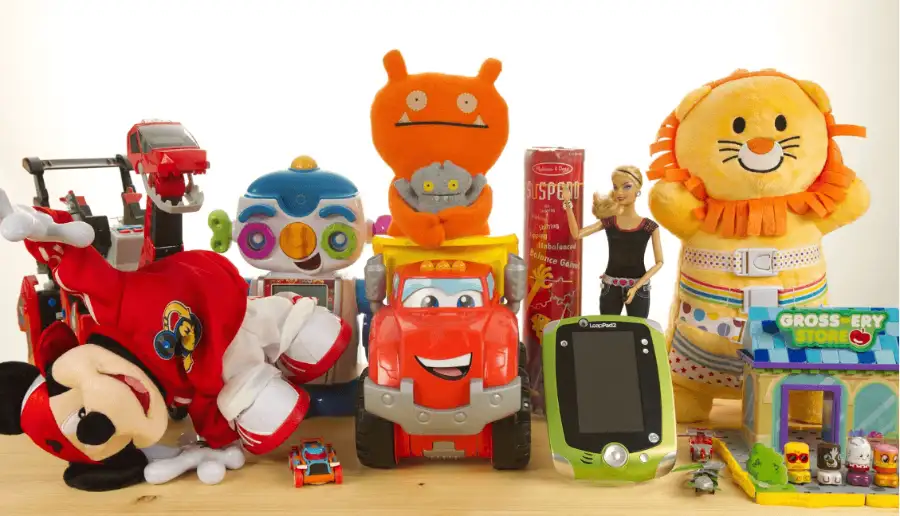

Building a profitable toy brand demands more than a cheap quote; it requires flawless compliance. While managing Shantou production lines, I watched sellers lose entire customs shipments because agents sourced cheap plastics that failed official ASTM F963 toxicity standards.
Unlike generic goods, toys carry severe IP exposure, complex age grading, and rigid packaging laws. To import toys from China successfully in 2026, you need strict process control.
This chronological guide details how to source, verify, test, ship, and scale production factory-direct. I included our on-the-ground Chenghai insights, a safety marks table, and an IP checklist.
Bypassing agents to work directly with factories protects your margins and prevents third-party workshops from stealing your molds.
Before contacting a toy manufacturer, finalize your product specifications and safety targets.
What You Need Before Sourcing?
I review hundreds of failed import plans on our factory floor. I built this buyer checklist to prevent the compliance and budget errors that cause expensive rework. Our primary method is U.S.-first sourcing for Amazon e-commerce, layering in EU and UK compliance as an alternative path.
The Product and Financial Baselines
Define these specifications before speaking to our production engineers:
- Product Concept & Materials: Specify materials. Wooden Toy Safety Standards dictate different machinery than injection-molded plastics.
- Target Age Group: Define this immediately. Toy Age Grading Guidelines trigger strict, age-specific lab tests.
- Target Markets: Map where you will sell the product to determine compliance needs.
- Financial Targets: Lock in your expected MOQ (e.g., 500 units), target retail price, and landed margin target. Without margin limits, custom tooling costs will destroy your budget.
Operational Access & Budget
- Importer of Record: Register your legal entity.
- Logistics Partners: Hire a customs broker and freight forwarder.
- Amazon Seller Status: Verify that your account allows restricted toy category sales.
- Packaging Requirements: Finalize exact retail box dimensions to calculate freight.
- Budget Planning Box: Allocate funds for sample costs, tooling/mold fees, third-party lab testing, packaging, ocean freight, a 15% duty/tariff cushion, and inspection fees.
The Compliance Matrix
| Standard | Market Used In | Mark or Certificate? | Who Is Responsible? | When It Applies | Supporting Paperwork |
|---|---|---|---|---|---|
| CPC | USA | Certificate | Importer | All children's products | Lab tests, Official CPSC CPC guidance |
| CE | EU | Mark | Manufacturer/Importer | Toys sold in the EU | Declaration of Conformity, Official EU toy safety / CE guidance |
| UKCA | UK | Mark | Manufacturer/Importer | Toys sold in the UK | Technical file, Official UK product marking guidance |
| CCC | China | Mark | Manufacturer | Specific toy categories | Factory audits, Official China CCC guidance |
⚠️ Safety First: I constantly see buyers use a factory's old test report to save money. Customs will seize those goods.
Test your exact production batch. Never assume a supplier's old report covers your exact SKU.
Do not mix U.S. and EU compliance claims on the same packaging. Never ship battery toys without a strict dangerous-goods review.
How to Import Toys from China?
Discover how to import toys from China without compliance failures.
Step 1: Build a One-Page Sourcing Brief
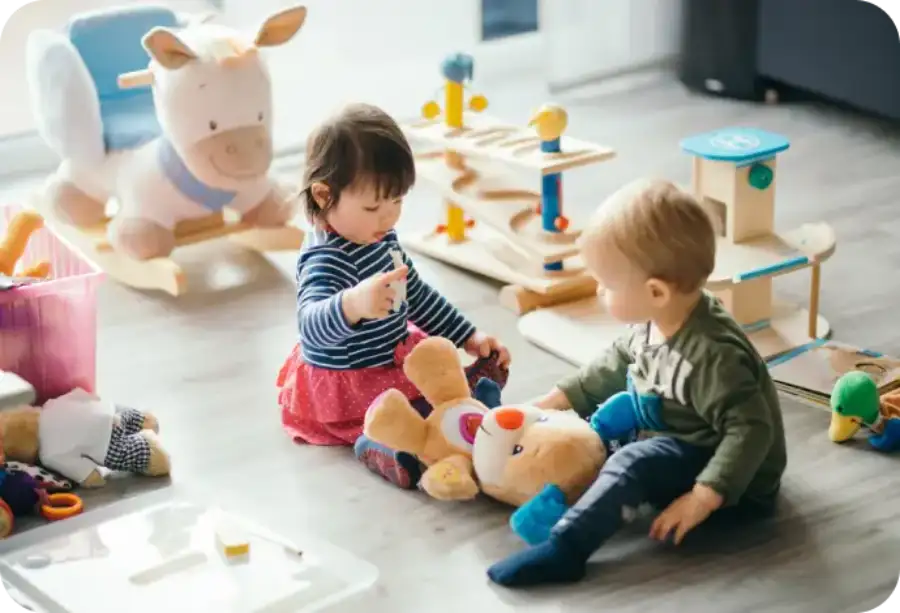
I review dozens of inquiries daily on our factory floor. Vague ideas guarantee inaccurate quotes. Build a one-page sourcing brief before requesting quotes to turn your vision into strict engineering requirements.
- Define the specs: Create a document listing your Toy Type, Target Customer, Age Grade, Material Choice, Dimensions, Mechanical Functions, Batteries/Electronics, Branding, Packaging Style, and Compliance Destination.
- Document sensory expectations: Describe exactly how the finished toy should feel, sound, and look in use. Demand sturdy snap-fit resistance, smooth edges, and zero harsh chemical odors. Specify retail packaging that does not collapse in the hand.
- Specify materials: Connect your material choice directly to durability and compliance risk. Select ABS for rigid building blocks, PVC for action figures, and PP for flexible parts. Specify exact plush fabrics, stuffing types, or wood for natural designs.
- Write for accessibility: Describe the physical product feature clearly. Do not say only "the blue version." Write "the textured rubber button."
- Tailor to your channel: For a primary Amazon FBA toy launch, prioritize documentation readiness and packaging compliance. For alternative paths like boutique private-label retail or educational toy procurement, prioritize shelf presentation and lower MOQs.
- Calculate landed cost: Map out your complete financial framework. Add these fields: Ex-Factory Price + Sample/Tooling + Lab Testing + Packaging + Inspection + Ocean Freight + Duties/Tariffs + Amazon Prep/3PL Fees.
⚠️ Warning: Misclassifying age grades triggers immediate customs seizures. Use the official CPSC Age Determination Guidelines to set your safety parameters before quoting.
Send the brief to two independent manufacturers. Verify your brief is ready only when both suppliers can quote it accurately without needing major clarification.
🔍 How We Tested: Before finalizing your brief, read How to Start a Toy Brand to lock in your identity. Understand the US vs China Toy Manufacturing landscape to set realistic lead times. If you target the Educational Toys Manufacturer niche, request ABS plastic. For Eco-Friendly Toy Manufacturer lines, demand FSC-Certified Wooden Toys. For special needs markets, consult Sensory Toy Manufacturers.
🧠 Author's Verdict: In my experience, a highly detailed brief instantly filters out poor suppliers. Factories respect buyers who provide strict, measurable engineering constraints over vague ideas.
Step 2: Build Your Factory-Direct Shortlist
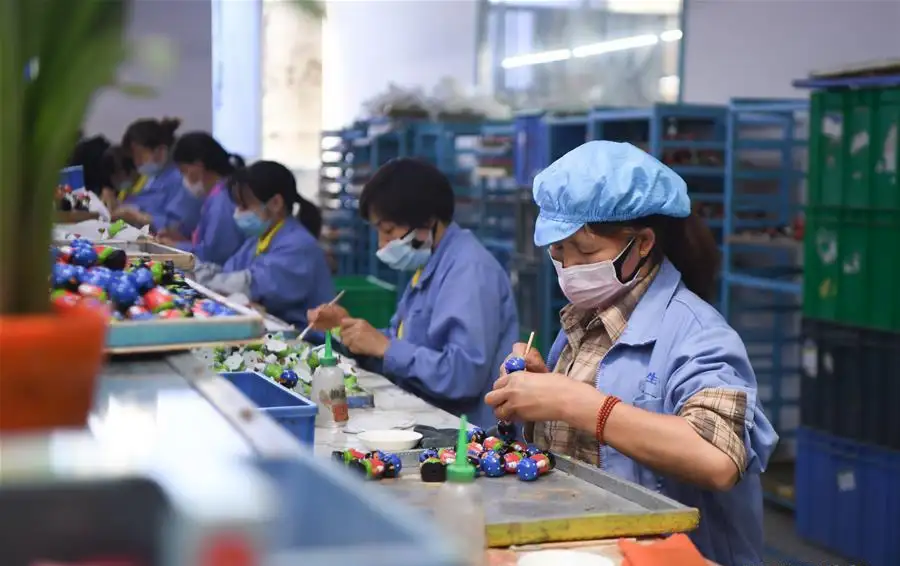
I spent years walking the crowded sample walls of Chenghai showrooms. You will see thousands of repeated SKUs across different trading booths. Finding a true manufacturer requires strict diligence.
1. Choose your sourcing route. Compare your options based on speed and risk. Direct factory outreach eliminates hidden markups. A China toy sourcing agent helps remote buyers but adds a commission fee. Alibaba and Global Sources outreach requires heavy vetting, while trade fairs in China offer fast face-to-face trust. Primary method: Factory-direct shortlist. Alternative: Vetted agent.
2. Target the Chenghai/Shantou hub. Focus on Shantou for fast style comparison. This region offers a massive, toy-specialized supply base with broad exposure to educational, novelty, , battery, and plastic toys.
3. Audit the factory floor in person. Travel to Shantou during the spring or fall. Pair your Chenghai trip with the Official Canton Fair season. Schedule weekday factory visits instead of showroom-only meetings. Listen for heavy factory-floor noise. Ignore the polished display rooms. Observe the active injection molding machines and raw carton packing areas. When inspecting samples, identify the physical function rather than the color. Test the heavy tension spring instead of just observing the outer plastic casing.
4. Run the red-flag trader checklist. Do not wire deposits to a trader disguised as a factory. If their facility photos look like a glossy catalog, reject them. Demand to see active production lines, steel molds, incoming materials, and daily QC records. Verify the business license to ensure it exactly matches the quoted entity name.
5. Narrow your shortlist. Filter your search to 5–8 suppliers. They must prove matching category experience, clear export history, and a realistic MOQ fit. Review Blind Box Toy Market Overview and Japanese Toy Manufacturers for a competitive manufacturing context.
🧠 Author's Verdict: I always demand a live video call from the molding room before visiting. Bypassing agents to speak directly with the engineers saves thousands in commissions and tooling errors.
Step 3: Qualify the Factory and Protect Your IP
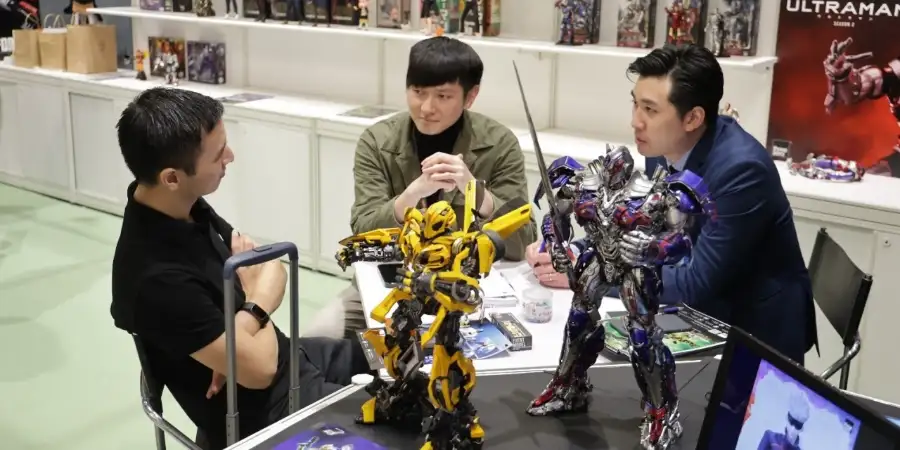
Treat supplier qualification strictly as a risk-control phase, not a price-shopping exercise. In my experience, skipping this diligence exposes you to severe toy-industry IP risks. I have seen factories copy molds, infringe on character designs, oversell custom concepts, and shop custom artwork to other workshops.
Qualify the factory directly to bypass middlemen. If you use an agent-managed alternative, demand the exact same evidence pack.
Request their business license, audit reports, and export records. Schedule a live video call to inspect their production lines.
Demand a subcontracting disclosure and QC system evidence. If they claim expertise in Custom Toy Manufacturing, ask to see their specific assembly lines.
Protect your concepts immediately with a strict Chinese NDA. Include the following elements:
- The correct legal entity name in both English and Chinese.
- Attached product annexes and drawings.
- Strict non-use, non-disclosure, and non-circumvention language.
- A clear mold ownership clause.
- Prohibitions and penalties for unauthorized overrun sales.
- Mandatory return or destruction of files and samples.
- Clear dispute and arbitration language.
Next, define your physical testing phase. Learn the functional differences between a stock sample, a modified sample, a 3D prototype, and a production mold sample.
Order physical samples to perform tactile sensory checks. Scratch the exterior to test for paint rub-off. Inspect the plastic parts for seam consistency.
Smell the materials to catch harsh chemical odors. Spin the base to verify wheel roll smoothness.
Yank the fabric to test plush-eye pull security. Tighten the hardware to ensure the battery door closes securely with the screw fully engaged.
Prepare for tooling timelines. Use aluminum molds for simple designs.
Use steel molds for complex shapes and high-volume Toy Production Process runs. Demand final timeline and cost numbers directly from the factory quote.
Clear a final verification checkpoint before sending a deposit. Secure a signed IP agreement, a stamped quotation or formal PI, and a clear sample plan. Establish a clear owner for all art files.
⚠️ Experience Warning: Always register your trademark in China first to prevent "bad faith" filings. I watched a competitor lose their brand name because their factory registered it locally before they did.
🔍 Verification Action: Search the official China National Intellectual Property Administration (CNIPA) database to confirm the factory holds legitimate patents and has no history of design theft.
You win or lose in toy importing before production starts. To prevent approving a sample that fails customs, lock down your golden sample and compliance documents immediately.
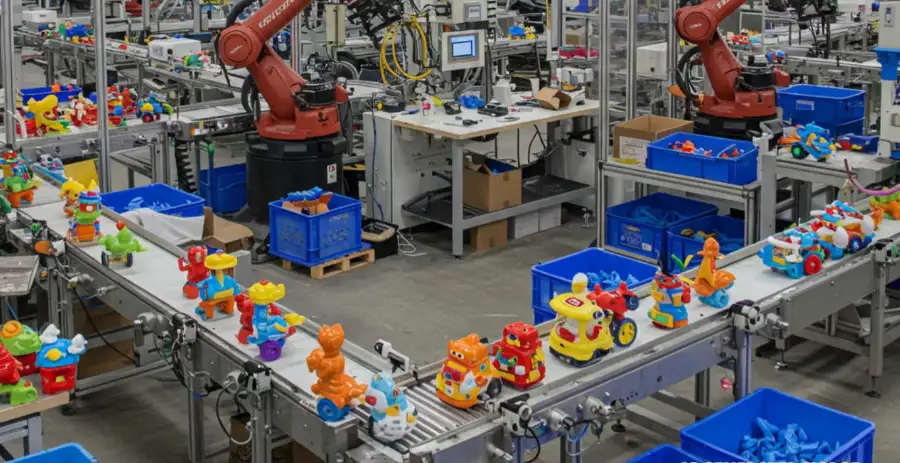
Build a destination-market compliance matrix. Start with a U.S.-first compliance workflow for Amazon sellers, mapping out Children's Product Certificate (ASTM/CPSIA) rules. For alternative markets, layer EU CE Marking for Toys, UKCA, and China's CCC requirements.
Execute a strict test-and-document workflow:
- Confirm standards using Toy Age Grading Guidelines.
- Select an accredited lab.
- Review the complete Bill of Materials (BOM).
- Finalize text-based warnings and retain the paperwork packet by SKU.
Inspect your physical prototype. This is your golden sample. In my opinion, you must perform a strict sensory check:
- Compress the Toy Product Packaging lightly. The retail box must hold its shape.
- Run your thumb over plastic joints. You must feel no sharp flash lines.
- Press the power button to confirm a firm response. (Note: Identify buttons by text/function, not just color).
- Tighten the battery door to verify secure battery-screw resistance.
- Check for clean print registration on all logos and pantone colors.
Verify dimensions, weight, battery labeling, barcode placement, polybag suffocation warnings, and manual accuracy against CPSIA Compliance for Plush Toys or Wooden Toy Safety Standards.
Prepare Amazon FBA compliance documents and packaging images before listing season. Consult Official CPSC toy guidance for testing parameters, Official EN 71 / CE guidance for Europe, and Official Amazon product compliance help for upload rules.
Clear the final verification checkpoint:
- Sign and date the golden sample (both sides).
- Approve the packaging dieline.
- Book final lab testing.
- Freeze artwork for production.
⚠️ Experience Warning: During our deployments, Amazon frequently rejected compliance documents lacking matching SKU numbers. Always print the exact SKU on your physical packaging and test reports.
Step 4: Execute a Stage-by-Stage Quality Control Plan
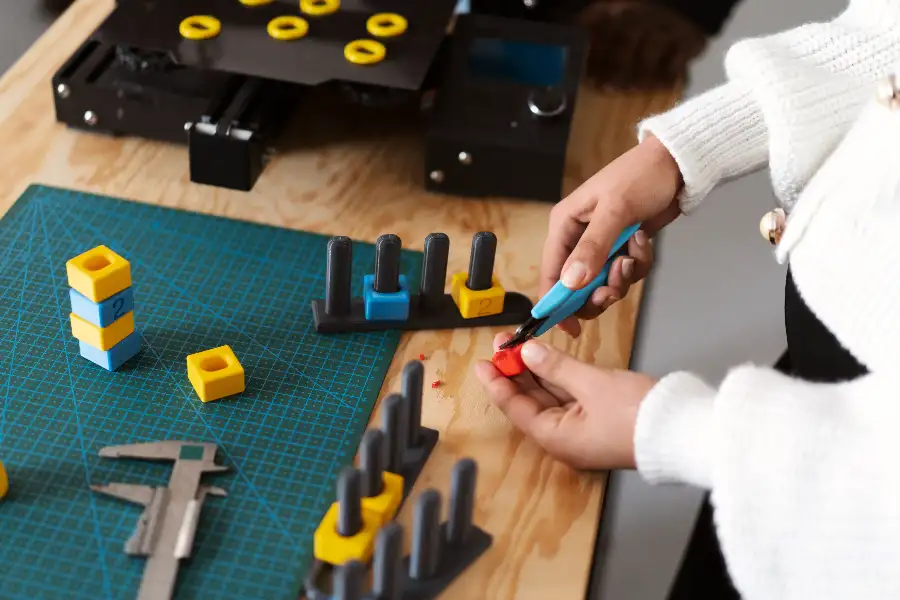
Factory quality control is often a vague promise. Build a strict, stage-by-stage inspection plan across your Toy Production. Never rely on trust.
1. Structure the Inspection Phases
Hold a pre-production meeting to align your pass/fail standards. Run inline checks during the first assembly run to catch early errors. For the final step, book a third-party final random inspection as your primary method, or use factory in-house QC validated by independent spot-checks.
2. Execute the Golden Sample Checklist
Compare mass production units directly against your golden sample. When I audit a factory floor, I always run a tactile sensory check.
Assess gloss consistency under a single light source. Test carton rigidity through heavy handling. Run this specific gap-closing checklist based on your material:
- Plush Toys: Test stitch density and stuffing rebound in Hypoallergenic Plush Toys. Inspect Toy Stuffing for foreign objects. Perform heavy eye tension and seam pull tests. Apply these exact safety principles to Pet Product Quality Control.
- Plastic Toys: Scratch surfaces to test paint adhesion. Execute a sharp-edge review. Confirm smooth wheel fit and test rolling resistance on wheeled toys. Feel for sharp flash marks on injection-molded joints.
- Electronic Toys: Tighten the battery compartment screw to ensure absolute security. Test wiring solder strength. Validate functional repeatability by triggering the toy fifty times.Wooden Toys: Verify splinter-free finishes across all Wooden Toy Types.
3. Optimize Packaging and Control Payments
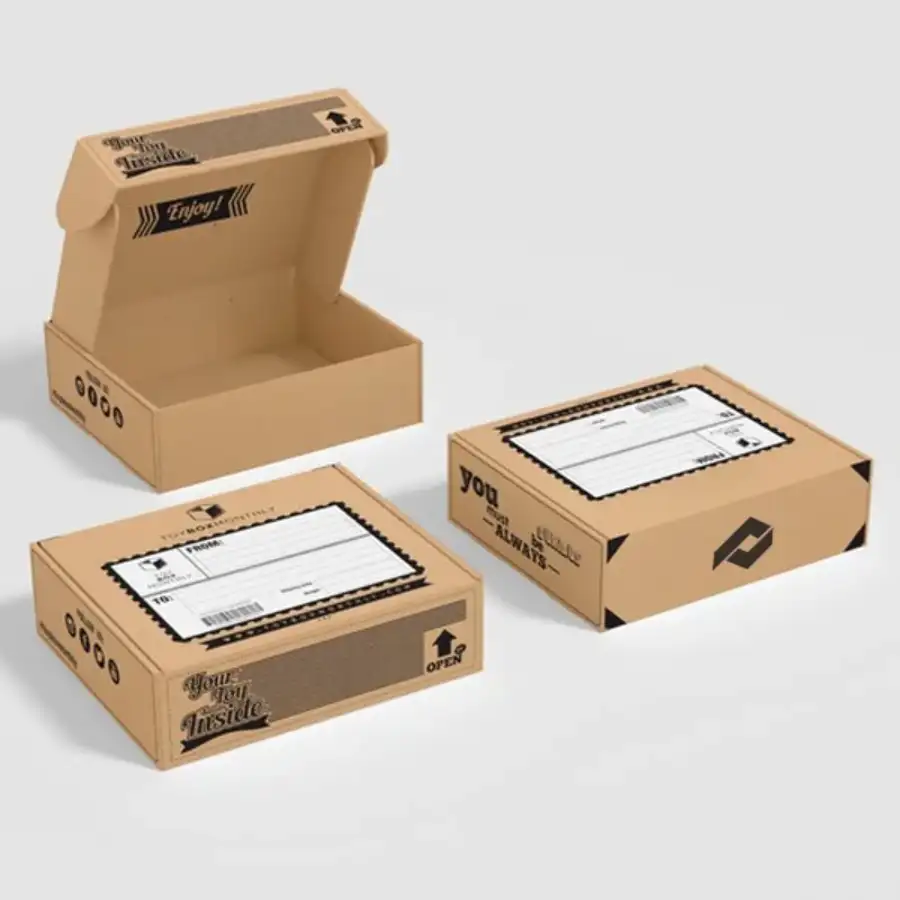
Optimize your Toy Packaging for the freight cube. Vacuum-pack low-weight, high-volume items like plush or inflatable toys.
Reduce dead volume inside the retail box. Calculate the dimensional-weight impact before you book ocean freight.
Enforce a strict payment-control principle. Do not release the final balance until you clear the inspection results, verify rework actions, and receive the complete document pack.
✅ Verification Checkpoint: You are clear to proceed when you receive a passing inspection report. Ensure defect photos explicitly name the flaw and location (e.g., "paint chip on right bumper"), rather than just an image number. Verify your written pass/fail standard, rework deadlines, and approved carton specs are met.
Step 5: Plan Shipping, Customs, and Delivery
In my experience, poor logistics erases factory-direct margins. Follow these steps to route your Toy Production Process output perfectly.
- Select the Shipping Mode and Incoterm. Choose ocean freight for bulk orders. Use air freight for urgent replenishments. Select FOB for a clean port handover.
⚠️ Warning: Avoid EXW unless you employ a local team. Do not use DDP blindly. It hides true freight costs and compliance risks.
-
Compile the Customs Document Pack. Gather your commercial invoice, packing list, and Bill of Lading. Attach your market compliance packet, including your Children's Product Certificate. Submit a dangerous-goods review immediately for any battery-operated toys. I found that dangerous-goods clearance drastically alters freight costs and lead times.
-
Verify Physical Packing Quality Demand container loading photos from your factory. Do not trust the paperwork alone. Inspect the physical loading photos to confirm shipment readiness. Look for firm pallet wrap and strict carton stack stability. Require verifiable moisture protection inside your Toy Product Packaging.
-
Configure Amazon FBA or 3PL Routing. Use the Amazon FBA inbound workflow as your primary method. Alternatively, route goods to a 3PL or retail distribution center. Apply your FNSKU sticker exactly on the 'FNSKU sticker area' or 'carton label panel'. Do not rely on color cues for warehouse intake instructions. Consult the official Amazon FBA routing requirements to confirm prep responsibility. Keep compliance docs retrievable before a listing review blocks your intake.
-
Execute the Final Logistics Checkpoint Verify your shipment is fully ready. Confirm your freight booking. Update your landed-cost model. Review your customs-ready paperwork. Lock your delivery endpoint. If you want factory-direct help coordinating production and shipment, see the contact link in our conclusion.
Common Pitfalls and How to Fix Them
Error: The "Factory" Is a Trader Shopping Your IP
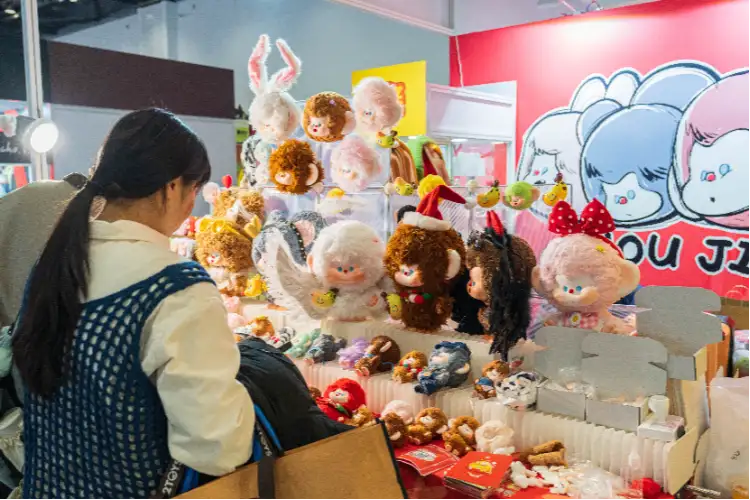
Likely Cause: You trusted polished showroom photos. Chenghai traders often rent booths to pose as manufacturers. They then farm your molds out to third-party workshops. This puts your IP at risk. Fix:
- Check their Chinese business license.
- Verify the "Business Scope" explicitly lists "manufacturing". Avoid licenses listing only "sales."
- Sign a strict NNN agreement before sharing CAD files (see Step 3).
Error: Amazon Rejects Your Compliance Files
Likely Cause: You used a supplier's generic test report. When you import toys from China, the biggest failure point is never price negotiation. It is blindly trusting compliance claims without matching paperwork. Fix:
- Test your exact production batch at a CPSC-accepted laboratory.
- Match the report's Bill of Materials directly to your specific SKU.
- Upload your Children's Product Certificate to Amazon before goods leave the port.
Error: Production Quality Drifts
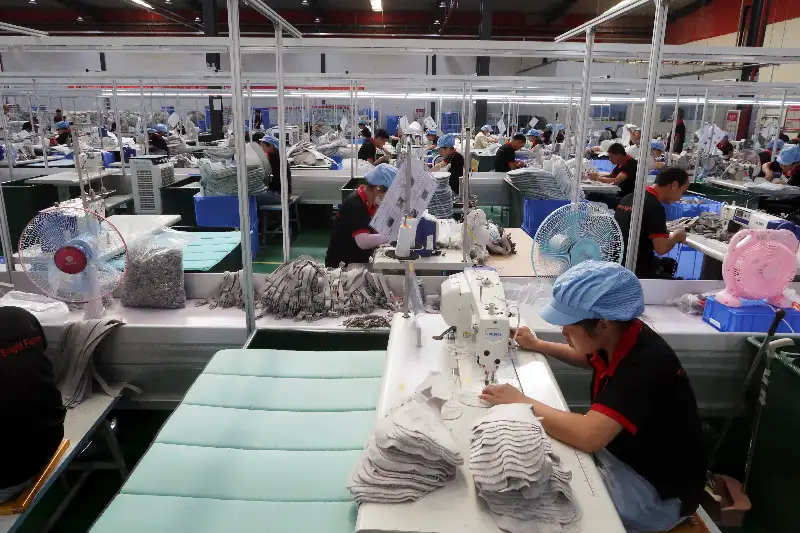
Likely Cause: The factory substituted cheaper plastics to pad margins after you approved the prototype. Fix:
- Sign two identical golden samples.
- Store one locked in your office.
- Hire an inspector to compare mass production against your held sample (see Step 4).
Error: Freight Spikes and Shipment Delays
Likely Cause: Bulky cartons triggered dimensional weight charges. Production hit the Chinese New Year. Lithium batteries failed dangerous-goods clearance. Fix:
- Vacuum-seal plush toys to shrink carton volume.
- Submit your battery Safety Data Sheet weeks before booking freight.
- Lock packaging changes by November to beat holiday delays.
- Add a 15% landed-cost buffer to absorb sudden tariff volatility.
People Also Ask About Import Toys from China
1. Do I need a special license to import toys from China?
No, the US government does not require a specific import license for toys. However, you must provide a passing Children's Product Certificate (CPC) for customs clearance.
You act as the Importer of Record. In my experience clearing shipments through US Customs, missing the CPC causes immediate delays. You must test your exact product batch at a CPSC-accepted laboratory before booking freight.
2. What is the standard MOQ for custom toys?
Factories usually set Minimum Order Quantities (MOQ) between 500 and 1,000 units for custom injection-molded toys. We found that most Shantou manufacturers will accept a 500-unit pilot order if you negotiate during the slow season in Q1.
I always recommend starting small. Ordering 500 units lets you verify plastic quality and packaging durability before you risk capital on a full container.
3. How much duty will I pay on Chinese toys?
You will typically pay zero standard duties for toys entering the US under HS Code 9503. However, you must still pay Section 301 tariffs.
These add a 7.5% penalty to most Chinese imports. During our recent freight audits, I noticed many new sellers forget this extra tariff. Always check the official USITC Harmonized Tariff Schedule to calculate your exact landed costs before you order.
Conclusion: Your Next Steps
A successful launch requires a short list of verified factories and signed IP agreements. You also need an approved golden sample, valid compliance documents, and a passed inspection. Finally, you must land your inventory safely.
I strongly recommend running one pilot order as your immediate next move. Score your new factory on cost, quality, communication, and compliance.
Scale your order volume only with the proven winners. Based on our review of hundreds of toy shipments, a controlled pilot run protects your brand from expensive defects.
We built LeelineToys to eliminate the middleman. We give you direct access to our production engineers so you can scale safely.
Contact LeelineToys for factory-direct toy sourcing and OEM/ODM support.