AQL 2.5 · ISO 2859-1
Toy Quality Control You Can Audit — Fewer Returns, Cleaner Reviews
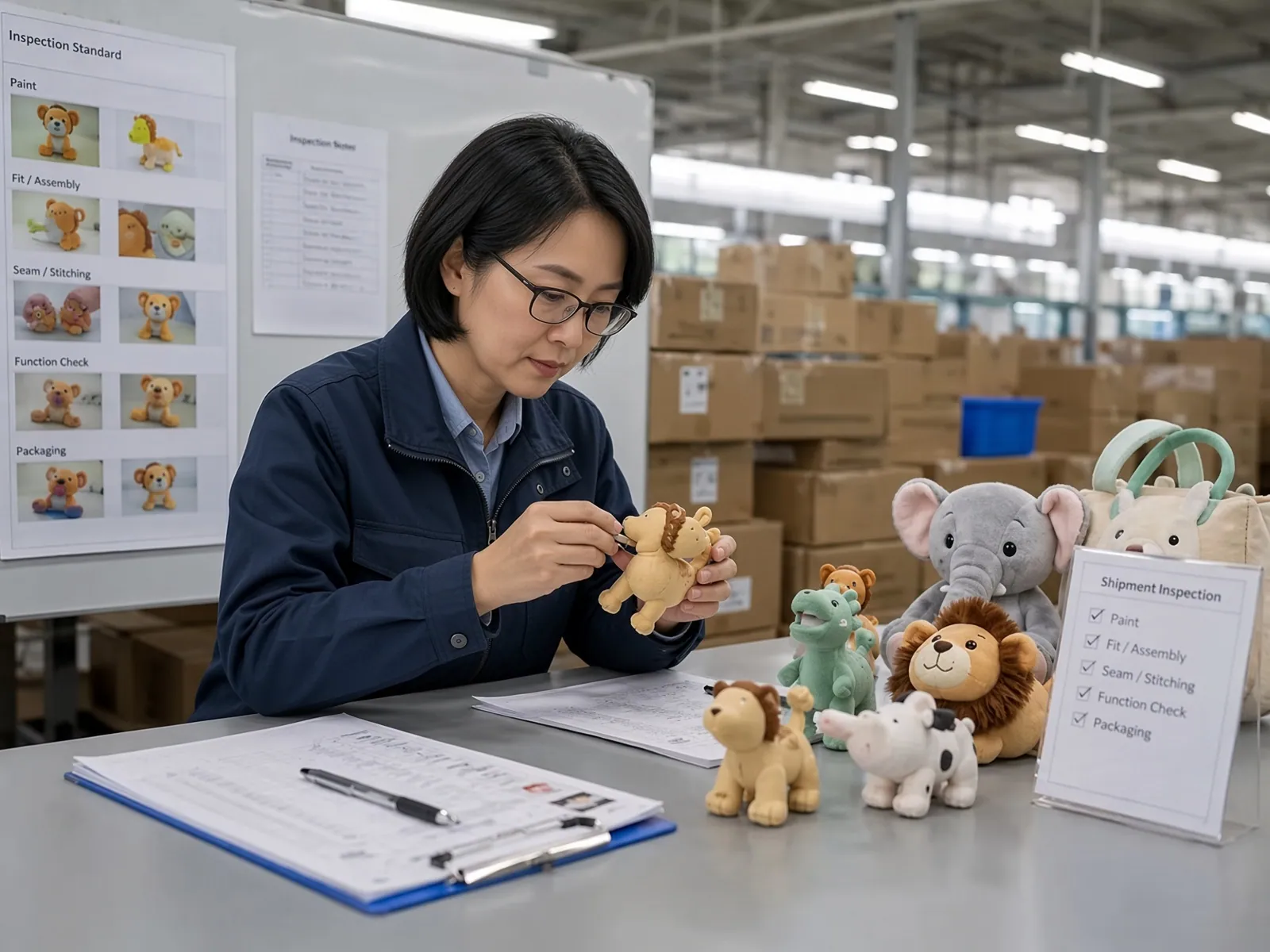
Fewer defect returns, cleaner reviews and a report you can audit. We inspect your lot at all five handoffs — material, sample, inline, pre-shipment and reorder — so faults are stopped on the factory floor, not in your customer’s hands. It keeps the refund, the chargeback and the one-star review off your P&L — and your tenth run identical to your first.
Free 2-page PDF — ISO 2859-1 sample table, plush defect checklist and failed-lot steps.
99.8%
quality pass rate at AQL 2.5
98.2%
on-time delivery, 45+ countries
15,000m²
manufacturing facility
200+
designers, engineers & QC staff
- Brands whose return logs keep flagging the same two or three faults
- DTC and marketplace sellers paying for defect returns and review damage
- Retail suppliers carrying chargebacks on a lot that should have been held
- Buyers moving from a first pilot run to a repeat program that has to match it
Where quality leaks
Five Handoffs Where a Defect Gets Through
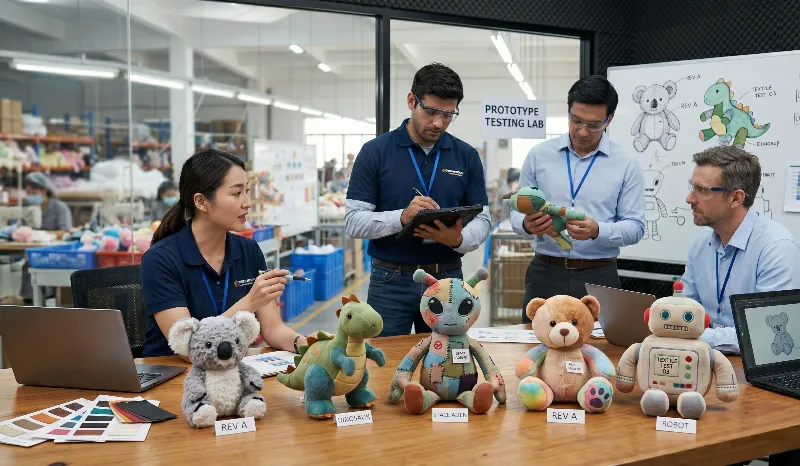
A defect is rarely made at the last station. It enters the process and travels — through an unchecked roll of fabric, an unmeasured sample, a carton nobody opened. These are the five handoffs we own, and what each one is holding.
- 1
Handoff 1
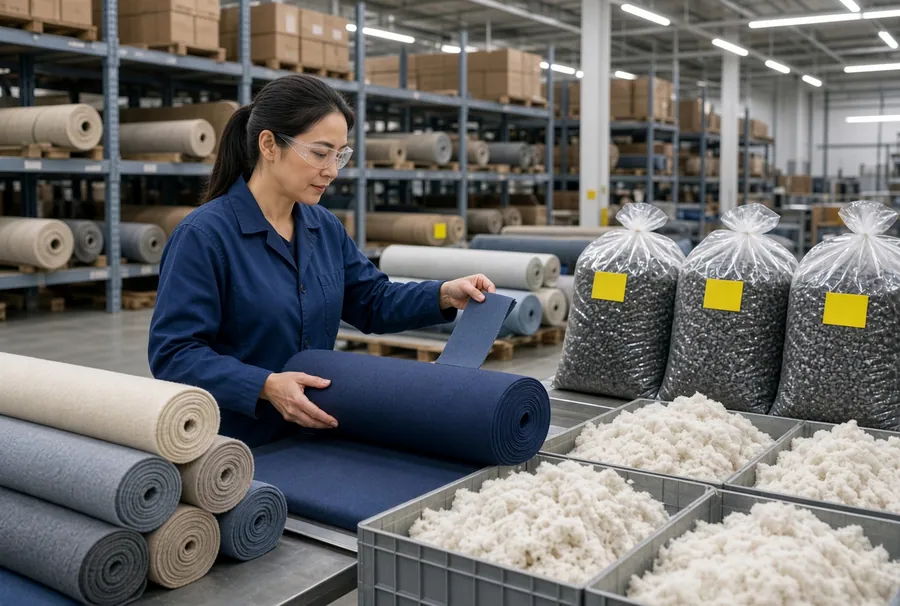
Intake
What escapes
A dyed fabric lot sitting inside a migration warning band, a recycled rubber compound nobody specified, or a stuffing batch whose odour only shows after the bag is opened.
The control
Every input lot is checked and cured against the approved spec before it is cut. A lot that fails is held, not used.
- 2
Handoff 2
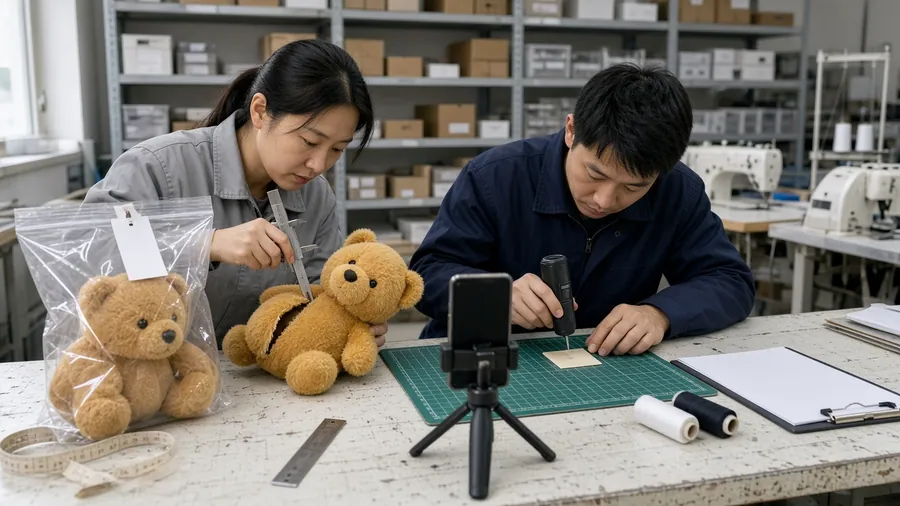
Sample
What escapes
A sample approved from a photograph, or a spec sheet where the seam allowance and the material hardness are left as “standard”.
The control
A signed golden sample — physical, measured and photographed — becomes the reference every later unit is judged against.
- 3
Handoff 3
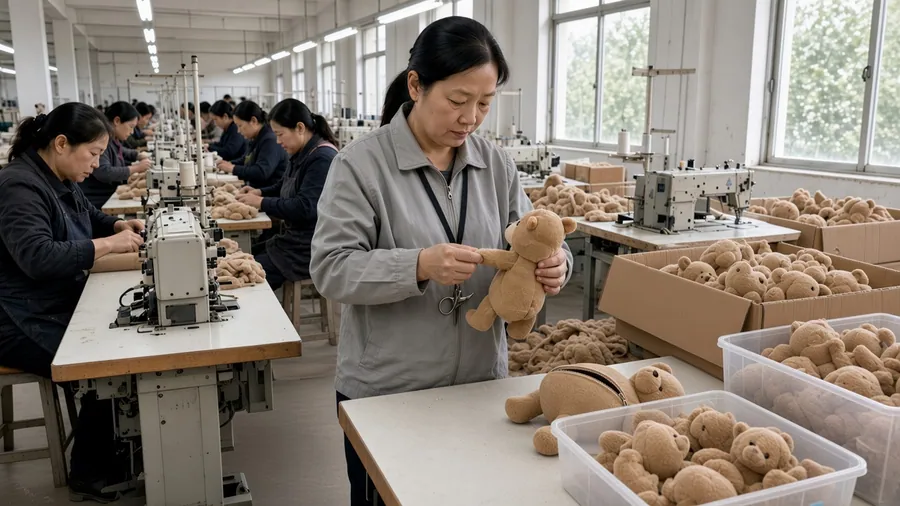
Inline
What escapes
A single-stitched seam at a load point, an untrimmed thread tail, a zipper that catches. Small faults that only show in volume.
The control
Inspectors work the line, not a separate station. Critical faults stop the run; every major and minor fault is logged against the same defect list.
- 4
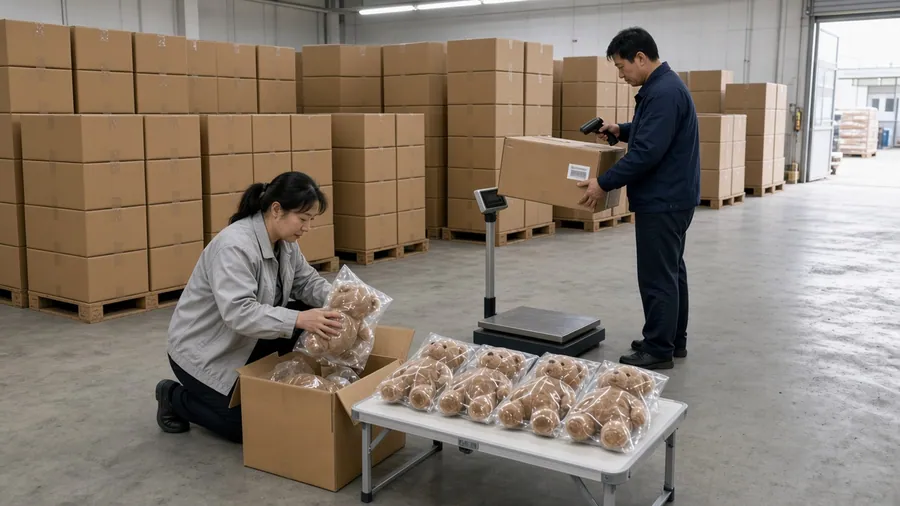
Handoff 4
Pre-shipment
What escapes
A lot that looked fine inline but fails the sample, or carton marks and inner-package warnings that do not match the destination market.
The control
A pre-shipment inspection on the finished lot — sample size set by lot size under ISO 2859-1 — plus carton, weight and barcode checks.
- 5
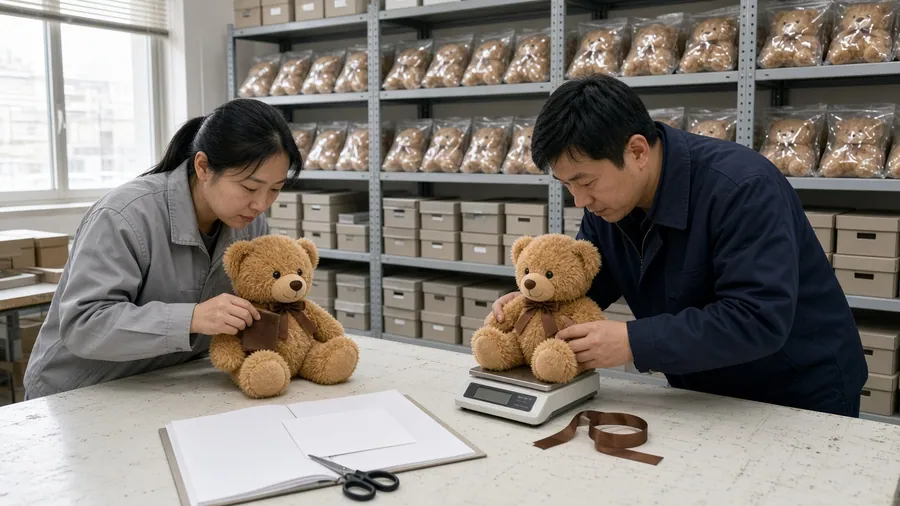
Handoff 5
Reorders
What escapes
Run ten quietly stops matching run one: a substituted fabric, a changed trim, a slightly different fill weight nobody flagged.
The control
The signed sample and written spec are archived per design. Every reorder is measured against that file, not against the last shipment.
Every handoff has a named control and a record. The one left unowned is the one you hear about from a customer.
Building the process from scratch? Read the toy quality control guide end to end.The inspection protocol
AQL 2.5, Decided Line by Line
AQL is a decision rule, not a promise of zero defects. It fixes how many faults are tolerated in a sample before the whole lot is rejected — and the answer depends on how bad the fault is. These are the limits every lot is inspected against.
How the accept and reject numbers are calculated, with a full worked inspection.| Defect class | What lands in it | Limit per lot | Inspection action |
|---|---|---|---|
| Critical — AQL 0 | A 90 N pull test that detaches a small part, a broken needle, or any metal fragment in a finished unit. | Zero accepted. One finding stops the lot. | Halt the line, quarantine the lot, and pull-test and metal-detect 100% of it before anything is re-presented. |
| Major — AQL 2.5 | An open seam exposing stuffing, a zipper or sound chip that does not work, shape or fill off the golden sample. | Accept or reject on the ISO 2859-1 sample for the lot size. | Every instance is logged by class. The count in the sample decides the verdict for the entire lot. |
| Minor — AQL 4.0 | Untrimmed threads longer than 1 cm on exterior seams, or a care or compliance label sewn in crooked or illegible. | Roughly twice the tolerance of a major fault. | Recorded and reworked in the same run. Minor faults are corrected without rejecting the lot on their own. |
| Systemic | The same major fault turning up across stations, or across several cartons in the sample. | Reported outside the numeric limit — a process finding. | Treated as a process failure, not a sampling result: the run stops and the cause is corrected before inspection resumes. |
| Carton & marking | Shipping marks that differ from the PO, wrong gross weight, an unscannable or misplaced barcode, missing inner-package warnings. | Checked on every carton drawn into the sample. | Cartons are re-marked or re-packed before the container is loaded — a carton fault never becomes a customs fault. |
Accept and reject numbers come from the ISO 2859-1 sample size for the lot — the table below shows the four bands we work in most often. Critical faults are never sampled: one is enough to stop the lot.
How large is the sample?
General Inspection Level II at AQL 2.5 — the sample grows with the lot, and so do the accept and reject counts.
| Lot size (units) | Code letter | Sample size | Accept — major 2.5 | Reject — major 2.5 |
|---|---|---|---|---|
| 500 – 1,200 | J | 80 | 5 | 6 |
| 1,201 – 3,200 | K | 125 | 7 | 8 |
| 3,201 – 10,000 | L | 200 | 10 | 11 |
| 10,001 – 35,000 | M | 315 | 14 | 15 |
The counts above are for major defects at AQL 2.5. Minor defects are counted separately at AQL 4.0; critical defects are zero-tolerance and never sampled.
At the bench
What Gets Tested, by Category
The defect list changes with the material. A seam pull test means nothing on a die-cast car; a clutch test means nothing on a plush. Each category is inspected against its own bench tests and its own failure thresholds.
Plush
-
Seam pull
90 N held for 10 seconds — no separation.
-
Attachment pull
Eyes, noses and trims pulled against the same 90 N load.
-
Fill & shape
Weight and loft compared with the golden sample, carton to carton.
-
Metal detection
100% of finished units pass a calibrated metal detector.
Wood
-
Small-part torque
Attached parts twisted and pulled to the age-graded limit.
-
Edge & splinter
Every exposed edge and drilled hole checked by hand and under light.
-
Paint adhesion
Cross-hatch and rub test — no flaking at the edge.
-
Moisture content
Kiln-dried stock verified before machining, so the part stays true.
-
Clutch & fit
Parts assembled and separated to the design cycle count — no cracking.
-
Drop test
Assembled sets dropped from the age-graded height onto a hard surface.
-
Flash & edges
Every cavity checked for sharp parting-line flash and sink marks.
-
Colour & gloss
Production pulls matched to the signed Pantone master under the same light.
-
Function cycle
Every unit powered, cycled and its output checked — not a sample.
-
Battery security
Compartment and screw retention checked against the age grade.
-
Sound level
Output measured against the standard’s limit at the specified distance.
-
Solder & wire pull
Joints and routing inspected, then pulled at the harness.
Pet
-
Seam & bar-tack
Load-point seams reinforced and pulled at the specified force.
-
Shore hardness
Compound measured per SKU and per size against the approved window.
-
De-flashing
Every moulded part checked for sharp flash at the mould seam.
-
Squeaker retention
Squeakers and inserts pulled to force — no detached parts.
Baby
-
Small-parts cylinder
Every detachable part checked against the cylinder for the age grade.
-
Attachment pull
Rattles, teethers and clips pull- and torque-tested before packing.
-
Migration screen
Painted and dyed surfaces screened to EN71-3 and CPSIA limits.
-
Wash & shrink
Finished units washed to the care label, then re-measured.
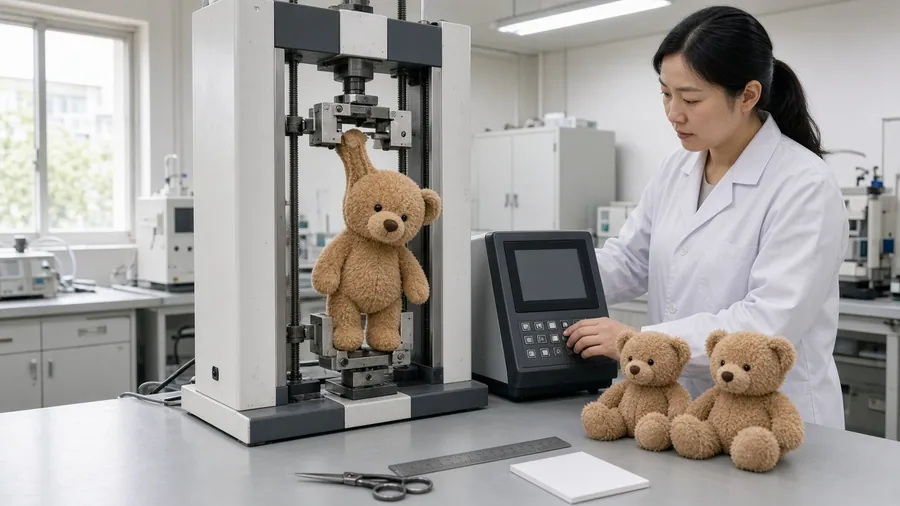
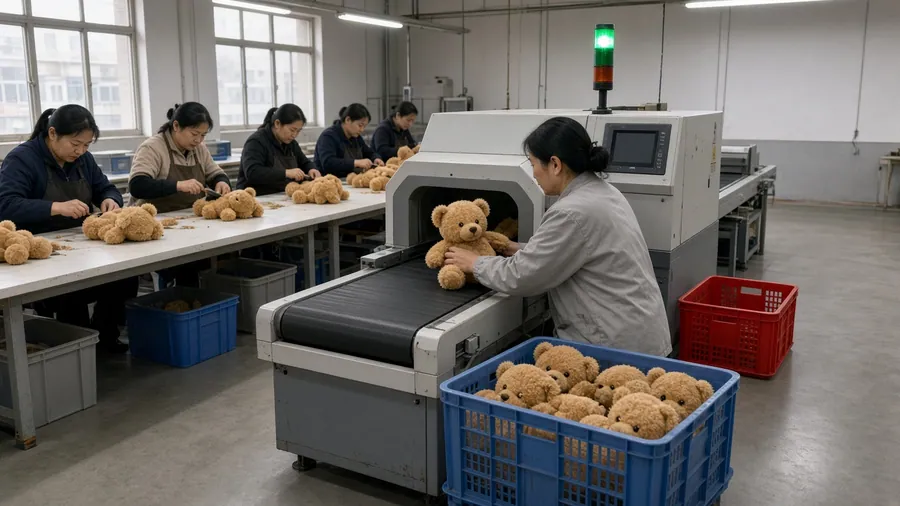
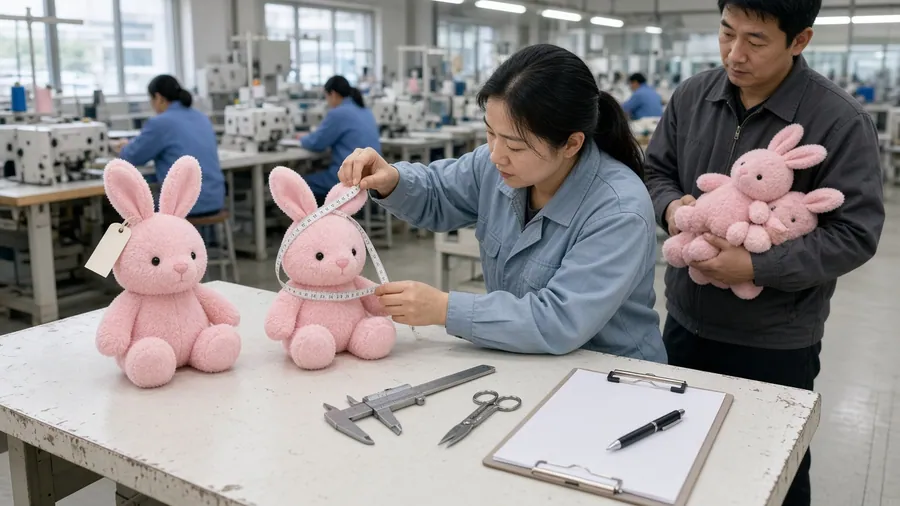
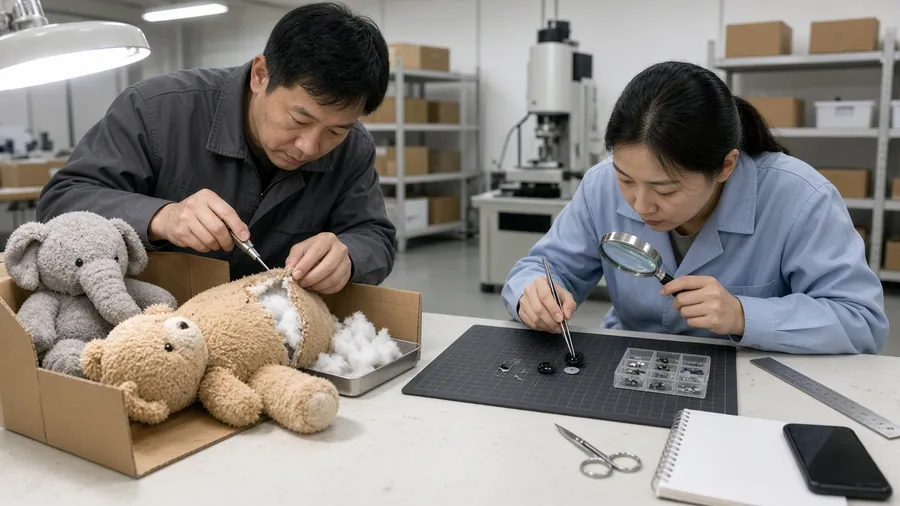
Bench tests are set per category and per age grade. Where a market’s standard is stricter — EN71 sound limits, CPSIA phthalate screens — the stricter limit is the one we inspect against.
Failed-lot recovery
When a Lot Fails, the Protocol Takes Over
A failed inspection is a procedure, not a negotiation. These five steps are written into the QC protocol — and each one leaves a record you can hold.
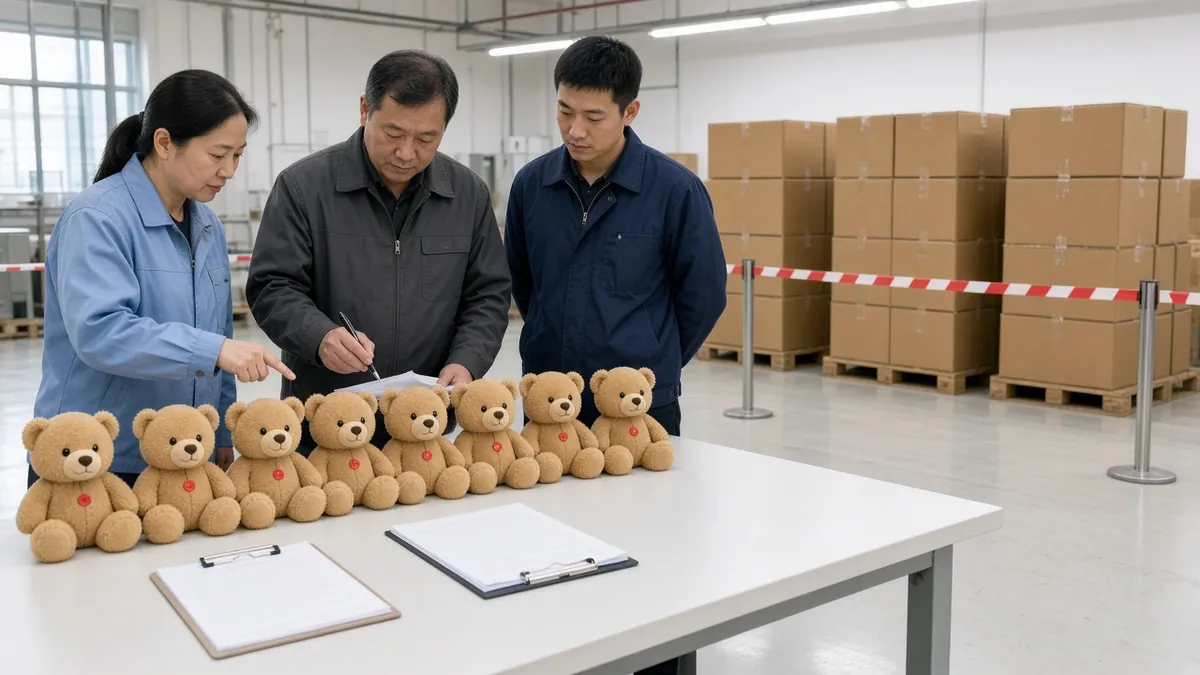
Corrective Action Report
Every defect found in the failed sample is documented, and the factory’s management signs the report to acknowledge the failure.
Record Signed CAR listing each defect and its class
Isolate the lot
The failed lot is physically separated from staging and shipping areas, so nothing from it can be packed while it is under review.
Record Quarantine note tying the lot number to the hold
100% sort & rework
The full lot is sorted and reworked — not a partial pass over the sample. The cost sits with the factory that produced it.
Record Sort records by carton, with reworked quantities
Re-audit
Our QA team returns only after the factory confirms in writing that rework is complete — and inspects the reworked lot, not the promise.
Record Re-inspection report against the original defect list
Tighter next sample
The re-audit runs one sampling level tighter — Level II to Level III — so confidence in the reworked lot is higher than in the one that failed.
Record Updated inspection level on the next run’s file
A lot either passes the re-audit or it stays on hold — and the record of why is yours to keep.
Evidence
What the Discipline Changes
Return logs are the cheapest audit a brand ever gets. When the same two faults keep appearing, they point at a process — a seam spec, a hardness window, a carton check — not at a run of bad luck. These three projects started with a return log and ended with a process change.
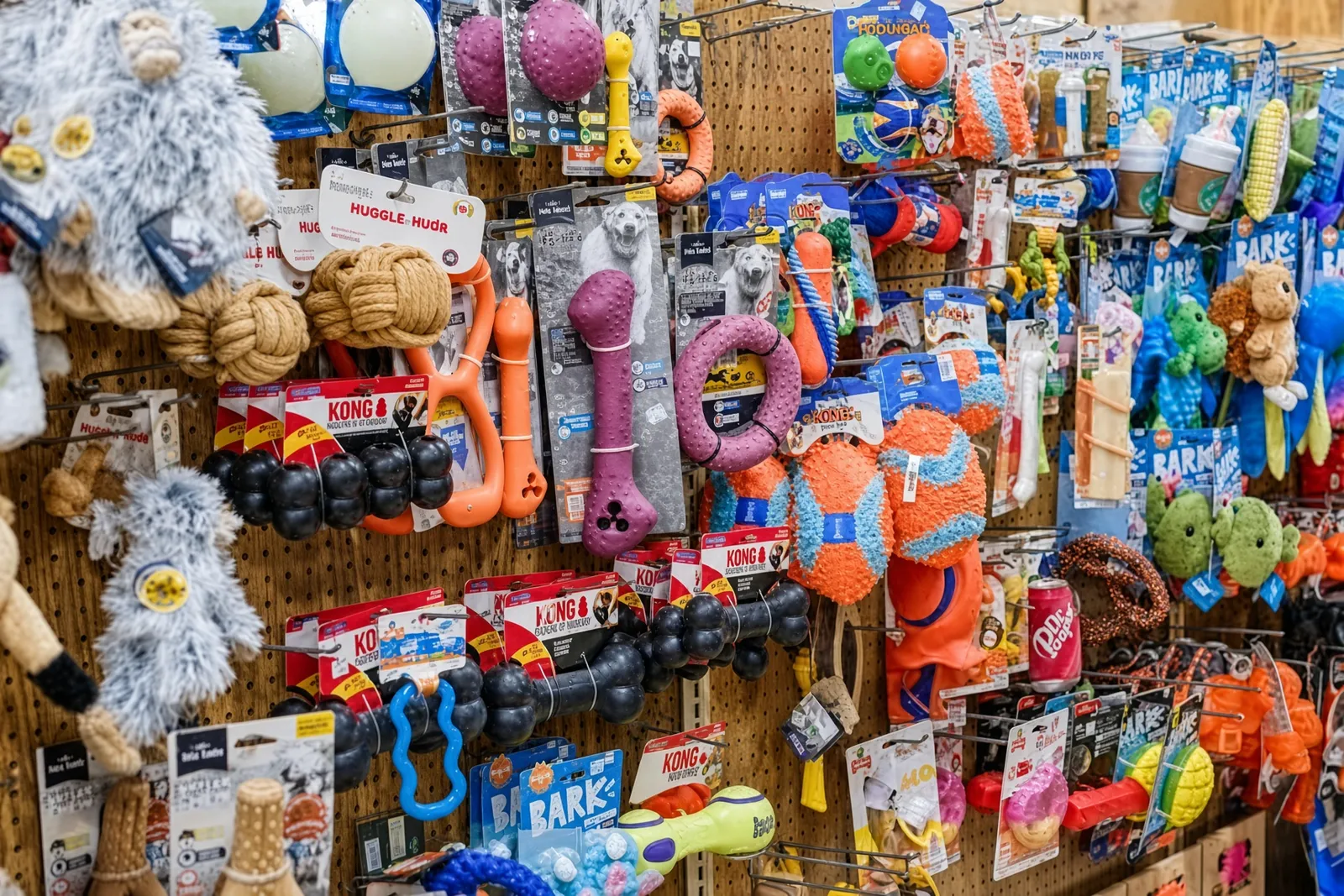
10.2% → <2%
returns after seam, hardness and de-flashing fixes
A 34-unit failure teardown found the seam allowance at load points and the rubber hardness had never been specified. Both were fixed, and a 500-unit pilot proved it before the line scaled.
Bespoke Pet Products
+19% net margin
88%
fewer defect-related returns
The same discipline applied to the seam and the box: production sewing specs were rebuilt and the packaging was re-engineered, taking the defect returns out of the P&L.
Binkley Toys
sewing specs re-engineered
37%
defect rate drop (5.2% → 3.3%)
Three failed document reviews became a first-pass retailer audit once every carton could be traced back to its compliance file in under a minute.
Blip Toys
0 major non-conformances at audit
Different categories, the same inspection discipline.
Who holds the QC
Inspection That Reports to Quality, Not to the Line
The inspector does not answer to the production manager
A line behind schedule has an incentive to pass a marginal lot. Inspection is signed off by QA, with the authority to stop the run — and that signature is what releases the shipment.
The approved sample is the only reference
Not a photograph, not a remembered colour, not last week’s shipment. The reference is a physical sample signed off with the spec — and a unit is judged against it, not against the run before.
Every decision leaves a record
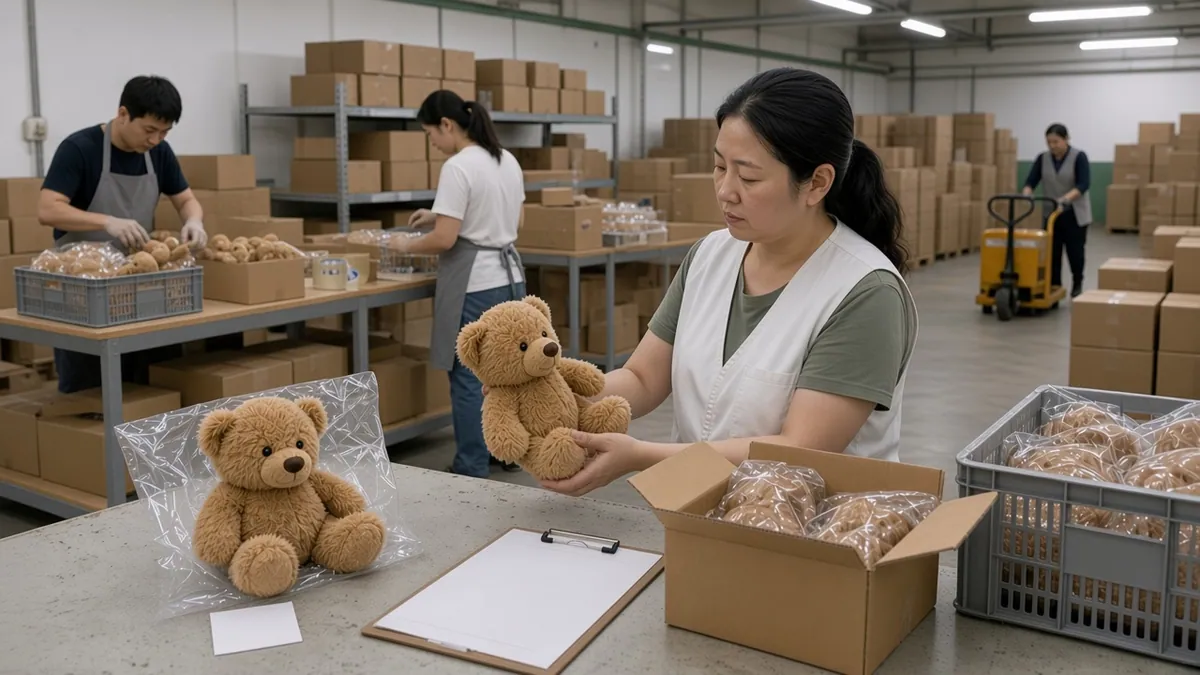
Sample size, failure counts by class, carton checks and the pass or fail all go into the inspection report that travels with the shipment — which is how you know what was actually checked.
Who manufactures your order
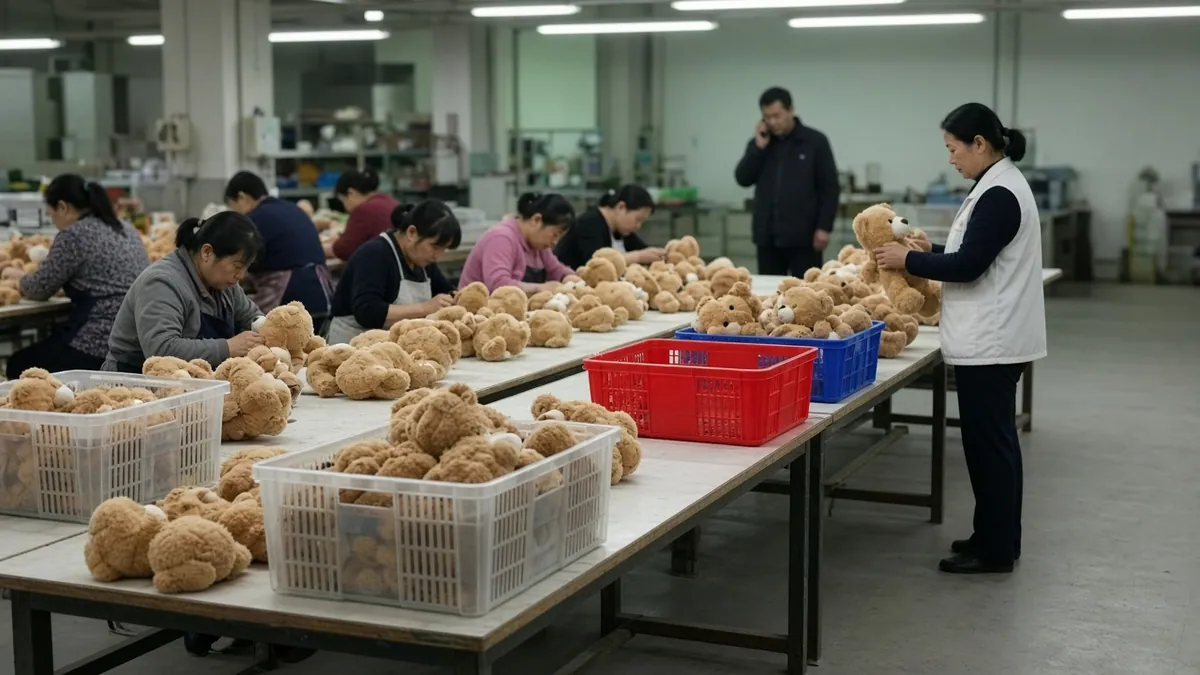
We manufacture through our own lines and named partner factories. The factory that makes your product is named on your test reports and certificates — never hidden behind an agent.
Before you approve any factory, run the plush factory audit checklist — and read the supplier red flags audits keep finding.
Before you trust a QC report
Questions buyers ask about inspection
AQL 2.5 is the acceptance limit for major defects in a sampled lot. It comes from ISO 2859-1: you take the sample size set by the lot size, count the major defects in that sample, and accept or reject the whole lot against that number. The larger the lot, the larger the sample and the higher the accept and reject counts. Critical faults sit outside the sample entirely — one detached small part stops the lot.
Yes. AQL 1.0 is available on request when a product or a launch cannot tolerate the normal major-defect tolerance. It tightens the accept count and usually increases the sample, so the verdict is stricter and the inspection takes longer on the floor. The level is written into your order before production, so there is no argument about it at the end.
Everything between the raw material and the loaded container: incoming material lots, the signed sample, inline checks during production, an audit of the finished lot before it is packed, and the carton and labelling checks before loading. It covers the product, the packaging and the documents that travel with the shipment.
Critical characteristics are checked on 100% of units — every finished plush passes a calibrated metal detector, and every electronic unit is powered and function-tested. Everything else is inspected on a statistically valid sample determined by the lot size, plus inline checks during the run. That is the only way to judge a 10,000 unit lot without the cost of sorting it by hand.
It is held. The lot is put on hold, a signed Corrective Action Report is raised with the producing factory, the factory sorts and reworks the entire lot at its own expense, and our QA team re-audits it at a tighter sampling level. Nothing is released until the reworked lot passes.
Send photos and the carton or lot number, and we check them against the inspection record for that run. If the fault is a manufacturing defect, we cover replacement production or credit it to your next order. Because the report travels with the shipment, we can also tell whether the fault was present when the lot was inspected or was introduced after it left the factory.
Yes. We work to your checklist where it is more specific than ours, and a third-party inspector you appoint is welcome on the floor. Send their schedule with the order and we will make the line, the golden sample and the records available to them. The QC protocol here is the baseline either way.
An inspection report giving the sample size, the failure counts by class and the pass or fail; the signed sample record; test reports for your markets — ASTM F963, CPSIA and the Children’s Product Certificate for the US, EN71 for the EU, ISO 8124 where it applies — plus material certificates and the packing list. They are prepared before the container leaves, not after a marketplace asks.
Plush is judged on seams and attachments: seams, eyes and trims are pull-tested at a fixed load, fill density is compared with the approved sample, and every unit passes a metal detector. Wood is checked on small-part torque, splinters, paint adhesion and moisture content. Plastic is checked on clutch and fit, drop performance and parting-line flash. The test list follows the material and the age grade, not one checklist for everything.
Inspection and testing are itemised in your written quote, so there is no hidden line for them. If a lot fails against the agreed standard, sorting and rework are carried by the factory that produced it — not by you. We do not publish an inspection price, because the sample size and the number of test points both depend on the product.
Run ten matches run one because the reference is archived, not remembered. The approved sample, the written spec and the inspection report stay on file for each design, and every reorder is checked against that file. If a material has to change, it is re-approved and re-documented before the run starts — not substituted quietly.
Yes. A pre-production review checks the design, the material choice and the specification for the failures that would show up in volume — the stitch allowance where the toy takes the load, a dyed cloth sitting near a migration limit, a small part that fails torque. Fixing those on the sample costs far less than fixing them in a lot of 10,000, and the approved sample then becomes the signed reference for everything after.
Catch the defect at the gate, not in the reviews.
Send the spec sheet, a sample photo, or just the product brief. We will tell you which handoff is letting defects through — and what the inspection protocol would look like for your product.
A free two-page protocol — the ISO 2859-1 sample table, the plush defect checklist and the failed-lot steps. No email required.