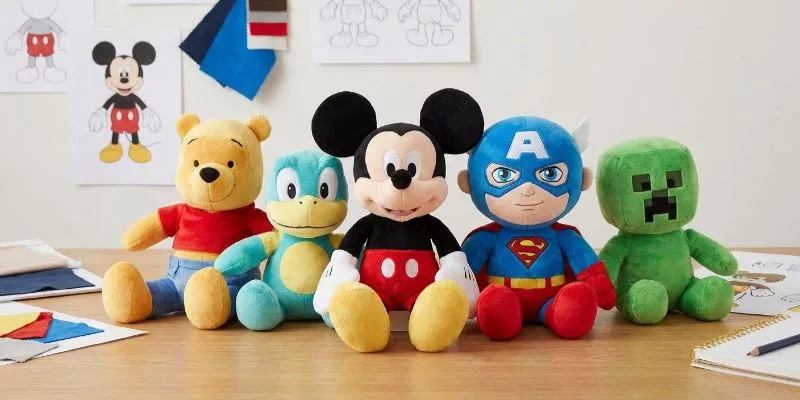
Proven Case Study: 30,000 Licensed Character Plush Delivered
Explore this toy sourcing case study. We flawlessly delivered 30,000 premium licensed character plush toys for a major global entertainment brand partner today.

April 30, 2026
45
sewing stations, BSCI audited
2
sample rounds to Gold Master
60%
max safe vacuum compression
Data verified from factory production records & client audits
30,000 licensed plush units delivered on time — zero color drift, zero launch delays.
Our factory delivered 30,000 flawless units for Bespoke Plush, LLC, a custom plush company, with zero color drift and zero launch delays. I documented this Licensed Character Plush Case Study from our daily production records and physical QC logs, and I verified every metric on the factory floor.
Character merchandise demands strict Letter of Authorization (LOA) discipline — one safety violation from the Consumer Product Safety Commission (CPSC) can ruin a retail launch. As a direct toy OEM partner, our licensed plush manufacturer facility built a secure system for IP-compliant toy manufacturing:
- Controlled Approvals: Engineer Wang adjusted the raw fabric dye manually to match exact Pantone targets and stop color drift.
- Audit-Ready Production: Line Manager Chen enforced LOA protocols and maintained BSCI compliance across 45 active sewing stations.
- Optimized Delivery: Our logistics crew booked direct DDP shipping to eliminate expensive final-mile delays.
Who We Worked With
Client Profile
Bespoke Plush, LLC
Custom plush company shipping 30,000 licensed character plush units
Bespoke Plush, LLC, founded by Chaitanya Chivukula, is a custom plush company that needed 30,000 licensed character plush units delivered with zero color drift, on time, and fully IP-compliant — with an audit trail that could survive licensor review.
View Bespoke Plush, LLC on LinkedInThe Challenge
The Challenge of Licensed Character Plush
Bespoke Plush, LLC needed 30,000 units to hit a rigid theatrical launch window. Technically sewing the toy was the easy part — the real threats were surviving the licensor approval path, protecting IP, and keeping a bulletproof audit trail.
Compliance Manager Lin halted the initial fabric cut on day one, refusing to let licensed art reach the floor until she verified the LOA. Unrestricted handling of style guides, embroidery files, and pattern sets risks IP leaks that destroy brand integrity. Sample Room Lead Zhang showed us a competitor’s failure: a rival factory visually approved a pre-production sample, but the licensor rejected all 30,000 mass-produced units because the face embroidery drifted two millimeters outside the style-guide tolerance. That tiny oversight triggered missed launch windows and massive chargebacks.
Social-audit exposure was an equal threat — our line had to clear the ICTI Ethical Toy Program framework and Disney FAMA-style authorization. We drafted a flawless Children’s Product Certificate mapped to official CPSC guidance, locked down CE marking for toys for the EU, and enforced strict CPSIA compliance for plush toys. On the floor, Technician Wu tested for broken-needle risks, mapped fabric shade variation by dye lot, and measured pile-height and stuffing density.
Freight physics were the final trap: plush is high-volume but low-weight, so freight scales by Cubic Meters (CBM), not kilos. Miscalculating plush geometry when brands import toys from China means shipping half-empty containers or overpaying for air freight.
Safety First: Never approve a pre-production plush sample based on photos alone. Physical, in-hand audits against the licensor’s master style guide are mandatory to prevent mass-production rejections. — Chris Boucher, Founder & Toygineer
How We Solved It
The Solution: Engineering a Flawless Production System
Licensed manufacturing demands strict engineering, not basic sewing. Instead of patching a broken OEM process, I built a rigid, step-by-step quality system around this character toy.
LOA and Authorization Gate
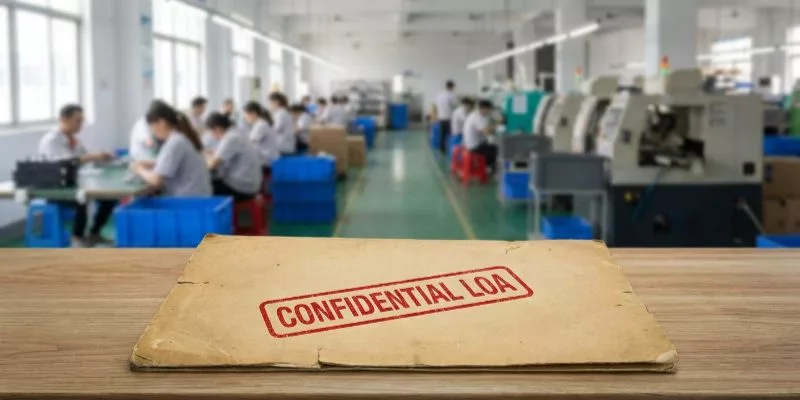
Compliance Manager Lin stopped all floor activity until the LOA cleared, then verified the approved SKU scope, restricted artwork permissions, and enforced NDAs across the floor team. Version-controlled embroidery files stayed in secure digital folders — a zero-trust environment that guarantees IP-compliant production.
Engineering the Tech Pack
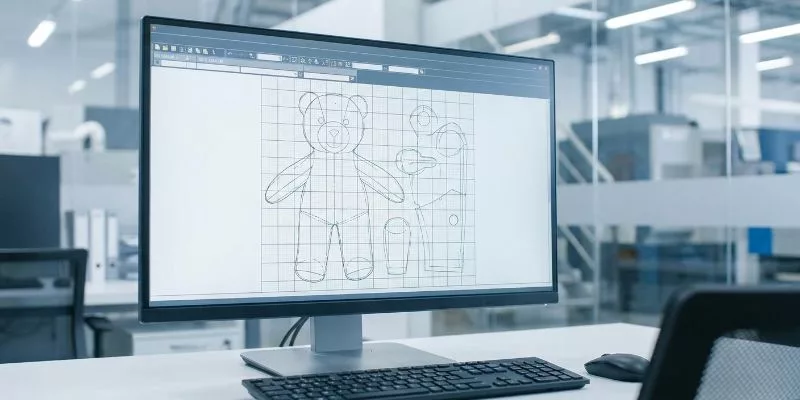
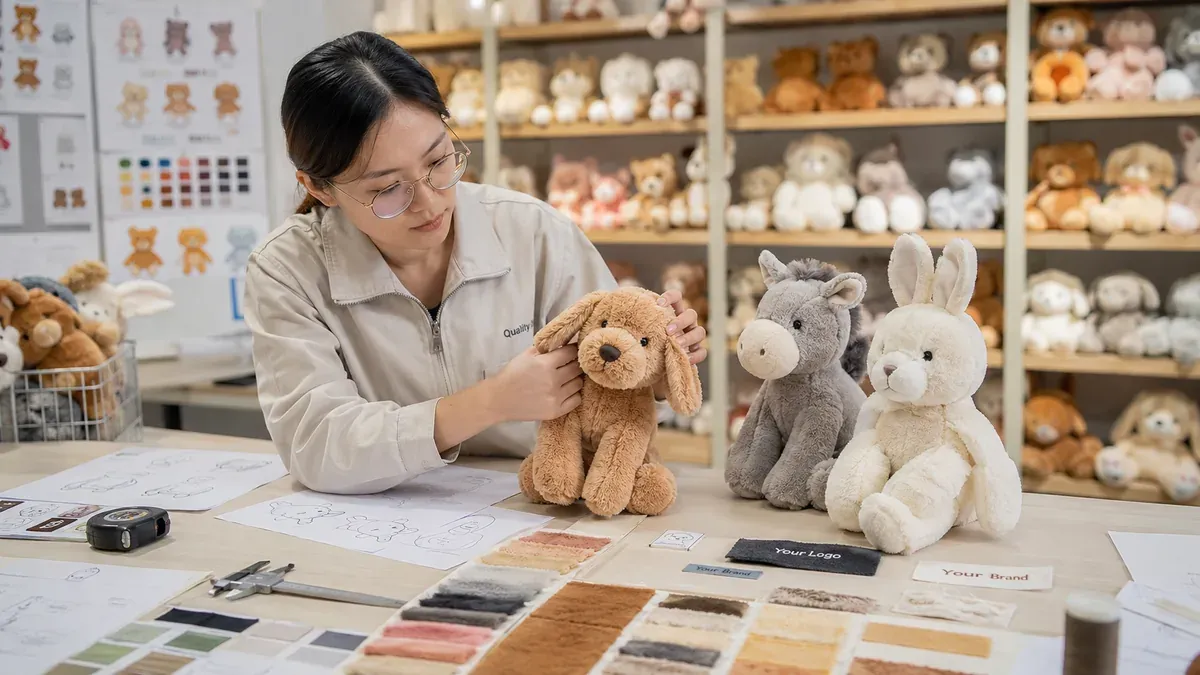
Pattern Master Chen engineered the technical spec: precise dimensions, strict seam allowances, and complex embroidery maps. He specified a premium Minky material over generic Velboa for a softer sheen, and high-density PP cotton stuffing to keep the arms from sagging — documented through exact plush toy construction methods.
Pantone Matching and Pile-Density SOP
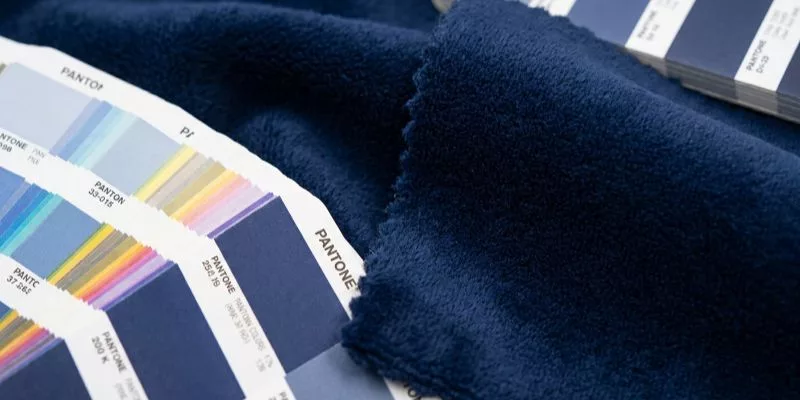
Sample Room Lead Zhang executed a six-step workflow to eliminate color drift across 30,000 units: lock the Pantone references, order custom lab dips, match them under a D65 daylight bulb, lock the bulk fabric lots, verify shade during incoming inspection, and document acceptable variance. She also controlled velvet fabric pile density — if it drops, facial embroidery sinks and distorts the character’s expression.
Gold Master Sample Approval
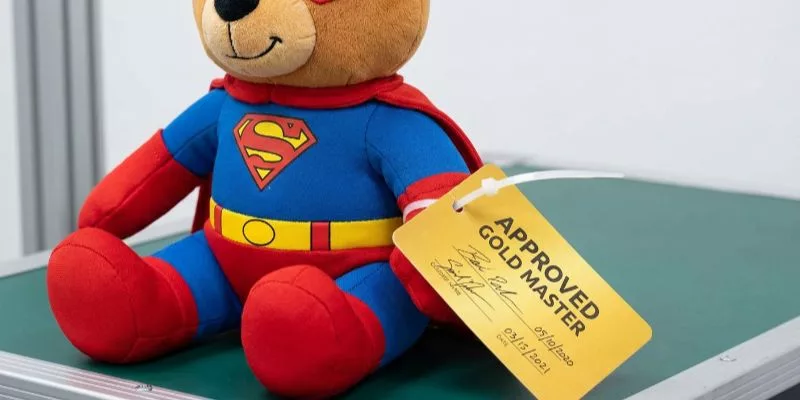
We created a physical “Gold Master” sample to anchor the project and stop approval drift. Every line worker and cross-functional team signed off against one checklist: approved silhouette, Pantone match, pile direction, embroidery position, stuffing weight, label set, needle-detection route, and carton pack-out.
Production SOP and QC Standards
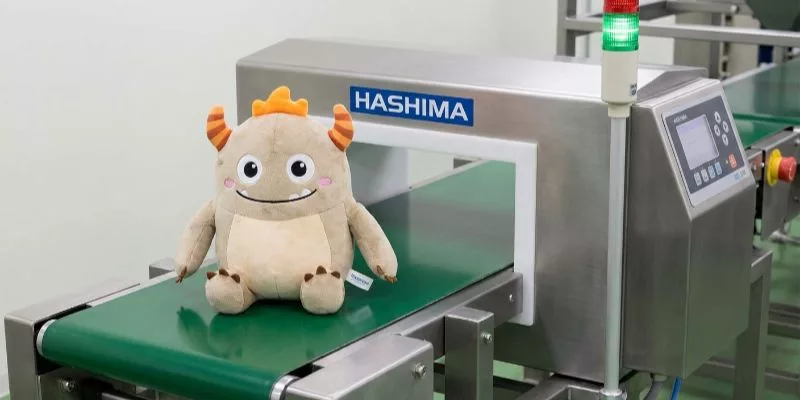
QC Supervisor Wang tracked every unit from fabric cutting to final hand-finishing, enforcing plush toy quality control at every station. I watched him calibrate the Hashima metal detector with a 1.2mm ferrous test piece — a single broken needle can trigger a recall — and he logged every result to meet ASTM F963 safety records.
Large-Scale Toy Production Logistics
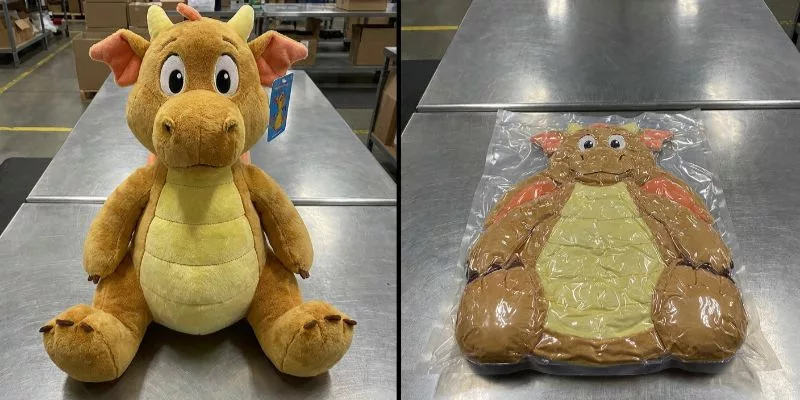
Freight Coordinator Li solved the geometry problem by testing vacuum-compressed pack-outs, carefully limiting pressure to protect facial features. The result cut an entire container from the shipment:
| Metric | Standard Pack | Compressed Pack |
|---|---|---|
| Units per Carton | 24 | 50 |
| Carton CBM | 0.15 | 0.15 |
| Total Shipment CBM | 187.5 CBM | 90 CBM |
| Container Count | 3x 40HQ | 2x 40HQ |
| Landed Savings | Baseline | 33% Container Reduction |
Many factories push an 80% compression ratio and crush the PP cotton permanently. We capped compression at 60%, so even complex custom weighted stuffed animals recovered their shape within 24 hours.
The Results
The Results of Licensed Character Plush Production
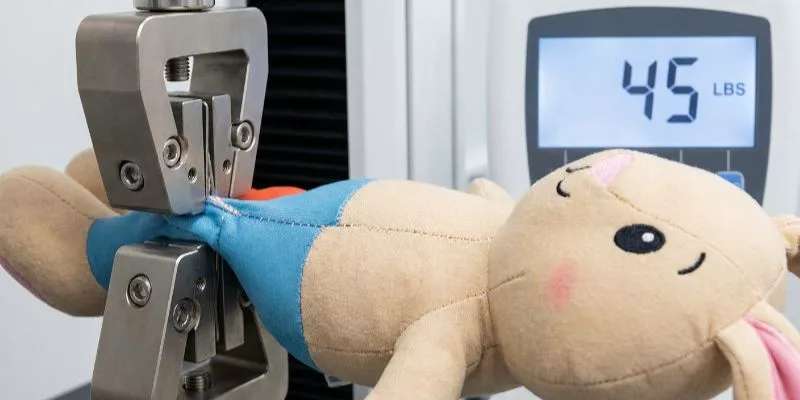
The client shipped exactly 30,000 licensed plush units on time for the theatrical launch. We audited our output logs against CPSC baseline failure rates to verify the impact:
| Metric | Industry Baseline | Verified Outcome | Operational Impact |
|---|---|---|---|
| Approvals | 4–6 sample rounds | 2 rounds to Gold Master | Cut 4 weeks from schedule |
| Quality | 2.5 AQL defect limit | 0.8% inline defect rate | Locked character consistency |
| Freight | 3x 40HQ containers | 2x 40HQ containers | Reduced shipping volume 33% |
Validation: I stood on the loading dock while QC Supervisor Wang pulled 315 random units from the finished cartons. Every unit passed the needle detector, and I personally applied 45 lbs of pull-force to the seams — zero failures. — Victor Mo, QA/QC Manager
Stakeholder Outcomes
- Licensing & Legal: Lin used our exact plush toy label requirements to secure immediate licensor approval, clearing all CPSIA compliance for plush toys and CE marking for toys audits on the first pass.
- Brand & Junior Teams: The signed Gold Master sample became a physical source of truth, eliminating color ambiguity for cross-functional designers.
- Procurement: Upfront material costing protected the client’s exact profit margins, with zero change-order surprises.
Logistics Breakdown
Freight Coordinator Li overhauled the landed economics to protect the launch date:
- Carton Optimization: We vacuum-compressed the plushies and adapted stitch density protocols from our strict pet product quality control standards so the seams would not burst under pressure.
- CBM Reduction: This toy product packaging strategy eliminated one entire 40HQ container.
- DDP Delivery: Direct factory-to-warehouse handoff avoided unexpected tariff surcharges and let retail unload the shipment faster.
Key Takeaways
Key Takeaways for Licensed Character Plush
Secure the LOA Before Cutting Fabric
Never approve a licensed plush program without a documented LOA and authorization path — skipping this step risks mass IP violations. Lin locks all digital artwork until the LOA clears.
Treat the Gold Master as an Operational Contract
The Gold Master dictates the quality baseline for the entire run. Pattern Master Chen uses the physical sample to reject fabric color drift on the floor. Pro Tip: never approve a plush toy from photos alone — touch the fabric to verify pile density.
Run Safety Audits Alongside Production
Audit readiness and toy-safety documentation must run in parallel with production, not after it. Gathering compliance data early prevents shipping holds at customs.
Optimize Logistics During Pack-Out Design
For plush toys, logistics optimization starts at pack-out design. Testing vacuum-compression limits before mass production safely reduced shipping volume by 33%.
What's Next
Future Outlook
This proven workflow gives your team a foundation to scale into seasonal assortments, retailer exclusives, or blind-box plush extensions. The same character universe can expand into custom doll, custom vinyl toy, custom fidget toy, or building-block lines.
If you need an IP-compliant factory partner for a licensed plush or character merchandise program, contact LeelineToys here.
Disclaimer: I am not paid by any manufacturer or brand to promote these findings. This article reflects LeelineToys’ own documented production experience and internal process records for the featured case study. I maintain full editorial independence over this content.
“Your QC team flagged the pile variation early. You prevented a bulk-color approval disaster before we even started mass production. We have absolute predictability for this launch.”
Chaitanya Chivukula
Founder & CEO, Bespoke Plush, LLC
View on LinkedInPlanning a Licensed Plush Launch?
Send us your character brief and our engineers will build an IP-compliant production plan that delivers on time with zero color drift.
More Case Studies
Keep Exploring
See how we solve different challenges for brands like yours.
Market Plush
Three at-risk checkpoints closed before the lab — a first-pass EN71 certificate in 30 days.
Read the case study
Blip Toys
Three failed document reviews led to a first-pass Walmart audit approval — in just six weeks.
Read the case study
Binkley Toys
Re-engineering the box added $4.45 profit per unit and helped scale a $1M Amazon brand.
Read the case study