
A lower ex-factory price is meaningless if a marketplace rejects your batch. As a custom dog toy manufacturer, I see the same commercial reality every day. One weak seam, a toxic coating, or a labeling error can trigger mass returns, chargebacks, and brand-killing recalls.
Uncontrolled supply chains represent the greatest commercial risk for Amazon FBA brand owners, Shopify sellers, and procurement managers sourcing from dog toy manufacturers in China. Standard consumer testing fails in this category.
Pets chew, scratch, lick, ingest residue, and stress-test materials in completely unpredictable ways. Furthermore, regulatory bodies now actively escalate their scrutiny of safety compliance. You can verify this strict oversight through the FDA's Center for Veterinary Medicine guidelines.
To survive, you need rigorous oversight. Pet product quality control is the systematic framework used to verify safety, compliance, durability, and consistency before products reach pets and end customers.
Drawing on LeelineToys' daily in-line inspection reality, this process requires far more than basic visual checks. We rely on strict adherence to international frameworks like ASTM F963, EN71, ISO 9001:2015, and AAFCO labeling requirements.
This article details exactly how to protect your margins. We will cover the Basics of quality control, explore the Core Concepts of sourcing and production, detail the Key Benefits of strict compliance, and address the Challenges of reducing supplier risk.
We will also examine actual lab testing report images to show you exactly what to demand from vendors. Here is exactly how the process works.
What is Pet Product Quality Control?
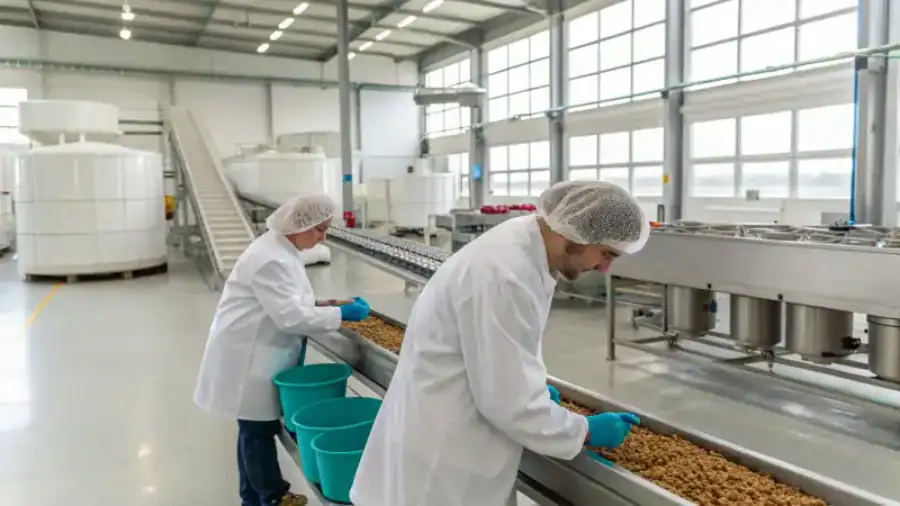
Pet product quality control is the physical checkpoint system that proves an item is safe and functional before it leaves the factory.
Think of manufacturing like operating a commercial airport. Quality assurance (QA) is the air traffic control system. It designs safe flight paths upstream to prevent crashes. Quality control (QC) is the security checkpoint.
It inspects the actual baggage to catch dangers before takeoff. Compliance is the passport. It proves your product meets the legal rules of your destination market.
When we onboard new clients, they often assume an ISO 9001:2015 certification guarantees a safe product. It does not. ISO 9001:2015 is a factory quality management system signal. It proves the factory has an organized process, but it does not prove a specific batch of types of dog toys is durable.
For that proof, you need QC. Quality control is never just one lab test at the end of the line. It is a continuous chain of controls across material sourcing, sampling, live production, testing, packaging, and shipment release.
Because pets violently chew and swallow objects, we rely on strict safety frameworks. In our factory, we use ASTM F963 and EN71 (human toy standards) as practical benchmarks for pet toy durability and material risk. You must also verify chemical safety for pet supplies and secure non-toxic pet material certification to prevent heavy metal poisoning.
Buyers must segment their testing strategy by product category. The types of cat toys you sell require different physical checks than the best fabric for dog toys you source for beds.
| Product Category | Main Risk | Common Tests | Common Standards |
|---|---|---|---|
| Toys and chew items | Choking hazard, toxicity | Bite/pull test, heavy metals | ASTM F963, EN71 |
| Pet food and treats | Contamination, bad labels | Pathogen screen, shelf life | AAFCO model regulations |
| Bowls and feeders | Chemical leaching | Lead/cadmium swab | FDA Food Contact |
| Textile goods | Seam failure, dye bleed | Tensile strength | AATCC (Textiles) |
| Grooming or liquids | Skin irritation | pH balance, microbial limits | ISO Cosmetics |
| Smart pet devices | Electrical shorts | Battery cycle, drop test | UL, CE, FCC |
For consumables, pet food safety standards and pet product compliance regulations dictate production. Buyers must verify AAFCO labeling requirements during inspections. You must carefully follow the FDA animal food labeling guidance to ensure your ingredient panels are completely accurate before mass production begins.
🌍 Real-World Context: A plush squeaker toy requires a completely different testing strategy than a smart automatic feeder. Using a generic checklist across your entire catalog guarantees failure.
Core Thesis
We view pet product quality control as a staged workflow, not a last-minute inspection. When we run production lines, we break the manufacturing process into strict chronological gates.
Input dictates process. Process defines output. If a component fails a single gate, the line stops immediately.
Supplier Qualification Before You Place a PO
Audit the factory before ordering a single sample. We ignore digital vendor profiles.
We verify physical manufacturing capabilities on-site. We confirm business licenses and direct export authority.
The facility must specialize in pet products, not generic plastics. We demand ISO 9001:2015 processes, clean social compliance histories, raw-material traceability, and in-house tooling.
Evaluate sourcing reliable pet manufacturers globally using this baseline:
- China: Assess mold costs with dog toy manufacturers in China.
- USA: Verify assembly times with dog toy manufacturers in the USA.
- Canada: Check shipping compliance with dog toy manufacturers in Canada.
- Australia: Review import rules with dog toy manufacturers in Australia.
- India: Audit textile standards with dog toys manufacturers in India.
- Specialty: Confirm feline safety protocols with custom cat toy manufacturers.
Pet Product Quality Control
1. Pre-Production Quality Planning
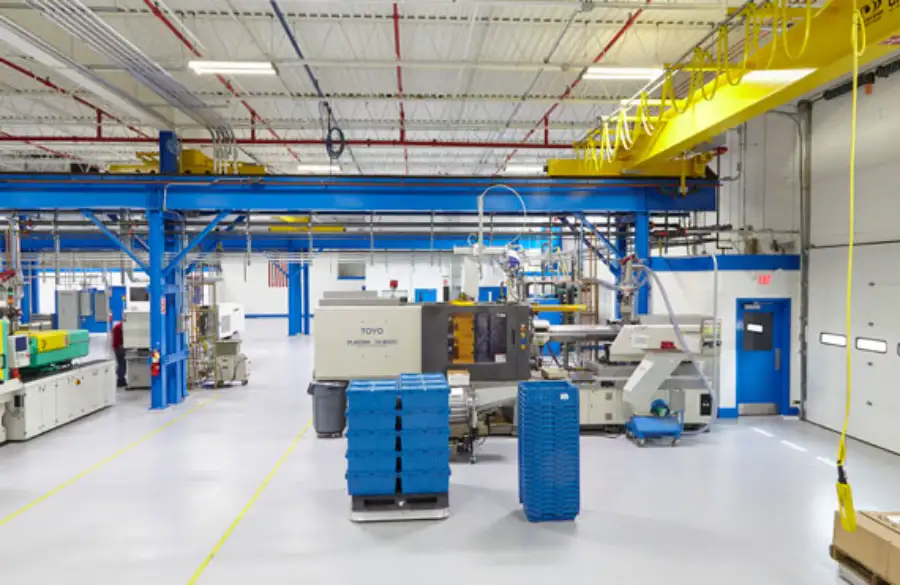
Lock specifications before production starts. Buyers sign off on an approved golden sample.
This prototype serves as the absolute standard. Next, we finalize the bill of materials and Pantone references.
We review packaging artwork, labeling claims, and warning copy. We define a restricted substances list and establish defect classifications using a strict Acceptance Quality Limit (AQL).
To navigate pet product compliance regulations, align your spec sheet with your destination market early. If you sell consumables, review AAFCO labeling requirements against official FDA guidelines before approving print files.
2. Incoming Material Verification
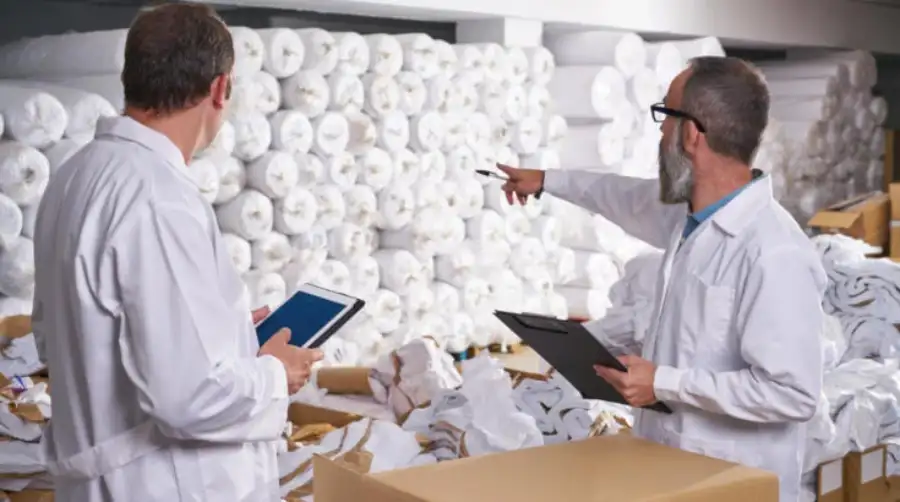
Most factories fail at the raw material stage. If you start with weak fabric, you end up with a defective toy.
We intercept and test all materials the moment they hit the loading dock. We measure fabric GSM, test tear strength, check stuffing density, and verify silicone grades.
We inspect hardware plating for rust risk and examine the edge finish on metal clips. We also test for ink migration risk, followed by a strict odor screening.
We secure a non-toxic pet material certification at this stage. We enforce strict chemical safety for pet supplies to prevent heavy metal leaching. For consumables, we verify that all incoming ingredients meet current pet food safety standards.
3. In-Line Inspection During Production
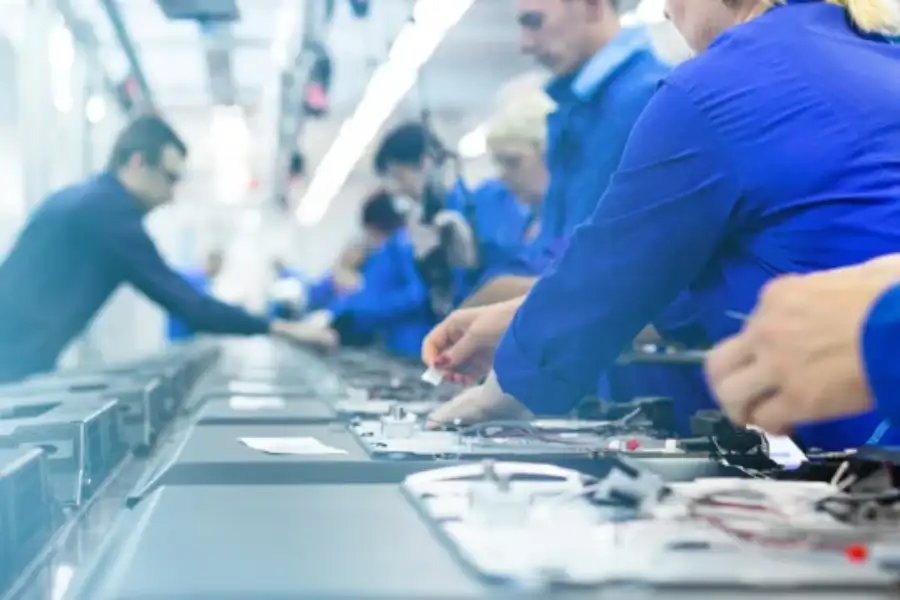
We deploy our LeelineToys 27-point verification system directly on the factory floor during production. We do not wait for the batch to finish.
In-line inspection catches drift early. It reduces rework costs and prevents shipment delays.
- Materials: We verify fabric weight, match Pantone colors, and confirm toxicity compliance.
- Stitching & Seams: We count stitches per inch and check seam symmetry.
- Dimensions: We measure sizes against the golden sample using digital calipers.
- Print Accuracy: We confirm logo placement, ink density, and colorfastness.
- Attachment Security: We pull-test eyes, squeakers, and ropes to 15 lbs of force.
- Stuffing Consistency: We weigh plush fill to ensure even distribution.
- Label Placement: We verify legal tags sit exactly where specified.
- Packaging: We check box folding, blister pack seals, and polybag thickness.
- Carton Integrity: We verify master carton thickness and shipping marks.
4. Product-Specific Testing Workflows
We match destructive lab testing strictly to the product type and destination market.
- Pet toy durability testing: We run pull tests and check seam strength. We test bite resistance to measure small-parts risk. We compress toys to check for stuffing leakage.
- Pet food and treat controls: We verify raw ingredients and run microbiological testing. We screen for heavy metals and perform full nutrient analysis. We review packaging integrity.
- Textile and accessory products: We test colorfastness and screen for formaldehyde. We test buckle strength and push leash harnesses to their maximum tensile limit.
- Smart pet tech: We check battery safety and monitor charging consistency. We test app-device synchronization. For fountains, we verify IP ratings and conduct leak testing to isolate electronics.
5. Third-Party Inspection and Lab Testing

Use third-party services to validate factory self-checks. Independent labs provide objective proof. Third-party inspectors handle pre-production, during-production, and pre-shipment inspections alongside deep lab testing.
However, third-party inspectors only verify conformance. They check the product against your rulebook.
You still need a highly detailed specification pack. We build our testing protocols using official frameworks from ASTM International and rely on certified labs like SGS to validate safety claims.
6. Final Inspection, Packaging, and Shipment Release
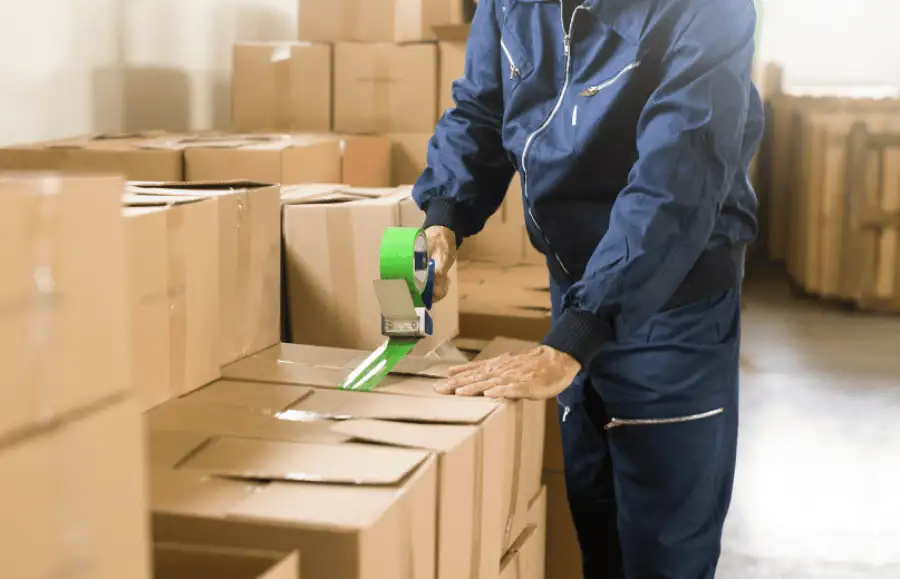
Never release shipments based on appearance alone. We physically abuse the packaged goods to simulate transit.
We run carton drop checks to verify packaging integrity. We scan barcodes, review carton marks, and verify assortment count accuracy. We conduct a final workmanship review on the finished pallet.
If you are an e-commerce buyer, we apply strict Amazon FBA rules. We conduct leakage tests for liquid pet SKUs.
We verify suffocation warnings on polybags. We ensure retail label consistency for instant warehouse scanning. Finally, we test master carton durability against rough FBA transfer handling.
⚙️ Technical Detail: Final inspection relies on exact mathematics. We use the ISO 2859-1 standard to pull a statistically significant random sample from the finished pallet. If we find three major defects in a 125-unit sample, the entire container fails and goes back to rework.
Why Strict Quality Control Protects Your Profit Margins
We treat pet product quality control as a profit-protection system, not a cost center. We back our manufacturing runs with concrete visual evidence, including lab reports and in-line inspection photos. Strict QC transforms sourcing vulnerabilities into a measurable competitive advantage.
Here is exactly how verifying production impacts your bottom line:
| Metric | Without QC | With Preventive QC |
|---|---|---|
| Returns | High (5-10%+) | Below 1% |
| Rework Cost | Expensive domestic fixes | Zero (fixed at factory) |
| Lead Times | Unpredictable delays | Stable schedule |
| Compliance | Blind trust | 100% Verified |
Lowers Recall Risk and Blocks Complaints
Our inspections catch dangerous defects at the source. We intercept toxic materials and weak seams before they touch the best fabric for dog toys.
Recently, we stopped a 10,000-unit container because the dye failed a chemical saliva test. Catching that single failure saved the client from a $50,000 recall.
Brands that skip this step often end up on the FDA animal safety recall database. We keep your name off it.
Secures Amazon and Shopify Marketplace Performance

Defective toys generate one-star reviews that destroy conversion rates. By enforcing strict final inspections, we prevent barcode errors and polybag suffocation hazards.
This directly protects your FBA account health. Amazon permanently suspends sellers who violate their strict packaging and prep requirements.
Verified inspections keep your listings active. DTC brands rely on this pristine reputation to stabilize repeat purchases.
Forces Supplier Accountability and Predicts Margins
Documented defect photos give procurement managers total negotiation leverage. As a custom dog toy manufacturer, we know the reality of overseas production.
Buyers sourcing from China gain massive ROI from preventive QC. Travel distance and communication lag make after-the-fact fixes cost-prohibitive.
Catching a crooked seam on the factory floor costs pennies. Handling customer refunds and absorbing brand damage costs dollars. We eliminate those backend losses before your inventory ever boards a cargo ship.
Accelerates Brand Scaling and SKU Expansion
Repeatable QC systems drive business growth. You need stable supplier performance to add SKUs and expand into new markets safely.
Partnering with certified testing labs like Intertek creates a verified paper trail of compliance. This allows you to double your reorder volume with total confidence. Your ten-thousandth unit will match your approved prototype.
📈 ROI Check: Track your customer return rate 90 days after implementing in-line inspections. We see DTC brands cut return rates by 50% just by adding a mid-production seam pull-test.
Pet product quality control reduces risk but cannot eliminate it entirely. Top-tier factories still experience batch variation and material substitution. You must understand these structural limits to protect your supply chain.
Challenges You Will Face in Pet Product Quality Control
The Illusion of Past Certification

Buyers often skip active testing if a factory holds an ISO 9001:2015 certificate. Past paperwork does not dictate current production. We recently caught certified factories swapping in non-compliant squeakers to save $0.05 per unit. Certificates prove a factory knows the rules; they do not guarantee they followed them this morning.
Vague Specs and Factory Drift
Vague briefs create vague products. If you request "durable rubber," suppliers use their own definition. We force clients to specify exact metrics, like a Shore A hardness of 50, preventing factories from pouring cheaper mixes.
Furthermore, factories often substitute raw materials mid-production to hit tight deadlines. We stress-tested a 5,000-unit order and found the supplier used a cheaper dye for the final 2,000 units. Standard inspections only check a statistical sample (AQL), making it easy to miss these mid-run swaps.
⚖️ The Trade-off: Standard sampling saves money, but 100% piece-by-piece sorting is the only way to catch every mid-batch variation.
The Failed-Inspection Protocol
When we flag a critical defect on the factory floor, we execute a strict recovery protocol that competitors often skip:
- Freeze shipment approval immediately.
- Document defects with photos, counts, and categories.
- Compare findings against the approved golden sample.
- Determine if the batch requires rework, sorting, or full rejection.
- Assign cost responsibility in writing.
- Re-inspect corrected goods before releasing payment.
- Update the supplier scorecard with a preventive SOP.
[Image placeholder: Real Failed Inspection Example: Loose Stitching + Label Mismatch]
🛡️ Mitigation: Embed this exact step-by-step logic into your manufacturing contracts and milestone payment terms.
Hidden Risks in Specialized Goods
Visual checks fail on complex products. We never reject a batch based on odor alone; we pull samples for lab gas chromatography to prove actual toxicity before halting production.
For pet consumables, the stakes shift from cosmetic to legal. The FDA strictly monitors animal food contamination. Swapping a single ingredient requires immediate regulatory review.
⚠️ Critical Warning: Never release a smart pet device based solely on a visual pass. We rejected a flawless-looking smart feeder because the internal moisture seal cracked during our simulated transit drop-test.
The best manufacturers do not promise zero defects. They build transparent systems to document and correct failures before they reach your customers.
The Final Verdict on Pet Product Quality Control
Ultimately, pet product quality control is a rigorous, continuous system, not a single end-of-line inspection. As our daily testing proves, the right test plan depends entirely on your specific SKU, target market, and material risks.
The strongest suppliers build a fortress around your brand. They combine proactive factory QA, strict in-line controls, third-party lab verification, and clear corrective-action processes.
Our final take: Buyers sourcing from China must never choose suppliers on price alone. The initial savings will evaporate the moment a marketplace rejects your container. Whether you need a high-volume custom dog toy manufacturer or specialized custom cat toy manufacturers, you must prioritize partners who provide concrete proof of safety.
Demand factories that show real inspection checkpoints, complete raw material traceability, deep compliance awareness, and actual lab test reports. When evaluating dog toy manufacturers in China, ensure they demonstrate a total willingness to accept re-inspection and financial accountability for defects.
If you are an e-commerce seller looking for a quick, undocumented flip, pass on this industry. If a supplier pushes back against your compliance demands, walk away immediately.
As global pet safety regulations tighten over the next 12 to 24 months, unverified supply chains will face massive suspensions. Documented compliance is your only future-proof strategy.
We recommend locking in your quality control plan before you ever cut a tooling mold. If you want to discuss custom pet product sourcing, build a foolproof QC plan, or verify factory capabilities, contact our team today.
The best pet product suppliers do not ask buyers to "trust the factory"; they make quality visible at every single stage.