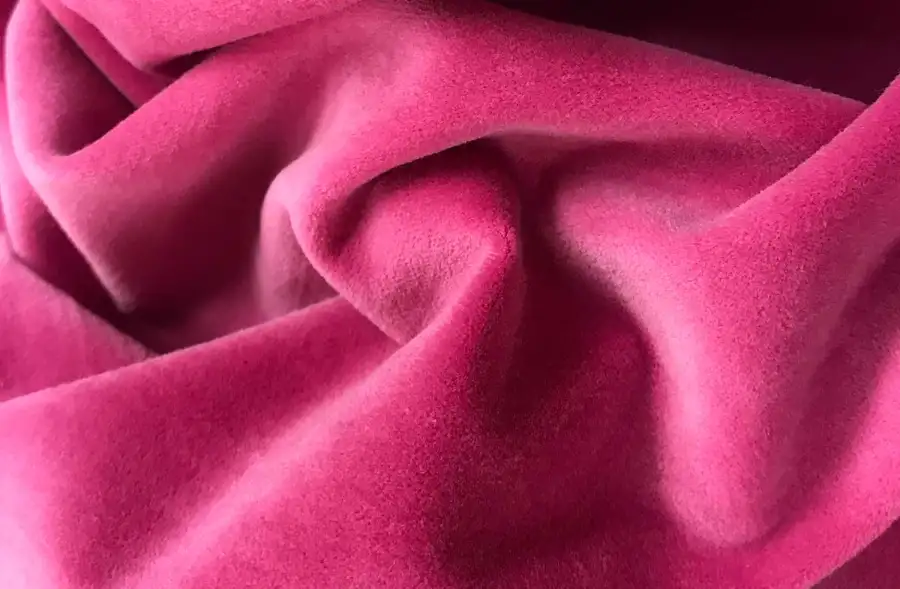

Why are top plush toy brands switching to Velvet Fabric? Velvet fabric isn't just for royal cloaks or fancy curtains anymore. It's now a go-to choice for premium plush toys that feel instantly "hug-worthy."
You face look-alikes such as velour, velboa, and minky. Quality isn't always consistent, leading to nap shading, shedding, and pilling.
You must also comply with strict CPSIA/EN 71 standards. Plus, buyers expect high-quality looks on a tight budget.
This guide breaks down Velvet Fabric in practical, so you can pick the right types, finishes, and specs for their next collection. De-risk production and upgrade brand perception. Stick around with our custom plush manufacturers; we might even make nap direction sound fun.
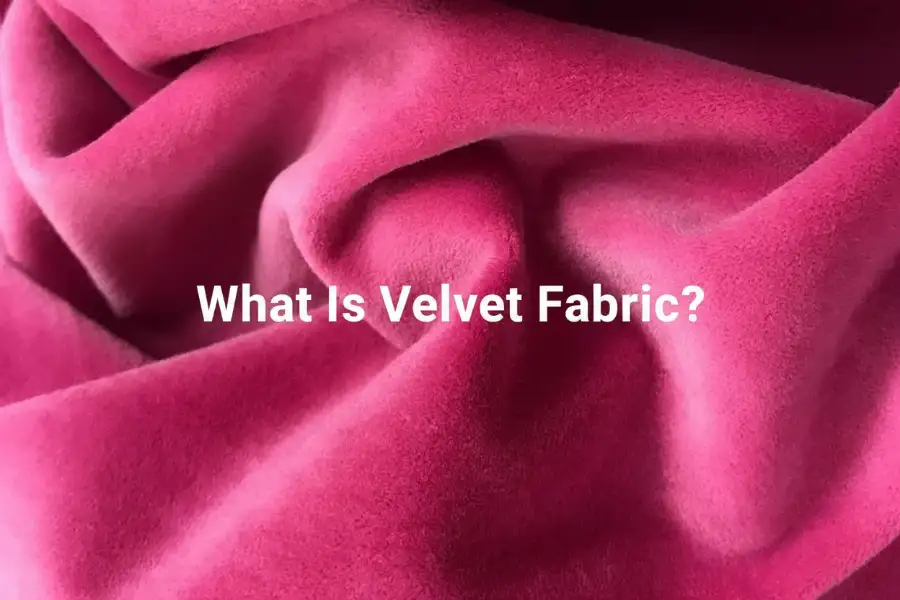
What Is Velvet Fabric? The Fundamentals
Velvet is a woven pile fabric known for its soft texture and rich look. It has a compact, short pile, typically less than half a centimeter high.
This feature distinguishes it from other fabrics. The fabric is made using a special dual-layer loom, weaving two layers together with extra yarn creating the pile.
How Velvet Is Made
You'll find two main pile types:
- Cut pile: Loops of yarn are cut to form soft, individual strands.
- Uncut pile: Loops stay intact, offering a smoother, less textured surface.
Key Characteristics You Should Know
- Pile height controls how soft and shiny the fabric feels.
- Pile density affects strength and hand feel.
- Pile orientation changes appearance—a flat pile shines, while an upright one is softer but less glossy.
Production Steps Impacting Quality
Creating velvet is a detailed process. It starts with weaving and dyeing large batches of fabric.
After that, multiple finishing steps are taken. These steps make sure the velvet is soft, has even color, and feels smooth.
These processes add to the cost but ensure you receive durable, high-quality fabric. To keep it pristine, velvet needs careful packaging during delivery.
Types of Velvet Fabric for Toys
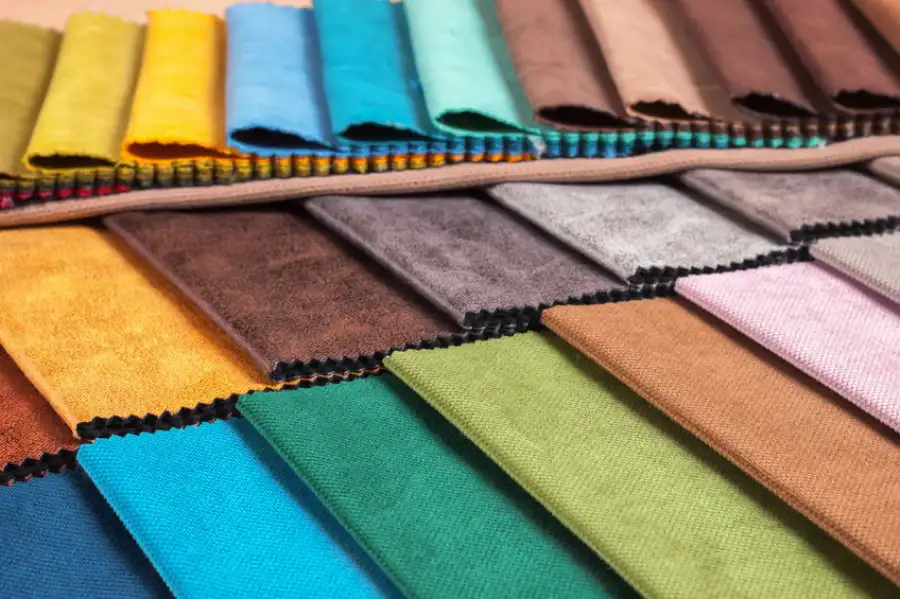
When picking velvet for your projects, it's important to know the types. This knowledge helps you choose wisely.
Each type has unique benefits that can optimize your product's appeal and cost-efficiency. Many Plush Toy Manufacturers China already rely on these differences when planning large collections.
Plain Velvet (Polyester)
- Cost-effective and durable: You get a fabric that holds its softness and color well without a high price tag. This is perfect for mass production where consistent quality matters.
- Low pile height: Typically under 0.5 cm, offering a smooth and neat finish.
- Good colorfastness: Maintains vibrant colors through standard dyeing methods, supporting bigger dye batches of 300-500 yards.
Stretch Velvet (Spandex Blends)
- Flexible and comfortable: Adding 5-15% spandex gives velvet its stretch. This makes it perfect for fitted clothing and accessories that need flexibility.
- Precision needed: Watch out for pattern alignment issues. Fabric elasticity can impact how accurately you cut and sew.
- Enhanced recovery: The fabric bounces back well, offering lasting shape retention.
Velveteen (Cotton)
- Matte and structured: Provides a thicker, more substantial feel that's perfect if you want a classic look.
- Check cotton content: Pure cotton velveteen costs more but has a better texture. Blends with regular cotton lower the quality and feel.
- Heritage appeal: Great for designs where tradition and texture are key selling points. This fabric type is favored by many Teddy Bear Manufacturers aiming to capture a vintage or classic aesthetic in their plush creations.
Micro-Velvet / Warp-Knit Velvet
- Uniform and consistent: This method maintains a consistent nap direction. It's well-suited for large orders that require batch uniformity.
- Fewer production variables: Unlike traditional velvet, it avoids the layered fabric and cutting steps, reducing defects.
- Popular for upholstery and plush toys: Where pile consistency makes a big difference.
Crushed Velvet
- Textured and visually rich: Creates unique depth and masks minor surface flaws, adding luxury appeal.
- Durability caution: The crushing process can weaken fiber strength. So, testing abrasion resistance is key before big orders.
- Distinct look: The uneven pile height provides a memorably tactile effect.
Embossed Velvet
- Custom patterns: Heat-pressed designs add branding or artistic elements to velvet with a mix of flat and raised textures.
- Investment in molds: Keep in mind the upfront cost for molds and plates—works better if you produce 5,000+ meters.
- Durable patterning: Uses specialized calendering equipment ensuring designs last.
Burnout/Devoré Velvet
- Semi-transparent designs: Selectively removes pile for eye-catching openwork effects, ideal for high-end apparel.
- Complex production: Requires skilled handling and chemical control, so expect higher production oversight.
- Limited toy use: Due to safety, it's mostly found in fashion or decorative textiles.
Recycled Polyester Velvet
- Eco-friendly option: Using reclaimed polyester supports sustainability and reduces material cost by 10-20%.
- Blend for softness: Mix with 30-50% virgin polyester to maintain desired hand-feel and reduce shedding.
- Durability maintained: Meets performance standards while appealing to green-conscious customers.
Finishing Effects Across Velvet Types
- Critical final touch: Finishing processes such as steam blooming, shearing, and calendering make fabrics softer. They also enhance surface smoothness and overall look.
- Impact on price: Adds 5-10% to costs but significantly enhances the end quality and market positioning.
- Choose finishes carefully: Whether shiny or matte, the finish shapes the fabric's style and user experience.
Matching the velvet type to your product needs leads to better results. Boosts customer satisfaction and optimizes your production investment.
Pro Tip: Never choose velvet by photo alone. A 3 mm pile at 280 GSM can feel twice as luxurious as a 5 mm pile at 200 GSM—the density of the ground weave is everything.
Ibrahim Kholil, Textile Engineering
Key Properties That Make Velvet Ideal for Plush Toys
Ultra-Soft and Buttery Texture
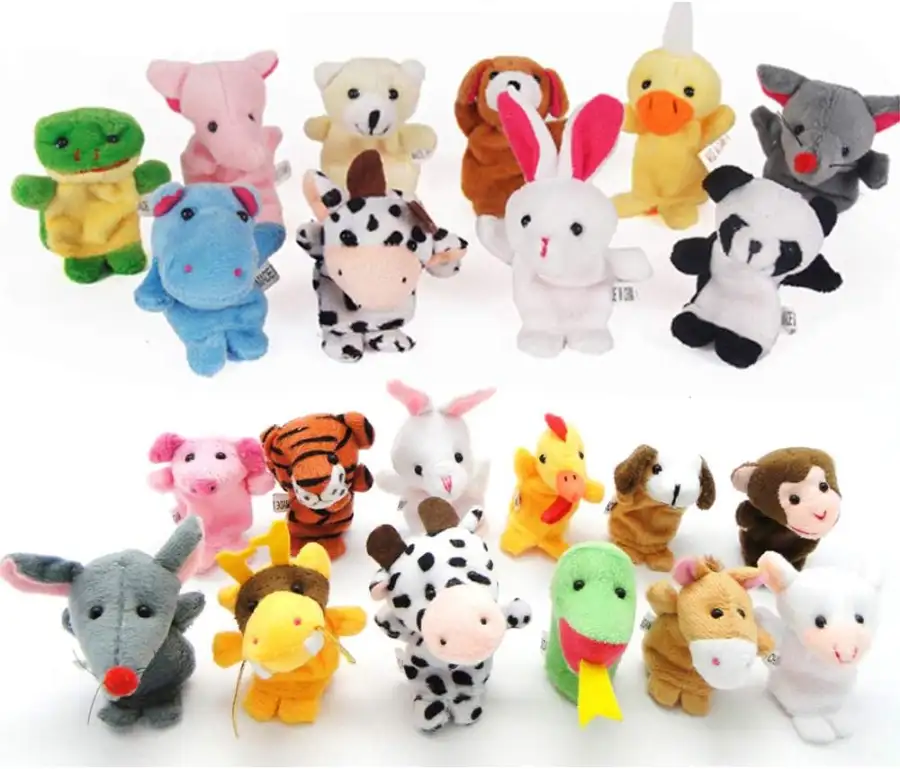
The pile height of premium toy-grade velvet is typically under 5 mm. Giving it an incredibly soft and plush feel. This texture comes from tightly packed vertical warp yarns, making toys irresistibly smooth to touch. Plush Toy Manufacturers USA use this kind of velvet when they want a cuddle-friendly hand feel that keeps customers returning for repeat purchases.
Vibrant, Long-Lasting Colors
Velvet undergoes piece dyeing after weaving, ensuring each batch matches exact color recipes. This means your plush toys will display bright, fade-resistant colors that stay rich after many washes and playtimes.
The pile has a special way of reflecting light. It deepens colors and makes your products more eye-catching on shelves.
Luxurious Sheen That Shines
The fabric's natural light-catching surface adds a sparkling, elegant look. By pressing the pile flat or keeping it upright, you can control the velvet's shine to suit your toy's style. This shimmer makes your plush toys look more premium compared to normal fabrics.
Velvet's cut pile is tough and springs back after squeezing or pressing. This resilience is crucial for toys that get hugged or played with a lot.
Shearing and calendering make surfaces even. This helps prevent early wear, so toys remain soft longer.
Skin-Friendly and Breathable
The open, breathable weave of high-quality toy-grade velvet promotes gentle airflow. Preventing overheating during long cuddles. When made from silk or quality synthetics, velvet is hypoallergenic and gentle on sensitive skin—perfect for baby toys.
Precision Cut-Pile Construction
Velvet is woven as two layers and then precisely cut, ensuring every fiber stands evenly. This consistent quality helps prevent matting and keeps the touch feeling plush even after years of use.
Advantages of Using Velvet for Toy Brands
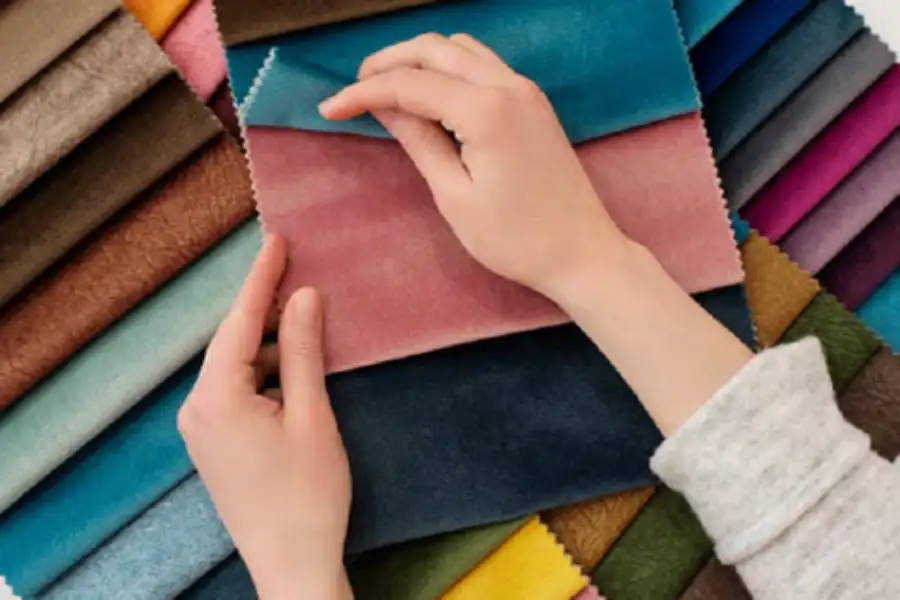
Premium Pricing Power
You can charge 15–30% more for velvet toys compared to regular fabric toys. This price increase comes from velvet's luxurious feel. It helps you earn better margins in both wholesale and direct sales.
Striking Visual and Sensory Appeal - Photogenic quality: Velvet's soft shine adds depth, making your products look richer in photos. This works great for marketing images and product catalogs.
- Social media magnet: On platforms like Instagram and TikTok, velvet toys get more likes and shares because their texture and shine catch the eye.
- Tactile connection: Velvet's smooth feel builds emotional bonds with customers. Encouraging them to buy again and recommend your toys.
Trend-Ready and Highly Customizable - In-style design: Velvet pairs well with popular modern designs. It matches cute "jellycat-style" plush toys and sleek, minimal luxury pieces.
- Color variety: You have access to hundreds of ready-made colors, plus custom dyeing options to create exclusive shades that match your brand identity.
- Pile styles and fiber mix: Choose from different velvet types—cut, uncut, or mixed piles—and materials like cotton or rayon to get unique textures. Velvet is produced on special looms that create two layers simultaneously. This process helps maintain affordable costs for large orders. Shipping velvet toys in suspended cartons preserves the pile, so products look perfect on arrival.
Stand Out in the Toy Market
Velvet toys create a strong premium image. They catch attention in crowded stores and online shops.
Customers often seek velvet toys as gifts, especially priced between $25 and $75+. This gives you a strong advantage over your competitors.
Certification & Safety Standards for Toy-Grade Velvet
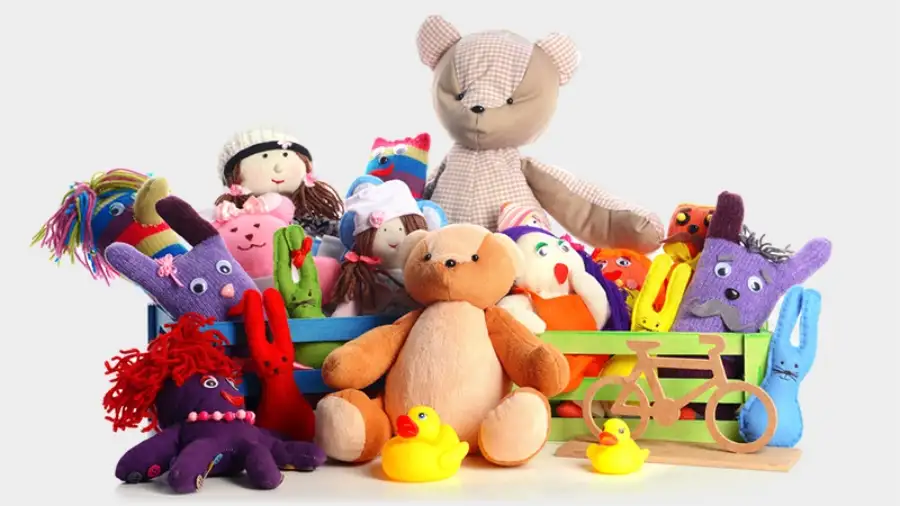
When selecting velvet fabric for toys, it's crucial to ensure the material meets strict safety standards. These certifications protect children and guarantee the fabric's quality and safety for toys.
OEKO-TEX Standard 100 is a key certification you should look for. It confirms that the velvet is free from harmful substances and safe for sensitive skin. This testing covers everything from the dyes used to the finishing chemicals.
CPSIA Compliance is essential in the US market. It restricts toxic elements such as lead and phthalates in toy fabrics. Ensures the velvet is safe for children to handle and chew.
European standards EN71 and ASTM F963 set safety tests for toys. They cover flammability and chemical hazards. Choosing velvet that meets these ensures your toys pass strict regulatory checks.
Additionally, azo-free dyeing processes eliminate toxic dyes, making the fabric safer and environmentally friendly. You should also request supplier test reports to verify compliance with these safety standards.
Focusing on these certifications and safety measures cuts down risks. It also safeguards children and makes your velvet fabric stand out in a crowded market.
Common Applications of Velvet Fabric
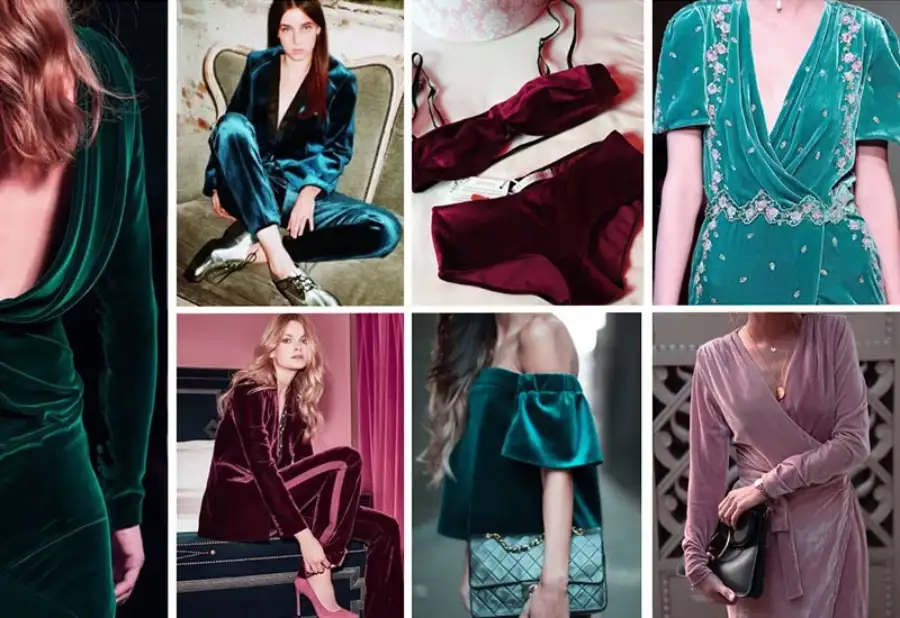
Velvet fabric is widely used across various industries because of its luxurious look and soft feel. Here's how you can benefit from its unique qualities:
Fashion & Apparel
- Evening wear & bridal gowns: Velvet's rich sheen and smooth drape make your formal wear stand out with elegance.
- Day wear: Jackets, blazers, and premium denim gain a refined texture, offering customers a stylish upgrade.
- Accessories: Adding velvet to hats, collars, or cuffs brings a touch of sophistication to everyday items.
- Activewear & fitted garments: Stretch velvet blends comfort and luxury, perfect for flexible, high-end apparel.
Furniture & Interior Design
- Upholstery: Velvet's durability and premium look enhance sofas and chairs, increasing their market appeal.
- Soft furnishings: Blankets, throws, and cushions made with velvet offer exceptional comfort that your clients will love.
- Wall tapestries & décor: The texture adds visual depth to interiors, elevating the atmosphere in any space.
Toys & Plush Manufacturing
- Collector's plush toys: Velvet covers justify higher pricing thanks to its tactile luxury.
- Luxury doll apparel: Dressing dolls in rich velvet instantly elevates them to premium status and attracts collectors who happily pay more.
- Sensory toys: The ultra-soft, varied nap of velvet stimulates touch and supports developmental play, making it a favorite for therapeutic and educational lines.
- Travel accessories: Velvet neck pillows improve comfort and boost perceived quality.
Expert Tip: Parents pick up two identical-looking bears; the velvet one wins every single time. It's not marketing—it's physics: the hand reaches for whatever feels most expensive.
Sustainability and Environmental Impact of Velvet Fabric
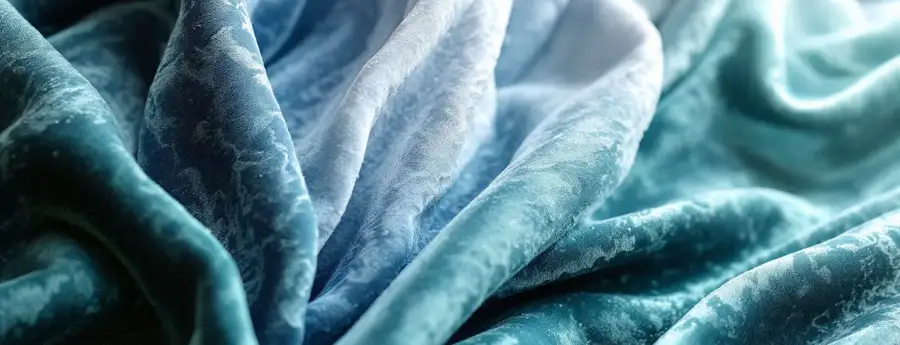
Understanding the sustainability of velvet fabric is crucial when making choices for your products. Velvet can come from various fibers, like polyester, cotton, or blends.
Each type has a unique environmental impact. Polyester velvet usually consumes more energy and creates more carbon emissions than cotton velvet. However, cotton velvet typically needs more water to grow.
Fiber Choices and Environmental Considerations
- Polyester velvet: Higher carbon footprint due to synthetic production.
- Cotton velvet: Water-intensive cultivation but biodegradable.
- Blended velvet: Balances properties but complicates recycling.
Recycled Content and Eco-Friendly Practices
While some velvet used in toys may include a percentage of recycled fibers, this practice is not widespread or well-documented. Sustainable velvet typically features certifications such as OEKO-TEX or GOTS.
These labels confirm the use of safer dyes and finishing techniques. Implementing these can reduce harmful chemicals and water pollution.
Lifecycle and Supplier Standards
To assess the real environmental impact, look for velvet suppliers committed to lifecycle assessments (LCA). These evaluations help you see the overall carbon, water, and waste effects of velvet fabric production.
Design & Production Tips When Working with Velvet Fabric
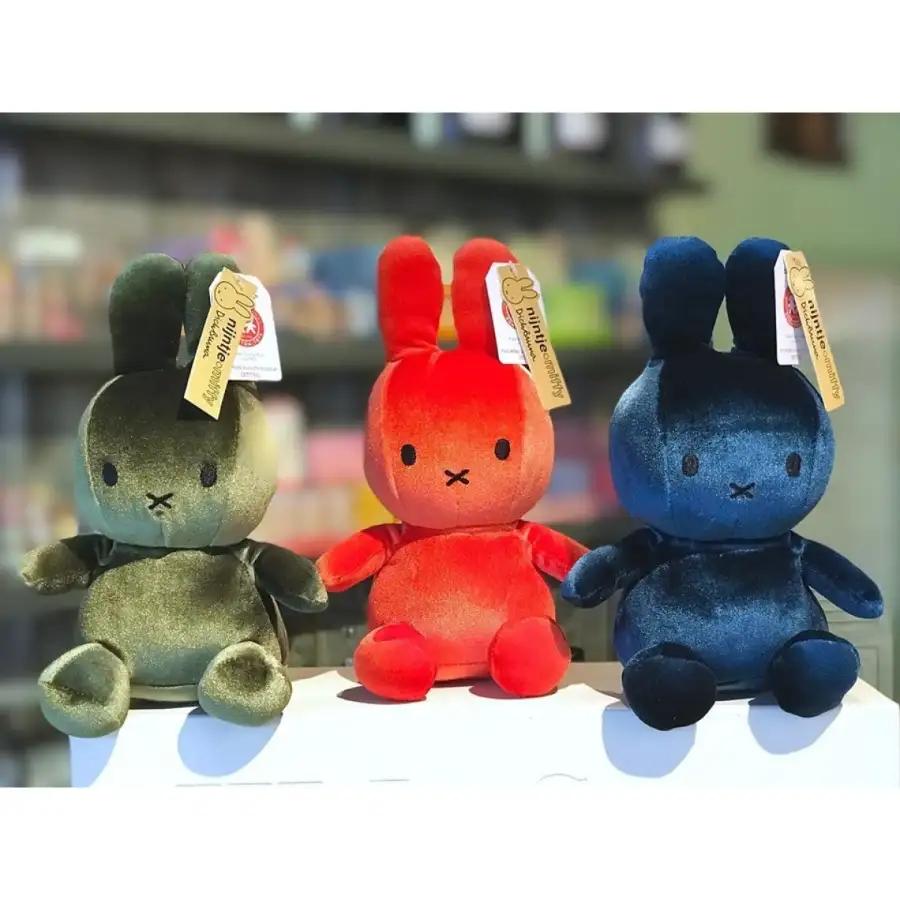
Nap direction matters: Velvet's pile reflects light differently depending on direction. To keep color and shine consistent, you must cut all pattern pieces facing the same way. The pile is short—usually under 0.5cm—so any mismatch is very noticeable.
Cutting layout: Always use a "with nap" layout. This avoids color differences where seams meet. You can finish the pile either flat for a shiny look or upright for a soft, matte feel.
Machine setup: Use a walking foot or dual-feed system. This prevents the velvet pile from shifting while sewing. Normal presser feet can push the fabric unevenly, ruining the texture.
Stuffing techniques: - Choose high-loft polyester filling to keep loft under pressure. - Add stuffing slowly, from corners to center, to avoid crushing the pile. - Brush gently after stuffing to lift fibers and restore softness.
Fabric blends for better products: - Combine velvet with minky for softness and luxury on pillows or throws. - Use sherpa under velvet for warm, cozy blankets—though it raises costs. - Cotton backing makes velvet more durable and breathable, lowering costs in commercial items.
Seam and construction advice: Use flat-felled or French seams with velvet as the outer layer. This protects edges and boosts product longevity.
Material choice impact: Silk velvet feels ultra-luxe but costs more. Synthetics are cheaper and tougher. Pick your fabric based on how the end product will be used and your budget.
People Also Ask About Velvet Fabric
1. Can velvet be machine-washed?
It depends on the specific fabric and its backing. Some velvets are machine-washable, while others require dry cleaning or spot cleaning only. Always check the care label.
2. Can I print or embroider on velvet?
Yes, but test first. Some methods may require clearing (shearing) the pile in logo areas for better clarity. Validate color penetration, registration, and effects on pile.
3. What's the best pile height for stuffed animals?
3–5 mm is the sweet spot: short enough to stay smooth, tall enough to feel ultra-luxurious.
4. How much does good velvet fabric cost in 2025?
Stock colors: $3.8–$6.5 per yard. Custom high-density stretch: $5.5–$8.5 per yard (worth every cent).
Conclusion
Your next blockbuster plush lives or dies by the fabric you pick. Velvet Fabric lets you hit that perfect trifecta—irresistible softness, baby-safe certifications, and margins that actually make sense—without guessing games.
Upgrade your line with the same velvet the big brands swear by! Tell LeelineToys your target GSM, pile height, colors, and safety needs. We'll rush a no-BS quote within 24 hours. Let's turn your idea into the softest, most profitable toy on the shelf—message us now!