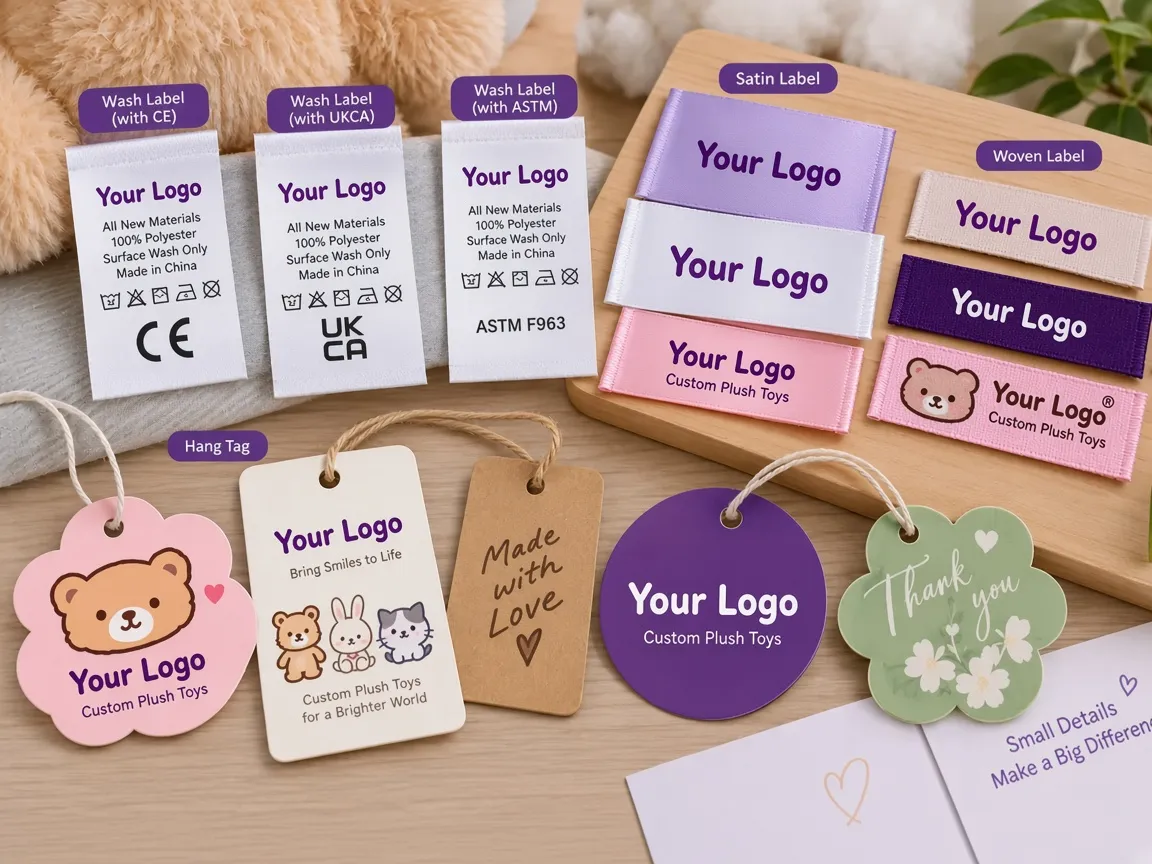

Most plush programs use two things: a removable hang tag for branding and a sewn-in label for compliance. Custom plush tags live or die on four factors: branding, compliance, softness, and retail channel.
Key Takeaways:
- Two tags, two jobs: a removable paper hang tag carries the brand, while a sewn-in label carries the CPSIA and EN 71 compliance data.
- Nine tag types: paper hang tags, woven labels, printed care labels, die-cut tags, plastic/PVC tags, leather and PU patches, embroidery, eco labels, and RFID/NFC.
- Compliance stays sewn in: paper tears off in seconds, so tracking data belongs on the permanent label, never the hang tag.
- Softness is testable: approve every label on the finished plush, not flat art, and run a 10-cycle wash test.
- Budget the basics: most tags start at 1,000 pieces, samples run 5–7 days, and bulk runs 10–20 days by tag type.
I grouped these tags after reviewing our plush runs, sample proofs, packaging data, and a 45-day transit simulation.
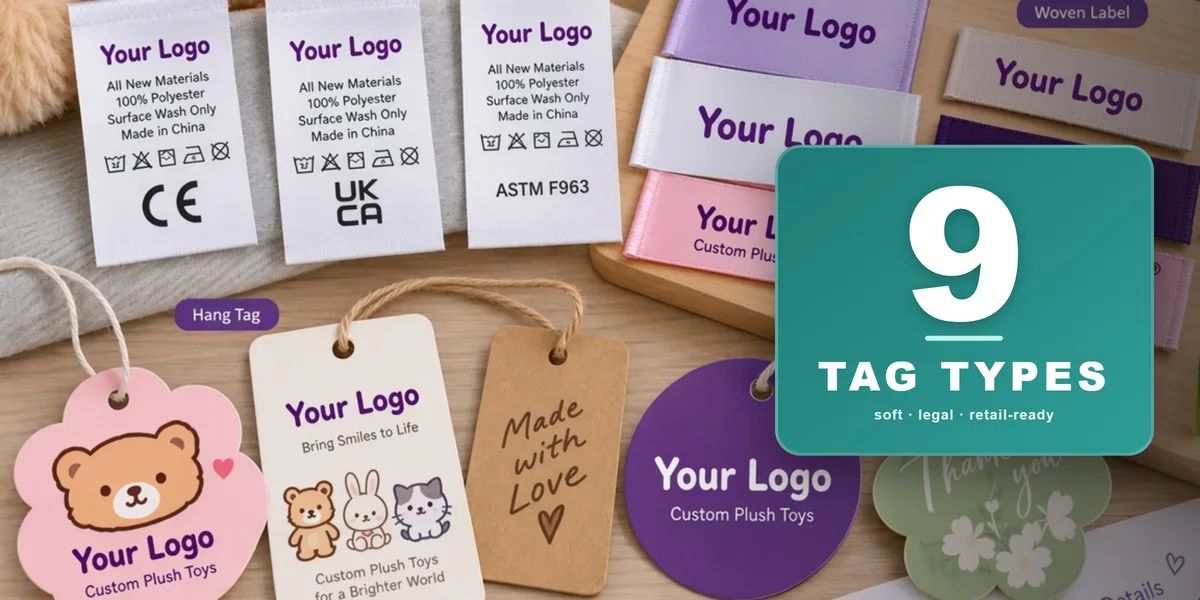
Custom Plush Tags: 9 Types to Brand Your Plush Toys
Pick tags that sell without scratching. This guide groups them by job and compares MOQ and lead time.
1. Paper Hang Tags: The Lowest-Cost Retail Default
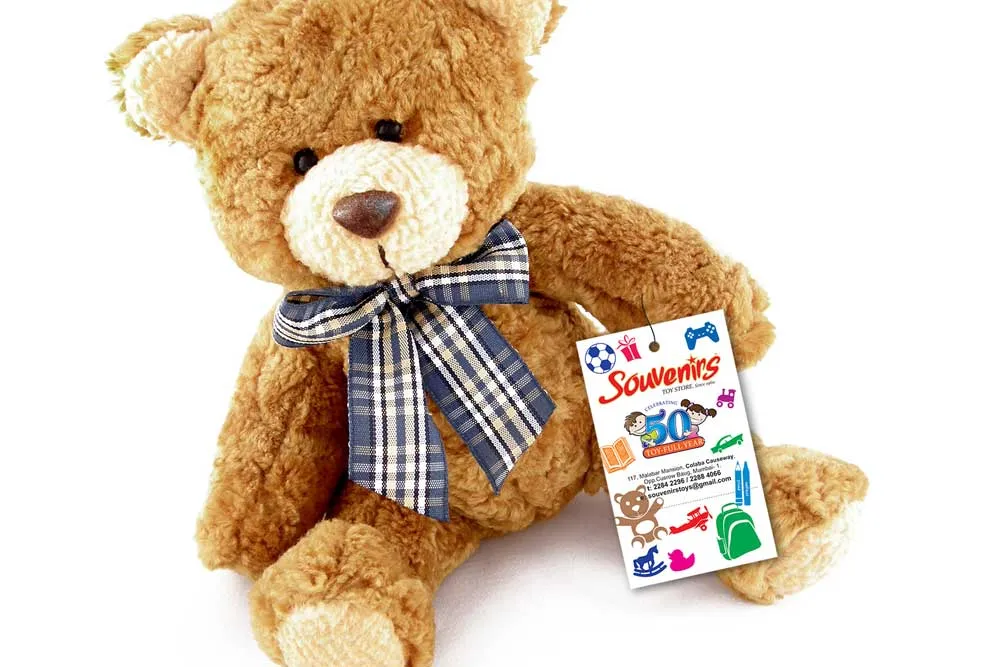
Paper hang tags are the cheapest way to brand a plush toy. Print on card stock, punch a hole, loop it through a swing ticket or barb. No stiff label presses against fabric, so the toy stays soft.
I recommend them for brand story, barcode, QR code, and price. Coated paper gives a sharp color. Kraft signals eco. Uncoated takes pen and stamp. Specialty stocks such as felt-style bonded fabric add a premium feel at higher cost — but note that felt is a textile, not a paper grade, so it follows different print and cut rules.
Best fit: gift plush, licensed characters, shelf-ready retail. Finishes: matte lamination, spot UV, foil stamp, emboss. MOQs start at 1,000 tags per design. Unit cost tracks size, stock weight, print colors, and finish — we confirm exact pricing against your artwork at quote stage.
Pros: low cost, fast proofs, no stiffness penalty, easy seasonal swaps. Limitations: they tear, fall off, and do not survive play.
🛡️ Our Verdict: Put brand and price on paper; put tracking data on a sewn-in label. Paper tears off in seconds. A U.S. gift brand once wanted to put CPSIA tracking data only on the paper hang tag to save a fraction per unit — we stopped the run and moved the data onto a soft cotton label instead.
2. Woven Labels: Best for Permanent Plush Brand Tabs
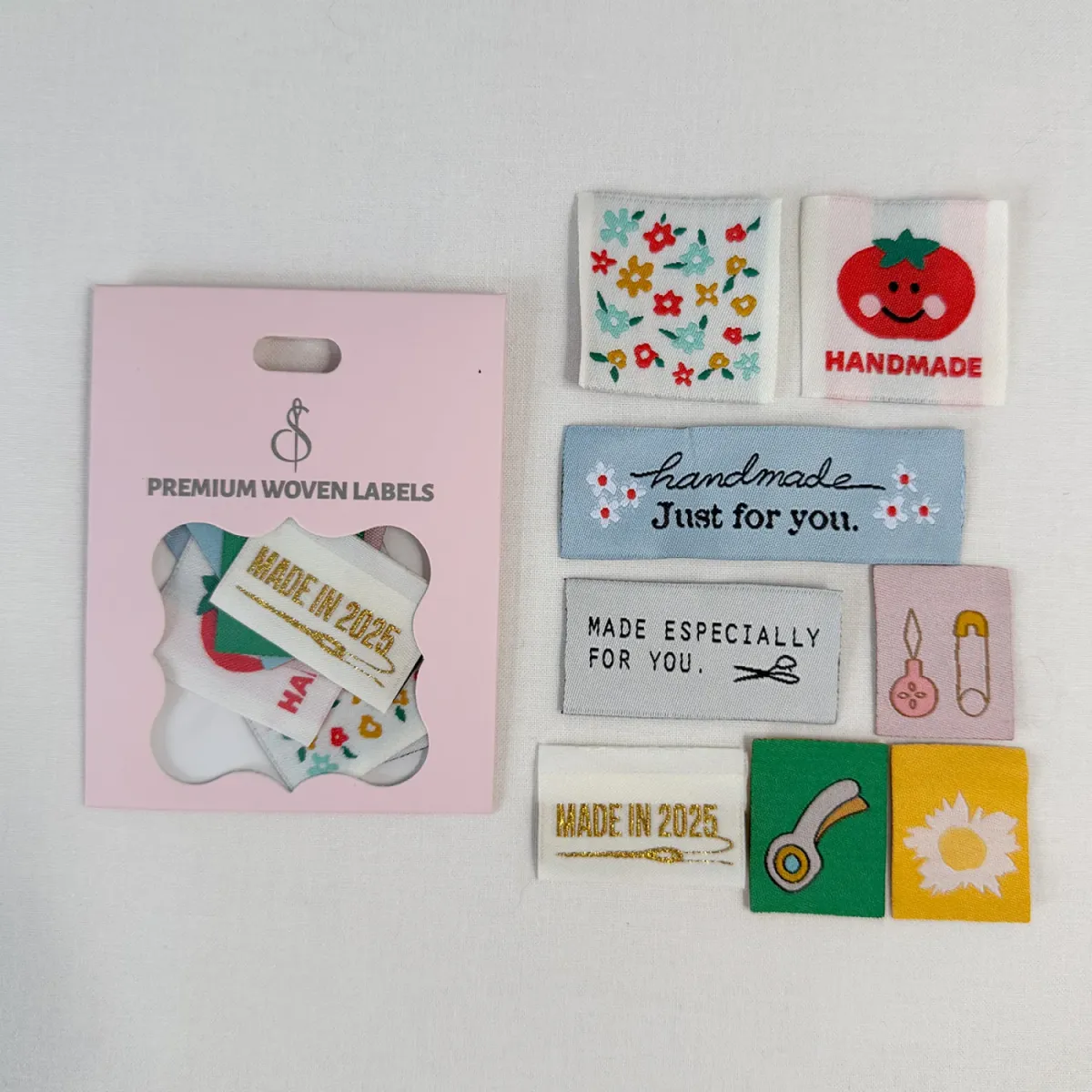
Your hang tag disappears. The brand should not. I use woven labels for permanent plush brand tabs. They stay after retail tags come off.
Three builds matter:
- Satin damask gives a soft hand and premium sheen.
- Taffeta-style holds crisp, flat logos at lower cost.
- High-density woven delivers the sharpest simple marks.
Our sewing floor manager has 15 years of plush production experience and often warns new buyers about high-density weaves. Tight threads sharpen a logo, but they stiffen the label edge. On our 12cm keychain plush, we fixed this by switching to ultrasonic-cut satin damask. The edge stayed soft even in narrow ear seams.
They win on premium look, durability, and simple-logo clarity. They lose on gradients and micro text. Keep artwork to 2-3 spot colors and bold lines. Place the label in a side seam or center back. Match it to fabric: satin damask suits minky; taffeta suits flat plush; dense weaves need a taped edge.
Check OEKO-TEX Standard 100 on skin-contact label lots for harmful-substance safety, then test hand-feel on the finished plush. MOQ starts at 1,000. Cost drivers are loom setup, thread colors, weave density, and folded ends.
🛡️ Our Verdict: Woven labels are the permanent tab, so test them on the actual plush before bulk. A label that feels soft on a card can stiffen after weeks in transit.
3. Printed Satin or Cotton Care Labels: Best for Custom Plush Tush Tags
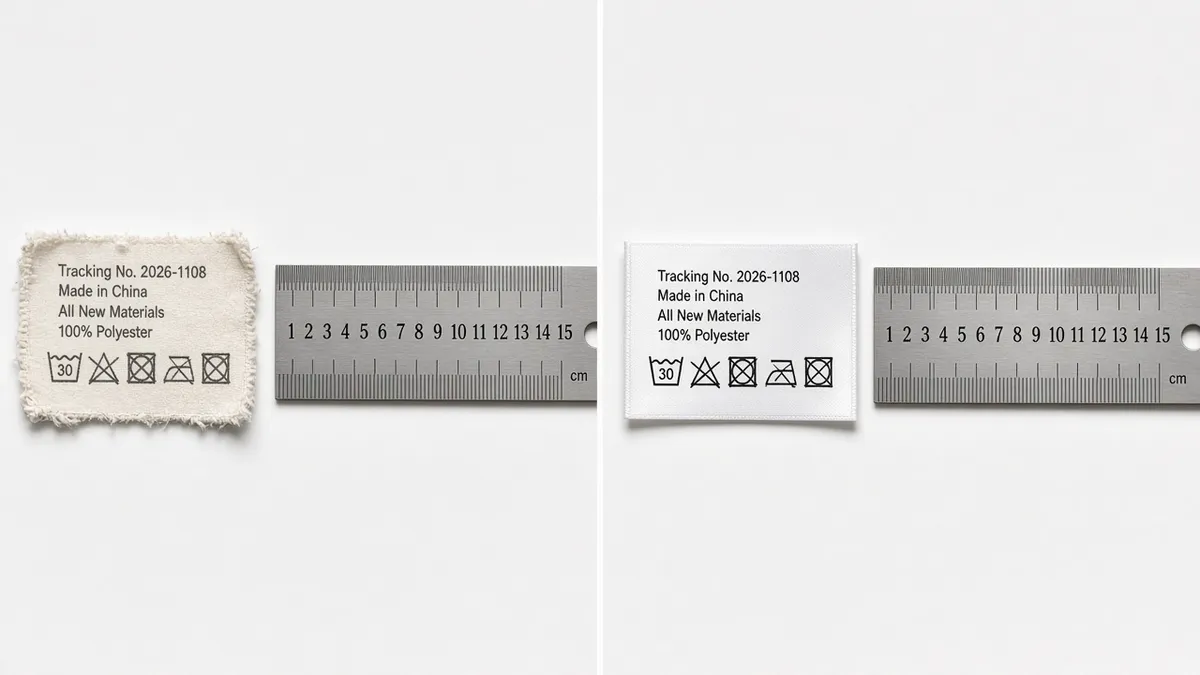
Printed care labels are the workhorse. They carry fiber content, filling, care symbols, country of origin, manufacturer/importer details, batch code, and tracking data. This keeps permanent text off removable hang tags.
Satin gives a slick hand and bright print. Cotton gives a matte, natural look and softer drape. For infant plush, skin-contact softness and skin safety decide the choice: satin holds fine icons and stays soft, cotton gives a natural matte finish. We test both on the seam that touches skin.
Small 6-point compliance text blurs easily if you pick the wrong ink. I always check the physical printed ribbon, never just the digital PDF.
We use resin-based thermal transfer ribbons on satin labels. This ink resists fading during wash tests. For cotton labels, we bump the font size to at least 7 points because natural fibers absorb ink and soften thin letters.
Order visible size, not total size. A 30x60mm center fold shows 30x30mm. End folds hide extra length in the seam.
CPSIA tracking and EN71 warnings must stay attached. We run 10-cycle wash tests. Our satin lot passed; one cotton lot frayed at cycle 7.
According to Mark Wang, Toy Export & Sourcing Manager, cotton cannot be heat-sealed, so that lot moved to folded, overlocked edges — heat-sealing and ultrasonic cutting only work on synthetic ribbon like polyester or nylon.
MOQ starts at 1,000 labels per design. Main cost drivers are ribbon material, ink type, folded ends, and wash testing.
🛡️ Our Verdict: Satin for crisp icons, cotton for a natural matte finish, and both tested on the skin-contact seam. Cotton needs a folded edge, not a heat-sealed one.
4. Die-Cut Shaped Hang Tags: Best for Character-Led Shelf Appeal
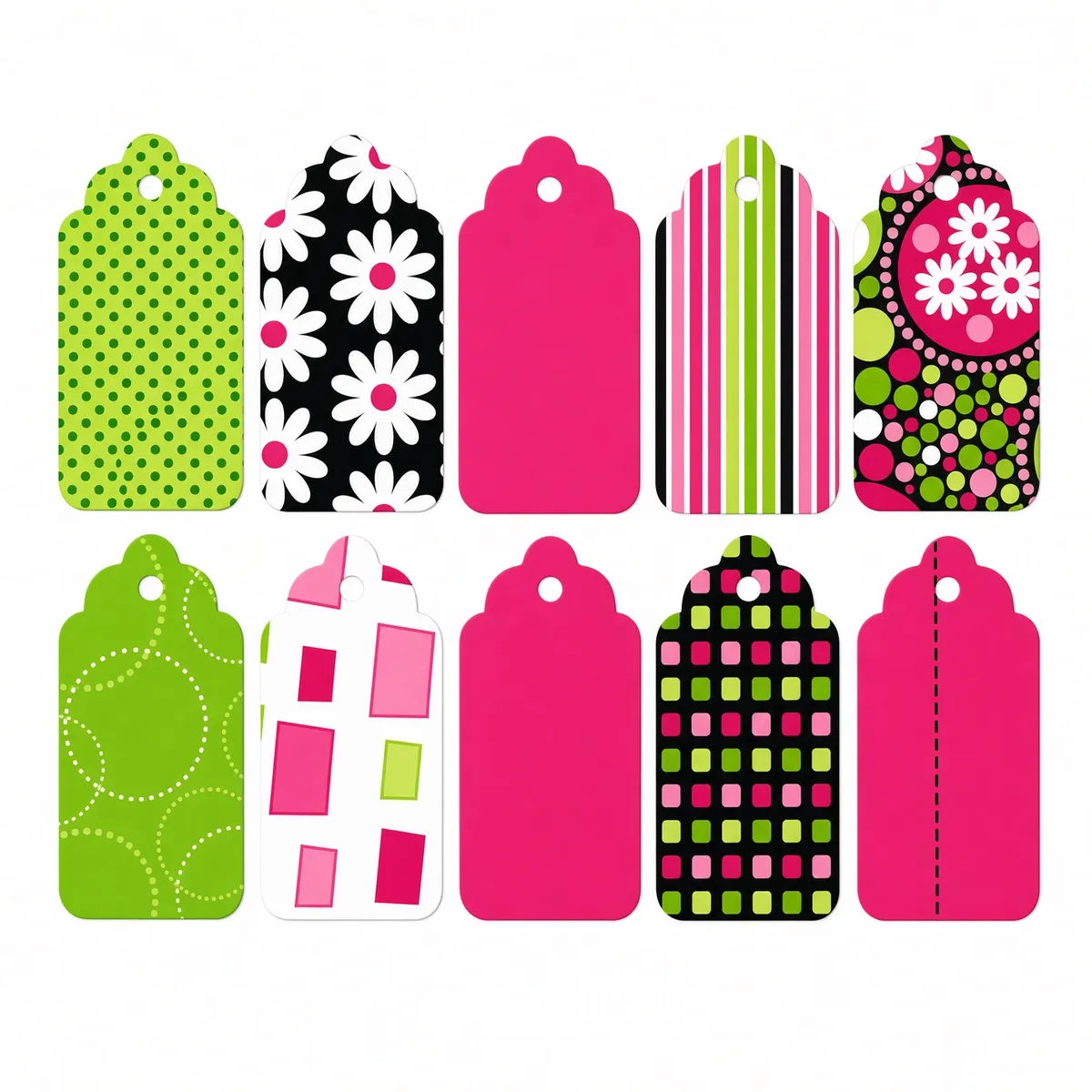
Custom plush tags with die-cut shapes turn the toy into a shelf signal. The outline matches the IP: mascot silhouette, paw, character head, heart, or star. Use it as a branding upgrade, never a compliance shortcut. Keep tracking data on the sewn-in label.
We print die-cut tags on 350gsm FSC cardstock with matte lamination. Always keep narrow shapes like ears or tails at least 5mm wide. Anything thinner tears on the die-cut press.
Place the punch hole at least 4mm from the top edge so the string will not rip through. Leave a flat 30x20mm white box for your UPC or FNSKU barcode to ensure fast retail scanning.
The die tool adds a fixed setup cost and 2 to 3 days. I reserve them for licensed, museum, gift, and collectible plush where the outline is the IP — anywhere the shape itself sells the toy.
🛡️ Our Verdict: Use die-cut where the outline is the brand asset, and approve artwork only after a 5mm bridge check and a 30x20mm flat barcode zone.
5. Plastic or PVC Tags: Best for Wet, Outdoor, or Heavy-Handling Plush
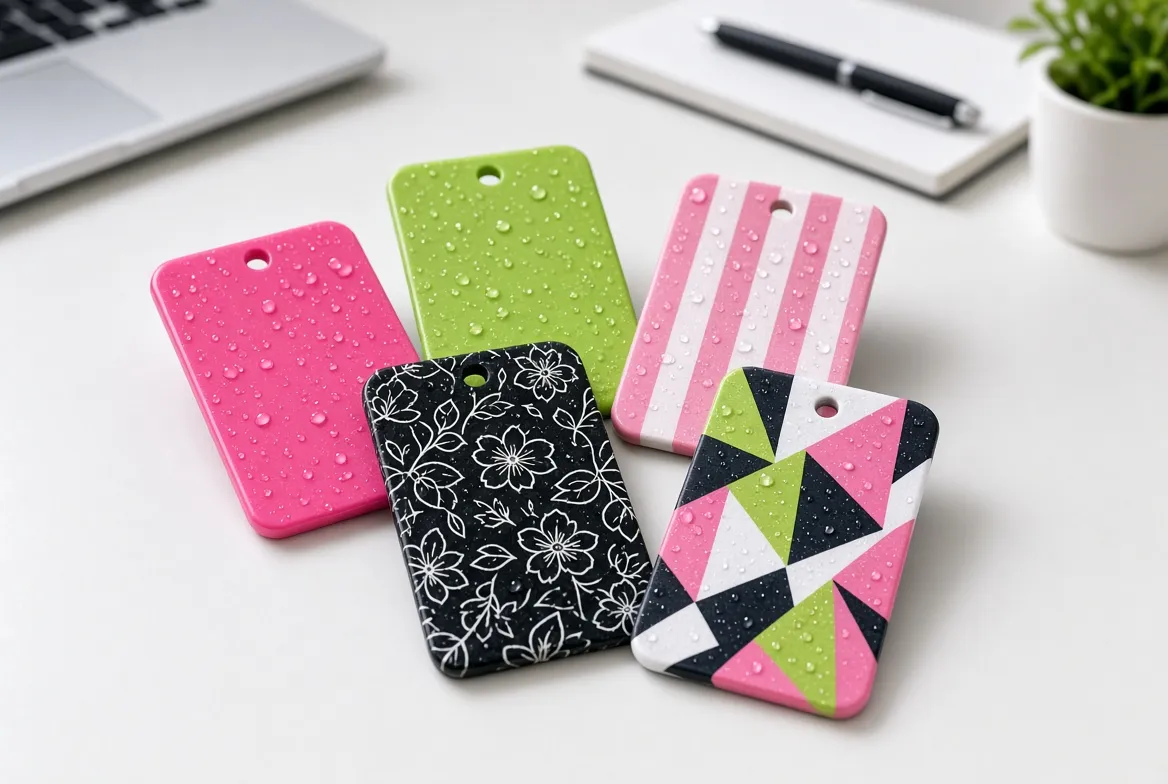
Paper tags fail in water, mud, or constant handling. Plastic or PVC tags fix that. I use them for outdoor promotions, luggage-style mascot plush, and toys wiped down daily.
They shrug off rain and wipe clean. Attach with plastic barbs, loops, or snap hooks. Print is basic: solid colors, bold logos. Sharp corners fail age-grade checks, and small parts can break loose. Run a sharp-edge and small-part test per CPSIA and EN 71.
PVC needs phthalate screening before it touches a children's product: CPSIA phthalate limits in the U.S. and REACH Annex XVII in the EU. I avoid PVC on baby-soft or cuddle-first plush — stiffness ruins the feel.
MOQs start at 3,000 to 5,000 units because plastic tags need a mold or die cut. They fit promotional, travel, and event merch, not comfort plush.
🛡️ Our Verdict: Spec rounded corners and a 1mm edge radius before mold approval, and confirm phthalate screening for any children's product.
6. Leather and PU Patches: Best for Premium or Collectible Plush
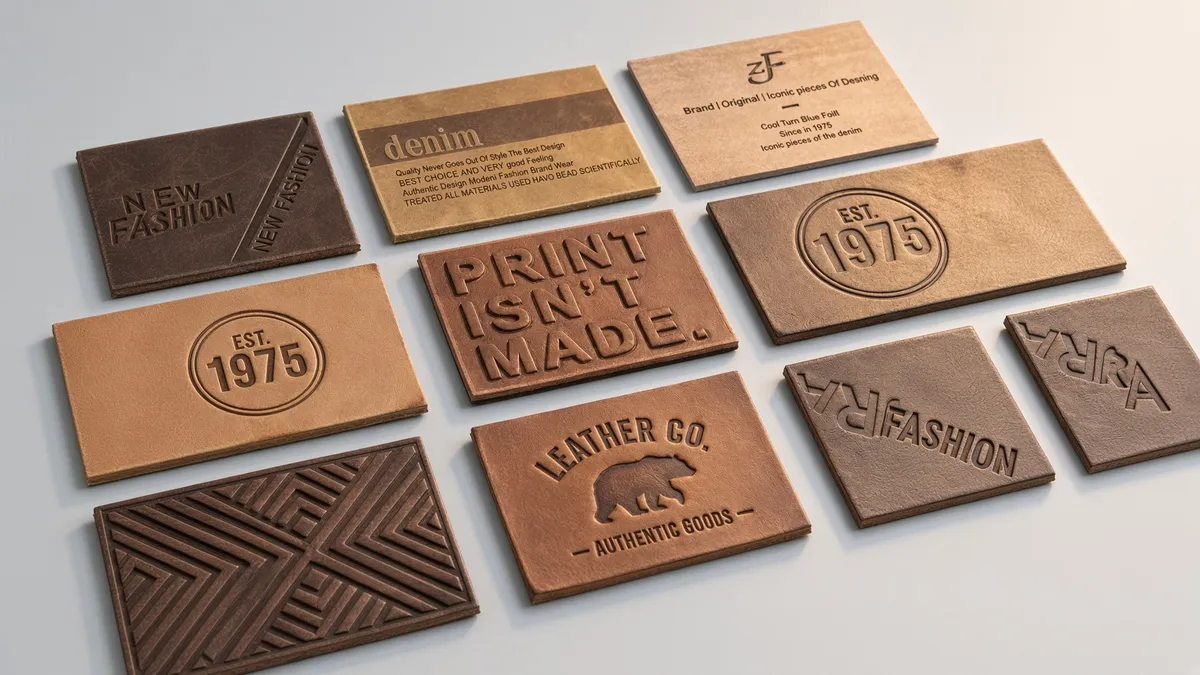
Leather-look and PU patches are selective upgrades, not defaults. Use them on boutique plush, lifestyle goods, heritage mascots, or collector editions where you want a crafted look, not toy-store shine.
Real leather gives a rich hand and ages well. It also costs more, bulks the edge, and needs careful cutting. PU costs less and prints sharp colors, but cheap PU peels.
On a boutique mascot run, a 0.8mm leather patch dragged against the soft minky pile and shifted the seam by 3mm on a walking-foot machine. We added a thin non-woven stabilizer to the back. That simple step locked the fabric in place and gave us straight stitches.
Leather also needs chromium screening. Hexavalent chromium (Cr VI) is restricted for skin-contact and children's products under EU REACH, so always request the test report before a leather patch goes on a kids' line.
Placement decides success. Put patches on flat panels, scarves, clothing, or accessory flaps. Keep them off squeeze zones; a stiff patch kills cuddle feel. MOQ starts at 500 for PU and 1,000 for real leather. The cost impact runs higher than a woven label, so confirm it against your target retail price at quote stage.
🛡️ Our Verdict: Approve only after a wash-and-squeeze test, and confirm Cr VI screening for any leather on a children's product.
7. Embroidered Labels and Patches: Best for Tactile, Heritage-Style Branding
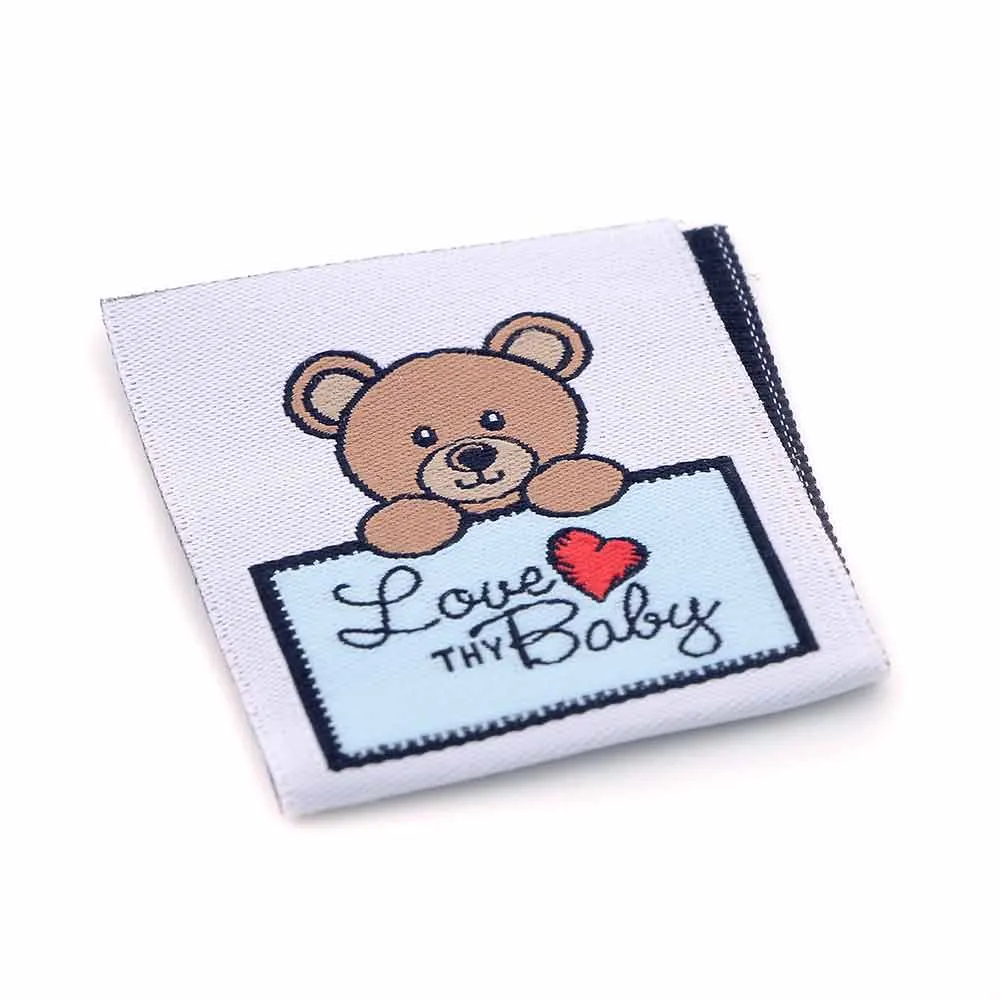
Embroidery sells touch. We use embroidered labels and patches as decorative custom plush tags, not as data carriers. The raised thread gives a heritage feel that paper and flat woven labels cannot match. Best on:
- Mascot uniforms
- Paws and scarves
- Gift plush
- Collectible series
They fail as compliance labels. Dense CPSIA or EN 71 text turns to mush at small stitch counts. They also add stiffness and raised texture. Place them on flat panels, avoid squeeze zones and narrow ears, and check the back for scratchy edges.
On a recent gift plush run, a 35mm embroidered paw patch added about 4 days over a woven label. Cost drivers: stitch count, thread colors, patch size, backing, and placement labor.
🛡️ Our Verdict: Approve embroidery on the actual plush — a patch that looks clean on a proof can still stiffen a cuddle seam. Keep all compliance text on the sewn-in label.
8. Eco Tags and Recycled Labels: Best for Sustainability Claims
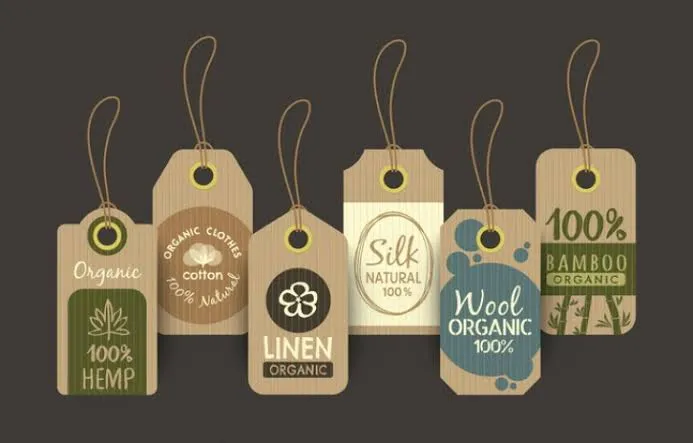
Recycled paper hang tags, FSC stock, seed paper, recycled polyester woven labels, and low-ink finishes all support a specific green claim. Pick the material that matches your exact message.
We tested recycled hang tags from two mills. One faded badly after 30 days under UV. The other held color. Recycled yarn also has more knots, so weave density drops. FSC paper takes ink unevenly, so we run two proof rounds.
Before you print "eco" on anything, verify:
- Print finish stays consistent across the lot.
- Softness passes your squeeze test.
- Durability survives 10 wash cycles.
- The substrate holds your artwork and compliance text.
Match the claim to the evidence. FSC certifies responsibly sourced forest fiber — it does not make a tag "recycled". For a recycled claim, use recycled-content or GRS-certified material, and check the wording against the U.S. FTC Green Guides and the EU green-claims rules before it goes on the shelf.
Seed paper adds an ingestion risk on toys for young children, so keep it off any product a child may mouth.
MOQs climb. Recycled woven labels start at 2,000, not 1,000, and seed paper adds about 5 days to lead time.
🛡️ Our Verdict: Approve eco tags only after you match the certification to the exact claim — recycled content for "recycled", FSC for "responsibly sourced" — and wash-test the sewn-in label.
9. RFID, NFC, and Security Tags: Best for Traceability and Anti-Counterfeit Programs
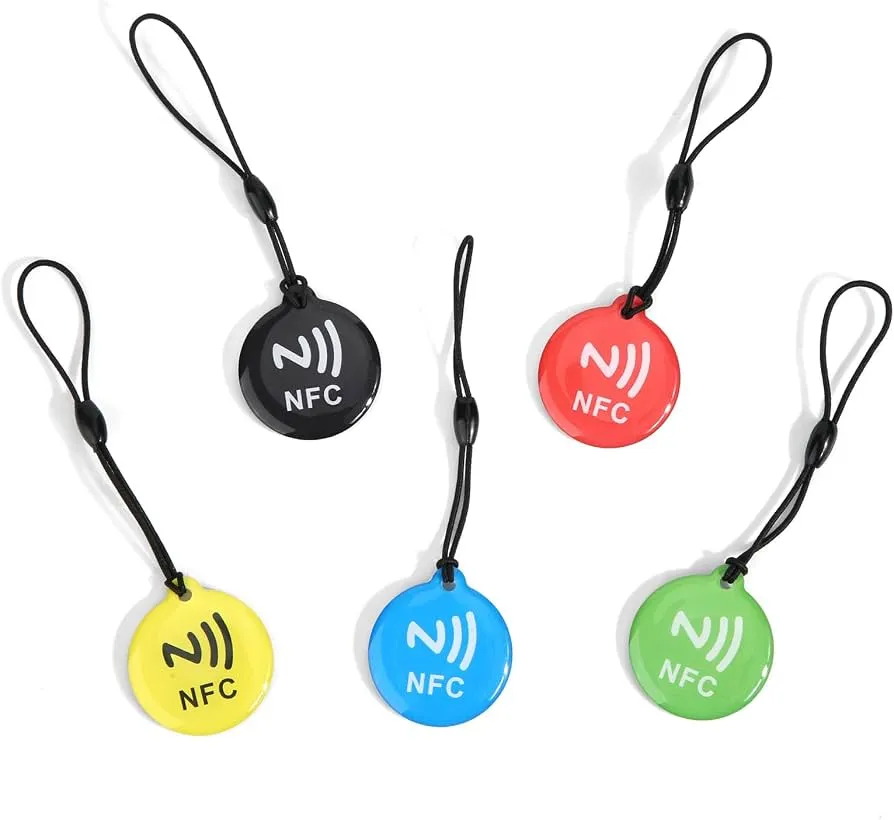
A smart tag can cost several times a paper hang tag. For licensed IP and high-theft retail, the anti-counterfeit and traceability value can outweigh that cost. RFID handles inventory logic: scan a pallet in seconds.
NFC, the tap standard set by the NFC Forum, powers the consumer experience: phone to toy for authentication or digital storytelling. It earns its place in premium collectibles, event redemption, and brand authentication.
Setup costs climb fast. Tags need concealment, scan workflow, data ownership rules, and coordination with packaging, ERP, and retail systems. In a pilot run, NFC tags added to the per-unit cost and forced a hang-tag redesign to hide the inlay. Read rate hit 98% at 3cm.
Smart tags complement permanent sewn-in compliance labels. They never replace them. Test scan range on the actual plush fabric before you scale, and lock tag-data ownership into your contract.
🛡️ Our Verdict: Run a small pilot on real fabric, confirm 98%+ read rates, then secure data rights before you commit to mass production.
How to Choose Custom Plush Tags: The Factory Buyer’s Playbook
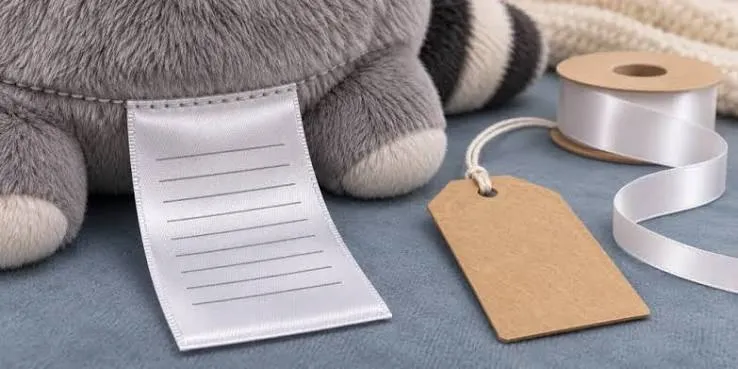
Use this playbook to choose the tag system and approve proofs that survive production. I check every tag on the finished plush.
Match the tag to its job
| Tag Type | Common MOQ | Lead time (sample / bulk) | Main cost drivers |
|---|---|---|---|
| Paper hang tag | 1,000 | 5–7 / 10–15 days | paper, colours, finish |
| Woven label | 1,000 | 7–10 / 15–20 days | loom, threads, folds |
| Printed care label | 1,000 | 5–7 / 10–15 days | ribbon, ink, wash test |
| Die-cut hang tag | 1,000 | +2–3 days tooling | die tool, cardstock |
| Plastic / PVC tag | 3,000–5,000 | 7–10 / 15–20 days | mold, edge finish |
| Leather / PU patch | 500 PU · 1,000 leather | 7–10 / 15–20 days | grade, backing, stitching |
| Embroidered patch | 1,000 | +~4 days | stitches, colours, size |
| Recycled woven label | 2,000 | 7–10 / 20–25 days | GRS yarn, density |
| RFID / NFC tag | pilot first | inlay-dependent | inlay, redesign, data |
No unit prices here. Confirm every cost line on your written RFQ.
Pick the attachment
Match your attachment to the buyer's age group. Plastic barbs work fast for adult collectibles, while cotton strings feel softer for gift plush. For toys aimed at children under three, skip loose pins and long cords completely.
Long strings create a strangulation risk. Cord and strap length limits come from ASTM F963. We stitch tush tags directly into the main seam and run a pull test under 16 CFR 1500.51–1500.53 — the required force varies by age grade (10 lbf for under 18 months). See our guide to toy safety standards.
Proof on the finished plush
Spec finished size and visible size separately — the visible area is what the buyer and the inspector actually see. Confirm fold style, Pantone on actual fabric, artwork files, 3mm bleed, barcode/FNSKU flat zone, QR scan test, and SKU mapping.
Approve a physical sample on the finished plush, not flat art. Use our guides on toy branding strategy, toy production process, and toy quality control. Common mistakes: stiff labels, micro text, overlong strings, barcode scan failures, and tag color that misses the plush Pantone.
Factory-floor test: keep tags from puncturing vacuum film
Vacuum packing saves freight, but it punishes poorly placed tags. In a 45-day transit simulation on vacuum-packed plush, standard plastic barbs poked holes in the film, and paper hang tags creased badly under pressure. Our current spec requires soft cotton strings and flat tag placement against the toy's back.
For bag thickness, seal settings, desiccant, and the ISO 2859-1 seal-integrity sampling plan, see our full guide to vacuum packing for plush toys. Sampling follows ISO 2859-1 — see our AQL guide — so the sample size comes from the lot-size table, not a fixed count, and the dye test is destructive, running on sampled pieces only.
Need tag design help and pricing? Send your artwork and sales channel to our contact page.
Disclosure: LeelineToys supplies tags, labels, and packaging as part of one-stop production, so we have a commercial interest in this work. This guide reflects our own floor experience, and we are not paid by any outside tag supplier to promote these findings.
People Also Ask About Custom Plush Tags
1. How much do custom plush tags usually cost?
Cost depends on tag type, size, material, print colors, finish, and order quantity. Paper hang tags are the lowest unit cost of any tag type. Woven labels and printed care labels cost more due to loom setup and material.
We quote after you share artwork and quantity — see our toy cost breakdown for the cost structure behind a quote. Always approve a physical sample before bulk.
2. What must go on a plush tush tag for U.S. sales?
For U.S. sales, a sewn-in tracking label must show four CPSIA details: the manufacturer or private labeler's name, the production location, the production date, and batch or cohort information. The same tracking information must also appear on the outer packaging. Warnings and care text belong on the permanent label, never the hang tag.
Some U.S. states — including Pennsylvania, Ohio, and Massachusetts — additionally require a "New Material Only" stuffing label for stuffed articles. For EU sales, the CE mark and the EU importer's name and address are required under the Toy Safety Directive 2009/48/EC; EN 71 sets the test methods.
3. Woven label or printed satin label: which is better?
Choose based on use. Woven labels give a premium permanent brand tab and survive wash tests, but dense weaves can stiffen edges. Printed satin care labels hold fine print and tracking data and stay soft against skin; cotton gives a matte, natural hand but can fray, so it needs a folded or overlocked edge.
For infant plush, test both on the skin-contact seam and match the finish to the print density, and check OEKO-TEX Standard 100 for harmful-substance safety on skin-contact lots.
4. What MOQ and lead time should I expect?
Most custom tags start at 1,000 pieces. Paper hang tags sample in 5-7 days and bulk in 10-15 days. Woven labels need 7-10 days for samples and 15-20 days for bulk. Recycled woven labels start at 2,000 MOQ. Our MOQ guide explains how to plan. Always add transit time and a proof round.
5. Can LeelineToys handle tags, labels, packaging, and plush production together?
Yes. We run one-stop OEM/ODM production. We source tags and labels, print retail packaging, vacuum pack finished plush, and assemble the full toy. In our experience, this cuts communication delays and keeps compliance data consistent. See our custom plush manufacturing and retail packaging optimization pages.
Ready for a tag recommendation? Send your artwork, target quantity, and compliance market to our team. We will reply with a tag spec and quote. Contact us here.