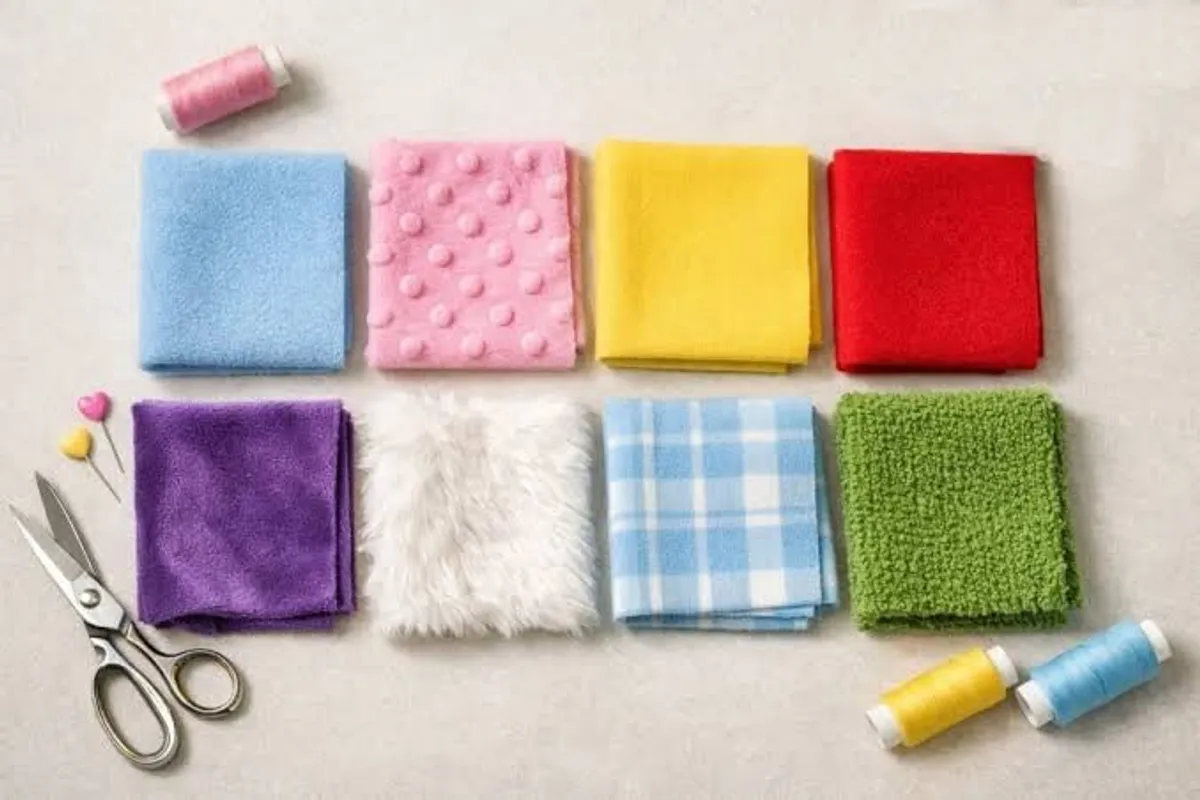

The wrong shell fabric fails at the seam, sheds fibers, and blurs embroidery. It forces sample rework and eats margin. For this guide to the Best Fabric for Plush Toys, I compared 10 fabrics against our internal QC criteria and the published test methods you should demand before you order.
Our Minky vs Velboa vs Spandex comparison shows which cheap shells creep at the seam and shed under wash, and which to avoid.
We make plush toys, so read this as a manufacturer's QC criteria rather than an independent lab review — there is an honest disclosure at the end. Each fabric below is matched to its best end use, with the test methods to run on your actual lot.
Key Takeaways
- Compare 10 fabrics, not one swatch. Velboa, minky, spandex, faux fur, velour, velvet, arctic fleece, coral fleece, felt and rPET each win a different job, so match the shell to the end use before you order samples.
- Velboa is the safest RFQ start for bulk plush. It shows the least seam creep of the short-pile shells, cuts clean, holds sharp embroidery and sits in the lowest cost band, from a 300–500-unit MOQ.
- Minky is the plushest but the riskiest to sew. It feels better and commands a premium, yet it creeps at the seam and sheds more, so it needs a wider seam allowance, a pile-lock test and a shed test.
- Velour is the pick for baby plush and fine logo work. Its low pile keeps embroidered eyes crisp and it sheds little loose fiber, so require OEKO-TEX Standard 100 Class 1 on every baby shell.
- Stretch and long pile need their own rules. Spandex suits rounded pillow-plush but needs a recovery and fill-weight test, while faux fur suits mascots and display (never small faces) and needs a vacuum shed test on every roll.
- Demand test reports, not a swatch and a promise. Ask for seam-slip (ASTM D434 / ISO 13936), tear (ASTM D2261 / D1424), wash (ISO 6330 / ISO 15797) and a vacuum shed test, run on your actual dye lot.
Top 10 Best Fabric for Plush Toys — Ranked by Use
This list is ordered by how safely each shell handles volume production — seam control first, then hand-feel and embroidery clarity, then cost. Treat it as a starting order, not a hardness ladder. It shows where minky, faux fur and coral fleece fail in sampling, and how to avoid costly rework.
Compare All 10 Fabrics at a Glance
Use this table to compare the best fabric for plush toys before you order samples.
| Fabric | Pile · GSM | Embroidery | Seam Slip | Shed Risk | Best End Use |
|---|---|---|---|---|---|
| Velboa | 1.5mm · 220–260 | Sharp | Very low | Low | Bulk, promo |
| Minky | 2.5–3mm · 280–320 | Blurs | Low–med | High | Premium baby |
| Spandex SS | ~1.5mm · 240–280 | Medium | High | Low–med | Rounded pillows |
| Faux Fur | 10mm+ · 280–420 | Blurs | — | High | Mascots |
| Velour | 1.2mm · 200–260 | Crisp | Low | Low | Infant, logo |
| Velvet | 2mm · 250–320 | Medium | Med | Med | Seasonal gift |
| Arctic Fleece | 1–2mm · 160–200 | Fine | — | Low | Budget, lining |
| Coral Fleece | 4mm · 200–260 | Blurs | Med | Med | Sensory |
| Felt | 1.5mm · 180–250 | Sharp (trim) | — | High | Trim only |
| rPET | Same as base | Same as base | Same as base | Same as base | Eco |
Pile height (mm) and GSM are typical mill ranges — confirm them on the spec sheet and lot tag. Seam slip and shed are qualitative here; demand the actual reports (see below).
A dash (—) means the fabric is not compared on seam slip here (long pile, non-structural, or no data). On hand-feel and cost: velboa, felt and arctic fleece sit in the lowest cost band, minky and faux fur in the highest, and rPET is its base fabric plus a supplier surcharge.
1. Velboa / Crystal Super Soft
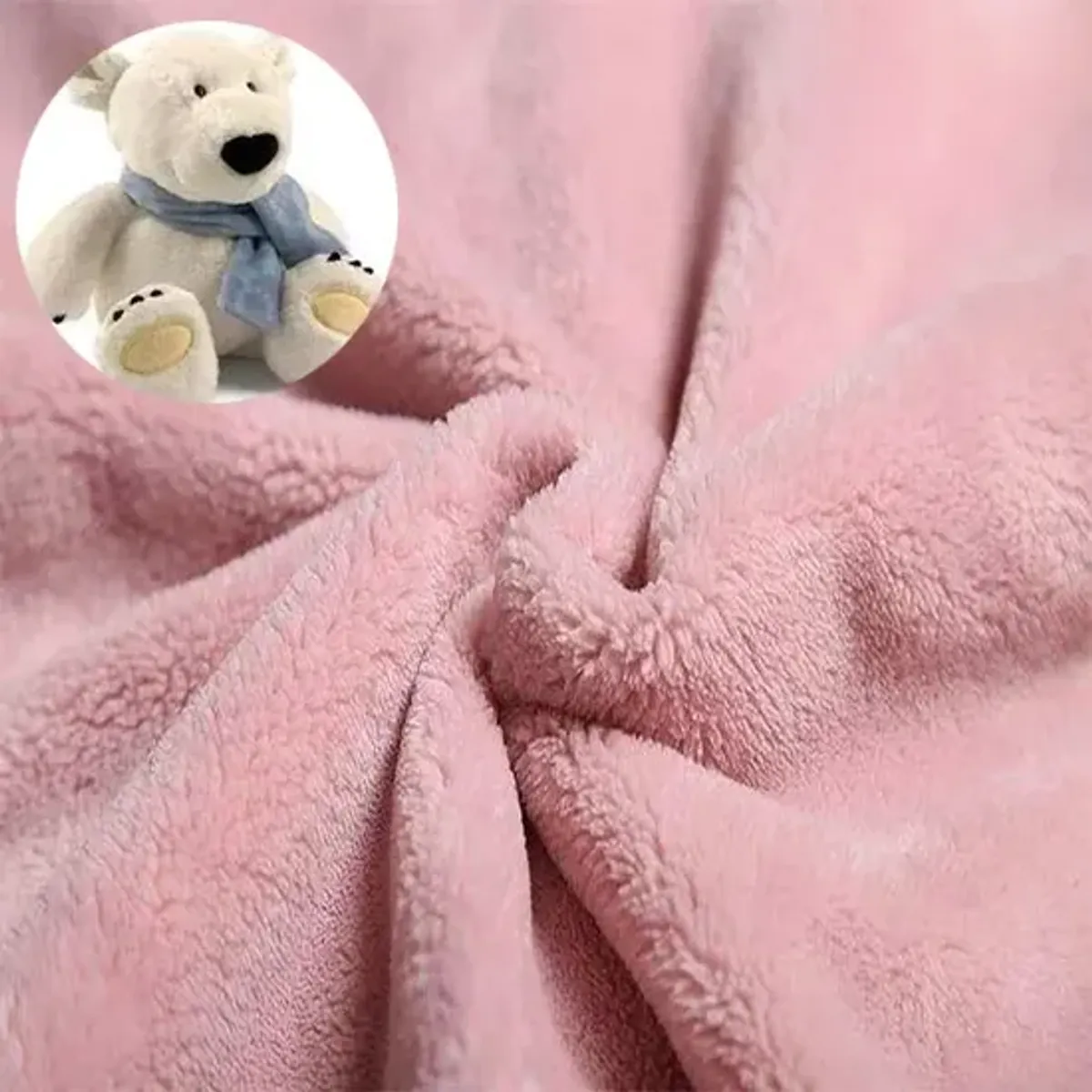
We buy velboa in larger volume than almost any other shell. It is not the plushest or the stretchiest fabric — but on seam control, embroidery and cost it is the safest RFQ start for commercial runs. It rewards an orderly factory and exposes a sloppy one.
Its ~1.5mm pile cuts clean and holds pattern control, so panels line up without constant adjustment. On an 18-needle embroidery head the short pile keeps face detail sharp; the pile does not swallow stitches.
It suits IP plush, keychains, promo and retail runs. Where minky creeps under load and stretch spandex gives up the loosest seam control, velboa holds seams the most squarely — but that is a general behaviour, not a guarantee on your lot, so pull-test the actual fabric.
Typical plush MOQ runs around 300–500 pieces, and color-lot minimums usually add a per-shade charge (confirm the mill's minimum in metres per shade). On cost it is generally the lowest stable shell for volume.
Before RFQ we confirm the fabric's OEKO-TEX Standard 100 report and the finished toy's ASTM F963 test plan.
✅ Verdict: Velboa is the factory workhorse and safest RFQ start. It cuts clean, embroiders sharp, and holds seams. Luxury? Minky. Stretch? Spandex Super Soft.
💡 Pro Tip: Pull-test two color lots before bulk.
2. Minky Fabric
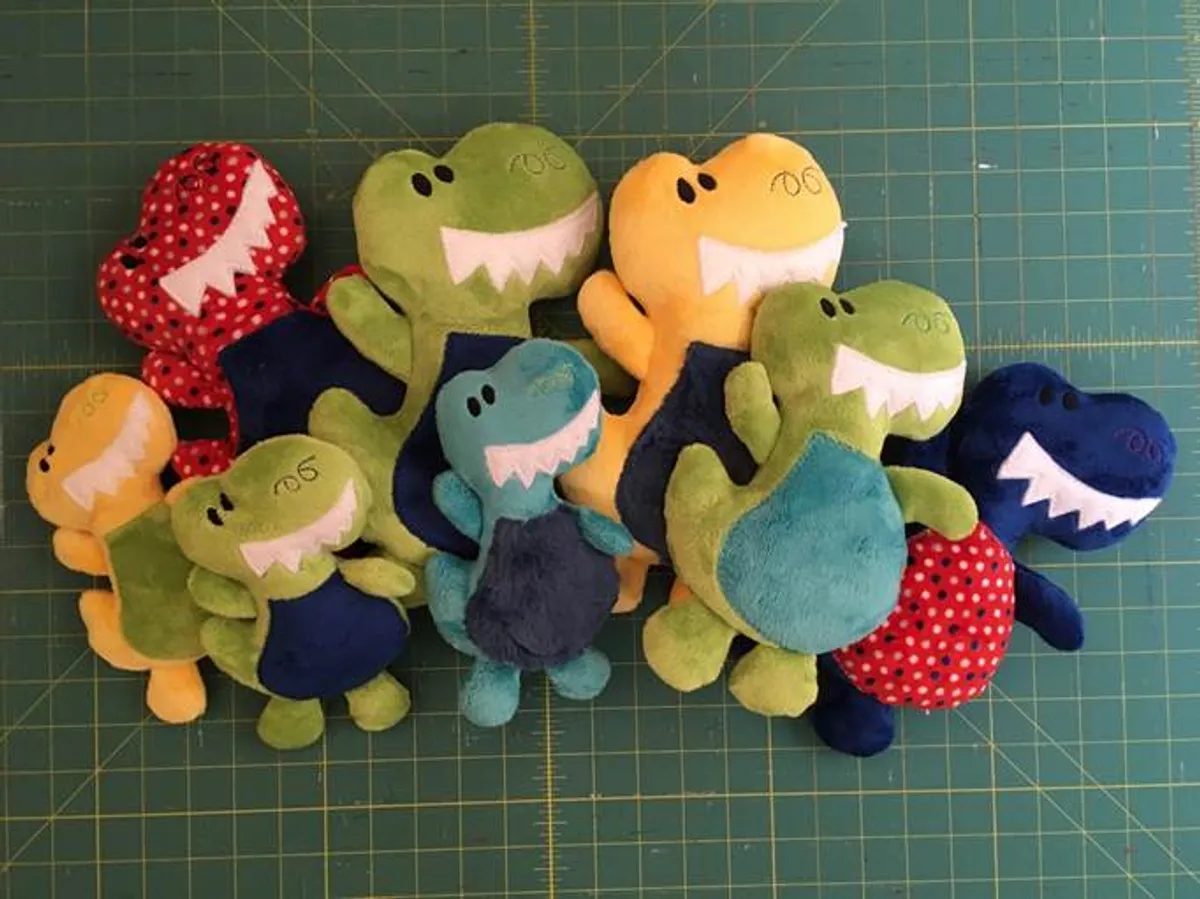
Minky sells hand-feel and perceived value. Its longer 2.5–3mm pile and heavier 280–320 GSM handle feel plusher than velboa (~1.5mm, 220–260 GSM), which is why it supports baby-facing and higher-end plush. Expect to pay more for that touch, and expect buyers to accept it for the feel.
But minky moves under the needle and sheds more than velboa. In wash testing it loses pile height faster and releases more loose fiber, so plan a pile-lock and a shed test before you scale.
We widen the seam allowance and slow the overlocker to keep seams flat, and confirm colorfastness holds to about Grade 4–5. Stretch spandex sheds less fiber but gives up the seam sooner — the two risks trade off.
Use Minky when premium touch lifts sell-through enough to offset slower sewing. Avoid it on tight curves and dense embroidery without test sews.
✅ Verdict: Minky justifies complexity on premium baby plush. Start with a 300–500-unit MOQ and a pile-lock test.
💡 Pro Tip: Sharp corners? Switch to Velboa.
3. Spandex Super Soft
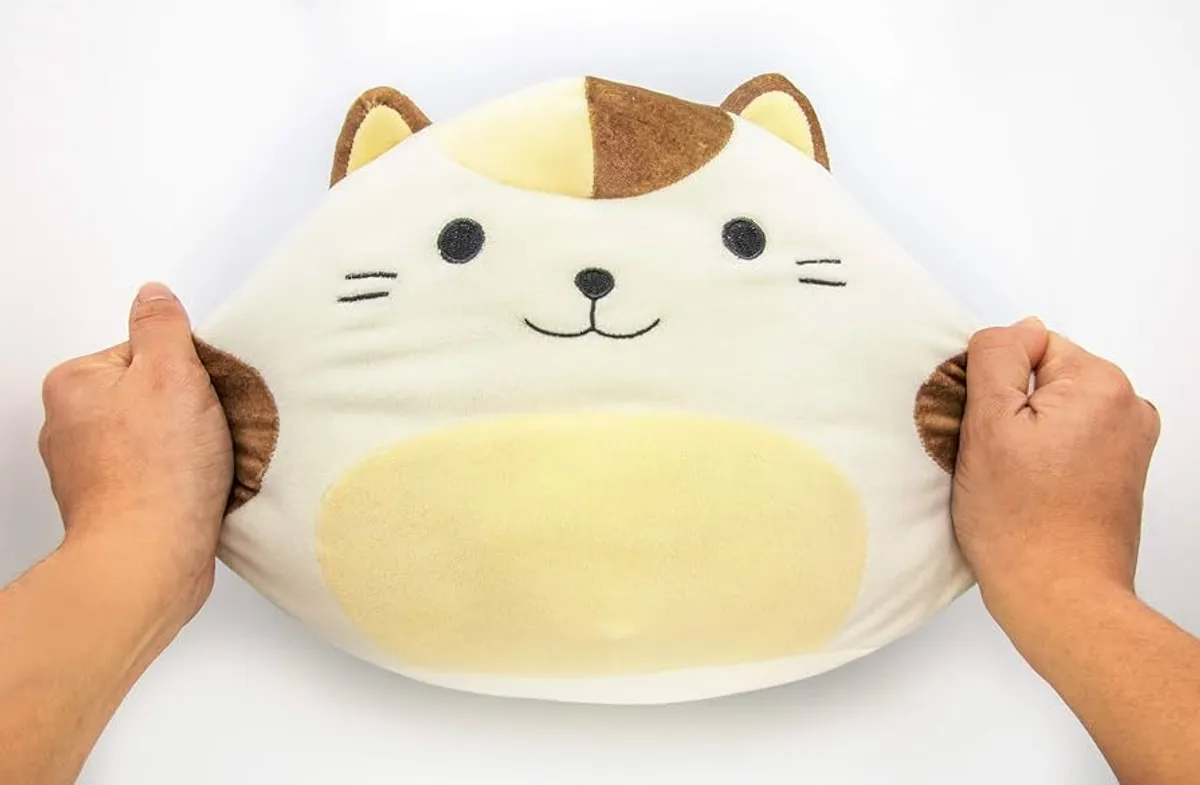
Spandex Super Soft hugs. Its stretch suits rounded pillow-plush, comfort-led products, and shapes that need elastic recovery, not crisp edges. It rewards careful control and punishes carelessness.
On the factory floor, panels are sewn on industrial machines and seams are judged on a tensile pull, not by feel. Spandex shows the largest seam creep of the shells here; velboa holds the tightest.
Note that kilograms describe stuffing mass, not seam force — seam slip is a pull at a set load, conventionally per ASTM D434 or ISO 13936 (confirm the lab's method for knit plush).
Pile retention sits below velboa and roughly level with minky, so weigh stretch control, not just softness. Cut across the stretch axis and the seams wave.
Cut with the stretch and the curves stay clean. Overfill pulls seams, so fix a fill weight and hold to it rather than targeting a "12kg" figure, and use walking feet, low speed and ballpoint needles. Every lot gets a stretch test; reject rolls with residual growth over about 5% (recovery below about 95%) after repeated cycling.
✅ Verdict: Comfort win, QC risk. Worth it only with strict recovery and fill control.
💡 Pro Tip: Stabilise the roll to the mill's spec (heat-set or relax) before cutting — never assume a 60°C pre-shrink.
Mark Y. — Plush Toys Manufacturing Expert
4. Faux Fur
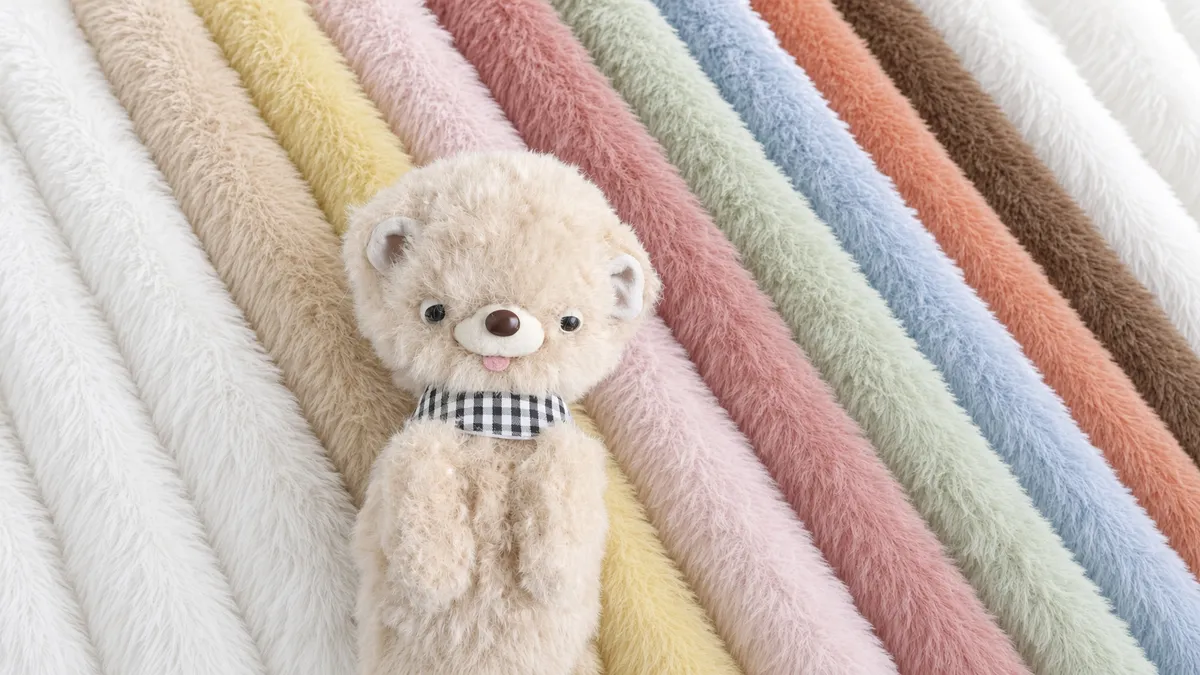
Faux fur wins when realism sells. Its longer pile creates animal texture and premium display depth. Use it for mascots, costume plush, and larger display pieces buyers judge from photos.
Production is harder. Cut with pile direction and expect meaningful waste on curved patterns. It hides seams well, but fine facial detail blurs under a long pile — on a 12-inch wolf sample we have seen embroidered eyes lose edge definition.
The fix works both upstream and downstream of the needle: brush the pile clear around the eyes before and after stitching, and trim to a consistent height so the face stays legible. Long pile still hides face seaming well — that is the trade-off, hide the seams but soften the detail, so keep the face simple.
Low-grade faux fur sheds loose fiber badly, which is a real concern, not just cosmetic. Loose fiber can become a small-parts and fibre-release issue, especially on toys for under-3s, so run a shed test (vacuum pull) on every roll and keep brushing, trimming and pile-lock checks in the process.
✅ Verdict: Use faux fur for displaying animals and mascots, not small faces. Budget extra fabric and one QC pass.
5. Velour
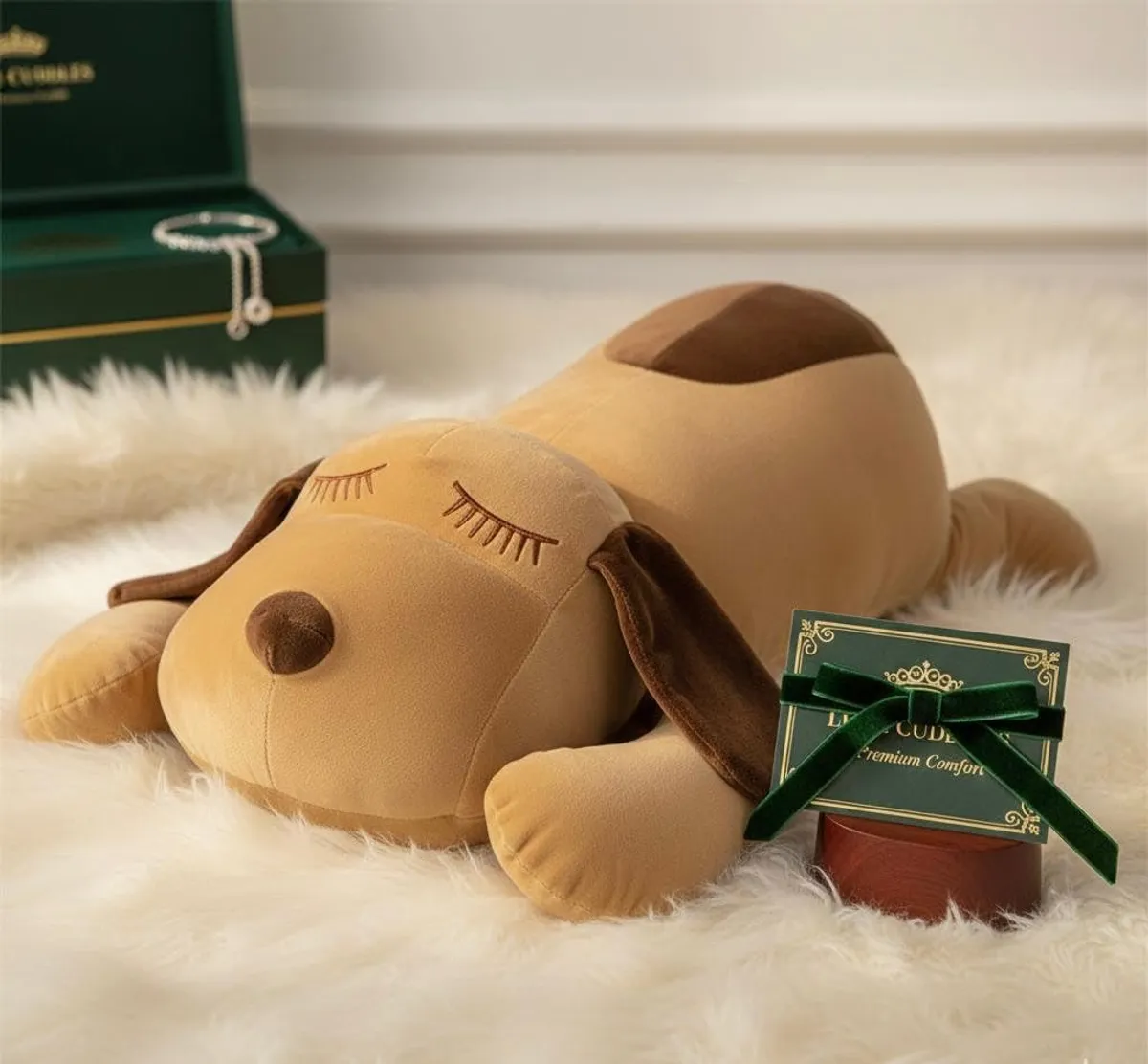
Velour is the control pick. Its low pile keeps embroidered eyes crisp and the face smooth in photos. On a 6-inch infant-bear sample, velour holds stitch edges the most cleanly, while minky blurs them.
It feels softer than velboa and holds seams better than minky. In pull testing, velour creeps less than minky but a little more than velboa. Use Velour for comfort-led plush, low-fuzz baby toys, or fine logo embroidery. We pre-test dye lots and print adhesion on a scrap first. Skip it if the design needs a deep pile or heavy stretch.
✅ Verdict: Velour is the balanced mid-tier shell. I specify it when embroidery clarity and low shed matter more than plushness.
💡 Pro Tip: Wash-test one sample before bulk cutting.
6. Velvet
Velvet sells luster, not durability. Use it as a style-first choice for premium seasonal plush, giftable character items, and decorative pieces where color depth and upscale shelf presence drive the sale.
We have handled luxury velvet in our sample room. The rich fabric hides thread lines well, but it marks easily during basic handling — one wrong press of a steam iron leaves a permanent shine — so workers use low-pressure sewing feet and take care.
One missed stitch puckers in the face, and nap-direction errors force rework, so we cut velvet in a single direction and train sewers on low-pressure feet.
Velvet loses to velboa or minky once a toy faces heavy wash or rough daily use. Seam-slip tests per ASTM D1683 (a sewn-seam method — confirm the lab's knit variant) show velvet creeping more than velboa under load.
✅ Verdict: Velvet wins on shelf, loses on wash. Specify it only when luster drives the sale.
7. Arctic Fleece
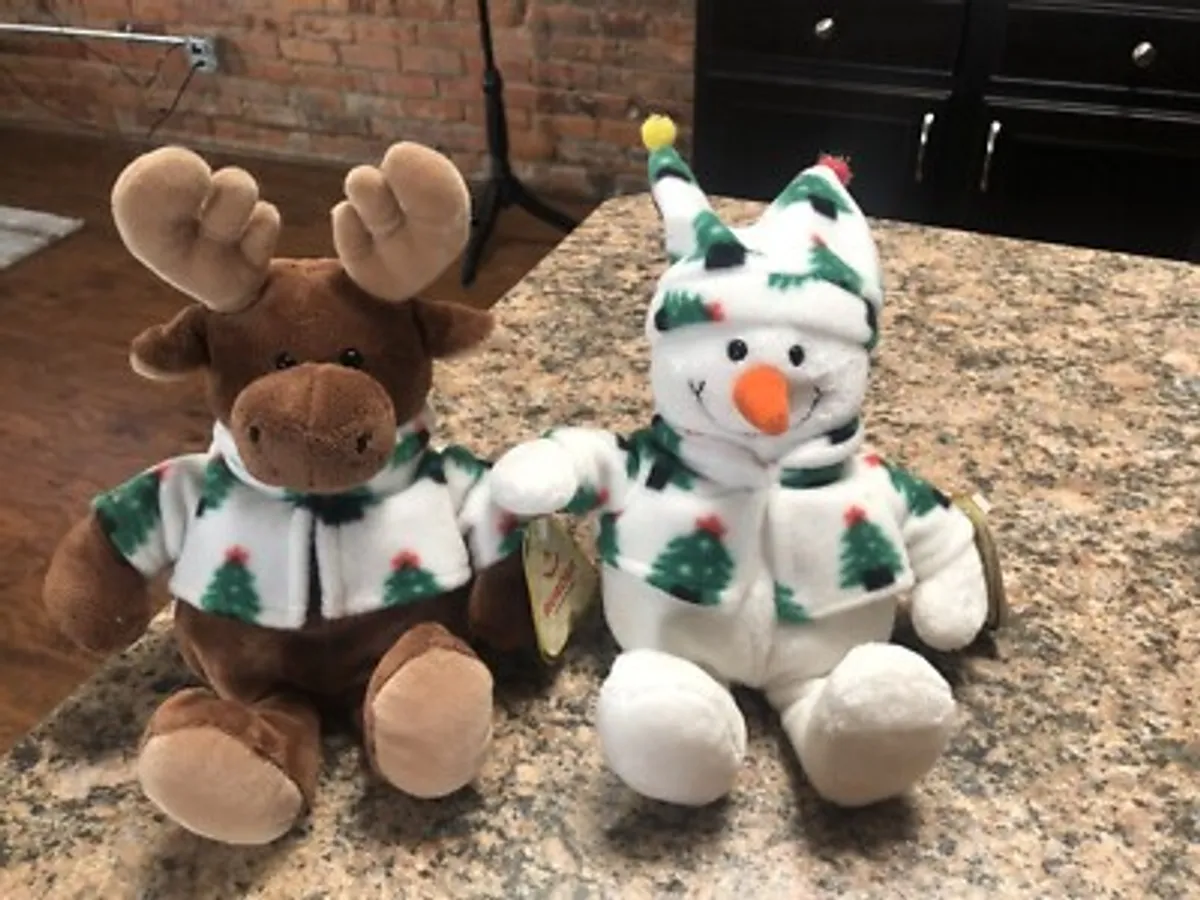
Arctic Fleece is the value play — the lowest-cost shell here, below velboa and minky. The hand-feel is soft and matte rather than plush, the matte finish hides wrinkles well, and sewing is simple: no pile direction, no stretch control. Use it for budget plush, pillows, comfort items, and internal linings where luxury pile is overkill.
Limits show up fast. At the lighter ~160 GSM end, white fleece can show stuffing shadows under fill; a 40 GSM batting second layer, or stepping the body up to ~200 GSM, fixes it, at extra cost. It reads bulkier and less luxurious than minky, so avoid it for retail shelf pieces.
✅ Verdict: Arctic Fleece is the functional-value pick for secondary panels and budget comfort goods. Test show-through at your target GSM before cutting.
8. Coral Fleece
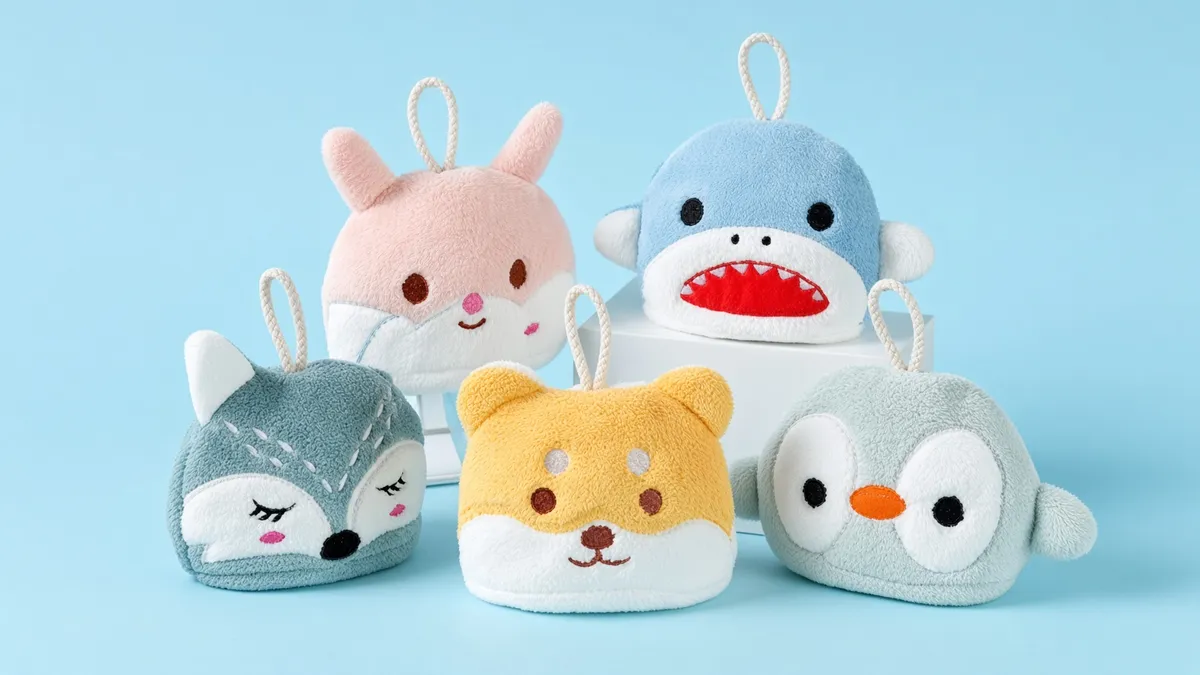
Coral Fleece wins on touch. Its soft, airy surface suits baby-soothing plush toys and sleep-adjacent products sold on sensory comfort.
It is not a detail fabric. The bulkier surface softens embroidery definition next to short-pile options, so keep fine faces on velour or velboa.
Every roll is tested before bulk production. We wash-factor coral fleece per ISO 6330 (home-wash simulation) and, for hard-use claims, ISO 15797 (industrial laundering); after the agreed cycle count the plush must stay soft and hold its pile.
We also watch lint and shed. If pile height drops or fibre release is high, test pile-lock and shed on the actual lot rather than assuming a machine setting will fix it.
✅ Verdict: Coral Fleece is a comfort-first pick, not a face-detail pick. Test pile recovery, wash behavior, and lint before scaling.
💡 Pro Tip: Lock one fill weight and one wash cycle before cutting bulk.
9. Felt
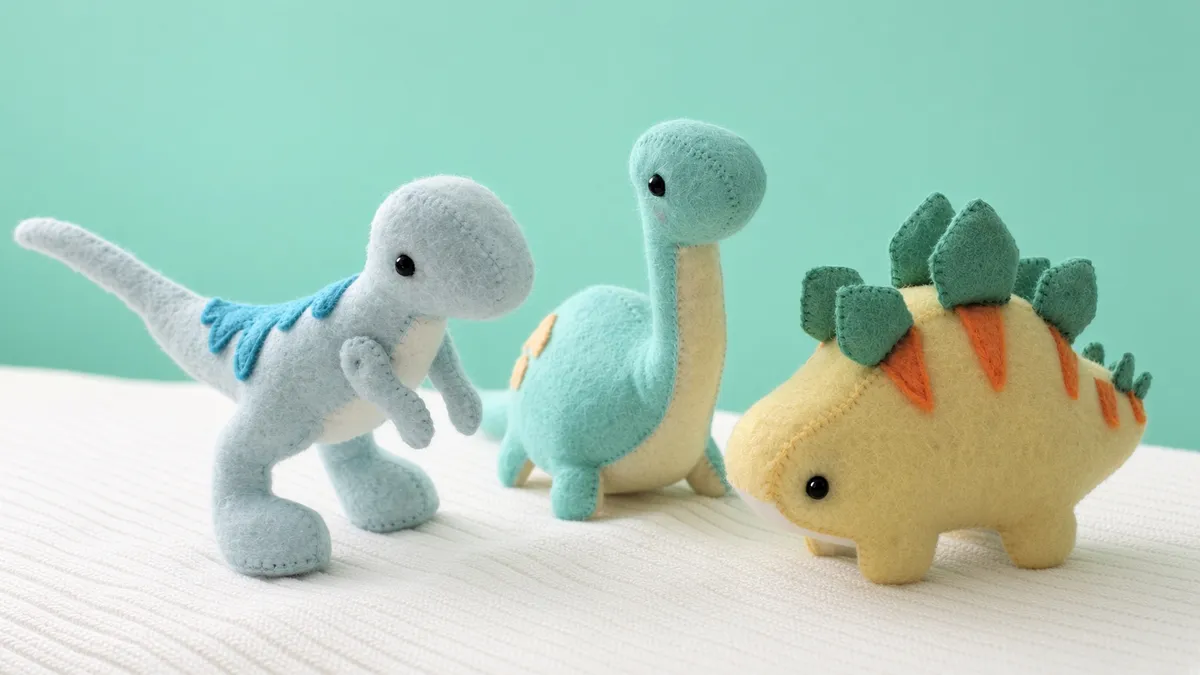
Felt is not a hero shell for plush toys. Treat it as a detail fabric. It holds shape, cuts clean, and does not fray, which speeds sampling and suits appliqués and patches.
Specify a 1.5mm polyester felt, not craft felt. Softness sits below minky and velour, buyers read it as less premium, and wash performance trails pile fabrics — so use it as a secondary material, never the main surface.
✅ Verdict: Felt is my precision trim pick. It speeds prototypes and sharpens small parts, but it is not a shell.
💡 Pro Tip: Run one wash cycle and one abrasion test before bulk approval.
10. rPET Recycled Plush Variants
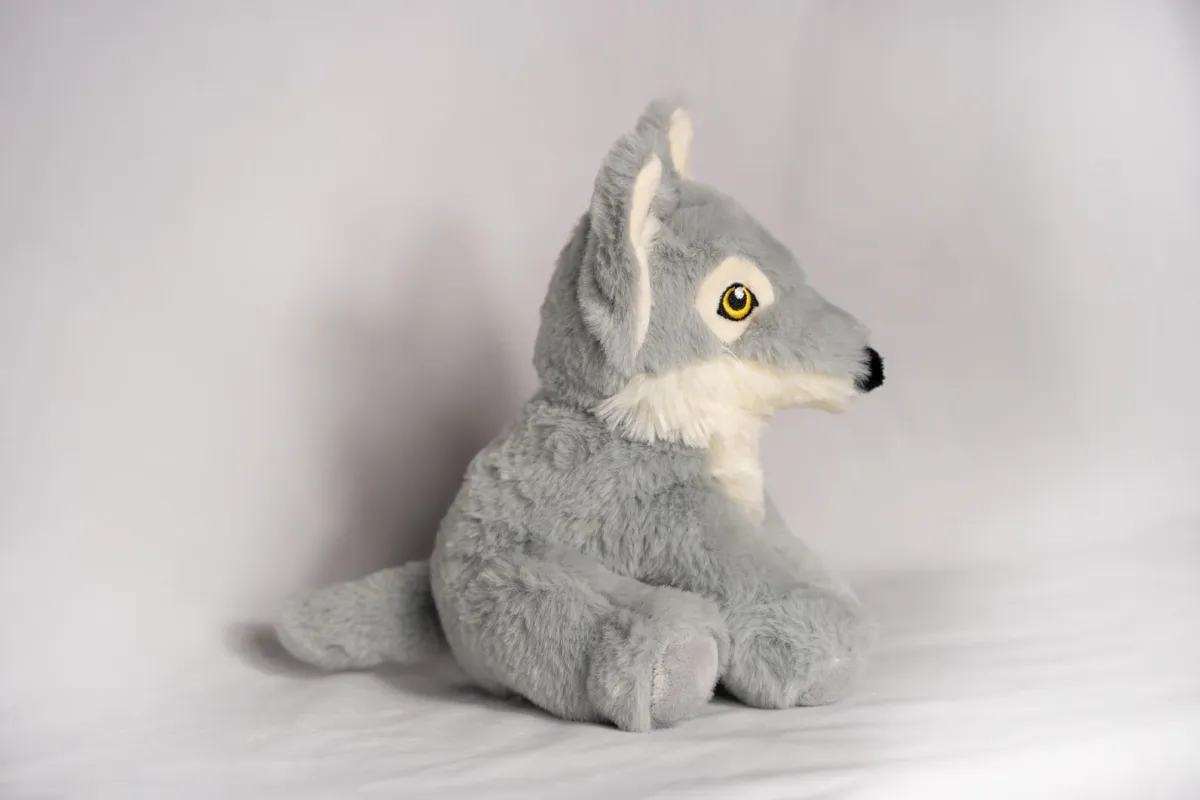
rPET gives you the eco story without changing the plush build — the same ~1.5mm velboa construction, just recycled yarn. Recycled content proves origin, not performance: the hand-feel runs a little drier than virgin velboa, and mills usually quote a modest surcharge.
For eco programs we require a valid Global Recycled Standard (GRS) certificate and track recycled yarn back to source so the environmental claim holds up.
Test pile loft, seam slip and wash shed on the actual rPET lot before scaling. If softness is your main sell, run a small sample first.
✅ Verdict: rPET works for retail and licensed eco programs, but only with certificate discipline. Expect a modest surcharge and a slightly drier hand. No paperwork, no PO.
💡 Pro Tip: Lock the GRS scope certificate and lot match into the PO before you pay for samples.
How to Buy Plush Fabric: Test Method and RFQ Playbook
Inside the Wash Lab: What to Test and Which Standards
Rather than trust a swatch, run the same tests on each fabric and on your actual dye lot. These are the methods to ask a mill for, and how the three short-pile shells usually behave:
| What to test | Method to demand | Velboa | Minky | Spandex SS |
|---|---|---|---|---|
| Seam slip / strength | ASTM D434 / ISO 13936 (confirm knit method) | Least creep | Creeps under load | Most creep |
| Tear strength | ASTM D2261 (tongue) or D1424 (Elmendorf) | Highest | Below velboa | Lowest |
| Pile retention after wash | ISO 6330 (home) / ISO 15797 (industrial) | Retains best | Loses most | Similar to minky |
| Fiber shed | Vacuum pull test | Low | High | Low–med |
| Colorfastness | AATCC 61 / ISO 105 | Grade 4–5 | Grade 4–5 | Grade 4–5 |
You will not get these from a swatch and a promise — ask for the reports on the actual lot. Directionally, velboa wins on seam control, spandex gives up tear strength, and minky trades durability for touch.
Compliance Audit Q&A: What to Ask Your Mill
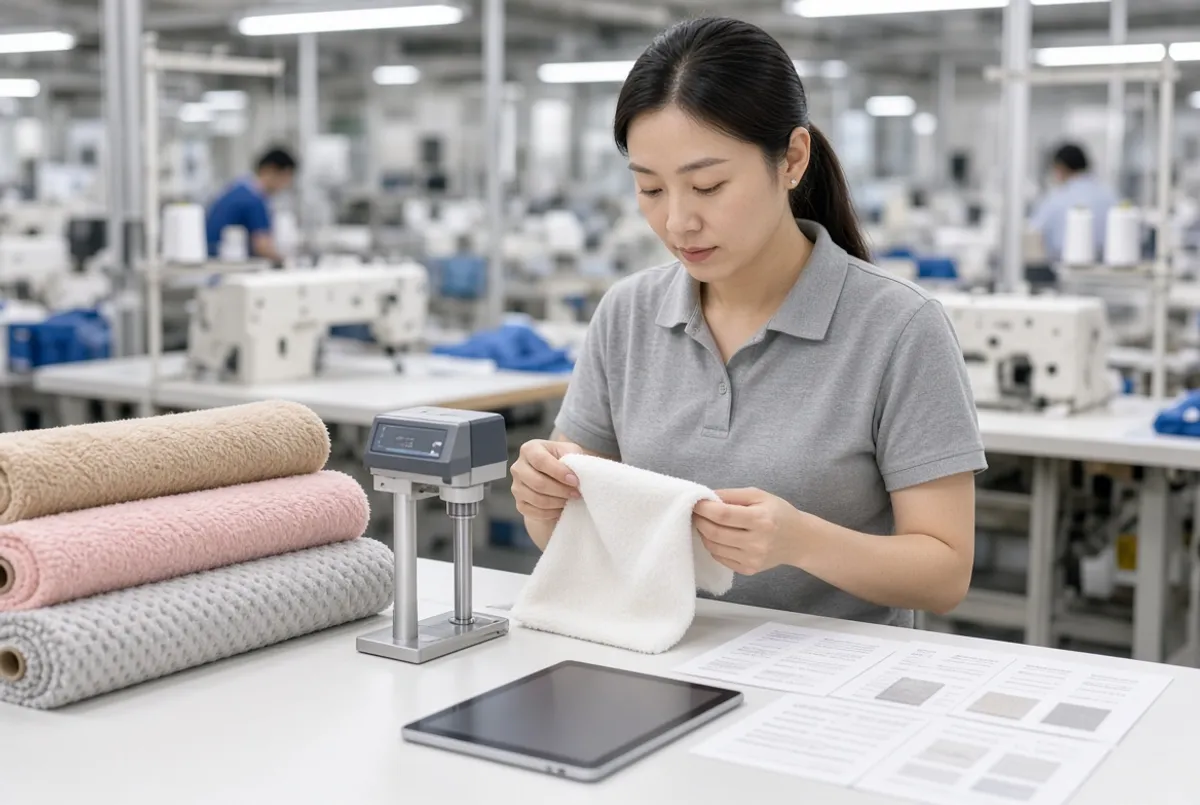
Our sourcing team runs a mill audit every quarter. Ask these questions:
- OEKO-TEX Standard 100: Request the certificate number. Confirm it covers the fabric, not just yarn.
- Product Class 1: This is the OEKO-TEX grade for items intended for children under 36 months. Baby plush should require Class 1, which sets the tightest limits for formaldehyde, heavy metals and azo dyes.
- Heavy metals: Request the lab report for lead, cadmium and mercury. Test per color lot, not per fabric family.
- Documents: Get the certificate number, scope or transaction certificate, color-lot paperwork, and signed compliance statement.
No paperwork, no PO. Our toy safety guide, sourcing guide, and non-toxic materials page list the full audit trail.
The Buying Playbook: Fabric by Product, Sample Pitfalls, RFQ Fields
Match the shell to the product:
- Bulk plush and promo: Velboa.
- Premium baby: Minky or Velour.
- Rounded pillow-plush: Spandex Super Soft.
- Mascots and display: Faux Fur.
- Sensory and comfort: Coral Fleece.
- Trim and small parts: Felt.
- Eco programs: rPET with GRS papers.
Three sample mistakes I see every month: approving a swatch without a seam pull test, cutting spandex against the stretch axis, and ignoring nap direction on velvet.
Put these fields in every RFQ and tech-pack:
- Fabric name and construction
- GSM and tolerance
- Pile height
- Stretch axis, if any
- Nap direction
- Pantone codes per panel
- Embroidery zones and stitch density
- Test requirements: OEKO-TEX, EN71, CPSIA (with ASTM F963 on the finished toy)
- Dye lot MOQ per color
- Wash and abrasion expectations
Send your design to my custom plush team. They review your fabric swatches, build a strict quality control plan, and test fabric limits on our China production lines before any bulk orders are cut.
Disclosure: We manufacture plush toys for brands and retailers, so we are not a neutral third party — every buying decision here stands to benefit us. This guide is built from our own QC criteria and published industry test methods, not paid placements. Treat the figures as typical mill ranges and verify them on your own lot.
People Also Ask About Best Fabric for Plush Toys
-
Which fabric is best for plush toys?
For most bulk plush, Velboa is the best fabric for plush toys. Among the three short-pile shells we pull-test, it shows the least seam creep. It also cuts clean and holds sharp embroidery on an 18-needle head.
Minky feels plusher and Velour embroidery crisper, but Velboa gives the safest mix of cost, seam control, and 300–500-unit MOQ. Start there unless the design needs stretch or luxury hand-feel.
-
Is Minky or Velboa better for stuffed animals?
Velboa is better for most stuffed animal production runs. Under load, minky creeps at the seam and sheds more loose fiber than velboa. Choose Minky only when the premium touch lifts sell-through. In our experience, Minky costs more and slows sewing. It also needs a wider seam allowance and a pile-lock test before a 300–500-unit MOQ.
-
What fabric is safest for baby plush toys?
Velour is my first pick for baby plush toys. It keeps stitch edges crisp and sheds little loose fiber.
We also require OEKO-TEX Standard 100 Class 1 for every baby plush shell — the grade for items for children under 36 months, with the tightest limits for formaldehyde, heavy metals and azo dyes. Minky can work if it passes a pile-lock and shed test. Avoid loose trim and unverified certificates.
-
Which plush fabric sheds least?
Velour sheds least, then Velboa; Minky sheds noticeably more and Faux Fur the most. We run a vacuum pull test on every lot, not just the swatch. If low shed is your main spec, start with Velour and test the actual dye lot. A supplier sheet will not catch lot-to-lot fibre release.
-
Can recycled plush fabrics still meet OEM compliance requirements?
Yes, recycled plush can meet OEM compliance if the paperwork is exact. We require GRS transaction certificates that cover the fabric, not just the yarn.
On an rPET Velboa run we held the same ~1.5mm construction and passed the OEKO-TEX and CPSIA chemical checks on the fabric. Note that ASTM F963 is a finished-toy standard, tested at the product level, not on the fabric itself.
Expect a modest surcharge and a drier hand. Request swatches and we will compare specs, run a seam pull test, and quote your custom plush project.