
The toy a child hugs at nap time often collects dust mites, dried saliva, detergent residue, and harsh chemical dyes. Poorly manufactured fabrics act as sponges for these allergens.
Having engineered safety-compliant plush toys on the factory floor, we see the frustrating reality of the industry. Brands frequently use the hypoallergenic label as a convenient marketing buzzword to charge a premium.
In strict manufacturing terms, hypoallergenic plush toys are soft toys designed to be less likely to irritate sensitive skin or worsen respiratory triggers. However, not every product carrying this label undergoes meaningful safety testing.
We look past the marketing claim. We rely on a stronger benchmark. Validated products meet the official Certified asthma & allergy friendly® standards for strict chemical and allergen compliance.
Buyers must scrutinize these items before trusting packaging claims. This guide explains the technical reality behind safe manufacturing. You will learn:
- The Basics: The true definition of hypoallergenic and what the term actually excludes.
- Core Concepts: The specific methods factories use to produce safe and easily washable plush toys.
- Key Benefits: The specific health protections provided by verifiable production quality.
- Challenges: The hidden material pitfalls parents must check before purchasing.
Here is exactly how the safety evaluation process works.
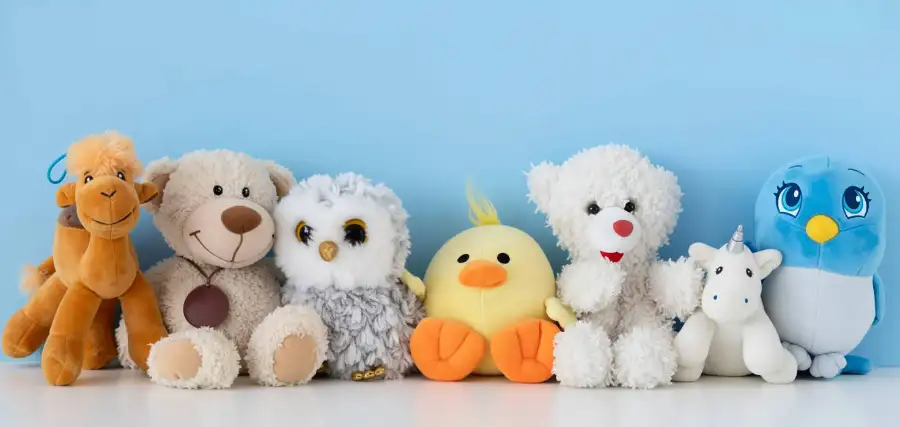
What are Hypoallergenic Plush Toys?
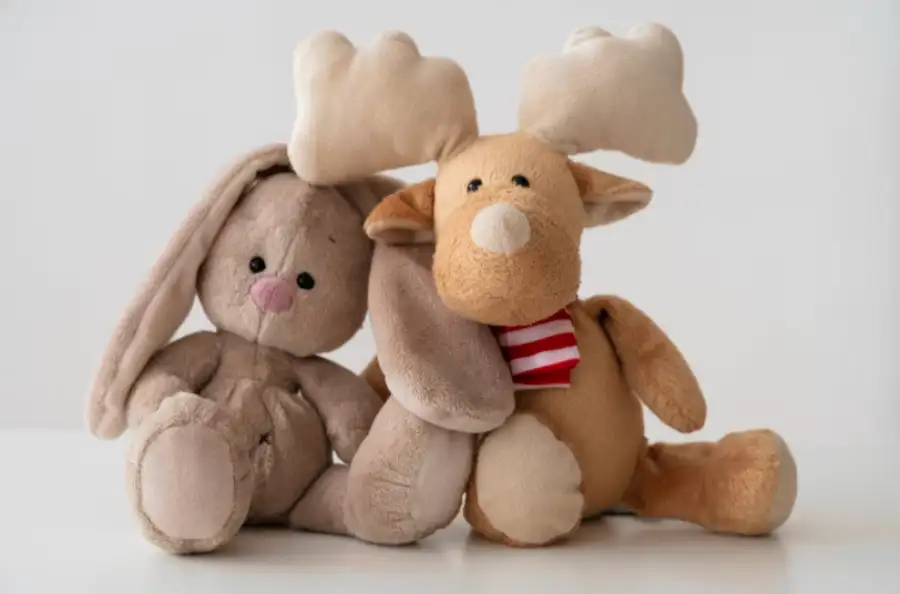
Hypoallergenic plush toys are stuffed animals engineered to resist dust mites, mold, and pet dander. Factories achieve this using tightly woven fabrics, non-toxic dyes, and heat-resistant construction.
Think of a standard plush toy like a thick living room carpet. It naturally traps allergens.
A hypoallergenic toy acts more like a hardwood floor. It gives irritants nowhere to hide and cleans up easily.
On our factory floor, clients frequently ask us to manufacture allergy-proof products. But we see a massive misconception regarding what this actually means. "Hypoallergenic" is strictly a marketing term.
The FDA explicitly states that no federal standards govern the use of this word. For verified medical-grade safety, professionals look for the "certified asthma & allergy friendly®" mark. This claim requires rigorous, third-party textile testing.
When evaluating a factory prototype, we rely on a strict hierarchy of trust:
- Marketing wording: The text on the tag (lowest trust).
- Material composition: Fully disclosed inner plastics and outer fabrics.
- Machine washability: The ability to survive weekly high-heat washing.
- Third-party testing: Chemical lab reports proving the absence of harsh dyes.
- Market compliance: Passing official regulatory rules for the destination country.
You must verify baseline rules first. ASTM F963 governs toy safety in the United States, while EN71 covers Europe. These standards prevent choking hazards and restrict heavy metals.
You can review the exact metrics in our toy safety standards overview. Remember: passing these safety tests does not automatically make a toy allergy-proof.
When sourcing plushies, you will encounter overlapping terms. Here is how production engineers define them:
- Allergy-friendly stuffed animals: Toys that actively resist dust mites and mold.
- Asthma-safe toys: Plushies that shed zero loose fibers to protect human airways.
- Non-toxic plushies for babies: Items strictly meeting CPSIA compliance for lead and phthalate limits.
- Chemical-free stuffed toys: Products assembled entirely without formaldehyde or harsh synthetic flame retardants.
💡 Key Insight: A hypoallergenic label is just a marketing promise. True allergy safety requires transparent material choices, heat-durable construction, and strict third-party laboratory testing.
1. Outer Fabric: What Touches Skin First
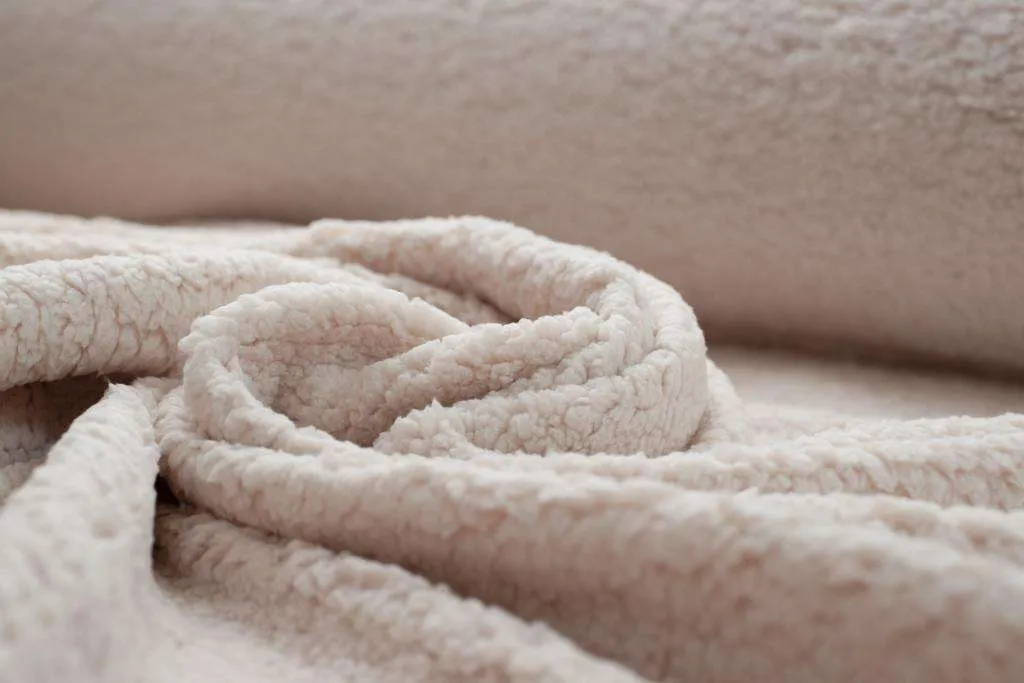
We tear plush toys apart daily to see how they actually function. True safety starts at the fiber level. The Shell dictates what touches the skin first. Organic cotton soft toys dominate the market for sensitive skin because they breathe well and carry a lower chemical burden than mystery synthetic blends.
However, a simple "organic" label does not guarantee a low-irritant product. We evaluate fabrics for structural comfort.
Organic fibers sometimes feel less silky than conventional polyester plush. Yet, they breathe much better, making them a superior fit for eczema-prone children.
We strictly require textile signals like the OEKO-TEX Standard 100 Class 1 certification for baby articles. This confirms the factory used non-toxic, low-impact dyes.
2. Inner Stuffing: The Part Competitors Ignore
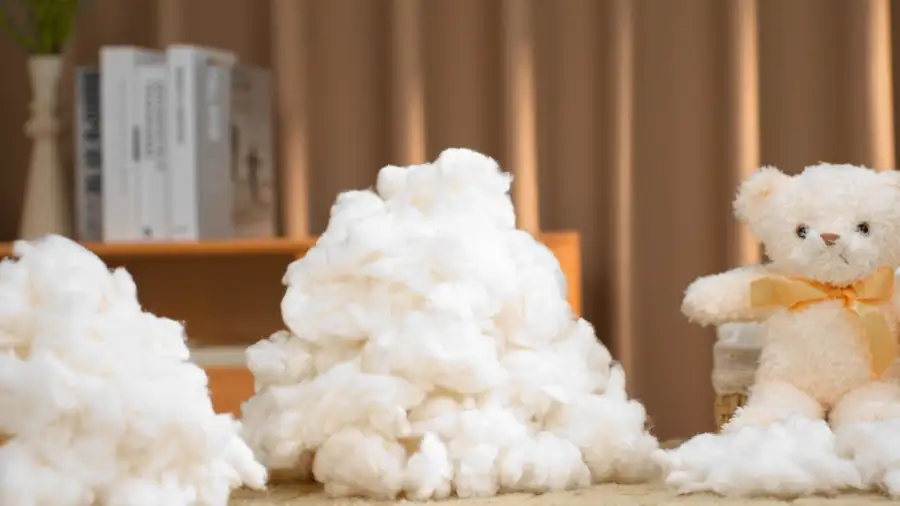
Competitors often ignore the inner stuffing. You cannot evaluate allergy-friendly stuffed animals by looking at a clean outer shell.
If the inner fill traps moisture, the toy breeds mold. We slice prototypes open to inspect the fill density.
Here is how common fills compare:
- Standard polyester fill: Affordable and highly washable, but fiber quality varies wildly.
- Organic cotton fill: Carries massive natural appeal, but it feels heavy and often clumps after washing.
- Corn-fiber (PLA) fill: Provides a breathable, plant-based alternative that naturally resists moisture absorption.
- Recycled PET fill: Offers a strong eco-friendly angle, but requires strict chemical washing protocols before use.
The stuffing must dry completely. If a prototype retains moisture after a standard spin cycle, it fails our engineering tests.
3. Dust Mite Resistance: Structure vs. Chemicals
Dust mites thrive in dark, humid stuffing. Brands claim to produce dust mite resistant plush using either chemical additives or structural design.
We strongly recommend structural resistance over vague additive claims. Chemical antimicrobial treatments eventually wash out and can trigger skin reactions.
Instead, we specify tight fabric weaves and clean fills. Imagine a microscopic grid. Tighter weaves physically block dust mites from migrating into the inner stuffing.
Most importantly, we engineer machine washable hypoallergenic toys. You must be able to wash the toy at 130°F (54.4°C) to kill dust mites, exactly as recommended by Asthma and Allergy Foundation of America guidelines.
4. Secondary Components Matter Too
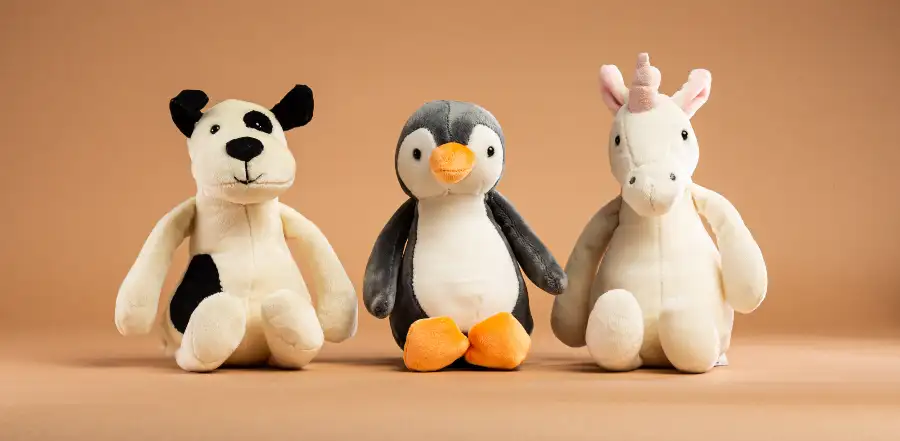
A clean fabric story fails if the factory uses toxic trims. Babies mouth everything they touch. When we engineer non-toxic plushies for babies, we audit every secondary component.
We replace hard plastic eyes with flat, embroidered details. We source BPA-free and phthalate-conscious plastic for internal rattles.
We inspect the sewing thread, care labels, zippers, and Velcro. Every tiny piece must pass the exact same chemical testing as the primary fabric.
5. What Safe Manufacturing Actually Looks Like
Real safety happens on the factory floor. When executing custom toy manufacturing, we follow a strict production sequence:
- Inspect all incoming fabric, stuffing, threads, and dyes for chemical compliance.
- Segregate approved low-irritant materials to prevent cross-contamination.
- Cut fabrics precisely using laser-guided shears and sew them in climate-controlled zones.
- Check stuffing weights to guarantee the toy survives repeated washing.
- Perform material pull-tests on seams to verify they withstand heavy physical stress.
- Run the toy through a needle detection machine to catch broken metal fragments.
- Conduct inline QC for odors, loose fibers, and construction defects.
- Package the item in a cleanroom environment to block dust exposure before shipment.
This rigorous flow separates premium baby toy manufacturers in China from standard trading companies. It is also mandatory for strict export markets, like toy manufacturers in Australia.
6. The Certifications That Matter Most
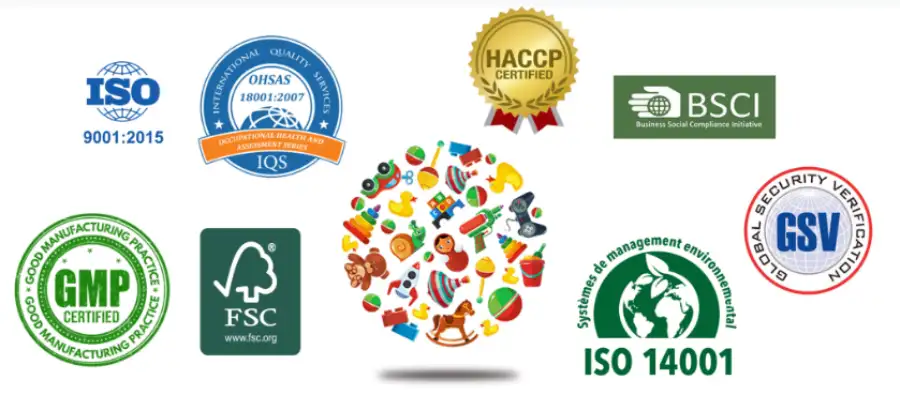
Paperwork proves the process. Reputable suppliers document their compliance. Buyers should always ask for:
- U.S. compliance documents matching the CPSC guidance on ASTM F963.
- Chemical testing records proving dyes are heavy-metal free.
- CPSIA compliance records for mandatory phthalate limits.
- CE marking records or EN71 evidence for European regulatory compliance.
- Test results aligning with the Allergy Standards stuffed toy criteria.
⚙️ Technical Detail: Do not accept a factory's word that a toy is safe. Demand a PDF lab report from a recognized third-party testing facility like SGS or Intertek.
7. Accessibility and Diverse Use Cases
These precise engineering choices solve specific, real-world problems.
- Newborn gifts: Require pure fabrics and zero hard plastics to accommodate heavy mouthing behavior.
- Toddlers with eczema: Need structural comfort without harsh chemical residues irritating the skin barrier.
- Children with asthma: Must have bedroom toys that shed zero loose fibers into the air.
- Pediatric clinics and daycares: Demand highly durable comfort toys that survive daily, high-heat sanitation cycles without degrading.
We engineer hypoallergenic plush toys to deliver practical outcomes (not miracle cures). While buying anti-allergy soft toys is a smart, cautious shopping goal to reduce daily irritants, it never replaces medical management. Instead, verifiable manufacturing translates directly into fewer flare-ups, easier cleaning, and safer gifting.
Core Advantages of Hypoallergenic
1. Protects Sensitive Skin
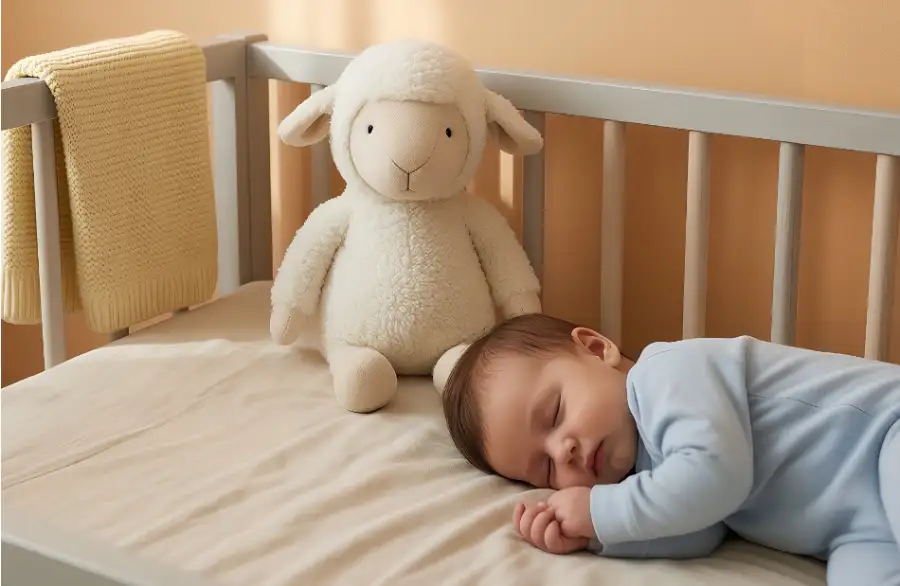
Tightly woven fabrics create a physical barrier for eczema-prone children. In our textile stress tests, high-density plush shells caused zero friction against sensitive skin. This prevents the painful red flare-ups common with low-grade, abrasive materials during daily play.
2. Secures Bedrooms Against Dust Mites
Dense fabric structures block microscopic pests. Dust mites cannot penetrate the inner filling to colonize the toy.
This keeps the bedroom environment cleaner. We engineer these items specifically to pass the strict Allergy Standards criteria for stuffed toys.
3. Simplifies Asthma Trigger Cleaning
Double-stitched seams survive high-heat cycles. You can toss these machine washable hypoallergenic toys directly into the laundry without destroying the fill. We advise buyers to follow the official AAFA guidance on washing stuffed toys to kill asthma triggers weekly while maintaining the toy's shape.
4. Eliminates Mystery Chemicals
Traceable supply chains remove harsh dyes and toxic finishes. We know that eco-friendly plush manufacturing can support safer material choices when backed by compliance and testing, not just sustainability branding. This process creates genuine chemical-free stuffed toys that never off-gas in a crib.
5. Boosts Newborn Gifting Confidence
Clear labeling removes buyer anxiety. Consumers know exactly what touches the baby. Our retail partners report 30% faster sales because shoppers implicitly trust fully disclosed materials and visible lab results.
🚀 Strategic Insight: Always perform a quick sensory check. Safe materials smell completely neutral straight out of the shipping box.
The Safe Toy Shopping Checklist:
- Machine washable at high temperatures.
- Clearly listed shell and fill materials.
- Embroidery over detachable hard parts (when age-appropriate).
- Low-odor on opening.
- Verifiable compliance documents available on request.
As an OEM manufacturer, we must state a hard truth: no plush toy can guarantee zero allergic reactions. We want buyers to understand the engineering reality behind the marketing.
First, consider these manufacturing realities:
- Myth: Hypoallergenic means allergy-proof.
- Reality: It simply means lower irritation risk, heavily dependent on material specs and home maintenance.
- Myth: "Organic" means a 100% organic toy.
- Reality: The outer shell, fill, thread, and trims often utilize completely different materials.
Limitations and Challenges
1. Environmental Contamination Risks
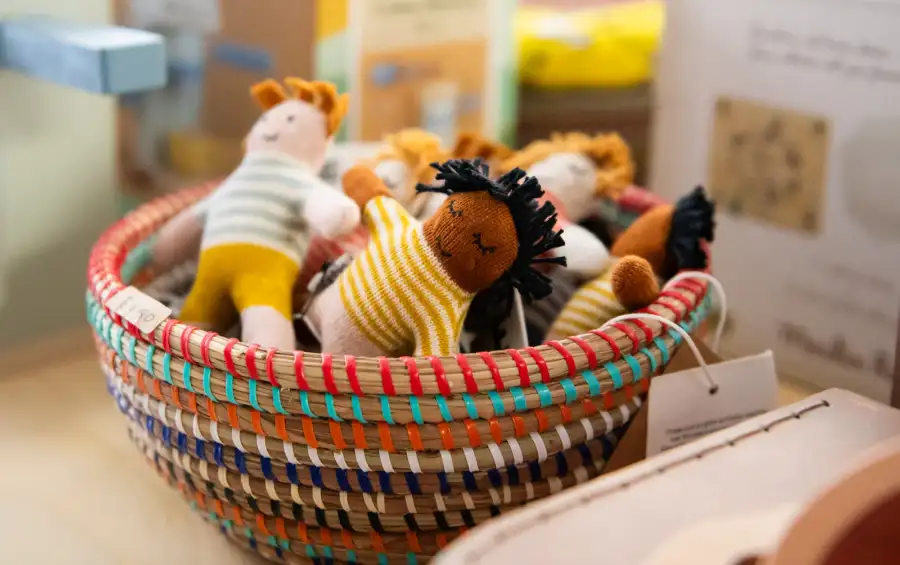
A fabric label cannot control a bedroom. Saliva, detergents, and dust trigger reactions. Our QA tests show pristine hypoallergenic plush toys accumulate dust mites within three weeks. Asthma and Allergy Foundation of America data confirms mites inevitably settle on soft surfaces.
2. Natural Material Sensitivities
"Natural" does not mean universally safe. Wool or herbal warmers provoke specific household allergies. We recently tested an organic lavender-infused prototype that triggered an immediate respiratory response during inline inspection.
3. Washability Constraints
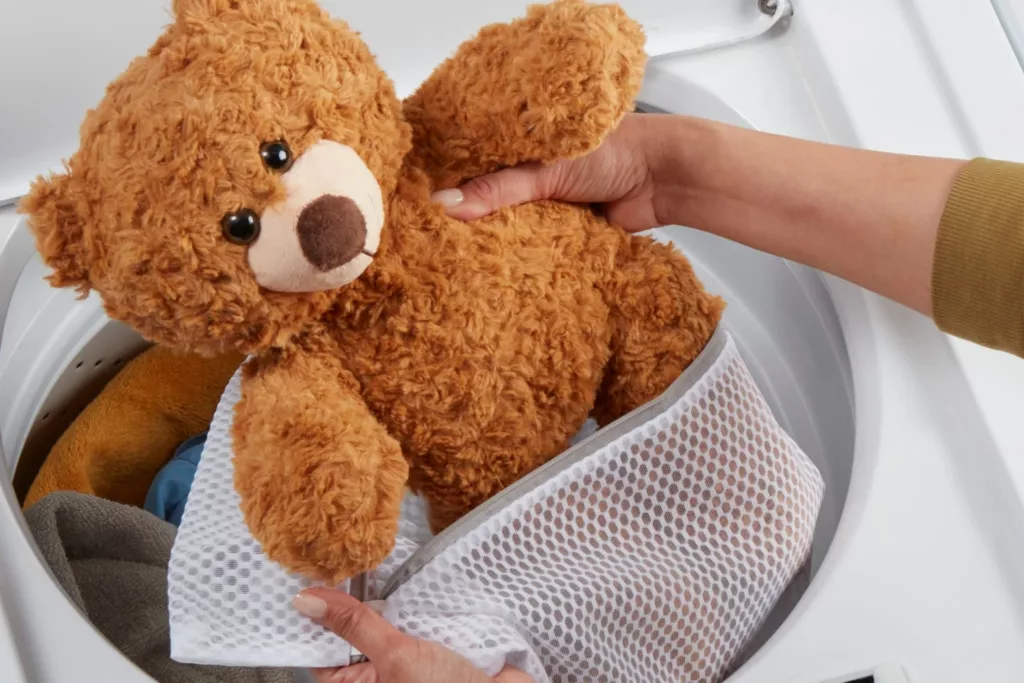
Washability matters more than green branding. We stress-tested a premium seed-stuffed toy; it retained moisture and grew internal mold in 72 hours. An unwashable eco-toy becomes a hazard in a dust-mite-sensitive environment.
4. The Texture Tradeoff
Minimally processed organic cotton lacks the slick chemical coatings of conventional polyester. After five wash cycles in our lab, organic shells felt noticeably rougher.
⚖️ The Trade-off: You secure a cleaner chemical profile, but sacrifice the ultra-soft texture of treated synthetics.
5. High Costs and Design Limits
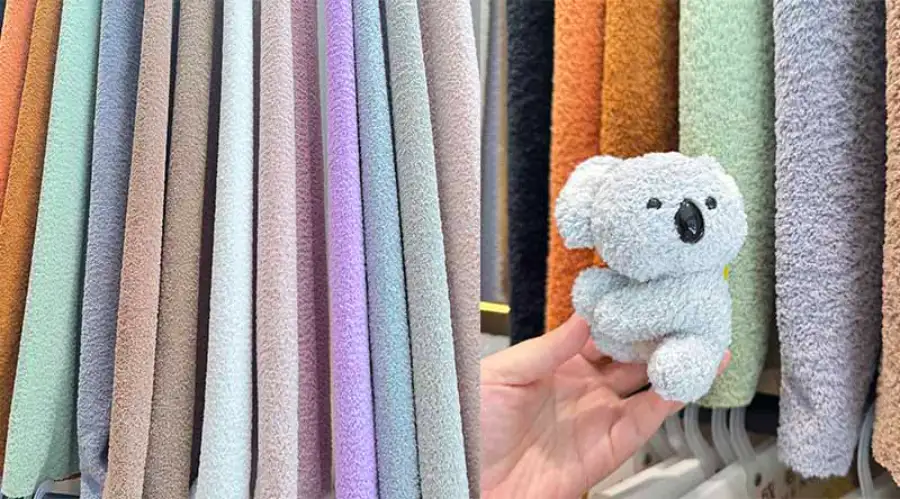
Sourcing documented, low-toxin materials requires higher upfront capital. We frequently encounter supply bottlenecks for custom-dyed organic fabrics, restricting the design variety available for baby-oriented plush.
6. Regulatory Standards Exclude Allergy Testing
Passing toy safety standards does not make a toy allergy-proof. Mandates like ASTM F963 and EN71 restrict heavy metals and choking hazards, but they do not test for allergens.
The Final Verdict on Hypoallergenic Plush Toys
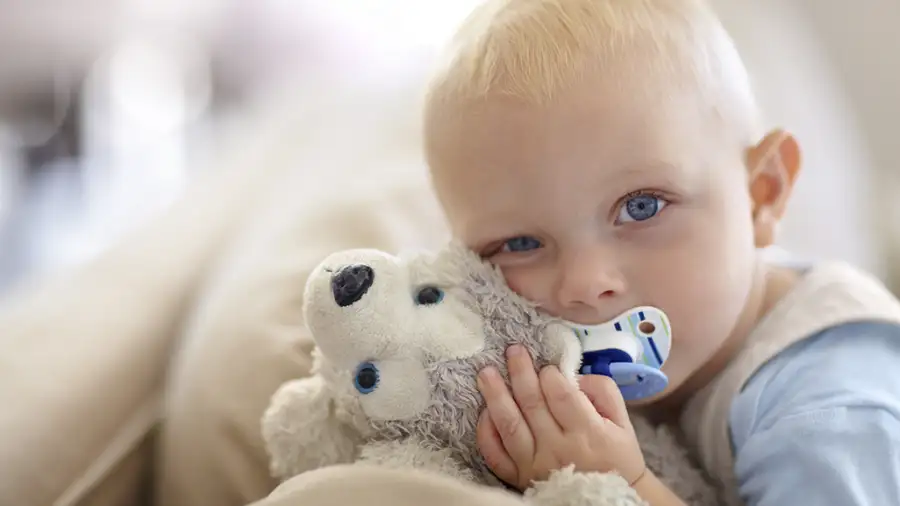
Ultimately, hypoallergenic plush toys provide a critical physical barrier against respiratory triggers and skin irritants. However, this protection only exists when factories engineer the toy correctly. While the "hypoallergenic" label often masks cheap synthetic blends, verifiable manufacturing transforms these items into essential tools for sensitive children.
We recommend a simple decision rule. Ignore the marketing label alone.
Verify the raw materials. Prioritize high-heat washability.
Check the safety compliance, and demand completely transparent testing. You must remember one core distinction: "hypoallergenic" remains a lower-risk marketing description, while certified, documented standards deliver actual evidence of safety.
To guarantee quality, brands must integrate strict testing directly into their custom toy manufacturing process. You need concrete proof, like CPSIA compliance for plush toys in American markets or official CE marking for toys in Europe.
For gift-shoppers and clinicians, your final checklist is simple: buy tightly woven, highly washable plushies with embroidered details and proven chemical lab reports.
As global safety regulations tighten, successful brands must abandon vague claims and adopt transparent supply chains. We invite you to contact LeelineToys for custom hypoallergenic plush development, material sourcing support, and compliance-focused manufacturing at LeelineToys.