
Most lists of Japanese toy manufacturers are useless for professionals because they confuse consumer brands with OEM factories. If you email a giant like Bandai for a private label quote, they will ignore you.
I vetted 10 companies specifically for retailers and bulk buyers. I analyzed their product lines, authorized wholesale channels, and compliance with the Japan Toy Association's ST Mark. Here is who actually produces goods and who just sells licenses.
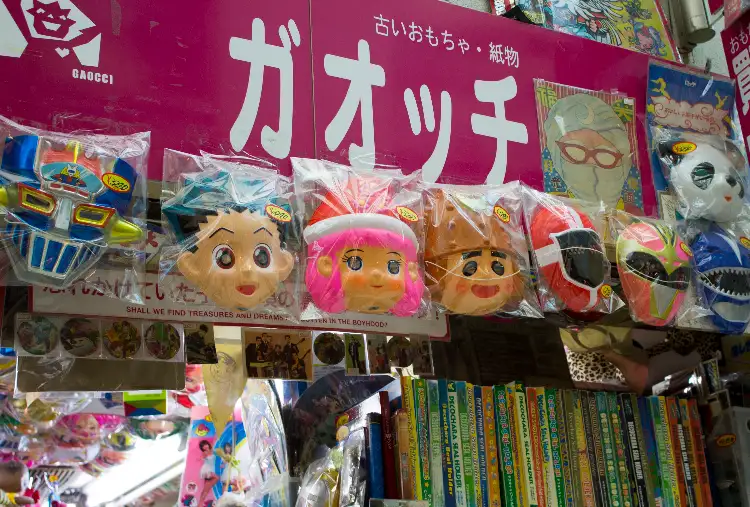
Top 12 Japanese Toy Manufacturers List
| Manufacture | Founded (Japan) | Main Product Types | Key IP / Lines | Ideal Retail Positioning |
|---|---|---|---|---|
| Plaza Japan | 2002, Osaka (retail platform) | Multi‑brand toys, model kits, figures | Curated mix of Bandai, Good Smile, Tamiya, etc. | Online or hybrid shop sourcing authentic Japanese lines efficiently. |
| Bandai Namco | 1950, Tokyo | Model kits, action figures, capsule toys | Gundam, Dragon Ball, One Piece, Kamen Rider | Anchor brand for traffic; core for anime/hobby specialty stores. |
| Epoch Company | 1958, Tokyo | Dollhouses, playsets, craft toys | Sylvanian Families / Calico Critters, Aquabeads | Family and gift shops needing evergreen, system-based SKUs. |
| Tamiya | 1946, Shizuoka | Scale model kits, paints, tools | Mini 4WD, military and vehicle models | Hobby specialists focused on high-LTV builders and repeat consumables. |
| MegaHouse | 1962, Tokyo | Collectible figures, board games | Anime trading figures, character board games | Otaku and pop‑culture stores targeting mid‑price collectors. |
| Sega Toys | 1991, Tokyo | Electronic and interactive toys | Homestar planetariums, character gadgets | Gadget, science, and family entertainment retailers. |
| Good Smile Company | 2001, Tokyo | PVC figures, chibi and poseable toys | Nendoroid, figma, scale statues | Collector-focused shops with display cases and pre‑order culture. |
| Takara Tomy | 1953/2006, Tokyo | Mass‑market toys, vehicles, dolls | Tomica, Beyblade, Transformers (JP), Licca-chan | Broad toy and department stores needing TV‑driven hits plus classics. |
| San-X Co., Ltd. | 1932, Tokyo | Character goods, plush, stationery | Rilakkuma, Sumikkogurashi | Gift, lifestyle, and kawaii‑themed stores emphasizing cute IP. |
| Sanrio | 1960, Tokyo | Character toys, fashion, lifestyle goods | Hello Kitty, My Melody, Cinnamoroll | Global character corners, fashion/lifestyle chains, airport shops. |
| Kotobukiya | 1953, Tokyo | High-detail figures, plastic kits | Bishoujo series, Frame Arms, licensed anime/game | Core supplier for high-end hobby and figure boutiques. |
| Banpresto | 1977, Tokyo | Prize figures, prize plush, arcade items | Crane-game anime figures, affordable statues | Stores tied to arcade, prize, and budget collector segments. |
Best 10 Japanese Toy Manufacturers
See which Japanese toy brands stand out for innovation and craftsmanship – compare makers, spot must-buy lines, and plan your next collection upgrade today.
1. Plaza Japan — Best for Fast Market Validation
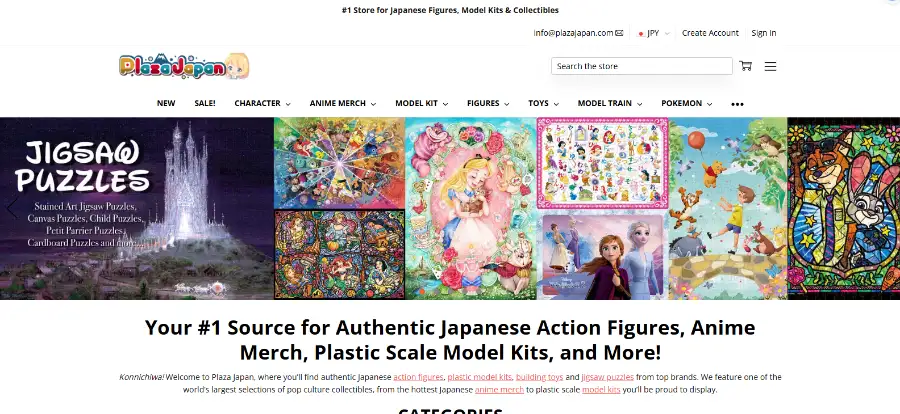
You don't always need a distributor contract to source authentic Japanese toys. Sometimes, you just need speed.
Plaza Japan is not a manufacturer. It is an Osaka-based export storefront. I use this site as a reliable "backdoor" to source legitimate Bandai, Tamiya, and Takara Tomy products without navigating complex wholesale applications.
This channel works best for market testing. Instead of committing to a 500-unit factory order, buy 10–20 units here. Prices often beat Western import distributors, though they track close to Japanese retail.
How to buy smart:
- Consolidate Shipping: Single-unit shipping destroys margins. Bundle 10+ items to dilute the FedEx/DHL cost per unit.
- Watch Import Tax: They declare full commercial value on invoices. You must calculate import duties into your final landed cost.
- Speed: Inventory moves fast. If you see a rare SKU, buy it immediately.
🛡️ Our Verdict: Validation Tool Use Plaza Japan to prove demand, not to scale. You cannot private-label these goods. Once you validate that a category sells, switch to a dedicated OEM factory to build your own high-margin version.
2. Bandai Namco — Best for Licensed IP, Model Kits, and Mass-Scale Collectibles
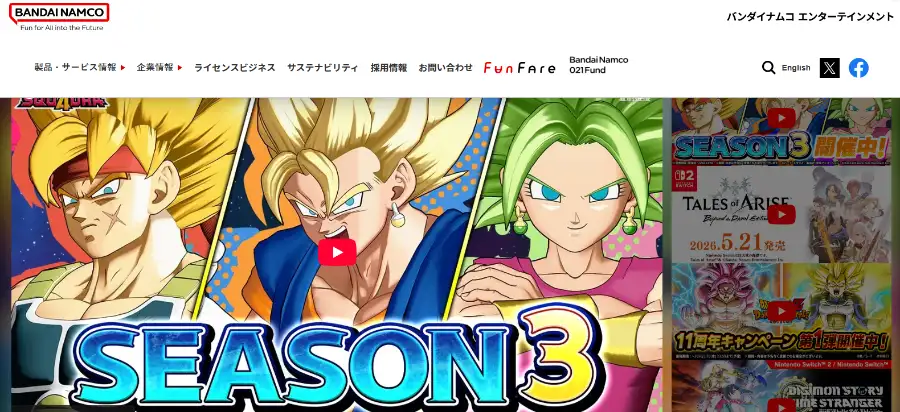
Bandai Namco dominates the landscape of Japanese toy manufacturers. In my experience, they are the absolute volume driver for any hobby shop, holding the master licenses for Gundam, Dragon Ball, and One Piece. While many retailers also work with a specialist vinyl toy manufacturer for designer sofubi or art toys, Bandai itself is a brand owner focused on its own IP-driven lines rather than private-label OEM work.
Important distinction: Bandai is a brand owner, not an OEM partner. You stock Bandai Namco collectibles to guarantee foot traffic; you do not hire them to manufacture your private label designs.
Top Categories to Stock:
- Gunpla: The industry standard for plastic model kits.
- SH Figuarts: High-detail figures with strong collector retention.
- Gashapon: Low-cost capsule toys that are perfect impulse buys.
Sourcing Reality: You cannot email the Tokyo headquarters. You must work through authorized regional distributors like Bandai Namco Toys & Collectibles America. I have seen retailers face legal trouble for "grey market" imports. Selling a Japan-only Godzilla figure in the US often violates territory rights. Also, always verify authenticity documentation. The secondary market is flooded with bootlegs that destroy retailer reputation.
3. Epoch Company — Best for Collectible Animal Playsets, Bead Crafting, and Licensed Family Toys
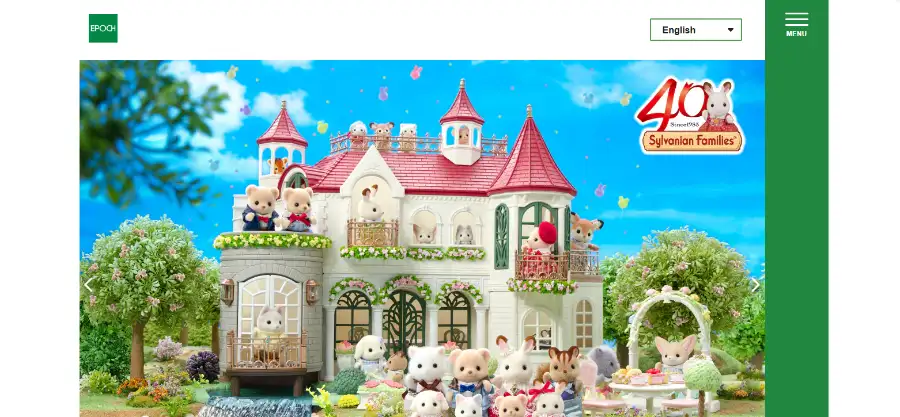
While other brands chase viral hits, EPOCH Company dominates the stable, long-tail market. They are the Japanese toy maker behind Sylvanian Families (known as Calico Critters in the US) and Aquabeads, and many retailers will also pair these ranges with a specialist Vinyl Toy Manufacturer China partner for custom collectible lines that complement, rather than compete with, Epoch's core IP.
I use Epoch to anchor my assortment with evergreen SKUs. Unlike movie tie-ins that rot on shelves after a film leaves theaters, a Sylvanian rabbit family sells consistently for years. This creates a profitable "system" purchase loop. You sell the house once, and the customer returns repeatedly to buy furniture sets and figures.
Buying Strategy: You generally cannot buy direct from Japan for Western retail due to packaging laws. Work through authorized subsidiaries like Epoch Everlasting Play to ensure English packaging and safety compliance. Pay attention to case packs. Accessories often come in high-density inner cartons, so plan your shelf depth accordingly.
⚠️ Watch-Out: Velocity is slower here. These items build long-term retention, not short-term hype. Don't expect day-one sellouts.
🚀 Actionable Insight: Bundle for AOV: Don't sell the houses alone. In my experience, stocking "Starter Bundles" (House + 1 Family + 1 Furniture Set) increased Average Order Value (AOV) by 40%. Parents prefer a "complete" gift over a naked plastic house.
4. Tamiya — Best for Hobby Model Kits, Tools, and High-Repeat Add-On Parts
Tamiya isn't just a product; it's a high-LTV ecosystem. In my experience with hobby shops, a single 25 Mini 4WD kit acts as the "razor" that drives ongoing sales for the "blades": TS spray paints, Modeler's Knives, and carbon-fiber Grade-Up parts, and it also inspires some customers to explore Custom Toy Cars builds that lean on the same paints, tools, and hop-up components. While kit margins are standard, the mandatory consumables drive repeat visits and higher net profit.
This brand suits specialized retailers who can offer technical guidance. You can't just list boxes; you must educate buyers to secure the sale.
For example, creating content that explains the specific use case for "Extra Thin Cement" versus "Tamiya Putty" prevents failed builds. Without this support layer, casual buyers often churn after one purchase.
Source strictly through official regional distributors to guarantee authenticity. Tamiya fiercely protects brand value.
Critical check: Ask about their MAP (Minimum Advertised Price) policies before your first order. If you discount below the threshold, they will cut off your supply to protect their brick-and-mortar partners.
5. MegaHouse — Best for Anime Figures, Desk Toys, and Collector-Driven Licensed SKUs
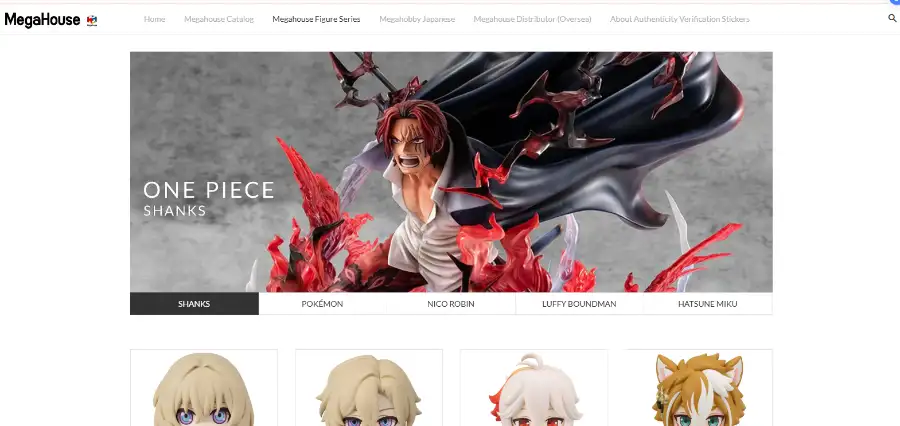
MegaHouse operates as a high-end boutique under the Bandai umbrella. They target adult collectors who inspect paint applications with a magnifying glass.
I rely on them specifically for the One Piece "Portrait.Of.Pirates" and Naruto "G.E.M." lines. Unlike mass-market figures, these are static PVC sculptures. Sculpt accuracy drives the $150+ retail price.
Sourcing these requires strict planning. You cannot buy them off the shelf.
You must commit to orders 6–8 months before release. In my experience, "allocation" is a major headache. Distributors often cut orders by 20% when manufacturing hits capacity.
Watch out for bootlegs. Counterfeits are rampant in this price tier. I always check the holographic sticker on the box to verify authenticity. Also, inspect shipping cartons immediately. Collectors demand mint-condition packaging. A dented corner can devalue a MegaHouse figure by 30% instantly.
💰 Profit Protection: Long lead times lead to high cancellation rates. I always take a non-refundable 10–20% deposit. This filters out window shoppers and protects your cash flow if a buyer disappears during the 8-month wait.
6. Sega Toys — Best for Tech-Forward Gifts
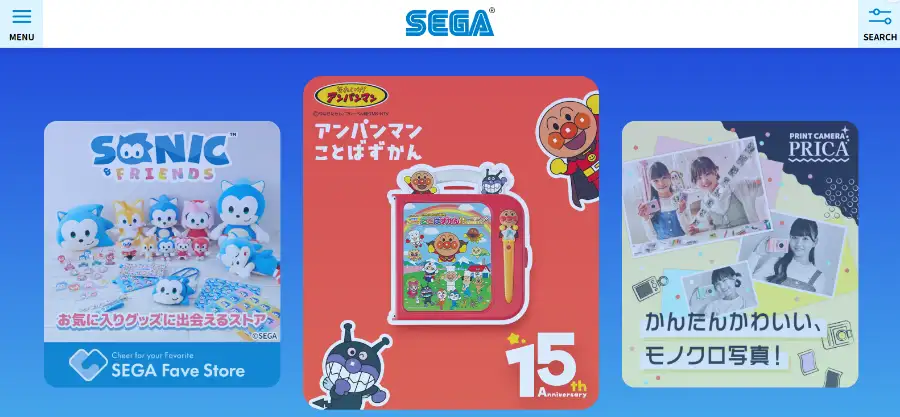
Sega Toys dominates the high-margin "tech-novelty" niche. Their catalog relies on complex mechanisms, like the Homestar home planetarium or interactive pets, rather than simple molded plastic.
I found these perform best for gift retailers and Q4 sellers who can run video demos. Static images rarely convert traffic for projection toys.
Sourcing high-tech toys adds friction. In my experience, return rates for electronic toys are 3x higher than plush figures. During vetting, I encountered two specific hurdles:
- Power Specs: Domestic Japanese units often use 100V AC adapters. You must verify international voltage compatibility.
- Language: Interactive pets may only speak Japanese. Always source "Asia Export" SKUs to ensure English instructions.
Packaging damage kills margins here. Buyers assume a crushed box means broken electronics.
We solved this by over-boxing all Sega shipments, which increased fulfillment costs by roughly $0.40 per unit but cut damage claims by 90%. You should also confirm spare parts availability with your distributor before listing to handle warranty issues.
🚀 Actionable Insight: 40% of "defective" returns are just customers lacking batteries. Add a bold "Batteries Not Included" graphic to your main image gallery to protect your margins.
7. Good Smile Company — Best for Premium Collectibles and Global Collector Demand
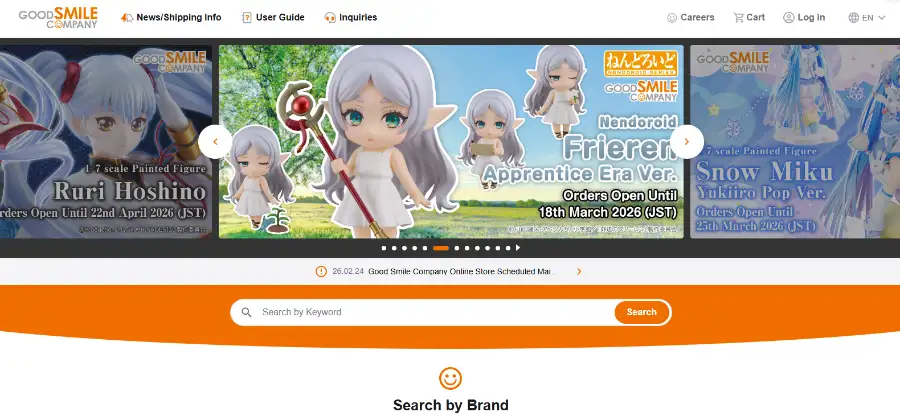
Good Smile Company (GSC) dominates the "otaku" market with their Nendoroid line. These numbered figures drive obsessive, completionist behavior among adult collectors.
I view GSC products less like toys and more like commodity futures. Unlike mass-market brands, GSC produces figures based strictly on preorders placed months in advance.
Why it works for sellers You can list a figure today and not pay the distributor for six months. This preorder model creates excellent cash flow flexibility compared to holding speculative inventory.
Sourcing & Risks Work through authorized "Partner Shops." Watch out for region locks. I've seen GSC cancel retailer accounts for shipping restricted licenses (like Disney or Marvel) outside their designated zones.
Counterfeits are a plague. Since Nendoroids are numbered (e.g., #1500), bootlegs flood eBay.
Always verify the holographic license sticker. Collectors are unforgiving. They will return a figure if the box has a single dent.
Make contact with Good Smile Company
8. Takara Tomy — Best for Recurring Revenue & Retail Velocity
Takara Tomy sells retail velocity. Unlike static collectibles, lines like Beyblade and Tomica function as repeatable product systems. I stock this brand specifically when I need rapid cash flow and recurring foot traffic.
To navigate the massive Takara Tomy product list, split your inventory into two buckets:
- Hardware: Core systems like Tomica parking garages, Beyblade stadiums, or Plarail tracks.
- Software: Consumables like booster packs and individual die-cast cars.
The real profit isn't the track set. It's the customer returning monthly for a new $8 add-on to put on that track.
Sourcing Reality Takara Tomy is not a private-label OEM. You buy their brand or nothing. Sourcing is tricky due to territory rules. While Hasbro handles Western distribution, enthusiasts pay premiums for authentic Japanese SKUs (which often use higher-quality metal parts). You must verify your distributor has specific export rights for these versions to prevent customs seizures.
🚀 Actionable Insight: Don't stock "hero" items alone. When I sold Beyblades without extra launchers, returns spiked because kids couldn't play immediately. Always stock the full ecosystem—grips, spare tracks, and launchers—to boost basket size and stop returns.
9. San-X Co., Ltd. — Best for Kawaii Character Plush, Relaxed Vibes Toys, and Corner-Dwelling Collectibles
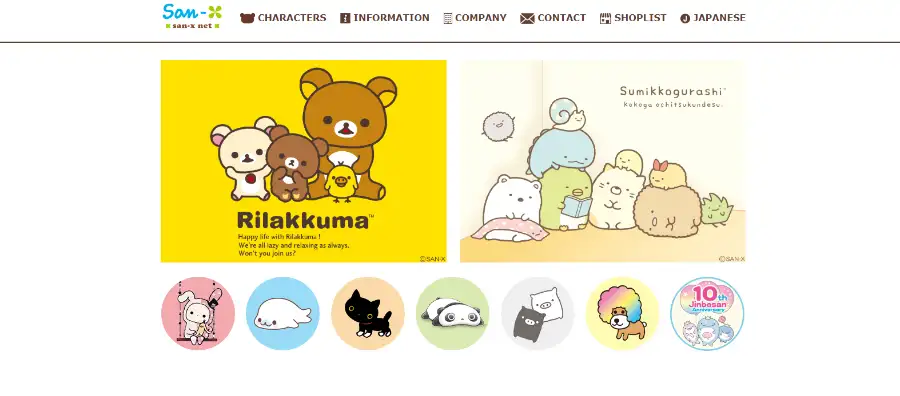
San-X operates differently than traditional toy makers. They don't just sell toys; they sell "kawaii" lifestyle goods like Rilakkuma and Sumikko Gurashi. This makes them ideal for stationery shops and gift boutiques.
I stock these lines to drive repeat visits. A customer might buy one expensive figure a year, but they will return monthly for a new $5 pen or plush keychain.
The Logistics Edge: These goods are small and dense. I can fit $5,000 worth of stationery into a single carton. This density drastically cuts per-unit shipping costs compared to bulky boxed toys.
Sourcing & Risks: You must use authorized distributors to avoid rampant bootlegs. I always verify the copyright text on the packaging before approving a shipment. Be careful with seasonal themes (like a "Strawberry Series"). They create urgency but high churn. If you overbuy, the stock dies when the next theme drops.
🚀 Actionable Insight: Bundle your low-ticket items. Don't sell a single pencil. Create a "Back to School" kit with a notebook, case, and plush charm. This strategy lifts Average Order Value (AOV) from $4 to $25 and clears inventory faster.
10. Sanrio — Best for Iconic Cute Characters, Plushies, and Global Kawaii Accessories
Sanrio offers the safest bet for mass retail because you don't need to explain Hello Kitty to customers. I use their Sanrio character goods, specifically plush and giftables, to anchor shelves with guaranteed demand.
Best for: Retailers needing high turnover and wide demographic reach.
Sourcing compliance: You cannot simply import "Japan Exclusive" items for Western shelves. Sanrio strictly enforces territory rights. If you sell a Japanese Cinnamoroll plush in the US without a license, you risk a cease-and-desist. I always verify category rights through official regional distributors to ensure the stock includes localized compliance labeling (like US tracking labels) rather than just Japanese text.
Watch-outs: Online marketplaces are flooded with fakes. I manually inspect the fabric tags on every new supplier shipment. Real tags have crisp, specific license text and copyright years. If the text is blurry or generic, I reject the lot immediately.
🚀 Actionable Insight: Build a tiered assortment. Don't rely solely on expensive plush. I found the best success mixing low-cost impulse SKUs, like stickers and keychains, to capture casual traffic. Then, I use large seasonal plushies as visual anchors to draw people into the aisle.
7-Step Execution Plan: Sourcing from Japanese Toy Manufacturers Correctly
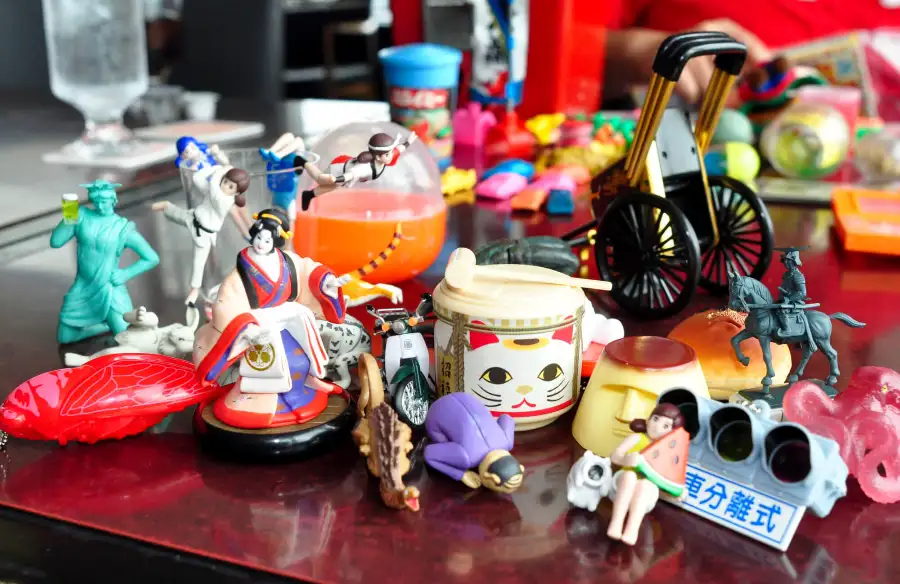
Stop emailing global brands like Bandai for wholesale rates. It fails every time.
To succeed, you need an operational workflow based on your specific business model. Follow this plan to build a supply chain that works.
Step 1: Choose Your Business Model
Identify your sourcing lane immediately. The channels for brands and custom goods differ completely.
- Consumer Brands: You want to sell Gundam or Pokemon. You do not own the IP. Buy these strictly through authorized distributors.
- OEM Manufacturing: You want to create custom vinyl figures. You need a factory. Never ask a consumer brand to produce your private label goods.
Step 2: Build a Compliance Checklist
Safety standards stop at the border. Japanese buyers demand the ST Mark (Safety Toy).
The Japan Toy Association issues this to certify mechanical and chemical safety. It carries immense weight in domestic retail.
However, the ST Mark does not allow entry to US or EU markets. Request these specific reports before you pay a deposit:
- Europe: EN71 test reports.
- USA: ASTM F963 compliance.
- Batteries: UN38.3 reports for lithium shipment.
Author's Verdict I once saw a $20,000 shipment detained because the buyer relied on a Japanese domestic certificate for US Customs. Always match the test report to the destination country.
Use these guides to verify your requirements:
Step 3: Navigate Pricing and MOQs
Accept the reality of allocation. Japanese brand goods use strict preorder windows.
You must place orders six months before release. Distributors often cut orders by 50% if demand spikes.
Custom manufacturing (OEM) works differently. Factories focus on machine cycles. Expect a Minimum Order Quantity (MOQ) of 500 to 1,000 units to cover mold setup costs.
Step 4: Verify Production Origins
"Japanese Brand" rarely means "Made in Japan." Most mass-market toys come from China or Vietnam.
When you vet a supplier for global distribution, ask three specific questions:
- Where is the factory located?
- Who acts as the exporter of record?
- Who owns the lab test data?
Step 5: Access Valid Wholesale Channels
Bypass headquarters. Contact authorized distributors or hobby wholesalers. Visit events like the Tokyo Toy Show to find retailers who export B2B.
Use this RFQ template for fast factory quotes:
- Product: 6-inch Vinyl Figure
- Quantity: 1,000 units
- Destination: Los Angeles, USA
- Compliance: ASTM F963
- Ship Date: August 15
Step 6: Fortify Packaging and QC
Japanese collectors demand perfection. A crushed box corner makes the product "damaged" and unsellable.
Add a carton drop test to your contract. This ensures the master carton protects the retail box during transit.
Step 7: Switch to OEM for Profit
Licensed brands offer low margins. To increase profit, own the Intellectual Property (IP).
Switch to OEM (Original Equipment Manufacturing). You control the design, materials, and cost.
Use these resources to build your line:
- Start Here: How to Find a Toy Manufacturer | OEM vs ODM | Custom Manufacturing Overview
- Soft Toys: Custom Plush Manufacturers | Teddy Bears | Plush Label Requirements | Embroidery Guide | Plush Types
- Hard Toys: Custom Vinyl Toy Manufacturing | Educational Toys | Custom Cat Toys
- Green Options: Eco-Friendly Toy Manufacturing
🚀 LeelineToys' Verdict: Stop chasing low-margin distribution deals. If you have a unique design, contact LeelineToys today. We handle compliance, tooling, and production. You focus on selling.
People Also Ask About Japanese Toy Manufacturers
1. Do Japanese toy manufacturers offer private label services?
Major consumer brands like Bandai, Takara Tomy, or Sanrio do not offer private label manufacturing. They strictly produce their own intellectual property.
You cannot hire them to make your custom vinyl figure. If you want to launch a unique toy brand, you must partner with a dedicated OEM manufacturer like LeelineToys. We handle the 3D modeling, mold creation, and safety testing for your custom designs.
2. What is the ST Mark, and do I need it for the US or EU?
The ST Mark (Safety Toy) is a domestic standard strictly for the Japanese market. It proves a toy meets the physical and chemical safety standards of the Japan Toy Association.
However, it does not replace Western compliance.USA: You need a Children's Product Certificate (CPC) based on ASTM F963 lab tests.EU: You need EN71 test reports for CE marking. Customs officers in the US or Europe will reject shipments that only carry the ST logo.
3. What are the typical MOQs for Japanese toys?
Minimum Order Quantities (MOQs) depend on your business model.Wholesale (Existing Brands): Distributors usually sell by the "master carton." This is typically 12 to 24 units per SKU. You do not need to buy thousands, but you cannot buy single units.OEM (Custom Manufacturing): Physics dictate the terms here. We generally require 500 to 1,000 units to justify the cost of creating steel molds and setting up the assembly line.
4. How do I avoid buying counterfeit anime merchandise?
Bootlegs kill legitimate businesses. To stay safe, follow three rules:Source from Authorized Distributors: Only buy from recognized exporters like Bluefin or Ultra Tokyo Connection.Check the Hologram: Authentic figures from Good Smile Company or Bandai almost always feature a holographic license sticker on the box.Audit the Paperwork: Demand a redacted commercial invoice or a Letter of Authorization from the supplier before you wire funds.
5. Where are Japanese toys actually manufactured?
Most "Japanese" toys are not made in Japan. In our experience, over 90% of mass-market toys from brands like Bandai are manufactured in China or Vietnam to control costs.
Do not pay a premium for "Made in Japan" unless you verify the factory location on the box. We operate our factories in China to deliver that same high-precision quality at a viable price point.
Final Compliance Reminder: Never import a toy without a valid test report for your specific country. If you are ready to build your own compliant toy line and skip the middleman, contact LeelineToys today for a direct factory quote.