
Understanding the types of plastic toys available across different age categories is essential when you're sourcing products that meet both market demands and regulatory compliance—unless you enjoy sleepless nights worrying about recalls.
However, navigating thousands of SKUs while balancing age-specific safety standards (ASTM/EN71) and material certifications is increasingly challenging—think of it as solving a Rubik's cube, but with legal consequences. Partnering with the right toy manufacturer who understands these complexities can streamline your procurement process significantly.
This guide serves as a technical roadmap to align material properties with developmental milestones, helping you make informed decisions that protect your brand reputation while maximizing product performance and market appeal.
0-12 Months: Choosing Safe and Age-Appropriate Plastic Toys
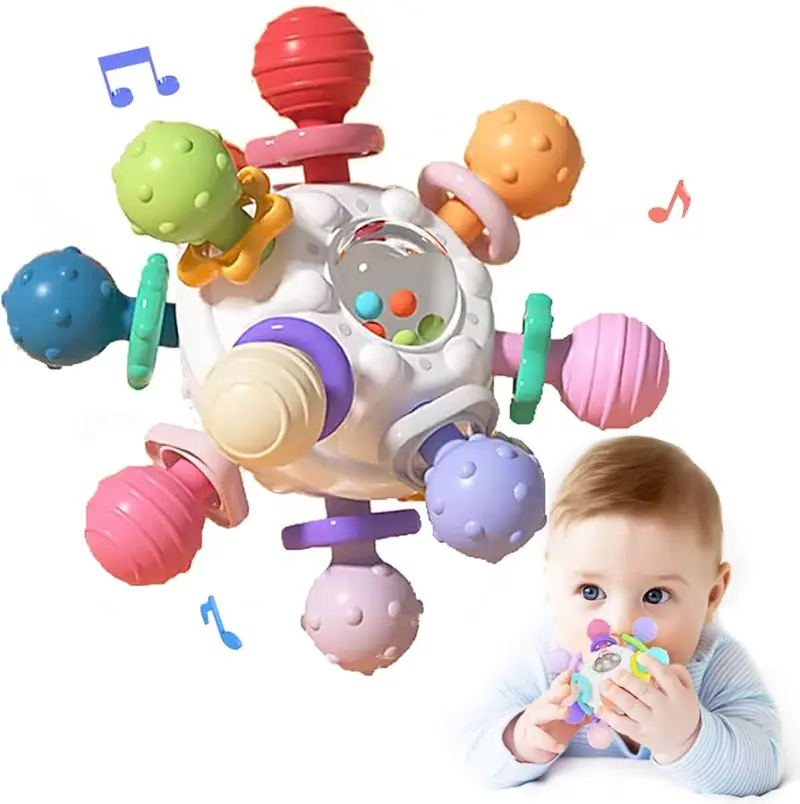
For infants in their first year, selecting the right types of plastic toys requires strict adherence to safety specifications and developmental considerations.
- SQUEEZE TOYS: Always check the size. Pick squeeze toys larger than 1.25 inches in diameter and over 2.25 inches long. This prevents choking hazards. Soft, domed ends are safer for babies who like to chew. These toys must handle aggressive mouthing. They need to keep their shape.
- PLASTIC RATTLES: All rattles must be larger than 1.25 inches in diameter and 2.25 inches in length. Make sure there are no small parts under 1 inch. Babies use rattles for both sound and teething. Strong construction is key. Sealed, seamless molding works best. Non-toxic finishes reduce risk. Quality-focused buyers look for these features.
- TEETHING RINGS: Select BPA-free and phthalate-free plastics. For rings or teethers, insist on no detachable parts smaller than 1.75 inches. This protects against choking. It also prevents toxic chemical exposure. Your stakeholders will appreciate this. These materials keep their shape after sterilizing and repeated use.
- HIGH-CONTRAST MOBILES: Secure installation is critical. For mobiles and any hanging toy, keep string length under 7 inches. This avoids strangulation risks. Plastic clips and parts should lock firmly to a crib or playpen. High-contrast patterns stimulate sight. They support visual development in infants.
12-36 Months: Selecting Plastic Toys for Toddlers' Rapid Growth
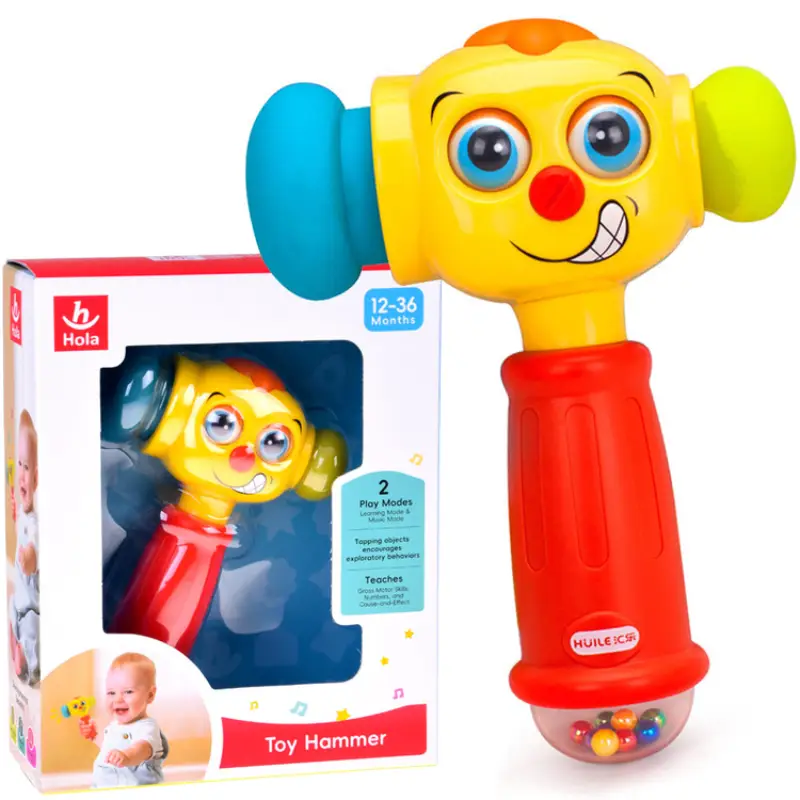
As toddlers transition into active exploration and early learning, the types of plastic toys you source must support their expanding motor skills and cognitive development while maintaining durability against rougher handling.
- BUILDING SETS FOR EASY STACKING: Select large, bright blocks that allow for stacking 3-6 pieces. This matches the toddler's development curve. These blocks boost spatial skills and problem-solving. Safety stays front and center.
- RIDE-ON TOYS FOR ACTIVE PLAY: Focus on wide-base ride-ons that won't tip. The child can run or climb on them safely. Safety harnesses or handholds should meet regulations. They need to feel comfortable to small hands.
- SHAPE SORTERS FOR SORTING AND MATCHING: Sets with 4-6 thick, chew-proof shapes entertain and teach. They encourage logic and color/shape recognition. Children thrive on quick results, so pieces should fit snugly but come out with ease.
- PRETEND PLAY SETS TO ELEVATE SOCIAL SKILLS: Young children ramp up their pretend play. Doll sets, kitchen accessories, and simple plastic tools help them recognize and practice real-world interactions. These toys boost language, thinking, and emotional growth.
3-5 Years: The Best Plastic Toys for Preschoolers' Development
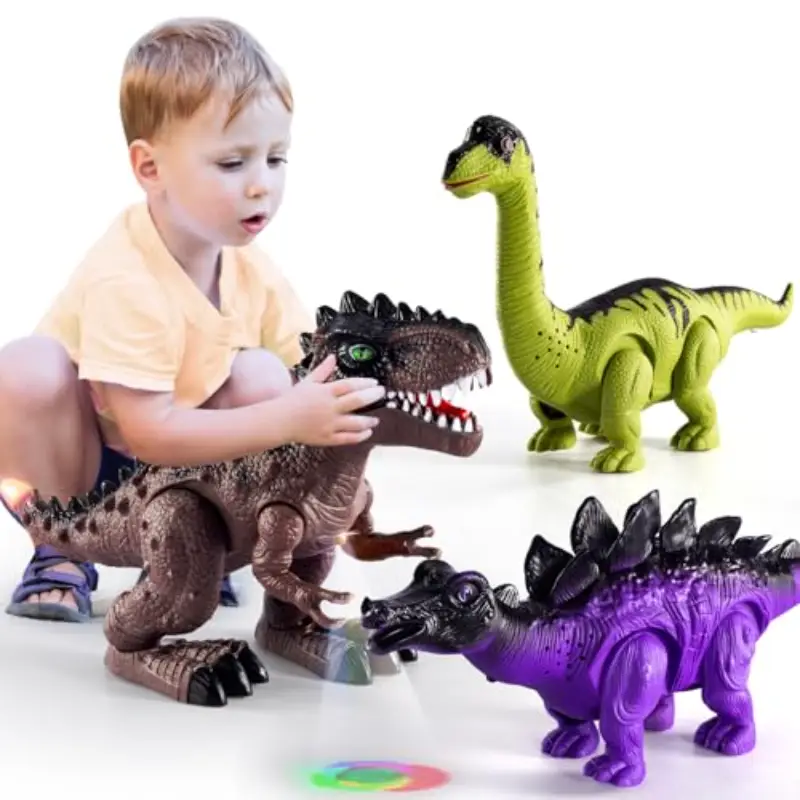
The preschool years mark a significant leap in cognitive complexity and social interaction, requiring types of plastic toys that align with multi-faceted developmental milestones spanning fine motor control, language acquisition, and emotional intelligence.
- FINE MOTOR TOYS FOR SELF-RELIANCE: Fine motor skills include copying circles, drawing straight lines, and using utensils. Plastic art sets, crayon holders, and pegboards help kids draw and trace. Dressing dolls or lacing boards made from tough TPE or PE plastic let kids practice getting dressed. These build finger strength. Kids gain independence. They start to wash hands or feed themselves with confidence.
- LANGUAGE DEVELOPMENT TOOLS: By 3 years, kids know 500-900 words. Five-year-olds know up to 10,000 words. Preschoolers tell stories, answer questions, count to 10, and name colors and basic numbers. Interactive plastic toys boost this growth. Talking storybooks, phonics boards, or counting sets with lights or sounds work well. These spark curiosity. They stretch attention spans up to 10 minutes.
- COGNITIVE AND IMAGINATIVE TOYS: Kids now follow 3-step directions. They recall story details. They play pretend. Playsets with figures, pretend kitchens, or vehicle sets spark creative thinking. They support group play. Pieces should be strong and easy to clean. Make sure no small parts under 1.75 inches in diameter for safety.
Social and Emotional Learning Toys
- TEAM-PLAY SETS: Preschoolers play side by side. They share. They take turns. They copy adults. Group games, plastic board games, and role-play kits (doctor, shopkeeper) teach negotiation and social skills. Kids learn to cooperate. They follow rules. They solve problems. Tantrums drop.
- EMOTIONAL EXPRESSION: Plastic dolls and expressive animal figures let children explore feelings, empathy, and self-control. They support storytelling. Kids make sense of the world.
Suggested Reading: Complete 12 Type Of Plastic Used In Toys Industry Insight
6-8 Years: Plastic Toys for Advanced Learning and Social Growth
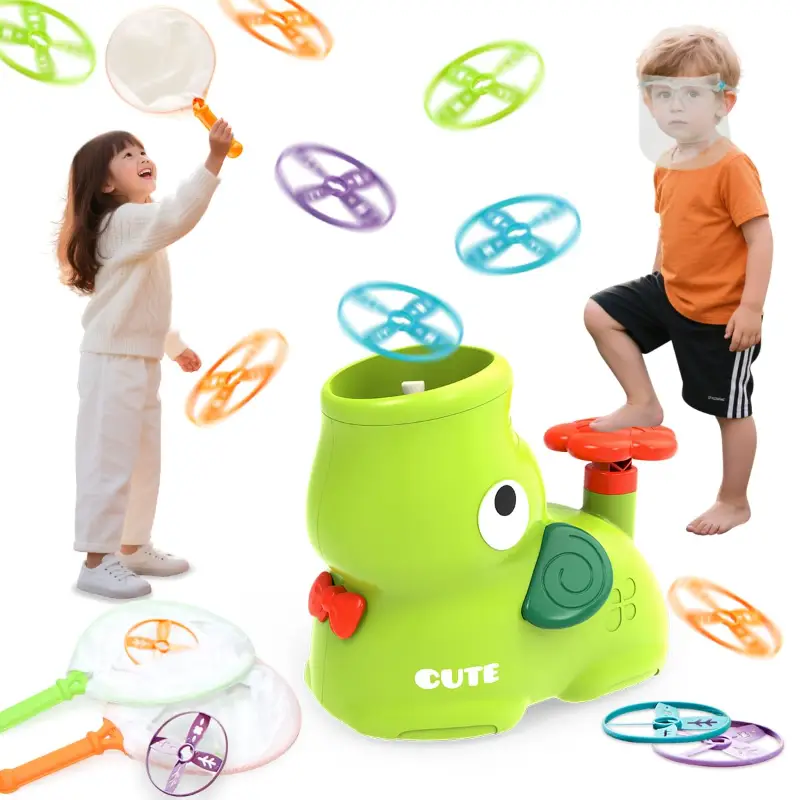
Early school-age children demand types of plastic toys that reflect their accelerated physical capabilities, expanding cognitive functions, and deepening social awareness.
SUPPORT COORDINATED MOVEMENT
Kids skip, hop, jump, cartwheel, and balance with confidence at this age. Two-wheel plastic bikes, jump ropes, and plastic sports sets help them master these moves. Pick models with drop-test certification (6 feet, no shatter).
Get impact-resistant plastics (recycling codes #1, #2, #4, or #5). Fewer breakages mean higher consumer trust.
Look for ergonomic grips and adjustable heights. Kids grow 2-2.5 inches and gain 4-7 lbs per year.
FINE MOTOR BOOSTS
Children ages 6-8 write smaller letters in lines. They use safety scissors with accuracy. Plastic art kits, detail drawing boards, and model building sets work well here.
Check for safe edges (<0.5 mm radius, no sharp points). Durable seams matter for action figures and model kits. Every set needs non-toxic paints (ASTM D-4236 compliant).
Brain, Language, and Social Skill Growth
- BUILD THINKING AND LANGUAGE SKILLS: Children read stories, send emails, and learn 20 new words a day at this stage. They build a 20,000-word vocabulary by age 10. Plastic letter tiles for word games, math sets for simple sums, and interactive storybook kits fit their needs. Kids group items by size, shape, or color. They master addition and subtraction. Clear labeling boosts your credibility. By age 8, most follow three-step instructions. They handle simple digital tasks.
- ENCOURAGE PLAY AND TEAMWORK: Kids want rule-based games, board games with plastic figures, and action sets for group play. Pick toys with empathy, friendship, and social skills in mind. Group activities teach rules and turn-taking. They build friendships. This helps emotional growth. Packaging should mention choke-proof parts (>1.25 inches diameter). Smooth finishing keeps shared play safe.
Expert Advice: Consider bundling complementary toys to increase average order value and appeal to parents shopping for well-rounded development. Label your bundles with age milestones. This helps busy parents find products that fit their child's learning stage.
9-12 Years: Advanced Plastic Toys for Preteens' Learning and Development
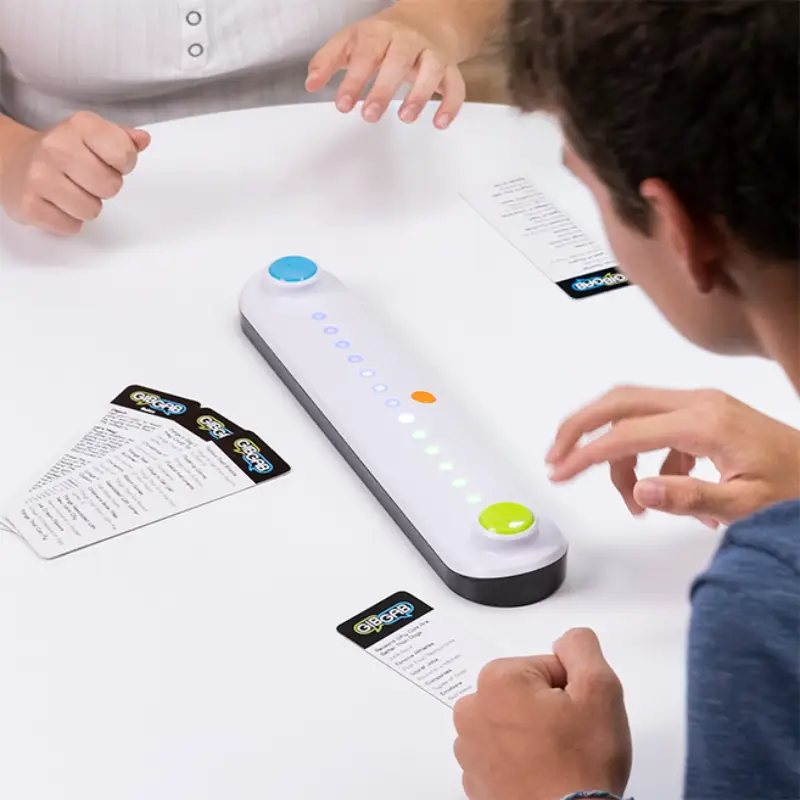
As preteens enter the final stages of childhood, the types of plastic toys that capture their attention shift dramatically toward skill-building, social complexity, and specialized learning outcomes.
STEM AND CREATIVE TOYS
Products that support science, math, engineering, or creativity meet clear market needs. Building kits, circuit sets, and programmable robots made from tough ABS or PP plastic handle repeated use.
Schools and homes both benefit. These toys build problem-solving skills.
They teach teamwork. Hands-on learning prepares kids for later success.
LANGUAGE AND SOCIAL GROWTH TOYS
Board games with group-play features work well for grades 9-12. Story-building sets help too. So do word-based puzzles.
Add customizable pieces. Offer multilingual options. Children of all backgrounds practice communication this way.
They learn to negotiate. Empathy grows. These soft skills boost long-term outcomes.
TEAM OR GROUP PLAY KITS
Over 49 million PK-12 students attend US public schools (2022). Group-compatible toys can reach this wide audience.
Sports sets fit the bill. Collaborative strategy games work.
Science kits with parts for 4+ players boost engagement and cooperation. Schools adopt these products. Repeat sales follow.
Conclusion
Navigating the vast landscape of types of plastic toys across multiple age categories demands expertise in regulatory compliance, material science, and developmental psychology.
An experienced manufacturing partner streamlines this complexity by balancing rigorous Quality Control with Cost Optimization. As a China toy manufacturer, LeelineToys delivers comprehensive toy customization services aligned with your target market's unique requirements.
Transform your product concepts into market-ready solutions that drive consumer trust and sustained revenue growth. Contact us today to discuss your sourcing, customization, and scaling needs for types of plastic toys that define industry standards.
FAQs About Types of Plastic Toys
1. How can I ensure plastic toys remain durable during the expected product lifespan?
Choose strong plastics and test them to make sure they won't break easily. Make hinges and handles extra thick.
Keep walls at least 1.5-2.5 mm thick to prevent warping. Test that colors don't fade in sunlight. Good durability means happy customers who buy again.
2. What ventilation and moisture requirements apply to plastic toy storage and shipping?
Keep toys in dry, cool storage rooms (not too hot or humid). Use moisture-absorbing packets during shipping to prevent warping and mold.
Don't stack boxes too high or they'll crush the toys inside. Proper storage keeps toys looking new when they arrive at stores.
3. How do I evaluate whether a plastic toy supplier meets my quality and compliance standards?
Ask for safety certificates and test reports. Visit the factory to see how toys are made.
Check their past work with other companies. Ask about their defect rates and delivery records. Good suppliers are transparent and willing to prove their quality.