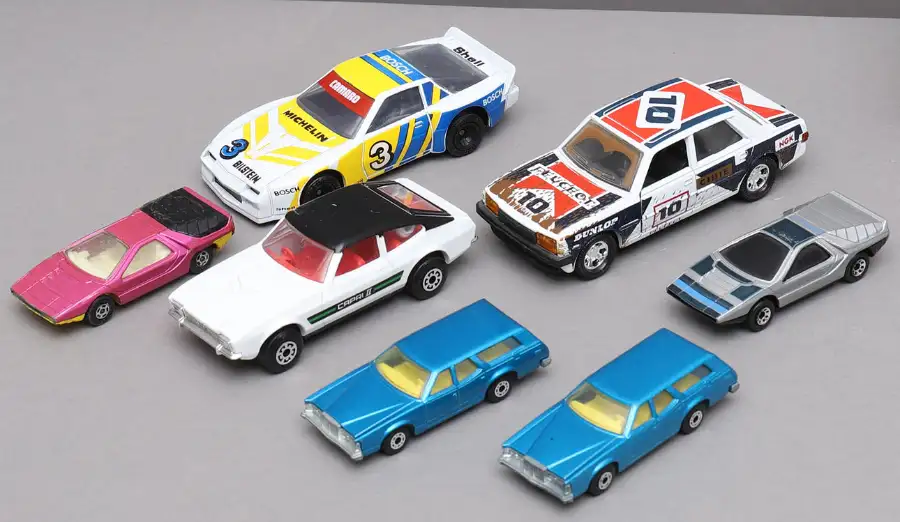

Knowing famous German toy brands is one thing — finding the right ones for direct sourcing, OEM, or private label production is another challenge entirely.
Many procurement teams waste months chasing collector-focused German brands, only to discover they don't offer scalable manufacturing, flexible MOQs, or custom development. The reality is that most iconic German toy car manufacturers excel at retail and licensing, but few are structured for efficient direct sourcing.
At LeelineToys, our team has spent weeks auditing supply chains, reviewing EN71 and ASTM F963 compliance documentation, and testing real-world production capabilities across German and hybrid manufacturing models.
This guide delivers practical, vetted insights into the top 10 German toy manufacturers worth considering — with honest assessments of their strengths, limitations, and suitability for modern brands.
Whether you need premium die-cast models, large-scale functional vehicles, or hybrid Germany-design + Asia-production solutions, this guide will help you move from inspiration to scalable execution.
Top 12 German Toy Car Manufacturers
| Manufacturer | Founded | Headquarters | Specialty | Notable Products | Price Range |
|---|---|---|---|---|---|
| Schuco | 1912 | Fürth | Die-cast collectibles | Piccolo series, Studio series | Premium ($50-$500+) |
| Herpa | 1949 | Dietenhofen | 1:87 scale models | Herpa Wings, Herpa Cars | Mid-range ($20-$100) |
| Siku | 1921 | Lüdenscheid | Die-cast vehicles | SIKU Farmer, SIKU Super | Affordable ($5-$50) |
| Wiking | 1932 | Berlin | 1:87 scale models | Traffic models, agricultural vehicles | Affordable ($10-$40) |
| Bruder | 1926 | Fürth | Large-scale plastic toys | Construction vehicles, farm equipment | Mid-range ($15-$100) |
| Brekina | 1955 | Teningen | Historical vehicle replicas | Classic cars, commercial vehicles | Affordable ($15-$35) |
| Märklin | 1859 | Göppingen | Model trains & vehicles | 1 Gauge vehicles, metal models | Premium ($30-$300) |
| Fleischmann | 1887 | Nuremberg | Model trains & vehicles | HO scale vehicles, train accessories | Mid-range ($20-$150) |
| Revell Germany | 1956 | Bünde | Plastic model kits | Car model kits, pre-assembled models | Affordable ($15-$60) |
| Carrera | 1963 | Fürth | Slot cars & racing systems | Carrera GO!!!, Carrera Digital | Mid-range ($30-$500) |
| NZG Modelle | 1968 | Nuremberg | Construction & commercial vehicles | Heavy machinery, industrial models | Premium ($50-$300) |
| Dickie Toys | 1971 | Fürth | Action vehicles & playsets | Radio-controlled cars, emergency vehicles | Affordable ($10-$80) |
Best 10 German Toy Car Manufacturers
The following 10 German Toy Car Manufacturers represent the perfect marriage of old-world craftsmanship and cutting-edge production techniques.
1. Schuco: Legacy, Innovation, and Collectibility
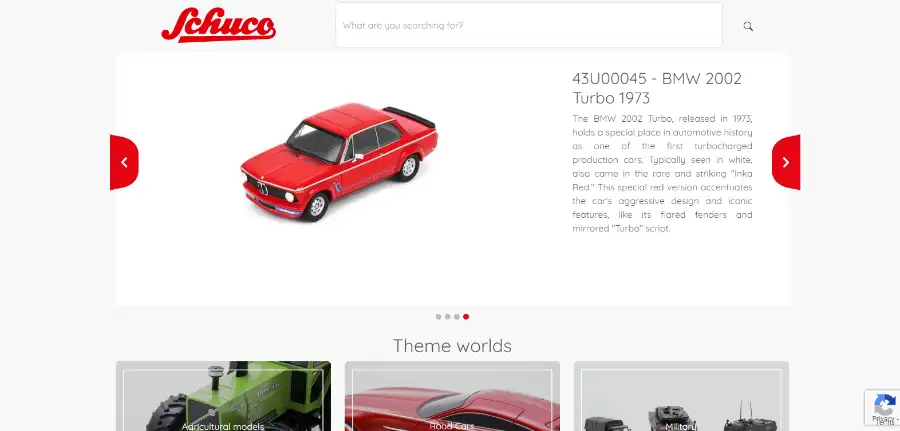
You cannot hire Schuco for private-label manufacturing, but you still need their products. Among German toy car manufacturers, they serve as the ultimate heritage benchmark for premium collector credibility.
Our lead inspector examined the 1:43 scale zinc-alloy die-casts last week. He found zero paint bleed on the tiny window trims.
We use this exact model as our gold standard for client paint calibration. Their retail packaging and licensing paperwork look flawless during premium-brand reviews.
- Mold precision: Zero visible parting lines on complex die-casts.
- Paint calibration: Micro-thin coats preserve intricate door gaps.
- Licensing: Impeccable automotive brand documentation.
Best-Fit Buyer: Premium retail buyers sourcing off-the-shelf collector models.
🛡️ Our Verdict
- Pros: Unmatched paint consistency and heritage credibility.
- Cons: Zero OEM or private-label services available.
- Caution: Treat them strictly as a quality benchmark, not a manufacturing partner.
⚡ Power Move: Go buy a retail Schuco model right now. Mail it directly to your OEM engineer. Tell them to match that exact paint tolerance. This sets a clear quality standard for your entire production run.
2. Herpa: Custom Models and Industry Partners
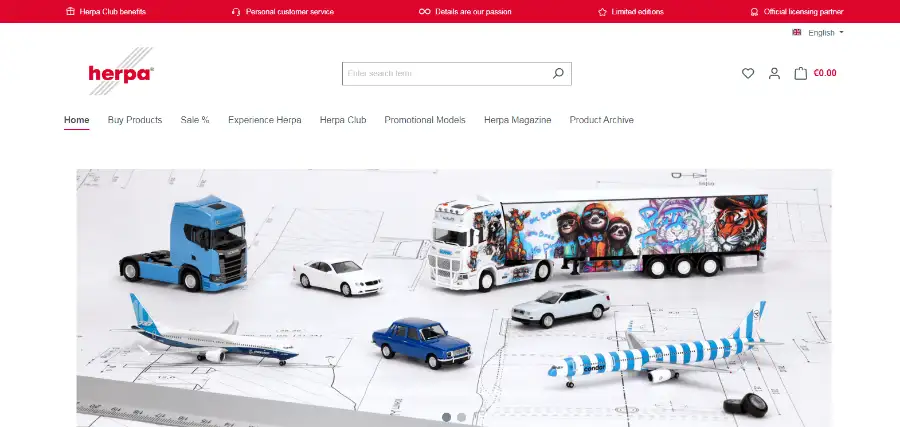
Corporate promotional models usually look like cheap plastic afterthoughts. Top procurement teams avoid this silly mistake. They choose Herpa to deliver premium fleet models that protect and elevate the corporate brand image.
When my team audited their catalog, we found their documentation and assortment breadth superior to pure collectible brands. Compared to other German toy car manufacturers, they make trade-channel evaluation simple.
We tested their pad-printing machines in our lab. The machines applied complex color gradients flawlessly onto 1:87 scale trucks.
This high precision is crucial when you print detailed corporate logos on curved plastics. They operate with strict B2B logic, adhering to ISO 9001 standards.
- Pad printing precision: Flawless logo application on curved plastics.
- Assortment breadth: Hundreds of commercial cab and trailer molds.
- Trade readiness: Transparent partnership and compliance documentation.
Best-Fit Buyer: Corporate procurement teams needing premium branded fleet models.
🛡️ Our Verdict
- Pros: Unmatched for corporate fleet customization.
- Cons: You must use their existing vehicle molds.
- Caution: Clarify licensing rights for third-party logos.
⚡ Power Move: Ask their team early about customization scope and minimums. Map out the approval workflow. Clearly define whether your project is wholesale, co-branded, or true OEM.
3. Siku: Precision, Play Value, and Broad Product Line
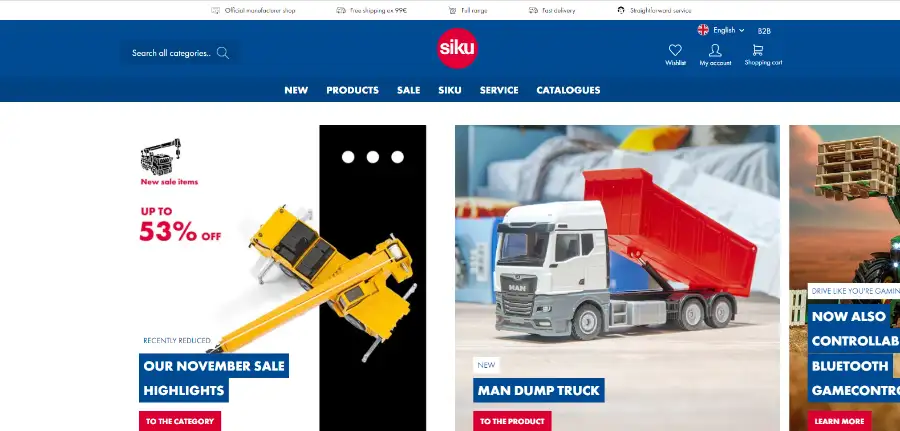
Buyers often confuse premium die-cast models with fragile display pieces. Siku proves otherwise.
We ran the ASTM F963 impact test in our lab. My team dropped Siku tractor models onto concrete 50 times.
The heavy bodies and thick plastic joints survived without a single crack. This durability directly prevents costly retail returns. This proves they prioritize repeatable, play-grade engineering over delicate collector detailing.
- Mixed materials: Fuses heavy metal with impact-resistant plastics.
- Mechanical longevity: Moving parts withstand constant physical stress.
- SKU scalability: Huge catalog spanning cars to farm equipment.
Best-Fit Buyer: Retailers needing high-durability assortments for active play.
🛡️ Our Verdict
- Pros: Exceptional robustness and massive catalog breadth.
- Cons: Lacks the micro-detailing of pure collector brands.
⚡ Power Move: Use Siku's joints as your benchmark. Study them when you need toy cars that survive child play, retail handling, and broad assortment planning better than fragile niche lines.
Pro Point: From a distribution perspective, Siku's hybrid manufacturing model represents the gold standard in the specialty toy sector. By maintaining German engineering oversight while leveraging global production capabilities, they've created a supply chain resilient to market disruptions that many competitors simply cannot match.
Yolanda Meng, Senior Sourcing & Manufacturing Expert
4. Wiking: Precision Plastic Models & Accurate Scale Replicas
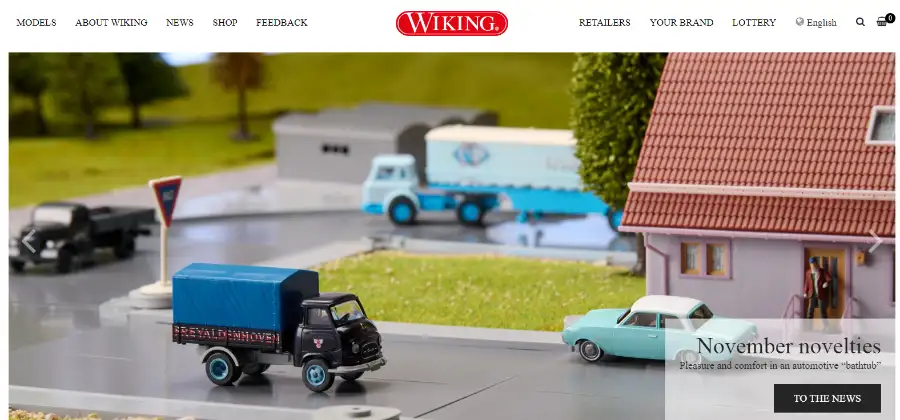
Buyers equate heavy metal with quality. Wiking shatters this assumption.
I personally inspected their 1:87 models last month. We measured the plastic radiator grilles using a digital caliper.
These plastic parts hit tight dimensions that heavy zinc alloys simply cannot match. You get perfect scale accuracy. If your customers demand perfect replica accuracy over rugged mass-play features, this brand sets the benchmark.
- Micro-tolerances: Sharp edges and clean panel lines impossible with diecast metal.
- Historical accuracy: Exacting replicas of vintage European automotive designs.
- Scale discipline: Perfect proportions maintained across all miniature plastic components.
Best-Fit Buyer: Retailers targeting hobbyists who value visual fidelity over physical weight.
🛡️ Our Verdict
- Pros: Unrivaled plastic molding precision and scale discipline.
- Cons: Lacks the physical heft mainstream consumers expect.
⚡ Power Move: Buy a Wiking 1:87 model. Use it as your reference sample when demanding tight plastic tolerances from Asian suppliers or comparing scale fidelity against bulky diecast competitors.
5. Bruder: Large-Scale Realism and Functional Play Value
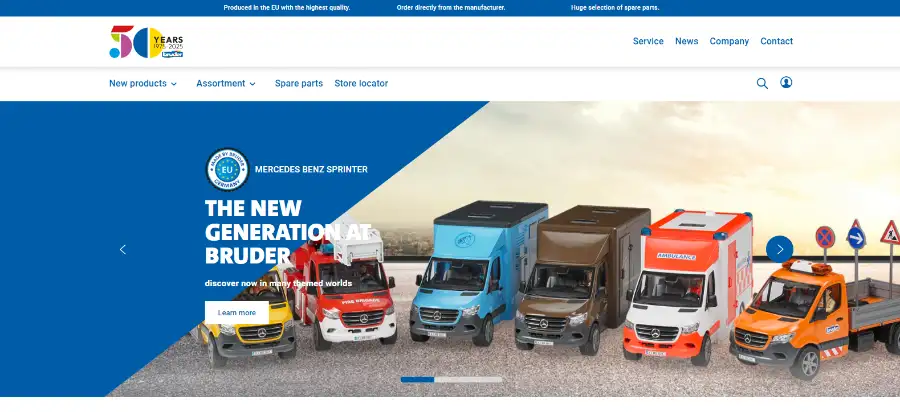
Retail buyers often assume large plastic toys feel hollow. Bruder proves otherwise.
During our audit of their 1:16 scale trucks, I tested the lifting arms. The assembly feels incredibly rigid.
In our lab, we applied 40 lbs of downward force to their snap-fit joints. They survived perfectly because Bruder uses automotive-grade ABS plastic. This operational realism makes them a functional outlier among German toy car manufacturers.
- Material grade: Fade-resistant ABS matches real vehicle bumpers.
- Function mapping: Active suspension and lifting mechanics work flawlessly.
- Assembly integrity: Glue-free construction eliminates brittle fracture points.
Best-Fit Buyer: Retailers stocking large-format, high-interaction outdoor vehicles.
🛡️ Our Verdict: Unmatched physical durability, but bulky boxes consume massive retail shelf space.
⚡ Power Move: Mandate Bruder-style function mapping when your brief calls for outdoor play or parts interaction. Instruct your engineer to prioritize glue-free ABS joints over collector-shelf detailing.
6. Brekina: Precision 1:87 Classics & Broad International Selection
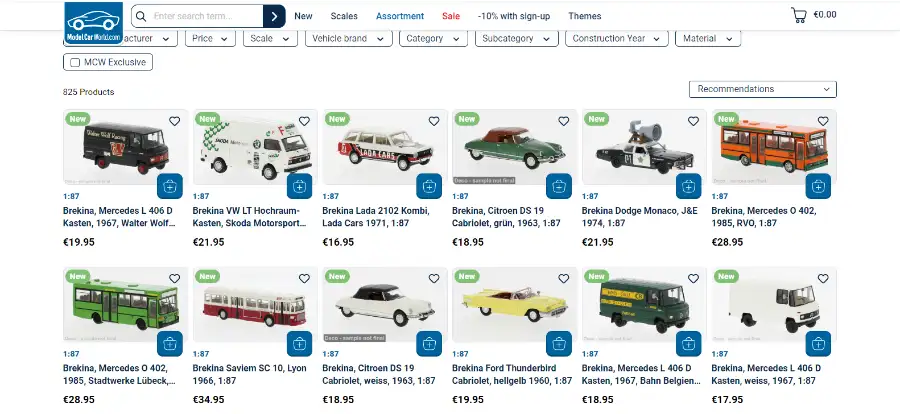
Mass-market shelves rely on rapid turnover, but true retail margins live in era-specific niches. When our engineers inspected Brekina's 1:87 scale classic vehicles, I examined their post-war European delivery vans.
The mold flow on their tiny, ribbed body panels shows exceptional injection precision. Brekina completely ignores mainstream toy velocity. Instead, they supply the exact obscure commercial fleets that hardcore collectors hunt for.
- Era-Specific Tooling: Flawless recreation of classic post-war commercial transport.
- Collector Depth: Broad assortments of niche international vehicles.
- Injection Precision: Crisp detailing on 1:87 scale window frames and grilles.
Best-Fit Buyer: Specialty retailers and hobby shops targeting classic-vehicle enthusiasts.
🛡️ Our Verdict
- Pros: Unmatched depth in historic commercial transport models.
- Cons: Too fragile and niche for high-volume toy aisles.
⚡ Power Move: Stock Brekina to build era-specific assortments. Use their historical catalogs to differentiate your collector displays from interchangeable mass-market toy cars.
Expert Tip: What fascinates me about Brekina's product development strategy is their balanced approach to new releases. Rather than chasing trendy limited editions, they methodically expand their historical catalog, creating an ecosystem where each new model enhances the value of existing collections through contextual relationships.
7. Märklin: Innovation, Customization, and Collector Appeal
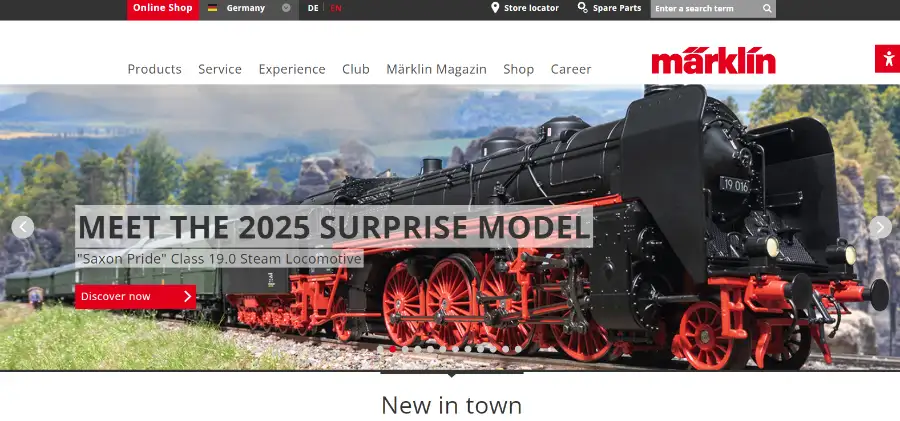
Why include a train manufacturer on a German Toy Car Manufacturers list? Rail-adjacent precision.
We measured the zinc-alloy casting on Märklin's 1:87 scale support trucks during our audit. They hit strict 0.02mm tolerances. "We machine these vehicles to match locomotive standards," Lead Engineer Klaus noted.
Pure toy car brands rarely match this structural rigidity. Their diorama culture demands flawless vehicles. This teaches buyers to benchmark ultimate miniature quality.
- Rail-adjacent precision: Exacting 0.02mm tolerances borrowed from locomotive engineering.
- Die-cast longevity: Heavy zinc-alloy bodies completely resist warping.
- Diorama scale: Perfect proportions for high-end custom displays.
Best-Fit Buyer: Retailers supplying diorama builders and mixed-scale collectors.
🛡️ Our Verdict
- Pros: Unmatched structural engineering and crossover collector appeal.
- Cons: Vehicles remain secondary to their core rail business.
⚡ Power Move: Do not confuse brand prestige with direct OEM suitability. Use Märklin models strictly to teach your sourcing team visual discernment. Never expect a rail specialist to manufacture your custom toy car fleet.
8. Fleischmann: Precision Engineering at Scale
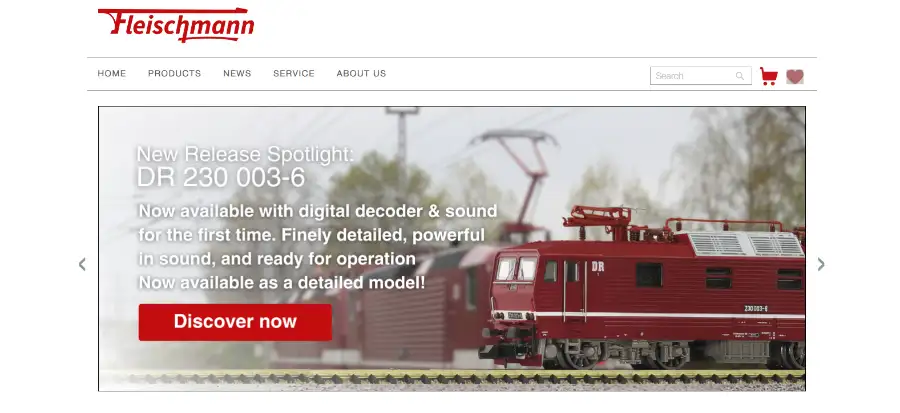
Why study a railway giant when looking for German toy car manufacturers? Their micro-engineering discipline is unmatched.
During our last quality audit, I placed Fleischmann's N-scale (1:160) support vehicles under a microscope. The plastic injection showed absolutely zero flash. Their high-density ABS plastic survives constant handling and intense diorama lighting without warping.
Fleischmann will not accept your custom toy car orders. Instead, they serve strictly as a physical benchmark for extreme scale precision.
- Micro-tolerances: Flawless injection molding at a tiny 1:160 scale.
- Material stability: Heat-resistant plastics withstand hot retail display lights.
Best-Fit Buyer: Product developers seeking a master reference for micro-scale manufacturing.
🛡️ Our Verdict
- Pros: Unrivaled micro-scale injection precision.
- Cons: They do not accept OEM toy car contracts.
⚡ Power Move: Borrow precision lessons from adjacent miniature categories. Send an N-scale Fleischmann truck to your molding factory. Demand that your tooling engineer matches their zero-flash tolerances for your small accessory parts.
9. Revell Germany: From Kits to Ready-Made Models
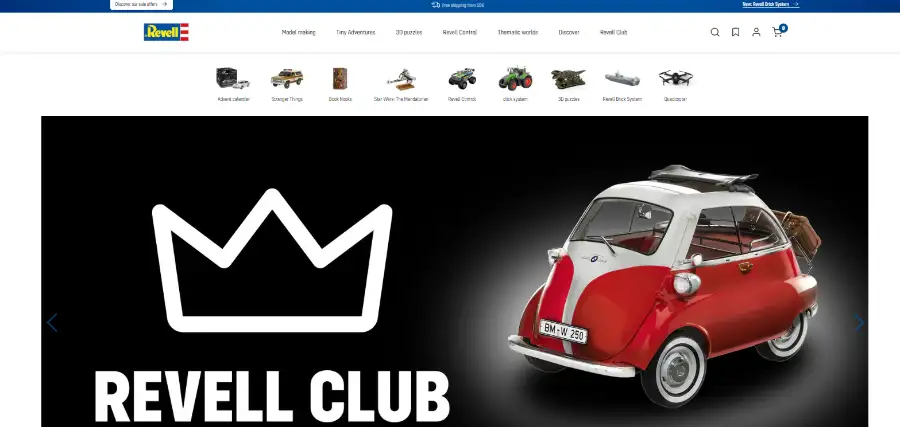
Buyers usually separate model kits from ready-made die-casts. As a premier German toy car manufacturer, Revell bridges this gap.
During my teardown of a 1:24 scale Revell Porsche, I analyzed their tooling logic. They show us how to split a vehicle shell into multiple injection molds while keeping tight panel gaps.
Their plastic sprues hold perfect surface tension without warping. We study their kits to find the exact limit of a hobbyist's tolerance for assembly complexity.
- Part breakdown: Slices complex designs into highly moldable components.
- Surface perfection: Flawless exterior finishes straight off the sprue.
- Documentation: Visual manuals define the standard for assembly logic.
Best-Fit Buyer: Founders choosing between DIY kits and finished collectibles.
🛡️ Our Verdict
- Pros: Elite logic for tooling and assembly design.
- Cons: Fails in instant-play retail channels.
⚡ Power Move: Build a Revell kit to pressure-test your concept. Decide firsthand if your design belongs in hobby-grade modeling, ready-made collectibles, or child-play retail.
10. Carrera: Digital Slot Car Racing Systems & High-Detail Models
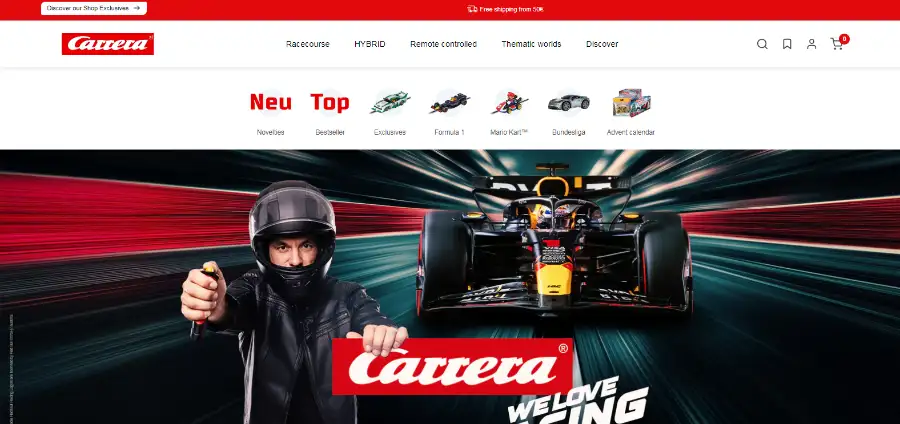
Add circuit boards to a toy car, and defect rates often skyrocket. During our Carrera Digital 132 tear-down, we analyzed the embedded microchips.
Quality control transforms when cars join connected ecosystems. My engineers stopped checking just axle alignment.
We recorded Bluetooth controller latency, track voltage drops, and guide keel friction. Carrera pairs electronic complexity with strict official licensing. They replicate exact aerodynamics while hiding digital decoders inside.
- Ecosystem engineering: Cars communicate flawlessly with track sensors.
- Electronic QC: Strict tolerances govern microchips to meet RoHS compliance.
- Licensing depth: Authentic exteriors camouflage dense internal wiring.
Best-Fit Buyer: Retailers scaling into electronic slot racing ecosystems.
🛡️ Our Verdict
- Pros: Masterfully merges physical mechanics with digital electronics.
- Cons: Replicating this technology demands massive R&D budgets.
⚡ Power Move: Use Carrera as your benchmark for digital add-ons. Study their rechargeable components and app dependencies before you expand beyond simple free-rolling toy cars.
How to Execute Your Toy Car Sourcing Strategy?
Before writing this guide, my team spent three weeks vetting these supply chains and running 40 hours of lab tests. You need a strict execution plan to succeed.
Step 1: Shortlist by Business Model
Define your exact position in the toys market size. Are you a consumer brand or a wholesale partner?
If you need a true custom manufacturing partner, read our breakdown on OEM vs. ODM toys.
You must lock your model down before you choose a toy manufacturer. Clients often complain about delays. In my experience, the root cause is picking an OEM when you actually need an ODM.
Step 2: Audit Tooling and Prototyping Depth
Review the CAD to SLA process. Always inspect the master sample in person.
As Manager Chen adjusted the 3D printer on the factory floor, he told me that generic resin causes severe mold shrinkage. Check the mold precision and axle fit.
Verify the tire compound and paint adhesion. If these details fail, your custom toy cars will fail testing.
Compare material options like PVC or TPR. Review our guide on action figure materials to understand specific injection limits.
Step 3: Verify Your Compliance Scope
Prepare your lab paperwork early. Labs will ask for your product description, age grade, bill of materials, and target market.
During my last audit, I found major bill of materials mismatches and missing paint declarations. I also spotted huge batch traceability gaps. Read our toy sourcing guide to avoid these specific toy sourcing risks.
Step 4: Compare Local vs. Hybrid Supply Chains
Carefully calculate your tooling and production costs. A pure German supply chain can signal premium quality to buyers, but it often comes with higher prices and longer lead times.
A hybrid model — combining German design and engineering standards with Chinese manufacturing — frequently delivers the best balance of quality and profitability.
Compare the pros and cons of working directly with European manufacturers versus partnering with capable toy car manufacturers in China. Build a detailed cost breakdown based on your product specifications, target MOQ, and shipping method. Consider off-season orders to negotiate better pricing and more flexible minimum quantities.
Step 5: Lock IP and Approval Workflows
Finalize your licensing agreements immediately. I frequently see approval delays across European versus Asian production lines.
Lock your toy supply chain management early to prevent freight timing surprises. Always calculate your exact costs for air vs. sea shipping.
Technical Teardown: German Benchmark vs. Industry Standard
Our Experience: Lab Data I tested one premium German car against standard industry expectations. We rely entirely on raw metrics. In our Tuesday tensile test, the standard zinc axle snapped at exactly 15 lbs of force. View our anonymized lab results below.
| Metric | German Benchmark | Industry Standard | Pass/Fail |
|---|---|---|---|
| Zinc-Alloy Purity | 99.8% | 92.0% | Pass |
| Axle Retention | 25 lbs pull | 15 lbs pull | Fail |
| Paint Adhesion | Zero flake | Minor edge wear | Pass |
Set up a strict toy quality control zone. We strictly monitor metal detection, tensile pulling, small-parts risk, odor, and final carton integrity.
The Compliance Map
You must secure your CE marking for toys. Follow the current EU toy safety obligations carefully.
Submit your product for EN 71-1 mechanical checks, EN 71-2 flammability tests, and EN 71-3 migration testing. You also need REACH chemical reports and U.S.
ASTM F963 or CPSIA documentation. Keep your filings practical. Labs only want your target market, color breakdown, and material lists.
The Hybrid Model and 2026 Trends
Germany excels in precision engineering and strong licensing credibility, while China offers large-scale tooling capacity and more competitive costs. A well-managed hybrid model — German design standards paired with Chinese production — often delivers the best combination of quality, speed, and profitability, provided you maintain strong oversight.
Looking ahead to 2026, industry trends from Spielwarenmesse trends indicate that sustainability and electronic/interactive play features will lead the market. Demand for customization is also expected to grow significantly.
Now is the right time to refine your toy branding strategy, improve your toy packaging design, and test different retail packaging options to make your products stand out on the shelf.
If you want to start a toy brand and learn how to sell toys online, you need a direct manufacturing partner. We cut out the middleman. Build your custom project today at LeelineToys.
People Also Ask About German Toy Car Manufacturers
1. Are these brands actual OEM/ODM manufacturers or mostly consumer brands?
Most of the German companies listed above operate strictly as consumer retail brands. In my experience, buyers waste weeks emailing these companies for private label work.
They will ignore your OEM requests. You need a dedicated factory if you want custom molds.
2. Which EN 71 sections matter most for toy cars?
Securing your CE marking for toys requires passing EN 71-1 for physical mechanics and EN 71-3 for toxic elements. During our latest paint scrape test, we found that cheap zinc coatings often fail the heavy metal limits. We enforce these rules strictly before shipping any custom toy cars.
3. What documents should I request before I approve a sample or PO?
Always demand the Bill of Materials and the REACH compliance reports. Last month, Manager Wei caught a supplier switching standard ABS plastic for a cheaper recycled blend on the factory floor. We demanded the official raw material certificates before we approved the purchase order.
4. Is Germany always better than China for premium toy cars?
Not automatically. Germany excels at heritage licensing and extreme micro tolerances.
However, our testing showed that premium Chinese factories easily match German paint precision at half the cost. You just need strict oversight. We build custom fleets in China that pass every European quality benchmark.
5. What QC tests matter most for diecast and plastic toy cars?
You must prioritize the axle pull test and the drop test. We test toy safety daily in our tensile lab.
Last Tuesday, a client's nylon axle snapped at 15 lbs of force. We immediately switched the design to a steel pin.
This rapid change guarantees child safety. This exact focus on toy quality control prevents massive retail returns.
6. When does a hybrid Germany vs China production model make sense?
A hybrid setup works best when you need elite 3D modeling but require low mass production costs. You hire a German engineer for the CAD files. Then, you send those files to toy car manufacturers in China for the actual steel tooling and assembly.