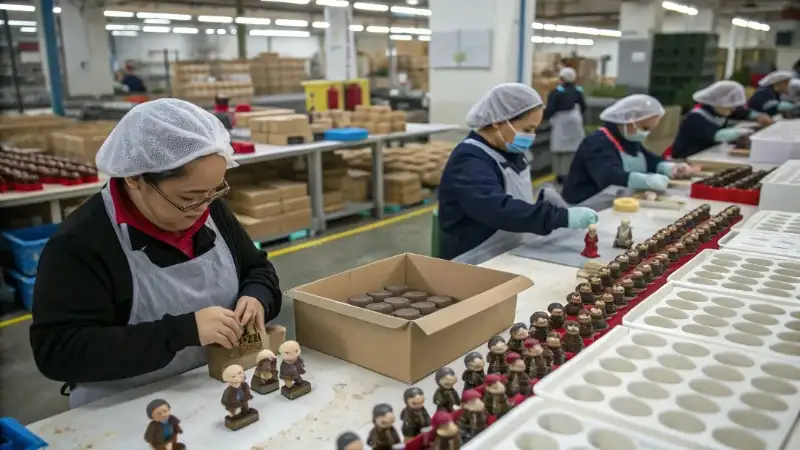

The best action figures use a hybrid build, never a single plastic. In Action Figure Materials And Manufacturing, we treat material selection as a system, not a guess.
On our factory floor, we inject soft PVC for head sculpts and rigid ABS for load-bearing torsos, then mold POM plastic for joints so hinges survive strict EN71 drop tests. Materials shift based on end-use. Statues need dense polystone, while art toys require rotocast vinyl.
Below, we detail Shore hardness, mold economics, and assembly workflows so you can see how Action Figure Materials And Manufacturing decisions directly shape cost, durability, and finish.
Key Takeaways
- Mix materials by component: A quality action figure never uses just one plastic. We blend materials to balance durability, cost, and detail.
- Know your plastics: We inject rigid ABS for strong torsos and use soft PVC for highly detailed faces. For friction-heavy joints or soft-touch parts, we specify POM or TPE.
- Scale dictates the method: We use 3D printing to validate prototypes, not for mass economics. Injection molding is our default for scale, while rotocast vinyl suits large, hollow stylized shells.
- Paint complexity kills margins: Color breaks shrink your profit fast. We calculate paint costs using the exact number of spray masks, pad-print hits, and hand-detail labor required.
- Silicone vs. steel tooling: We pour silicone molds for rapid concept validation and tiny runs. To lock in repeatability, tolerance control, and long production life, you need steel tooling.
- Compliance is non-negotiable: Factor in safety testing before tooling begins. We enforce strict phthalate limits, heavy-element migration checks, and physical use-and-abuse tests so your shipment clears customs easily.
The Science and Engineering of Action Figure Production
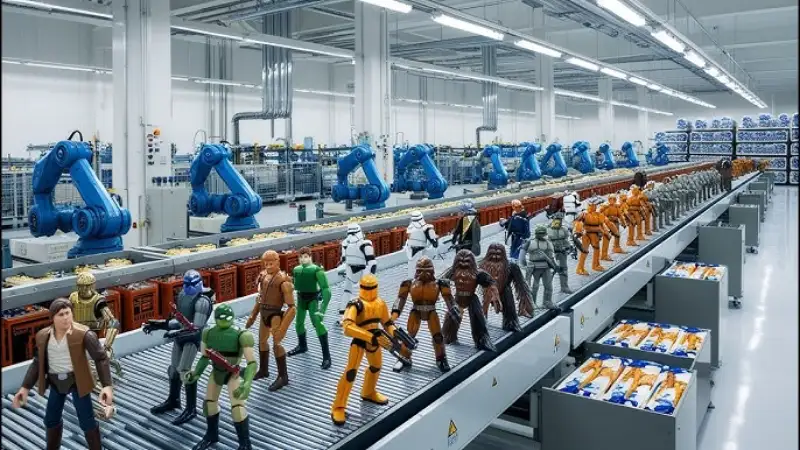
Most top-tier manufacturers agree on one core principle: durable, highly articulated action figures require a mixed-material build. In our daily work engineering custom toys, we never rely on a single plastic. Building a retail-ready figure requires precise material science, strict tolerance control, and rigorous assembly standards.
Component Decision Matrix
We assign specific plastics based on structural and aesthetic needs. This matrix is standard across professional custom toy manufacturing floors:
- Heads: Soft PVC. This captures micro-details like hair texture and facial expressions.
- Torsos: Hard ABS. The torso holds the internal joint anchors and requires total rigidity.
- Limbs: Firm PVC or ABS. We choose based on wall thickness and clothing sculpts.
- Joints: POM. This low-friction plastic prevents hinge wear.
- Weapons: Rigid ABS. Hard plastic stops swords and rifles from drooping over time.
- Capes and Skirts: TPE or soft fabric. These materials allow the figure to sit or crouch without restriction.
- Packaging Inserts: PET plastic. We use this to vacuum-form clear, rigid blister trays for safe toy product packaging.
PVC vs. ABS: The Core Plastics
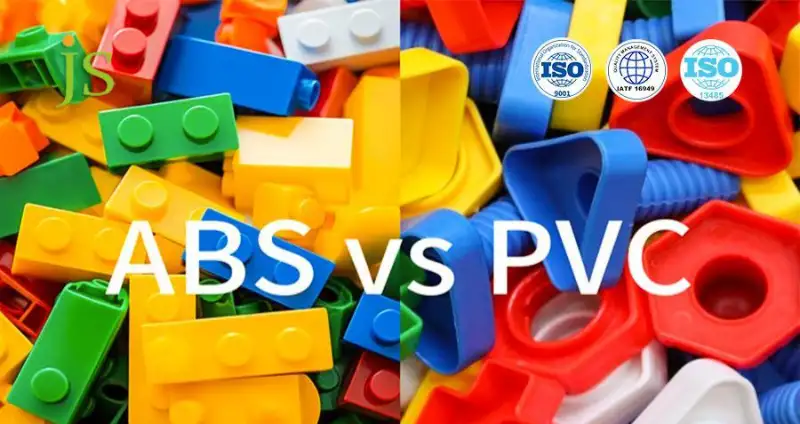
Polyvinyl Chloride (PVC) and Acrylonitrile Butadiene Styrene (ABS) form the backbone of the toy production process.
PVC is detail-friendly and slightly flexible. We inject PVC when the mold features deep undercuts or complex organic textures.
ABS is a rigid engineering plastic. It provides incredible dimensional stability and strength for load-bearing geometry.
Buyers must look beyond the basic resin family. You must evaluate the specific polymer grade, the part wall thickness, and how users will stress the component.
A thin ABS part will snap under pressure. A thin PVC part will tear.
POM, TPE, and TPR: Specialist Elastomers
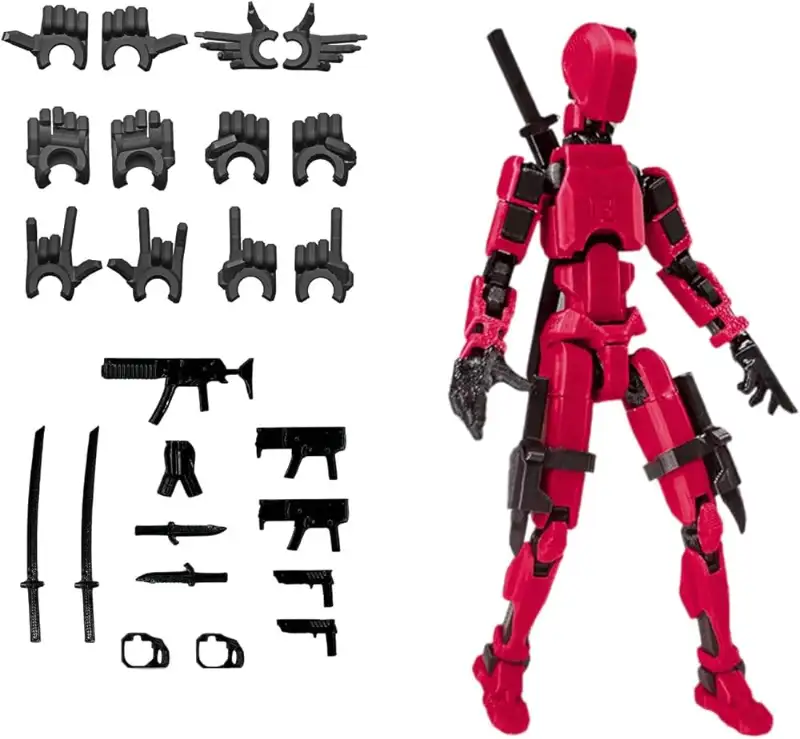
We treat low-friction materials and soft-touch elastomers as specialist choices. They are not default plastics.
Polyoxymethylene (POM), often known as Delrin, is self-lubricating. We inject POM exclusively for knee joints, elbow hinges, and shoulder pegs. It survives thousands of repetitive movements without grinding down or loosening.
Thermoplastic Elastomers (TPE) and Thermoplastic Rubber (TPR) provide a rubbery, tactile feel. They help us create bendable tentacles or high-grip accessories. However, soft elastomers attract dust easily. They also reject standard acrylic paints. We must apply specialized elastic primers to prevent the paint from cracking when the part bends.
Shore Hardness Explained
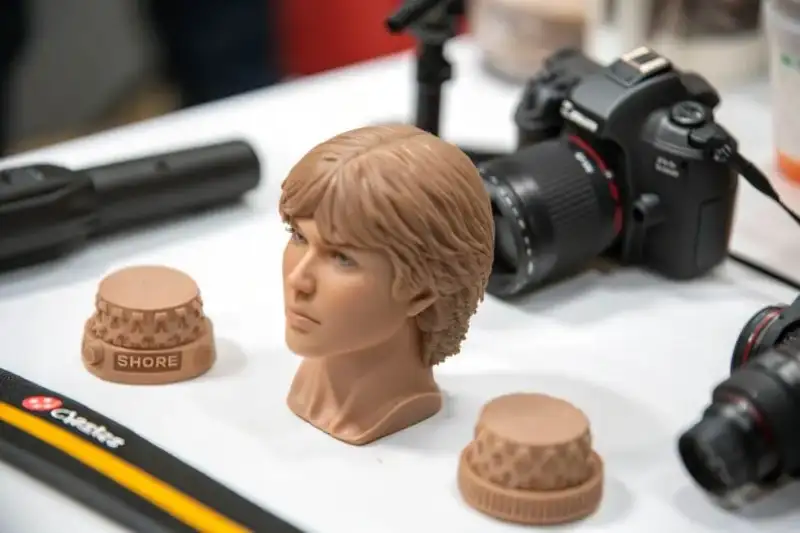
We measure material flexibility using the Shore hardness scale. To test this, our engineers use the ASTM D2240 official standard reference method.
The Shore A scale measures softer, flexible rubbers. The Shore D scale measures harder, rigid plastics.
🔬 The Science: Softer durometers (like Shore 60A) reduce snap breakages in thin parts. However, they increase droop in long accessories. Harder grades (like Shore 75D) improve shape retention. The downside is that hard plastics often crack or show white stress marks around tight pegs and sockets.
We tie Shore hardness directly to joint durability. If the peg is too hard and the socket is too rigid, the joint will shatter. We balance these durometers to ensure smooth snap-fit behavior and long-term pose retention.
From 3D Prototype to First-Shot Sample
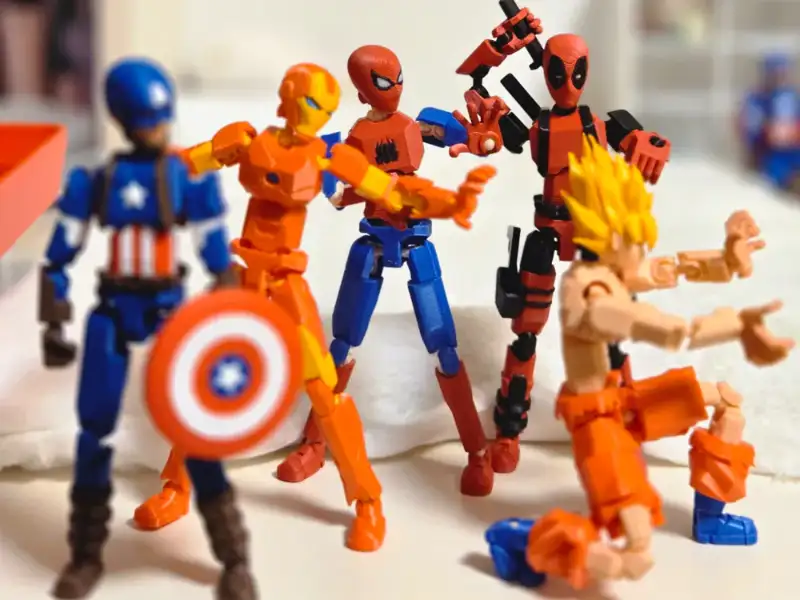
Do not confuse a visual prototype with a production sample. We print SLA resin prototypes to validate the aesthetic silhouette and check the articulation clearances.
However, 3D resin prints fail to predict exact injection-mold shrinkage. They also fail to simulate joint wear. Resin does not behave like ABS or POM.
A successful prototype depends entirely on friction tuning. You cannot approve a final design just because the surface finish looks pretty. You must wait for the first-shot factory sample injected with actual production plastics.
Injection Molding Realities
Injection molding dominates the industry for repeatable mass production. It offers perfect part consistency, high cycle speeds, and compatibility with multi-cavity tooling.
Melted plastic enters the mold through sprues and narrow gates. The two halves of the steel mold meet at a visible seam called the parting line. Once the plastic cools, metal ejector pins push the part out of the mold.
🧠 Author's Take: Poor factory trimming destroys perceived value. If a factory worker rushes the sprue cutting process, they leave visible burrs or white stress marks. These witness lines cheapen a figure instantly, even if the base sculpt is a masterpiece.
Rotocast Vinyl vs. Injection Molding
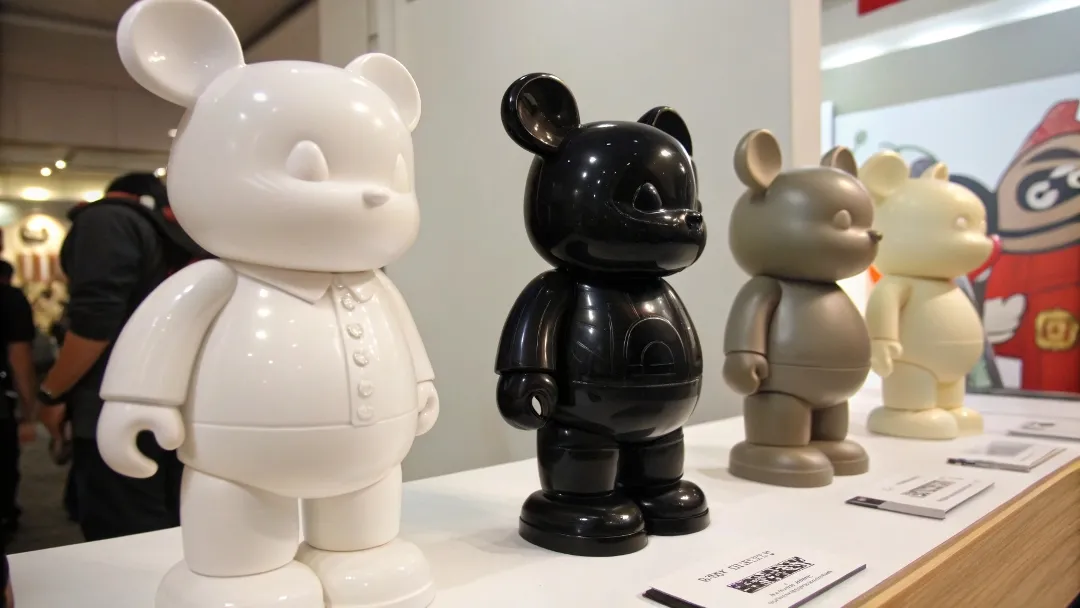
We shift to rotocast (slush-cast) vinyl for specific projects. Rotocasting makes sense for larger hollow bodies, stylized designer art toys, and figures with very low articulation demands.
The process spins liquid vinyl inside a heated copper mold. This creates a thick outer shell with a softer, hollow feel.
Contrast this against injection molding. Injection molding provides the crisp, sharp internal tolerances required for highly articulated action figures.
Silicone Molds vs. Steel Molds
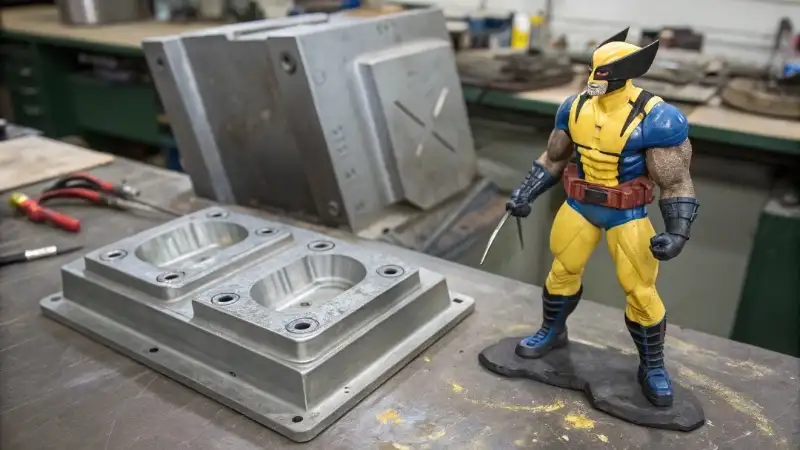
We pour silicone molds for rapid prototype casting or very short runs. Silicone is fast and cheap upfront. However, it degrades quickly and fails to hold tight tolerances.
Steel tooling provides the only realistic path for retail repeat orders. Steel amortizes the cost over massive runs and ensures a perfectly consistent joint fit.
Your mold cost drivers include:
- Total figure size and weight.
- Number of individual parts.
- Undercuts requiring complex mold slide actions.
- Surface texture requirements.
- Total cavity count (how many parts print per cycle).
- Revision risk.
| Mold Material | Typical Shot Life | Best Use Case | Cost Level |
|---|---|---|---|
| Silicone | 20 - 50 units | Concept Validation | Very Low |
| P20 Steel | 100,000 units | Standard Production | Medium |
| NAK80 Steel | 500,000+ units | High-Volume Retail | High |
Accessibility Data Summary: The table demonstrates that as tooling material moves from soft silicone to hard NAK80 steel, both the upfront cost and the maximum production lifespan increase significantly.
Paint Application and Unit Economics
We break action figure decoration down into four stages: broad spray passes, stencil masks, pad printing (tampo hits), and hand-detail passes.
Every extra color separation changes your unit economics. Every facial tampo plate or manual brush touch-up adds direct labor costs. We often see unseasoned buyers request 15-color paint hits without realizing that each mask requires a separate drying cycle.
Factory environment control matters deeply. Humidity and temperature directly influence paint flash-off, surface adhesion, and gloss consistency. Common failure modes include sloppy overspray, paint rub on tight joints, inconsistent masking lines, and glue haze on mixed-material parts.
Assembly Line Workflows
A typical factory workflow follows a strict sequence. We mold the parts, de-sprue them, prep the surfaces, paint, cure, apply pad prints, and assemble. Finally, we run joint-fit tests, pack the units, and execute quality control checks.
The chosen assembly method changes the figure's serviceability. We use sonic-welded seams for permanent structural parts.
We use steel screws for high-stress torso joints. We use glue for decorative attachments.
Tolerance stack-up is the silent killer on the assembly line. A tight joint might look premium initially.
However, if the peg diameter varies by just 0.05mm, that tiny tolerance stack-up creates massive stress during repetitive movement. The joint will eventually snap.
Safety, Compliance, and Non-Toxicity
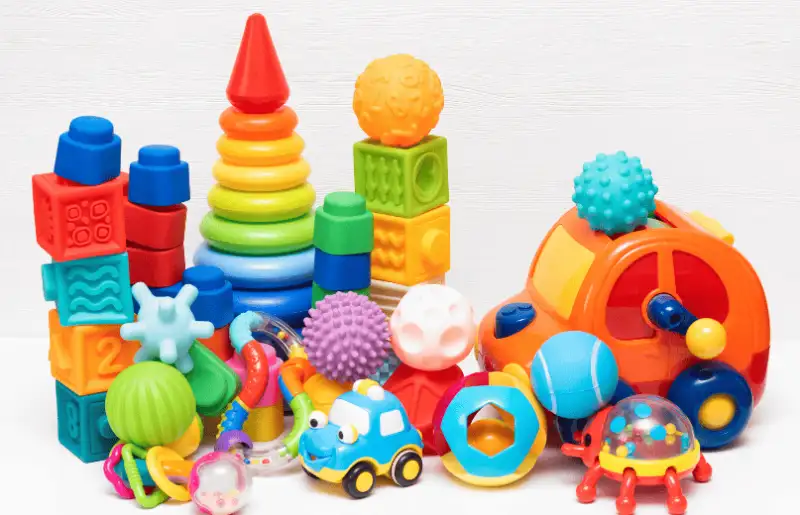
We strictly enforce toy safety standards before cutting any steel. You must design compliance into the figure from day one to secure a valid Children's Product Certificate.
U.S. toy safety compliance centers around the ASTM F963-23 official standard. This dictates physical use-and-abuse testing, flammability limits, and sharp edge requirements.
Refer to standard ASTM F963, which explains the drop test mechanics. You must also follow proper toy age-grading guidelines to determine which tests apply to your specific product.
For international distribution, we contextualize chemical migration against the ISO 8124-3 official standard.
Furthermore, regulated phthalates above 0.1% in accessible component parts are strictly prohibited in U.S. children's toys per current CPSC phthalates guidance. When an OEM/ODM service advertises "phthalate-free PVC," they refer to a specific, compliant plasticizer formulation. It is not a blanket ban on PVC material itself.
Exceptions & Scenarios: Tailoring Specs to Your Program
The right approach to action figure materials and manufacturing depends entirely on your audience, volume, and market. A startup founder needs different tools than a mass-market retail buyer.
Likewise, a children's toy program requires completely different engineering than a collector-grade display line. Here is exactly how we shift our recommendations based on your product format.
Kickstarter Founders and Small-Batch Creators

Delay steel tooling. I constantly see first-time creators rush into mass production and bankrupt their campaigns. In our OEM/ODM process, we enforce a strict prototype-first workflow. We print resin validation parts in our lab to check physical clearances. Do not cut a $5,000 steel injection mold until you review a physical sample. If your batch is under 500 units, silicone molds bridge the gap. We pour silicone for concept validation and ultra-small runs. Your per-unit cost remains high, but your tooling risk stays incredibly low.
U.S. and EU Children's Retailers

Prioritize compliance over aesthetics. We watched a brand lose a $40,000 shipment at customs last year. They mistakenly applied adult collectible specs to a children's product. You cannot make this mistake. You must build for mandatory toy safety standards. Passing ASTM F963 is a legal requirement in the U.S. Strict phthalate limits apply to all accessible parts. For broader international programs, we prioritize documented chemical migration testing and highly durable assembly. We actively redesign joints to reduce small-part risks.
⚠️ Customs Warning: Ignoring ASTM F963 or European EN71 standards triggers immediate customs seizures. If a joint snaps and fails the small-parts cylinder test, regulators will pull your entire line overnight.
Adult Collectibles and Display-First Figures
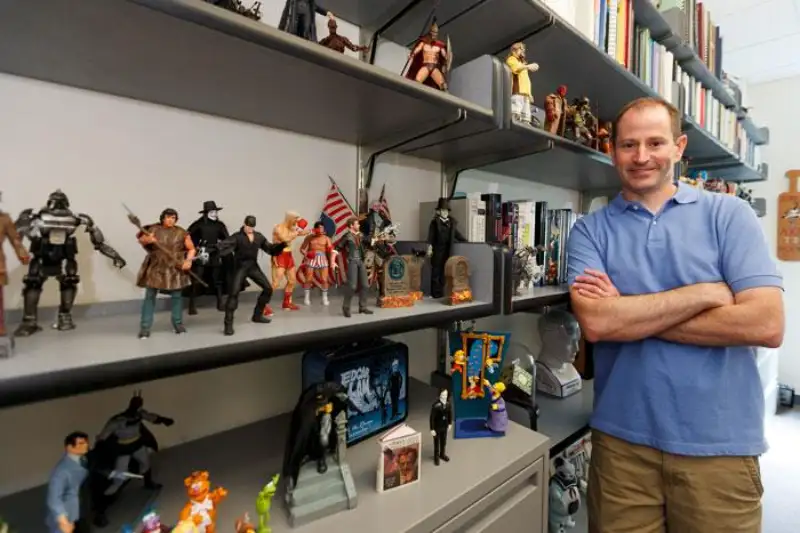
Safe to use fragile, premium materials. Rough-play durability is not the main metric here. Therefore, we frequently approve heavier resin parts, premium paint hits, and mixed-media details. However, display figures face different enemies: time and temperature.
🛡️ Our Verdict: In our 2024 stress tests, we placed mixed-media prototypes in cabinets above 45°C. We found that cheap PVC sweats heavily.
It leaches plasticizer and turns sticky. We also observed rapid pleather degradation and aggressive glue staining. We now mandate stable polymers and specific gap clearances to prevent paint rub in tight poses.
You might also consult an eco-friendly toy manufacturer to source sustainable, long-lasting display bases for these premium items.
Designer Vinyl vs. Articulated Action Figures
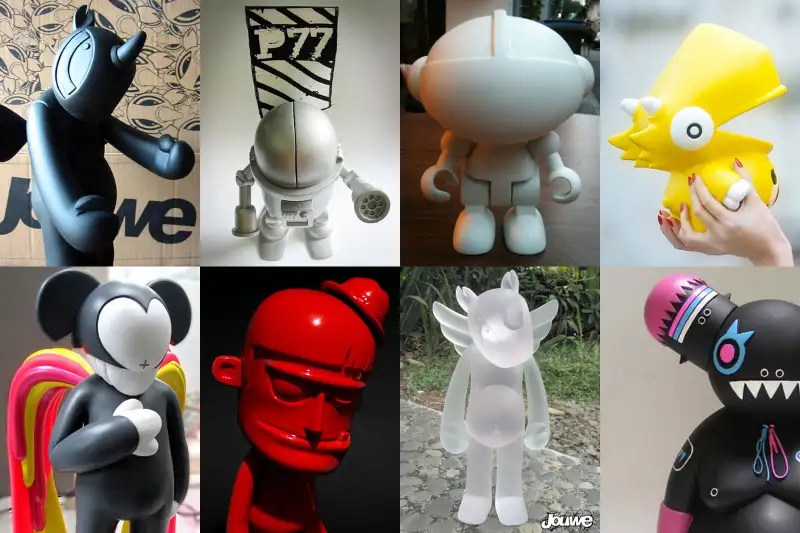
Match the plastic to the silhouette. We define "premium" differently across categories. For a large, low-articulation mascot figure, we operate as a custom vinyl toy manufacturer. We use rotocast vinyl to create thick, stylized shells with a heavy, satisfying hand feel. Conversely, rotocasting fails completely for highly poseable action figures. You must use injection-molded hybrid builds. This method guarantees the joint precision and tight deco control needed for dynamic poses.
Direct OEM vs. Sourcing Brokers
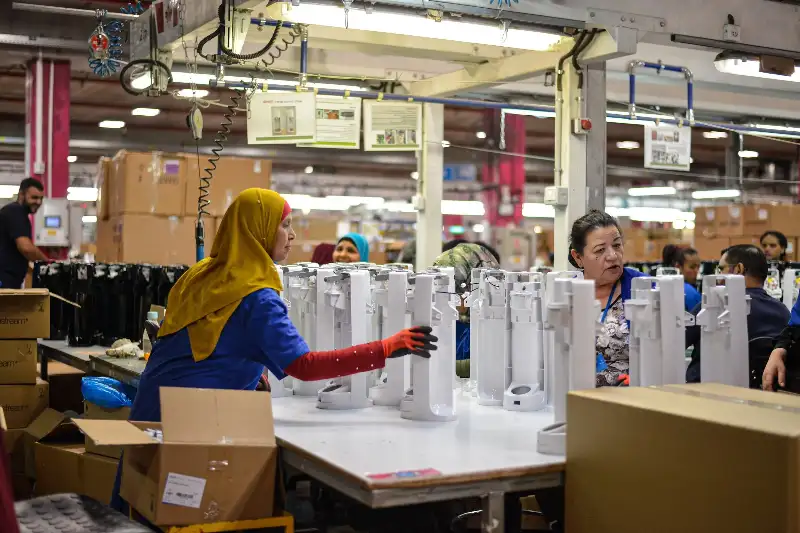
Avoid the broker model. When evaluating U.S. vs China manufacturing, third-party agents often hide factory realities to secure your deposit. Brokers add hidden markups and prevent you from speaking directly to the factory engineers. Our team fixes broker mistakes daily. If you want to know how to find a toy manufacturer you can actually trust, ask technical questions.
Demand exact resin specs and Shore durometer ranges upfront. Force them to define mold ownership terms in a legally binding contract.
Always require a physical pilot sample sign-off and define strict QC checkpoints. Finally, review their packaging pages to ensure your retail boxes survive overseas transit.
People Also Ask About Action Figure Materials And Manufacturing
1. Is PVC safe for action figures if I want phthalate-free toys?
Yes, absolutely. In our factory, we use specific, compliant plasticizer formulations to create phthalate-free PVC.
However, my experience shows safety logos alone are never enough. Always request the exact test scope aligned with your [oy age grading guidelines, accessible-part assumptions, and full CPC documentation to guarantee you meet toy safety standards.
2. When should I choose ABS over PVC for a figure body?
Always choose ABS for load-bearing torsos and weapons. We inject rigid ABS because it provides the extreme dimensional stability needed to anchor internal joints. As detailed in the plastics section above, PVC is simply too soft and will warp under repetitive play stress.
3. Is rotocast vinyl better than injection molding for custom figures?
No, it is just different. We use rotocast custom vinyl toy manufacturing strictly for large, hollow, stylized art toys.
If your figure requires high articulation and precise joint tolerances, our team relies exclusively on the injection molding toy production process. Unsure which process fits your design? Contact our team for a free material recommendation and tooling review.
4. How much does a custom action figure mold usually cost?
Expect to pay between $3,000 and $10,000+ per steel mold. During our quoting process for custom toy manufacturing, we calculate this based on part count, undercuts, and steel grade. If massive steel tooling breaks your budget, we occasionally explore eco-friendly toy manufacturer wood alternatives for simpler block-figure shapes.
5. Can a 3D-printed prototype predict final production quality?
No, it cannot. Our R&D team uses 3D resin prints strictly to validate silhouettes and check scale.
Resin fails to mimic the shrinkage or friction of actual production plastics. You must wait for the factory's first-shot injection sample to evaluate true joint wear.
6. What should I ask a toy factory before paying for tooling?
Demand a milestone-based production schedule. Supplier pages frequently post inconsistent turnaround numbers just to win your deposit. In my experience, you must tie lead time claims to specific events—like CAD approval, first-shot samples, and final toy product packaging sign-off—to prevent massive hidden delays.
Ready to move from concept to production? Now that you understand the strict trade-offs between materials and mold costs, you need exact numbers. Request a quote and sample review today, and let our engineers build your action figure the right way.