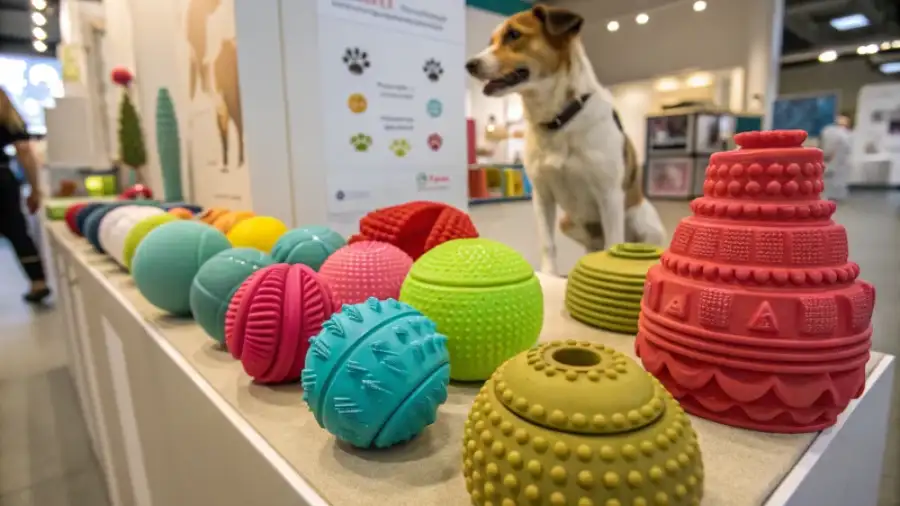

Sourcing genuine wholesale partners requires bypassing expensive middlemen. This list helps Australian pet stores and Amazon FBA sellers secure higher margins. We evaluate the best dog toy manufacturers in Australia has for durability, eco-materials, and compliance with Australian Consumer Law.
You receive a vetted shortlist to avoid high MOQs and import risks. Review which types of dog toys your niche demands first. Then compare local brands against scalable private label manufacturing options.
List of 10 Dog Toy Manufacturers in Australia
| Manufacturer | Location | Main Specialty | Notable Features | Key Products |
|---|---|---|---|---|
| Aussie Dog | Australia (Australian-made) | Durable enrichment & interactive toys | Safe, non-toxic, long-lasting for tough chewers; zoo-grade designs; proudly Australian-owned & made | Home Alone toy series, Treat Balls, Interactive Monsters, Zoo Animal toys, Fetch toys |
| PK9 Gear | Australia (Australian-made) | Training & interactive toys (tug, fetch, bite work) | Handmade by trainers, natural materials, durable for professional use | Tug toys, flirt poles, bite sleeves/work toys, training fetch items |
| Rover Pet Products | Sydney/Hunter Valley, Australia | Tough & enrichment toys, orthopedic beds | Family-owned, Australian-designed & made; focuses on durable, non-toxic products for heavy chewers | Virtually indestructible TPU toys, enrichment puzzles, treat-dispensing toys (exclusive AU distributor for SodaPup) |
| Prestige Pet Products | Queensland (Caboolture), Australia | Wholesale pet products incl. toys | Family-owned wholesaler since 1997; offers own brands & wide range (Prestige, Scream, etc.); distributor-focused | Scream series toys (plush, rubber), Prestige chew toys, interactive balls & ropes (wholesale lines) |
| Pals For Paws | Australia | Indestructible/tough chew toys | Non-toxic rubber, recycled materials; designed for strong chewers; partners with Ruffdawg | Indestructible rubber chew toys, tough balls, tug items (Ruffdawg-style durable designs) |
| Petopia Toys | Australia (distributed widely) | Ultra-tough chew & interactive toys | Non-toxic natural rubber, no glues/paints; for aggressive chewers; pineapple, pine cone designs popular | Pineapple chew toy, Pine Cone, ultra-tough rubber toys, treat-dispensing designs |
| Bobbie Dogs | Brisbane, Australia | Accessories & treats (limited toys) | Primarily natural treats; some handmade accessories; Australian-made with focus on quality | Limited play toys/accessories (e.g., rope tugs or basic chews alongside treats) |
| Wildhunde | Australia (handmade since 2018) | Handmade tug toys, flirt poles, leashes | Premium materials (fleece, real Australian furs ethically sourced, webbing); artisanal & trainer-designed | Tug toys with real fur (sheepskin, kangaroo, rabbit, fox), flirt poles, braided fleece tugs |
| SodaPup (via distributors like Rover) | Australian-distributed (USA-made) | Enrichment & tough chew toys | Natural rubber, dishwasher-safe; popular for power chewers in Australia | e.g., eTuff series, treat-dispensing toys (cupcake, soda can, eBone shapes), puzzle toys |
| Innovative Pet Products | Australia | Innovative pet toys & fitness products | Focus on health, play, and durability; Australian company passionate about pet wellness | Fitness & play toys (e.g., agility items, interactive balls, durable enrichment toys) |
Best 8 Dog Toy Manufacturers in Australia
Start shortlisting your next partners now.
1. Aussie Dog — Durable, Non-Toxic Enrichment Toys for High-Impact, All-Day Play
Stop losing margin on refunds for broken "indestructible" toys. Aussie Dog builds equipment originally designed for captive lions and tigers.
They do not compete on cheap pricing; they compete on lifespan. This engineering pedigree makes them the top choice for retailers targeting "power chewer" owners (Staffies, Rottweilers).
Merchandising Strategy
Use the "Australian Made" logo to command higher ticket prices. Local manufacturing builds immediate trust with Australian pet owners who fear toxic imports.
Hero SKUs to Stock
- Home Alone: An interactive bungee system that stimulates dogs physically and mentally. It solves the massive "separation anxiety" market.
- Tucker Ball: A puzzle feeder designed for heavy abuse.
- Staffie Ball: A rattle-free, puncture-proof sphere that outlasts standard tennis balls by months.
Durability comes from density. Aussie Dog uses industrial-grade plastics that resist puncture better than standard vinyl. (See how material density affects tear resistance in our guide to the best fabric for dog toys).
B2B Sourcing Checklist
Ask these specific questions during your wholesale application:
- Channel Restrictions: Do you block sellers on Amazon or eBay? Many premium brands restrict marketplaces to protect brick-and-mortar margins.
- Freight Impact: What are the case-pack weights? Heavy-duty plastics increase shipping costs significantly.
- Warranty Support: How do you handle returns from resellers? Explicitly ask for their warranty terms regarding destruction guarantees.
Compliance & Trust Request current Material Safety Data Sheets (MSDS). You must hold these to prove compliance with Australian product safety standards if a customer questions material toxicity.
🚀 Actionable Insight: Market the "Zoo Grade" history in your point-of-sale displays. Showing a picture of a tiger playing with the same ball a customer is buying justifies the premium price point instantly.
2. PK9 Gear — Trainer-Grade Tug Toys & Training Gear
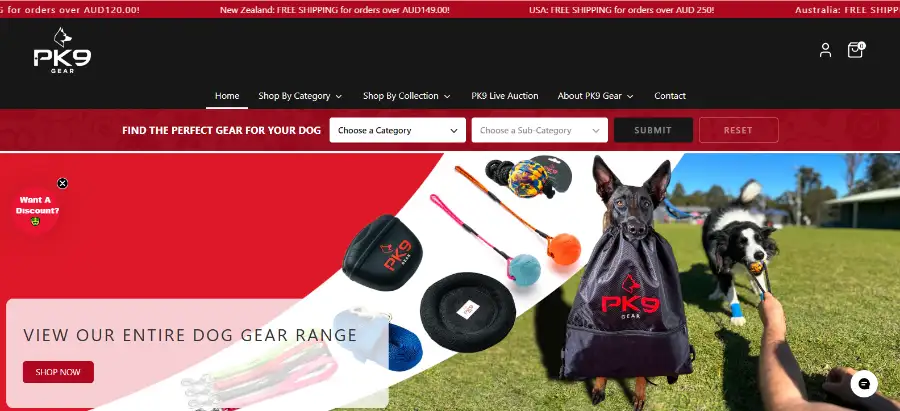
Generic plush toys force retailers to fight a losing battle on price. PK9 Gear targets the higher-margin "serious" owner: police K9 units, sport competitors, and handlers of high-drive breeds. These customers do not buy on impulse; they buy for performance and durability.
Strategic Inventory: You are stocking tools, not toys. Core items include bite wedges, magnetic balls, and tactical leashes. Material quality is the differentiator. A standard tennis ball splits under pressure, while a professional training ball must withstand substantial jaw force without compressing. Review the distinctions between training vs chew vs enrichment categories to help customers choose the right tool.
Wholesale Questions: Ask these questions to ensure the supplier supports a retail model:
- Pricing & Customization: Do they offer trade pricing tiers or private label options?
- Continuity: Can they guarantee stock availability for core training items?
- Retail Prep: Do products arrive with valid GS1 barcodes and shelf-ready packaging?
Quality & Safety Checklist: Inspect these critical points on your first shipment:
- Stitching: Look for reinforced, double-row stitching on all handles.
- Materials: Confirm the use of specific working materials like jute or French linen.
- Toxicology: Request documentation proving materials meet safety standards. Many manufacturers now test against ASTM F963 heavy metal limits, even for pet products.
🚀 Actionable Insight: Bundle a "Drive Building Kit" containing a tug, a ball-on-rope, and a treat pouch. This increases Average Order Value (AOV) and provides a complete solution for new handlers.
3. Rover Pet Products - Quality Australian Manufacturing & Custom Solutions for Pet Retailers
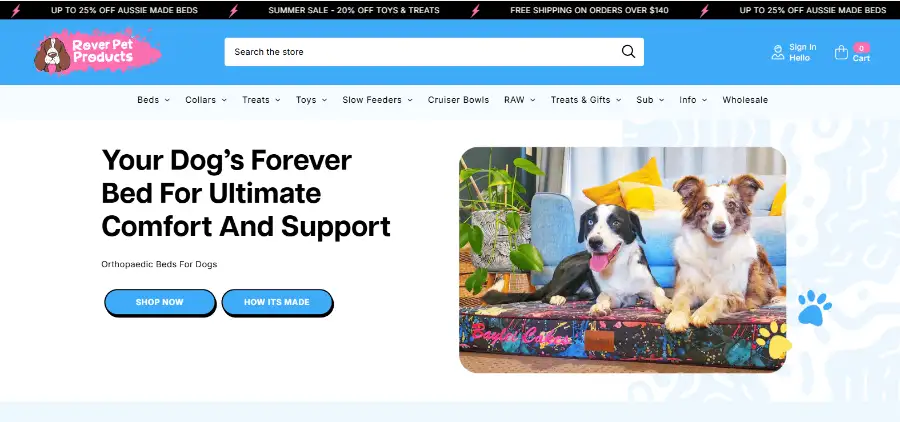
Generic product pages kill conversion rates. Shoppers buy stories, not just plastic.
Rover Pet Products delivers the "Australian Made" narrative that justifies premium pricing. This brand works best for retailers building high-trust catalogues rather than competing on rock-bottom prices. According to the Australian Made Campaign, the green-and-gold kangaroo logo is recognized by 99% of local shoppers, acting as a powerful trust signal on your product page.
What to Stock
Do not sell these toys in isolation. Pair their durable enrichment toys with complementary consumables like natural treats.
This combination creates a "wellness bundle" that increases Average Order Value (AOV). While the toy brings the initial sale, the treats drive the repeat purchase loop. Focus on their durable lines to minimize warranty claims.
B2B Questions to Ask
Protect your margin. Ask these questions before signing the trade agreement:
- Onboarding: What is the strict Minimum Order Quantity (MOQ)?
- Reorders: Is restocking handled via a portal or manual email?
- Logistics: What is the exact dollar threshold for free shipping?
- Returns: Do they accept returns for slow-moving SKUs?
Compliance Angle
Storytelling does not replace safety data. Request written specifications and evidence of third-party material testing.
This paper trail is critical. If you list on marketplaces, automated bots often suppress listings without proof of compliance with ACCC product safety laws.
For a wider view of the local market, compare this brand against other toy manufacturers in Australia.
4. Prestige Pet Products — Best for Everyday Core Inventory
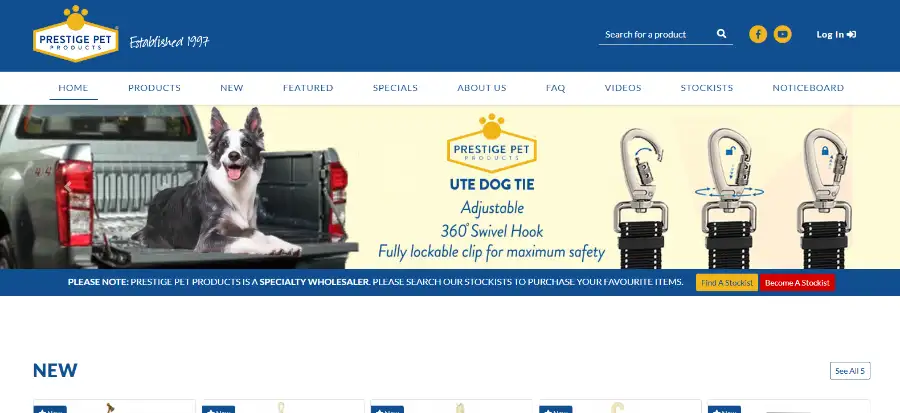
Viral trends fade. Staples pay the rent.
Prestige Pet Products functions as a logistical backbone for pet stores and e-commerce operators. They specialize in "bread-and-butter" inventory—consistent, repeatable SKUs that prevent costly stockouts.
What to Look For
Don't look for novelty here. Focus on their broad coverage of high-turnover categories: chew, fetch, and tug.
Specifically, target "low return" items like solid rubber balls and knotted rope toys. Unlike complex electronics, these durable basics have defect rates near zero.
B2B Sourcing Questions
Your profit margin often hides in the shipping terms. Ask these specific questions:
- MOQ Logic: Is the minimum order quantity set by SKU or total invoice value? SKU-based MOQs can trap cash in slow-moving stock.
- Carton Quantities: Can you buy split cases? Full master cartons often offer better pricing but require more storage space.
- Channel: Do they ship direct-to-retailer or require a distributor account?
Quality Checks
Vague product data kills conversion rates. Request a technical spec sheet for every SKU.
You need exact materials—such as Thermoplastic Rubber (TPR) versus natural rubber—and dimensions in centimeters. This prevents common errors, like listing a "Large" toy that is actually sized for a Terrier. Proper documentation is the first step in vetting suppliers to minimize returns.
5. Pals For Paws — Eco-Friendly Australian Brand with Natural Materials & Sustainable Production
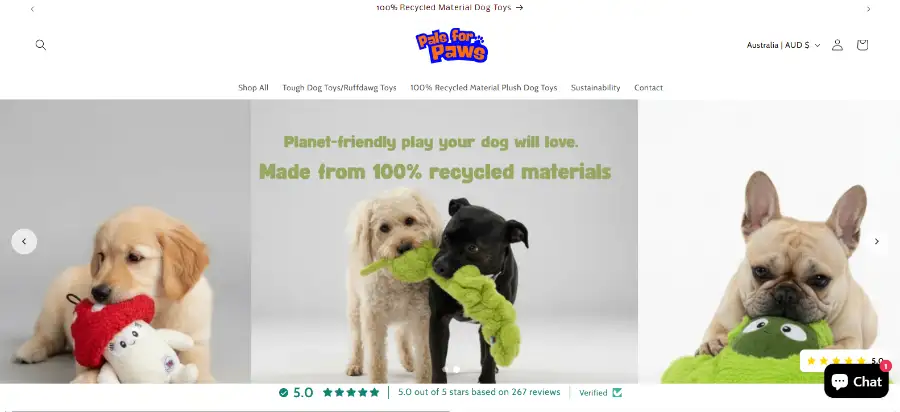
"Eco-friendly" often implies "fragile." Many retailers hesitate to stock sustainable toys, fearing refunds when dogs destroy them in minutes. Pals For Paws addresses this risk by offering a catalog split between ethical soft goods and heavy-duty rubber.
Assortment Strategy
You cannot market these categories the same way. Merchandise them based on the owner's goal:
- Recycled Plush: Often made from rPET (repurposed plastic). Target the sustainability-conscious shopper with gentle dogs.
- Tough Rubber: Focuses on density and geometric shapes for jaw resistance. Target value-driven buyers who want longevity.
Validation Protocols
Greenwashing is rampant in the pet industry. Do not accept a "natural" sticker as proof. You need to request specific documentation to validate safety and origin claims:
- GRS Certificates: If a toy claims to be recycled, ask for the Global Recycled Standard (GRS) certificate. This tracks the material from the recycler to the final product to verify it isn't virgin plastic.
- Lab Reports: A "non-toxic" claim needs backing. Request EN71 safety reports or similar third-party testing to ensure chemical safety.
Wholesale Checklist
Clarify these terms before opening an account to protect your margins:
- Pricing: Are wholesale lists GST-inclusive?
- Channels: Do they approve online-only sellers, or is a brick-and-mortar storefront required?
- Returns: What is the policy for unsold or defective eco-lines?
For sellers finding local margins too slim, compare these costs against dog toy manufacturers in the USA to see if importing premium brands offers better ROI.
🧠 Expert Take: Ask for the Material Safety Data Sheet (MSDS) for any rubber toy claiming to be "natural." If the supplier cannot provide it, the material is likely synthetic or unverified.
6. Petopia Toys — Private Label / OEM-ODM Option
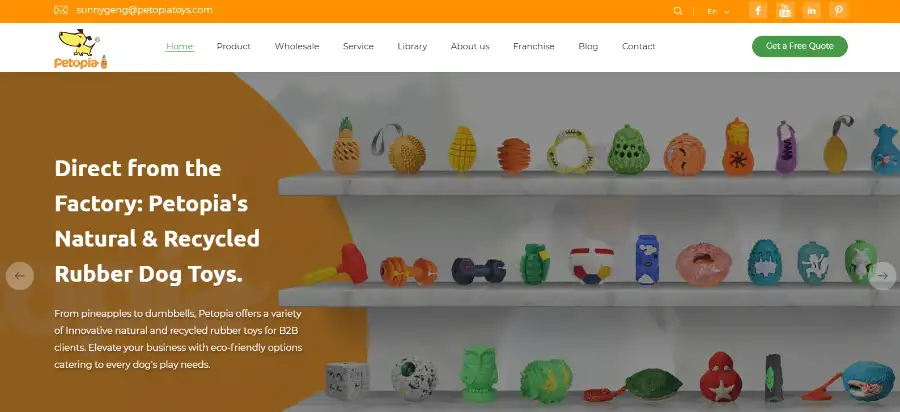
Buying local builds trust, but paying Australian labor rates destroys your net margin at scale. If you need 5,000 units or a custom shape that does not exist yet, you must move beyond local wholesalers. Petopia Toys serves as a strategic partner for brands requiring factory-direct economics and custom engineering.
Best For: Amazon FBA sellers and e-commerce brands. This route allows you to build a proprietary asset with custom packaging, logo placement, and unique geometries that stand out on search results pages.
What to evaluate Avoid "open molds" that competitors can easily copy. You need a partner capable of a complete custom workflow.
- Sampling Speed: Can they produce a 3D printed prototype in 48 hours?
- Tooling Rights: If you pay for the steel mold, confirm you retain exclusive rights.
- Spec Changes: Assess how they handle material adjustments during the pilot run.
Buyer protection Protect your intellectual property. Most sourcing failures start with a stolen design.
- Sign an NDA: Do this before transferring any CAD files.
- Clarify Ownership: Ensure contracts explicitly state you own the molds and artwork.
- Mandate Inspections: Condition the final payment on a successful pre-shipment inspection report.
Docs to request Compliance is not optional. Demand Material Safety Data Sheets (MSDS) and physical test reports compliant with ISO 8124 safety standards. You also need an auditable QC plan to ensure batch consistency. Understanding the broader China OEM ecosystem helps you enforce these standards effectively according to ACCC guidelines.
7. Bobbie Dogs — Small-Batch Australian Brand for Boutique Product Lines
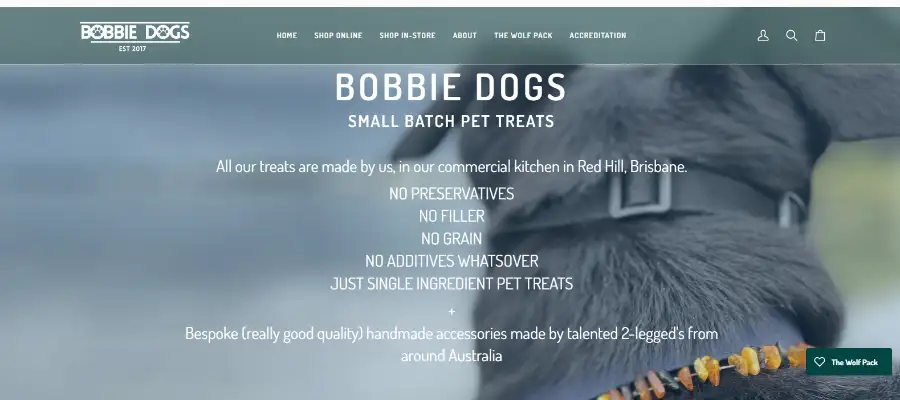
Compete on narrative, not volume. Bobbie Dogs targets the boutique market with small-batch, aesthetically cohesive product lines suitable for curated gift stores.
While big-box retailers fight over margins on generic items, this brand's Made in Australia ethos justifies premium pricing. This appeals directly to customers buying on brand story rather than price point.
The Ecosystem Effect
Most suppliers treat toys as isolated units, but this brand creates a cohesive ecosystem. They coordinate print designs across toys, harnesses, and accessories.
Merchandising a plush bone next to a matching collar triggers the "complete the look" psychological response. This strategy drives higher Average Order Value (AOV) even if your toy-only assortment is smaller, transforming a single-item transaction into a bundle purchase.
Wholesale Vetting Questions
Small-batch sourcing requires different vetting logic than mass production. Clarify these points before ordering:
- Production Cadence: How often do new seasonal prints drop? Boutiques thrive on inventory freshness.
- Opening Orders: Is the minimum viable to test the brand without overcommitting capital?
- Restock Reliability: Does "small batch" imply "out of stock for months" if a SKU goes viral?
Risk Management: Lead Time Variability
Handmade production introduces lead time variability. Unlike industrial injection molding, textile availability can delay shipments unexpectedly.
Similar to the challenges faced by Australian teddy bear manufacturers, soft goods rely on fabric supply chains that fluctuate more than plastic inputs. You must plan safety stock further out to mitigate supply gaps.
8. Wildhunde — Australian-Made Tug Toys & Premium Materials for Performance Play
Most toys just distract dogs. Wildhunde gear trains them.
This distinction protects your margins. Retailers tapping into the "enthusiast" wallet serve customers willing to pay premiums for Australian durability.
Best For: High-Drive Performance
Stock this brand for high-drive breeds like Malinois. The catalog features interactive play gear including flirt poles and bite tugs.
These items function as logical upsells to training treats. If a customer buys rewards to build drive, pitch the tug toy to match.
B2B Sourcing Questions
Handcrafted quality can create supply bottlenecks. Ask these questions to protect your shelves:
- Trade Pricing: Does the margin structure support wholesale volume?
- Lead Times: "Made to order" models often delay delivery.
- Packaging: Loose items are hard to merchandise. Ensure products arrive with retail-ready headers.
Quality Checks
Performance gear faces extreme mechanical stress. Inspect attachment points on flirt poles first. Weak hardware is the most common failure point.
Look for materials like fire hose or French linen. These fabrics provide the necessary grip for bite work without damaging teeth. Verify stitching pull strength matches ISO 13934 tensile standards.
Single rows fail under load. You need reinforced, industrial-grade sewing. Compare their build quality against heritage dog toy manufacturers in the UK to benchmark premium positioning. Adhere to CPSC testing guidance to ensure all components meet safety regulations.
🧠 Expert Take: Bundle bite tugs with high-value treat pouches to create a "Training Starter Kit." This simple merchandising tactic can increase your average order value by 15%.
5-Step Action Plan: How to Source Dog Toys in Australia Profitably
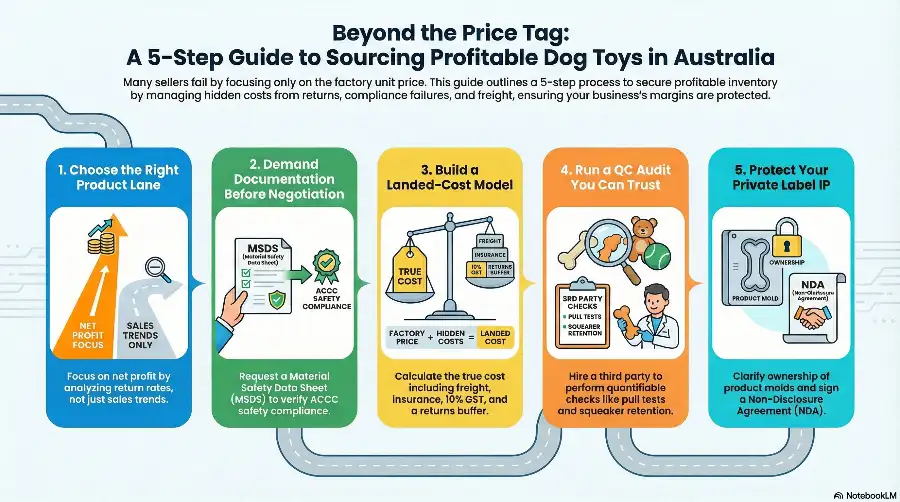
Many sellers fail because they fixate on the unit price. They ignore the hidden costs of returns, compliance failures, and freight. Use this plan to secure inventory that protects your margins.
Step 1: Choose the Right Product Lane
Do not select random items based on trends. Analyze your margins against potential return rates.
Plush toys sell quickly but tear easily. A high tear rate leads to refunds that destroy your net profit.
Segment your buy list by use case:
- Chew: Dense rubber or nylon. Low return rate.
- Fetch: Balls and flyers. High volume.
- Enrichment: Puzzle toys. Higher price point.
Match the material to the target dog breed. Read our guide on types of dog toys to understand the mechanical differences between materials.
Step 2: Demand Documentation Before Negotiation
Ask for safety papers immediately. Do not discuss price until you verify compliance.
Suppliers often claim a toy is "non-toxic," but this is marketing fluff. You need proof.
Request the Material Safety Data Sheet (MSDS). Verify that the product meets the mandatory safety standards set by the ACCC (Australian Competition & Consumer Commission).
If the toy contains magnets or batteries, check for specific safety warnings required by Australian law. If a supplier cannot provide these files, block them.
Step 3: Build a Landed-Cost Model
A "cheap" factory price often becomes expensive once it reaches Australia. Calculate the total landed cost before you place a purchase order. Create a spreadsheet with these specific line items:
- Ex-Works Price: The cost at the factory door.
- Freight & Insurance: The cost to ship to Sydney, Melbourne, or Brisbane.
- Duty & GST: Factor in the 10% Goods and Services Tax and the Import Processing Charge charged by the Australian Border Force.
- Returns Buffer: Add 5% to cover damaged goods or customer refunds.
Step 4: Run a QC Audit You Can Trust
Marketing terms like "tough" or "indestructible" are vague. You need a quantifiable audit checklist. Use an Acceptable Quality Limit (AQL) standard to determine how many units to test per batch.
Perform these specific checks:
- Pull Test: Measure the stitch strength on seams using a tension gauge.
- Squeaker Retention: Ensure squeakers cannot be ripped out by hand.
- Odor Check: Reject batches with strong chemical smells.
Hire a third-party inspector to run these checks before the goods leave the factory. Learn more about vetting partners in our guide on how to find a toy manufacturer.
Step 5: The Private Label Playbook
Ask specific questions about intellectual property (IP) if you plan to brand the product. Clarify the tooling fees. Tooling refers to the cost of creating the metal mold for your design.
Confirm who owns the mold after payment. Some factories will keep the mold and sell your design to other buyers.
Sign a Non-Disclosure Agreement (NDA) to protect your IP. Review the full process in our breakdown on working with a custom dog toy manufacturer.
If the Minimum Order Quantities (MOQs) or pricing in Australia do not fit your budget, compare your options against dog toys manufacturers in India. Different regions offer different cost structures for labor and materials.
Need Factory-Direct Support?
LeelineToys helps you skip the middlemen. We offer OEM support, rapid prototyping, and direct communication with production engineers. If you are ready to build a custom line with better margins, contact us today.
People Also Ask About About Sourcing Australian Dog Toys
1. What questions should I ask a dog toy manufacturer before opening a wholesale account?
Start by asking for the Minimum Order Quantity (MOQ) per SKU, not just the total order value. High per-SKU minimums can tie up your cash flow in slow-moving colors or sizes.
Next, confirm they provide valid GS1 barcodes on the packaging, which you need for scanning at checkout or Amazon warehouses. Finally, ask if they carry Product Liability Insurance to protect your business if a toy injures a pet.
2. Are 'Australian-made' dog toys always better for margins?
No, Australian-made products usually have lower profit margins than imports due to higher labor and material costs. However, they often have higher conversion rates and lower return rates.
The "Australian Made" logo is a powerful trust signal that allows you to charge a higher retail price. You must calculate if the higher ticket price offsets the lower percentage margin compared to cheaper imports.
3. What documents should I request to verify 'non-toxic' and 'eco-friendly' claims?
Do not accept a marketing brochure as proof; request a Material Safety Data Sheet (MSDS) for the raw materials. If a supplier claims a toy is recycled, demand a Global Recycled Standard (GRS) certificate to track the plastic's origin. To verify "non-toxic" claims, ask for a laboratory test report compliant with AS/NZS ISO 8124.3, which limits the migration of heavy metals in toys.
4. Can I private label dog toys for Amazon FBA Australia?
Yes, but you must ensure the manufacturer understands FBA packaging standards. Amazon requires specific poly-bag warnings and drop-test standards that many local wholesalers ignore. If your Australian supplier cannot meet these prep requirements, you may need to compare them against dog toy manufacturers in Canada or other export-focused markets that are more accustomed to Amazon's strict logistics rules.
5. If local suppliers can't meet my MOQ/price target, what's the next best sourcing path?
If local margins are too thin, your next step is finding an OEM (Original Equipment Manufacturer) partner. This allows you to own the mold and cut unit costs by 30-50%.
You can explore dog toy manufacturers in the USA for mid-tier options, or go direct to the factory source. If you are ready to build a custom product line with factory-direct pricing.