
Meeting the rising demand for unique, high-quality types of dog toys can be a game-changer for your pet business. Offering the right mix isn't optional—it's essential for staying competitive.
The solution? A deep understanding of the types of dog toys—from chew toys to smart puzzles—and knowing which ones fit which customer needs. As a trusted custom dog toy manufacturer, we're here to help you navigate the options, source smartly, and stand out with quality products that sell.
Curious about which types of dog toys can skyrocket your margins and customer loyalty? Dive into our detailed guide for actionable insights. Keep reading for the full scoop!
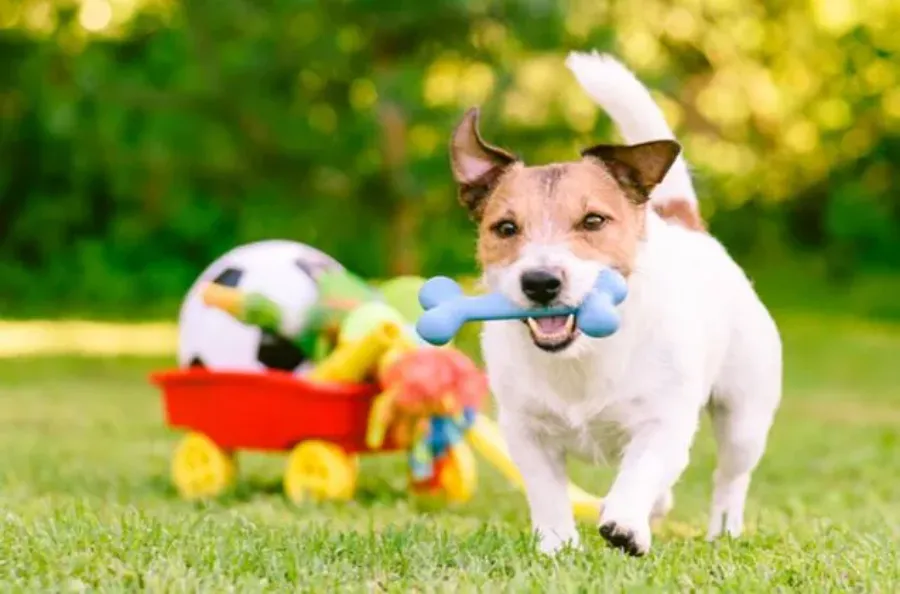
Top 15 Types Of Dog Toys
| Toy Type | Key Features | Primary Benefits | Materials | Average Price |
|---|---|---|---|---|
| 1. Ball Toys | Bouncy, rollable | Exercise, fetch training | Rubber, foam, tennis material | $5 - $20 |
| 2. Chew Toys | Durable, textured | Dental health, stress relief | Nylon, rubber, TPR | $10 - $30 |
| 3. Rope Toys | Braided, knotted | Dental cleaning, tug play | Cotton, hemp, synthetic fibers | $5 - $15 |
| 4. Plush Toys | Soft, cuddly | Comfort, anxiety reduction | Polyester, recycled fabrics | $8 - $25 |
| 5. Squeaky Toys | Sound-producing | Mental stimulation | Plush, rubber | $5 - $18 |
| 6. Treat-Dispensing Toys | Interactive, challenging | Mental engagement, slow feeding | Durable plastics, rubber | $12 - $35 |
| 7. Puzzle Toys | Problem-solving design | Cognitive development | Plastic, wood, rubber | $15 - $40 |
| 8. Rubber Toys | Tough, versatile | Chewing, dental health | Natural rubber, TPR | $10 - $25 |
| 9. Fetch Toys | Aerodynamic, durable | Outdoor play, exercise | Rubber, foam, fabric | $6 - $22 |
| 10. Tug Toys | Strong, grippy | Bonding, strength training | Rope, rubber, fabric | $8 - $20 |
| 11. Teeth-Cleaning Toys | Textured surfaces | Oral hygiene | Specialized rubber, nylon | $12 - $30 |
| 12. Lick Mats | Textured surface | Stress reduction, slow feeding | Silicone, food-grade materials | $8 - $18 |
| 13. Water Toys | Floating, waterproof | Swimming play, retrieval | Foam, waterproof rubber | $10 - $25 |
| 14. Interactive Toys | Tech-enabled, responsive | Advanced play, training | Electronic components, durable plastics | $20 - $50 |
| 15. Eco-Friendly Toys | Sustainable materials | Environmental consciousness | Recycled materials, organic fabrics | $10 - $35 |
Best 15 Types Of Dog Toys
1. Ball Toys
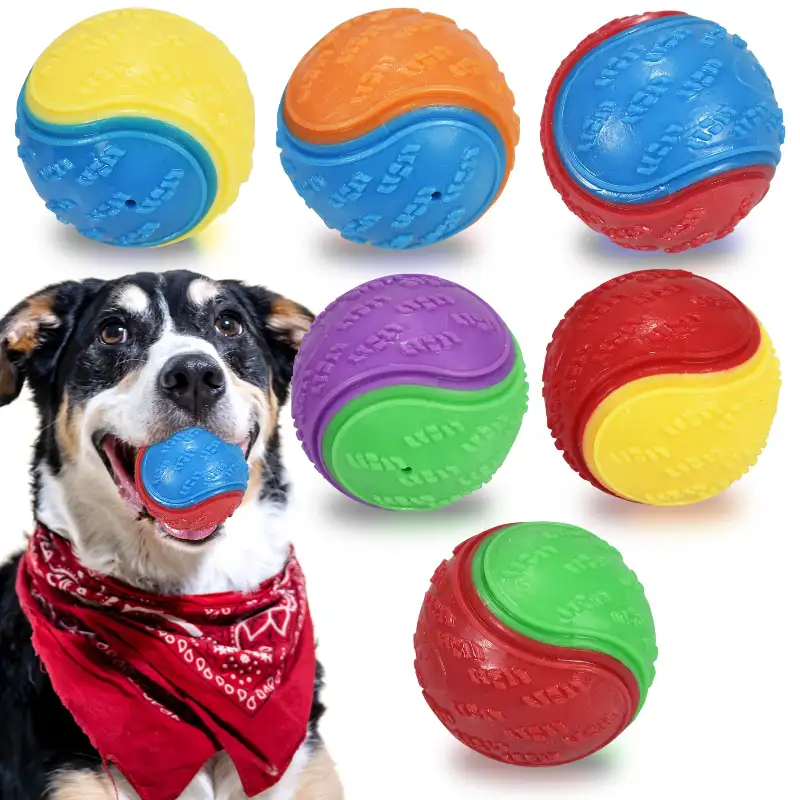
Ball toys are a core part of types of dog toys. I recommend them as a top seller. They offer versatility, safety, and strong consumer demand.
-Wide Material Options: Modern ball toys use rubber, plastic, tennis ball fabric, or green hybrid designs. I like rubber options—like Kong's Super Ball. They resist chewing well and last long. The US market for rubber balls is growing at 4.2% CAGR through 2034.
-Innovative Features: Popular choices now include squeakers and treat-dispensing designs. Some have unpredictable bounces. Others feature lights or sounds for stress relief. Interactive styles grow the fastest. They keep dogs engaged and focused.
-High Market Value: In 2023, global pet toy sales reached $8.5B. Ball toys will lead the category through 2032.
-Maximize Your Range: Ball toys fit all sizes and breeds. Customers value them for easy cleaning and low choke risk. Based on my experience, adding them expands physical activity. They boost mental stimulation. They also offer after-sales upsell opportunities. This drives repeat business.
2. Chew Toys
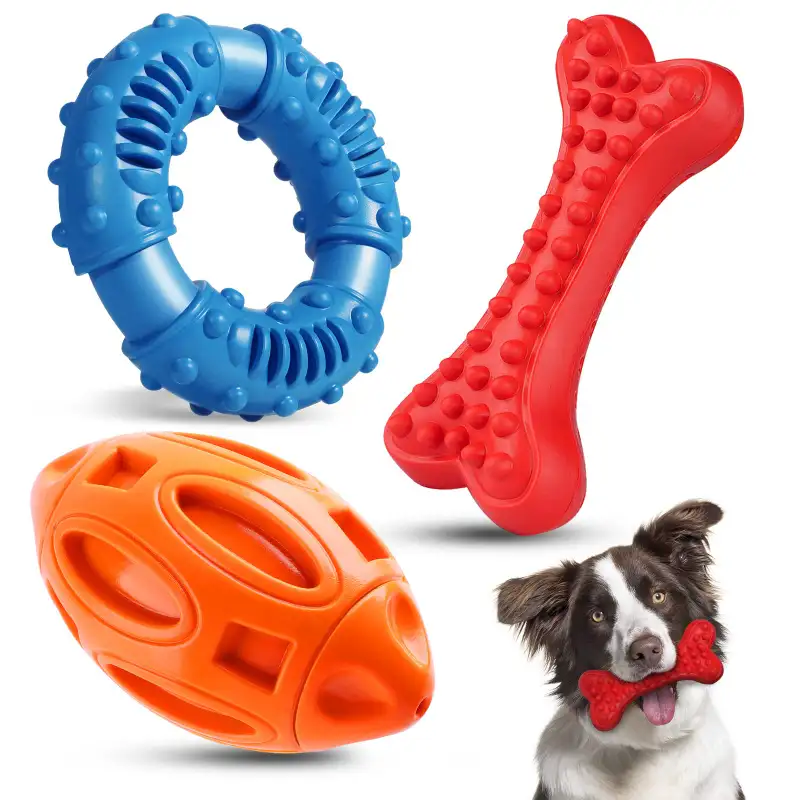
Chew toys deliver serious durability and value.
- Built from tough materials: Choosing from nylon, natural rubber, TPR, ballistic nylon, hemp, or bamboo blends. Each material offers strength. They stand up to heavy chewing.
- Dental benefits: Raised nubs and unique textures support dental health. They keep dogs' teeth cleaner during play.
- Chew toys often feature multi-layer construction. They have double-stitched seams or fire hose materials. Based on my experience, clients find these last months longer. This reduces replacement cycles and costs.
- Flexible TPR and certain rubbers work well for aggressive chewers. Some styles even float for extra play value.
- Available in XL formats for large breeds. Options go up to 33 x 12 x 3.8 cm and 330g. They fit many jaw shapes and sizes.
Many designs now use non-toxic materials. They are sometimes biodegradable for added safety.
This meets modern market demands. Chew toys in the types of dog toys category can add treat-dispensing features.
This creates longer engagement. Dogs can entertain themselves.
Expert Tip: Material science is revolutionizing dog toys. We're seeing a shift from mere durability to intelligent design—toys that adapt to a dog's chewing style, provide therapeutic benefits, and align with sustainable manufacturing practices.
Sam Su, Sales Manager Pet Product
3. Rope Toys
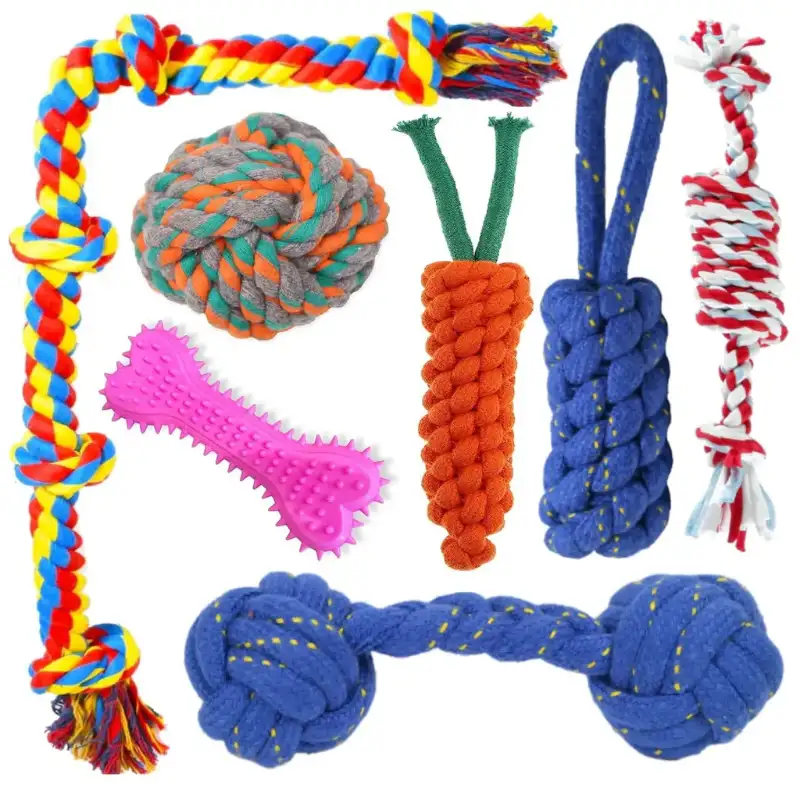
Rope toys are a classic option in types of dog toys. I like them for their durability, fun interaction, and many uses.
- Material Choices: You can pick twisted cotton for a natural, biodegradable choice. Or go with polyester/nylon for extra strength. These work great for tough chewers. Sizes range from 1/2"–1.5" in diameter. This means you can fit every breed.
- Design Features: Most ropes have multiple knots for grip and texture. You can add balls, rubber inserts, or handles for different types of play. Think fetch, tug-of-war, or chewing. Some ropes use synthetic mesh floss in the fibers. This gives a dental cleaning boost.
- Customization & Eco Appeal: I recommend offering rope toys with adjustable lengths. Add vibrant color blends or special knot patterns. Use recycled t-shirt material for buyers who care about sustainability.
- High Value: Rope toys make up about 20–25% of interactive dog toy sales. You can customize them with ease. They are lightweight and cheap to ship. This gives you a practical, appealing product for your line.
4. Plush Toys
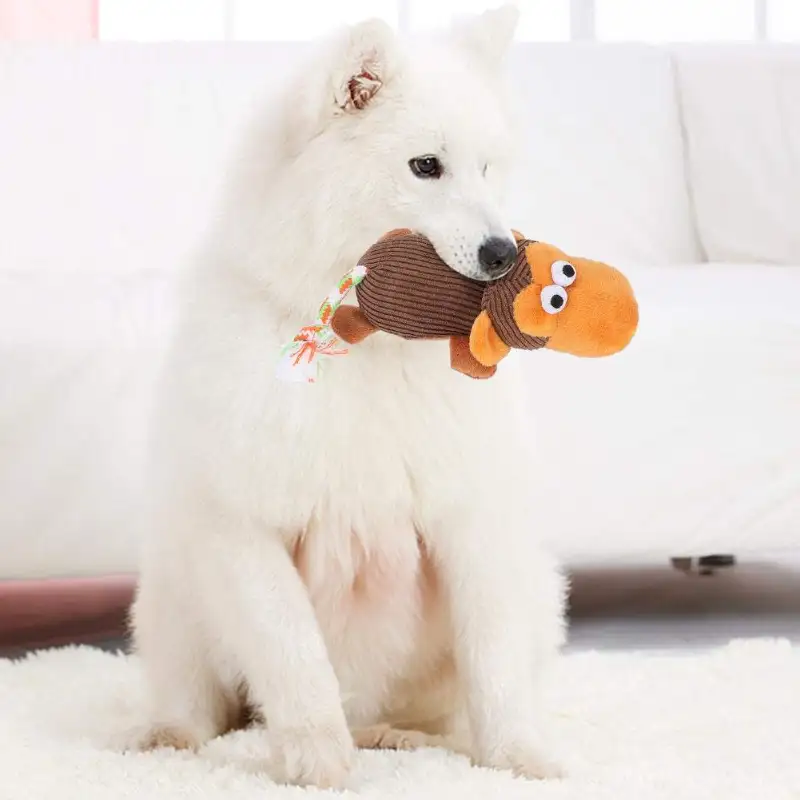
Plush toys for the dog toy market, give you great softness, custom branding, and safety credentials. These are key for growing your product line.
- Material Advantage: You can choose from premium polyester, plush fleece, minky, and microfiber. Each one offers softness, long wear, and easy cleaning. Want to meet sustainability goals? Recycled cotton and PET fibers are on hand. Polyester fiberfill makes each toy light. It stays hypoallergenic and springy.
- Eco-Safe & Certified: Eco-aware buyers want toys made from recycled, organic materials. All fabrics clear CE and ASTM-F963 safety benchmarks. This gives you peace of mind. Reach more markets. Top Plush Toy Manufacturers China prioritize international safety standards to ensure global market compatibility.
- Production Scalability: You can place orders from thousands to hundreds of thousands. Precision fabric cutting and automated sewing lines ensure speed and consistency. Facilities up to 20,000 sqm handle high-volume needs. Standards stay high.
Customization & Prototyping
- Ask Dog Toy Manufacturers for prototypes. Refine size, softness, and color. Add special features like squeakers and sound chips. Helps you stand out in busy market segments.
Accessory & Retail Options
- Pick features like embroidered faces, plastic eyes, or weighted pellets. Unique shapes work well—bones, dogs, licensed characters. They create instant retail appeal. Squeaker and bead inserts fit promotions or prize machines.
5. Squeaky Toys
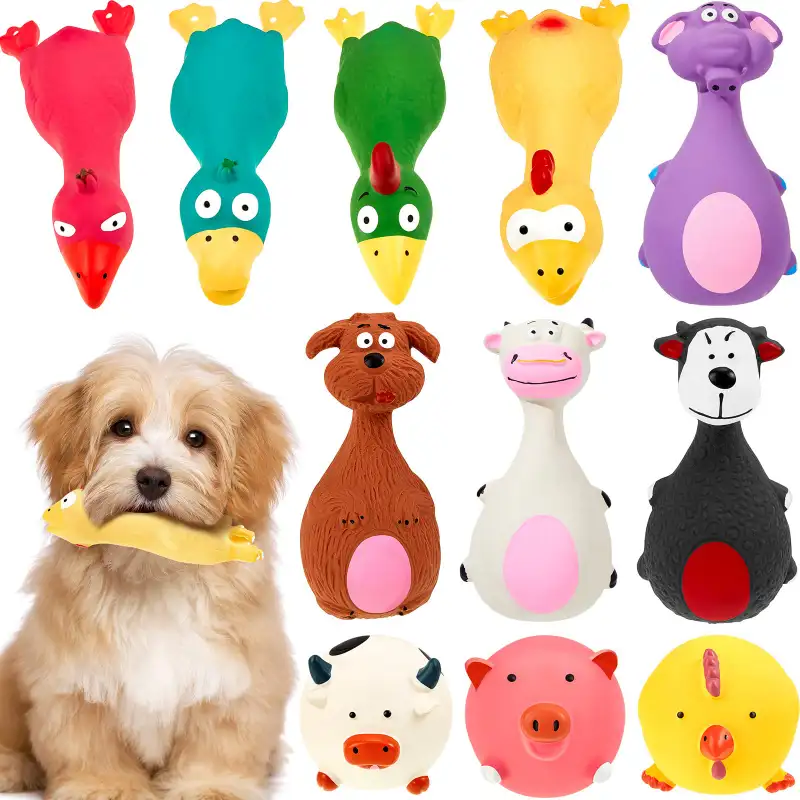
Dogs love squeaky toys. The sound taps into their prey instincts.
It keeps them busy for hours. These toys for high engagement in your product line.
Here's how you benefit:
- Flexible Shapes: Pick popular forms like balls, plush animals (think sharks), bones, and fun rubber figures. These appeal to many pet owners. You can adapt to current trends easily.
- Wide Material Options: Choose from natural rubber, BPA-free silicone, plush fabric, vinyl, PVC, fleece, and recycled polyester canvas. Using food-grade materials (FDA/LFGB certified). Safety is a top priority for today's customers.
- Customization Wins: Adjust silicone hardness for extra durability. Heavy chewers need tougher toys. Puppies need softer ones. Offer full-color customization. Provide a range from ultra-soft to super-tough.
- Eco Appeal & Market Growth: Green materials and non-toxic production methods meet rising demand for safe, sustainable options. Advanced toys may blend edible exteriors or treat-dispensing features. These add extra value.
6. Treat-Dispensing Toys
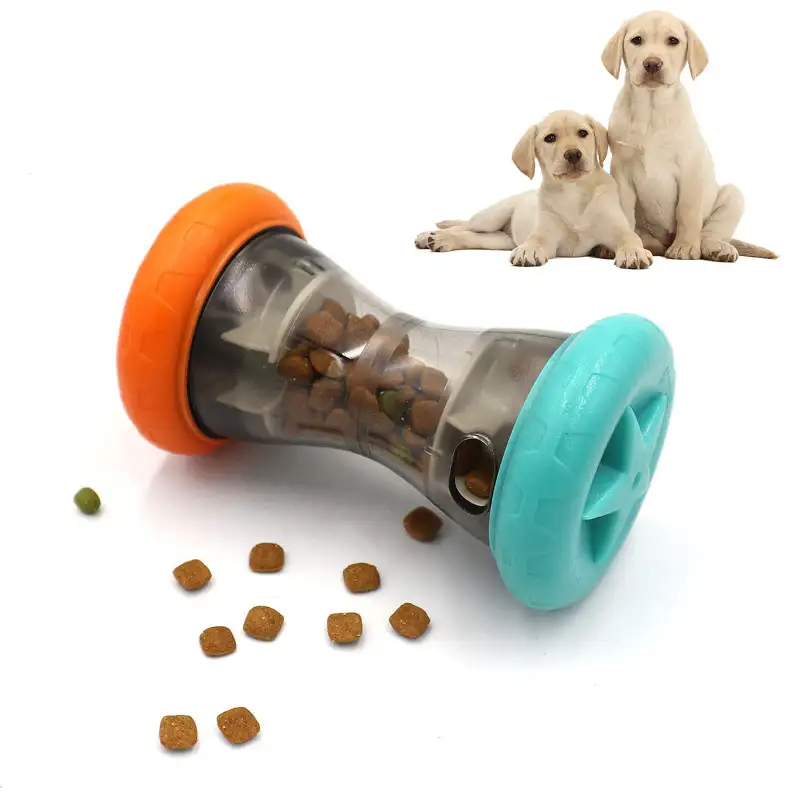
Consider treat-dispensing toys as a top pick in the types of dog toys category. They offer fun and function at the same time.
These toys come in smart shapes. Think spheres, cubes, or the snowman-style KONG.
They use chew-proof rubber or hard plastic. This material stands up to rough chewers. Tests show they handle over 500 pounds of jaw pressure.
- Versatile Fill Options: You can fill them with kibble, treats, or peanut butter. This challenges your dog's mind and appetite. Some designs, like Outward Hound puzzles, make dogs flip or slide parts to get treats.
- Slow Feed & Health: Studies show dogs eat up to 50% slower with these toys. This lowers bloat risk. It also improves digestion.
- Customer Satisfaction: Durable models mean fewer returns. 75% of owners see reduced chewing and anxiety in their dogs.
- Tech Trends: Smart dispensers now exist. Users can reward and monitor pets from anywhere.
7. Puzzle Toys
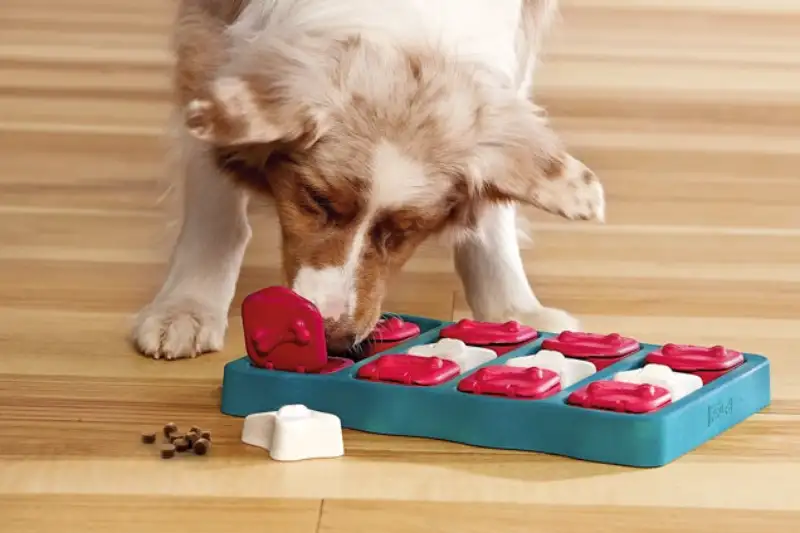
Puzzle toys offer smart challenges that keep dogs entertained and sharp. These toys ask dogs to solve problems.
Dogs slide blocks or find hidden treats. Helps improve focus and problem-solving skills.
- Boost Mental Stimulation: Dogs use their paws, noses, and mouths to move levers or roll balls. This play keeps them engaged longer. It encourages deeper exploration.
- Wide Variety: You can find simple treat balls like the A-Maze Ball. You can also find advanced sliding boards. These meet the needs of every dog, from puppies to seniors. Rotating different puzzles. This increases novelty. It prevents boredom.
- Health and Behavior Impact: Just 15–30 minutes a day can reduce anxiety. It limits chewing. It decreases barking. Data shows up to 70% of quick-eaters benefit from slower, healthier feeding using puzzle feeders.
- Sustainable Materials: Big brands like Hugsmart focus on green rubbers and natural fibers. They combine performance with responsible sourcing. This matters to many pet owners.
- Proven Market Growth: These types of dog toys now exceed 20% of UK market share. Top sellers include hide-and-seek puzzles. Modular boards are also popular.
Pro Point: From a neurological perspective, puzzle toys create complex neural pathways. They're essentially cognitive gymnastics for dogs, stimulating brain plasticity and providing mental exercise that's as crucial as physical activity in maintaining overall canine health.
8. Rubber Toys
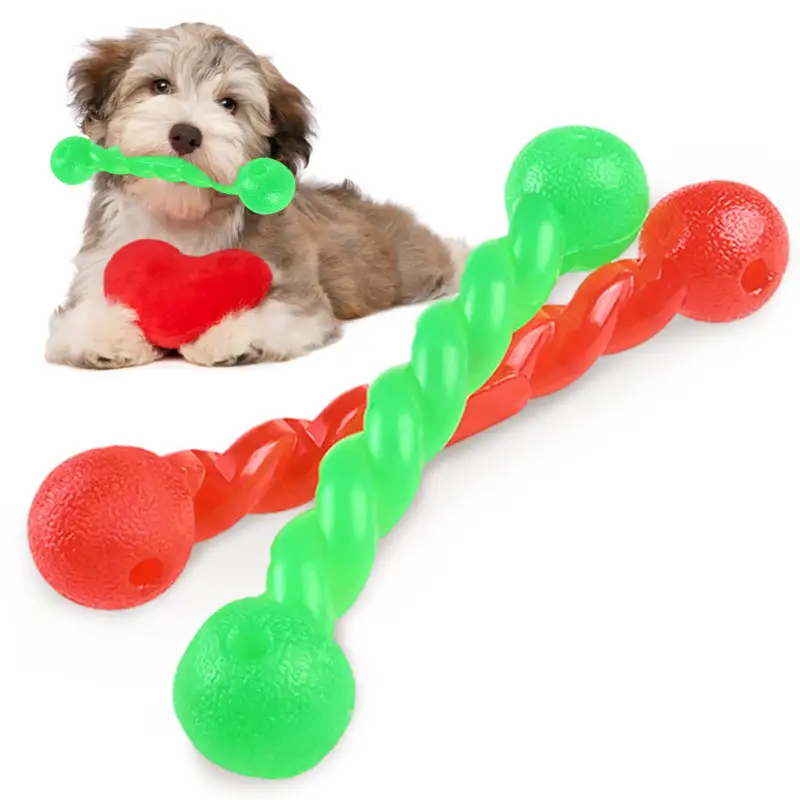
Rubber toys are one of the most durable types of dog toys. They have a flexible, tough build. Most use natural rubber latex or tire rubber to resist strong bites.
- PRODUCTION: Makers create these toys using latex molding with gypsum and silicon molds. This gives you a consistent shape and texture in every toy. They add colloid sulphur and zinc oxide to make toys last longer. Tire rubber versions with synthetic fibers help clean your dog's teeth and gums.
- CUSTOMIZATION: You can find rings, tires (6–10 inches), bones, and cylinders. Toys may have grooves, knobs, treat pockets, or squeakers inside. These features keep dogs engaged. Scent additives attract dogs even more.
- SAFETY: Premium rubber toys that meet FDA or EU safety standards. They are non-toxic. Your dog can chew them hard without harm.
- DURABILITY: These toys last 2–3 times longer than rope or plush toys. They weigh 150–350g on average. Shore hardness ratings range from 60–80. Most last 4–12 months even with heavy chewing.
9. Fetch Toys
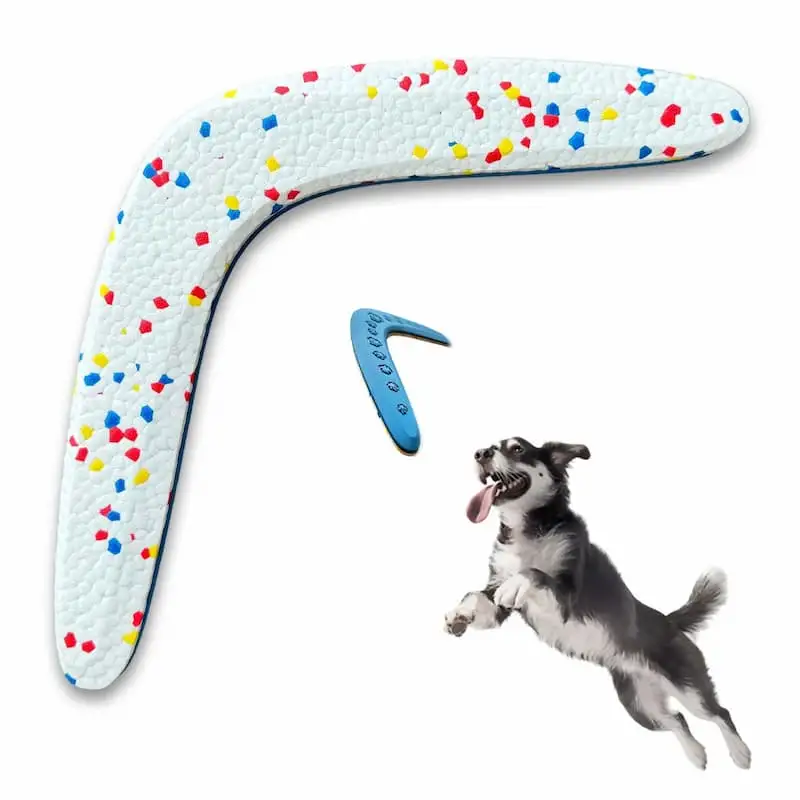
Fetch toys as a top choice in types of dog toys, they promote active play and help dogs burn off energy.
- Versatile Designs: You can choose from balls, flying discs (like the Kong Flyer), rope tugs, and throw sticks. All are crafted for safe, vigorous use. Using fetch toys to target both physical fitness and mental sharpness.
- Technology-Driven Options: Modern fetch toys now include electronic ball launchers, sensor-activated devices, and app-synced models with custom routines. These give you control over speed, distance, and play time. Based on my experience, soft edges, auto shut-off, and sensors maximize safety.
- Material Strength: High-durability rubber, reinforced rope, and impact-resistant or waterproof plastics. These choices resist weather. They hold up against heavy chewing. They withstand rough outdoor use.
- Fits All Sizes: You can find models for every dog. Small spaces? Try indoor fetch balls. Large outdoor areas? Go for heavy-duty discs. Water play? Pick floating fetch toys.
- Market Trend: Interactive fetch toys grow more popular. Over 60% of owners seek toys with extra engagement features.
10. Tug Toys
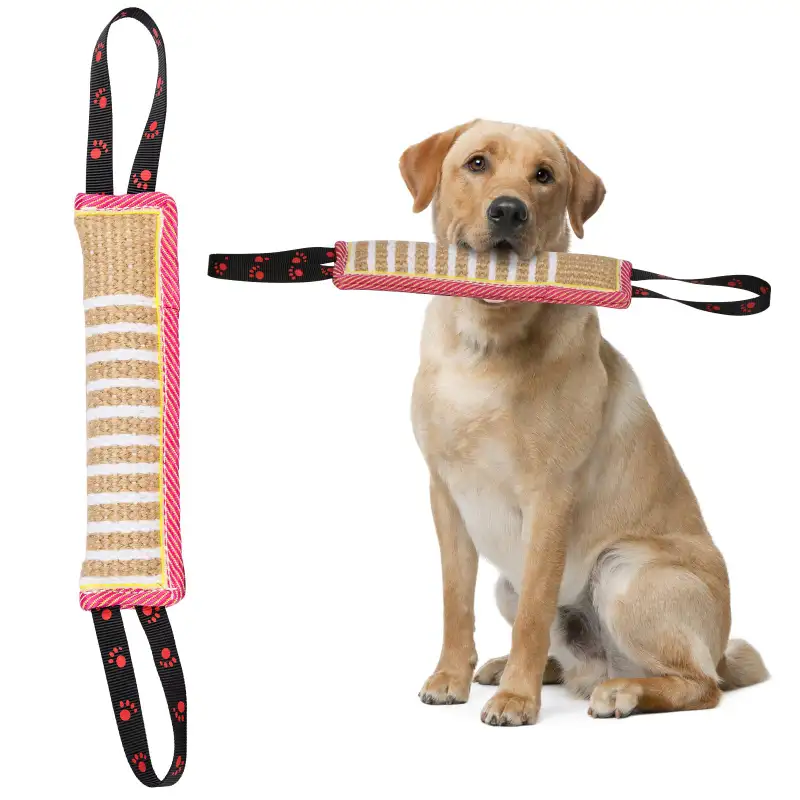
Tug toys for their strong build and interactive play. They work well for tough pulling games.
You get reinforced rope, heavy-duty cloth, or food-grade silicone options. Each type is safe and lasts through long chewing sessions.
- MATERIAL EDGE: Food-grade silicone has FDA/LFGB safety certification. Recycled cotton and microfiber are eco-friendly and comfortable. Outdoor fabrics resist tears well. I suggest them for strong-jawed breeds.
- Simple designs work best. Braided or round shapes with handles or knots make tug toys easy and fun.
- Cost savings: Fleece strips for DIY production cost about £1.50 per quarter-meter. You can make several units from each batch.
- What they do: Tug toys encourage active exercise. They strengthen bonds between owners and dogs. They support good behaviors through play and training.
- Why they sell: High customization lets you brand them well. Eco-friendly features attract buyers. Based on my experience, these types of dog toys sell consistently.
11. Teeth-Cleaning Toys
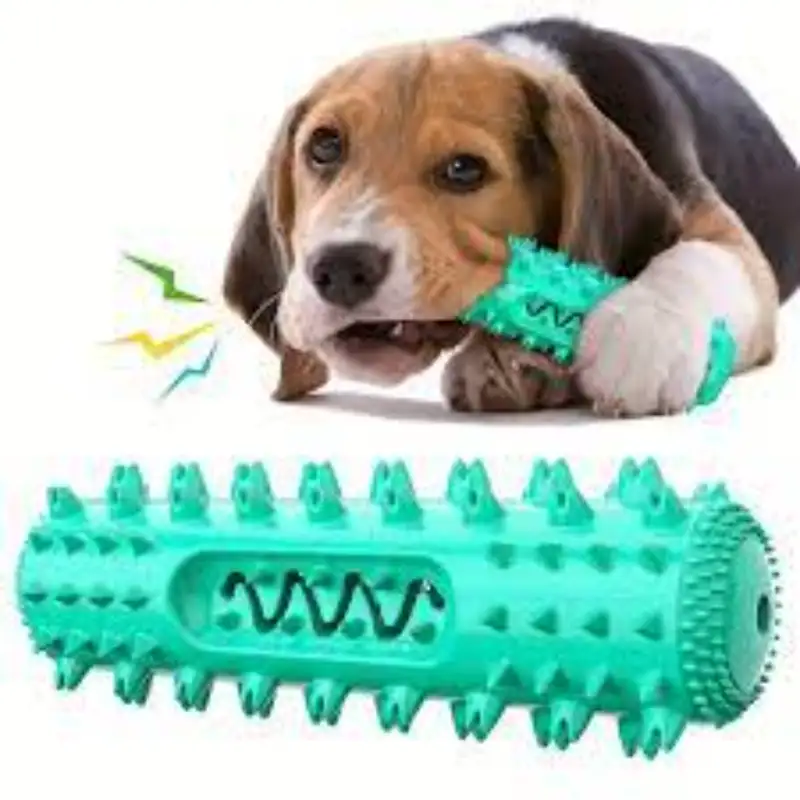
These toys help keep your dog's teeth healthy while they have fun. You can stand out by offering toys that clean plaque and tartar. These types of dog toys feature nubs, ridges, bristles, and special textures that scrub teeth as dogs chew.
Choosing toys made from rubber, nylon, or sustainable materials. These materials last longer, even for dogs who chew hard.
The global market for these toys will reach $2.7B by 2033. Growth comes from premium products, subscription sales, and green materials.
Eco-rubber and plant-based materials help your brand appeal to buyers who care about the planet. These materials make your products more attractive in today's market.
Small dogs drive most sales right now. But you can tap into all dog sizes by creating products for each group.
The toys solve two problems at once—dental health and playtime. This dual benefit helps you build customer loyalty in your Types Of Dog Toys portfolio.
12. Lick Mats
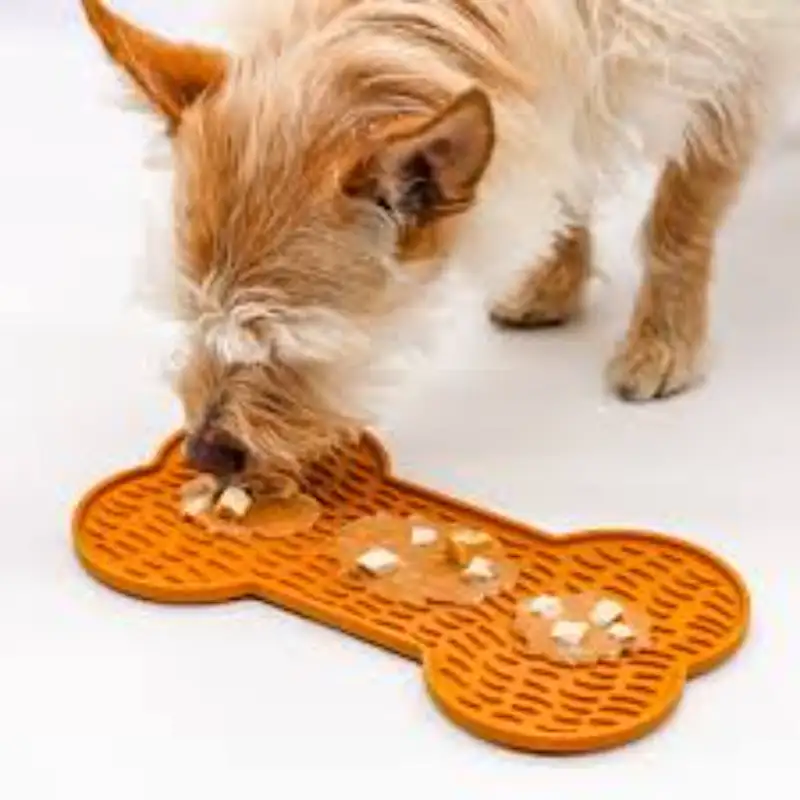
Lick mats as a standout choice in types of dog toys. They feature a unique, flat, textured silicone design. You can spread soft treats like peanut butter or wet dog food on them.
- STRESS RELIEF: The licking action soothes dogs. It releases calming endorphins. Using these mats during thunderstorms, fireworks, or grooming sessions. Owners report up to 40% less anxiety and fewer destructive behaviors.
- MENTAL & PHYSICAL BENEFITS: Dogs work to get food out from the textured grooves. Keeps them engaged. It prevents boredom. It also reduces excessive barking or chewing. Surveys show 60% of owners see calmer dogs with these mats.
- SLOW FEEDING & DIGESTION: Llick mats can stretch mealtime from seconds to 10–15 minutes. Reduces choking and bloat. It improves digestion by up to 35%. Dogs on diets feel fuller longer with less food.
- DENTAL & ORAL HEALTH: The grooves clean teeth and stimulate saliva production. This cuts plaque in 20% of regular users.
- VERSATILE & DURABLE: Food-grade silicone makes cleaning easy. The mats last a long time. Many mats have suction cups. You can mount them on walls during grooming. This makes procedures 50% faster and less stressful.
13. Water Toys
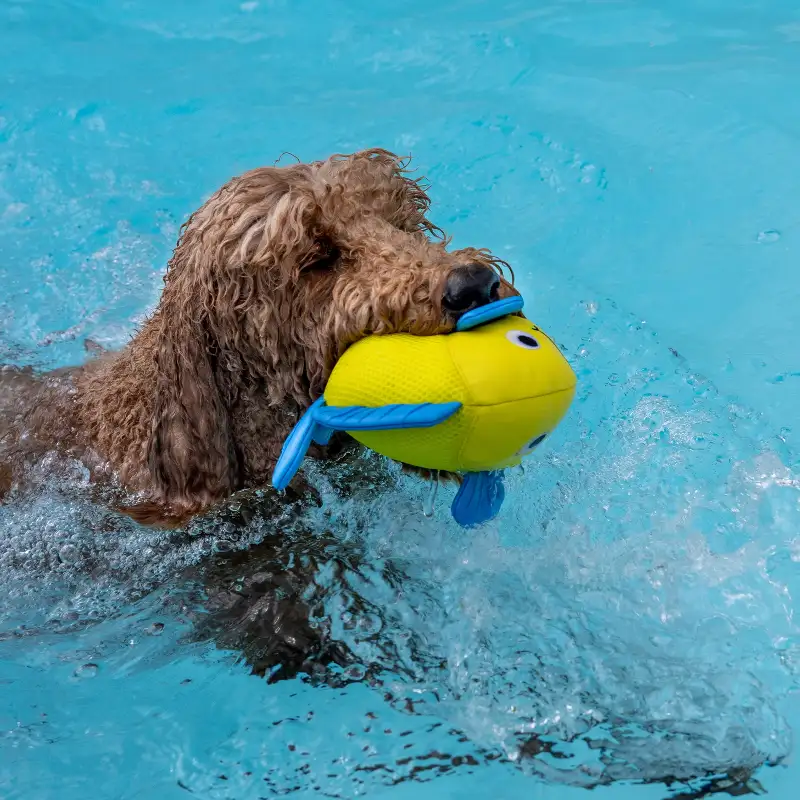
Water toys for dogs that love to splash and play. They keep dogs active and boost stamina.
Plus, they make summer fun. Here's what I like about them:
- Floating Retrieval Toys: These toys use foam or tough rubber. They stay afloat in pools or lakes. I suggest KONG Aqua and Chuckit Amphibious Bumpers. Their bright colors help dogs spot them in water easily.
- Dock Diving & Long-Throw Toys: Chuckit Air Fetch Sticks let you throw farther. They add challenge and excitement. Strong swimmers love these.
- Weighted Water Toys: Tuggo Dog Toys hold water inside. This creates resistance. Your dog gets a better workout and burns more energy.
- Seaflex Water Toys: West Paw makes these. They float well and handle active play all summer long.
Water toys in the types of dog toys category give you great seasonal options. They build stamina and work well for active, water-loving dogs.
14. Interactive Toys
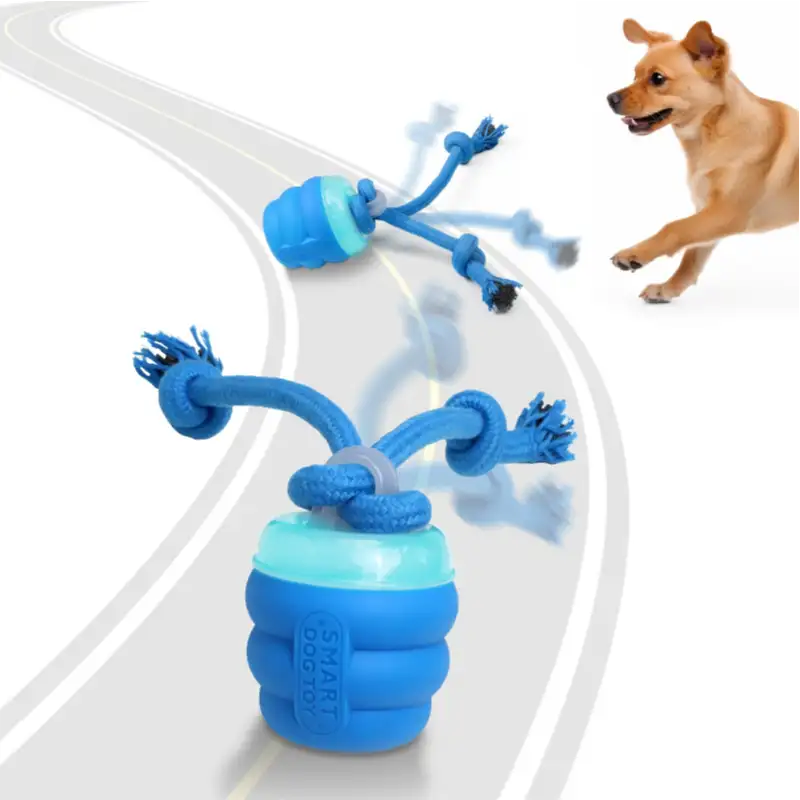
Interactive toys are one of the fastest-growing types in the types of dog toys category. For customers who want smart play that supports good behavior. These toys challenge a dog's mind and body.
- Puzzle toys: Dogs move sliders, flip levers, or rotate parts to find hidden treats. Nina Ottosson is a standout brand. Their puzzles keep even clever dogs busy. They stop dogs from chewing furniture. Also reduce separation anxiety. Dogs stay focused on the puzzle.
- Treat-dispensing toys: KONG dispensers or treat balls reward smart play. They slow down fast eaters. This improves health and cuts the risk of bloat. Owners pay more for these toys. The behavior benefits are clear.
- Hide-and-seek toys: Dogs fetch, pull, or sniff out smaller parts. This taps into their natural foraging instinct. I suggest these because they boost mental activity. They also boost physical activity.
- Responsive toys: Some toys move, make noise, or light up. Dogs touch them and get instant feedback. I find these great for dogs left alone. They stay engaged.
15. Eco-Friendly / Natural Dog Toys
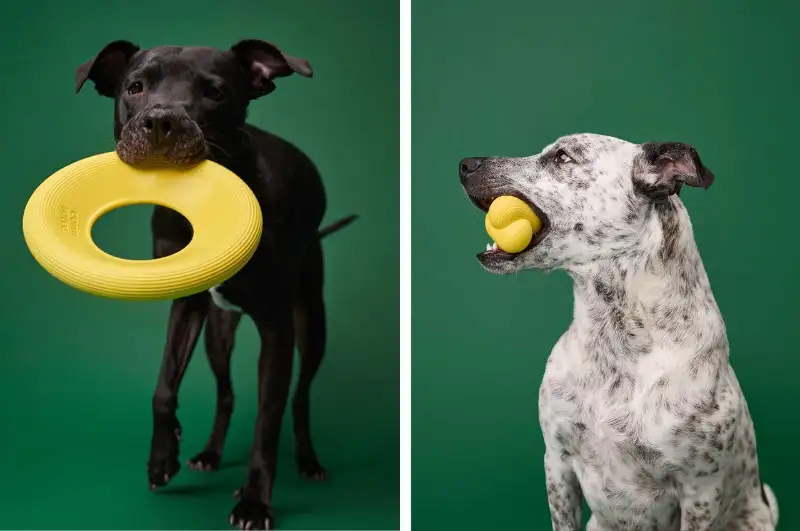
Want to add value with eco-friendly dog toys? These options to make your product line stand out:
- Premium Materials: Choose toys made from hemp, recycled plastics, organic cotton, or natural rubber. West Paw offers "Seaflex" from ocean plastics. Lucas b. makes toys free from BPA and phthalates. I suggest these brands for quality.
- Sustainability Sells: Show your commitment to responsible sourcing and green production. This appeals to buyers who care about the environment. You can charge premium prices for these products.
- Market Differentiation: Eco-friendly toys set your brand apart. West Paw, The Kind Pet, Honest Pet Products, and Jax & Bones succeed with transparent practices. They focus on plastic-free, recycled, or biodegradable toys. I've seen how this approach builds customer loyalty.
- Boost Brand Reputation: Sustainable dog toys reduce environmental impact. They boost consumer trust. Enhance your reputation within the types of dog toys category.
People Also Ask About Types Of Dog Toys
1. What types of dog toys are most popular among small breed dogs?
Small breed dogs often enjoy soft plush toys, lightweight fetch toys, and compact chew toys. They may also like smaller versions of interactive toys that are easy to carry and manipulate.
2. What types of dog toys are suitable for puppies vs. adult dogs?
Puppies benefit from softer chew toys, teething rings, and gentle plush toys, while adults may need more durable options like rubber chew toys, tug ropes, or fetch balls. The key is matching toy durability and size to the dog's age and chewing strength.
3. What types of dog toys are in high demand right now?
Currently, interactive toys, eco-friendly/natural toys, and custom plush toys are seeing strong demand. Consumers are increasingly looking for safe, sustainable, and engaging options that cater to both pet wellness and lifestyle trends.
4. How do I choose the right mix of types of dog toys for my store or e-commerce shop?
Consider your target customer base—breed sizes, buyer demographics, and buying behavior. A balanced inventory typically includes bestsellers like chew toys and plush toys, plus higher-margin items like interactive or customized toys.
Conclusion: Maximizing Success in the Dog Toy Market
When you truly understand the types of dog toys—and what each one means for different dogs, buyers, and business goals—you unlock a world of smarter sourcing, sharper marketing, and stronger sales. It's not just about stocking shelves; it's about curating the right mix that resonates with customers and keeps them coming back.
Whether you're looking to expand your product line, source high-quality private label toys, or develop a unique offering that sets your brand apart, now's the time to act.
Contact us today—as a leading custom dog toy manufacturer, we're ready to help you bring your vision to life. From concept to production, LeelineToys delivers custom plush toys and more, crafted to your exact specifications. Let's build something paws-itively amazing—together.