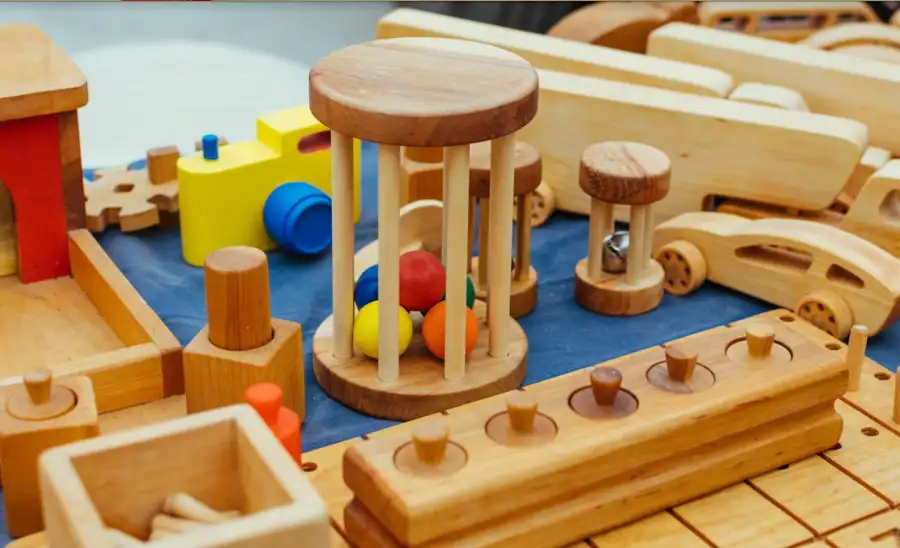

Wooden toys rarely fail on looks. They fail on invisible flaws: moisture content above 12% or toxic finishes that violate CPSC lead standards.
I use this specific wooden toy factory checklist to catch these defects early. This audit protocol helps you verify documents and test samples when vetting a custom wood toy manufacturer. It effectively secures toy ODM/OEM projects found on Alibaba or at trade shows.
Proven Wooden Toy Factory Checklist
Powerful Wooden Toy Factory Checklist – Pass Every Audit
1. Confirm You're Dealing With a Real Factory (Not a Trading Company)
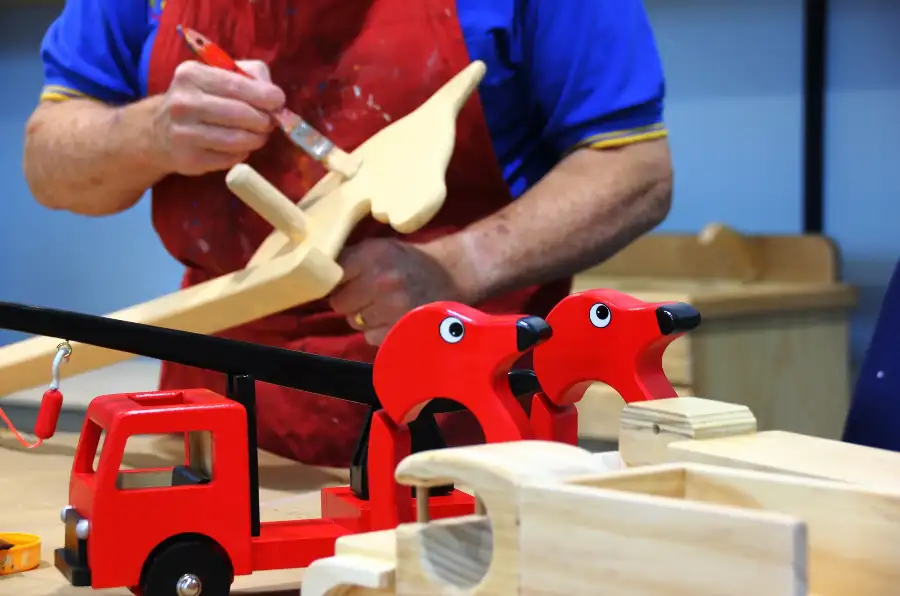
"Our partner factory makes it."
That phrase is code for "I'm a broker." This adds ~20% to your costs and blocks your direct access to engineers.
Check the business license scope immediately. Look for "Production" or "Manufacturing." If you see "Sales" or "Trading," you're paying a middleman.
Next, demand a live video walk-through. Skip recorded tours.
Real wood shops are loud and dusty. When I audit suppliers, I look for:
- Active CNC routers and sanding lines.
- A dedicated curing room for non-toxic finishes.
- Raw lumber stacks (not just finished inventory).
🛡️ Our Verdict: Static photos prove nothing. I once visited a "factory" that was just a showroom. Always request a stamped packing list to verify they actually export. If they hesitate, read our guide on how to find a toy manufacturer.
2. Wood Species + Moisture Content (MC%) Controls (Target 8–12%)
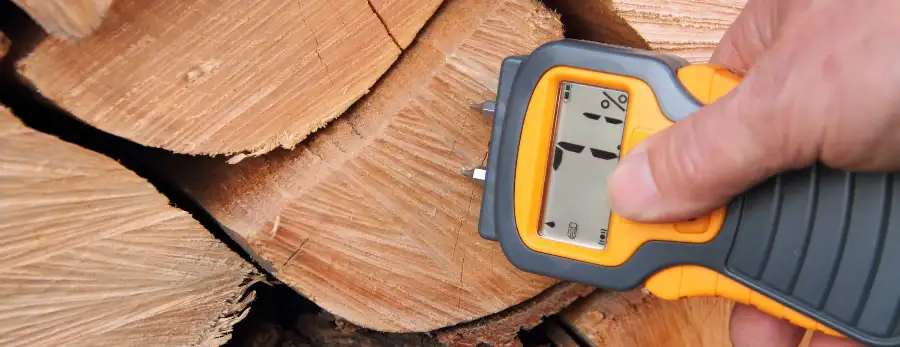
Moisture Content (MC) causes more returns than bad glue. If wood leaves the factory wet, it warps the moment it hits a dry climate.
The Fix: Explicitly state "Kiln-dried, MC 8–12%" on your purchase order.
Never trust internal logs. When I walk a floor, I jam a moisture meter into the center of raw boards, not just the ends.
I also check for "air-drying"—a common cost-cutting shortcut that leaves internal moisture and causes late-stage cracking. Watch for visual defects like resin pockets or unauthorized finger-joints hidden under paint, especially when verifying FSC-certified wooden toys.
🛡️ LeelineToys' Verdict: We mandate a 48-hour conditioning period in the assembly room before processing to prevent swelling. We reject any batch where spot-checks exceed 13%.
3. Sustainability & Ethical Sourcing: FSC Chain of Custody (CoC) + Labor Audits
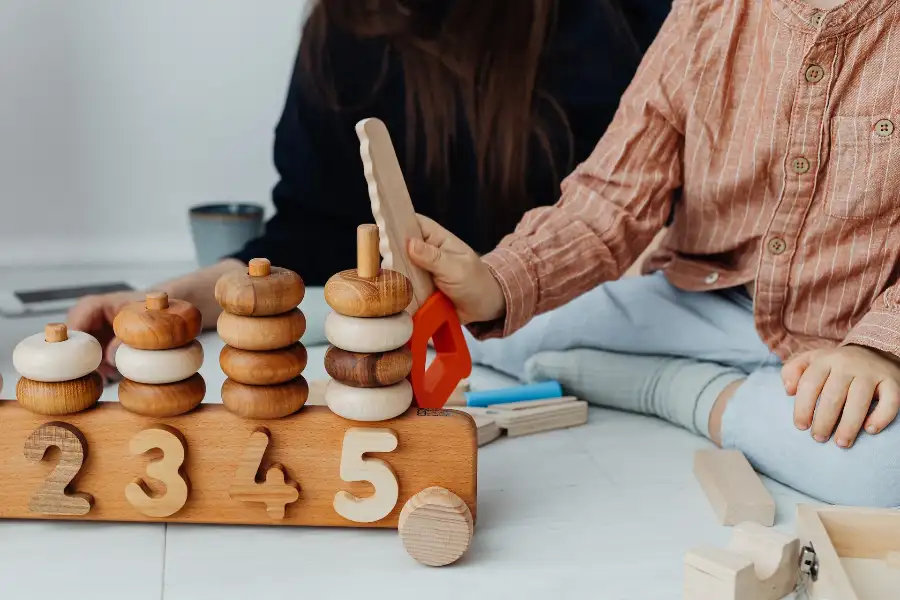
FSC labels are easily faked. You must verify the Chain of Custody (CoC) traces timber directly to your SKU. Never rely on a static PDF.
The Verification Checklist:
- Database Check: Validate the license on the FSC database.
- Scope: Ensure scope covers "wood products," not just "paper packaging."
- Transaction Data: Match certified lumber invoices to your order volume.
Ethical Checks Require amfori BSCI or ICTI audits. When vetting an eco-friendly toy manufacturer, I inspect dust extraction systems. Sawdust buildup without PPE is a major health violation.
🛡️ LeelineToys' Verdict: We audit input versus output. If a factory buys 500kg of certified wood but produces 2,000kg of FSC certified wooden toys, they are blending uncertified timber. We require unique transaction codes for every batch.
4. Paints, Coatings, and Glue: Control the Chemistry
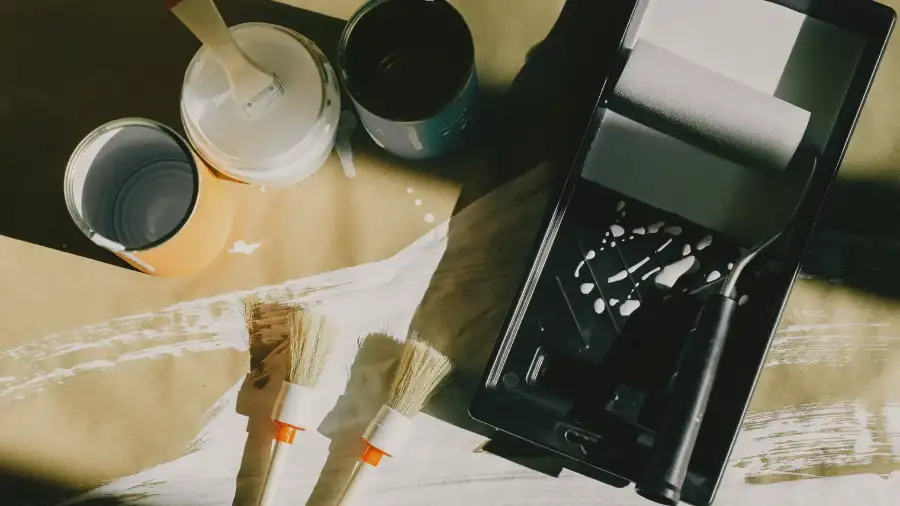
Compliance failures often stem from unauthorized "substitute batches" of glue or finish. You must enforce a strict "No Substitution" policy to prevent factories from using cheaper, toxic alternatives.
- Verify the System: Match every drum's MSDS/SDS and batch number to your approved list.
- Spot Shortcuts: I often see thick lacquer used to mask rough sanding. If the coating obscures the wood grain, investigate the surface prep.
- Audit Tests: Trust your nose. A solvent smell in the drying room means they aren't using the water-based finishes required by global toy safety standards. Perform a cross-hatch adhesion test; if paint peels with tape, curing was rushed.
🛡️ LeelineToys' Verdict: We require a "wet sample" from every production batch for lab testing before assembly begins. If the chemical profile doesn't match the approved spec, we stop the line immediately.
5. Workmanship & Sanding Spec: Make "No Splinters" Measurable
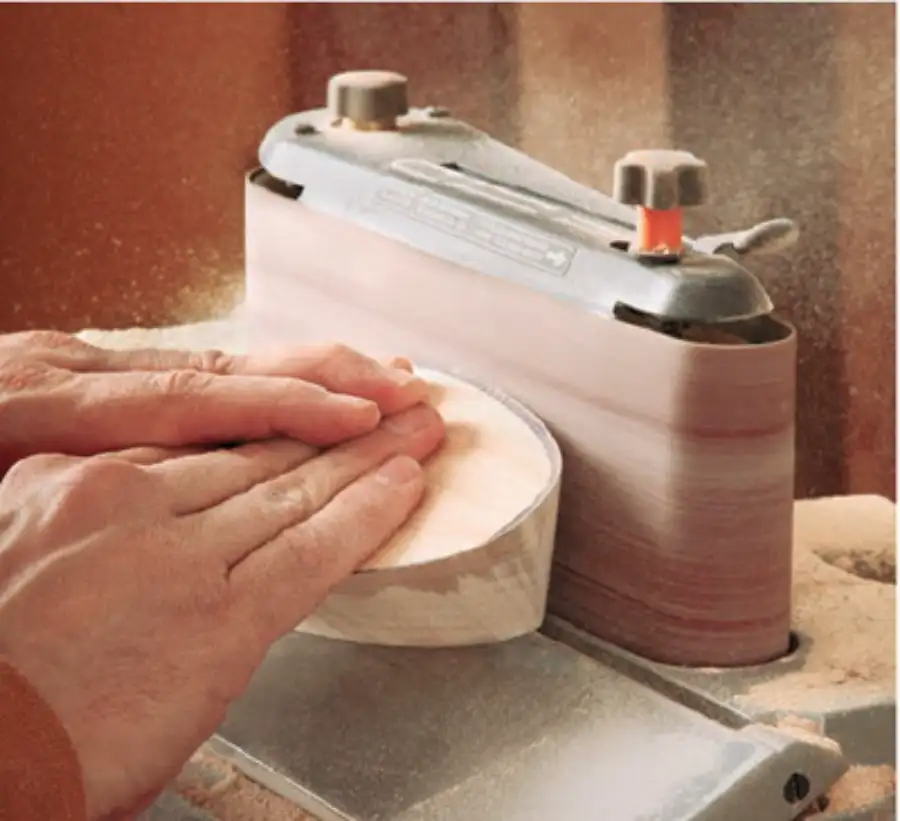
Sanding consumes the most labor, making it the #1 target for cost-cutting. Without a specified sequence, factories often stop at rough sanding. Demand a documented progression: Rough (80 grit) → Medium (120) → Fine (240).
Watch for "chatter marks"—wavy lines from worn belts that show through paint. Also, check for glue squeeze-out; it resists stain and leaves white patches.
Inspection Method: Turn off overhead lights. Shine a flashlight at a low angle across the wood. This "raking light" exposes gouges and scratches that flat lighting hides. Map these gates to your toy production process.
🛡️ LeelineToys' Verdict: We use the "Nylon Test" for edge rounding. Run a sheer nylon stocking over the toy's corners. If the fabric snags, the edge is too sharp. We reject the unit and mandate hand-sanding rework.
6. ASTM F963 + CPSIA + CPC (U.S.) and CE/EN71 (EU): Demand the Right Evidence
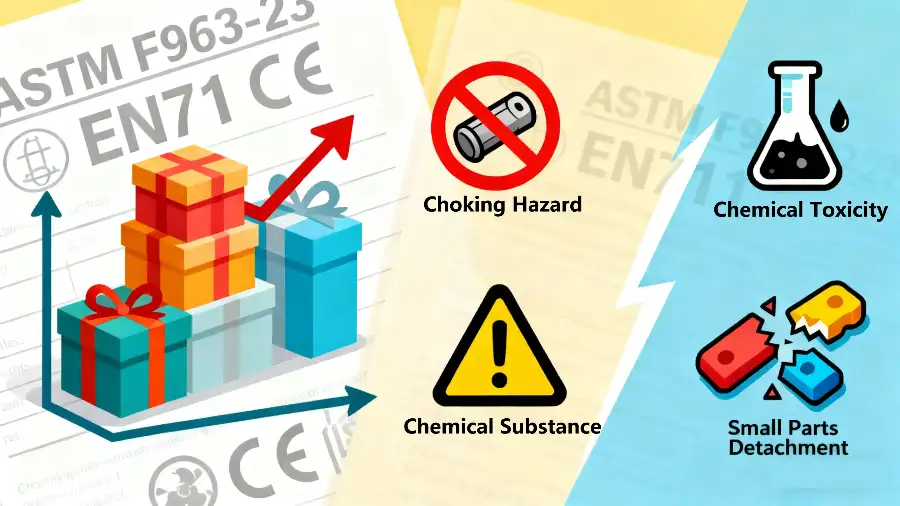
A certificate is just a claim; you need raw data to prove it. For U.S. imports, you cannot author a valid Children's Product Certificate (CPC) without third-party lab reports for ASTM F963 (mechanical) and CPSIA (lead/phthalates). For the EU, scrutinize EN71-3 specifically for chemical migration in paints.
Red Flag: Factories offering "internal pass reports." These are legally worthless. Only accept reports from ISO 17025 accredited labs (like SGS or TUV) linked to your batch, not a recycled report from years ago.
🛡️ LeelineToys' Verdict: We align testing with strict toy age grading guidelines to prevent small parts failures. We also use material "family grouping" to cut lab fees by ~30% while maintaining full traceability.
7. Mechanical Safety Testing (Pull, Torque, Drop)
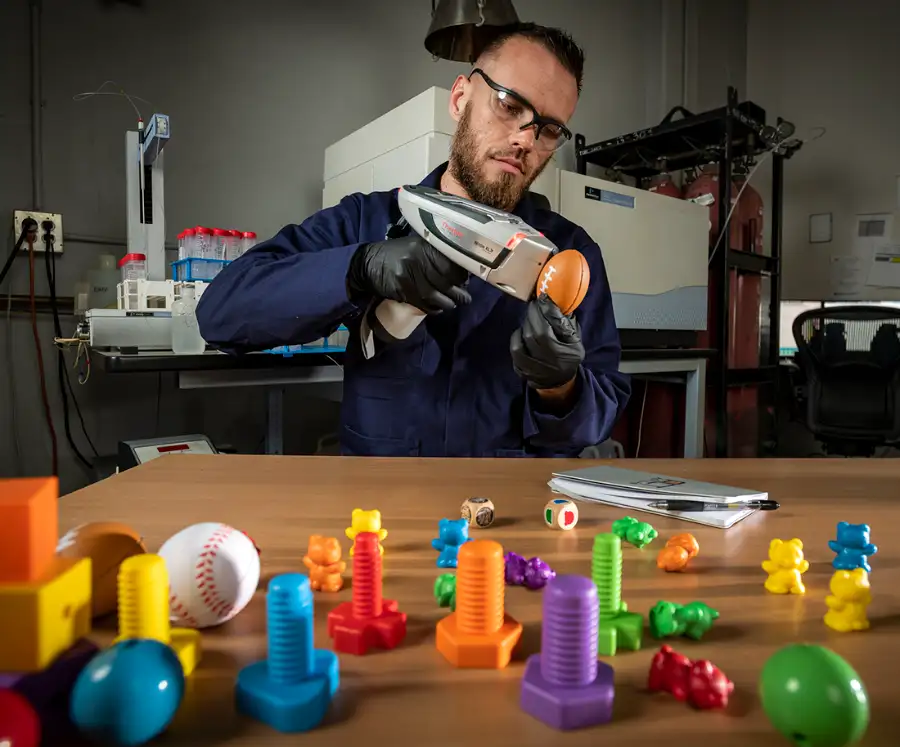
Wooden toys rarely break in the middle; they fail at the joints. Your wooden toy factory checklist must prioritize high-risk areas: glued dowels, screw retention, and wheel axles.
Ask to see the factory's Tension (Pull) and Torque (Twist) fixtures. If they lack calibrated force gauges on the assembly line, they are guessing.
Perform these quick checks:
- Twist wheels: Apply torque. If the axle rotates, the glue hasn't cured.
- Inspect screws: Run your finger over heads. Sharp edges or stripped pilot holes fail audits.
- Spot the shortcut: Watch for "extra glue" filling gaps. Joints must fit tight before adhesive is applied.
🛡️ LeelineToys' Verdict: We test small parts at 90 Newtons of tension. We immediately reject units where glue is used to mask loose joinery, ensuring your products meet global toy safety standards.
8. Factory Environment Audit: Dust, Humidity, and Safety
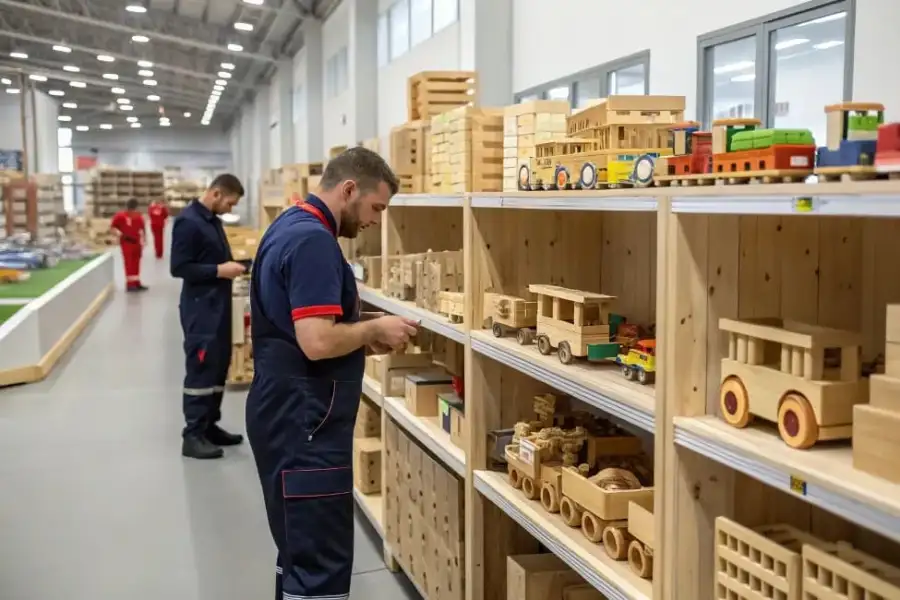
A dirty shop floor ruins wood moisture content (MC%) and creates fire hazards. This isn't just housekeeping. It is a critical quality control checkpoint.
- Observe Extraction: Central vacuum ducts must connect to sanding stations. Open sanding that blows dust onto wet lacquer causes rough finishes and defects.
- Check Humidity: Wood acts like a sponge. I verify raw lumber sits on racks, never directly on concrete. If the room smells like mold, the stock is compromised.
- Verify Safety: Wood dust is explosive. Ensure paints and solvents are stored separately from the cutting floor. Workers must wear masks, and extinguishers cannot be blocked by pallets.
🛡️ Our Verdict: When I audit wooden toy manufacturers in China, I use the "Concrete Test." If I see timber stacked directly on the floor, I walk away. That wood absorbs ground moisture and will warp weeks later in the customer's hands.
9. Pre-Shipment Packaging Audit: Moisture & Drop Tests
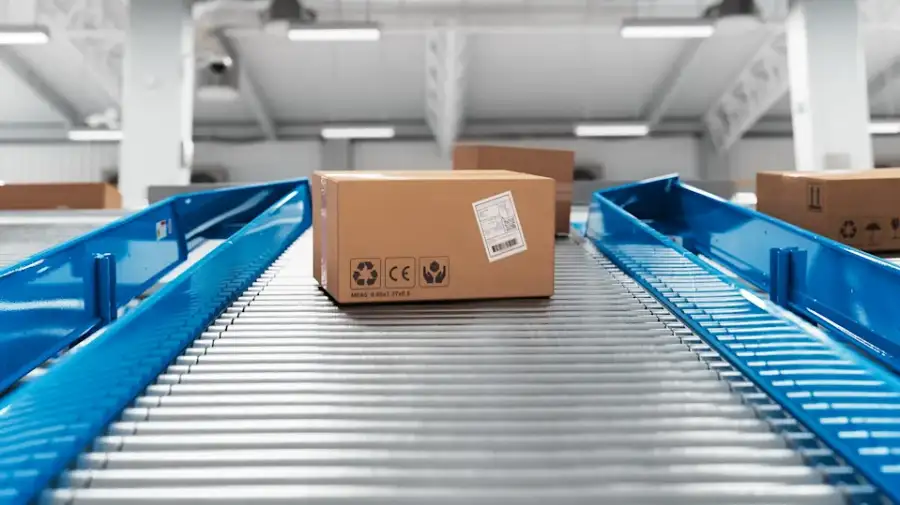
Beautiful samples often hide cheap mass-production realities. I've seen single-wall cardboard collapse under stacking weight, destroying gift boxes before they reach the warehouse.
Your wooden toy factory checklist must mandate 5-ply Master Cartons and hard corner guards. To prevent ocean humidity from swelling the timber, insist on sealed inner film and silica gel packets inside every box. Verify barcode readability and polybag suffocation warnings before the container closes.
Finally, execute the "Reality Test." Drop a fully packed carton from 30 inches onto concrete—on a corner, edge, and face. If it bursts, reject it.
🛡️ LeelineToys' Verdict: We don't guess; we crush. We run compression tests on the bottom pallet layer. If the cardboard GSM is thinner than the toy product packaging sample, we force the factory to repack the entire shipment at their cost.
10. China Toy Factory Inspection Plan: When to Audit, What to Sample, and Who Does It
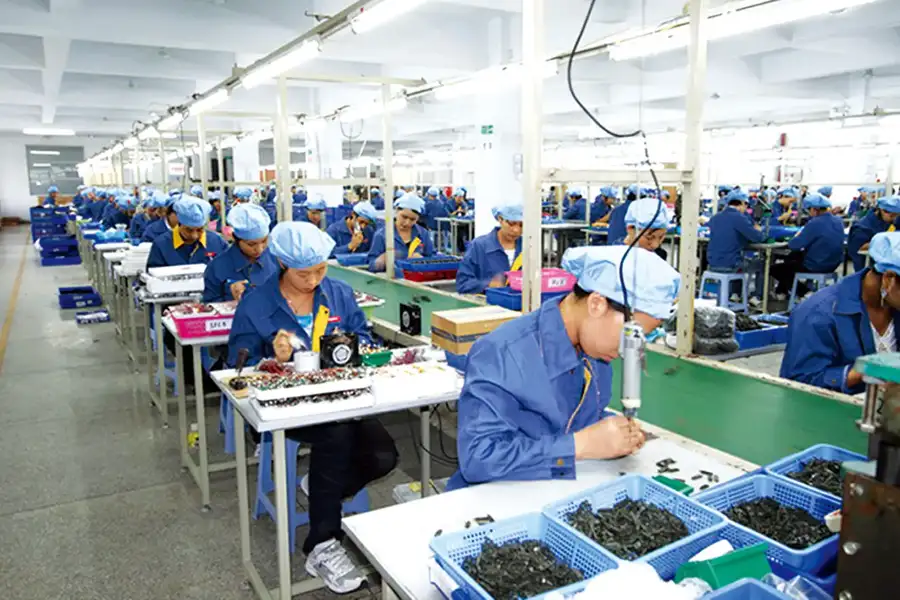
A checklist is useless without a timeline. Turn your wooden toy factory checklist into an inspection calendar tied to specific production gates:
- Pre-production: Verify raw materials, lead-free paints, and timber moisture content (MC%).
- Inline (20% complete): Check sanding smoothness, assembly gaps, and glued joints.
- Final: Conduct a Final Random Inspection (FRI) using AQL standards before packing.
- Loading: Supervise container sealing to prevent cargo swapping.
Focus sampling on high-risk components—wheel axles, magnets, and small parts—rather than safe blocks. If you can't visit, hire independent auditors like QIMA for speed. This oversight is a key variable in the US vs China toy manufacturing decision.
🛡️ LeelineToys' Verdict: If a factory blocks your inspector, walk away. We invite external auditors because they validate our internal QC data. Resistance usually indicates they are hiding unsegregated defect lots.
Action Plan: The Factory Vetting Scorecard
Stop guessing. Use this scorecard to grade potential partners objectively. Do not rely on a sales pitch.
The Scoring Model
- 0 Points: No proof provided.
- 1 Point: Vague claims (e.g., "We have high standards").
- 2 Points: Verified evidence (Photos, Logs, Lab Reports).
Pass Threshold: 12/16 points. If a supplier scores lower, find a new partner.
Phase 1: Spot the "Broker" Trap
Brokers add 20% to your cost. They also block your access to engineers. Use this table to identify who you are really talking to.
| Feature | Real Custom Manufacturer | Trading Company (Broker) |
|---|---|---|
| Equipment | Owns molds and CNC machines. | "Partner factory" owns them. |
| Communication | Direct access to toy production process engineers. | Sales rep translates everything. |
| Pricing | Transparent breakdown (Materials + Labor). | "All-in" price per unit only. |
| Accountability | Signs the CAPA (Corrective Action). | Cannot enforce fixes. |
Our Experience. In our custom toy manufacturing tests, brokers often refuse to sign quality agreements. They simply cannot control the factory floor. A real factory will sign the paper.
Phase 2: The Copy-Paste Vetting Template
Copy this list. Send it to your contact. Require them to fill it out with attached proof.
1. Supplier Identity
- Business License: Check the "Scope of Business" line. It must say "Manufacturing" or "Production."
- Live Verification: Request a video call. Ask to see the production line. Compare their setup to manufacturers in India or Thailand.
2. Material Control
- Wood Logs: Request photos of moisture meter readings. Target 8–12% moisture content. Wet wood warps during shipping.
- Chemical Safety: Demand batch receipts for non-toxic glue and paint.
3. Compliance Pack
- Safety Reports: Request PDF copies of ASTM F963 (USA) or EN71 (EU) tests from the last 12 months. Visit our safety standards hub for details.
- Lab Data: Ensure test results link to your specific SKU.
4. Process & Packaging
- QC Records: Ask for last month's internal defect log.
- Sanding Spec: Confirm grit steps (e.g., 80 to 240 grit).
- Transit Safety: Verify desiccant use. Request ISTA 1A drop test results.
5. Ethical Sourcing
- Forestry: Validate their FSC Chain of Custody code.
- Labor: Request a current BSCI or SMETA audit report.
6. Communication Speed
- Response Time: Test them. They must reply within 24 hours on weekdays.
7. Global Benchmarks
Ready to Build?
Send us your spec sheet. We operate with full transparency. You get direct access to our engineers and toy ODM/OEM teams.
Start Your Project with LeelineToys
People Also Ask About Wooden Toy Factory Checklist
1. What wood moisture content should I require for wooden toys?
You must specify 8–12% moisture content (MC) on your Purchase Order. If you do not define it, factories often ship "air-dried" wood at 15–18%.
In my experience, wood above 12% shrinks when it reaches dry climates like Arizona or Nevada. This causes paint to crack and joints to snap weeks after delivery.
2. How do I verify an FSC claim is real?
Do not trust a PDF certificate alone. I verify the license code in the FSC Public Search database to check the "Scope." Many factories are certified for paper packaging but not the wood toy itself. For full compliance, require transaction documents that link the certified lumber invoices directly to your specific batch volume.
3. Do I need ASTM F963 testing if I sell in the U.S.?
Yes, the U.S. importer is legally responsible for this. You cannot create a valid Children's Product Certificate (CPC) without passing third-party lab tests for ASTM F963 (mechanical hazards) and CPSIA (lead/phthalates). Customs agents often detain shipments that lack these specific test reports.
4. How often should I inspect a China wooden toy factory?
Inspect every stage for the first order: pre-production (materials), inline (assembly), and final (packaging). Once a supplier proves stable, we switch to "Final Random Inspection" (FRI) based on AQL standards.
Never skip the pre-shipment check. It is your last chance to catch defects before you pay the final balance.
5. Can a factory's "EN71/ASTM report" cover all my SKUs forever?
No. Test reports apply only to the specific material and design tested.
If you change a paint color or glue supplier, the old report is void. Also, strict toy age grading guidelines might require different tests for small parts if you shift the target age from 3+ to 18 months+.
If you want us to review your checklist or spec sheet before you place a PO, contact our engineering team today.