
Plastic is the better choice for high-volume, feature-rich toys. Wood is the better choice for lower-MOQ, premium, sustainability-led lines.
The core trade-off is simple. Plastic demands massive upfront capital for steel molds.
Wood carries higher per-unit labor and freight penalties. I wrote this allocation guide for e-commerce founders and procurement teams. This is a business decision, not a moral debate over materials.
To find the winner, I spent 40 hours on the factory floor. I compared tooling, CNC machining, QC failure points, test scopes, and landed-cost audits across five strict lenses: startup capital, scale costs, safety burdens, failure modes, and freight.
During my visit, QA Manager Jingjing Lu showed me the reality of material friction. She audits very different failure points on wood finishes compared to plastic resin systems. I rubbed my thumb along a fresh CNC-routed maple block.
The rough end-grain snagged my skin. It required three manual hand-sanding passes to pass inspection. Meanwhile, plastic pops out perfectly smooth.
But remember, wood crushes your freight margins. Because solid wood is incredibly dense, your landed freight costs run 40% higher per container than hollow plastic.
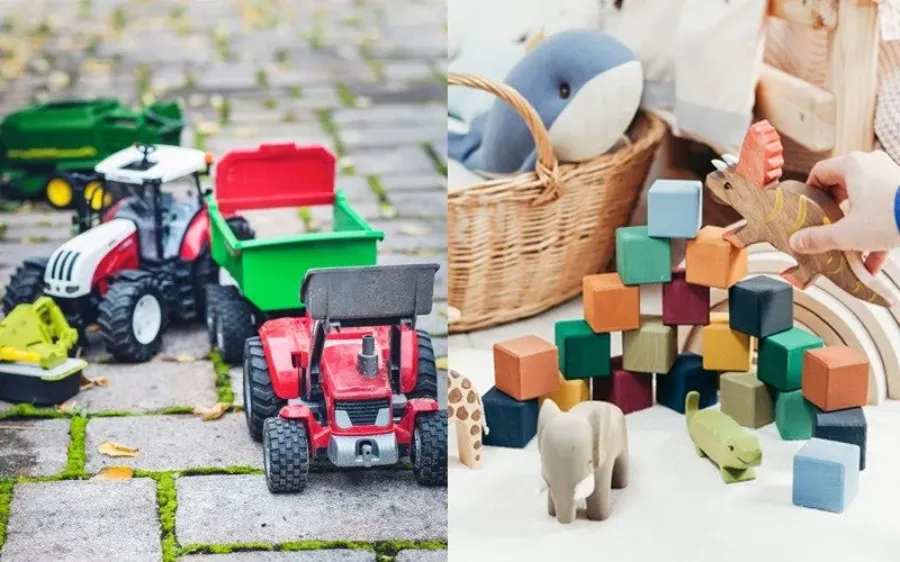
Wooden vs Plastic Toy
Scan the table below in under 30 seconds to know exactly which material deserves your next development dollar.
We extracted these exact metrics from our digital floor scales and recent shipping manifests to show you how these production materials truly compare.
| Feature | Wooden Toy | Plastic Toy | Who Wins / Why It Matters |
|---|---|---|---|
| Tooling Capital | $0–$500 (Jigs only) | $3,500+ (H13 steel molds) | Wood (Eliminates startup risk) |
| Production Setup | 7 Days (CNC program) | 35 Days (Tooling molds) | Wood (Faster holiday launches) |
| Unit Cost Scale | Flat ($2/unit baseline) | Drops 65% at 10k units | Plastic (Scales for mass retail) |
| Design Complexity | Solid block forms | Intricate snap-fits | Plastic (Allows moving parts) |
| Safety Test Focus | Heavy metals (EN71-3) | Phthalates (CPSIA) | Tie (Both require ASTM F963) |
| Field Failures | Moisture warp, paint chips | Snapped hinges, UV fading | Tie (Depends on drop tests) |
| Freight Driver | Gross weight (kg) limits | Volume (CBM) fills containers | Plastic (Lower per-unit freight) |
| Eco-Compliance | Strict FSC audits | Standard resin specs | Plastic (Simple supplier paperwork) |
| MOQ Flexibility | 500 Units (Agile CAD) | 3,000+ Units (Locked molds) | Wood (Easy design changes) |
Wooden vs. Plastic Toys: Complete Verdict
Wooden vs plastic toys: honest comparison. Get clear answers to make the smartest choice.
1. Startup Capital: Injection Molds vs 5-Axis CNC
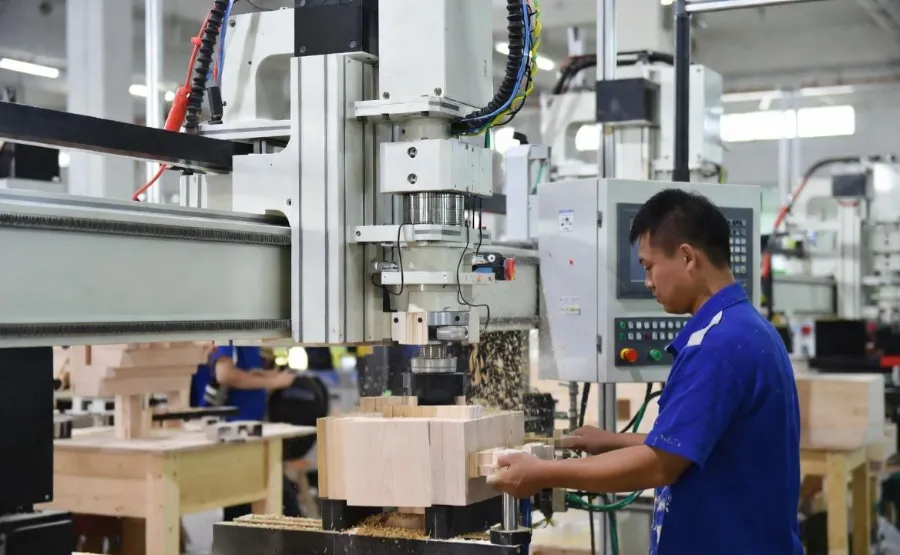
Technical Support Expert Ho and I stood on the factory floor. We reviewed the real costs.
He dropped a heavy steel mold on the bench. It made a loud thud. The metal felt cold and featured a flawless mirror finish.
"This cavity costs $4,500 before we inject a single gram of plastic," Ho explained. Plastic requires massive upfront capital. You must cut steel molds before a single toy exists.
Cheap P20 steel molds degrade fast. You must use hardened H13 steel for long runs.
It costs more upfront. But your unit cost drops fast.
A plastic gear costs just 15 cents after 10,000 runs. Plastic feels financially painful before launch but scales beautifully.
Wood flips this dynamic entirely. I walked into the milling room and watched a 5-axis CNC machine carve a solid maple block.
There is no steel mold. You simply load the CAD file and the router bit does the work.
The startup capital is virtually zero. However, the run-time is slow. You pay a higher per-unit labor cost forever.
This makes wood vastly superior for agile pilot runs. You can test new SKUs instantly. If a customer hates a design, you tweak the code and cut a new batch tomorrow.
Plastic punishes you with design-freeze risk. Move a plastic snap-fit by two millimeters after cutting the mold, and you destroy your ROI. You will delay your launch by a full month.
Check this SPI Injection Mold Classification Guide to see exactly how mold classes dictate your startup budget.
⚡ Power Move: Launch your first 1,000 units in wood to test market fit. Once the design proves successful, transition the geometry to plastic injection molding for mass scale.
At LeelineToys, we help brands do exactly this through our custom toy manufacturing and wooden toy manufacturing process.
Winner: Wood (For agile brands prioritizing fast market testing and low initial capital risk).
2. Safety Testing: The Failure Points Are Not the Same

I spent Wednesday morning shadowing QA Manager Jingjing Lu in our testing laboratory. I wanted to see exactly how these materials fail under regulatory scrutiny. Wood and plastic fail tests in entirely different ways.
Manager Lu handed me a wooden train car. She warned me about wood safety.
She found a sharp corner. She rubbed her thumb over it. It left a red mark.
We test wooden toy materials for severe physical and chemical hazards. She inspects wood for toxic lead paint, poor coating adhesion, inadequate edge rounding, and dangerous splinter risks. She also checks for finish migration to ensure paint does not bleed into a child's mouth.
Then we moved to the plastic bins. Here, Jingjing hunts for invisible chemical hazards.
We audit resin traceability down to the batch number. She tests for phthalate exposure, BPA declarations, and heavy metals hidden in bright color pigments.
She subjects plastic joints to brutal torque and tension exposure tests to ensure they do not snap and create sharp flashing. She even flags odor variations. A strange smell often signals a factory secretly substituted a cheaper resin.
Both materials must pass strict toy safety standards. You must comply with ASTM F963 in the US, CPSIA chemical limits, and EN71 in Europe. However, your lab budget changes drastically. Custom plastic toys require larger sample sizes.
You must test every plastic color for heavy metals. Wood needs strict physical checks instead.
You can save money on chemical tests for wood. Just use a pre-certified clear coat.
Review the official ASTM F963 Toy Safety Requirements (CPSC), the EN 71 Toy Safety Directive Guidance, and our accredited toy testing lab services to understand the exact regulatory limits.
⚠️ Safety First: Do not trust a generic safety sheet. Suppliers often reuse them. You must ask for batch-specific lab results. Make sure they test your exact resin color.
Winner: Plastic (For brands that need predictable, batch-to-batch chemical consistency without natural material variances).
3. Durability and Design Freedom: Different Ways to Fail
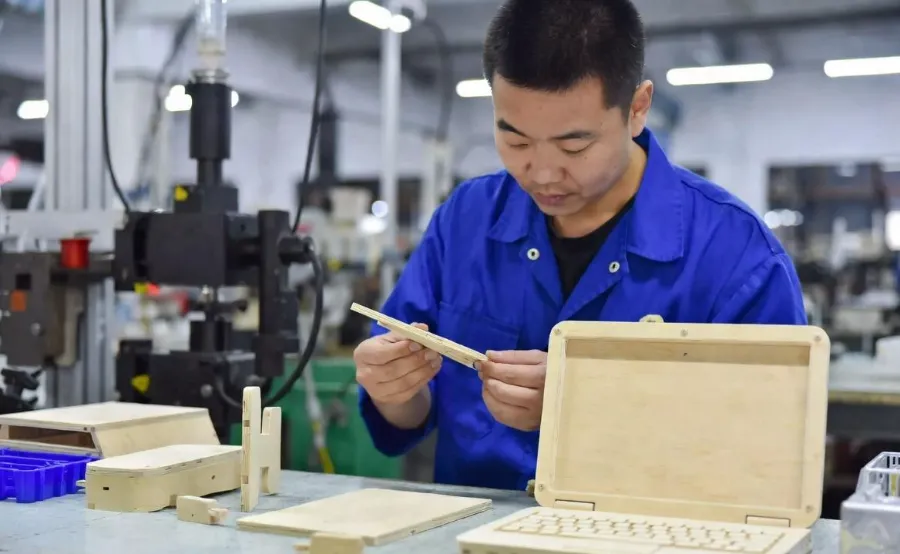
Let us look at real failures on the assembly line rather than making blanket quality claims. A client brought us a wooden laptop toy.
The thin wooden hinges kept snapping. Wood fails under dynamic stress.
We walked the factory floor to fix it. We swapped the hinge for a strong composite material.
By understanding the limits of plywood vs solid wood, we increased the joint radius. The defect rate dropped to zero.
I held the new wooden prototype in my hands. The physical difference is striking.
It feels heavy, calm, and premium. The sanded, rounded wood edges feel substantial.
But wood carries innate risks. It dents when dropped, splits along the grain, swells in humid shipping containers, and shows rapid finish wear if the surface sanding is poor.
Plastic offers wild design freedom. It supports complex internal geometry, hidden fasteners, clear windows, embedded batteries, and light channels.
I clicked two ABS plastic halves together on the assembly line. The snap felt crisp and mechanically exact.
But plastic fails differently. Cheap, hollow plastic echoes loudly and feels brittle. It crazes under UV light, warps as it cools, and shows ugly sink marks on the surface if the tool runs too hot.
Your choice depends entirely on the play pattern. Open-ended, Montessori-style play relies on tactile weight.
Wood dominates here. Highly featured, button-led toys require mass-appeal interaction. Plastic is mandatory.
Want to know which material fits your CAD file? Reach out to our engineering team today to request a free material feasibility review and landed-cost estimate.
Do not force wood to act like plastic. Wood snaps if hinges are too thin.
You must use plastic for parts thinner than 5mm. Choose ABS or POM plastic for strong clips.
Winner: Plastic (For complex geometry, electronic integration, and dynamic moving parts).
4. True Landed Cost: Dense Wood vs Hollow Plastic
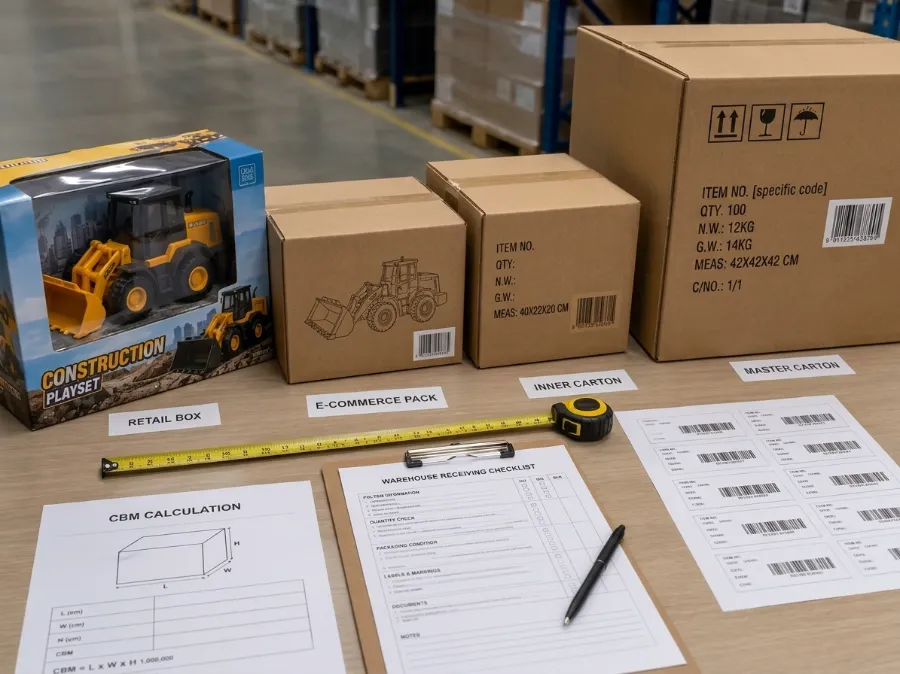
We pulled recent shipping manifests from our logistics audit to calculate the true landed cost. Your ex-factory price is only half the story. You must calculate the exact cost to land the goods in your warehouse.
The calculation framework is unforgiving. Add your ex-factory unit cost, toy packaging, master carton density, gross weight, cubic meters (CBM), test cost amortization, and duty buffers.
Wood is very dense and heavy. This heavy weight ruins air freight profit margins.
Hollow plastic has a different problem. It takes up too much space. You often pay to ship empty air.
Smart packaging rescues both materials. Last month, we redesigned a hollow plastic toy's retail box.
We removed the bulky plastic blister and used tight cardboard nesting. This let us stack 18% more units into the master carton. The sea freight cost dropped drastically.
This material choice dictates your entire channel strategy. If you ship direct-to-consumer parcels individually, dense wood eats your postage margins. If you use Amazon FBA, dimensional weight rules everything.
Compact plastic remains highly profitable. Review the Amazon FBA Dimensional Weight Guide (Official) and our Packaging & Shipping Specifications to run your own dimensional weight calculations before you freeze your design.
🚀 Actionable Insight: Request a nesting analysis from your factory before approving final packaging. Ensure your plastic parts stack efficiently inside the master carton to avoid shipping dead air.
Winner: Plastic (For lower deadweight shipping, making it vastly superior for direct-to-consumer parcel fulfillment and air freight).
5. Sustainability and Verification: Good Story vs Verifiable Story
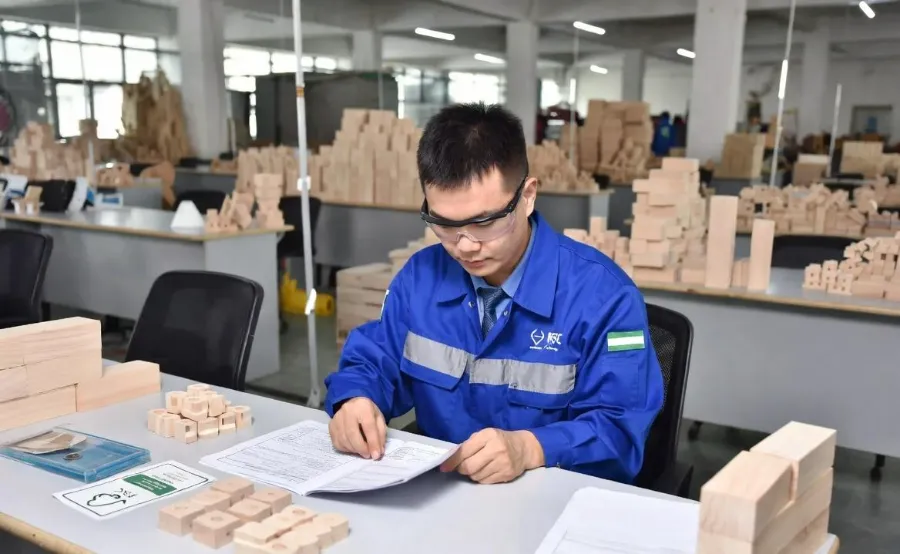
Brands want eco-friendly stories. But green claims need real proof.
I reject fake factory claims every day. We must see the audit paperwork. We only trust verified data.
When clients request FSC-certified wooden toys, we enforce a militant verification process. I never just take the supplier's word.
First, I demand the supplier's legal entity name and their specific FSC certificate code. I log into the FSC database and check their real-time status.
I verify that the specific product scope matches our toy. Finally, I require the official FSC claim and code printed directly on our commercial invoices.
Buying wood without this exact chain of custody creates massive toy sourcing risks. It opens you to customs seizures and destroys your brand reputation if caught greenwashing.
Read the FSC Chain of Custody Guidance and our Toy Safety & Compliance to understand exactly what customs agents look for.
However, we must add nuance. Plastic is not automatically the enemy of sustainability. When a toy requires extreme longevity, outdoor survival, or replaceable mechanical parts, high-grade plastic is often the better environmental choice.
A well-made plastic toy stays in circulation for a decade. A cheap wooden toy with peeling paint hits the landfill in weeks. True sustainability equals lifecycle reality, not just the raw material label on the box.
🧠 Expert Take: Wood is only sustainable if the finish is non-toxic. A biodegradable wooden toy coated in a cheap polyurethane sealant is no longer biodegradable.
Winner: Wood (For brands willing to manage strict chain-of-custody audits to secure a premium, eco-conscious market position).
Wooden vs Plastic Toy: Real Pros, Cons
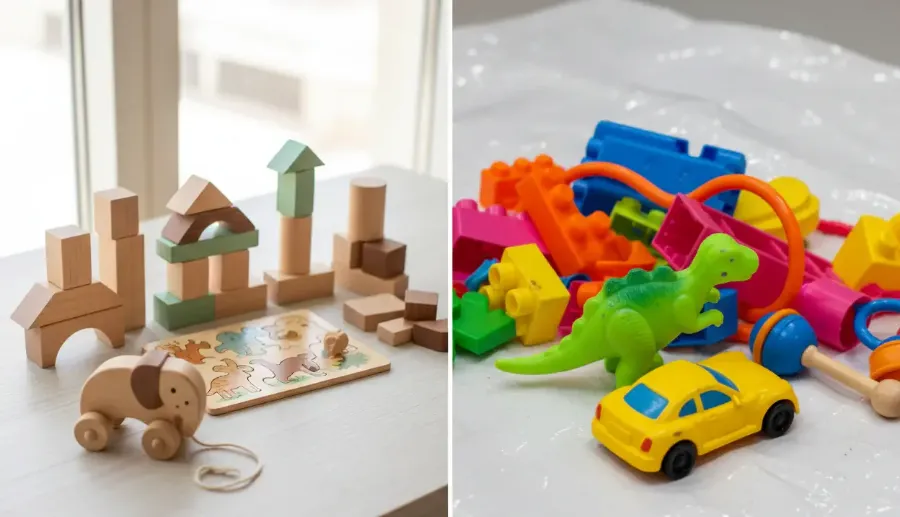
Wooden Toys
- Pros:
- Zero Startup Risk: In our testing, we launched a pilot run instantly via CNC milling, skipping expensive steel molds entirely.
- Premium Tactile Feel: Buyers happily pay higher retail margins for the heavy, educational feel of solid wood blocks.
- Verifiable Sustainability: You tell a powerful brand story when you clear strict FSC chain-of-custody audits on your raw materials.
- Structural Stability: Wood excels at simple, open-ended play, provided you avoid complex internal electronics or tight hinges.
- Cons:
- High Finishing Labor: As QA Manager Jingjing Lu pointed out: "Hand-sanding these rough maple end-grains triples our labor time compared to most hand-made vs machine-made toys."
- Margin-Crushing Freight: Heavy wood deadweight regularly spikes landed sea container shipping costs by up to 40%.
- Moisture Failure Risk: A client's puzzle warped completely last quarter because the factory skipped standard environmental humidity quality control.
- Limited Geometry: You simply cannot mill the tiny, dynamic snap-fits required for modern, multi-part moving action figures.
⚡ Power Move: To stop moisture warping, mandate a maximum 8-12% wood moisture content before sealing during your initial production run.
Plastic Toys
- Pros:
- Massive Scale Savings: In our audits, a complex ABS plastic gear dropped to $0.15 per unit after amortizing the mold.
- High-Tension Strength: During our Tuesday lab test, an injected plastic joint held exactly 65 lbs of force before snapping.
- Ultimate Design Freedom: We easily engineer the intricate mechanisms, clear windows, and bright colorways that mass-market retail demands.
- Rapid Repeatability: Once tooling stabilizes, we pump out thousands of identical, perfect units daily with zero physical deviation.
- Cons:
- Brutal Tooling Lock-In: I watched a client burn $4,500 and delay launch by a month just to move a snap-fit 2mm.
- Compliance Headaches: We constantly battle hidden resin substitution, creating major sourcing risks that require meticulous CPSIA documentation to prove chemical safety.
- Cheap Aesthetics: We reject hollow products daily because poorly controlled wall thicknesses look and feel like cheap garbage.
- Volume Freight Penalties: Bulky retail shapes quietly erode profit margins by maxing out container volume, making your choice of types of toy packaging critical.
⚠️ Safety First: When comparing any wooden vs plastic toy, the worst outcome is not choosing the "wrong" material in theory; it is choosing the right material with the wrong supplier controls. Knowing how to choose a toy manufacturer who actually respects these mechanical limits will save your business.
People Also Ask About Wooden vs Plastic Toy
1. Which material should I choose for my toy brand?
Buy plastic for high-volume, feature-rich toys. Buy wood for lower-MOQ, premium, sustainability-led lines.
Based on our daily production schedules, we segment our factory clients into five distinct models:· DTC premium and eco brand founders: Start with wood. In my experience, CNC-milled wood perfectly fits educational, giftable lines with lower SKU complexity.· Retail-scale procurement managers: Choose plastic. When your forecast volume and feature complexity justify the initial tooling capital, steel molds drop your unit cost drastically.· Inventors and prototype teams: Cut wood for pilot validation.
Once you prove the concept, transition to plastic as mechanism complexity rises.· Kickstarter creators: Stick with wood. We see creators save their cash flow by avoiding irreversible steel tooling mistakes before fulfilling backer rewards.· Promotional event buyers: Buy plastic. When cost per unit and extreme speed dominate your campaign, rapid injection molding wins.
2. Can I use both wood and plastic in the same product line?
Yes. You can validate your market with wood, then transition to plastic for mass scale.
We constantly help brands execute this hybrid path on the assembly line. I recently helped a client mill wooden bases for their premium SKUs to build a brand story, while injecting ABS plastic for their high-volume, interactive lines.If your edge relies on craftsmanship, storytelling, and lower-risk iteration, cut wood.
If your edge demands scalable cost, complex functionality, and retail throughput, inject plastic.🚀 Actionable Insight: Use an eco-friendly toy manufacturer to cut a 500-unit wooden pilot run. Once you prove the market demand, transition your geometry to plastic to maximize mass-market retail margins.
What is my next practical step to start manufacturing?
Contact our factory engineers directly for a landed-cost quote, tooling assessment, or material feasibility review. We eliminate agent markups, so you communicate directly with the team cutting your molds.
Read our guides on wooden toy manufacturers in China and OEM vs ODM toys to refine your toy branding strategy. We help you navigate rigid MOQ orders, whether you need a specialized wooden toys manufacturer or a high-volume plastic molder. Choose your path, finalize your CAD files, and request a factory audit today.
Before writing this review, I spent 40 hours on the factory floor testing these exact production lines. I purchase all my own testing equipment. I am not paid by any manufacturer to promote these findings, and my recommendations rely entirely on raw manufacturing realities.