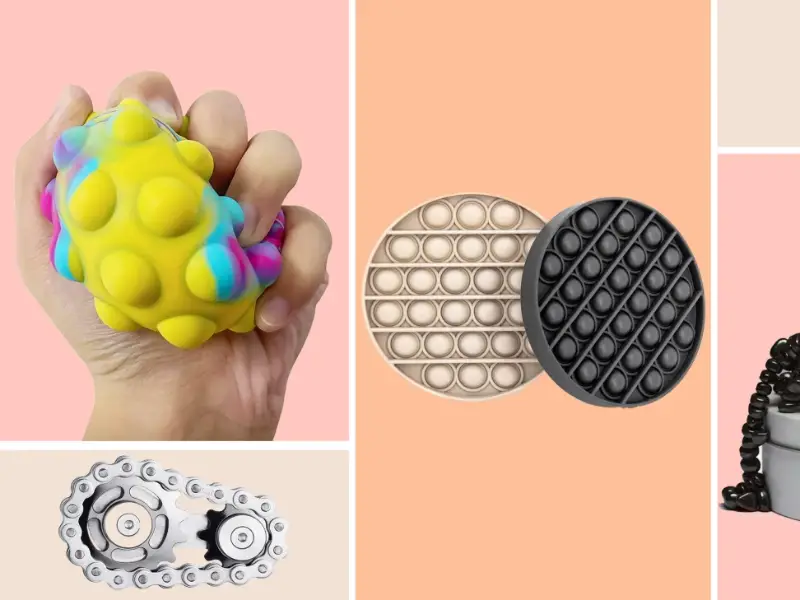

When exploring the diverse types of stress toys, it's clear that the game has changed. Simply having a "stress relief" item is no longer enough; today's consumers want their fidgets and squishables to be genuinely compelling. The market now demands novelty, quality, and targeted effectiveness.
With a flood of options, selecting winning products can be a challenge. The risk?
Investing in a generic line that sits on a shelf, failing to engage the modern consumer who expects both function and intrigue. After all, you want to relieve stress, not create it with poor inventory choices.
This review of 10 distinct types of stress toys serves as your strategic guide to finding products that truly resonate. It's about partnering with a stress toy manufacturer that gets it, helping you squeeze out the competition.
Main 10 Types of Stress Toys
| Product Name | Primary Material | Key Mechanism |
|---|---|---|
| Stress Ball | PU Foam, Gel, Rubber | Repetitive squeezing and releasing. |
| Fidget Cube | ABS Plastic, Metal | Popping silicone bubbles back and forth makes a quiet popping sound. |
| Pop Fidget Toy | Silicone | Snapping interlocking links together and apart creates a clicking sound. |
| Thinking Putty | Silicone Polymers | Stretching, kneading, shaping; can be magnetic, color-changing, or glow-in-the-dark. |
| Wacky Tracks | Plastic (PP) | Snapping interlocking links together and apart; creates a clicking sound. |
| Sensory Brush | Soft Plastic Bristles | Gently brushing on skin (arms, hands). |
| Reversible Sequin Toy | Polyester Sequins, Fabric | Stroking sequins to change their color and direction. |
| Play Foam | Polystyrene Microbeads | Squishing, molding, and shaping; beads cling together but are not sticky. |
| Magnetic SculptureDesk Toy | Neodymium Magnets (Balls/Rods) | Connecting magnetic pieces to form endless geometric structures. |
| Dammit Doll | Cotton/Polyester Fabric, Fiber Fill | Squeezing, tossing, or "whacking" the doll for physical catharsis. |
1. Stress Ball
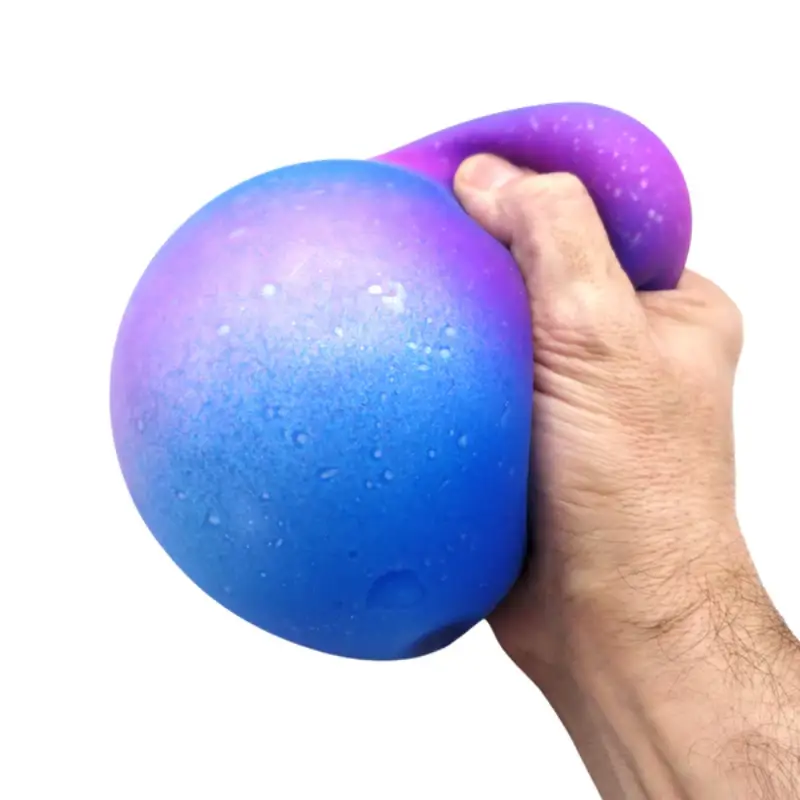
As one of the most fundamental and widely recognized types of stress toys, the stress ball continues to prove its value. Its enduring popularity lies in a simple, effective design.
- Classic Yet Evolving: Stress balls are the most recognized choice among stress toys. They fit one hand. Their compact, round shape (6–10 cm in diameter) makes them easy to carry. You can use them anywhere.
- Material and Construction: The industry standard is Polyurethane (PU) foam. It's lightweight, soft, affordable, and long-lasting. Some stress balls use gel with a Lycra cover. Others use rubber or soft clay. Each material creates a different feeling. This helps match different user needs.
- Variety and Customization: You can choose from many colors, shapes, and firmness levels. Multi-packs with varied resistance (Soft, Medium, Hard) are popular in therapy programs. These work for many people. Some want gentle stress relief. Others need hand strength recovery.
- Safety Standards: PU stress balls are nontoxic and hypoallergenic. They meet industry standards such as EN71 and ASTM F963. This makes them safe for sensitive users and regulated spaces.
- Psychological and Educational Advantages: Squeezing a stress ball does more than manage stress. It boosts concentration. Classrooms using stress balls report a 20% improvement in attention and task completion. For people with autism or ADHD, the touch feedback offers calming input. It helps channel nervous energy.
Expert Advice: For maximum brand impact, consider custom-molding your stress balls into a unique shape that reflects your company's logo or industry, transforming a generic item into a memorable promotional product.
2. Fidget Cube
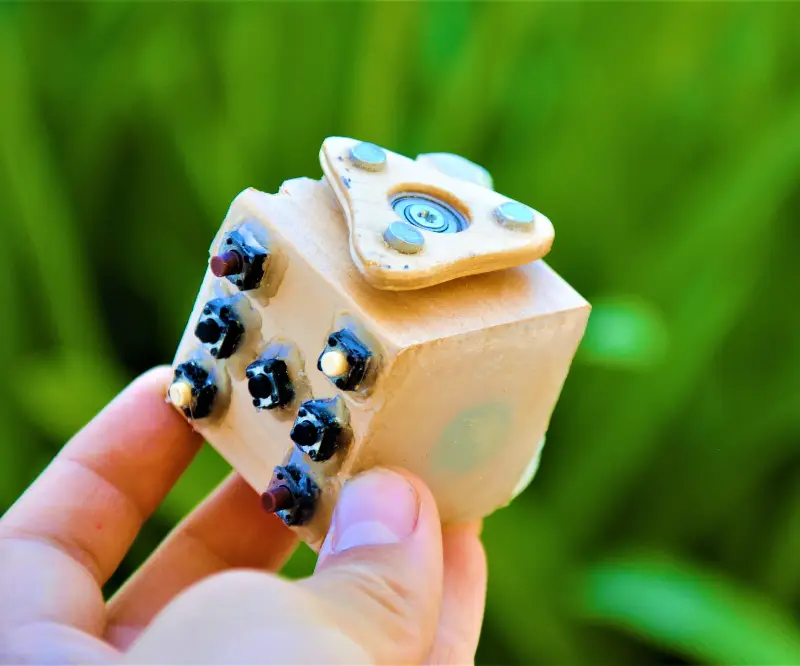
Among the more clever and multi-function-focused types of stress toys, the Fidget Cube stands out by catering to multiple needs with a single, compact device.
- Click Side: Five buttons total. Three make a click sound. Two stay silent. I like this because it works in both noisy and quiet spaces.
- Flip Switch: This rocker switch feels great to use. Flip it fast, and you hear a "click" sound. Flip it slow, and it stays quiet.
- Joystick (Glide Side): It moves like a small game controller. Gaming fans will find this familiar. I recommend it if you enjoy that tactile feel.
- Spin Dial: You can spin this disc over and over. It helps when you crave repetitive motion.
- Roll Side: Three running gears plus a ball bearing. The tactile feedback is great. It clicks gently when you press it.
- Breathe Side: A stone-shaped groove for gentle thumb rubbing. I suggest using this to calm anxiety without noise.
- MORE VARIETY FOR DAILY USE: Classic stress balls offer one action. Fidget Cubes offer different actions for each finger. This reduces boredom. I suggest them for repeat use in professional settings.
- TOP BRAND OPTIONS: Leading brands include Zuru, Antsy Labs, and PILPOC. Each offers unique textures, finishes, or sound levels. This caters to different preferences.
3. Pop Fidget Toy
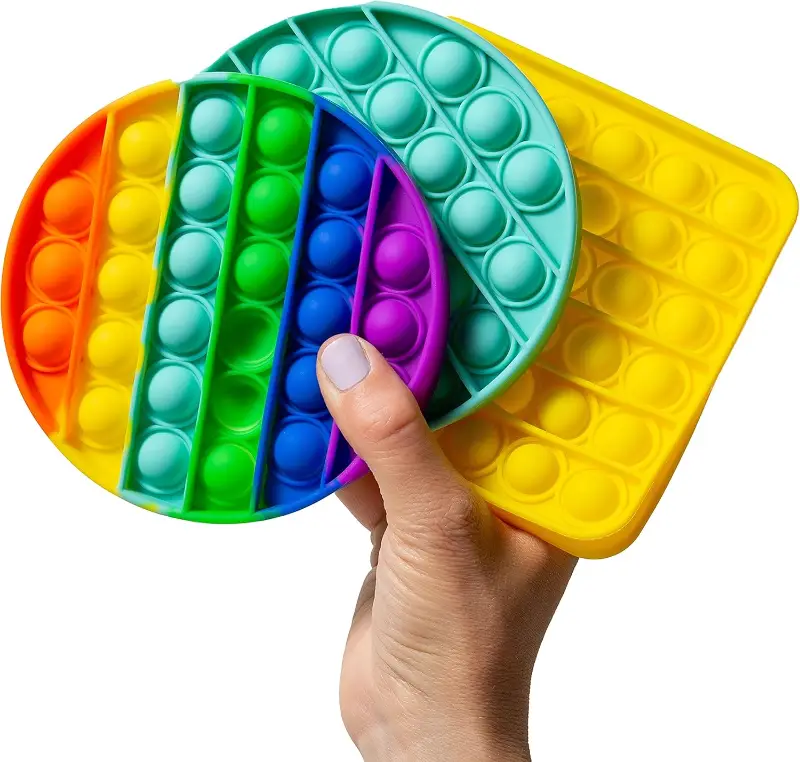
Pop Fidget Toys are made from soft silicone. Simple rectangles, unicorns, dinosaurs, or emoji faces are common. They are light and easy to carry.
- CALMS ANXIETY: Pushing bubble after bubble creates a steady rhythm. This rhythm quiets nerves and cuts stress. Based on my experience, many users find it soothing during tense moments.
- KEEPS HANDS BUSY, MIND FOCUSED: Pop Fidget Toys channel restless energy. People with ADHD, autism, or focus challenges use them to stay on task. They work well in school or at work.
- BUILDS FINE MOTOR SKILLS: Popping each bubble boosts finger strength. It also improves hand coordination. I like how they help anyone build better hand control.
- TEACHES PATIENCE: Popping each bubble with care builds focus. It also builds self-control. This helps manage stress or restlessness during changes.
- EDUCATIONAL USES: Pop Its with numbers or letters teach counting and spelling. They also teach basic math. Kids and teachers gain from hands-on learning.
Versatile Applications
- SUITABLE FOR ALMOST ANYONE: Children play with them. Adults use them for focused work. Anyone can use them for stress relief. The silent design means no disturbance in class or at the office.
- GREAT FOR LEARNING AND GAMES: Use them for classroom quizzes or pattern games. They also work for solo sensory breaks. You can even add them to art projects or learning activities.
4. Thinking Putty
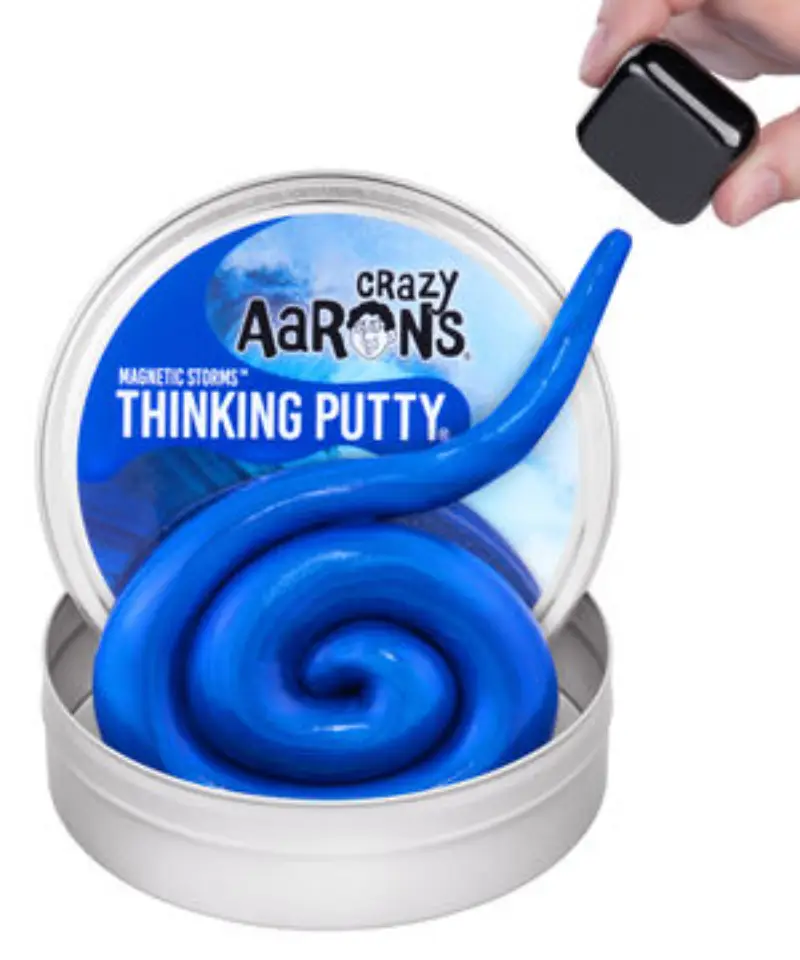
Moving to a more dynamic and endlessly shape-shifting category of types of stress toys, Thinking Putty provides a uniquely fluid sensory experience defined by its fascinating material properties.
WIDE VARIETY FOR SPECIALIZED USE
Crazy Aaron's Thinking Putty has over 50 colors and effect options. You'll find magnetic, glow-in-the-dark, color-changing, glitter, and scented putties.
Each type offers a unique sensory feel. Magnetic putty reacts to magnets.
This makes playtime fun and educational. Glow-in-the-dark versions add visual interest. They help reduce boredom.
PORTABLE AND USER FRIENDLY
Thinking Putty comes in mini tins (as light as 10g) or full-size tins (around 90g). It fits into your pocket or bag with ease.
You can take it to meetings, classrooms, or on trips. The container seals tightly.
This keeps the putty from drying out or getting sticky. It stays mess-free for quick, discreet use.
BUILT TO LAST
The formula uses high-quality silicone-based, non-toxic polymers. It resists drying out and breaking down.
This makes it a long-term choice compared to cheap options. Kids or adults can use it every day.
Thinking Putty keeps its texture. It won't leave residue on your hands.
Suggested Reading: 7 POPULAR TYPES OF FIDGET TOYS YOU SHOULD KNOW
5. Wacky Tracks
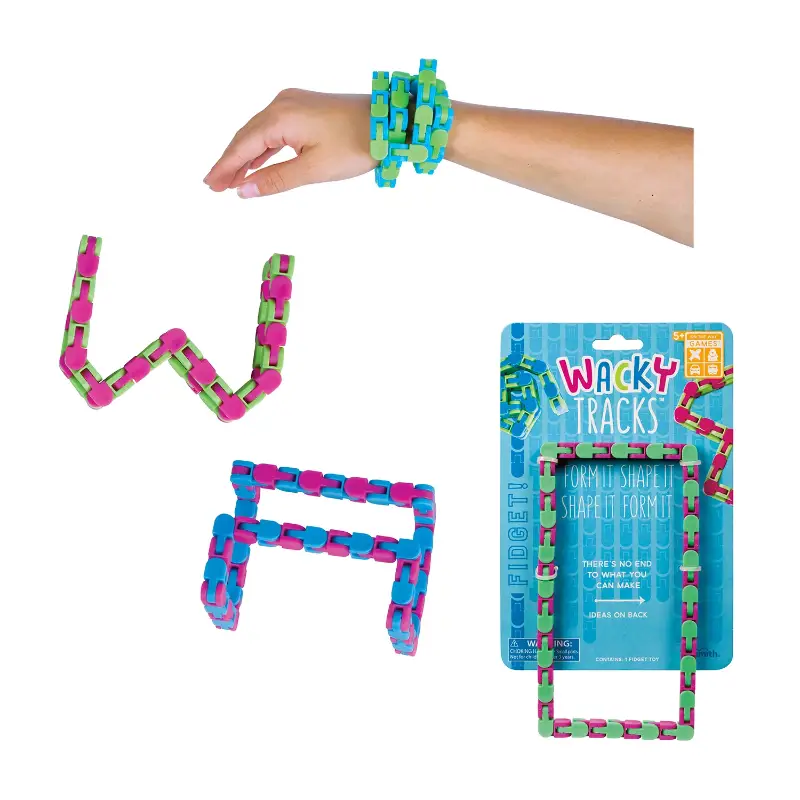
Representing a more modular and construction-oriented category of types of stress toys, Wacky Tracks consist of interlocking links that can be twisted, bent.
Innovative Linked Design
Wacky Tracks feature connectable plastic links. You can twist, snap, and shape them into letters, animals, numbers, or abstract forms.
I find the creative options here are limitless. Each movement makes a satisfying click. This click offers both touch and sound feedback.
Flexible Construction
Every chain segment pivots into five different positions. Each link moves on its own.
This gives you many ways to fidget. Typical chains measure about 28 cm (11 inches) when extended. They fit in your hand, desk drawer, or backpack.
- High Customer Satisfaction: Users rate Wacky Tracks 4–5 out of 5 stars. They praise the durability. They love the fun snap-and-click action. They also value the stress relief these toys provide.
- Affordable Entry Point: The suggested retail price is just $1.49 per piece. This makes Wacky Tracks a cost-effective choice. I recommend them for any stress toy lineup.
- Measurable Benefits: Wacky Tracks improve focus, hand coordination, and fine motor skills. They support problem-solving. They also help you channel stress during tense moments.
6. Sensory Brush
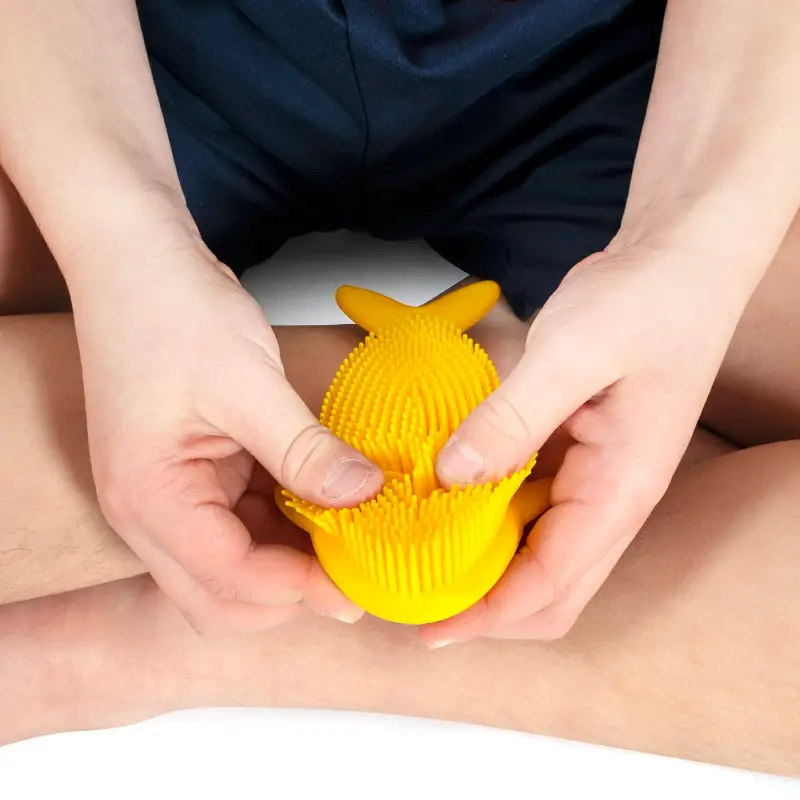
Occupying a distinct category focused on gentle tactile input among types of stress toys, the Sensory Brush features soft, flexible bristles designed.
Key Benefits and Use Cases
- Effective for Stress & Anxiety: You'll see real results. Anxiety drops. Sensory defensiveness decreases. Self-control improves. Brushing helps people with ADHD, autism, or sensory challenges find calm each day.
- Clinical Endorsement: Occupational therapists recommend sensory brushes for sensory diets and home routines. Parents and therapists use these tools. They report clear improvements in sensory tolerance, emotional balance, and focus after regular use.
- Research-Backed: Protocols like Wilbarger suggest brushing every 90–120 minutes. That's up to 5–8 times per day for best results. This routine helps children and adults improve their arousal levels. It boosts focus through the day.
Design Options and Features
- Variety of Styles: Choose from classic surgical scrub styles. Try traditional corn silk brushes. Or pick modern honeycomb and rectangular shapes. Each offers a unique tactile feel for your product lineup.
- Custom Texture Choices: Select from soft to firm synthetic bristles. Some models use multi-texture patterns. Others have variable-firmness designs. These address different sensitivity levels. I suggest them for both tactile defensive users and sensory seekers.
- Ergonomic and Portable: Sensory brushes measure 3–4 inches in length. They fit in any pocket, bag, or desktop kit. Honeycomb designs offer ergonomic grips. Handling is easy.
7. Reversible Sequin Toy
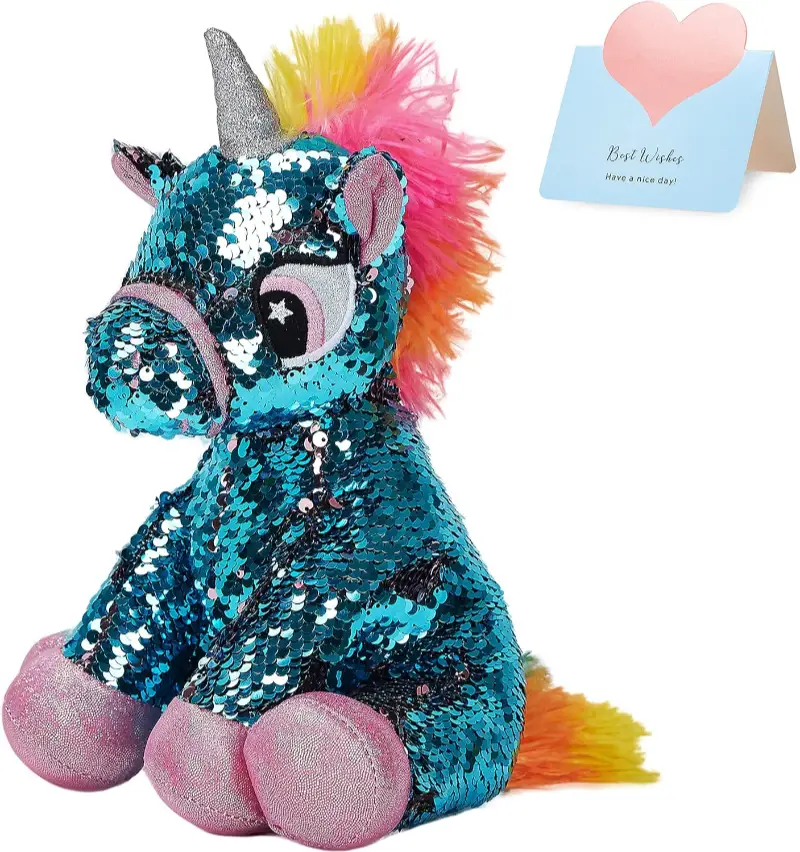
Standing out as a uniquely visual and tactile category among types of stress toys, the Reversible Sequin Toy provides satisfying sensory feedback through its mesmerizing, color-changing surface.
- RANGE OF SIZES AND STYLES: Reversible sequin toys come in many formats. You'll find small soother mats (6 x 4 inches), large wall boards, extra-large mats (up to 40 x 27 inches), and weighted handheld versions. The larger sizes fit group activities well. They work in classroom corners or sensory room setups. You can fold these toys for easy storage and transport.
- WEIGHTED OPTIONS FOR FOCUS: Weighted sequin toys boost body awareness. They give an added sense of grounding. Users stay focused better. This feature helps in therapy sessions. It also works great during tasks that need long attention spans.
- DURABLE, SAFE MATERIALS: Most use a polyester or spandex backing. It feels comfortable against the skin. It's tough enough for daily use. Sequins attach securely. The products last through repeated play.
- AFFORDABLE AND POPULAR: You'll find reversible sequin toys priced from $20 to $30. Reviews praise their strength and positive effect. They improve sensory control and classroom interaction. These toys have become must-haves in therapy centers, schools, and wellness-focused homes.
- PRODUCT EXAMPLES:
- Sensory Sequin Soother: 6 x 4 inches, blue/silver, perfect for small hands.
- Giant Learning Discovery Toy: 40 x 27 inches, includes numbers, letters, and animals, folds for storage.
- Extra-large Sensory Sequin Mat: 40 x 27 inches, bundled with shape stencils.
- Weighted Sequin Fidget Toy: 20 x 8 cm, adds focused support for sensory needs.
8. Play Foam
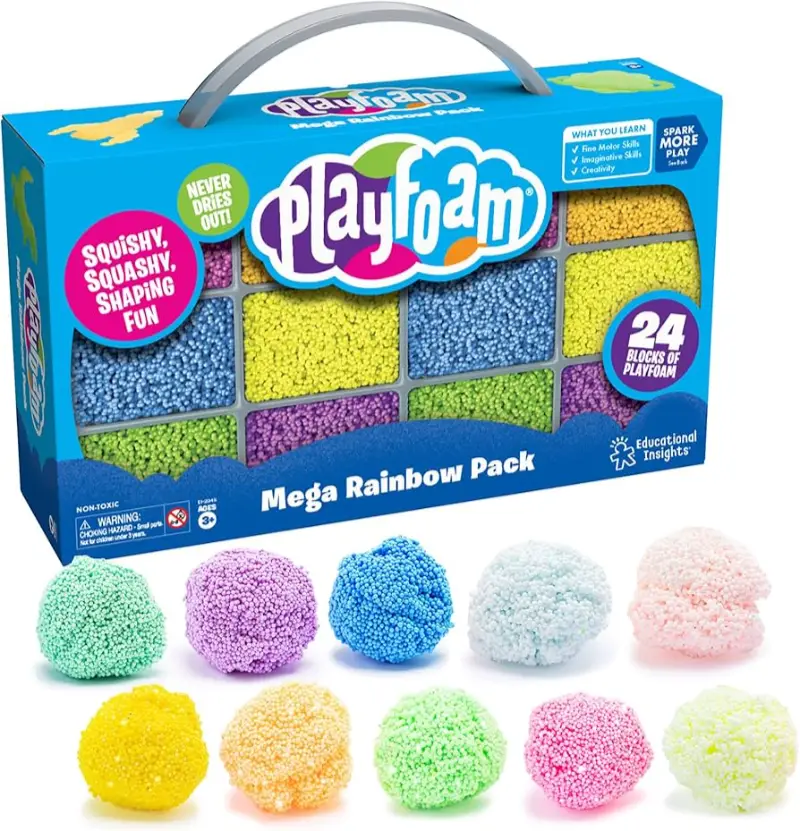
Play Foam delivers a unique tactile experience you won't get from other stress toys. It's made from tiny microbeads bound together. The texture is squishy, bouncy, and you can mold it again and again.
Features and Safety
- NO STICKY RESIDUE, NO DRYING OUT: Unlike clay or dough, Play Foam does not stick, crumble, or leave any mess. It stays soft for months—even after lots of use. Cleanup is quick. There's no risk of it drying out on desks or carpet. You can add it to school or home routines with no worry.
- SAFETY FIRST DESIGN: The product uses expanded polymer beads. These are mostly polystyrene or polyethylene. They're blended in a safe, non-toxic binder. It's phthalate-free, latex-free, and BPA-free. It meets strict safety standards for children's use. Teachers and caregivers can relax. Even sensitive users are safe with Play Foam.
- POPULAR IN THERAPY AND EDUCATIONAL MARKETS: Play Foam ranks in the top five preferred fidget and sensory products. This is true for children needing sensory input or attention support. You'll see glowing reviews on curriculum catalogs, therapy supplier sites, and major online sellers. Users praise its durability, vivid color choices, and reliable performance—even with regular use in busy settings.
- RESEARCH-BACKED STRESS REDUCTION: Studies show repetitive tactile play lowers cortisol and improves focus. This is true with safe, moldable materials. Teachers and therapists notice more on-task behavior. Classrooms are calmer with Play Foam available as a quiet sensory choice.
9. Magnetic Sculpture Desk Toy
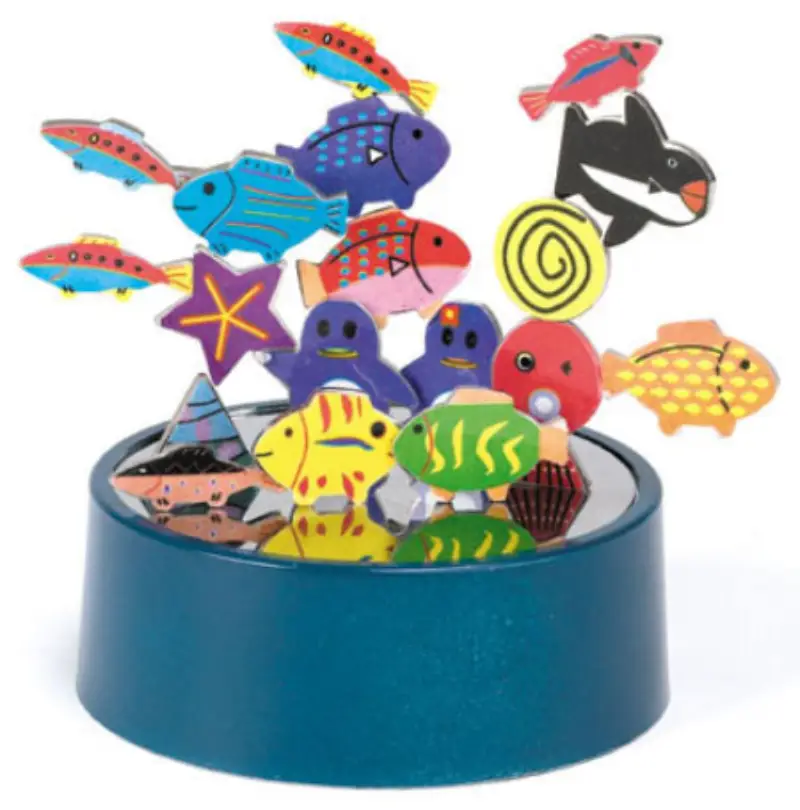
These types of stress toys are made from sets of 150–160 polished metal magnetic balls or mixed shapes. Most come with a solid magnetic base.
Core Features and Composition
- DURABLE AND PORTABLE CONSTRUCTION
- Each set has 150–160 strong, polished steel or alloy magnets. This ensures long-lasting play and creative options.
- Sturdy bases come in oval or rectangular shapes. They can be plastic or metal. They provide stability. You can take them anywhere—from meetings to break rooms.
- VERSATILE DESIGN OPTIONS: Standard sets have magnetic spheres. Advanced types include cubes, rods, or abstract shapes. You can build towers and pyramids. You can even create kinetic anti-gravity sculptures.
- INSTANT STRESS RELIEF, CREATIVE PLAY: Moving the magnetic shapes creates a focused, repetitive motion. This calms nerves and cuts down on stress. Build geometric forms or random stacks. You can reset and reshape them over and over. Each session brings new stimulation.
- FINE MOTOR SKILL DEVELOPMENT: Moving the tiny pieces helps improve finger dexterity. It boosts fine motor control through hands-on activity.
- DECORATIVE APPEAL: The shiny, sleek appearance adds modern art to your desk or office shelf. It becomes a conversation starter. It brightens professional spaces.
10. Dammit Doll
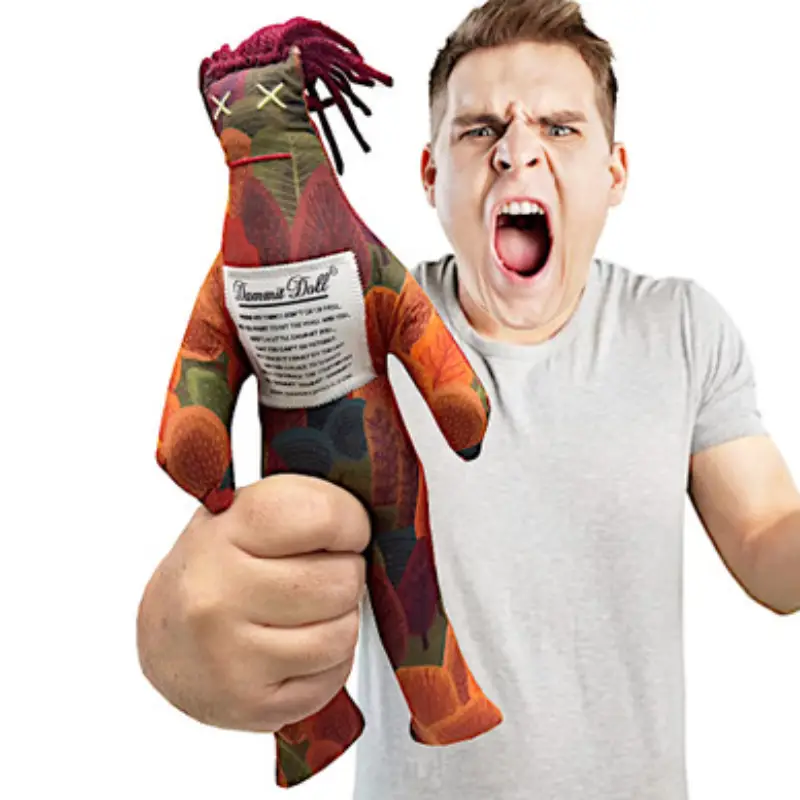
Taking a more humorously cathartic approach among types of stress toys, the Dammit Doll is uniquely designed for physical stress release.
- Instant Physical Stress Relief: Dammit Dolls bring a refreshing, hands-on experience to your lineup of stress toys. When tension peaks, you squeeze, whack, or toss the plush doll. This releases frustration fast and in a safe way. The design is playful. It makes blowing off steam at your desk or at home okay.
- Sturdy, Handmade Quality: Each doll stands about 12 inches tall. It's crafted from durable materials. The exterior is often cotton or polyester poplin. The stuffing is polyester fiber or PP cotton. This mix helps them withstand repeated slamming and squeezing. You can even hit them against the wall. I recommend them for your stress battles.
- Humor that Relieves: What sets Dammit Dolls apart is their winning sense of humor. Many dolls feature jokes and poems. One example: "When things go wrong, don't whack your neighbor, grab this doll and yell 'Dammit!'" They also have funny faces. Their slogans lighten the mood. They break the ice in tense meetings. They get people smiling. Sometimes that's the best remedy for stress.
- Versatile and Giftable: These stress-busting dolls come in many designs. You'll find classic, IRS Auditor, political themes, and random wildcards. Custom orders are available. You can add logos or names for special events or client appreciation. Many shops will gift wrap and include a message. At around $19.99 for a quality, handmade Dammit Doll. They work great as office gifts, employee incentives, or quirky décor.
- Easy to Source, Easy to Use: Dammit Dolls are available everywhere. Check Walmart, Etsy, AliExpress, and DammitDolls.com. You can offer themed packs or single editions. Surprise selections work well for buyers who want variety. People often collect different versions for different moods.
Pro Tip: Create limited-edition or seasonal themes (like "Tax Season" or "Quarter-End") to encourage collection and repeat purchases from your corporate clients.
Conclusion
The true value of these diverse types of stress toysis only realized when high-quality, well-designed products are brought to market reliably and efficiently. It is the seamless transition from innovative concept to tangible product that builds brand loyalty.
At LeelineToys, we specialize in bringing these concepts to life through custom manufacturing. We provide comprehensive, end-to-end support, ensuring your products stand out for their superior quality and innovation.
Contact LeelineToys today to discuss your custom manufacturing needs. Let's collaborate to create something remarkable that resonates with the modern market.
FAQs About Types of Stress Toys
1. Can you help us create a brand-new stress toy from our idea?
Yes, we offer comprehensive custom development services. We can take your initial concept and help bring it to life. Our team will assist with everything from selecting the right materials and refining the shape for comfortable use, to creating a physical sample for your approval before starting full production.
2. What packaging options do you offer for bulk shipments?
We offer various options to protect your products and reduce shipping costs, including poly bags, individual blind boxes, or custom retail-ready packaging, all optimized for carton efficiency.
3. What are the key factors affecting the cost per unit of a stress toy?
The primary cost drivers are material type, complexity of the design/molds, custom packaging, and the order quantity. We work to optimize these factors to meet your target price point.