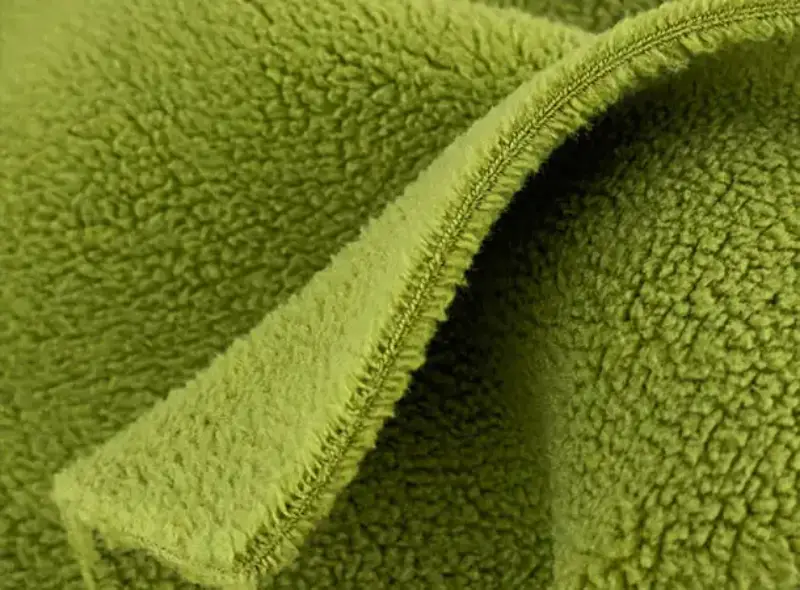

What is Arctic fleece fabric? For any creator focused on developing the perfect plush companion, the choice of material is paramount. As a plush toy manufacturer, you know that the right fabric is the secret ingredient between a good toy and a child's new best friend.
Arctic fleece is the high-performance textile engineered to meet these critical demands. It offers a blend of resilience that can survive a toddler's love and a softness that even adults can't resist. It's the fabric that makes toys feel like hugs.
This guide will explore how Arctic fleece serves as a complete solution, providing the key qualities needed to bring your most cherished designs to life. Let's dive into how this versatile fabric can help you create the next generation of cuddle champions.
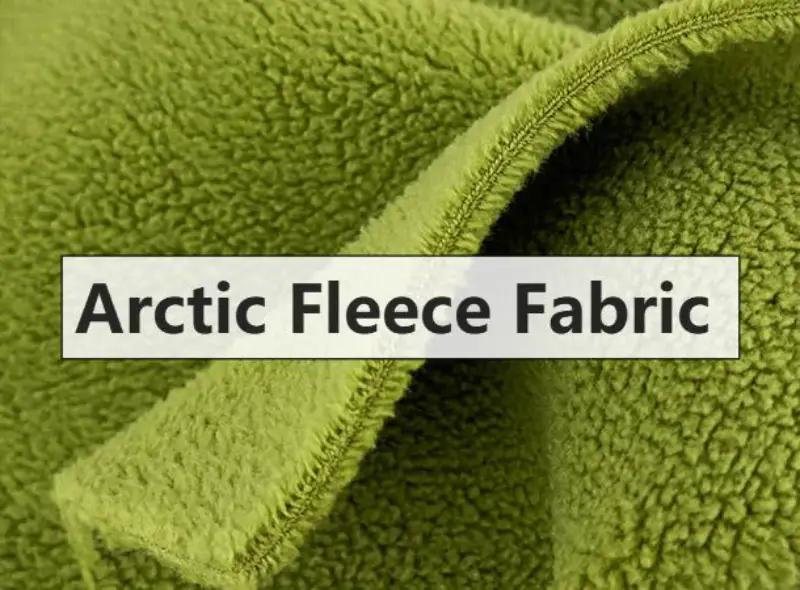
What is Arctic Fleece Fabric?
Arctic fleece fabric is a medium-weight, 100% polyester fleece designed to keep you warm without adding too much bulk.
Fabric Weight and Thickness
- Medium-weight range: Around 200-300 gsm, ideal for keeping warm in cold weather without heavy layers.
- Thickness typically ranges from 1/16 inch to 1/8 inch (about 1-2 mm), making it both soft and flexible.
- This thickness supports comfortable layering while protecting against the chill.
Unique Features That Benefit You
- The polyester fibers are brushed on the back to create tiny air pockets.
- It has an anti-pill surface, which means the fabric stays looking new longer, even after repeated washing and wearing.
- The fabric maintains insulation even when partially damp, thanks to those trapped air pockets.
- The standard width is about 150 cm (59 inches), allowing for efficient fabric use in large production runs.
How is Arctic Fleece Fabric Made?
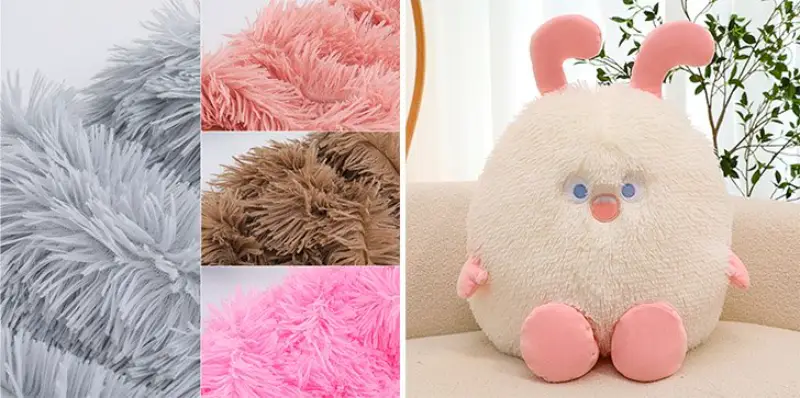
This synthetic fiber ensures the fabric is reliable, consistent, and delivers strong performance in different uses.
Key Steps in Manufacturing
- Brushing/Napping: The fabric is carefully brushed to loosen and lift fibers. This step creates tiny air pockets inside, making the fleece soft and warm without using more material. In fact, it uses fewer threads than regular fabrics.
- Pile Formation: The brushing creates a fuzzy "pile" on one or both sides of the fabric. The longer the pile, the softer and fluffier the fleece. For example, Sherpa fleece has a much longer pile than typical fleece, making it incredibly cozy on both sides.
Weight and Thickness Categories
The weight of arctic fleece fabric tells you how thick and warm it is. Look for these categories:
| Weight Class | GSM Range | Thickness | Typical Use |
|---|---|---|---|
| Lightweight/Microfleece | <100-200 | Thin | Breathable, great for layering or summer wear |
| Midweight | 200-300 | Medium (~3/8 inch) | Everyday jackets, versatile warmth |
| Heavyweight | >300 | Thick (~1/4+ inch) | Extreme cold, heavy thermal clothing |
The arctic fleece variant at 245g/m² sits comfortably in the midweight range. This balance offers you solid warmth without bulk, perfect for cool, but not freezing, conditions.
- Air Pocket Technology: Because of the brushed fiber layer, microscopic air pockets form within the fabric. But if the fabric gets soaked with water, it loses those air pockets, and warmth drops quickly.
- Pile Direction Options: Depending on the fleece type, the fuzzy surface might be on one side or both:
- Basic fleece: fuzzy one side, smooth the other
- Premium fleece: fuzzy both sides, equal softness
- Terry fleece: unbrushed both sides, thinner and less warm
Key Properties and Benefits of Arctic Fleece

Arctic fleece fabric typically weighs between 200 to 300 GSM, placing it in the mid-weight category. For example, Arctic Fleece Solids weighs about 245g/m² (8-9 oz/sq yd).
This weight offers an excellent balance of warmth and flexibility. You get enough insulation to stay cozy without feeling bulky or restricted. Compared to lightweight fleece, it provides superior insulation, but unlike heavyweight fleece, it doesn't overheat during moderate activities.
The secret to Arctic fleece's warmth lies in its brushed fibers, which trap tiny pockets of air. Because of this, mid-weight fleece keeps you warm even in cooler environments, making it ideal as an outer layer or a mid-layer under waterproof gear. However, microfleece, being lighter (100-200 GSM), doesn't trap as much heat and is less suitable for cold conditions.
Lightweight and Easy to Layer
Despite its thickness, Arctic fleece remains a lightweight fabric overall because the brushing creates fluff with fewer threads. This makes it easy to layer without adding bulk. When you need to build a warm outfit, you can comfortably add Arctic fleece pieces without feeling weighed down.
Durable 100% Polyester Composition
This fabric is made from 100% polyester, making it durable and easy to care for. Unlike cotton blends, it resists shrinking and dries quicker. You get long-lasting performance without complicated maintenance. Mid-weight Arctic fleece offers good breathability, so you stay comfortable without overheating. It's thicker than lightweight fleece but sacrifices a bit of flexibility due to its denser construction. This makes it perfect for everyday outerwear or mid-layers in cool weather, rather than for intense, high-movement activities.
Expert Advice: When designing plush toys, leverage the 200-300 GSM weight range strategically. Use lighter weights for smaller, detailed toys to maintain shape definition, and opt for heavier weights for larger plush to enhance that premium, huggable feel and improve durability.
Types of Fleece and Their Blends
When choosing Arctic fleece fabric, understanding the types of fleece and their blends helps you pick the best option for your needs. Each type has unique features that influence warmth, flexibility, and durability.
Cotton Blended Fleece
- Soft and Comfortable: Cotton blended fleece has a smooth outside and a plush inner nap.
- Popular Uses: Ideal for bathrobes, sweatshirts, and pants.
- Warmth Level: Offers lower warmth compared to other fleece types, so it's best for mild climates or casual wear.
Lycra Spandex Fleece
- Stretchy Fit: Made by blending cotton with a small amount of Lycra spandex.
- Best For: Perfect for fitted clothes and performance wear that require flexibility and shape retention.
Slub Fleece
- Textured Look: Created by twisting two yarns of different sizes (cotton and polyester), resulting in a unique textured fabric.
- Applications: Commonly used for sweatshirts, shirts, and jackets with a stylish appearance.
Terry Fleece
- Thin and Absorbent: Unbrushed on both sides, making it thinner and water absorbent but with low insulation.
- Use Cases: Great for shirts, shorts, and light hoodies.
- Note: Different from French Terry, which is a cotton jersey fabric with loops on the inside.
Polartec Fleece Series
- Industry Benchmark: Known for an excellent warmth-to-weight ratio.
- Durability and Breathability: High-quality synthetic fleece that lasts long and breathes well.
- Why It Matters: It sets the standard for technical fleece performance in cold-weather gear.
Suggested Reading: Faux Suede Explained: Everything You Need To Know
Common Uses and Applications of Arctic Fleece Fabric
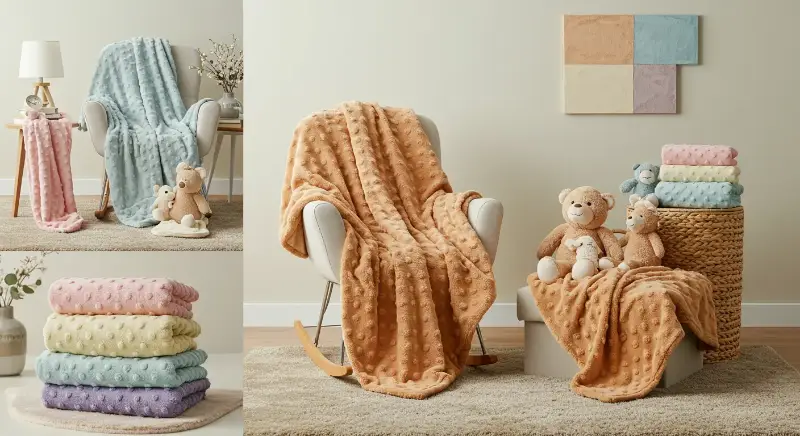
Arctic fleece is incredibly versatile, moving beyond basic plush to become a key material for innovative toy design. Its unique properties make it the go-to choice for several specific applications.
- Premium Plush Toys and Characters: This is where Arctic fleece truly shines. Its exceptional softness and beautiful drape are ideal for creating the huggable bodies of stuffed animals, dolls, and licensed characters. The fabric's durability ensures that the toy maintains its "like-new" look and cuddle factor, encouraging long-term attachment.
- Educational and Sensory Toys: The tactile appeal of Arctic fleece makes it perfect for the growing category of educational items. Its uniform, plush pile is excellent for sensory blocks, soft books, and interactive activity gyms. The material is safe for young children and can be easily printed on or embellished, supporting developmental learning through bright colors and engaging textures.
- Interactive and Electronic Toys: Arctic fleece is an excellent choice for integrating technology. Its structure can easily accommodate hidden seams for electronic components, speakers, or light-up features without compromising the soft exterior. The fabric is also less prone to pilling, ensuring a clean, high-quality appearance that is essential for tech-enhanced toys where first impressions are critical.
Conclusion
Ultimately, arctic fleece fabric is more than a material; it's a strategic choice for creating toys that lead the market in quality, safety, and emotional connection. Its unique properties provide a tangible advantage that resonates with consumers and strengthens your brand's reputation.
To truly harness the potential of arctic fleece fabric in your designs, you need a partner with the expertise to ensure consistent quality and performance. LeelineToys is that essential partner, specializing in sourcing and utilizing high-performance textiles specifically for the toy industry.
Contact us today to discuss your project requirements and request complimentary arctic fleece fabric swatches. Let's create something extraordinary together.
FAQs About Arctic Fleece Fabric
1. Are there specific flame-retardancy (FR) standards that Arctic Fleece can meet?
Absolutely. It can be manufactured to comply with stringent international toy safety standards for flammability, such as EN 71-2 and ASTM F963, providing an extra layer of safety for your products.
2. How colorfast is Arctic Fleece, especially when exposed to saliva or after washing?
The fabric is known for excellent colorfastness. The dyes bond deeply with the polyester fibers, resisting fading from UV light and preventing color transfer when exposed to moisture or during cleaning.
3. How does the cost of Arctic Fleece compare to other plush fabrics like minky or velboa?
While sometimes at a slightly higher price point than basic options, it offers superior value. Its durability, anti-pilling properties, and premium feel often result in a higher perceived value for the end consumer, justifying the investment.