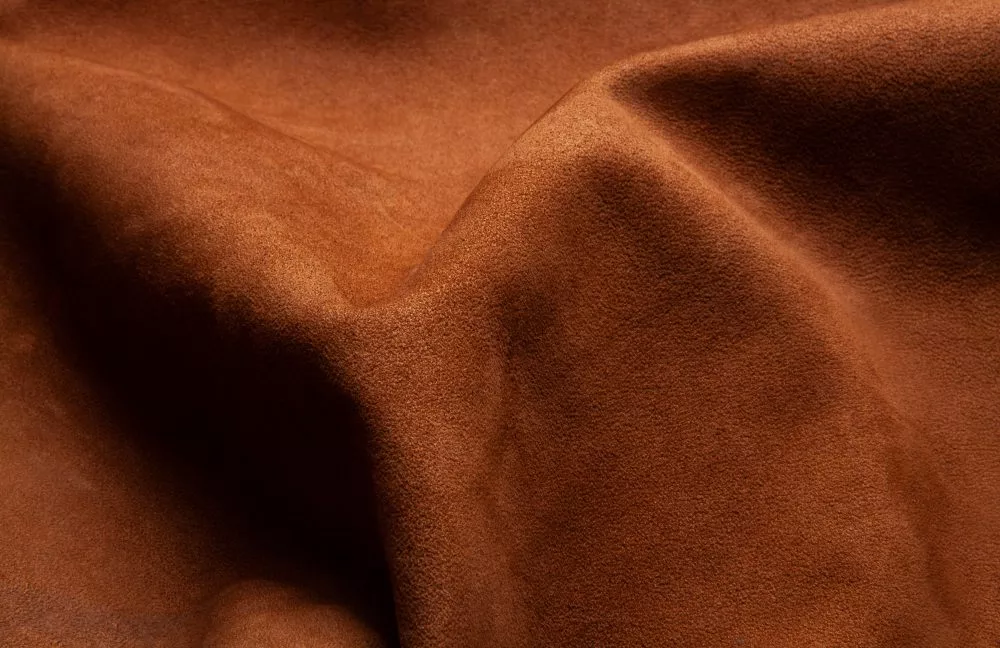

Faux suede has become a game-changer in material selection, especially when navigating the wild rodeo of natural leather's unpredictable costs and older synthetics that lack the stamina for today's demands. Navigating material choices can feel like a wild rodeo—especially when natural leather's costs buck unpredictably, and older synthetics lack the stamina for today's demands.
If you're a toy manufacturer, this isn't just a minor hiccup; it's a real-world test of your supply chain's strength and your product's reputation. One day you're riding high, the next you're looking for a viable alternative.
That's where a true understanding of modern faux suede comes in—no longer just a stand-in, but a performance-packed upgrade. Think of it as your secret weapon for creating durable, appealing products without the breaking point.
Ready to move beyond the material guessing game? This guide will show you how advanced faux suede can bring consistency, quality, and a little peace of mind to your production line.
What Is Faux Suede?
Faux suede is a man-made textile designed to look and feel like real suede leather. It is crafted from polyester or a blend of polyester and polyurethane fibers. These fibers are woven or knitted and then brushed to create a soft, velvety surface similar to genuine suede.
| Parameter Category | Typical Specification / Value |
|---|---|
| Base Composition | 80% Polyester, 20% Polyurethane |
| Weight (GSM) | 280 - 450 g/m² |
| Abrasion Resistance | 100,000+ cycles (Martindale) |
| Tear Strength | > 20 N (Warp & Weft) |
| Colorfastness | 4-5 (Rubbing, Wet/Dry) |
| Peel Strength | > 25 N/5cm |
| Flammability | Compliant with CAL 117, BS 5852 |
| Eco-Certifications | Oeko-Tex Standard 100, GRS (Recycled) |
Microfiber Construction
Faux suede is a high-performance non-woven or woven textile made primarily from ultra-fine polyester microfibers, typically measuring 0.5 to 1.0 denier per filament—thinner than a strand of silk. These microfibers are densely packed to create a base cloth that is both soft and remarkably durable.
Engineered Performance Metrics
Modern faux suede is engineered to outperform genuine suede. It often achieves a Martindale rub test rating of over 100,000 cycles for heavy-duty use (compared to real suede's 10,000-25,000 cycles), and its colorfastness can reach Grade 4-5 on the ISO grey scale, indicating minimal fading.
How Does Faux Suede Differ From Real Suede?
Understanding the key differences between faux suede and real suede helps you make smarter choices for your products.
Material origin and texture
Real suede is made from the underside of animal hides like cow, goat, or lamb. It has a natural nap and a rich, uneven texture that gives it a unique, luxurious feel. Faux suede, on the other hand, is synthetic—usually polyester-based—and mimics the soft brushed texture but looks more uniform and smooth.
Water and stain resistance
One of the biggest advantages you get with faux suede is its superior water resistance. Its synthetic fibers repel water and stains much better than real suede, which tends to absorb moisture slowly, causing dark spots. This makes faux suede easier to clean and maintain, especially in busy environments or where spills are common.
Breathability and comfort
Real suede naturally breathes and flexes, making it comfortable for long wear. Faux suede is less breathable and can trap heat and moisture, which might reduce comfort during extended use. Choosing faux suede means opting for a vegan-friendly material with no animal cruelty involved. However, it is usually made from plastics and is not biodegradable, raising some environmental concerns. Real suede is biodegradable but involves animal farming, which has its own ethical and sustainability challenges.
Key Properties and Features of Faux Suede
Lightweight and soft texture
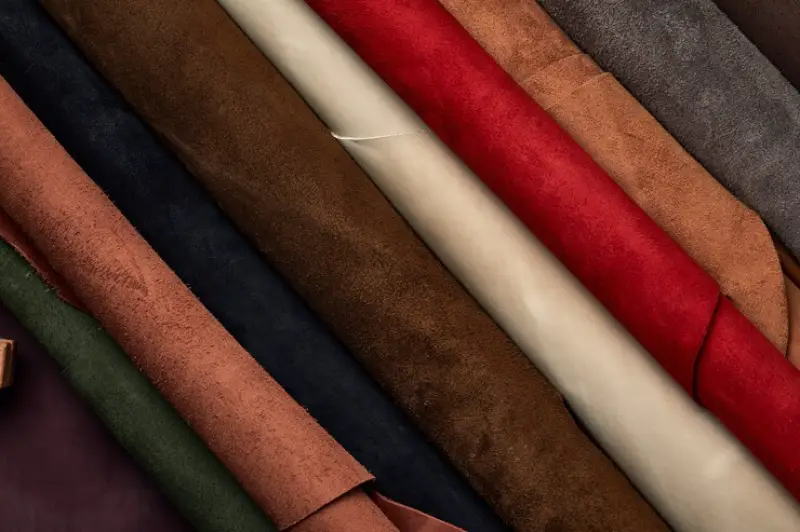
Faux suede is up to 50% lighter than genuine suede, making it easier to handle and use in various products. Its soft, smooth feel mimics the luxurious texture of real suede without adding extra weight. You'll notice a gentle shimmer with small reflective points and a comfortable range of colors. Thanks to synthetic dyeing, faux suede is available in tens to hundreds of shades, offering great flexibility in design and customization.
Durability and resistance
Built to last, faux suede resists abrasion, pilling, and mechanical wear. It also has high elasticity and crease resistance, so products maintain their shape and smooth look over time. For example, bags and upholstery made with faux suede can handle frequent use without damage.
Comfort and insulation
Its micro-porous structure offers excellent thermal insulation and moisture retention, keeping warmth in while still allowing vapor to pass through. You get a comfortable, breathable fabric that performs well, especially in cooler conditions.
Water and stain resistance
Faux suede often features treatments like Teflon coatings, which improve its resistance to water, dust, and dirt. It absorbs less moisture and is generally easier to clean—usually machine washable or dry cleanable—reducing maintenance efforts and extending product life.
Cost-effective alternative
Priced at up to 50% less than genuine suede, faux suede lets you deliver stylish, high-quality products without inflating costs. This affordability also supports scaling production while maintaining attractive pricing.
Suggested Reading: WHAT IS FAUX FUR AND HOW IS IT MADE? THE PROCESS EXPLAINED
Types of Faux Suede
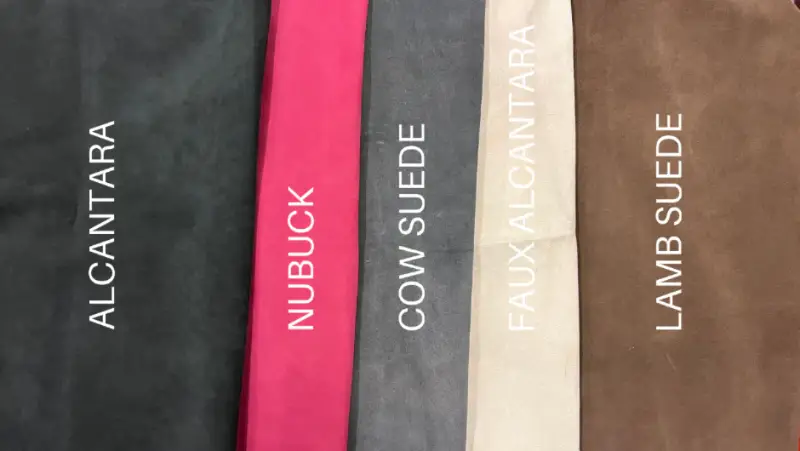
Faux suede comes in several types, each designed to offer you the look and feel of real suede but with better durability, easier care, and a wider range of uses.
- Highly durable and stain-resistant. Made from very fine synthetic fibers like polyester and polyurethane, this type feels soft and plush, very close to genuine suede.
- Widely used across industries. Over 80% of faux suede upholstery is microfiber because it lasts long and cleans easily.
- Versatile applications. Perfect for furniture, car seats, jackets, and accessories. You'll find Microsuede in many colors and patterns.
- Premium brands. Ultrasuede and Alcantara are top-quality options popular in luxury cars and designer goods.
Polyester Suede
- Lightweight and vibrant. Made solely from polyester fibers, it holds dye well, giving you rich colors.
- Great for fashion and décor. Commonly used in jackets, skirts, and decorative items.
Cotton Suede (Sueded Cotton)
- Natural and soft. Created by treating cotton to imitate suede's texture, it is durable and almost as soft as velvet.
- Good for casual wear. Used in shirts and summer trousers that need breathability and comfort.
Silk Suede (Sueded Silk)
- Strong yet smooth. Silk is mechanically treated to produce a suede-like nap with water resistance.
- Used in delicate apparel. Ideal for scarves and blouses where softness and elegance matter.
Expert Advice: Before finalizing your material choice, always request physical swatches of the faux suede and conduct real-world tests on the actual samples to see how each type performs under your specific product conditions.
Disadvantages of Faux Suede
When you consider faux suede for your projects or products, it's important to know its limitations so you can plan accordingly.
- Degrades Over Time: Faux suede tends to break down because of a chemical process called hydrolysis. This happens when moisture from the air or sweat reacts with the polyurethane resin that holds the fabric together. Usually, you'll start seeing this breakdown about three years after manufacture. The soft, textured surface begins to wear off and fibers may fall away, which reduces both the look and feel.
- Limited Lifespan: Faux suede degrades over time. So, it's best for short-term use, like seasonal items, rather than for things you want to last five or ten years. You should expect some visible wear if the item gets heavy use over the long term.
- Environmental Impact: Faux suede skips animal product issues, but it's made from synthetic materials. These materials take a long time to break down in nature. If you care about sustainability, keep in mind that regular faux suede can add to landfill waste. Look for recycled options instead.
- Easily Shows Stains and Marks: This is especially true for lighter-colored faux suede. Even minor spills or dirt can leave noticeable marks. If your item is exposed to frequent use in environments where stains are common, be prepared for more upkeep.
- Less Natural Texture: Faux suede usually feels smoother and more uniform than real suede. If you want the rich, varied nap that natural suede offers, faux suede may feel less luxurious or authentic to touch.
Common Uses of Faux Suede
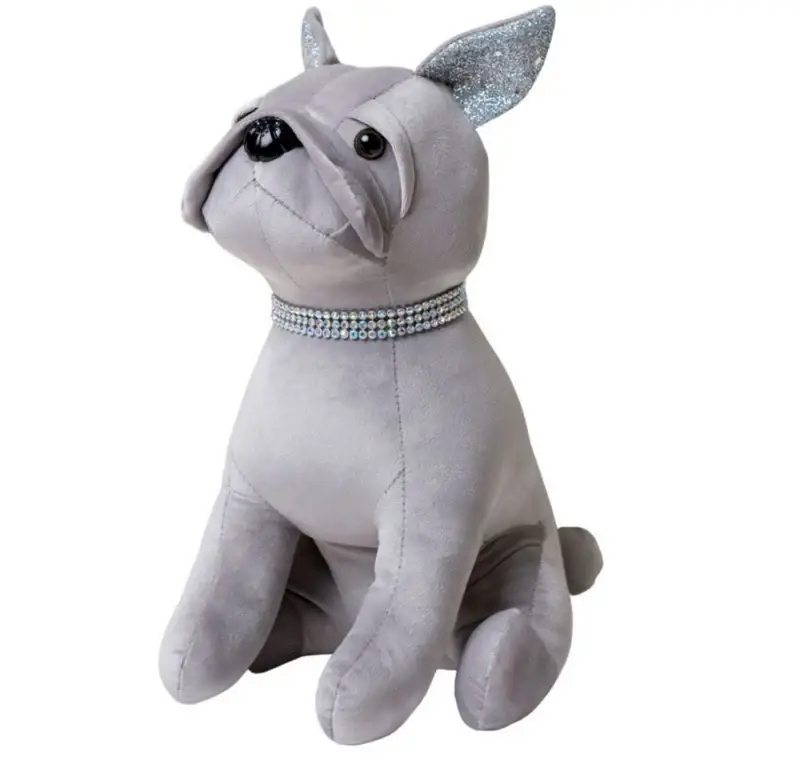
Faux suede stands out as a versatile and durable material that offers many practical benefits. You can find it in a wide range of applications, thanks to its soft texture, affordable price, and easy maintenance.
Furniture Upholstery
Faux suede is a top choice for upholstering sofas, armchairs, ottomans, and headboards. Its resistance to stains and wear helps keep furniture looking fresh longer. This makes it perfect for places where durability and style are both important.
Home Accessories and Decor
You can use this fabric for cushions, pillow covers, throws, wall-hangings, and lampshade covers. Its plush feel and broad color selection add luxury and warmth to any space without breaking the budget. Faux suede adds a touch of elegance to roller blinds, Roman blinds, eyelet curtains, and tab-top curtains. The material's weight and texture provide both style and functional benefits like light control.
Clothing and Fashion Items
This fabric works great for jackets, pants, dresses, skirts, and vests. It mimics the look and feel of real suede but is lighter and easier to clean. You'll often see faux suede jackets and boots in seasonal fashion, often at a price 30-50% lower than real suede.
Conclusion
Your choice of material, such as advanced faux suede, is a decisive factor shaping your brand's identity and competitive edge. It's the foundation for products that excel in quality, safety, and consumer appeal.
Transforming this material innovation into market-ready products requires a specialized partner. This is where LeelineToys excels.
We specialize in sourcing and customizing premium faux suede. Our products meet the highest international safety and durability standards for the toy industry and more.
Contact our team today to explore how our custom fabric solutions can bring your concepts to life and add significant value to your projects.
FAQs About Faux Suede
1. Can faux suede be embossed, printed, or laser-etched with patterns?
Absolutely. Its synthetic nature makes it highly suitable for customization.
It can be embossed with textures, printed with detailed patterns, or laser-etched for precise designs. This offers creative options that natural suede can't match.
2. How does the lead time for faux suede compare to genuine leather?
Lead times are generally shorter and more predictable. Genuine leather relies on a complex supply chain for farming and tanning.
In contrast, faux suede production is steady and controlled. Lead times for faux suede usually range from 4 to 8 weeks, even for custom orders.
3. Can faux suede be effectively flame-retardant (FR) treated for stricter safety regulations?
Yes, this is a key advantage. Faux suede is a synthetic material.
It can be made with built-in flame-retardant properties. It can also be treated to meet strict standards like CAL 117 for furniture or BS 5852 for upholstery. These standards are harder and more expensive to meet with natural leather.