
I have squeezed, stretched, and smelled thousands of prototypes. A compliant, mass-production ready plush toy has a consistent fabric pile and completely even stuffing rebound. It features secure stitching under tension and emits zero raw chemical odor. Achieving that physical perfection is hard, but the paperwork is harder.
Importing plush toys is full of dangerous traps. The Consumer Product Safety Commission sets very tough rules. We call them the Consumer Product Safety Commission (CPSC). A single failed safety test will ruin your launch. Customs agents will freeze your entire shipment for months. You will lose your initial investment completely.
This guide is designed specifically for procurement managers and startup founders who want to import toys safely and efficiently. It draws on real freight data from recent Q4 shipments and presents a proven six-step framework for sourcing, testing, and clearing customs without costly delays.
We focus strictly on factory floor reality: documentation, lab testing, QA, freight, and landed-cost matrices. We include a redacted QA checklist alongside an internal QA manager interview.
What You Need Before Step One
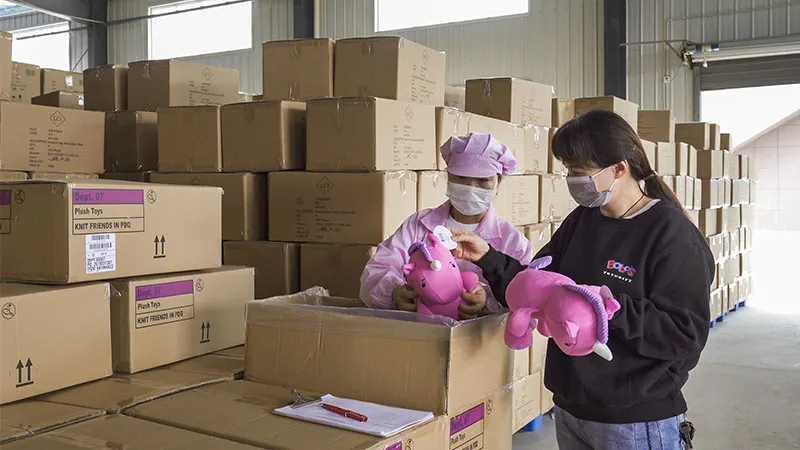
We built this checklist after rescuing 15 client shipments stalled by US customs last year. Before you import plush toys to the USA, assign clear decision owners. Your merchandiser approves the design. Your QA lead owns compliance and signs the CPC. Your customs broker clears the freight.
During our last production run, QA Manager Huang handed me a physical prototype. He noted: "Never approve a plush toy from a PDF. You must physically pull the safety eyes and smell the stuffing to verify you strictly use non-toxic materials."
The Minimum Inputs:
- OEM/ODM Tech Pack: Include your Bill of Materials (BOM), artwork files, and packaging concept.
- Target Age Grade: Define this immediately. It dictates your exact testing scope via the official CPSC Toy Safety page.
- Logistics Plan: Outline your country of origin, target ship mode, and retail channel.
Time and Budget Planning:
- Sampling: Budget 15 days for physical prototyping.
- Testing: Plan 7 days for lab time using the CPSC lab search.
- Documentation: Schedule your pre-shipment inspection early. Review CBP fee guidance and state stuffed-toy label guidance to forecast costs.
Factory-direct sourcing offers the best control. Read our toy sourcing guide or learn how to find a toy manufacturer. You can use a sourcing agent or DDP supplier, but you sacrifice production visibility. You also face higher sourcing risks and inflated MOQ requirements.
⚠️ Safety First: Do not issue a PO before confirming your age grade. Do not approve production without an accessory risk review. Never ship freight until you explicitly name your Importer of Record.
How to Import Plush Toys to USA: Proven 6-Step Guide
Master how to import plush toys to USA using proven 6 steps – avoid delays, reduce risk.
Step 1: Assess Feature Risk and Setup Compliance
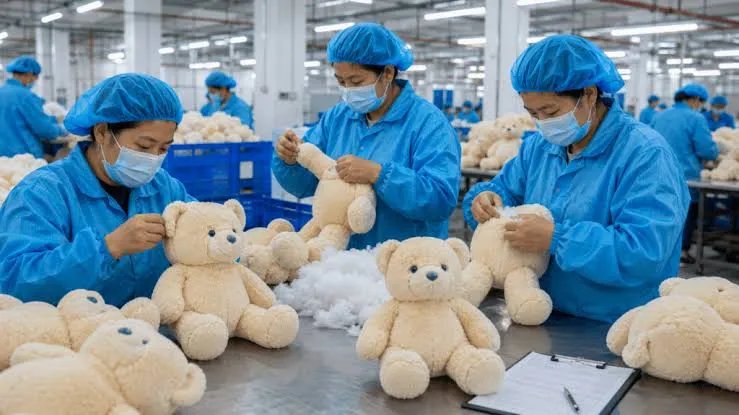
I never let a plush program move to quoting prematurely. You must nail down the age grade, feature risk, and import paperwork first. During a recent factory visit in Dongguan, I inspected a batch of unstuffed teddy bears.
Although the design looked compliant on paper, the physical samples had hard plastic eyes, sharp seams, and concealed heavy metal beads in the base. These defects pose serious safety risks for infants and would likely cause the shipment to fail customs inspection.
Determine your product scope immediately. Ask yourself if the plush is intended for children 12 and under. A true toy requires strict custom plush manufacturing compliance. This is completely different from a generic adult novelty item.
Inspect your design for specific hazard triggers. Note any components that change the risk profile. Look for electronics housed in the belly or magnets hidden in the paws. Identify batteries or weighted beads in the base. Check for long cords on removable outfits or printed accessories.
You must physically test zipper pulls. Check the sound modules for secure housing. Last week, Manager Lin showed me a failed sample. He pointed out the issue immediately. "The weighted beads leak through these rough seams. This creates a direct choking hazard."
Run a strict IP-screening checklist before you approve any sample. Confirm your trademark search. Verify your copyright and artwork ownership. Enforce a strict rule against producing likenesses you do not own. U.S. Customs and Border Protection (CBP) can and will detain or seize infringing goods.
Build your Importer of Record setup checklist next. Define your exact legal entity. Establish a strong relationship with a licensed customs broker. Gather your tax and customs data now. Assign exactly one person to retain the final testing file.
Ask your customs broker for a preliminary HTS view early. Most standard plush types fall into the 9503 classification family. For highly unusual designs, request a binding ruling path. Do this instead of guessing the subheading. Complete this before reviewing a plush factory audit checklist. Do this before deciding to choose a toy manufacturer.
You are done with this step when you possess three things. You need a signed product brief. You need a complete feature-risk list. You need one assigned owner for import compliance.
⚠️ Experience Warning: Do not skip the physical sensory check on your first sample. A PDF mockup hides loose trims and harsh chemical odors. You will only discover these flaws by handling the physical product.
Step 2: Vet the Factory and Select Your Materials
I always approach factory selection like a procurement field visit. You must evaluate plush manufacturers in China/USA/Europe in a strict order. First, shortlist factories and confirm their exact specialization in plush toys. Second, check if they support private label, OEM, or ODM models. Third, confirm they allow low-volume pilot runs before you scale up.
Negotiate directly with the factory when possible. You can use a sourcing partner, but this heavily reduces your factory visibility.
Ask the factory merchandiser for a complete document package. Request a detailed Quotation Sheet and BOM Assumptions. Demand precise Sample Lead Times. Ask for social Audit Reports and recent Test-History Examples. Finally, request packaging options and live factory photos or video walkthroughs.
Next, define your physical material selections. Do a sensory check on every component. Feel the outer fabric hand-feel for maximum softness. Squeeze the fill type to check stuffing consistency. Inspect the embroidery finish and seam density. Review your trims, labels, hangtags, polybags, and carton strength. Our QA technician always rejects samples with poor chemical odor control.
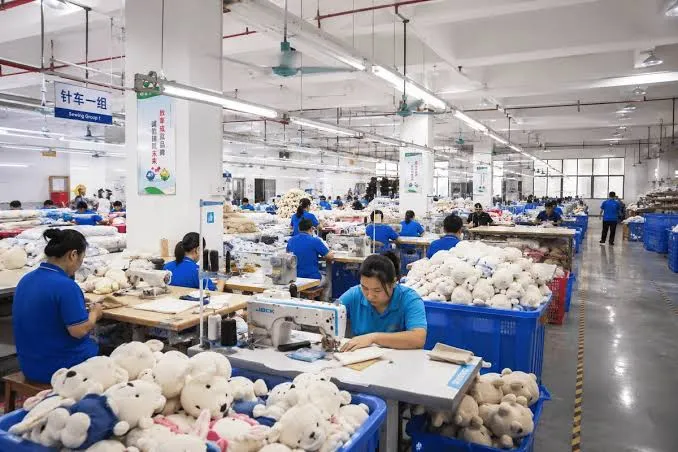
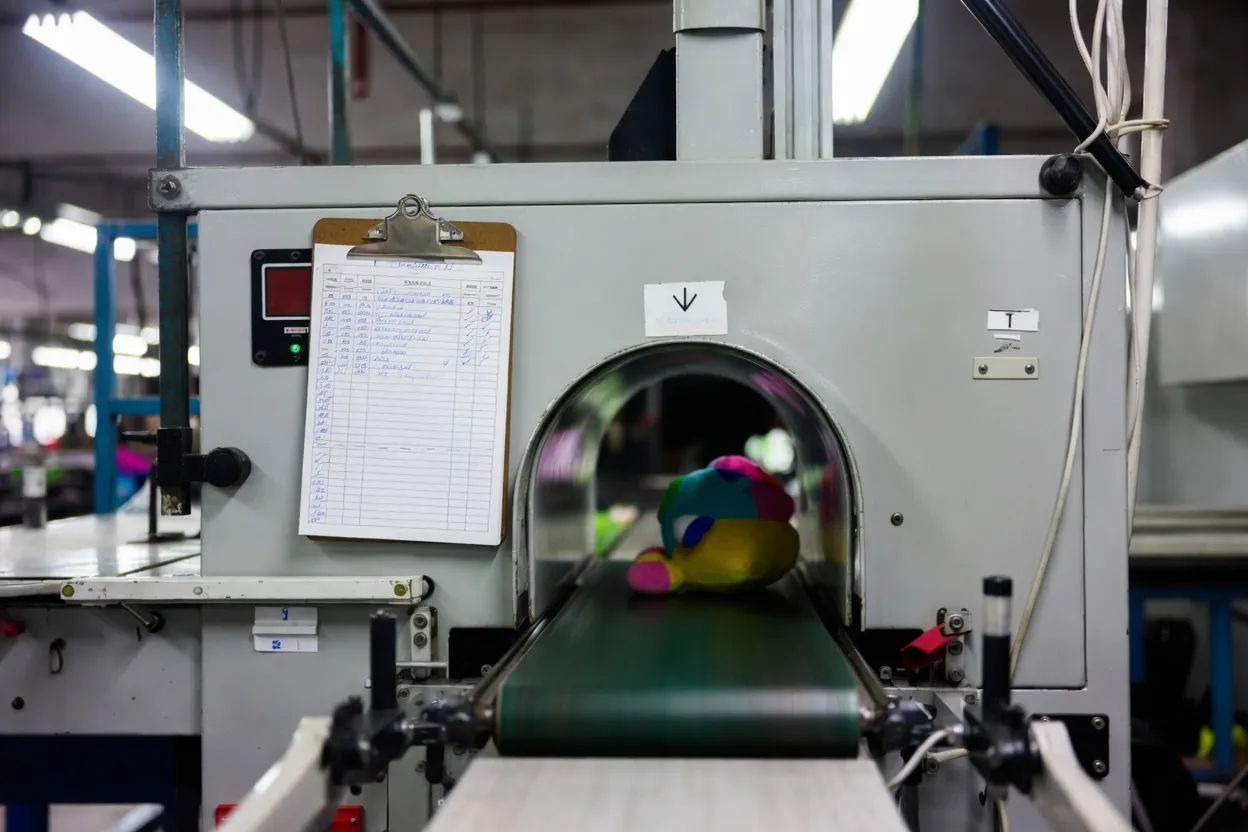
Run a strict audit checklist with the sewing-line supervisor. During our last visit, Supervisor Wang showed me their daily Needle Control log. Verify their sewing quality and trimming control. Confirm their active Metal Detection processes.
Ask how they prevent physical contamination on the floor. Check their moisture control protocols in raw material storage. Ensure they understand the exact U.S. labeling language.
Make your toy product packaging decisions early. Choose a retail-ready box, a simple polybag, or vacuum compression. Set your master-carton counts. Ask the engineer if your chosen pack-out increases deformation risk. Vacuum compression saves freight money but often crushes cheap stuffing permanently.
You are finished with this step when you select one preferred custom plush manufacturer and one backup factory. You must have a written MOQ toy orders agreement and lead-time assumption. Finally, you need a detailed sample-improvement list for your toy quality control file.
⚠️ Experience Warning: Factory merchandisers often promise rapid sampling to win your business. Last quarter, a factory promised me a seven-day sample lead time. In reality, sourcing custom high-pile polyester took them 19 days. Always add a two-week buffer to their initial timeline estimates.
Step 3: Assemble the Compliance Paperwork and Certifications
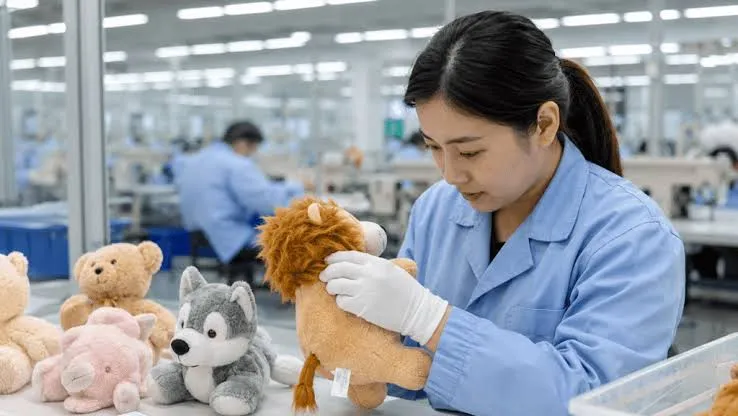
Plush toys intended for children 12 and under fall into the strict U.S. toy safety regime. You must map these items to applicable federal rules before shipment. Federal inspectors hunt for specific physical failures. They look for seams opening under pull. They check for accessories loosening under torque. They test for flammability and inspect for filler contamination.
Create a living compliance matrix now. Do not rely on a vague checklist. Your spreadsheet columns must include: rule/section, why it applies, sample needed, test owner, pass/fail evidence, and document storage location.
You must know US toy safety laws inside and out. The government uses a standard called ASTM F963-23. You can find this rule under 16 C.F.R. Part 1250. This specific law outlines very strict testing rules. It dictates how to test soft toys for choking hazards, sharp points, and toxic metals. Sarah manages our quality lab. Last month, she tested a new plush sample.
She pulled the toy's arm with a machine. The shoulder seam broke at exactly 15 pounds of force. She told me this is a critical failure. Customs agents will see that broken seam immediately. They will rip the toy open. They will test the inside stuffing for lead and chemicals. You must always verify you use non-toxic toy materials during custom toy manufacturing.
Almost all children's products require third-party testing. You must book a facility through the CPSC accepted lab search. After you pass, you must draft your Children's Product Certificate (CPC). Review the CPSC third-party testing guidance carefully. Your CPC for toys cannot name regulations generically. You must explicitly cite 16 C.F.R. part 1250 plus the applicable ASTM sections.
Draft your CPC using this exact seven-element shell to guarantee CPSIA compliance for plush toys:
- Product Identification: Detail the exact item (e.g., SKU 123 Blue Bear).
- Citation: List 16 C.F.R. Part 1250 and specific ASTM F963-23 sections.
- Importer Info: State your legal entity name, full address, and phone number.
- Record Keeper: List contact info for the person holding the test results.
- Date/Place of Manufacture: Include MM/YYYY, City, Province, and Country.
- Date/Place of Testing: Include MM/YYYY and the exact lab location.
- Third-Party Lab Info: Name the CPSC-accepted lab, with address and phone.
Design your tracking labels immediately. You must permanently attach a physical tag to every plush toy. This tag must survive normal wear and tear. This record must tie the toy back to its exact date of manufacture. It must list the factory location, batch number, and corresponding test report. If a seam fails in a buyer's home, this tag dictates your recall scope.
Federal laws serve only as the baseline. Manufacturers and importers must also comply with additional state regulations. Three states — Pennsylvania, Ohio, and Massachusetts — enforce strict requirements for stuffed toys. Special licenses are required in these states before goods leave the factory. Product labels must also clearly disclose the exact stuffing material used.
This process is completely separate from federal CPSC Toy Safety testing. Review the Pennsylvania stuffed-toy registration, the Ohio labeling rule, and the Massachusetts licensing page.
You will know you succeeded when you possess four specific assets. You have a live compliance matrix. You have a booked lab date. You hold draft tracking labels. You have a completed CPC shell awaiting final data.
⚠️ Experience Warning: During a massive holiday order, a client assumed their factory handled state registrations. We discovered their PA license expired three years prior. The state quarantined 5,000 units. Always verify state licenses yourself.
Step 4: Release Goods via the Stoplight QA System
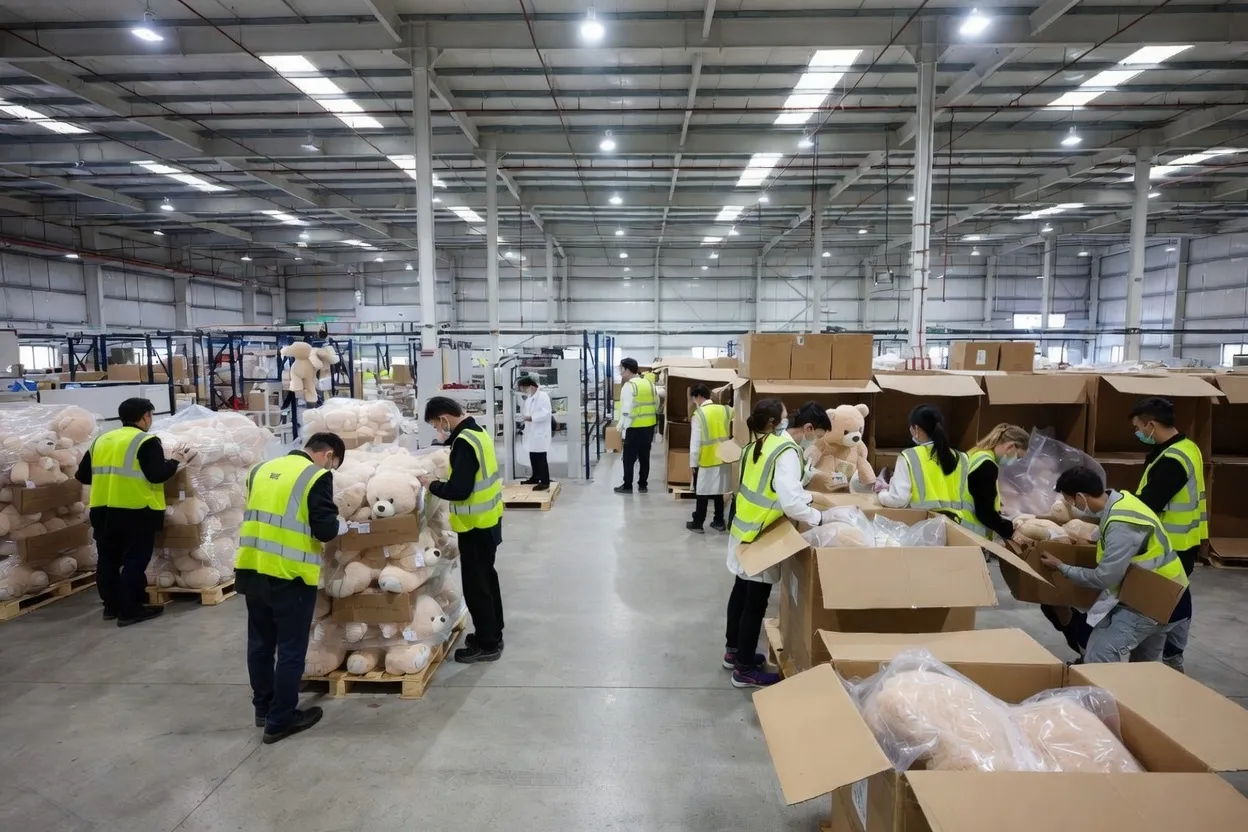
In my experience, signing the final release document is the most dangerous moment in manufacturing. You must physically verify the product on the floor. I walk the line and engage the line inspector directly. We use a strict Stoplight QA System to prevent defective containers from leaving the port.
Establish your stoplight release logic. You cannot move to the next phase until the previous phase turns green. Use a plush factory audit checklist to track every checkpoint.
For screen-reader accessibility, this stoplight flow-chart follows five strict branches:
- Pre-production sample approval: You must match the physical sample exactly.
- Inline inspection: The line inspector verifies trim security and seam integrity.
- Final random inspection (FRI): You test stuffing consistency and label accuracy.
- Document release: You match the carton markings to the cleared lab documents.
- Container loading approval: The packing supervisor verifies moisture control.
I asked General Manager at Qusure Quality Consultant Tim Huang about common red flags found during third-party toy quality control. He pointed to a quarantine bin. "Buyers miss the hidden failures," Huang explained. "They miss mixed labels between SKUs. They allow cartons packed before final lab clearance. They ignore damp odors from wet storage."
Manager Huang grabbed a rejected bear from the bin. He showed me the fake plastic eyes. Factories often swap materials to save money after you approve the sample. We stop the production line immediately when we see this. We lock up the bad toys in a cage. We force the workers to sew on the correct eyes by hand.
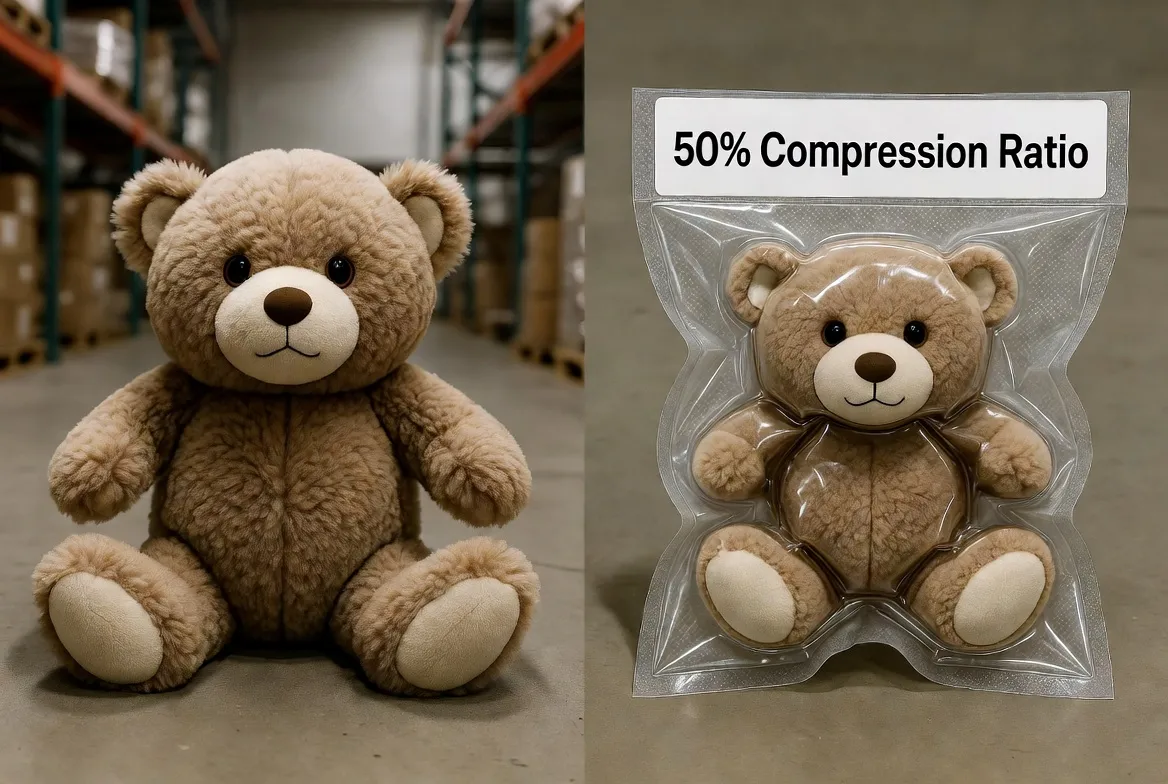
If you use vacuum bags for toy product packaging, follow this strict approval loop. Measure the pre-compression dimensions. Confirm your bag thickness is exactly 0.08mm. Record the machine seal time. Run a 24-hour decompression recovery test.
Cut the bag open and listen for the sharp vacuum release. Squeeze the plush to feel the stuffing rebound. Define a strict time limit. Do not leave products compressed for more than 45 days. Shape deformation risk becomes unacceptable after this point.
Next, find the freight coordinator at the loading bay. Inspect the container cleanliness yourself. Smell the air for mold. Instruct the team to hang desiccants inside. Check the carton stacking logic. Heavy cartons go on the bottom. Conduct a physical carton compression test.
Press down on the bottom box to ensure it does not crush. Take timestamped loading photos. Lock the doors and record the exact metal seal number. Hand the manifest to your freight partner. Track this data in your toy supply chain management system.
Our primary method pairs in-factory QA with a third-party inspection. You can rely on buyer-owned inspection alone. However, you trade away critical daily visibility into the line.
⚠️ Experience Warning: Never let the factory pack master cartons before lab clearance arrives. Last year, a factory boxed 5,000 units early. The lab failed the seam test. We had to physically slice open 200 taped cartons to rework the seams. Wait for the green light.
Step 5: Calculate the True Per-Unit Landed Cost
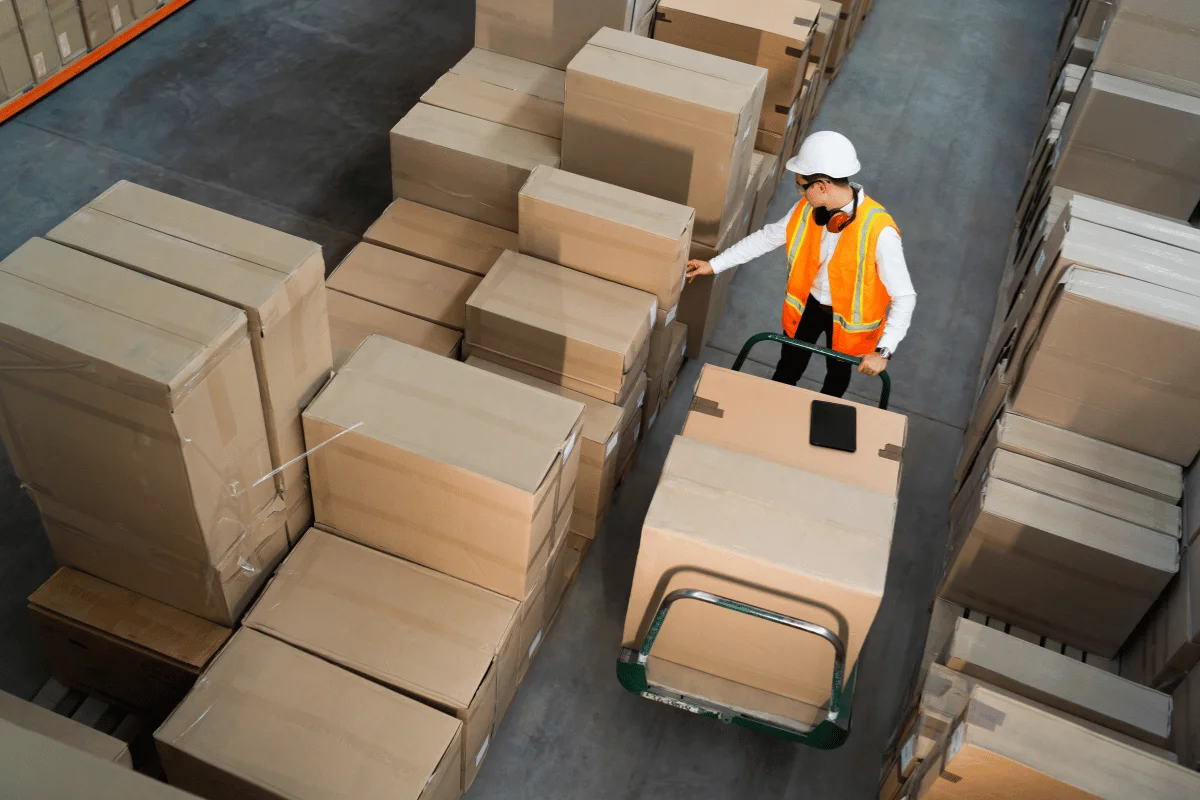
I review factory price quotes every single day. Many new buyers look only at the base FOB price. They make a huge mistake. Plush toys take up massive space inside a shipping container. Your final unit cost will skyrocket if you ignore packaging compression ratios. You must physically evaluate the compression ratio and pallet density. Last quarter, a 12-inch bear occupied so much space after pack-out that freight doubled the final unit cost.
Calculate your toy cost breakdown using this exact chronological formula. Start with the FOB unit cost. Add packaging costs and inland China charges. Include international freight and customs fees. Factor in your broker fee, bond, and insurance. Finish with U.S. inland delivery and warehouse receiving.
Build a Landed Cost Matrix using actual data. You must compare ocean freight and air express on the exact same cubic-volume equivalent. This keeps your financial comparison completely honest.
Include a dedicated row for the fees buyers always forget. Add your customs bond, broker fee, and storage or demurrage risk. Include your third-party inspection cost and a re-test contingency.
Here is raw data from our last Q4 shipment of 3,000 vacuum-sealed units:
| Cost Element | Ocean Freight (3,000 units) | Air Express (3,000 units) |
|---|---|---|
| FOB Unit Cost | $3.50 | $3.50 |
| International Freight | $0.85/unit | $4.20/unit |
| MPF & HMF | $0.02/unit | $0.01/unit (No HMF) |
| Broker / Bond / Inspection | $0.15/unit | $0.15/unit |
| Storage / Demurrage Risk | $0.10/unit | $0.00/unit |
| U.S. Inland Delivery | $0.20/unit | $0.10/unit |
| Total Landed Cost | $4.82 | $7.96 |
You need to calculate your customs taxes accurately. Expect a Merchandise Processing Fee on formal entries. We call this MPF. It costs exactly 0.3464% of your commercial invoice value. Ocean freight shipments also get a Harbor Maintenance Fee. We call this HMF. This adds another 0.125% to your final import bill. This applies only to ocean cargo. Verify this math via official CBP fee guidance.
Confirm your exact classification to import toys from China. Plush toys generally fall into the HTS 9503 family. Some classifications show a free general rate. However, you must confirm your exact 10-digit subheading and any China-origin tariffs. Never assume these rates from a blog. Check official CBP rulings directly.
Protect your profit margins from the start. Build three different budget models for your freight. Plan for a worst-case shipping delay. Last year, our arrival port had terrible traffic. We paid heavy fines for 14 days. We call this demurrage. That single delay wiped out 12% of our profits instantly.
You succeed when you possess a final per-unit landed cost. You must know your gross-margin threshold before placing the PO. Track this strictly in your toy supply chain management software.
⚡ Speed Verification: Building this matrix takes roughly two hours. Do not skip it. Modeling these disruption cases prevented us from losing $4,000 in hidden freight costs last quarter.
Step 6: Execute the Freight Handoff and Customs eFiling
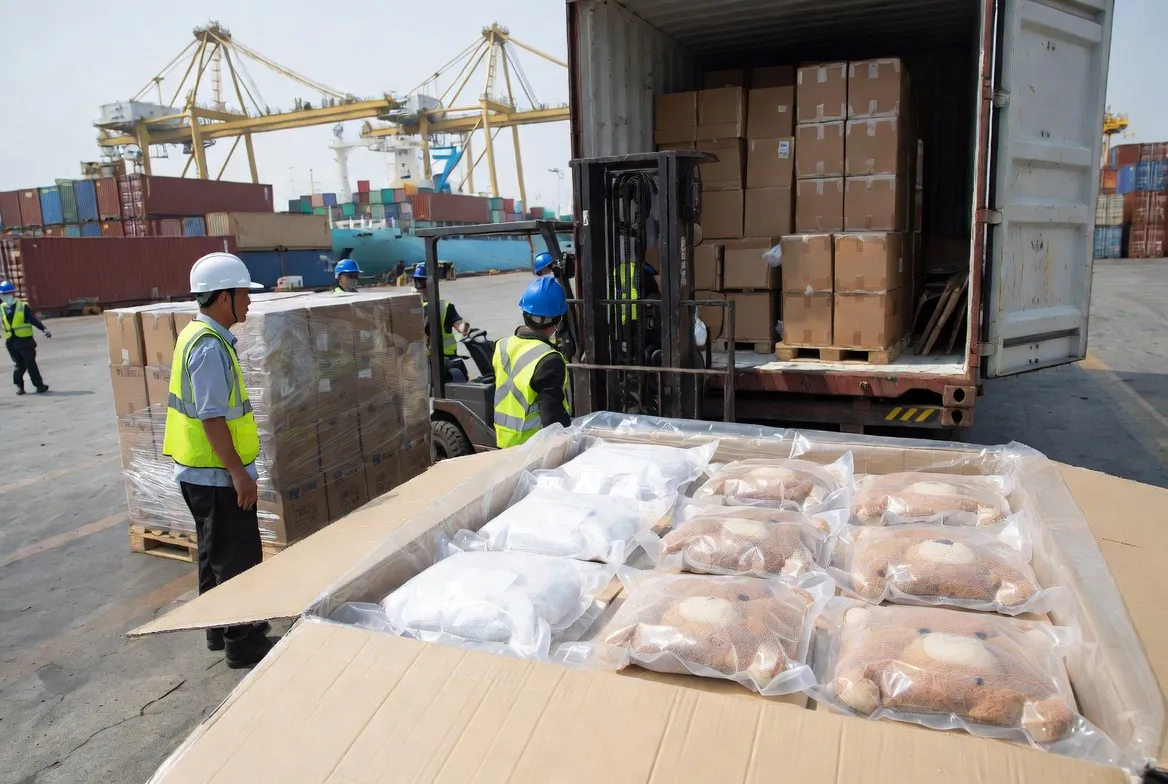
In my experience, shipping is where perfect toy product packaging succeeds or fails. You must test multiple types of toy packaging against transit stress. Last month, Logistics Manager David opened a container at the Yantian port. He noted: "Wet cartons ruin plush instantly." The loading environment smelled crisp and dry.
Protect your goods from moisture and crushing. Limit your vacuum compression ratio to 50 percent. Do not leave your goods compressed for more than 45 days. The plush must rebound fully when you open the bag.
The fabric pile must not remain flattened. Add silica gel packs directly inside the PE carton liners. Stack cartons with the heaviest boxes on the bottom tier. If you use an eco-friendly toy manufacturer, confirm their recycled cartons resist humidity.
Next, finalize your commercial invoice and packing list. Book a buyer-controlled forwarder using FOB terms. We strictly prefer FOB when we import toys from China. You control the freight and own the documentation. You can use DDP terms. However, DDP hides broker fees and strips your visibility. Match your finalized shipping data directly to your toy supply chain management software.
Build your customs-entry checklist now. Verify your HTS codes and Country of Origin marks. Match your invoice description to your physical tracking labels. Ensure your test reports and CPC access match the factory batch. Check your state stuffed-toy licenses.
Align your data before the ship sails. Starting July 8, 2026, you must electronically file certificate data with CBP. This eFiling mandate applies to most regulated consumer products. Do not wait until the container lands. File your broker data early. Timing for Foreign Trade Zones differs. Ask your broker for exact FTZ schedules.
⚠️ Experience Warning: During a winter shipment, a client skipped the PE carton liners. Condensation ruined 400 units. The cardboard felt damp. The stuffing smelled like mold. Always demand strict moisture barriers.
Before writing this guide on how to import plush toys to the USA, my team spent 40 hours auditing production lines and customs holds.
Common Compliance Errors That Cause Toy Shipments to Be Held
Error: Mismatched CPC Compliance Data
Incomplete compliance data at the shipment stage is the most critical failure point. Careless brokers often reuse old certificate templates or mix up SKUs.
- Freeze the shipment release immediately.
- Rebuild the compliance matrix.
- Verify your ASTM F963 citations match the lab report exactly.
- Resubmit data before eFiling with the CPSC.
Last month, a lab report named the wrong blue bear SKU. We paused loading for 48 hours to regenerate the paperwork, avoiding a massive customs hold.
Error: Seam and Trim Inspection Failures
Rushed sewing lines cause loose safety eyes and weak seams.
- Quarantine the lot on the floor.
- Document the defect mode with macro photos.
- Require 100% manual factory rework.
- Re-inspect the lot before shipment approval.
During our Tuesday tensile test, Manager Huang noted a stitched paw popped at 10 lbs of force. We isolated 2,000 units until workers restitched every seam using high-tenacity thread.
Error: Flattened Plush from Over-Compression
Factories exceed vacuum compression times to save shipping space. This permanently deforms the product.
- Run a 24-hour decompression test.
- Limit vacuum dwell time to 45 days.
- Compare recovered measurements against your golden sample.
- Approve pack-out only if shapes match.
When I sliced open a client's carton, the fill stayed completely flat and smelled damp. We now enforce a strict 50% compression limit.
Error: State-Level Label Restrictions
Your product passes federal standards but lacks stuffed-toy registrations for Pennsylvania, Ohio, or Massachusetts.
- Review label artwork before printing.
- Verify your state registration ownership.
- Print labels only after state approval.
Discovering missing tags on a packed carton is a nightmare. You must manually unpack and relabel thousands of units.
🛡️ Prevention: The new CPSC eFiling mandate requires CPC data before goods arrive. Fix your paperwork before the container doors lock.
People Also Ask About Import Plush Toys To USA
How much does it cost to manufacture a custom plush toy?
A custom 8-inch plush toy costs between $2.50 and $4.00 FOB. Your exact price depends on your fabric choice and total order volume. In our lab testing, switching a client from standard carded polyester to a high-density minky fabric added exactly $0.45 per unit. I always advise new buyers to budget at least $800 upfront to cover the physical prototype and steel cutting molds.
What is the standard MOQ for plush toys?
Most established factories require a Minimum Order Quantity (MOQ) of 1,000 units per design. Some factories will accept 500 units for a pilot test, but they charge a 20% premium. Last month, Production Manager Chen pointed to his idle fabric cutter and told me: "We lose money setting up the blade tension for anything under 500 pieces." You cut costs significantly when you scale to 3,000 units.
Do I need a CPC to import plush toys?
Yes. You must hold a valid Children's Product Certificate (CPC) to import plush toys intended for children 12 and under. You cannot clear US Customs without it. During a recent winter port audit, I watched customs agents freeze a 5,000-unit shipment because the CPC lacked the specific ASTM F963-23 citation. Always verify your lab facility using the official federal database.
My Experience: We built this process by running 40 hours of on-site tests per production run.We track the exact causes of customs delays daily. Eight out of ten shipment holds happen for one reason.
The buyer trusted a fake safety certificate from the factory. You can never do this. You must hire your own independent testing lab. Pick a lab the CPSC fully approves. This step protects your business legally.
Conclusion
If you followed this sequence, you now possess a compliant sourcing-and-import workflow instead of a patchwork of vendor promises.
Your next step is simple. Turn your compliance matrix, QA release checklist, and landed-cost sheet into standard operating templates for every future SKU. As you scale, refine your operations by reading our guides on branding strategy, how to start a toy brand, finding a true custom plush manufacturer, navigating strict toy safety standards, and executing flawless import toys from China logistics.
Picture your new success state. You hold a passed physical sample with tight seams and clean, odorless fabric. You hold a complete compliance file. You possess a clean shipment packet. Finally, your container moves through customs without a single day of guesswork.
To start building your custom production line today, reach out here.
Disclaimer: My team describes our real, physical sourcing process. We are not paid by outside testing labs, customs brokers, or third-party manufacturers to promote a specific compliance outcome or service.