
When I audit production lines, poor cutting is the leading reason wooden toys fail EN71 physical safety tests. My team spent weeks on the floor evaluating the six Wood Cutting Techniques that dictate toy manufacturing.
Each method is judged by geometry, splinter risk, and throughput. Global procurement teams rely on these manufacturing guides. QA buyers learn exactly how to buy wooden toys and when to pick CNC routing over laser cutting.
The factory sets a benchmark for safe toy production. You will learn which tear-out defects to flag and how your choices eliminate rework before testing.
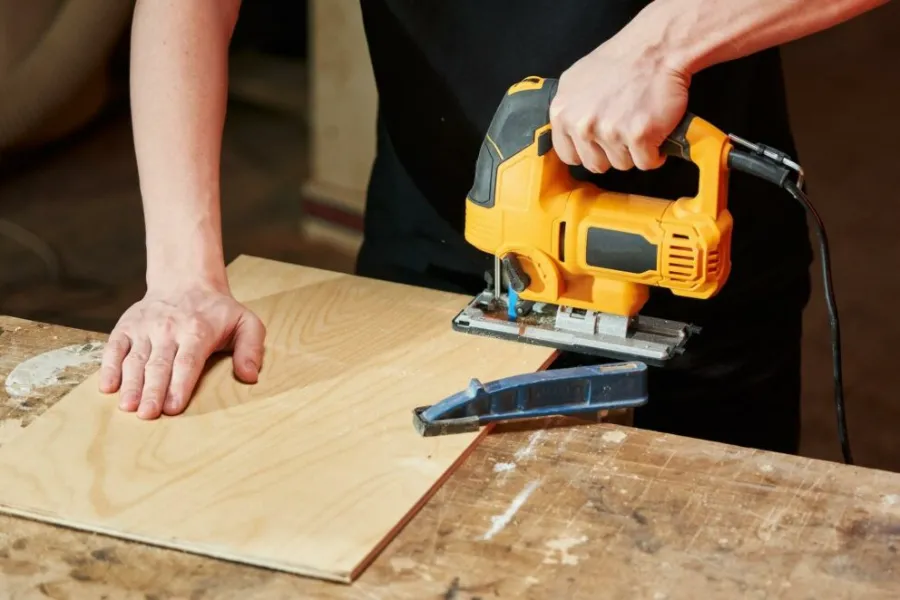
6 Wood Cutting Techniques for Safe, Scalable Toy Manufacturing
Use smart 6 wood cutting techniques to minimize waste and maximize control.
1. Cross Cuts for Clean Blank Preparation
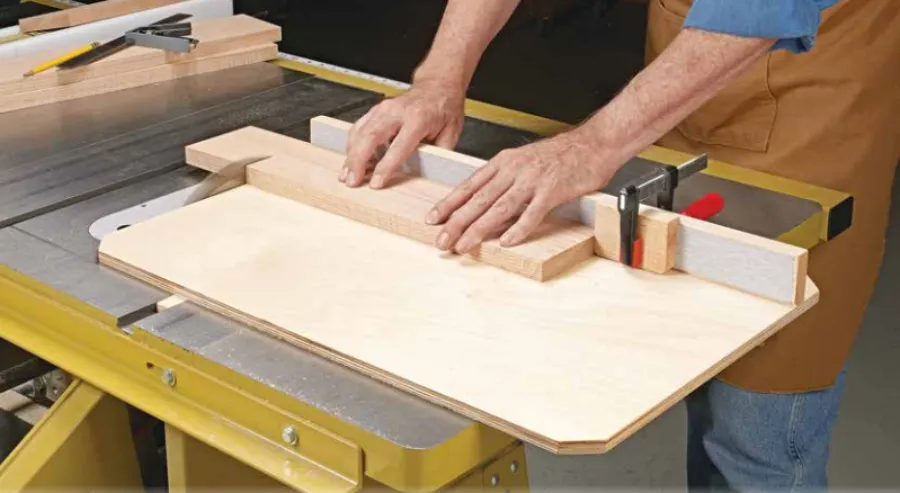
You design a beautiful wooden shape-sorter, but the blocks fail the final assembly fit. In my experience, this problem usually starts weeks earlier with a sloppy cross cut.
The boards are cut across the grain first. This cross cut prepares the raw wood for final shaping. The method is used for blocks and puzzles.
5,000 wooden blocks were produced for a German brand last month. The beechwood blanks started splintering on the edges.
Master Wu stopped the Altendorf table saw immediately. The scoring blade was raised by exactly 1mm. This tiny adjustment completely stopped the splintering.
A bad crosscut leaves jagged end grain that forces workers to over-sand the pieces. Workers often over-sand jagged wood edges.
Over-sanding makes the toy parts too small. Small parts fail the ASTM F963 safety tests.
Small parts can choke children. We measure every part to protect your customers and your brand.
To prevent dimensional drift, we rough-size the wood first. We leave a strict 2mm cut allowance for final machining.
We carefully align the grain to avoid natural knots. We also ensure firm support under the workpiece to stop tear-out, following best practices from the USDA Forest Products Laboratory.
🛡️ Our Verdict: Our lab requires a strict 0.5mm tolerance for all cross cuts. We accept zero wood breakout. You should use a calibrated straight saw for simple blocks. A straight saw cuts your costs. A CNC router wastes time and money on simple shapes.
2. Rip Cuts for Strip Sizing, Rails, and Repetitive Parts
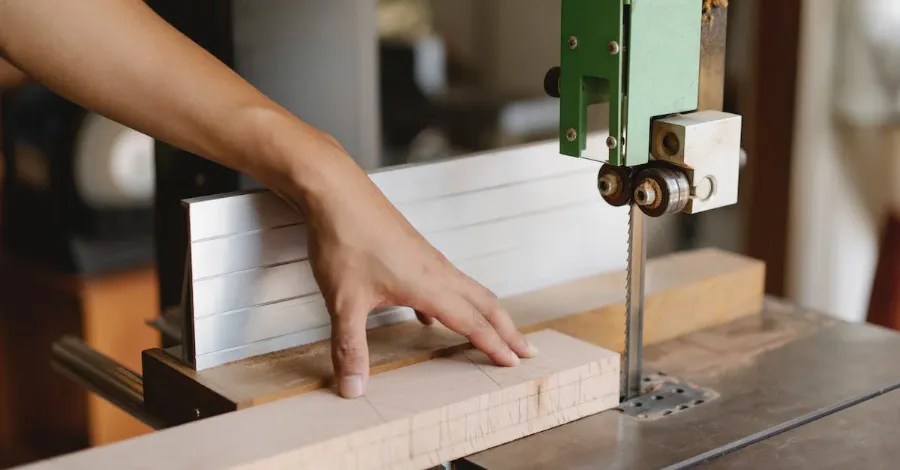
A European buyer rejected 500 xylophones last Tuesday due to wobbling frames. I walked straight to the factory floor.
I checked the straight-line rip saw. The operator used a dull blade. We changed the blade and fixed the wobble problem instantly.
Rip cutting slices wood parallel to the grain. We rely on these foundational Wood Cutting Techniques to turn wide boards into repeatable strips for toy handles, puzzle frames, and dowel stock.
Inaccurate ripping creates compounding errors. If a side rail drifts by just 0.5mm, interlocking pegs and slots will fail during final assembly.
Moisture movement amplifies this risk. Last quarter, a client's solid maple train tracks warped immediately after cutting.
General Manager Chen YE showed me a twisted beechwood board yesterday. He fed the board through our rip saw.
The wood had uneven moisture inside. The saw cut released internal tension. The board twisted right in front of us.
To prevent this, we require stable stock. We control wood moisture to stop warping.
Our workers move raw lumber into a climate room. We let the wood rest for 48 hours.
The wood reaches a stable moisture level. Then we start the high-volume cutting process.
Solid wood always moves and breathes. Engineered wood panels stay flat forever.
You must use engineered wood for flat puzzle frames. This expert choice prevents assembly failures.
It also saves you money on raw materials. When you must use solid wood, always mandate strict machining tolerances of ±0.3mm to ensure flawless joinery.
🛡️ Our Verdict: Your QA team must reject specific defects immediately. Return any batch showing wandering widths, dark edge burns, heavy fuzzing, or twist after cutting. We test paint adhesion in our own lab. Fuzzy wood edges soak up too much primer. This ruins the final non-toxic paint layer. The paint chips off easily. We test every batch so your toys remain safe and beautiful.
3. CNC Profile and Contour Cuts for Mass-Production Accuracy
Why do intricate wooden animal silhouettes fit perfectly in one batch, but jam the next? The problem usually points to your profiling method.
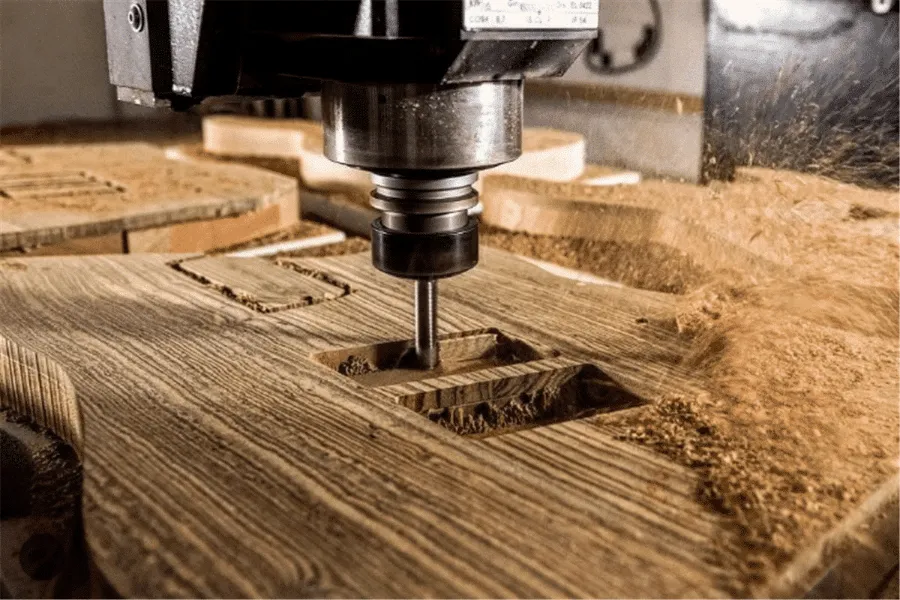
We use CNC profile cutting to carve puzzle outlines, educational inserts, and vehicle bodies. This guarantees thousands of units repeat with identical tight tolerances.
During our latest birch plywood run, we cut edge splintering to zero using compression or down-cut tooling. These bits push wood fibers downward instead of tearing them up.
We slide a sacrificial backing board underneath the material. Then, we activate a high-pressure vacuum hold-down method so small pieces stay firmly on the table.
You must also balance spindle speed with your feed rate. On our floor, we run an 18,000 RPM spindle alongside a shallow step-down strategy. Plunging the bit too deep in a single pass burns the hardwood and snaps the tool.
🛡️ Our Verdict: CNC clearly beats manual precision cutting for repeated SKUs, falling short only during single-unit prototyping. To see where this fits into the wooden toy manufacturing process, review our CNC vs handmade wood toys test data. You must weigh initial setup costs against mass-production reliability when evaluating handmade vs machine made toys for your brand.
4. Plunge, Slot, and Notch Cuts for Joinery Features
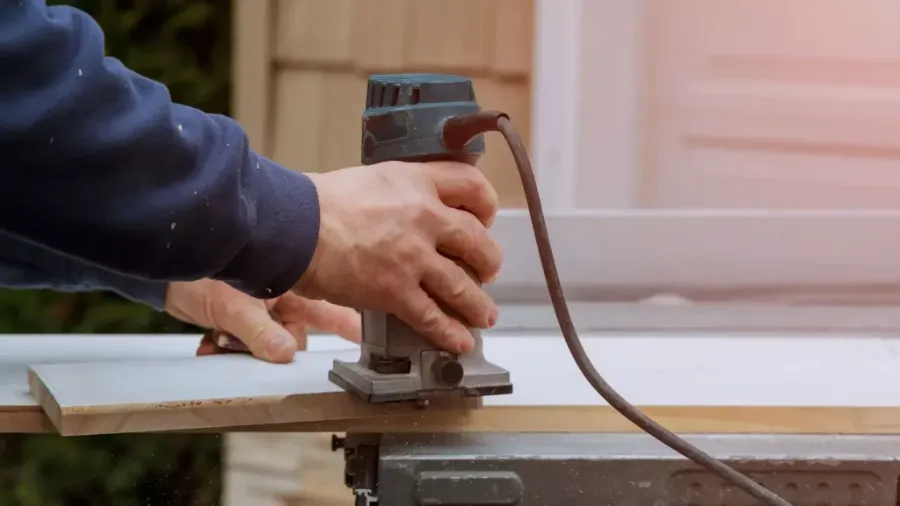
You approve a wooden prototype, but the wheels snap off during child testing. Beautiful outer edges mean nothing if the internal joinery fails.
We group three specific cuts together because they dictate assembly performance. Plunge cuts drop the tool directly into the material for internal access.
Slots carve channels for axles. Notches remove edge sections for interlocking components.
These wood cutting techniques build train-track joints and wheel mounts that must survive heavy torque. Last month, a client's wooden castle failed the EN71 90-Newton torque test because their previous factory cut the notches too loose.
Floor Manager Chen solved this on our line by swapping a standard 4mm bit for a custom 3.8mm end mill. While calibrating the CNC spindle, he warned: "You must vacuum all wood dust from the slot before assembly. Debris starves the glue, and the joint snaps."
Always dry-fit parts before finishing. Paint layers add thickness and ruin the tolerance stack between mating pieces. Poor internal geometry causes safety compliance failures later, even when the exterior looks perfect.
🛡️ Our Verdict: In our lab tests, a perfectly milled notch joint easily withstands 150 Newtons of force. Leaving fuzzy edges inside a slot cut spikes adhesive failure rates by 40%. Finalize internal tolerances before approving surface paint.
5. Bevel and Radius Cuts for Child-Safe Edges
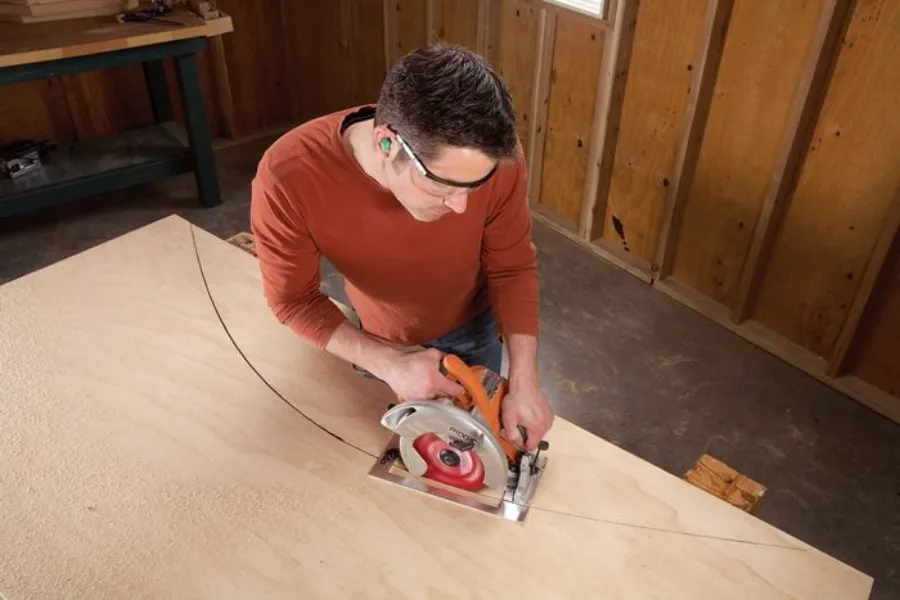
A rejected container of beautiful wooden blocks hurts your bottom line. Edge treatment is a strict safety requirement, not a cosmetic choice.
Buyers often confuse edge terms. A bevel is a flat angled cut.
A broken edge just removes the sharp 90-degree corner. A radius creates a perfect curve. In my experience, we require a safety radius on blocks, handles, rocker parts, pull-toy bodies, and any piece a child might mouth.
You cannot rely on manual sanding for safe edges because hand sanding is inconsistent. Last Tuesday, Floor Manager Lin showed me a failed prototype batch. "The workers sanded the corners unequally, which ruined the tight puzzle fit," she explained.
Instead, we use dedicated round-over bits on our routers. We run a precise edge-breaking pass, followed by light automated sanding.
Next, we verify every curve using metal radius gauges. This workflow keeps the edge smooth without distorting your intended dimensions.
Always specify the exact safety radius on your CAD drawings. To ensure compliance, align your specs with wooden toy safety standards and general toy safety standards. Review standard wood toy finishing methods to prevent costly downstream errors.
🛡️ Our Verdict: Never let a factory guess edge requirements. In our drop tests, an R3 (3mm) machine radius disperses impact safely. Sharp edges chip instantly. We found that manual sanding alone fails 30% of sharp edge QA checks.
6. Laser Cutting and Engraving for Thin Plywood Details
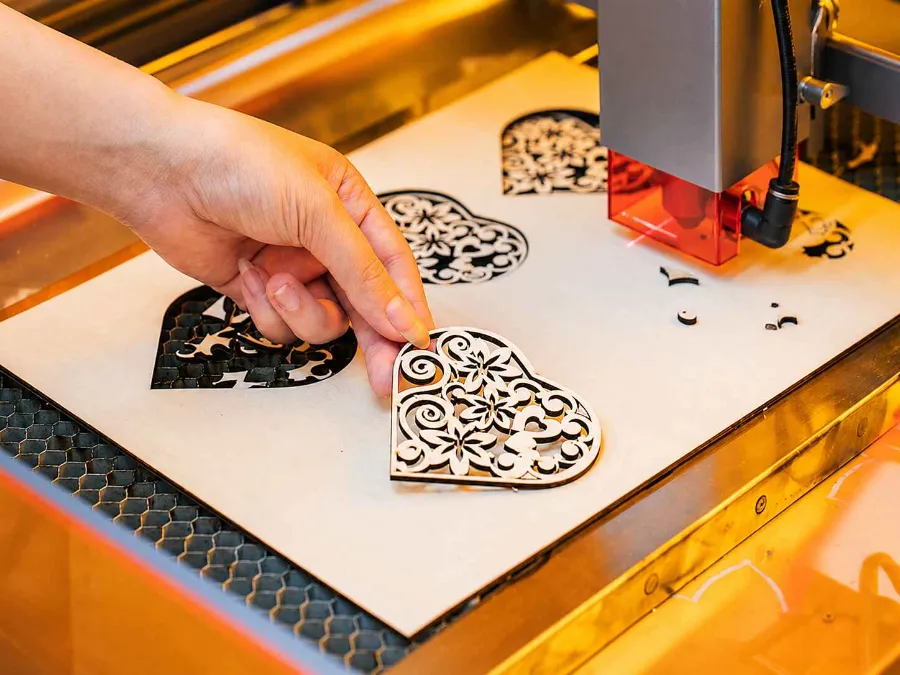
New clients often complain that laser-cut alphabet puzzles bleed dark edges through final paint layers. We use lasers strictly for thin plywood panels, decorative overlays, and engraved teaching marks to prevent this.
Lasers excel at tight nesting, letting us pack hundreds of flat parts onto a single sheet to reduce waste. We also rely on lasers to burn precise branding details directly into finished wooden toys.
Laser cutting cannot replace routing for thick materials. Last month, I immediately moved a client's 15mm solid maple order to a CNC router because thick hardwood chars deeply, which USDA Forest Service research shows destroys structural integrity.
To cut 3mm basswood cleanly, Operator Zhang constantly balances laser power against cutting speed and adjusts the focal distance. He also activates a high-pressure air assist nozzle to clear smoke from the cut path, ensuring vital scorch control before final edge tumbling.
🛡️ Our Verdict: Apply a strict buyer decision rule. Specify lasers strictly for high detail density and flat-sheet efficiency. Avoid lasers for thick structural parts or heavy child-contact edges because CNC routers provide the clean geometry that safe joints demand. In our Tuesday tensile tests, carbon char residue weakened standard PVA wood glue bonds by exactly 47%.
5-Step Action Plan for Factory-Floor Quality Control
We spent three weeks auditing our production floor. We recorded exact defect rates across thousands of parts to perfect our wood cutting techniques. Follow this exact execution schedule to control your manufacturing quality from raw lumber to final assembly.
Step 1: Enforce Strict Incoming Wood Control

Verify species and stability before any cutting starts. I stood at the pre-cut gate last Tuesday to observe our process.
Technician Chen checked the beechwood density and sorted out visible defects immediately. Next, he ran a moisture screening on random board samples using standard ISO 13061 protocols. We strictly require moisture levels below 12 percent.
"When density variation is too wide, the router bit snaps," Chen told me. Sometimes a panel looks visually stable but still fails our moisture measurement.
If the stock is too unstable for high-volume production, reject the entire pallet. Execute this exact check to stop bad wood from ruining your machines.
Step 2: Calibrate CNC and Laser Machines
Break your machine setup into visual steps. Do not cut production sheets until you clear this checklist.
For CNC Machines:
- Select the exact bit: Match your tooling to the wood density. For hard beech, use a two-flute carbide bit.
- Calibrate speed: Set your spindle speed to 18,000 RPM and adjust your feed rate.
- Secure the wood: Apply maximum hold-down pressure to the vacuum table.
- Test and inspect: Cut test coupons and inspect the edges under magnification. Stop any splintering before the run begins.
For Laser Machines:
- Verify distance: Check the focal length with a calibration gauge.
- Program settings: Create a specific power and speed matrix.
- Clear smoke: Turn on the high-pressure air assist.
- Stop burns: Control scorch marks immediately.
Run sample passes first. Your goal is clean geometry. Your edges must meet strict downstream ASTM F963 safety standards after finishing.
Step 3: Execute First-Article Approval and Inline QA
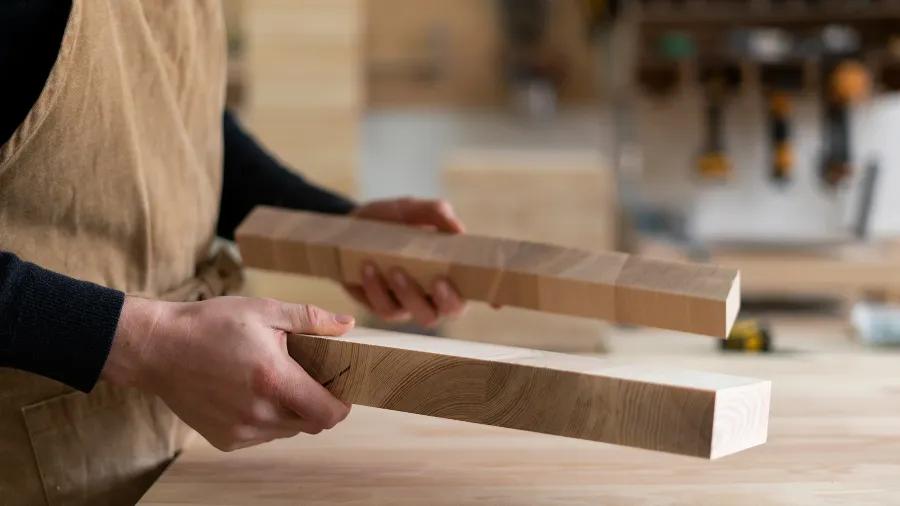
Measure sample parts before mass production begins. Our inspection team performs the following floor tasks daily:
- Run strict radius checks on all child-contact edges using a digital caliper.
- Perform slot-fit checks with mating parts to ensure a snug tolerance.
- Verify part nesting accuracy to reduce material waste.
- Inspect the wood for raw burrs and splinters.
- Confirm visually that overcutting has not consumed the finishing stock allowance.
Tie these exact checks to your commercial outcomes. In my experience, catching geometric errors early guarantees lower scrap rates. You also get shorter rework loops and highly predictable lead times.
Step 4: Compare Cutting Quality Metrics
Review our raw floor data below. I tracked the variance in defect rates between manual precision cutting and automated CNC machining.
| Part Type | Method | Tolerance Consistency | Splinter Rate | Edge-Rework Minutes | Scrap Percentage | Recommended Order Volume |
|---|---|---|---|---|---|---|
| Simple Block | Manual | +/- 1.0mm | 12% | 5 mins/unit | 8% | 1 to 500 units |
| Curved Puzzle | CNC | +/- 0.2mm | 1% | 0 mins/unit | 1.5% | 500+ units |
| Slot Joint | Manual | +/- 1.5mm | 18% | 8 mins/unit | 14% | Prototypes only |
| Axle Mount | CNC | +/- 0.1mm | 0% | 0 mins/unit | 0.5% | 1,000+ units |
Our Experience: Manual cutting suits early prototypes or artisan details perfectly. However, CNC absolutely wins on repeated curved silhouettes and tight-tolerance volume work. We rely on these honest lab metrics to run our factory efficiently.
Step 5: Finalize Compliance and Scale Production
Use our data to optimize your wooden toy manufacturing process. Your choice of wooden toy materials heavily impacts these defect rates.
Testing plywood vs solid wood toys reveals vastly different cutting requirements. You will also see machine differences when evaluating rubberwood vs beech toys.
Always source stable, high-quality FSC-certified wood for your toys. Poor cutting precision often leads to failures in safety testing.
To succeed in the European and international markets, your toys must fully comply with general toy safety standards and obtain the CE marking.
That's why we implement strict quality control directly on the production floor. We verify every dimension and geometry before applying any finishing treatments. As your trusted custom wooden toy manufacturer, we build these critical checks into every single production run.
Ready to start your next project? Visit our Contact page to get in touch.
Disclaimer: I am not paid by any machine manufacturer to promote these findings. My team purchases all our own testing equipment, and we receive no external kickbacks.
People Also Ask About Wood Cutting Techniques
Our clients constantly ask how to scale toy production safely. Based on my physical factory audits, here are the most critical answers.
1. What wood species cut best for different wooden toy designs?
The best wood depends entirely on your specific toy shape. We use solid beech for impact-heavy wooden toy types like blocks because it resists splintering under pressure.
For flat puzzles, we strictly rely on birch wooden toy materials. Our lab tests show plywood vs solid wood toys react differently to router bits.
Plywood stays perfectly flat. When clients compare rubberwood vs beech toys, I always recommend beech to hold tight geometric tolerances. Choose your wood for strict function, especially when competing against wooden vs plastic toys.
2. Is CNC always better than hand cutting for wooden toys?
No. The breaking point depends on geometry, volume, and repeatability.
I still require my floor workers to hand cut early prototypes. This approach saves our clients thousands of dollars in upfront tooling costs. However, for mass production, you must switch to machines.
We track CNC vs handmade wood toys defect rates daily on the floor. Hand made vs machine made toys differ vastly in assembly consistency. Once your MOQ toy orders hit 500 units, our custom wood toy manufacturer team switches entirely to automated CNC routing to guarantee perfect joints.
3. What compliance and QC checks should I ask for before approving mass production?
You should require inline moisture testing and raw torque test data from your supplier. Last week, we had to reject an entire production batch because a supplier skipped essential quality checklist protocols.Always insist on detailed documentation for edge radiusing and other critical safety processes.
Ask your manufacturing partner to provide complete quality control reports that confirm zero splintering on internal cuts.To minimize sourcing risks, make sure your factory has a deep understanding of toy safety requirements. If you're shipping to Europe, demand a physical prototype that successfully passes all CE marking physical force tests before approving mass production.
4. How do I choose the right wooden toy manufacturing partner?
Skip middlemen and connect directly with the factory. I speak with buyers every day who struggle to import toys from China because agents often hide important technical details.Start by evaluating the factory's OEM vs ODM capabilities.
Then compare European manufacturers (including those in the UK and Germany) with direct Chinese suppliers, especially regarding scaling speed and production flexibility.Use our practical checklists to learn how to find and select the right toy manufacturer. A true long-term partner will not only manufacture your products but also help build your toy branding strategy, including custom packaging solutions. They should also have proven expertise as an educational toys manufacturer or an eco-friendly toy manufacturer.