
Choosing the right velour fabric is often the difference between a global bestseller and a shelf-warmer. After all, nobody falls in love with a stuffed animal that feels like a scrubbing pad. For premium collections, velour remains the "gold standard," providing the irresistible softness that drives retail sales.
However, sourcing isn't always a walk in the park. Seasoned plush toy manufacturers know that technical hurdles—like pile retention and flammability—can quickly turn a cute concept into a compliance headache.
This article analyzes critical specifications to help you master that balance. You will learn to maintain superior comfort while strictly adhering to rigorous global safety standards, ensuring you sleep as soundly as the kids hugging your toys.
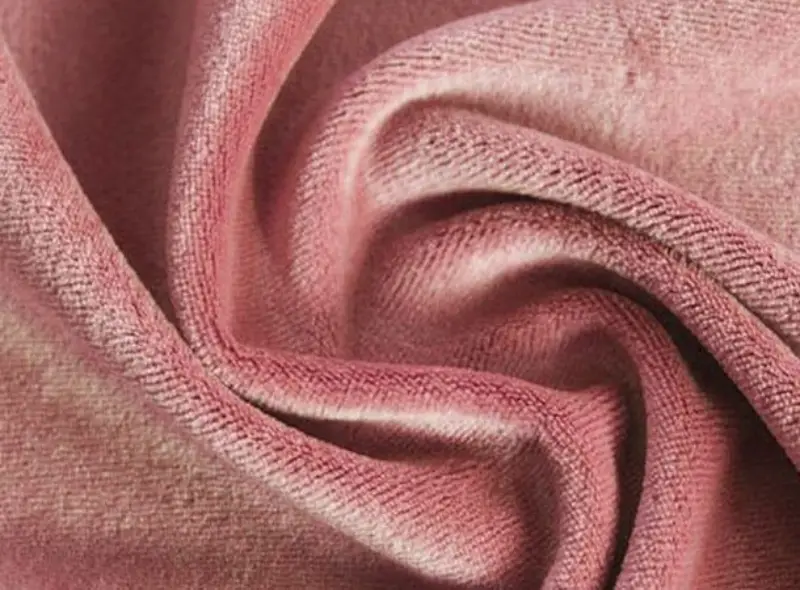
Overview of Velour Fabric in Toy Manufacturing
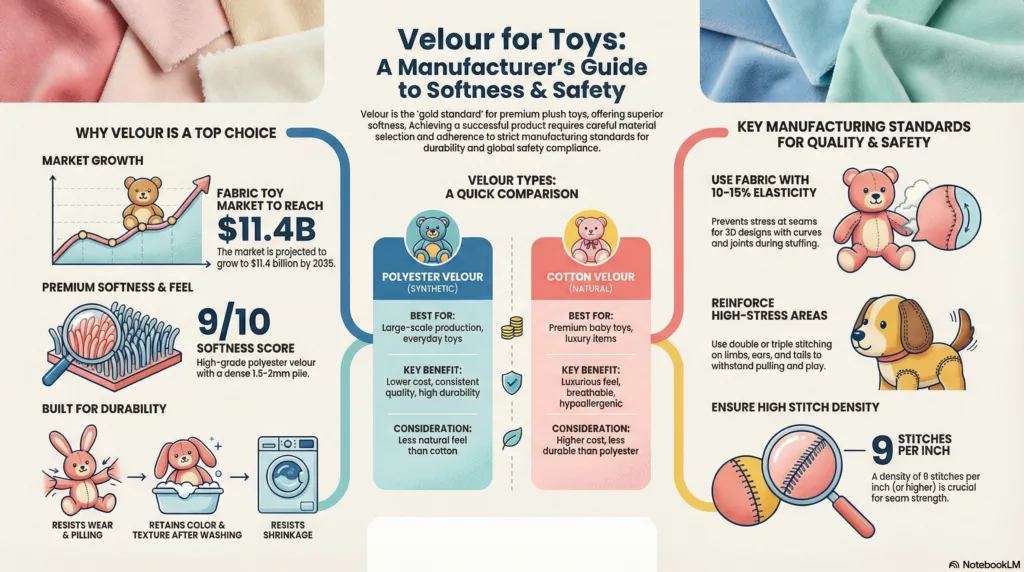
The fabric toys market is expanding fast. By 2025, projections set the market at USD 7.1B, jumping to USD 11.4B by 2035, based on an annual growth rate of 4.8%.
Other forecasts place the market at USD 9.89B in 2024, growing to USD 14.3B by 2035. This steady climb shows rising demand. It creates new opportunities for your plush toy business.
You can source velour fabric in two main types: polyester velvet (synthetic) and cotton velvet (natural).
- Polyester velvet works well for large-scale production. It costs less, lasts longer, and delivers consistent quality. Bigger orders become easier to manage. You can meet deadlines as you scale up production.
- Cotton velvet feels luxurious and natural but costs more. It needs more labor too. Availability changes based on color, pile, and width needs. Your fabric choice affects your supply chain. It shapes your pricing and final product margin.
Comfort Properties of Velour Fabric in Toys
Exceptional Softness and Warmth
PV Velvet or high-grade polyester velour gives you premium softness. These fabrics rate 9 out of 10 for softness.
They're perfect for plush dolls, cushion toys, or bedtime companions. The dense, short pile (1.5-2mm) creates a velvety, cloud-like touch. This keeps warmth in and adds comfort. Baby toys and "lovey" blankets work great with this fabric.
Polyester velour resists wear better than most fabrics. Regular play won't damage it.
Frequent washes won't hurt it either. The plush feel stays strong. It keeps color and texture far longer than cheap options.
Parents see the difference right away. Your toys stay soft and inviting. This keeps customers coming back.
Gentle and Safe for Babies
Cotton velour brings natural softness (softness score: 8/10). It breathes well and feels good on skin.
Baby's sensitive skin responds well to it. This fabric washes clean too.
Parents love that. Cotton blends work best for baby toys or soft dolls. You get a gentle product that lasts (durability 7/10).
High Durability for Everyday Play
Polyester and cotton velour resist tears and wear. These materials handle rough treatment well.
Plush toy parts like noses, ears, and facial details need this strength. The fabric stays soft after months of use.
It holds its structure too. This extends your toy's life. Customer satisfaction goes up.
Expert Advice: Always request a stretch test on velour samples—fabrics with 10-15% elasticity work better for 3D toy designs with curves and joints, preventing fabric stress at seams during stuffing.
Hunter Li, Expert in custom toy field
Durability and Longevity of Velour Fabric
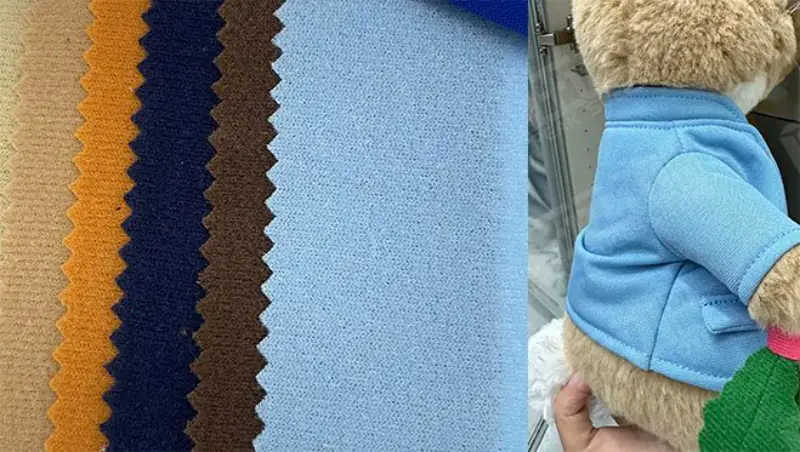
Polyester Velour: BUILT TO LAST
Polyester velour works great in plush toys. You get a fabric that fights off wear, scratches, and pilling.
This holds true even after months of play. The tight weave and plush pile (1.5–2mm) keep both color and texture intact.
Multiple washes won't change that. Your toys stay soft and bright for weeks and months.
Polyester velour skips the problems you see with cotton velvet. Cotton shrinks and loses its pile height after a few washes.
This makes cotton less tough for daily use toys. Polyester holds its shape and stays plush. Your product value stays protected.
Velour vs. Other Fabrics
Holland velvet is less soft than velour. But velour can lose texture in spots that get lots of use.
Still, velour is thicker than minky fabric. It matts less too. The thickness in velour helps it hold detailed features.
Think plush noses, ears, or sewn faces. Other soft fabrics can stretch or matt in these spots. Velour doesn't.
- Reinforced Stitching: Good velour plush toys have double or triple stitching at key points. We're talking limbs, ears, and tails. This setup stands up to pulling, hugging, and rough play. Torn limbs and loose seams? You won't see those. Great news for tough markets.
- Polyester Fiberfill for Shape Retention: These toys use polyester fiber inside. Squeeze them hard, they bounce right back. Velour fabric plus polyester fill passes tough tensile strength tests and shape retention tests. Squeeze it, twist it, repeat. The toy keeps its shape and stays comfy.
Related Reading: What Is Arctic Fleece Fabric? The Ultimate Guide
Making Velour Toys: Key Steps and Standards
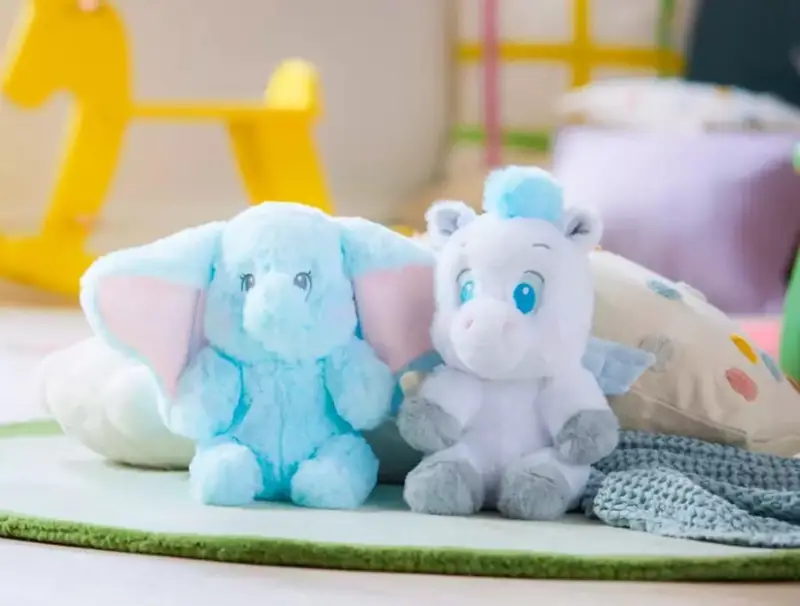
- Plush Velour Material Specs: Pick velour that's soft and built to last. The smooth, velvety texture gives finished toys a premium feel. The fabric needs treatment and testing for hypoallergenic performance. Tell customers gentle cleaning is a must.
- Raw Materials: Use high-quality polyester or acrylic blends. These fibers stay soft and hold their shape. Squeezing and washing won't ruin them. Good fiber choice builds product quality. It earns customer trust.
Production Process Standards
- Fiber Prep and Yarn Building: Clean and blend fibers first. Spin them using ring or open-end methods. This protects thickness and strength. Blend accurately to meet plush toy standards.
- Fabric Creation, Dyeing & Finishing: Weave or knit the yarn into fabric. Then dye or print it. Dye baths create vibrant colors. Surface prints add unique patterns. Brush the fabric for fluffiness. Add anti-pilling and anti-static treatments. Test every batch for softness, colorfastness, and durability before you accept it.
Cutting and Sewing Protocols
- Cutting Standards for Premium Toys: Arrange cloth one front, one back on the cutting bed. Keep the nap direction the same for a premium look. Limit to 8 layers for plush velour. Check every piece against templates. Avoid mismatched layers and color differences. Test for discoloration after friction or washing.
- Sewing Requirements: Use a seam stop of at least 3/16" for regular toys. Small toys need 1/8". Align cloth pieces carefully at curves and radii. Keep stitch density at 9 stitches per inch or higher. Return pin at each seam end for strength. Thread tension and color affect how the toy looks and lasts. Clip plush into seams to prevent bald spots after stuffing.
Conclusion
Finding the exact pile height, density, and color match for velour fabric while maintaining safety certifications can often become a major sourcing bottleneck. Balancing aesthetic appeal with rigorous compliance is no small feat for any brand.
LeelineToys stands as your dedicated specialist in the toy supply chain to solve these challenges. As a Chinese plush toy supplier, we excel in toy fabric customization, capable of sourcing or developing specific velour textures and colors that strictly meet international safety standards.
Contact us today to discuss your fabric requirements. Let us help you navigate the complexities of sourcing and create plush toys that are as safe as they are soft.
FAQs About Velour Fabric
1. Does velour fabric stretch?
Yes, because it is knitted, velour has natural stretch. This helps the fabric expand smoothly when stuffed, creating nice round shapes without the wrinkling often seen in woven fabrics.
2. Can velour fabric be mixed with other materials in one toy design?
Absolutely. Velour pairs well with cotton, satin, or embroidered details. Just ensure all materials meet the same safety standards to avoid compliance issues during testing.
3. How should I store velour fabric before manufacturing?
Keep velour in a cool, dry environment away from direct sunlight to prevent fading. Store it rolled rather than folded to avoid permanent creases that could affect the finished toy's appearance.