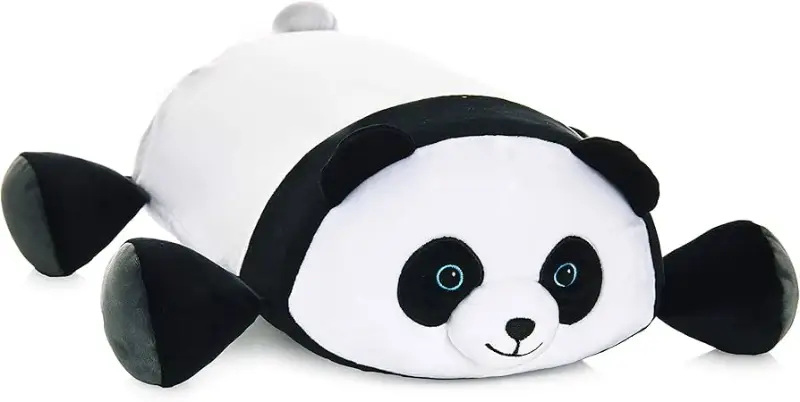

Navigating the distinct types of memory foam is essential, because let's face it—nobody wants to hug a brick. Sourcing the wrong internal filling is a common pitfall; incorrect density or composition results in products that lack resilience, degrade quickly, or fail to meet safety compliance standards.
As a plush toy manufacturer, you know that a saggy bear is a bad business card. This guide breaks down specific foam varieties to help you avoid those deflation disasters.
Understanding these variables allows for precise sourcing decisions. By mastering these details, you ensure your final product achieves the perfect balance of softness, durability, and cost-efficiency, keeping your inventory ready for that perfect squeeze.
Main Types of Memory Foam
| Foam Type | Best Application | Texture & Feel | Key Advantage |
|---|---|---|---|
| Shredded Memory Foam Pieces | "Bean bag" style plushies, stuffing irregular shapes, and budget-friendly lines. | Soft, adjustable, and malleable (can be squished into corners). | Cost-Effective: Utilizes offcuts effectively; allows for easy adjustment of toy fullness. |
| Solid Memory Foam Blocks | Plush pillows, cube-shaped toys, or high-end collectibles requiring a smooth finish. | Smooth, uniform surface with the classic "slow-rise" effect. | Premium Appearance: Provides a sleek, lump-free look and a satisfying tactile experience. |
| Density Foam Alternative | Standing figures, heavy-use toys, or structural cores for jumbo plushies. | Bouncy, supportive, and firm; springs back instantly after squeezing. | Shape Retention: Excellent durability; keeps toys from sagging or flattening over time. |
1. Shredded Memory Foam Pieces
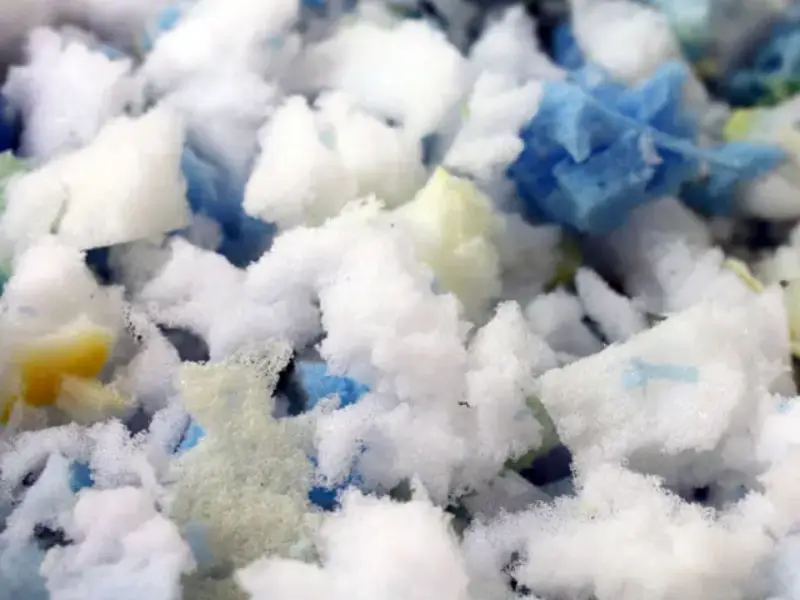
Among the various types of memory foam, shredded memory foam pieces are especially popular for crafting soft plushies due to their customizable softness and ability to conform to shapes.
- Density & Composition: Shredded memory foam blends typically range from 1.8lbs to 2.8lbs in density. This equals 4LB density memory foam. Check the specs for pounds per cubic foot (pcf) units. The blend isn't 100% virgin foam—it's mixed. This mix balances softness and cost well.
- Volume & Flexible Coverage: 10 lbs of shredded memory foam expands to fill about 3.5 cubic feet. That's enough for a 20" x 16" plush. Standard bags measure 15" x 15" x 72" and cover about 5 cubic feet. Bulk options come in 20 lbs or 40 lbs sizes. These let you fill large batches or bigger plush items. You save time on reorders.
- Performance & Comfort: Firmness is measured by Indentation Force Deflection (IFD). This tells you the pounds of force needed to compress the foam by one quarter of its height. The number varies. You can fine-tune your product's softness or firmness. Support factor (compression modulus) ranges from 1.5 to 2.6. Pick higher numbers to help plushies hold their shape. This prevents "bottoming out."
- Durability for Quality: High-density shredded foam lasts longer. Flex fatigue testing shows how well foam keeps its form after repeated use. This matters for plushies that need to bounce back. Tear strength ratings show how well foam resists ripping. They also show how far it stretches before breaking. Larger support factors give better shape support. Your products last longer.
- Air Flow for Comfort: Minimum airflow should be 2.0 cubic feet per minute (cfm). The foam cells are open and flexible. Your plushies stay breathable and comfy to touch.
- Manufacturing & Sourcing Edge: Most options are made in the USA. You get consistent quality. The blend (not all virgin foam) saves you money. Softness and fill power stay strong. It arrives "skinless" and ready to fill. No extra prep needed.
- Versatility in Application: Shredded memory foam adapts to irregular shapes. You can create unique plush designs. Beyond plushies, it works for throw pillows, cushions, patio mats, and gym mats.
Suggested Reading:
A Look at 10 Types of Stress Toys: The Product Lineup
7 Popular Types of Fidget Toys You Should Know
2. Solid Memory Foam Blocks
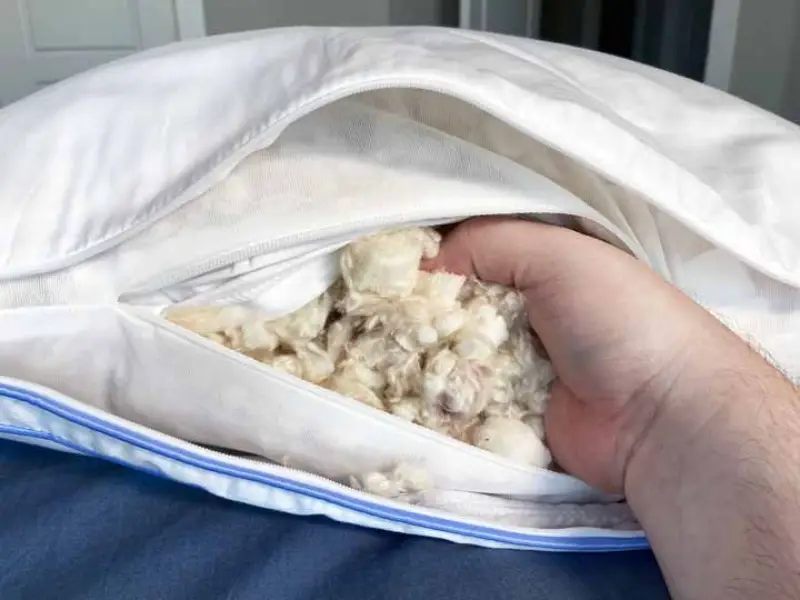
In contrast to shredded pieces, solid memory foam blocks represent another fundamental type of memory foam used in plushie making, prized for providing firm, cradling support and maintaining a specific shape.
Memory Foam Block Sizes & Custom Cutting
- Available Bun Sizes: Standard maximum blocks come in 82″ x 60″. You can choose premium, standard, or light. Gel-infused memory foam options measure 80″ x 60″.
- Custom Dimensions to Fit Any Project: Need specific sizes? Custom cutting is available. Take 24"x24"x1" blocks—these cost about $42.00 each. Great for creating plush items with exact specs. Plus, you cut down on waste.
- Production & Order Flexibility: Our production lines run steady. We make 6–10 large blocks per day. Compressed foam takes 3 days to produce. Then it needs at least 20 days for drying. You get predictable lead times for bulk orders.
Cushion Options and Thickness
For best results with plushies, check the recommended thickness:
- 3" minimum for firmness
- 4" for a medium-firm, huggable plush
- 5"+ for extra support or large plush items
3. Density Foam Alternative
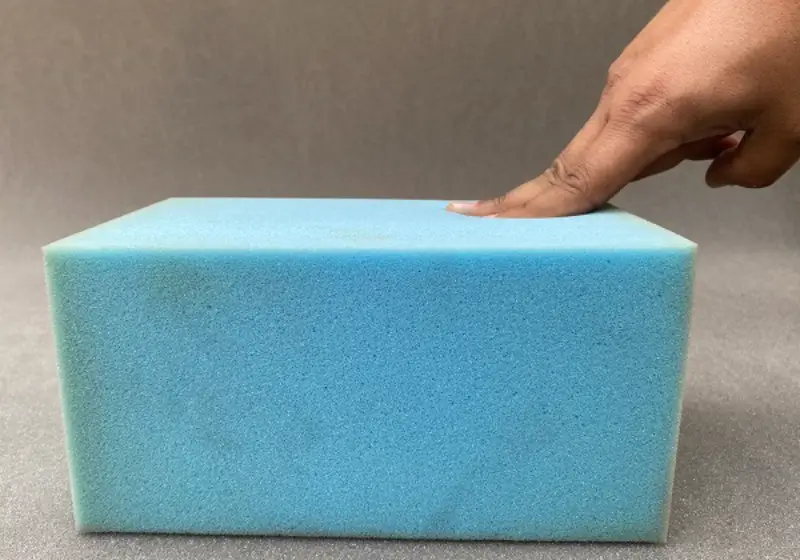
For crafters seeking a different feel, high-resilience polyurethane foam is a notable alternative to traditional types of memory foam, offering consistent support and durability for plushies that need to hold their shape firmly.
- High Resilience (HR) Foam: HR foam has a density between 2.4–2.7 lbs/ft³. This type bounces back fast after compression. Plush toys never look flat after a squeeze. The average HR foam density hits 2.7 lbs. This means better support and lasting bounce. Your products hold their shape through endless hugs and squishes.
- Conventional Foam (Lower Density): Lower-density foam (1.0–1.7 lbs/ft³) springs back more slowly. It feels softer at first. But durability drops compared to high-density options. This works best for tight budgets. Choose it when long-term use isn't the main concern.
- Natural Latex Foam: Natural latex foam offers green benefits. Density runs 4.4–5.6 lbs. It comes from rubber tree sap. Customers who want sustainable, plant-based materials love this choice. Plushies stay bouncy. Plus, environmental impact drops.
- Rebond Foam Light: This budget-friendly option uses bonded shredded foam. Density reaches 5.0 lbs and an ILD of 40. That makes it medium firm. Foam scraps get a second life here. You support greener manufacturing. Performance and comfort stay strong.
- Hard Foam: Need top firmness for plush designs? Hard foam delivers. Density sits at about 4.5 lbs, with an ILD of 240—the highest on the scale. Use hard foam where a strong structure matters. Think jumbo plush cores or details that need to hold specific shapes.
Expert Advice: To optimize costs for large or standing figures, consider a hybrid filling strategy: use Rebond or Hard Foam for the inner structural core to prevent sagging, and wrap it in High Resilience foam to ensure the outer surface remains soft and huggable.
Hana Wong, OEM/ODM Toy Manufacturer
Performance Characteristics and Metrics for Memory Foam Plushies
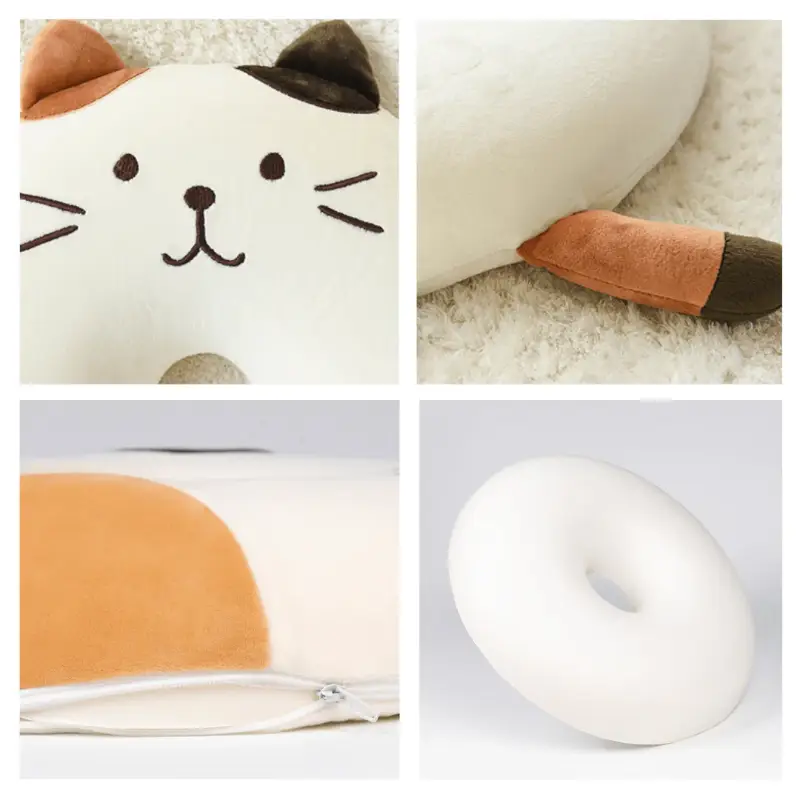
- Effectiveness: Confirm your plushies meet their product goals. Memory foam plush toys must keep their softness, hold their shape, and last through repeated use. Track how well your foam holds designs and supports the plush structure.
- Efficiency: Achieve high output with fewer resources. Buy in bulk to lower cost per unit. Automate your filling process with standard memory foam sizing. Custom-sized blocks or pre-shredded bags streamline production. This saves time and money on each batch.
- Quality: Check that your plushies match quality standards. Test foam density, cell structure, and production uniformity. Each plush should feel right and bounce back well. High-quality memory foam gives reliable performance. This keeps customers happy and cuts returns.
- Timeliness: Get your foam fast. Target shipment within 22–24 hours after ordering—whether shredded or solid. Fast shipping cuts your fulfillment times. You can launch products on schedule. This matters for seasonal or trending plush lines.
Conclusion
Selecting the ideal filling from the various types of memory foam is complex. Partnering with the right supply chain experts is essential to maintain consistency across large volume orders while keeping material costs manageable.
LeelineToys stands out as your comprehensive partner for premium toy manufacturing. We bridge the gap between technical material needs and high-quality mass production to support your brand's growth.
Contact LeelineToys today to discuss your custom material requirements and streamline your next plushie production run for optimal results.
FAQs About Types of Memory Foam
1. Can molded memory foam be customized for complex character shapes?
Yes, molded memory foam is ideal for characters requiring rigid structural integrity or specific contours that fiber fill cannot maintain. However, this requires creating custom molds, which involves higher upfront tooling costs compared to using cut or shredded foam.
2. Are there eco-friendly types of memory foam available?
Yes, bio-based memory foams (often replacing a portion of petroleum with soy or corn oil) are available. While they are rarely 100% natural due to the required chemical structure of viscoelastic foam, they offer a more sustainable selling point for eco-conscious brands.
3. Is gel-infused memory foam necessary for plush toys?
Generally, gel-infused foam is used for cooling in mattresses and is too heavy and expensive for standard plushies. However, it can be a unique selling point for sensory toys designed to provide a cooling tactile experience for children with sensory processing needs.