
What is faux fur? It's the ingenious material that lets you create incredibly soft, ethical plush without having to give a sheep a haircut or wrestle a tiger. For a custom plush toy manufacturer, it's the key to crafting products that delight your customers and align perfectly with modern values.
This guide pulls back the curtain on how this fantastic fabric is made. We'll show you what it's made of and how it's produced.
You'll become a material expert and pick the right fur for durability, safety, and beautiful design. No more guessing games!
We'll cover the materials and modern production that make faux fur a standout choice. Let's move.
What Is Faux Fur?
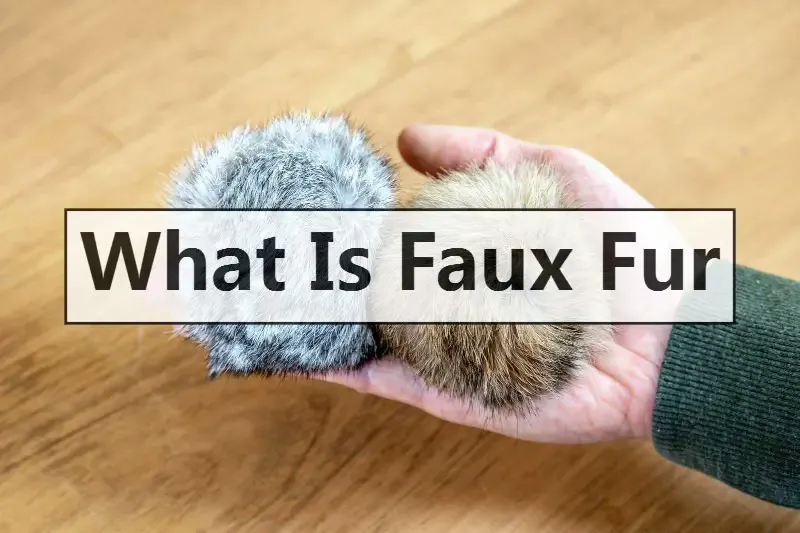
Faux fur is a synthetic fabric designed to look and feel like real animal fur. It is made entirely from man-made fibers such as acrylic, polyester, modacrylic, and nylon. Typically, you'll find blends like 80% acrylic and 20% polyester, which give the fabric softness, warmth, and durability.
| Parameter | Specifications |
|---|---|
| Material | Polyester (standard); Acrylic/poly blend (premium) |
| Pile Height | Short (3-5mm); Medium (8-15mm); Long (20-30mm) |
| Weight | Light (250-350 g/m²); Medium (400-500 g/m²); Heavy (550+ g/m²) |
| Backing | Knitted; Woven; Brushed |
| Safety | ASTM F963; EN71; CPSIA; REACH |
| Durability | Abrasion: 15,000-25,000 cycles; Tensile: 45-60 N |
| Softness | Ultra-soft (A); Soft (B); Standard © |
Appearance and Texture
Modern faux fur can closely imitate many real animal furs, such as rabbit, fox, and alpaca. It's available in both solid colors and multi-color prints, with shades ranging from natural browns to bold, unnatural hues. With high-quality faux fur, it's often tough to tell the difference from real fur by appearance alone.
Advantages You Should Know
- ETHICAL and cruelty-free: No animals are harmed, making faux fur a responsible choice.
- Lightweight warmth: Offers excellent insulation without feeling heavy.
- COST-EFFECTIVE: Usually more affordable than genuine fur, helping you save on costs without sacrificing style.
- VERSATILE uses: Popular in fashion (like coats and hats) and home décor items (throws, pillows).
Considerations
While faux fur is durable, its quality depends on the fiber blend and how tightly the fibers are bonded. Also, since it's made from oil-based synthetic fibers, it may shed microplastics over time, which is important to keep in mind.
In short, what is faux fur? It's a stylish and ethical fabric choice. It offers the look and feel of fur but avoids the ethical issues and high costs of real animal fur.
What Materials Are Used in Faux Fur?
When you wonder what is faux fur, understanding the materials behind it gives you an edge in choosing or creating quality products.
Main Fibers in Faux Fur
- Acrylic fibers make up the largest part—often 70% to 80%—of the fur pile. They are soft, strong, and hold color well. Acrylic comes from polyacrylonitrile, a synthetic polymer derived mainly from petroleum. These fibers give faux fur its fluffy, animal-like texture and a natural shine.
- Modacrylic fibers usually make up about 15% to 30% of the pile. They add special qualities like flame resistance and better ability to absorb dyes. This means your faux fur stays vibrant and safe, especially in products requiring durability.
- Polyester fibers are often used alone or mixed in. They are common in budget-friendly products and specialty items like plush toys. Polyester lowers costs, increases durability, and works well for short-pile furs.
Backing and Supporting Materials
- The backing fabric for faux fur is usually cotton or polyester, providing a stable base for the fibers. Cotton is soft and breathable. However, polyester is more widely used in mass production because it's strong and affordable.
- Rayon, a semisynthetic fiber made from wood pulp, is sometimes blended in. It enhances softness and adds a natural touch to the synthetic mix.
Finishing Additives
- To improve the look and feel, manufacturers add silicone and resins. These materials make the fibers more flexible and shiny, helping faux fur maintain its shape and rich appearance over time.
- Additional finishing steps are dyeing for realistic color patterns. Treatments also remove loose fibers and enhance luster.
The Manufacturing Process of Faux Fur
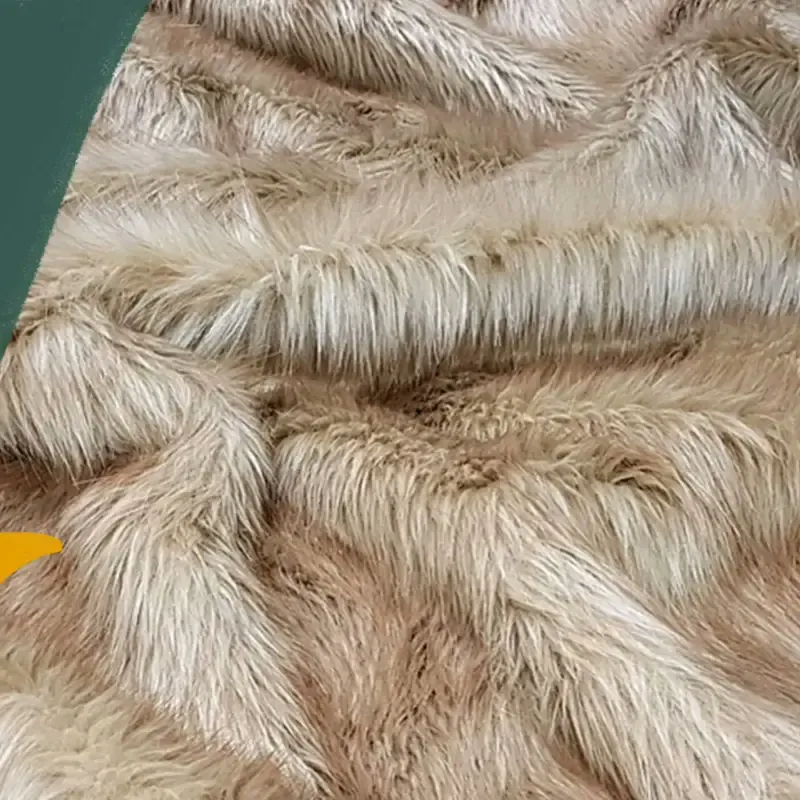
Understanding what is faux fur starts with knowing how it is carefully made to replicate the look and feel of real animal fur. The manufacturing process has clear steps to produce a high-quality fabric that meets your standards.
Polymerization and Fiber Creation
The process starts with polymerization. Here, acrylic or modacrylic monomers change into a white powder resin.
This resin dissolves in acetone to form a thick liquid polymer, which is then filtered to ensure purity. This step is crucial because it produces the base material for your faux fur fibers.
Extrusion and Fiber Formation
Next, the liquid polymer is pushed through tiny holes called spinnerets, similar to a shower head, and dropped into a water bath. This creates continuous fibers known as a "toe." The fibers are stretched, washed, and dried.
This process removes acetone, leaving pure synthetic fibers that are ready for more processing. This method ensures the fibers are strong and flexible for your products.
To give the fibers durability, they are annealed (heated and cooled) and cut to the length you require. At this stage, strict quality control ensures the fibers match your strength and consistency standards.
Fibers can be dyed either before or after attaching them to the fabric backing. Initial dyeing creates a solid base color.
To imitate real animal fur, additional dyeing replicates natural patterns or vibrant shades. This flexibility helps you achieve attractive, authentic designs that appeal to your customers.
Attaching Fibers to the Backing
Fibers are woven or knitted onto a cotton or polyester backing. Weaving is energy-intensive but provides a strong base, forming loops of fiber through the backing. PREMIUM faux furs use denser fiber placement for better texture and durability—essential if you want a natural look that lasts.
Advanced Finishing Techniques
Some manufacturers heat the fabric between 140–185°C to boost shine, softness, and flexibility. Special agents, including organic silicone oils and resins, are used to create a luxurious, durable finish.
Oven drying at 120–160°C with tentering speeds of 3–8 m/min helps keep the fabric's shape and stability. This makes it easier to handle during production.
Expert Advice: When sourcing faux fur, always request a detailed fiber composition breakdown. Focus on using more modacrylic to boost flame resistance in kids' products while keeping them soft.
Ethan Zhang, toy manufacturing expert
Is Faux Fur Animal-Friendly?
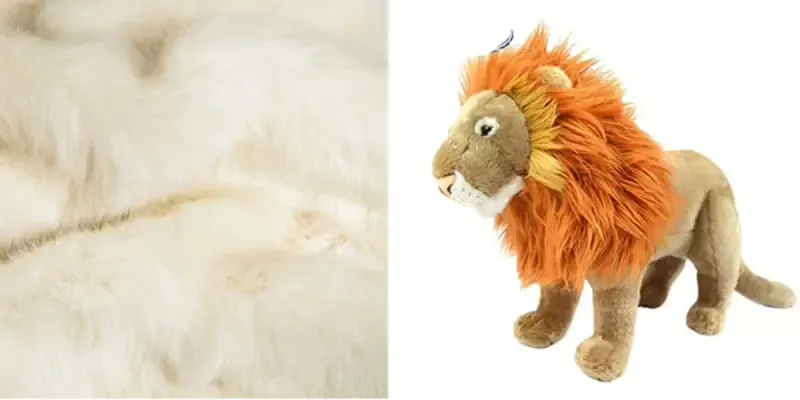
Faux fur is widely considered animal-friendly because it does not involve harming or killing animals. Instead, it is made from synthetic fibers like acrylic and polyester. While faux fur is kinder to animals, it's important to understand the environmental trade-offs:
- Real fur production has a much larger carbon footprint. For example, a small raccoon dog fur piece creates almost 20 times more carbon emissions than the same item made with faux fur.
- Producing one kilogram of mink fur emits seven times more greenhouse gases than beef and 34 times more than chicken.
- Animal fur uses more than 100 times the water of acrylic faux fur. This puts a lot of stress on the environment.
- Fur production causes water pollution. It creates 100 times more pollution than cotton and about 75 times more than acrylic for each kilogram of fur.
Drawbacks of faux fur's materials
Even though faux fur avoids animal harm, it has some environmental concerns you should know:
- Faux fur is non-biodegradable. It can last for hundreds of years in landfills.
- Washing and wearing faux fur releases microplastics into rivers and oceans, which harm marine life and enter the food chain.
- The production of faux fur relies on oil-based chemicals, contributing to pollution and resource use. For example, polyester production consumes nearly 70 million barrels of oil annually.
Conclusion
So, understanding what is faux fur and its production is crucial for evaluating a manufacturer's capability. Meet your specific needs for toy design, durability, and safety.
At LeelineToys, we leverage our deep expertise in material sourcing and development to guide you through every step. Our team excels at selecting, testing, and customizing the ideal faux fur to bring your unique project vision to life.
Ready to create exceptional plush toys with the perfect materials? Let's start a conversation about your project today. Get in touch with us!
FAQs About What Is Faux Fur
1. What are the key certifications I should look for in a faux fur supplier?
Look for certifications like OEKO-TEX®, which means the fabric is free from harmful chemicals. This is a simple way to know a supplier meets high safety and quality standards.
2. How do I test a faux fur sample for my project?
We'll send you a physical swatch card. The best way to test is to feel it, wash it, and rub it to see if the color stays. Trying it out yourself is the surest way to know if it's the right fit for your plush toy.
3. Is faux fur a more cost-effective material than real fur?
In most cases, yes. Faux fur offers a stable and often lower price point. You get a high-quality look without the high cost and complex supply chain of real animal fur.