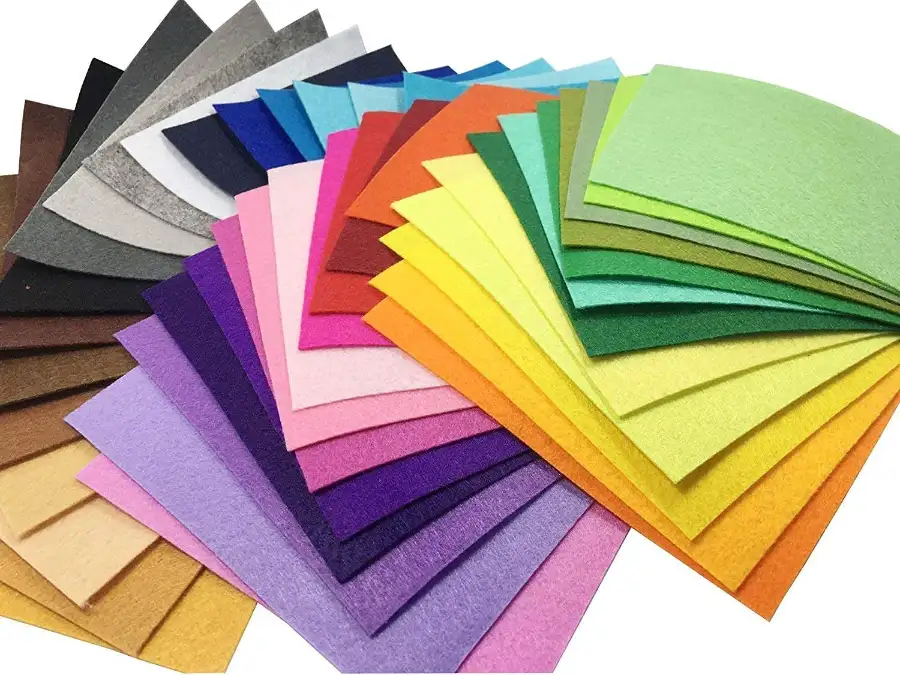

In the tough plush toy market, choosing the right material matters a lot. Felt fabric is becoming a key ingredient for top-quality toys.
The right felt fabric delivers perfect stiffness, baby-safe colors, and zero migration risks while keeping costs predictable. Brands are turning to Felt Fabric for appliqué and structure. It's reliable, easy to scale, and budget-friendly.
As a plush toy manufacturer, our deep dive will unveil why smart manufacturers are making felt their go-to resource. Demystify your options to ensure your next plush line is a resounding success. Let's find out now.
What is Felt Fabric?
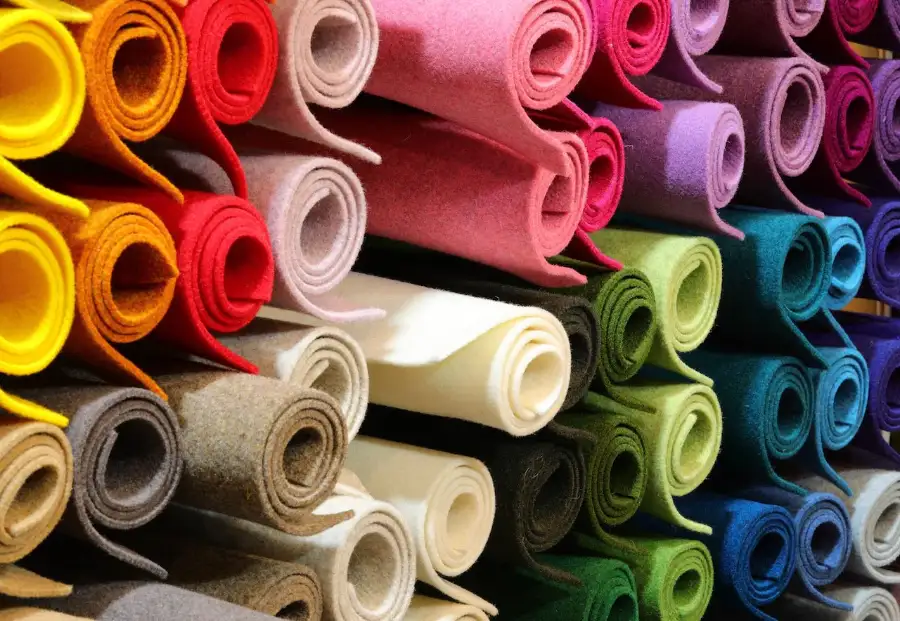
Felt fabric is a unique nonwoven material made by matting and pressing fibers together instead of weaving. This process creates a durable and versatile fabric ideal for many uses.
You can choose traditional wool or blends that include polyester. Blends provide extra strength and resist chemicals.
Production Step
Understanding the production steps of felt fabric helps you choose high-quality materials for your projects. Here's a clear breakdown of each crucial stage:
Willowing and Carding
- Willowing: This step loosens and mixes raw fibers evenly. It removes clumps, ensuring consistent fiber distribution. This consistency improves how the felt performs later.
- Carding: Fibers are aligned into parallel lines, forming a loose web. This uniform web guarantees better handling and an even felt texture.
Cross-lapping and Felting
- Cross-lapping: Multiple fiber layers are stacked to create a thick batt. You can customize thickness and density here, tailoring the felt to your needs.
- Felting: Using heat, moisture, and pressure, fibers interlock tightly. This step transforms loose fibers into strong, dense felt, the key to durable fabric.
Fulling, Washing, and Dyeing
- Fulling: Steam and mechanical action cause the felt to shrink and condense. Enhances its strength and resilience.
- Washing: Removes any leftover oils and chemicals, leaving a soft, clean fabric that is safe and comfortable.
- Dyeing: Felt gets its color from plant-based or synthetic dyes. Heat helps make the colors vivid and long-lasting. This process also ensures the colors are consistent in each batch.
Finishing Steps: Drying, Shaving, Pressing, and Roll-up
- Drying: Heated air dries the felt, stabilizing it for the next steps.
- Shaving: Excess fibers are trimmed for a smooth, polished surface, perfect for premium products.
- Pressing: Pressure creates uniform thickness and refines density, enhancing the fabric's look and feel.
- Roll-up: The finished felt is rolled for easy storage and transportation, ready for your production line.
Types of Felt Fabric
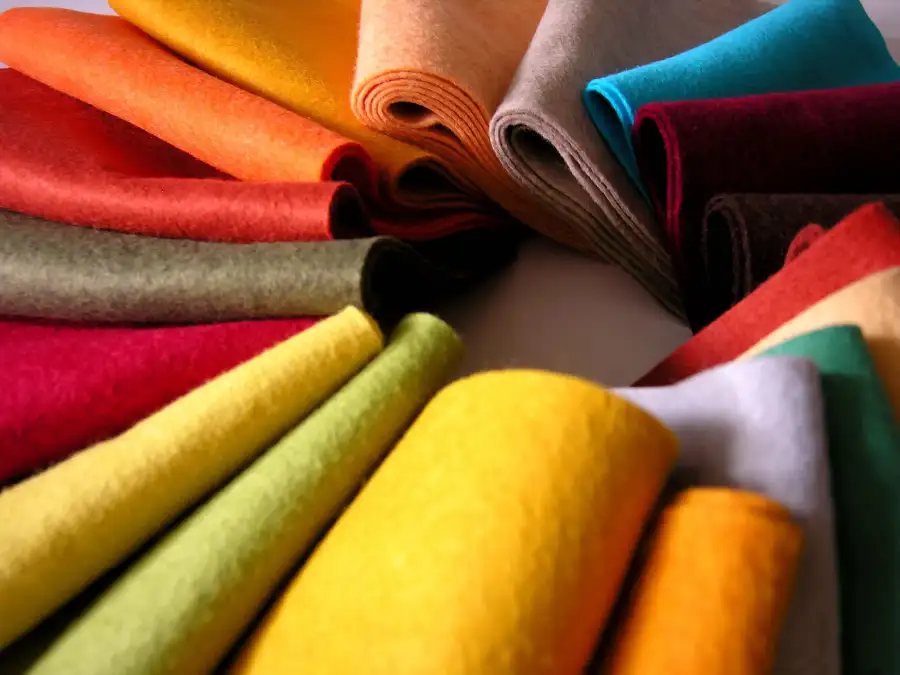
When choosing felt fabric, understanding the main types helps you select the best material for your needs. Here's a breakdown that covers key features and benefits:
Wool Felt
Made from 100% wool fibers, often from Merino sheep, wool felt is soft, smooth, and highly durable. It naturally keeps out moisture and resists flames. So, it's great for premium crafts, stylish fashion, acoustic panels, and industrial parts. Wool felt is biodegradable and sustainable, appealing for eco-conscious projects.
Thickness can range from 0.8 mm to 25 mm, with 1.2–1.4 mm common for fine crafts. Though pricier, wool felt offers long-lasting quality and natural insulation.
Synthetic Felt
Made from polyester or acrylic, synthetic felt is more affordable and widely available than wool. You get solid protection from mildew, chemicals, and wear.
This is ideal for mass production and cost-effective applications. It holds vibrant colors well due to its processing and stays lightweight.
Common uses include craft sheets, decorations, automotive parts, and eco felt from recycled PET bottles. Thickness typically ranges between 1 and 5 mm.
Blended Felt
Combines wool (20-40%) with synthetic fibers (60-80%) to balance softness, strength, and cost. This felt offers greater durability than pure wool and more color options than synthetic alone.
Perfect for soft furnishings, marketable craft sheets, and flexible project kits. Thickness usually ranges from 1.2 to 3 mm.
In Types of Plush Toys such as stuffed animals, character dolls, and mascot plush keychains, blended felt is often chosen for appliqués, badges, and semi-structural panels where a cost-effective yet robust material is required.
Specialty Felts
Eco-friendly options like Xotic Felt blend bamboo and rayon, offering softness and wash resistance. Pool table felt blends wool for durability in gaming equipment. Korean or stiff felt (100% polyester) supports structural uses like reusable bags or industrial pads.
Expert Point: Blended felt (30/70 wool/poly) is the sweet spot most brands never talk about: you get 90 % of wool's luxury feel at 55 % of the cost, and it dyes perfectly every single batch.
Bosan, Textile Specialist
Types of Felt Fabric Perfectly Suited for Toy Production
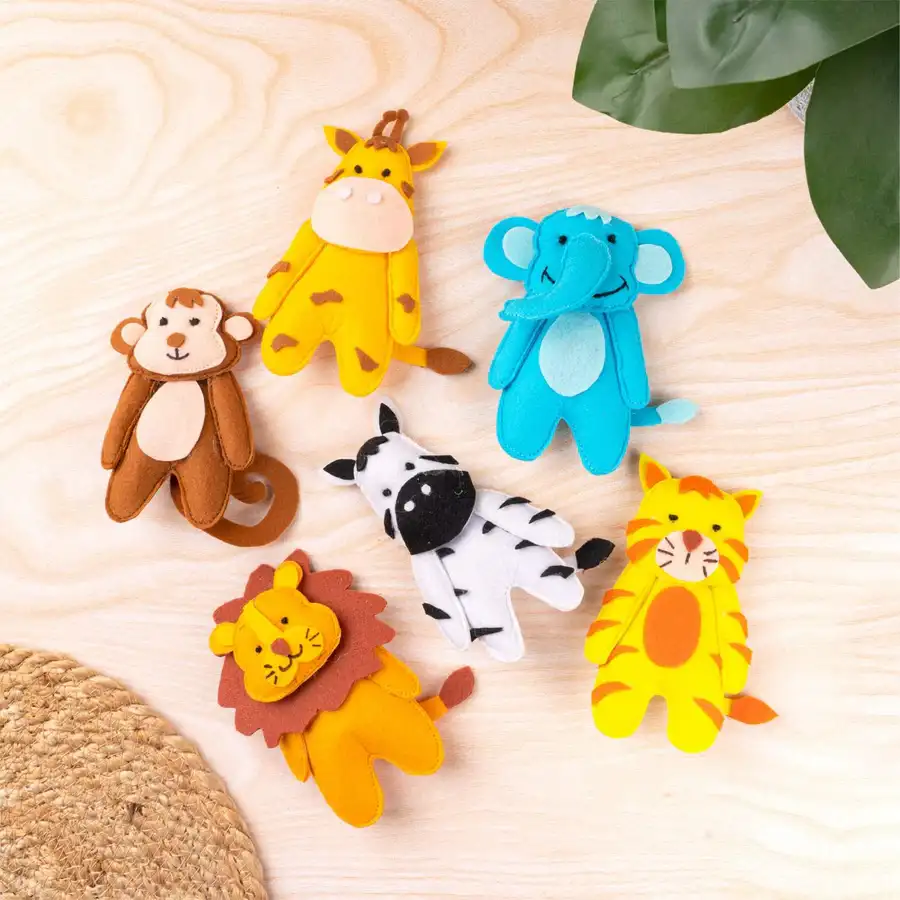
The felt you pick for toy making influences how durable, soft, and attractive the toy will be. Here are some top options tailored to different toy needs:
100% Wool Felt
- Premium quality and durability: Wool felt feels soft and warm, making toys comfortable to hold.
- Natural resilience: It resists flames, doesn't fuzz or pill, keeping toys looking new for longer. Plush Toy Manufacturers USA also value its natural flame resistance and low pilling performance for products sold under stricter retail requirements.
- Thickness range (1–5 mm): Use thin wool felt (1 mm) for detailed facial features, and thicker wool (up to 5 mm) for sturdy wings or ears.
- Ideal for luxury toys: Wool felt is costlier, yet it delivers a top-notch finish and durable seams. It's perfect for making heirloom-quality items.
- Eco-friendly choice: Wool's biodegradability supports sustainable toy lines.
Polyester Felt
- Cost-effective and vibrant: Polyester offers bright colors and holds shape well, perfect for high-volume runs.
- Versatile thickness: Thin polyester (1 mm) suits appliqués; thicker pieces (up to 5 mm) add solid structure.
- Best for decorative toys: While durable enough for display, it's less suited to rough play as seams can stretch over time.
- Consistent batch coloring: Ensures uniform look across large production.
Acrylic & Viscose (Rayon) Felt
- Soft texture for sensitive skin: Perfect for baby toys, giving gentle, smooth surfaces.
- Lightweight and affordable: Great for prototypes or smaller orders. This makes them a practical choice for a Custom Plush Toy Manufacturer UK to iterate samples quickly and manage costs on low-MOQ projects.
- Limitations: These felts may fuzz and lose shape under heavy use, so keep them for soft details rather than structural parts.
Blended Felt & Recycled rPET Felt
- Balanced performance and eco-benefits: Blends combine the softness of wool with the strength of synthetic fibers for easy sewing and reduced fuzz.
- Examples: Wool-polyester blends (20–40% wool) provide cost-effective refinement.
- Recycled rPET: Made from plastic bottles, it offers a tougher, waterproof finish ideal for outdoor or eco-friendly toys.
- Use blended felt when you need both texture and durability without breaking your budget.
Applications of Felt Fabric
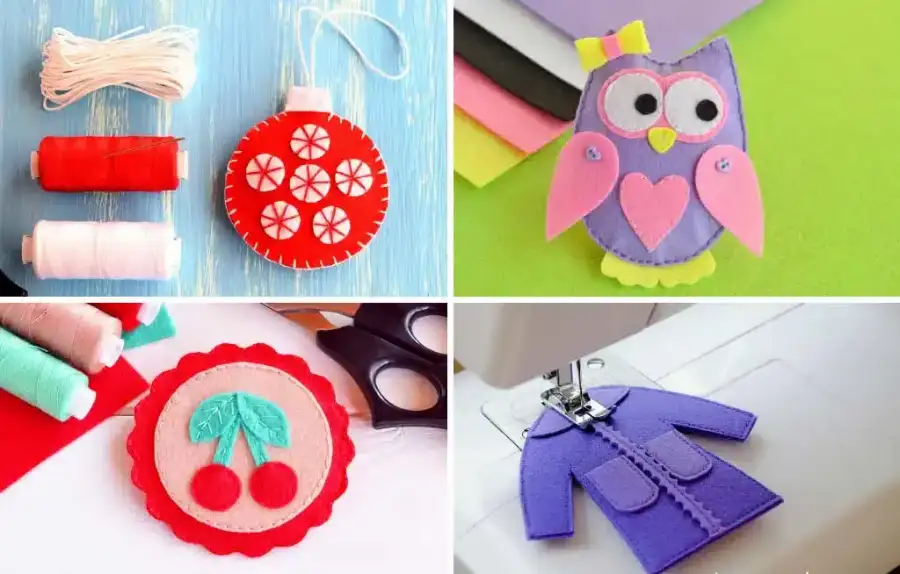
Felt fabric is a unique and adaptable material. Its qualities make it crucial for many industries. We'll look at its many uses, especially in the plush toy market and other related areas.
1. Plush Toys and Collectibles
- Appliqué and Surface Details: Crisp die- or laser-cut edges with vibrant colors create eye-catching accents for licensed characters, corporate mascots, and custom plush collectibles.
- Stiffeners and Inner Structure: Wool and synthetic grades combine stiffness with flexibility. Helps them keep shapes and support heavy elements. Many Plush Toy Manufacturers China rely on these felts to deliver reliable structural integrity in their products.
- Limited Edition and Art Toys: Premium felts enable intricate, durable details prized by artists and collectors.
2. Baby and Toddler Toys
- Soft and Safe: A gentle hand feel and non-toxic options make felt suitable for baby and toddler play items when tested to relevant standards.
- Teething and Sensory Toys: Compressibility and varied textures support sensory exploration; designs should meet teether-specific safety requirements.
3. Fashion Accessories
- Hats, Scarves, and Gloves: Wool and synthetic variants deliver warmth, durability, and polished winter styling.
- Bags and Wallets: Distinctive texture and saturated color elevate statement pieces while resisting everyday wear.
4. Home Decor and Textiles
- Throws, Pillows, and Wall Art: A soft touch, rich color, and easy care suit decorative accents and soft furnishings.
- Rugs and Floor Coverings: Built-in sound absorption and durability provide comfortable, eco-forward flooring solutions.
5. Automotive and Transportation
- Noise, Vibration, and Harshness (NVH) Management: Tuned densities absorb sound and reduce cabin noise to improve passenger comfort.
6. Filtration and Industrial Applications
- Air and Liquid Filtration: A porous, entangled fiber matrix delivers effective capture across a range of particle sizes.
- Gaskets and Seals: Compressible, wear-resistant sheets provide reliable sealing, cushioning, and insulation in equipment.
Customized Felt Solutions
You can specify the thickness, density, and material composition of felt to match your unique requirements. This customization gives you great performance for your unique industrial challenges. It offers flexibility and better results.
Pro Point: In the plush toy sector, felt's ability to combine both structural support and delicate surface effects makes it an invaluable material, balancing form retention with tactile softness for both mass-market and collectible products.
Advantages of Felt Fabric
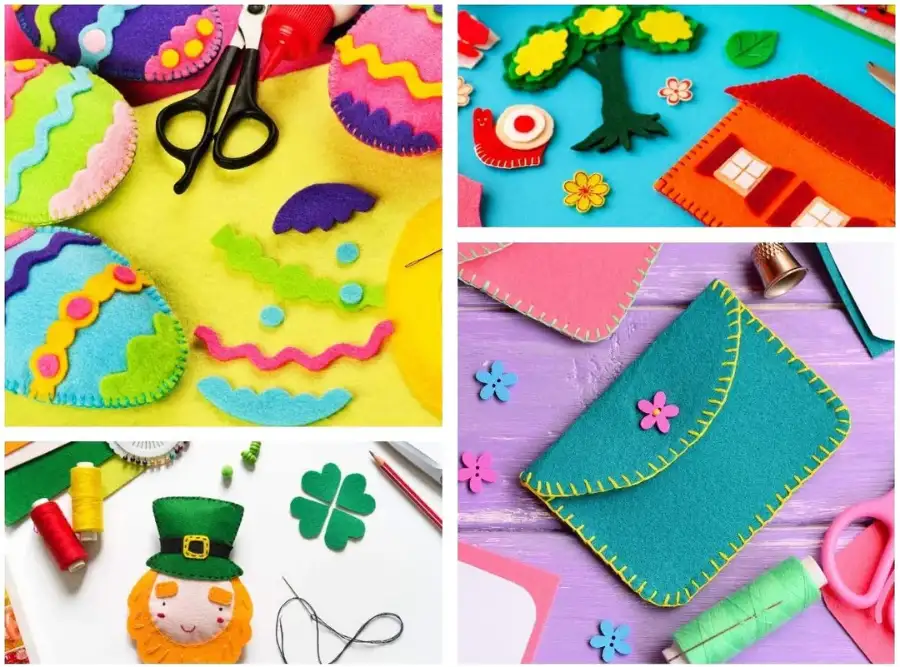
Opting for felt fabric opens up a world of benefits. It's sustainable, tough, and adaptable.
Felt is not just a regular material. It's a clever choice that helps the environment and satisfies your different needs.
Biodegradable and Eco-Friendly
Natural wool felt is biodegradable, breaking down completely within 1 to 2 years when exposed to the elements. Wool felt is better for the environment than synthetic fabrics. While synthetics can stay in landfills for hundreds of years, wool felt helps cut down on waste and pollution. By opting for felt, you actively minimize your ecological footprint.
Renewable and Ethical Resource
Wool felt comes from sheep wool, a renewable material. Sheep's wool regrows after shearing, and the animals are unharmed, ensuring ethical sourcing. This renewable nature supports a continuous supply chain without harming ecosystems.
Reduced Environmental Impact
Producing wool felt uses less energy and fewer chemicals compared to synthetic alternatives. Over 60% of manufacturers now adopt eco-friendly practices that save water and reduce chemical use. This means your felt products come with a lighter environmental load.
Lower Carbon Footprint
Switching to wool felt can cut your carbon footprint by up to 70%. This big reduction supports green business goals. It shows your commitment to sustainable operations.
Durability and Longevity
Felt fabric is extremely durable, lasting much longer than many other textiles. This durability means you replace materials less often. So, you save money and ease supply chain pressure.
Excellent Thermal Insulator
Felt's natural properties make it an effective insulator. Keeps spaces warm in winter and cool in summer, helping you save on energy costs related to heating and cooling.
No Harmful Microplastics
Unlike synthetic fabrics, wool felt does not release microplastics into the environment. This means you help protect ecosystems from plastic pollution when you choose felt.
Certified Quality and Traceability
Many wool felt products come with certifications like OEKO-TEX Standard 100 (ensuring no harmful substances) and GOTS (organic wool). These certifications support your quality assurance and regulatory compliance.
Supports Sustainable Industry Growth
By incorporating felt, you contribute to a growing market focused on sustainability. This supports responsible sourcing, benefits local economies, and drives long-term eco-friendly innovation.
Disadvantages of Felt Fabric
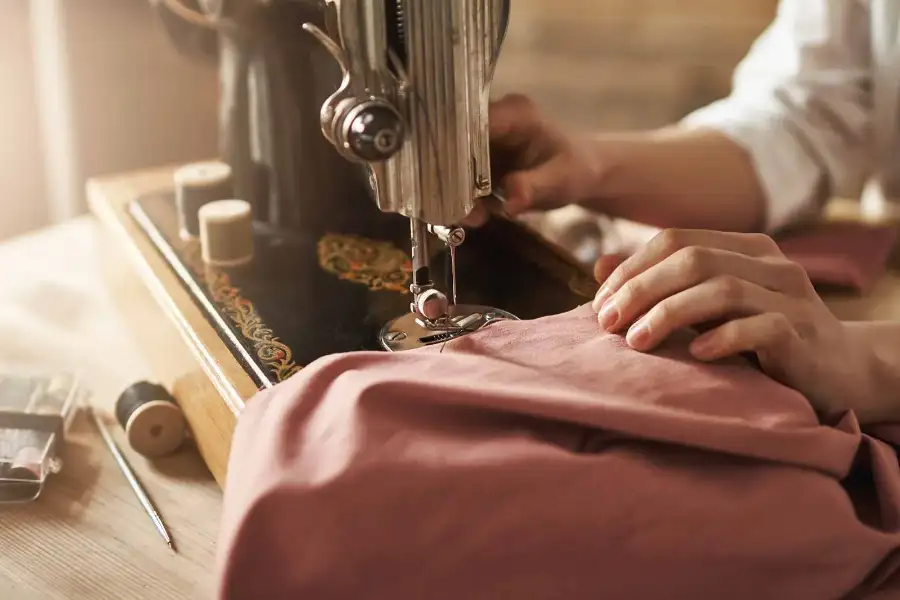
When using felt fabric, keep in mind some key drawbacks. These can impact your projects and how you handle the material.
- Moisture Sensitivity: Natural felt, especially wool-based, is highly prone to moisture damage. Exposure to water can make it lose shape, deform, or even shrink. This means cleaning felt requires care—hand washing in cold water is best, while machine washing often ruins the fabric.
- Prone to Shrinking: Felt can shrink significantly, up to 10–15% after exposure to heat or agitation during washing or drying. This shrinkage impacts precise sizing, which could disrupt your product dimensions.
- Limited Stretch and Flexibility: Felt offers minimal stretch. It is stiff and does not pull well, which limits its use in flexible or fitted applications. If elasticity is needed, felt is not the ideal choice.
- Pilling and Fuzzing Issues: Lower quality or cheaper felts often develop pills and fuzz with use or friction. This not only reduces the fabric's appearance but also its durability. For instance, cheap craft felt may fuzz noticeably after just a few washes.
- Difficult Maintenance: Felt's care demands are high. It must be hand washed and air dried flat to prevent damage. This time-consuming process can increase maintenance costs long-term.
How to Choose the Right Thickness & Hardness for Your Toy Design
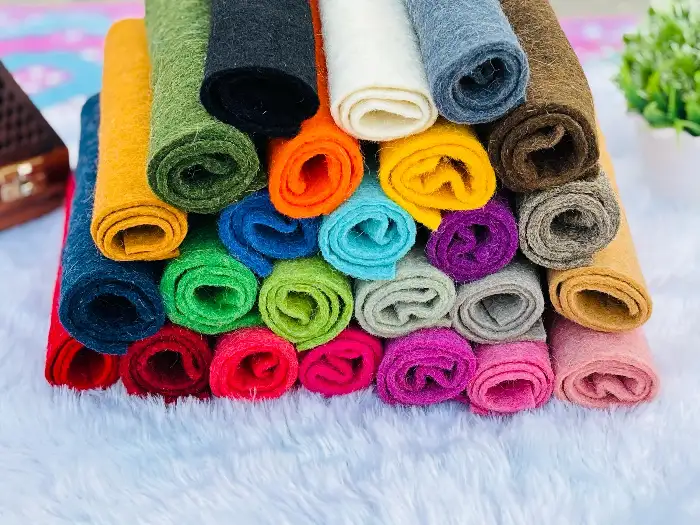
Choosing the right thickness and hardness of felt has a big impact on your toy's look, feel, and durability.
Understanding Felt Hardness: Soft vs. Stiff
- Soft, low-density felt offers plush comfort and flexibility. It works best for toys that will be hugged or squeezed, giving a gentle, velvety touch.
- Stiff, high-density felt keeps shapes crisp and resists wear. It's perfect for toys needing structure, like standing figures or parts with sharp edges.
Thickness Guide for Different Toy Parts
| Thickness (mm) | Best Use |
|---|---|
| 1.0–1.2 | Delicate plush details, doll clothes |
| 1.5–2.0 | Flat plush shapes, 3D bodies |
| 3.0 | Decorative, body-supporting parts |
| 5.0 | Rigid stand-alone toys |
Most popular: 1.2 mm, 2 mm, 3 mm, and 5 mm depending on the design.
Impact on Production and Cost
- Thinner felt (1–1.5 mm): Easier to sew and cut, lower tooling costs, but less durable.
- Thicker felt (3–5 mm): Harder to cut and sew, increases die wear and machine stress, raising costs but offers better shape retention.
Practical Tips
- Use soft felt for bendable, cuddly parts.
- Choose stiff felt to keep ears, limbs, or bases upright.
- For bright colors and durability, 100% wool or dense polyester felt is ideal.
- Acrylic blends work well for budget projects but wear faster.
People Also Ask About Felt Fabric
1. As a buyer, what should I look for in a felt supplier?
Prioritize suppliers who provide material certifications, consistent color matching, a range of weights, and a proven track record of supplying other reputable manufacturers in the industry.
2. How much does toy-grade felt fabric cost?
1–2 mm polyester felt: $3.8–$5.5/kg (10+ tons); 100% wool felt: $12–$18/kg depending on volume.
3. Is felt fabric flame-retardant?
Felt fabric is not inherently flame-retardant. However, flame-retardant treatments can be applied to meet specific safety standards, such as those required for children's toys or upholstered furniture.
4. What safety standards should I consider when using felt fabric for children's toys?
When using felt fabric for children's toys, ensure that the material meets relevant safety standards, such as:· ASTM F963 (USA) and EN 71 (Europe) for toy safety.· CPSIA (USA) and REACH (Europe) for chemical safety and restricted · substances.· Flammability standards, such as UL 94 (USA) or EN 71-2 (Europe), if applicable. Always consult with your felt supplier or a toy safety expert to confirm compliance with the latest regulations.
Conclusion
You're now armed with insights to navigate Felt Fabric's diverse landscape. To seal the deal, ensure your chosen fabric aligns with your business needs, meets safety standards, and respects your budget. Need a helping hand? LeelineToys, your plush toy specialist, is here!
Don't let fuzzy decisions hold you back. Let's bring your custom toy vision to life! Reach out today, and let's craft tailored solutions that tick all your boxes. Your perfect plush partner is just a click away – LeelineToys, where creativity meets craftsmanship!