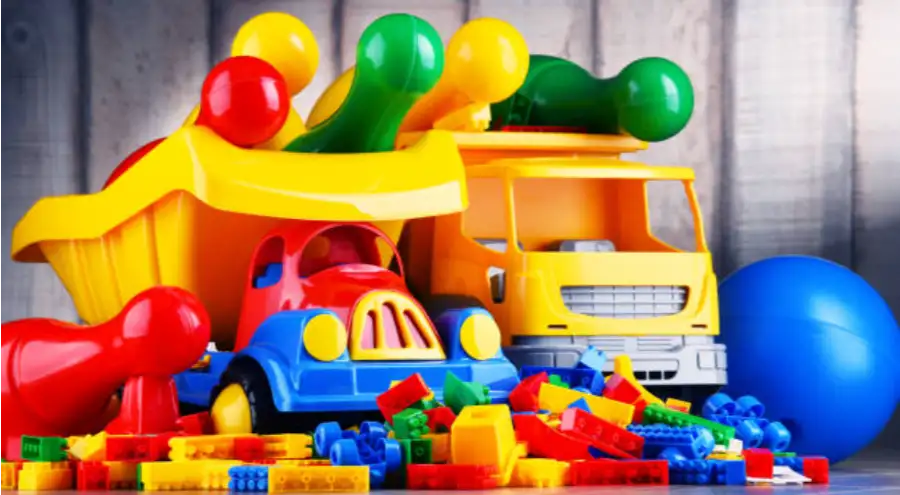

For any toy business, choosing the wrong Type Of Plastic Used In Toys can lead to safety recalls, broken products, and damaged reputations. How can you be sure your choices meet strict safety and durability standards?
As a plastic toy manufacturer or vinyl toy manufacturer, we know that understanding the common types of Plastic Used In Toys is the solution, turning a sourcing risk into a competitive advantage. And what it's risky for—so your material choice supports safety, durability, eco targets, and market access across regions, not just the unit cost spreadsheet.
This no-nonsense guide breaks down the Type Of Plastic Used In Toys—from trusted ABS and PP to modern phthalate-free vinyl options. The insights ahead will transform how you approach material selection—and potentially save you millions. Read on to gain the edge your next collection needs.
12 Type Of Plastic Used In Toys
Buckle up— we're about to reveal the 12 types of plastic used in toys that every manufacturer and buyer should know.
1. ABS (A Common Toy Plastic) – Tough, Impact-Resistant & Premium Finish
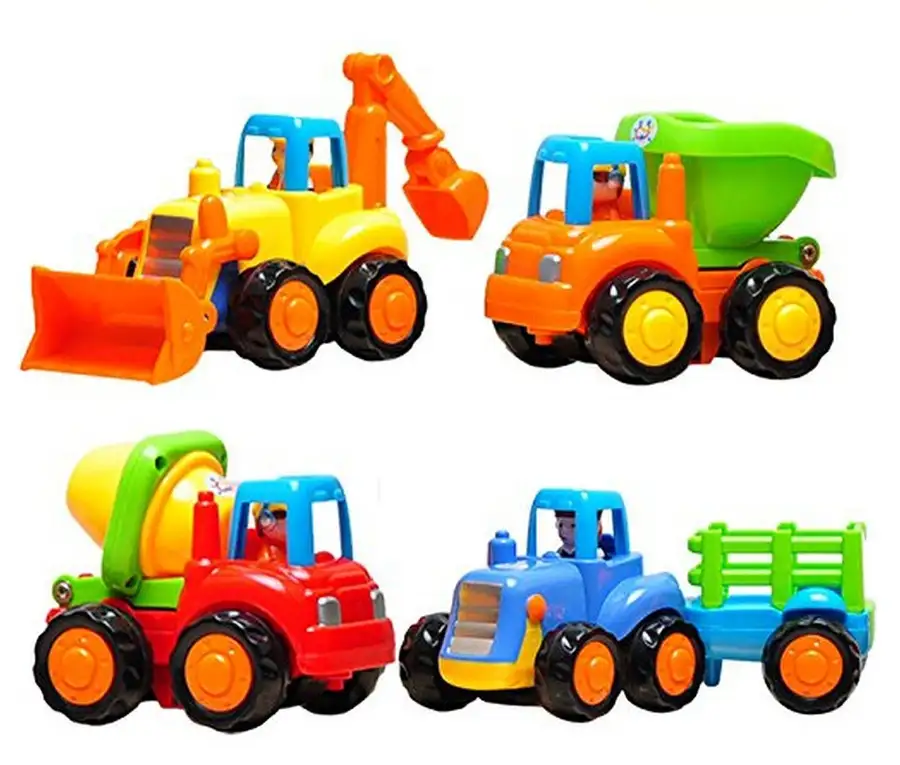
ABS is a plastic made mostly of styrene (over 50%). The rest includes two other materials: acrylonitrile and butadiene.
It has a milky white color and is partly see-through. This makes it easy to add colors and finishes.
- Strengths for Toy Making: ABS resists impact well. It also shrinks very little (0.4–0.7%) after molding. Parts stay strong and fit together perfectly. This works great for toys like building blocks or fidget models that snap together.
- Heat Handling: ABS deals with high heat without problems. It stays solid until it reaches 105 °C (221 °F). You can mold it at temps from 204–238 °C. This stops warping. Your toy parts keep their exact size and shape.
- Easy Processing: ABS is a top choice for toy plastics. Dry it at 80–95 °C for 3–4 hours first. This keeps bubbles and flaws out of your finished toys. Set your mold temp between 60–80 °C. Use the right cooling time and injection pressure. You'll get the same quality every time you make a batch.
- Works for Many Methods: ABS fits different ways of making toys. Use it for large-scale injection molding. Cut special parts with CNC machines. Try 3D printing filaments for small test runs or sample pieces. You waste less material. This saves money.
2. PVC (Polyvinyl Chloride) – Flexible, Affordable & Widely Versatile
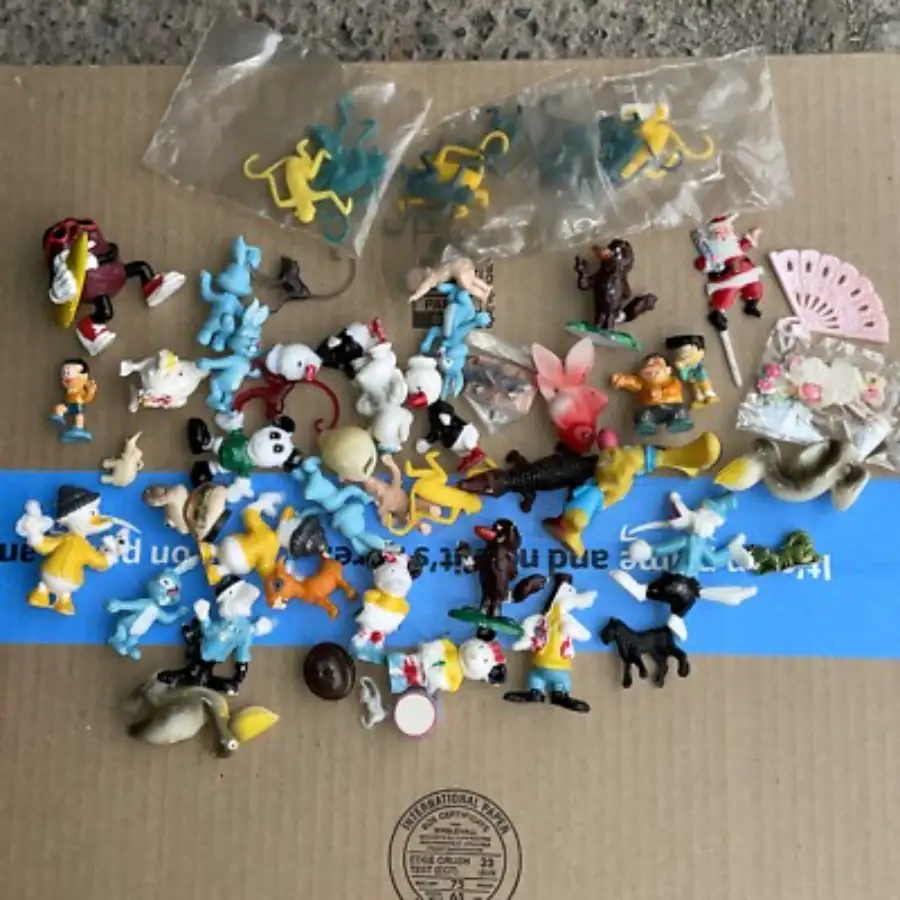
- High Flexibility + Waterproof: PVC gives you flexible, waterproof material with a 1–2.5% shrinkage rate for soft grades. It's perfect for molding unique shapes. These shapes hold their position after cooling.
- Smooth, Customized Toys: Want smooth, flexible vinyl toys? PVC is a classic plastic for toys. Think dolls, squeeze toys, and collectible figures. All are phthalate-free for safety. The downside? It's hard to recycle.
- Multiple Processing Methods: Most PVC (80%) is made using suspension polymerization. Suspend VCM in water. Add initiators. Heat the mix. You get fine, clean PVC particles. These work great for rigid toys or parts.
- Alternate Formulas: Need ultra-flexible or special items? Try emulsion PVC. It creates particles with high surface area. This gives you soft, bendable finishes. Perfect for adding more detail or texture.
- Pure Resins: The bulk method offers high-purity resin. It has low volatile content. You get fewer flaws. Plus, your end products turn out more consistent.
3. PP (Polypropylene) – Light, Tough, and Works for Many Uses
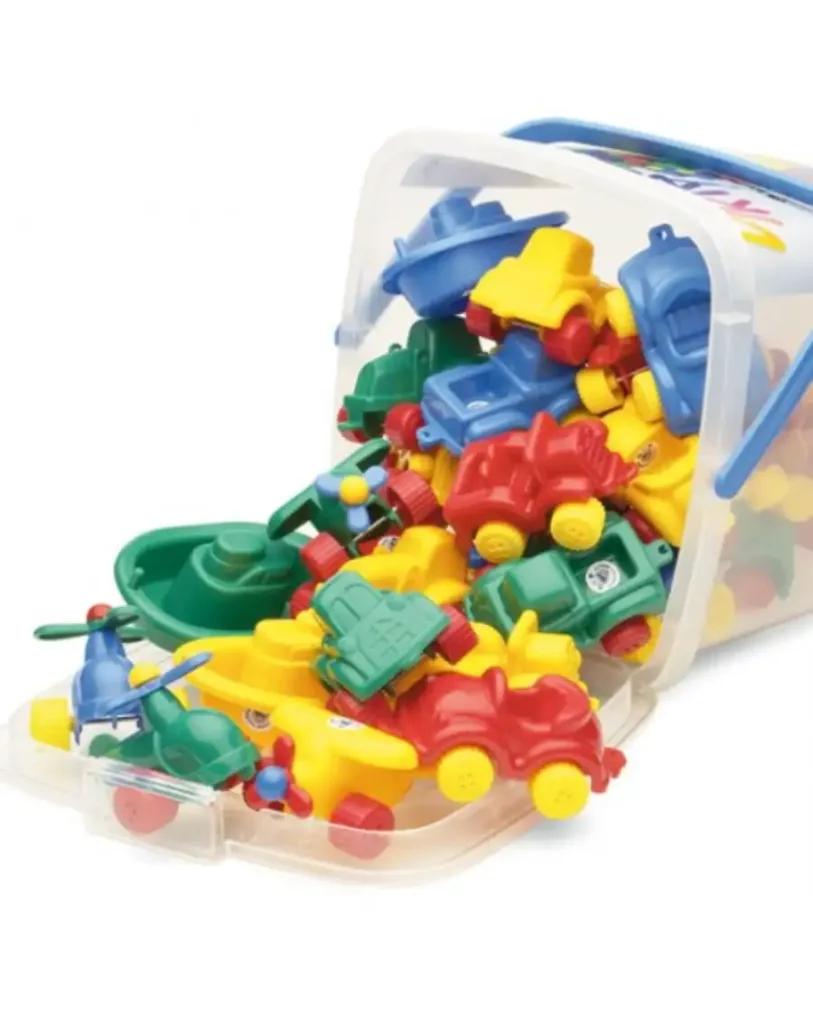
- Very Light: PP weighs just 0.89–0.91 g/cm³. You can make toys that are easy to carry and ship. This cuts your shipping costs.
- Works Well: Handles -10 to 100°C. Tough enough for toy cars, gears, wheels, and storage boxes. No warping or melting during normal play.
- Safe and Non-toxic: FDA/EU-approved grades have no smell. Free from plasticizers. Perfect for toys that touch food or skin.
- Resists Chemicals and Water: Toys stay strong against acids, bases, and cleaners. Absorbs almost no water (<0.02%).
- Easy to Design With: Use snap-fits and hinges to skip metal parts. PP resists fatigue well and bends without breaking, allowing Toy Car Manufacturers in China to design moving doors, trunks, and hoods without adding extra components.
- High Output and Lower Costs: Thin-wall, high-cavity molding gives you more parts per hour. Lower part cost than other plastics used in toys.
- Simple to Recycle: PP recycles easily. You can cut production waste and attract eco-focused buyers.
Expert Point: In an era where brands are committing to circular economies, PP stands out for its established recycling infrastructure—making it one of the most practical choices for manufacturers aiming to incorporate high post-consumer recycled content without compromising performance.
ZB Kids Car, Toy Car Manufacturer
4. PE (Polyethylene – HDPE & LDPE) – Flexible, Affordable & Widely Versatile
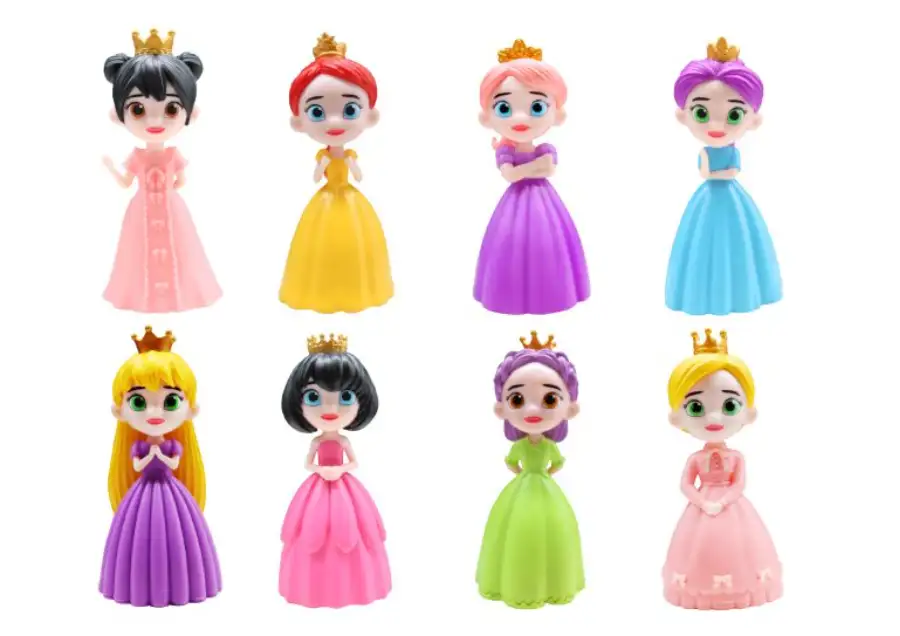
- FLEXIBLE & SAFE: PE gives you two choices—HDPE and LDPE. HDPE resists impacts well. LDPE bends and bounces back after you squeeze it. Pick what fits your toy design.
- RELIABLE DIMENSIONS: Expect 1.5–3.5% shrinkage during molding. Plan for this, and your toys will stay the right size. Both types work great for large production runs.
- NON-TOXIC & EASY TO CLEAN: This plastic is safe for child toys that touch skin or go in mouths. The waxy surface wipes clean in seconds.
- BEST USES: LDPE suits soft squeeze toys. HDPE works great for blocks or toy housings. Both fill plush toys well and make clear packaging.
- STRONG SUPPLY: Global markets for HDPE and LDPE are huge. This means you get reliable sourcing and stable prices. Plus, you'll find many production partners. Your supply chain stays secure for Type Of Plastic Used In Toys.
5. PET (Polyethylene Terephthalate) – Clear, Strong & Recyclable Choice
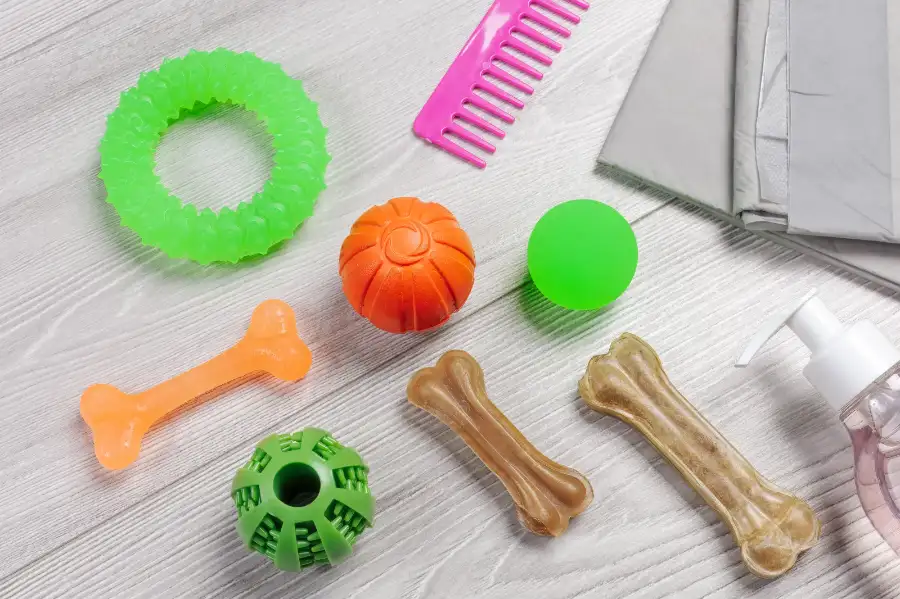
- Crystal-Clear & Tough: PET gives you strong, clear, and light protection. Your toys stay safe from impacts, water, gas, and UV rays. Plus, customers can see what's inside.
- Reliable Toy Packaging: Need to display or protect your product? PET works great for toy packaging. Items stay visible and tamper-proof.
- Eco & Food-Safe: PET meets food-safety standards. It's recyclable too. You cut down waste and show responsibility. This builds trust with customers.
- Production Steps: PET pellets get molded into preforms. Then they're cooled and trimmed. After that, they're blown into shape. Each batch comes out durable.
- Long Storage Life: PET breaks down with sunlight or heat. This means your products last longer on shelves. You lose less product over time.
6. TPR (Thermoplastic Rubber) – Soft, Grippy & Child-Safe Elasticity
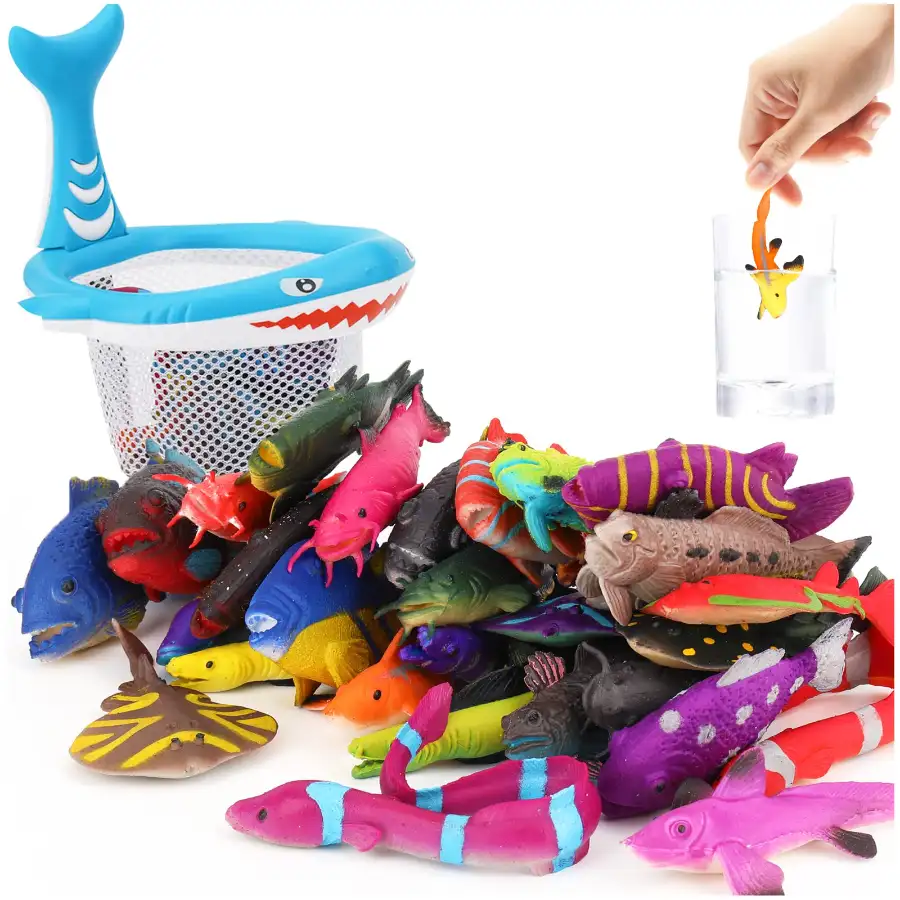
- Soft, Rubber-Like Flexibility: It gives you a gentle, elastic feel. But it processes like plastic. Molds are simple. Production runs fast.
- Safe for Kids: Non-toxic and safe for sensitive skin. Kids can chew it or hold it close. Think teething rings, squeaky toys, and squeeze figures.
- Built to Last: TPR delivers strong performance. Density: 0.9-1.0 g/cm³. Shore A hardness: 58±5. Tensile strength: over 550 psi. Stretch: 450-800%.
- Great Performance: TPR grips well and absorbs shocks. It resists UV rays and chemicals. Works in extreme temps from -40°C to 120°C.
- Budget-Friendly Options: Pick your own colors. Costs less than rubber. Recyclable options keep you competitive. TPR recycling isn't the easiest, but options exist.
7. EVA (Ethylene Vinyl Acetate) – Soft, Safe & Flexible
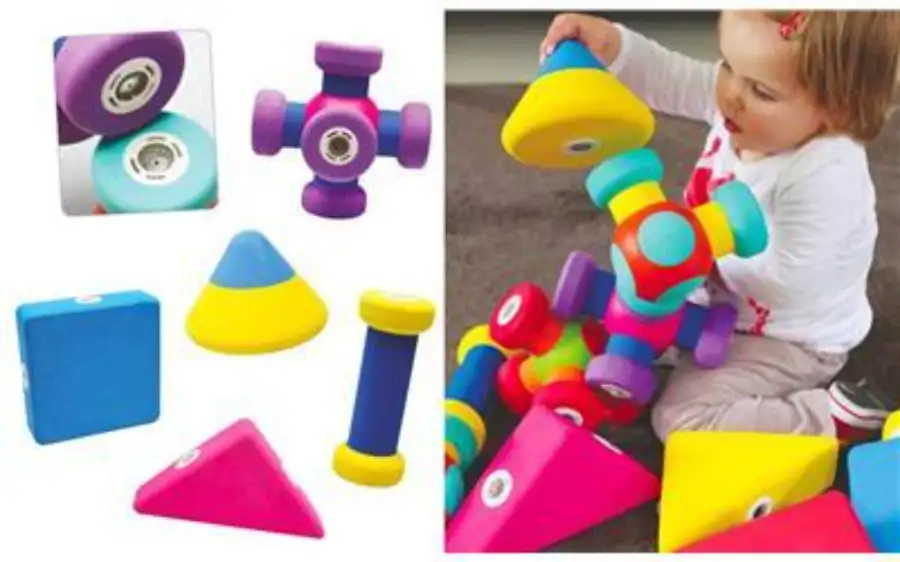
- GENTLE FEEL: EVA gives toys a soft, safe, rubbery touch. Perfect for playmats or soft toy surfaces that need comfort.
- LIGHT & FLEXIBLE: This plastic weighs less than many options. You can design thick, cushioned parts that absorb impact without adding bulk.
- DURABLE PERFORMANCE: EVA foam resists water, UV, and chemicals. It stays tough at low temps (down to –78 °C) and in sunlight. Great for outdoor or water toys.
- CLEAN, BRIGHT FINISH: Its natural gloss and clarity beat standard PE. Your toy designs look vibrant and high-end.
- SAFE FOR KIDS: EVA foams are non-toxic. They pass major safety and fire standards. Trusted worldwide as a type of plastic used in toys.
Pro Point: EVA's excellent color stability and printability enable vivid, long-lasting graphics that don't fade or peel, helping brands deliver visually engaging products that stand out on retail shelves.
8. PC (Polycarbonate) – Safe, Clear & Ultra Durable
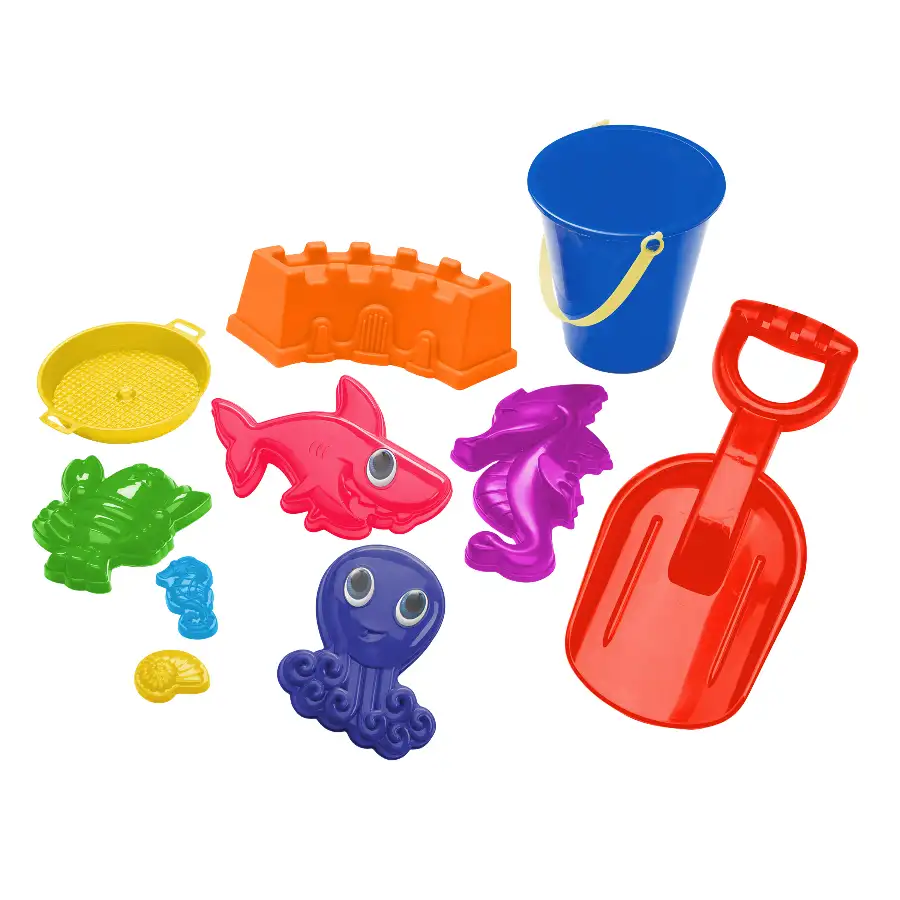
- Super Clear & SAFE: Choose non-toxic, odorless, transparent PC to make safe toys. They transmit over *90% light*—almost like glass.
- Perfect Fit Every Time: It has low shrinkage of just 0.5%–0.7%. Your toy parts fit together well. This reduces waste from rejects and saves on production costs.
- Unmatched Strength: PC stands up to serious use. It handles impacts with a tensile strength up to 61 MPa. PC toys resist breaking from –20°C up to 140°C. You'll see fewer returns and complaints.
- Safer Play: The built-in flame-retardant (UL94 V-0) property resists heat up to 135°C. Your toys meet strict safety standards—even after sterilization.
- Handles Challenges: PC is tough, but watch for notch and solvent sensitivity during design. For Type Of Plastic Used In Toys that need clarity and strength, PC is a top performer.
9. PU (Polyurethane) – Versatile, Soft-to-Hard Performance
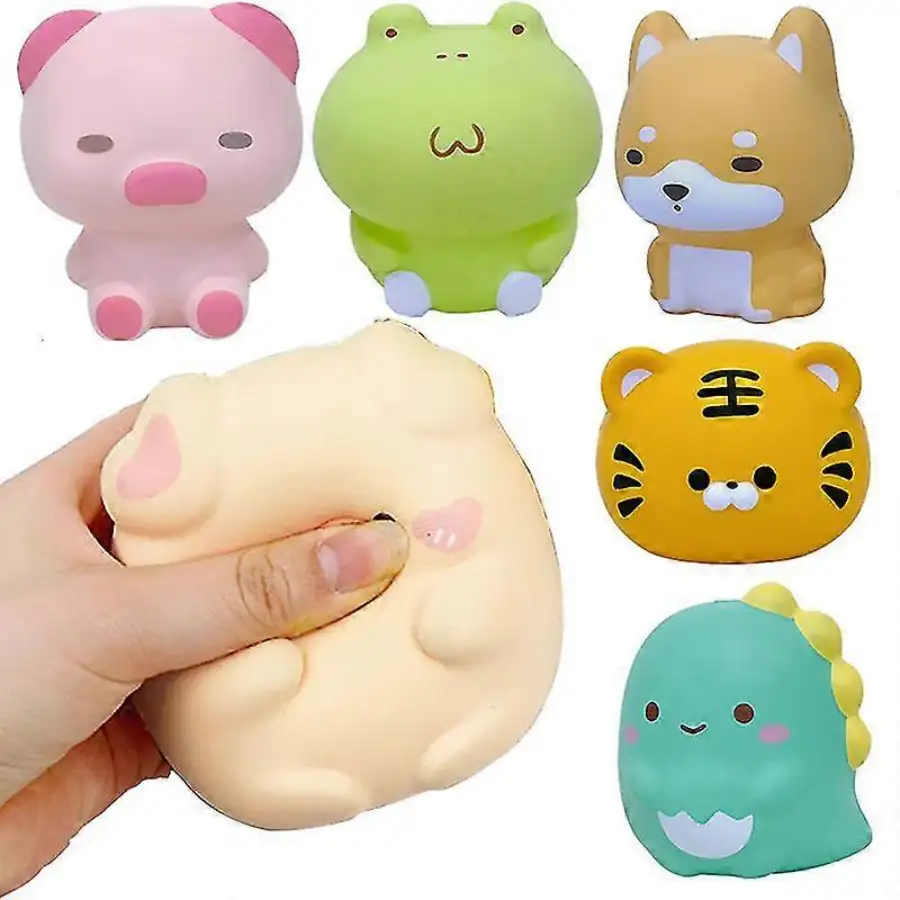
- PERFORMANCE & FEEL: PU covers a wide range. You can make ultra-soft squishy stress balls and toy grips. Or you can make hard, tough wheels for ride-ons. The parts feel soft but resist tearing and damage. Toys stay safe and last longer.
- DESIGN FLEXIBILITY: Create lightweight cushion foams (20–80 kg/m³). Or make solid elastomers (>600 kg/m³, Shore D 80–85). Each toy part gets the right comfort and function.
- DURABILITY & SAFETY: PU handles rough play well. Tensile strength hits 25–50 MPa. Abrasion loss stays under 100 mm³. It resists oil and solvents too. Products hold their shape and bounce. This cuts complaints and returns.
- MARKET CONFIDENCE: The global PU market is big. Values will reach over USD 89.8 billion by 2025. Growth stays strong in Asia-Pacific (about 46% share). You get steady supply and stable costs.
10. PS (Polystyrene) – Clear, Precise & Cost-Saving Benefits
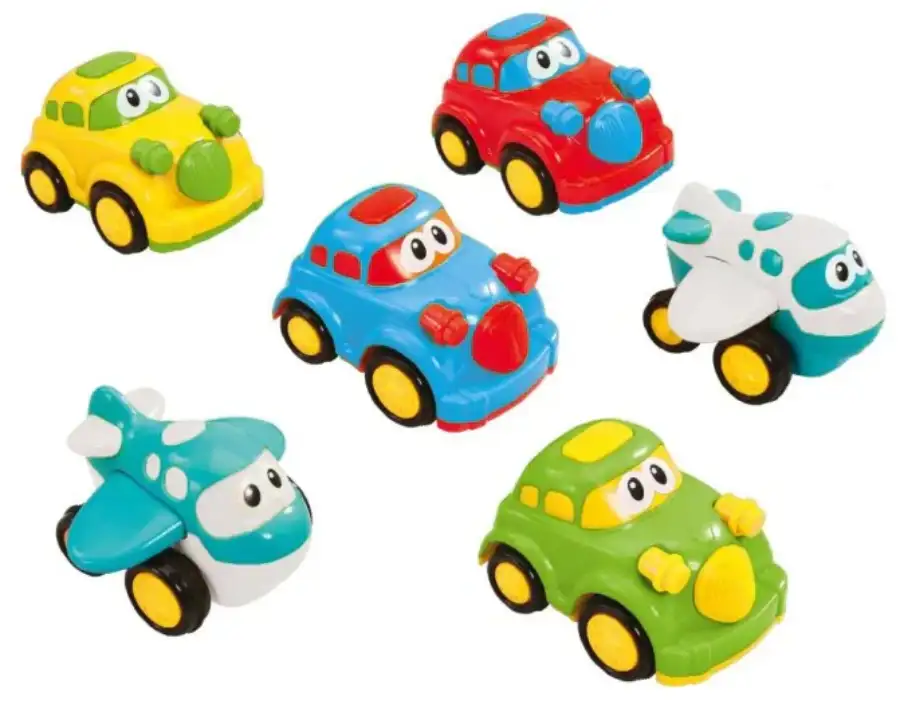
- Rigid & Brittle: PS offers high rigidity. This makes it great for toys, packaging, and model kits that need to hold their shape. No soft bending—your edges stay sharp and defined.
- Transparent Choice: The crystal-clear look lets you show off your Type Of Plastic Used In Toys. Perfect for display cases or cheap toys where looks matter most.
- Low Shrinkage (<0.6%): Precision molding cuts down defects. Toy parts with fine details keep their design. This boosts your efficiency.
- Low Density (1.04–1.06 g/cm³): You get 20–30% more yield from each batch of material. Lower costs and lighter products follow. Shipping becomes easier and cheaper.
11. POM (Acetal – Polyoxymethylene) – High-Performance for Moving Parts
- Exceptional WEAR RESISTANCE: POM works great for toy gears, moving joints, and sliding parts. The friction stays low (coefficient ~0.22). Your toy mechanisms run smooth with little noise. You won't need extra lubrication either.
- HIGH STRENGTH & HARDNESS: Tensile yield stress hits 59–62 MPa. Rockwell M hardness reaches 81. Your toys stay tough under stress. Expect fewer returns and happier customers.
- PRECISE DIMENSIONS: The shrinkage rate runs 1.8% to 2.6%. Plan your molds carefully. This gets you accurate fits every time.
- SAFE ACROSS TEMPERATURES: POM handles –40°C up to 120°C with no issues. Your products won't crack or deform during tough storage or shipping conditions.
- Water and Chemical Resistance: Toys keep their shape. Water absorption after 24 hours stays at just ~0.2–0.55%. No swelling problems.
- Trusted for Mechanical Parts: Design toys that move, bend, or click? POM takes your Type Of Plastic Used In Toys to a higher level of reliability.
12. PA (Polyamide – Nylon) – Strong, Durable, Cost-Saving Plastic
- Lightweight Advantage: PA replaces metals in technical applications. You cut weight by 30–50% and avoid corrosion. Your designs become easier to handle and ship.
- Handles Extreme Heat: Works at 100–200°C. Ideal for electrical toy parts like insulators and switch housings. Your electronics stay safe.
- Self-Lubricating Action: Use in moving toy parts for low friction and better durability. No extra oils needed for smooth, quiet performance.
- Versatile Supply: 2.99M tons produced in 2025, expanding to 3.66M tons by 2030. You won't struggle to source PA6 or PA66 for your Type Of Plastic Used In Toys.
Safety and Regulatory Considerations for Plastic in Toys
Understanding the Type Of Plastic Used In Toys is only half the battle—navigating the regulatory landscape separates successful market entries from costly shipment rejections. Here's what you need to know to protect your business and build buyer confidence: • Heavy metals testing — Every batch must pass lead, cadmium, and mercury screenings. One failed test means thousands of units stuck at customs.
• Phthalate restrictions — Limits vary dramatically by region. What's acceptable in one market could be illegal in another, so know your destination's rules before production starts.
• Migration testing — Colorants and additives can leach during play. Labs test whether chemicals migrate beyond safe thresholds, especially for products targeting young children.
• Flammability standards — Your materials must resist ignition under standardized conditions. This isn't optional; it's mandatory across virtually all markets.
• Small parts regulations — Choking hazard protocols dictate design choices based on age grading. • United States: CPSIA and ASTM F963 set the baseline—third-party testing by CPSC-accepted labs is non-negotiable.
• European Union: EN71, REACH, and RoHS create a triple-layer compliance challenge with strict documentation requirements.
• China: GB 6675 standards govern domestic sales with increasing stringency.
• Other key markets: Canada, Australia, and Japan each have unique requirements that demand careful review.
Your Best Defense? Third-party certifications. Independent lab validation reduces liability exposure, accelerates customs clearance, and transforms compliance from a headache into a competitive advantage that builds lasting brand trust.
People Also Ask About Type Of Plastic Used In Toys
1. How can I identify the type of plastic in a toy?
Look for the recycling symbol on the bottom—#5 for PP, #2 or #4 for PE, or no number for ABS. Labels or manufacturer info often specify too.
2. Are bioplastics becoming common in toys?
Yes, trends in 2025 show more use of plant-based options like PLA or sugarcane-derived PE for eco-friendly lines, offering similar performance with better sustainability.
3. Which plastic is best for baby teethers or mouthable toys?
Phthalate-free PVC, TPR, or silicone alternatives are ideal for softness and safety. Avoid anything with strong odors or unverified sources.
4. Which plastic is most commonly used for hard building blocks and vehicles?
ABS is widely used for blocks and toy vehicles because it is strong, impact‑resistant, easy to mold, and holds color well.
Summary
Your mastery of the Type Of Plastic Used In Toys defines product integrity, from the iconic finish of a vinyl toy manufacturer to the robust safety of ABS. This knowledge is your key to market leadership and consumer trust.
Take the next step. Audit your sourcing strategy and align with a visionary plastic toy manufacturer.
At LeelineToys, we craft tailored custom plastic and plush toy solutions that turn your specifications into standout products. Contact us today for a customized consultation that addresses your unique business needs. Let's build toys that don't just meet standards—they exceed expectations and delight customers worldwide.