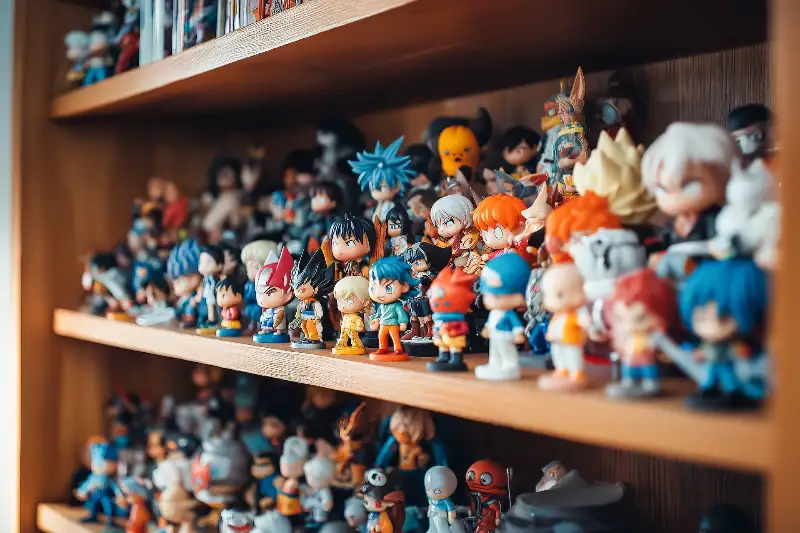

Most collectors overspend on mismatched shelves because they lack the right vocabulary. On our factory floor, the word "figure" means nothing. We engineer distinct molds for articulated action figures, PVC statues, scale figures, prize figures, blind boxes, and vinyl art toys.
I wrote this collectible figure types guide to decode the hobby lingo. Understanding material limits and ASTM F963 safety standards prevents buyer mistakes. You will learn which category fits your budget, space, and tolerance for fragility or randomness.
Figurine vs Collectible: Understanding Product Taxonomy
Your browser's built-in search already tells you the difference — but in product taxonomy, these terms serve distinct purposes. The distinction matters whether you're a buyer sourcing inventory or a brand developing a product line.
Here's the short answer: All figurines can be collectibles, but not all collectibles are figurines. A figurine describes a physical form factor (a small decorative statue), while "collectible" describes a market positioning and perceived value. Let's break that down.
What Is a Figurine?
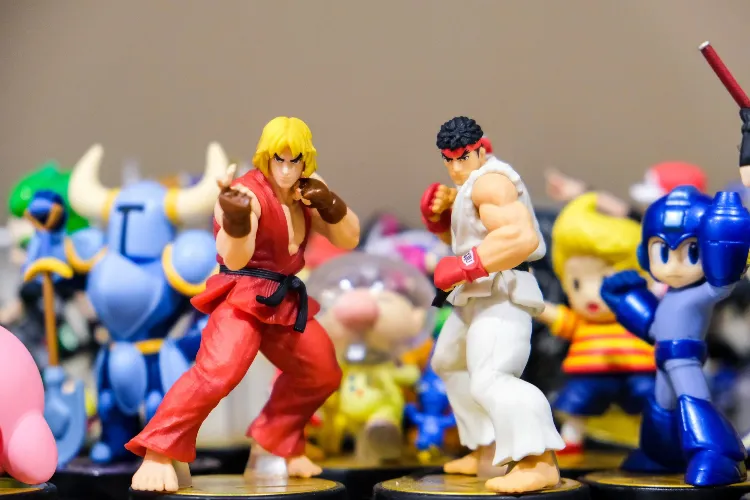
A figurine (also called a statuette) is a small, three-dimensional sculpture — typically between 5cm and 60cm tall — representing a human, animal, character, or object. Figurines have been produced across centuries in materials ranging from clay, porcelain, and metal to modern plastics like PVC, ABS, and resin.
Key characteristics of a figurine:
- Static pose — no articulation or moving parts
- Display-first design — meant for shelves, cabinets, or desks
- Decorative or commemorative purpose — often themed around characters, animals, or cultural motifs
- Size range: typically 5cm–60cm, though life-size statuettes exist
- Materials: PVC, resin, ABS, polystone, porcelain, vinyl, metal, or wood
Figurine vs Collectible: Side-by-Side Comparison
| Attribute | Figurine | Collectible |
|---|---|---|
| Definition | A small decorative statue or statuette — defined by physical form | Any item produced in limited quantity or designed to gain value over time — defined by market positioning |
| Primary purpose | Display, decoration, commemoration | Ownership, preservation, investment, community status |
| Articulation | Static — no moving parts | Can be static or articulated (includes action figures) |
| Production volume | Mass-market or limited — not defined by scarcity | Defined by scarcity — limited editions, numbered runs, exclusives |
| Value drivers | Craftsmanship, brand, material quality, aesthetic appeal | Rarity, condition, packaging, edition number, market demand |
| Target buyer | Home decorators, gift buyers, casual fans | Collectors, investors, hobbyists, enthusiasts |
| Aftermarket behavior | Typically depreciates (like most decor items) | May appreciate — secondary market is active |
| Examples | Lladró porcelain figures, Hummel figurines, souvenir statuettes, cake toppers | Funko Pop! exclusives, Hot Toys 1/6 scale figures, Bearbrick 1000%, graded vintage action figures |
Where the Lines Blur: 5 Real-World Examples
In practice, the line between figurine and collectible gets fuzzy. Here's how to classify five common product types:
-
A Lladró porcelain swan → Figurine that IS a collectible — Limited artisan production, high secondary value, active collector community.
-
A generic dollar-store animal statue → Figurine, NOT a collectible — Mass-market production, no collector community, zero appreciation potential.
-
A Hot Toys 1/6 Iron Man figure → Both figurine and collectible — Static display piece with articulated elements, limited production runs, strong secondary market prices often 2–5x retail.
-
A PSA 10 graded 1999 Pokémon Charizard card → Collectible, NOT a figurine — Trading card that commands thousands at auction. Proves that "collectible" is about market behavior, not 3D form factor.
-
A Bearbrick 400% → Both figurine and collectible — Vinyl figure form factor with limited seasonal releases. Certain collaborations (e.g., KAWS, Chanel) resell for 10x–50x retail.
Product Taxonomy: How Manufacturers Classify Figures
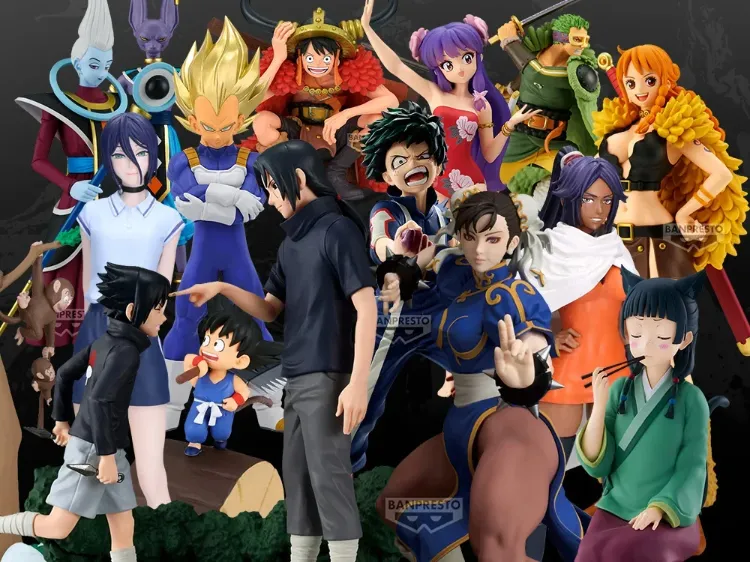
If you're sourcing products from a toy manufacturer, here's the classification framework most factories use internally. The category you specify directly affects your mold costs, minimum order quantities, and material options.
TOYS & FIGURES — Manufacturing Taxonomy
-
PLUSH / SOFT TOYS
- Custom plush dolls
- Stuffed animals
- Plush keychains
-
FIGURINES (Static, display-focused)
- PVC figurines (mass-market, prize figures)
- Resin statues (high detail, limited runs)
- Scale figures (1/4, 1/6, 1/7, 1/8)
- Chibi / Nendoroid-style figures
- Vinyl art toys (designer toys)
-
ACTION FIGURES (Articulated, poseable)
- 1/12 scale (6-inch line)
- 1/6 scale (12-inch line)
- 3.75-inch retro style
-
COLLECTIBLES (Market-positioned, scarcity-driven)
- Limited editions & numbered runs
- Blind boxes & mystery packs
- Convention exclusives
- Autographed / chase variants
- Graded & slabbed vintage items
-
EDUCATIONAL / WOODEN TOYS
-
BABY & TODDLER TOYS
-
STRESS / FIDGET TOYS
-
BOARD GAMES & PUZZLES
Standard product taxonomy used by OEM/ODM toy manufacturers. Understanding where your product sits on this tree helps you communicate requirements accurately to your factory partner.
Why This Distinction Matters for Your Business?
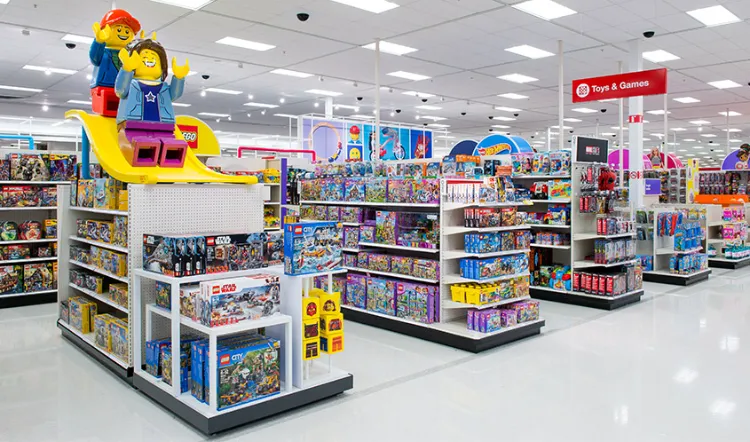
If you're developing a product and choosing between positioning it as a "figurine" or a "collectible," the decision cascades into every aspect of your project:
-
Mold investment: Collectible-grade figures require higher-precision steel molds. Budget $3,000–$15,000 per mold for collectible quality vs. $800–$3,000 for basic figurines.
-
MOQ differences: Basic figurines typically start at 500–1,000 units. Limited-edition collectible runs can go as low as 100–300 units, but per-unit cost increases significantly.
-
Material selection: Collectibles demand premium materials — ABS/PVC blends for durability, resin for fine detail, or die-cast metal parts. Basic figurines can use standard-grade PVC or hollow vinyl.
-
Packaging strategy: Collectibles need collector-grade packaging (window boxes, magnetic closures, numbered certificates of authenticity). Figurines can use simpler blister-card or window-box packaging.
-
Pricing power: A well-positioned "collectible" commands 3x–10x the retail price of an equivalent "figurine" — but requires stronger branding, community building, and authenticity guarantees.
-
Aftermarket ecosystem: Collectibles thrive on grading services (AGS, CAS), price guides, and trading platforms. Figurines sold purely as decor rarely develop an aftermarket.
6 Collectible Figure Types
Discover 6 essential figure types, avoid costly mistakes.
1. Articulated Action Figures: Best for Posing, Accessories, and Character Play
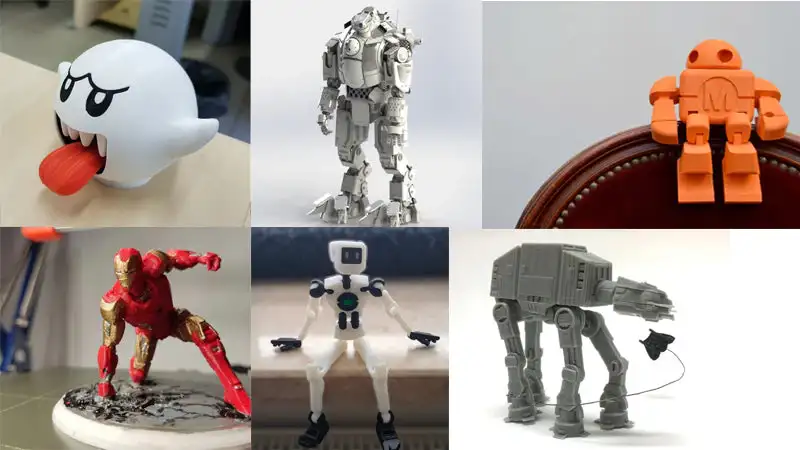
Articulated action figures serve as the foundation of any collectible figure types guide. Movement defines them entirely.
They feature movable joints, swappable hands, and alternate heads. This category evolved from the classic G.I. Joe to dominate modern 1/12 and 1/6 scale lines.
Collectors buy these figures to interact with them directly. You can create dynamic combat poses, recreate famous movie scenes, and shoot stunning macro photography.
Many fans build massive character lines to display epic battles on their shelves. This flexibility keeps the display feeling fresh over time.
When our engineers design a 1/12 scale figure, a single double-hinged knee requires three separate steel mold cavities. This engineering complexity dictates the brand tier.
McFarlane and NECA offer accessible, display-first action lines. For high-end poseability, S.H. Figuarts leads the pack, while Hot Toys delivers premium 1/6 realism.
Choose this type if you care more about articulation and accessories than a perfectly smooth sculpt. Movement requires visible seams and joint cuts across the body. If visible joints disrupt your ideal aesthetic, you should buy a static museum-style statue instead.
🛡️ Our Verdict: Action figures offer the highest interactive value, but they demand precise manufacturing. A standard 6-inch figure needs at least 15 points of articulation, which pushes factory mold costs 40% higher than a static PVC figure. Always check joint tolerances and avoid manufacturers that use low-grade polyoxymethylene (POM) plastic for load-bearing hinges.
2. Statues and Resin Collectibles: Best for Display-First Collectors
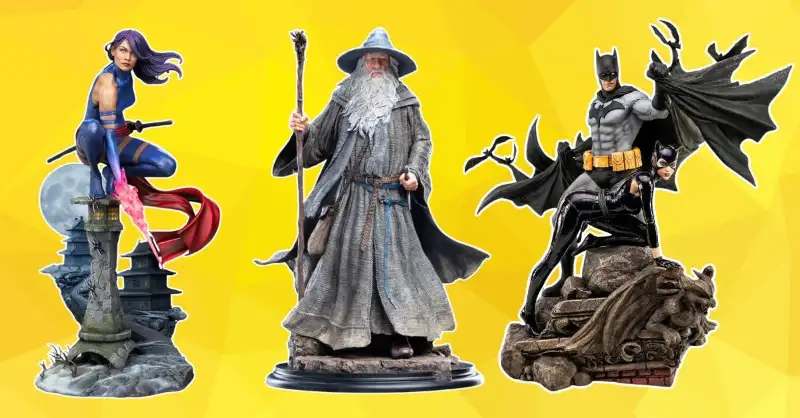
If visible joints on an action figure ruin the illusion, you belong in the statue camp. We categorize fixed-pose display pieces into three groups:
- Statues
- Busts
- Resin dioramas
These pieces sacrifice all articulation for a flawless sculpt and perfect paint application. This fixed format creates a clean, uninterrupted character silhouette.
At our factory, we cast these as solid pieces rather than assembling dozens of moving joints. Working with polystone allows us to capture incredibly sharp textures.
We can mold the exact weave of a fabric cape or fine facial pores. These pieces feel heavy and deliver a premium presentation. High-end brands like Sideshow Collectibles set the market standard for this museum-quality look.
This presentation comes with strict tradeoffs compared to standard polyvinyl chloride (PVC) figures:
- Zero poseability: You cannot change their stances. If you refresh your display weekly, you will get bored quickly.
- High fragility: If a massive 1/4 scale resin piece tips over, it shatters.
- Difficult maintenance: You cannot easily dust them without snapping off delicate hair strands or weapon tips.
Our Verdict: Statues offer the best visual fidelity on the market, but they are unforgiving. In my experience running production lines, premium resin holds a tiny 0.1% volumetric shrinkage rate during curing. Standard PVC shrinks by nearly 2%. This low shrinkage makes resin perfect for hyper-detailed sculpts.
🛡️ Expert Take: Keep resin statues locked in a secure glass cabinet away from direct sunlight to prevent paint fading and accidental damage.
3. Scale Figures vs Prize Figures: The Price-to-Detail Tradeoff
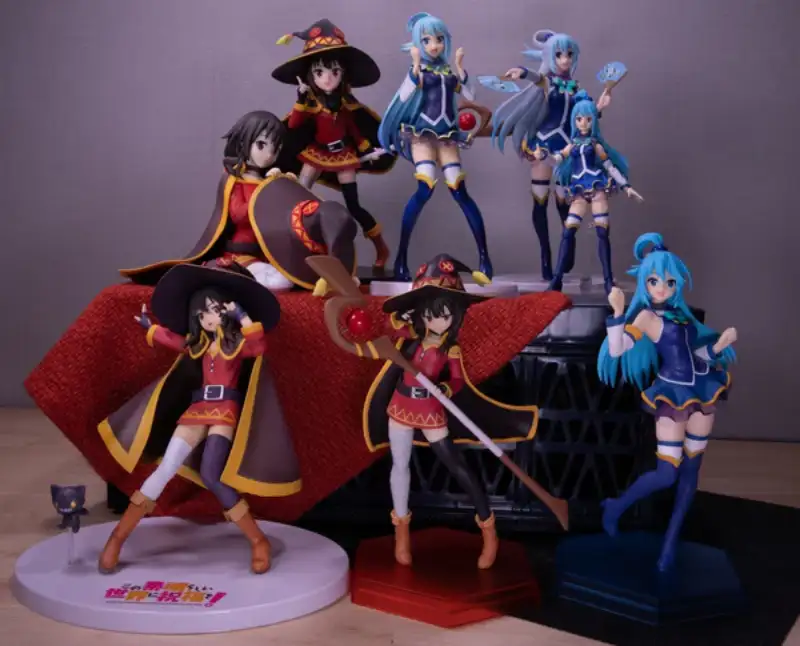
Why does an 8-inch anime figure cost $30 while an identical character costs $300? The answer lives directly inside our factory tooling and paint lines.
Manufacturers size scale figures strictly at 1/6, 1/7, or 1/8 ratios. Collectors buy these premium fixed-pose pieces for maximum sculpt fidelity, complex gradient paint, and perfect character proportion.
When I oversee a 1/7 scale production run, the hand-painting process requires dozens of passes to achieve accurate shading. We also cast these in high-grade polyvinyl chloride (PVC) to prevent the figure from leaning during summer heat. This intense labor drives up the final price tag.
Prize figures offer a completely different production model. Factories mass-produce these cheaper pieces specifically for Japanese arcade crane games and lotteries.
They are incredibly beginner-friendly. Because we use basic injection molds and simple block colors, the unit cost stays very low. You can experiment with different characters without fearing financial loss from shelf damage.
Brands like Good Smile Company bridge this gap perfectly with their POP UP PARADE line. They deliver scale-quality sculpts but simplify the paint process to keep prices close to standard prize figures.
LeelineToys' Verdict: Buy scale figures for a flawless finish and faithful anime accuracy. Buy prize figures for low-risk, budget-friendly shelf building. In our engineering tests, a premium scale figure requires over 50 individual paint masks. A standard prize figure averages just 12. That factory reality dictates your final price.
🚀 Actionable Insight: Place your cheap prize figures on the front edge of your desk where accidental bumps will not destroy a costly investment.
4. Nendoroids and Chibi Figures: Best for Kawaii Charm and Face-Swapping Fun
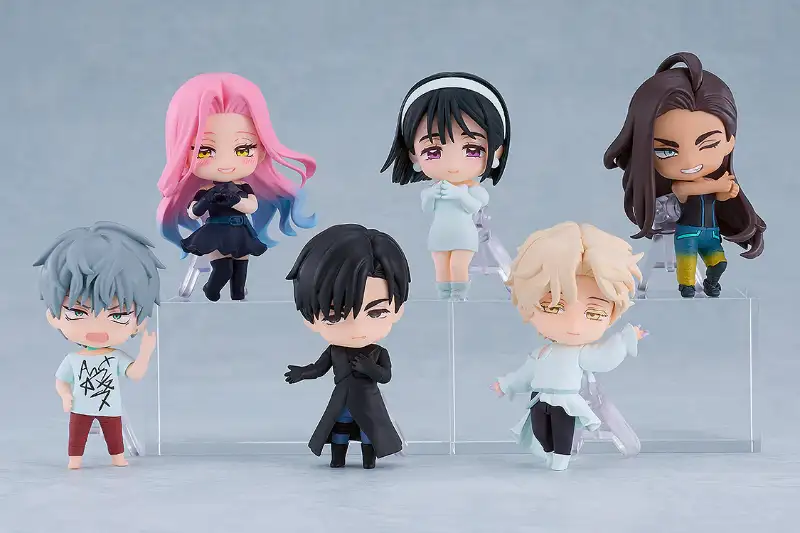
Massive 1/4 scale statues eat up shelf space fast. If you want to build a large roster of characters in a small room, you need to understand the "chibi" category.
Chibi style shrinks characters down into exaggerated head-to-body proportions. We engineer these figures with an intentionally cute presentation. This offers a completely different appeal than hyper-realistic scale lines.
Good Smile Company's Nendoroids serve as the gold standard for this format. Standing roughly 10 cm tall, they offer incredible modularity.
You can swap face-plates, alternate hands, and unique accessories. Despite the cute aesthetic, their hidden joints provide surprising poseability.
These figures are perfect if you have limited display space. They let you collect dozens of characters without committing to massive statues.
Fans love them for the expression swapping. The format does carry a strict downside.
The tiny parts are notoriously fiddly to set up. As manufacturers, we also must pass strict small parts safety regulations to export them.
Shrinking articulation down to 10 cm requires tough engineering. When our factory molds neck joints for chibi figures, we specifically use high-density polyvinyl chloride (PVC) to handle the mechanical stress. If we use standard plastics, the heavy, oversized heads simply snap the fragile neck pegs during posing.
🛡️ Our Verdict: Chibi figures maximize your shelf density. You can easily fit ten Nendoroids in the space of one standard scale figure. Buy a small plastic parts organizer immediately. In our experience, those tiny 5mm accessory hands disappear the second you open the retail box.
5. Vinyl Art Toys and Designer Toys: Where Collecting Meets Street Art
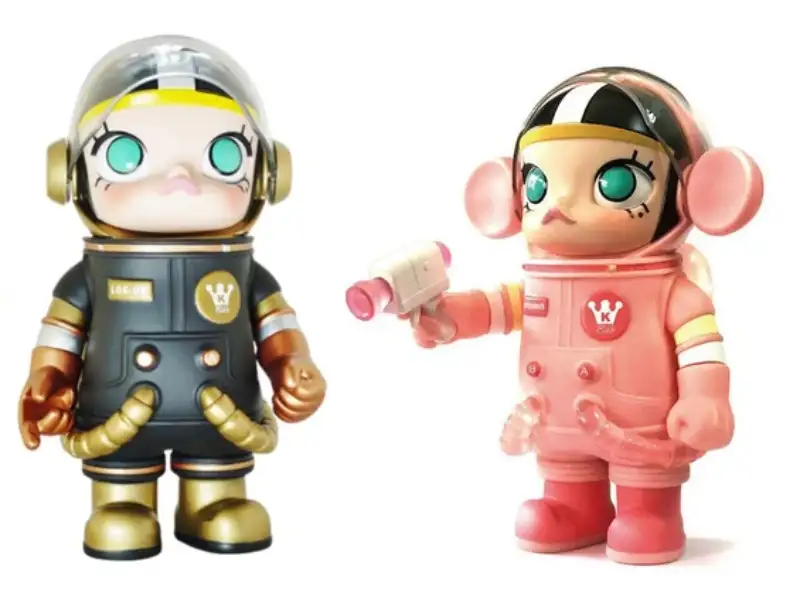
Most collectors chase perfect screen accuracy and miss a valuable market. Vinyl art toys act as blank canvases that emphasize shape language over realism.
This category anchors the broader designer toy movement. Unlike mainstream action figures, these pieces ignore complex articulation to prioritize collectible aesthetics, limited runs, and artist collaborations.
KAWS serves as the cultural reference point for this category. His figures sell out fast because they represent a distinct creator identity.
On our factory floor, we produce similar pieces using rotational molding to create a hollow, seamless vinyl shell. During recent runs for independent studios, we skipped joint engineering and diverted that tooling budget into premium matte finishes.
If you have an artistic vision, you do not need to rely on existing franchises. You can explore our custom vinyl toy manufacturing services to bring your original characters to life. We help creators bypass the middleman and move straight into production.
🛡️ Our Verdict: Choose this lane if you think like an art buyer, not a franchise completist. Vinyl art toys hold value better than mass-market plastic because brands build scarcity into their production DNA. Rotocast vinyl tooling costs about 30% less than articulated injection molds. This lower barrier to entry makes it the perfect medium for independent creators to launch a physical product line.
6. Blind Boxes and Gashapon Capsule Toys: Small, Random, and Addictive
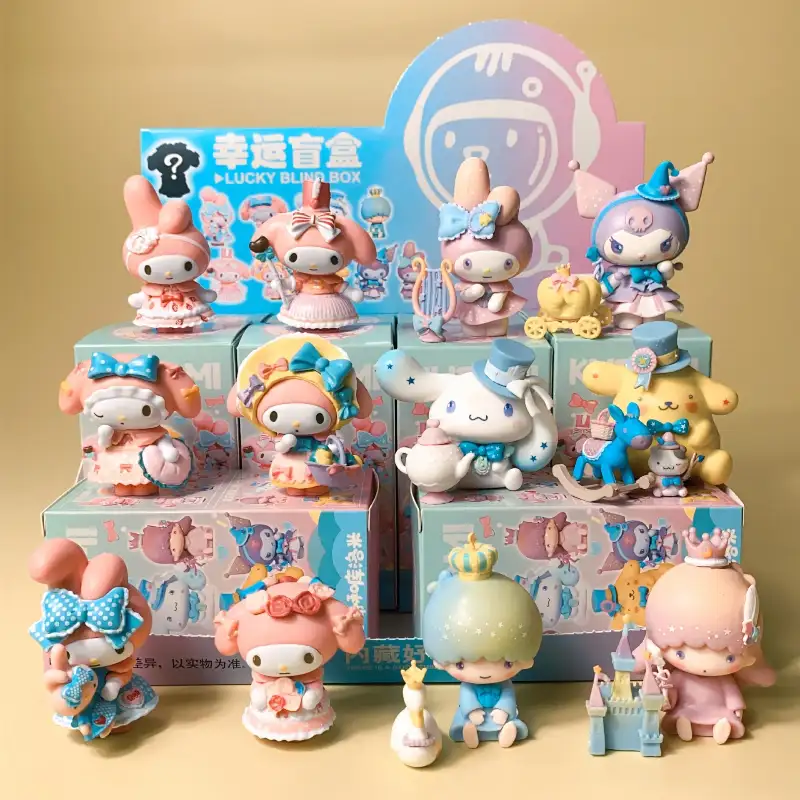
The most profitable figures we manufacture rely on the thrill of the unknown. Collectors often confuse the two main formats.
Blind boxes are sealed cardboard packages hiding a random toy. Gashapon refers specifically to capsule toys dispensed from Japanese vending machines.
This distinction dictates our entire production engineering process. We mold Gashapon shells using high-impact polystyrene to survive a hard drop from the machine.
The two halves must snap together perfectly to protect the internal PVC figure. For blind boxes, we focus heavily on precise weight balancing.
We insert hidden metal coins into the molds of lighter figures. This prevents savvy shoppers from weighing the retail boxes to guess the contents.
These tiny figures trigger the psychological urge to collect through low entry prices and desk-friendly sizes. Brands like Smiski tap directly into the set-completion impulse by using glow-in-the-dark plastics that stand out on a nightstand.
You buy one figure, and suddenly you need the entire series. This format creates a tradeoff between excitement and frustration. You will inevitably pull duplicates while hunting for rare chase figures.
In any collectible figure types guide, these formats rank highly for casual collecting, gifts, and themed micro-displays. Avoid them completely if you hate duplicates or demand total control over what you get.
🛡️ Our Verdict: We typically print one chase figure per 144 standard boxes to protect market scarcity. If you want a specific rare design, buy it directly on the secondary market to save money.
How to Plan and Authenticate Your Figure Collection
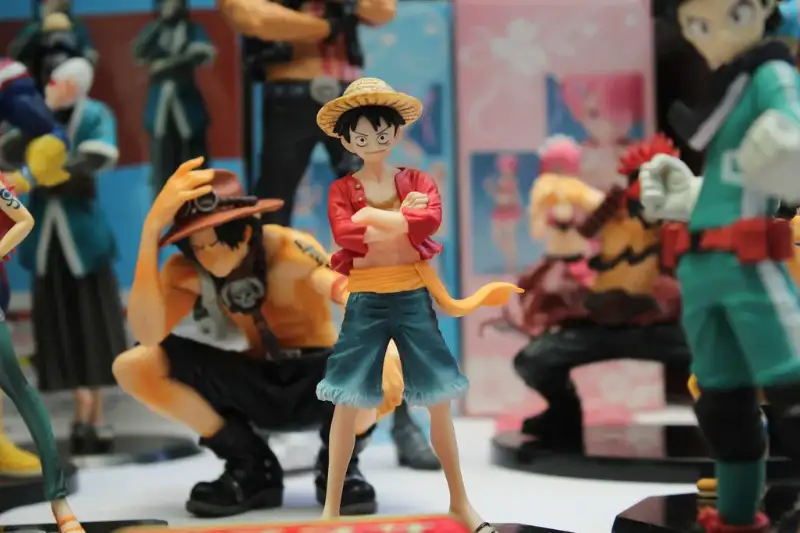
Step 1: Calculate Your Display Scale
Calculate your display scale first. As a factory engineer, I see collectors buy mismatched toys constantly.
A 1/12 scale sword will never fit a 1/6 scale hand. Match your scale to ensure proper display mix, accessory compatibility, and shelf planning. Use this simple math to plan your shelf space:
| Scale | Approximate Height |
|---|---|
| 1/6 | 12 inches |
| 1/7 | 9 to 10 inches |
| 1/8 | 8 to 9 inches |
| 1/10 | 7 inches |
| 1/12 | 6 inches |
| 1/18 | 3.75 to 4 inches |
Step 2: Choose Your Manufacturing Material
Identify your materials before you buy. On our assembly line, we rely on three main materials. Look for PVC for flexibility and mainstream production.
Check for ABS plastic in harder structural parts and load-bearing joints. Choose resin for premium statues. Resin holds sharper detail but breaks very easily.
Remember this manufacturing rule. We mass-produce action figures using steel injection molds. Conversely, we cast premium statues using liquid resin in silicone molds. Steel molds produce durable toys at high volumes, while silicone molds serve limited runs of highly detailed collectibles.
Step 3: Spot Bootlegs Like a Factory Inspector
Spot bootlegs using physical signs. I see cheap knockoffs fail basic compliance tests weekly. Inspect your new figures for these warning signs:
- Smell the plastic: Bootlegs emit a harsh chemical odor because they skip proper curing times.
- Feel the finish: Fake figures leave a greasy residue on your hands.
- Check the face: Reject sloppy, pixelated, or misaligned eye prints.
- Test the joints: Look for loose hinges right out of the box.
- Inspect the extras: Spot warped or bent plastic accessories.
- Examine the box: Watch out for flimsy cardboard and fuzzy logos.
- Look for stickers: Authentic boxes feature shiny holographic licensing stickers.
- Check the price: Avoid unrealistically low prices.
Our Experience: Skip the retail market and create your own legitimate product line. As your manufacturing partner, we help you bypass sourcing agents entirely. Use this collectible figure types guide to frame your initial ideas. Next, explore our custom toy manufacturing and custom retail packaging services. We ensure your products pass strict safety laws like the ASTM F963 Toy Safety Standard directly on our factory floor. Contact our engineering team today to start your prototype.
People Also Ask About Collectible Figure Types
1. What's the difference between an action figure and a figurine?
Action figures have articulated joints (movable limbs, head, and sometimes waist) and are designed for posing and play. Figurines are static — they have no moving parts and are designed purely for display.
Action figures are typically made from ABS/PVC blends for durability at joint points, while figurines can use a wider range of materials, including resin, porcelain, and hollow vinyl. Manufacturing costs also differ: articulated figures cost more due to joint engineering and assembly labor.
2. How do I know if a figurine will appreciate in value?
Look for four signals: (1) Limited production numbers — manufacturers should disclose edition size; anything under 1,000 units is noteworthy. (2) Franchise or brand strength — figures from established IP (Marvel, Star Wars, Genshin Impact, Pokémon) have stronger aftermarkets than original designs.(3) Manufacturer reputation — Hot Toys, Good Smile Company, Sideshow, and Medicom (Bearbrick) are known for value retention. (4) Exclusivity markers — convention exclusives, regional variants, and first-release editions command premiums.
3. Is a Funko Pop a figurine or a collectible?
Funko Pop! figures are both. By form factor, they are vinyl figurines — 3.75-inch stylized statuettes with no articulation.
By market positioning, they are collectibles — Funko releases limited editions, convention exclusives, chase variants, and numbered runs that create an active secondary market. A common Pop! might retail for $12 and stay flat, while a rare chase variant or vaulted exclusive can sell for $100–$500+.
4. What materials should I choose for a collectible-grade figure?
For collectible figures, the most common materials are: Resin/polystone (best for fine detail and premium statues, but brittle), ABS/PVC blend (best for articulated figures. ABS provides structural strength at joints, PVC allows fine sculpting), Die-cast metal (used for premium figures with metal parts, adds weight and perceived value), and Soft vinyl / sofubi (traditional Japanese technique, popular for kaiju and designer toys). The material choice directly impacts your mold cost, painting process, and shipping durability.
5. Can a mass-produced toy become a collectible?
Yes — but it requires one of three catalysts: (1) Manufacturer discontinuation (the item is no longer produced, shrinking supply)(2) Cultural resurgence (a retro franchise revival driving new demand for vintage product)(3) Grading and authentication (professional grading by AGS or CAS transforms a loose toy into a certified collectible asset). Most mass-produced toys do NOT become collectibles — the ones that do are the exception, not the rule.
Your Next Steps in Toy Manufacturing
Choosing the right figure type comes down to your budget, space, and aesthetic goals. If you want to stop buying finished products and build your own brand, we can help.
LeelineToys specializes in direct OEM manufacturing for vinyl, PVC, and custom collectible lines. Skip the sourcing agents and contact our engineers directly to start your first prototype.